First visits, couples and culture-led families
Pair Stone Town with one coast
Two cultural nights followed by one well-matched beach base creates the clearest first journey.
Changing coasts for variety usually adds more driving than value.
The VH Luxe destination guide
Balance Stone Town's Swahili history with a coast chosen for season, tide and purpose, then let the island slow the journey without flattening its culture.
Recommended stay
7–
10 nights
Best time
June through October is the clearest general dry-season window. January and February can also work but are hotter. March through May usually brings the long rains, while November is a shorter and variable rain period. Tide and wind remain coast-specific.
Primary gateway
Abeid Amani Karume International Airport (ZNZ), followed by a confirmed private road or licensed marine transfer
Journey context
Allow 7 nights for a focused route and 10 for the fullest version without making every day a transfer.
Zanzibar should be designed as culture plus coast, not a generic beach add-on. Stone Town deserves qualified historical interpretation, while the beach base must match tide, wind, marine plans and the traveler's desired privacy; Tanzania's current Level 3 advisory requires a fresh review before publication or travel.
Choose well
Choose the cultural depth and coast behavior first. Tide, wind and transfer time matter more than a property's beach photograph.

First visits, couples and culture-led families
Two cultural nights followed by one well-matched beach base creates the clearest first journey.
Changing coasts for variety usually adds more driving than value.

Swimmers, divers, sailors and low-stimulation travelers
Select north, east, southeast or an offshore island from the exact month's sea conditions and intended activity.
No coast is universally best, and tide can materially change the daily beach experience.
Honeymoons and safari travelers
Protect unscheduled time and one cultural anchor rather than filling the coast with another checklist.
A short three-night add-on can feel transfer-heavy after a complex safari.
Divers, snorkelers and conservation-minded guests
Use qualified operators and current reef guidance for a marine plan shaped by visibility and weather.
Whale sharks, dolphins, turtles and calm water can never be promised.
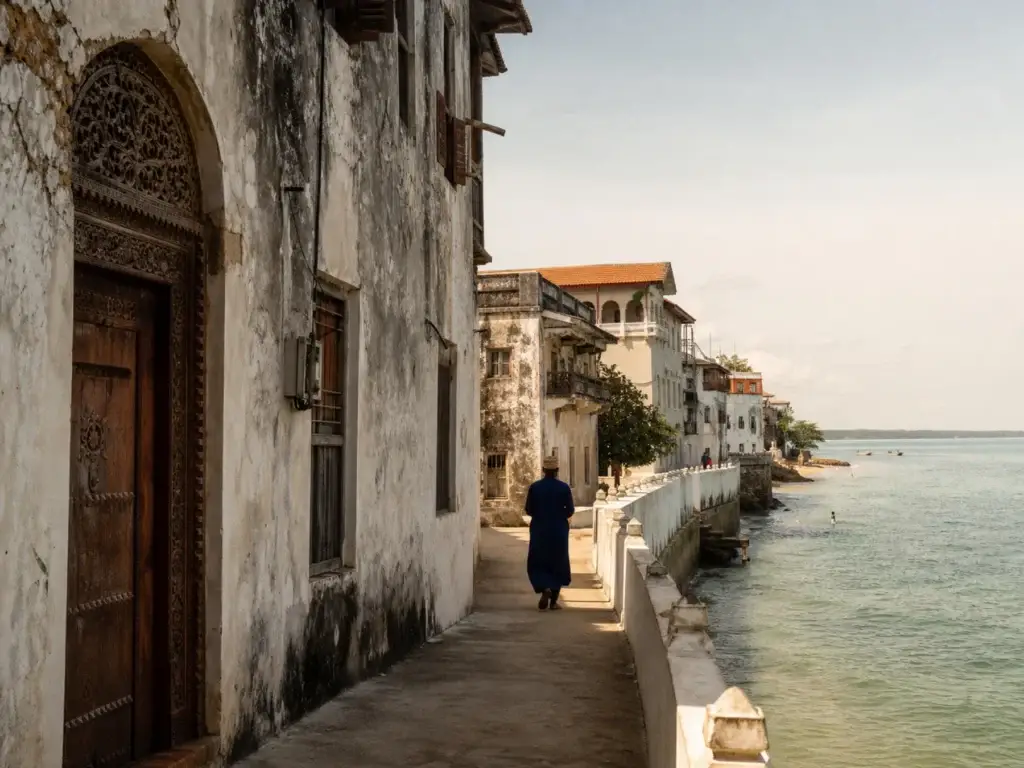
Stone Town expresses centuries of Swahili coastal exchange through coral-rag architecture, courtyard houses, religious life, trade and the painful history of enslavement. The east, north and south coasts have different tide, wind and development patterns.
Seven nights supports Stone Town and one coast. Nine to ten gives Jozani, spice agriculture, marine time and weather margin room to breathe, especially after a safari.
Advisor perspective: I would keep two nights in or near Stone Town, then select one beach base from the exact month and intended sea activity. A post-safari stay should restore pace rather than immediately replace one activity schedule with another.
What stays with you

Swahili history
Connect coral-rag construction, trade, faith and the history of enslavement through qualified interpretation and respectful pacing.

Foodways
Visit a verified working farm or specialist who can explain cultivation, cooking and trade without staging local life.

Forest ecology
A qualified guide can explain forest, mangrove and endemic wildlife while distance and current reserve rules govern the visit.

Seamanship
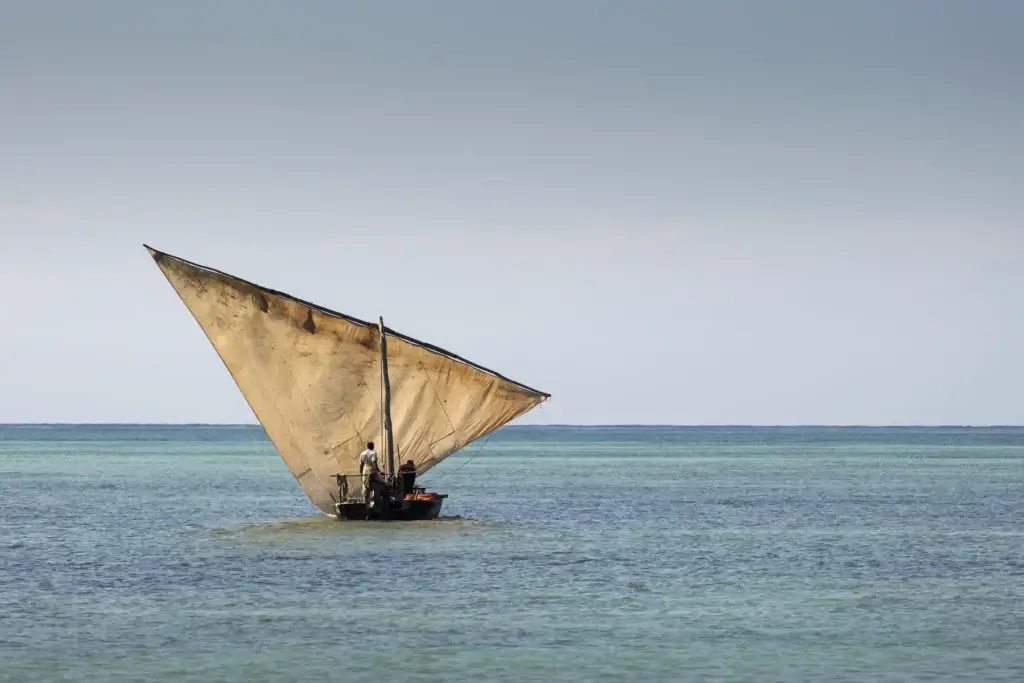
Choose a licensed crew and conservative route shaped by wind, tide, vessel condition and passenger ability.

Culinary culture
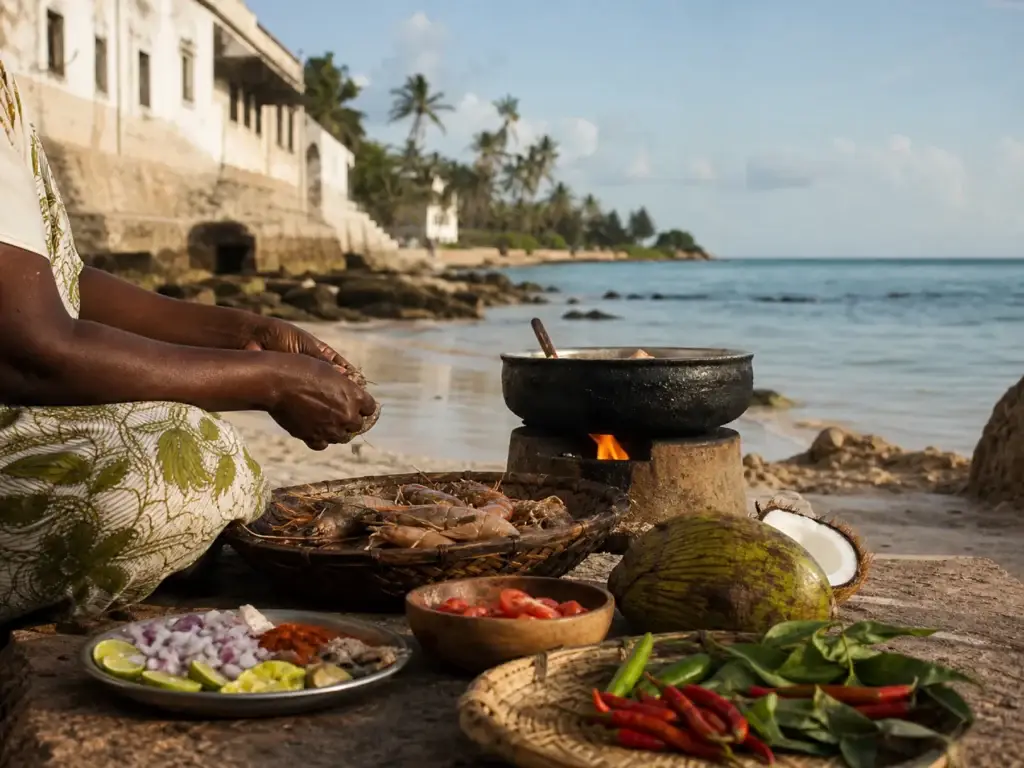
A chef or food historian can connect rice, coconut, spices and seafood to Indian Ocean exchange without reducing the cuisine to exotic flavor.
Travel restored
What makes Zanzibar a wellness destination?
Zanzibar makes wellness tidal: the sea, shade, spice and Swahili meal rhythm can replace constant scheduling with deliberate sensory attention. The takeaway is a slower daily cadence that still respects the island as a living cultural place.
For companions
Strong for mixed interests because movement, culture and quiet can be shared or arranged independently around the same route.
Seasonal lens
June through October is the clearest general window; January and February can work with heat-aware pacing, while long-rain months require more flexibility.
Let natural cycles shape the day
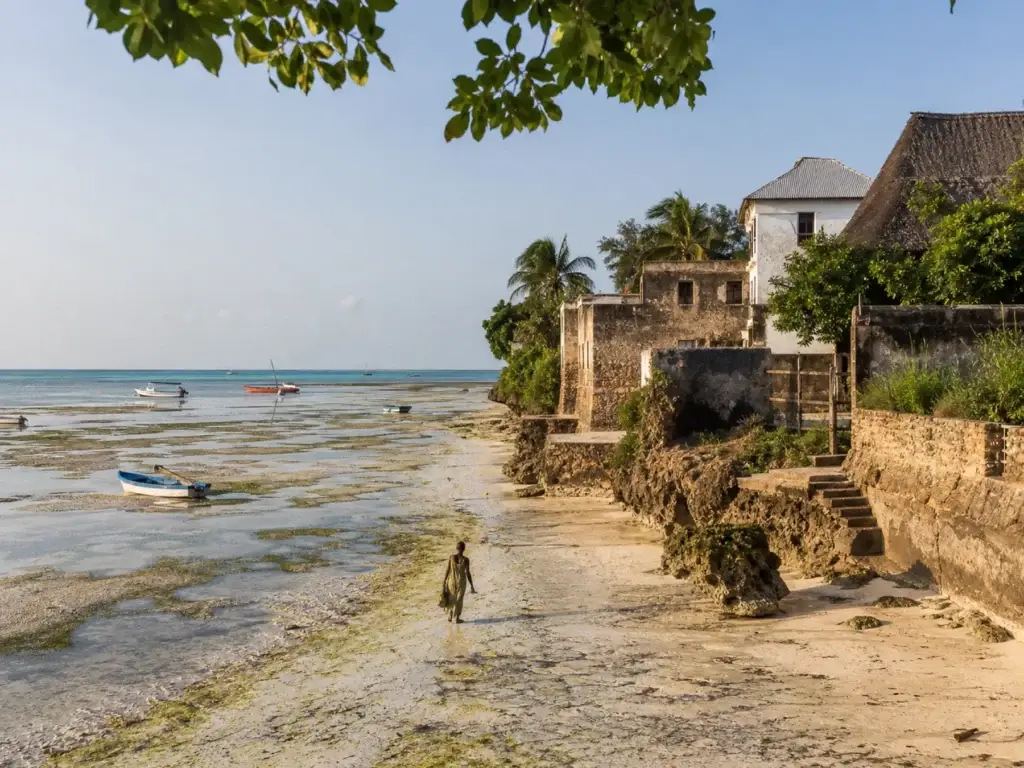
Build swimming, reef and walking time around the actual tide table, leaving one unscheduled interval rather than forcing constant access.
Tides and blue-space exposure do not produce guaranteed health outcomes.
Use aroma and taste to deepen attention
A verified grower or food specialist can connect clove, cinnamon, cardamom and other crops to cultivation and cuisine.
Confirm allergies and avoid detoxification or medicinal claims.
Practice calm coordination with wind and water
A licensed crew can explain sail handling and coastal navigation on a conservative weather-led route.
Sea state, mobility and vessel safety determine suitability.
Move from beach passivity to ecological awareness
A naturalist-led forest and mangrove interval can focus on sound, endemic species and habitat relationships.
Wildlife sightings are uncertain and forest exposure is not treatment.
Wellness descriptions explain movement, ecology, food culture, bathing and restorative travel rhythm. They do not promise diagnosis, treatment, detoxification, biomarker change, longevity or medical outcomes. Confirm practitioners, facilities, conditions and personal suitability.
Timing the journey
June through October is the clearest general dry-season window. January and February can also work but are hotter. March through May usually brings the long rains, while November is a shorter and variable rain period. Tide and wind remain coast-specific.
Jun · Jul · Aug · Sep · Oct
BestNov
ConditionalDec · Jan · Feb
GoodMar · Apr · May
ConditionalWeather, wildlife, marine conditions, transport, cultural access, site hours and seasonal operations change. Confirm the exact week and every time-sensitive experience before travel.
Value, clearly framed
Custom quote based on exact route, international cabin, regional air, private vehicle or vessel, specialist program and seasonal access. No public package price is stated.
What shapes the guidance
7 to 10 nights for two travelers; route-matched private transfers, qualified guides and specialist experiences priced separately at proposal stage.
Journey logistics
Match the arrival to Stone Town or the chosen coast and protect enough time for traffic and ferry or flight variability. Confirm transfer duration, road conditions, tide-dependent boat access, baggage, weather and same-day international connections.
Primary gateway Abeid Amani Karume International Airport (ZNZ), followed by a confirmed private road or licensed marine transfer
Premium commercial air
International or regional origin→Abeid Amani Karume International Airport (ZNZ)
Scheduled commercial air and confirmed private transfer
Confirm the operating service, luggage, conditions, assistance and onward transfer for the exact date.
Premium commercial air
Arusha, Kilimanjaro, Serengeti airstrip or confirmed origin→Abeid Amani Karume International Airport (ZNZ)
Scheduled regional or licensed charter air
Confirm the operating service, luggage, conditions, assistance and onward transfer for the exact date.
Boat, ferry or yacht
Approved jetty→Route-matched island or coast
Licensed vessel subject to sea state and tide
Confirm the operating service, luggage, conditions, assistance and onward transfer for the exact date.
Confirm Stone Town steps and uneven lanes, vehicle access, boat boarding, wet jetties, beach landings, tides, heat and medical response. Historic buildings and small vessels require separate mobility review.
Before you go
Reservations
The current Level 3 status requires a fresh publication and traveler-specific safety review.
Getting around
Beach width and swimming access can change materially through the day.
Etiquette
Stone Town and villages require context-sensitive clothing and photography.
Wellness
Vessel, weather, rescue and insurance standards must be verified.
The VH Luxe approach
Use two nights for history, architecture and one food or spice thread.
Match the base to month, tide and purpose rather than changing hotels for scenery.
Let current conditions decide the sequence and leave recovery space between them.
Keep one daily unscheduled interval tied to light, weather or movement.

Advisor-led planning
Founder & Luxury Travel Advisor
I coordinate your hotel and room, premium air, transfers and key experiences as one considered journey, with one point of contact from planning through travel.
Good to know
Seven nights supports Stone Town and one coast. Nine to ten is better when adding forest, marine and food experiences.
June through October is the clearest general window; January and February can also work with hotter conditions.
The answer depends on month, tide, swimming expectations, wind, diving plans and desired development level.
Yes for most first visits. Two nights allows meaningful context without sacrificing the coast.
No. Ethical operators follow sea conditions, protected-area rules and animal behavior.
Tidal pacing, dhow movement, spice literacy and forest attention create a culturally grounded reset rather than a generic beach treatment.