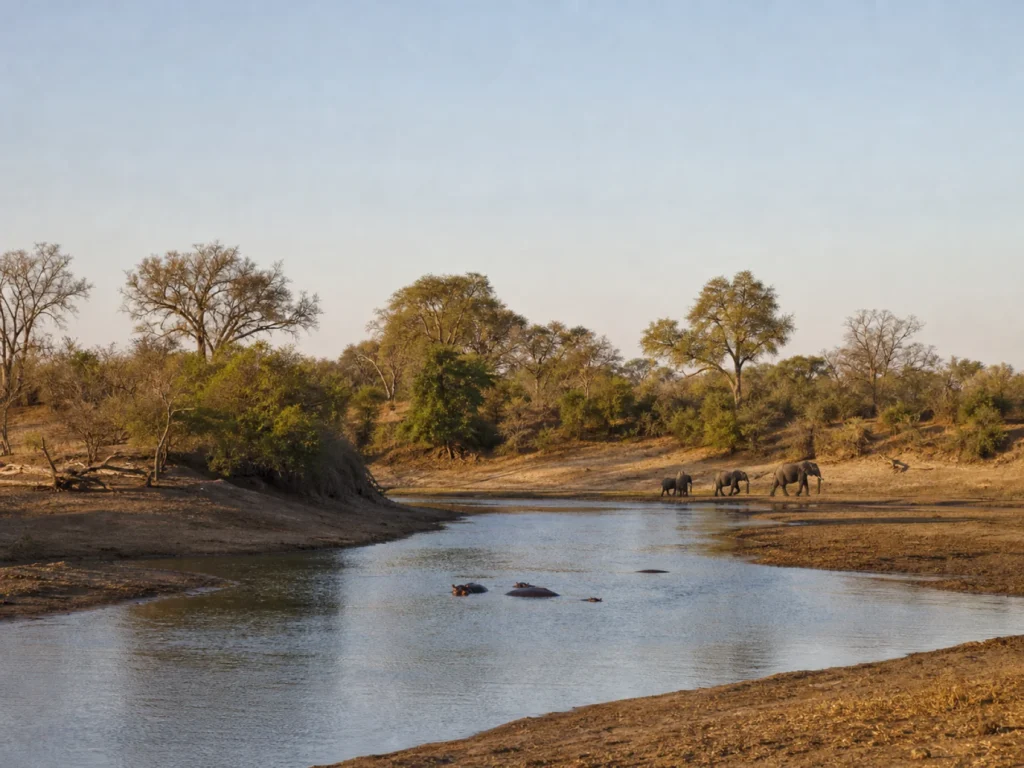
The VH Luxe destination guide

Zambia

Let walking, river and guidecraft shape a safari where attention matters more than a checklist.

Recommended stay

8–

12 nights

Best time

June through October is the core dry-season safari window. September and October can be very hot. November through March is green and strong for birding, but rains alter roads and camp operations. Victoria Falls water volume follows its own seasonal cycle and must be checked separately.

Primary gateway

Lusaka (LUN) or Livingstone (LVI), followed by a verified safari flight or private transfer

Journey context

Allow 8 nights for a focused route and 12 for the fullest version without making every day a transfer.

Curator’s verdict

June through October is the clearest first-safari window, with Victoria Falls water levels and heat changing across the season. The strongest route chooses two chapters, usually South Luangwa plus Lower Zambezi or Victoria Falls, rather than collecting camps.

Choose well

Which Zambia safari combination fits the traveler?

Choose two complementary ecosystems and the preferred way of moving before selecting camps. Guide quality and operational fit matter more than adding another region.

South Luangwa river and wildlife

First Zambia visits, wildlife learners and walking-curious travelers

Begin with South Luangwa for guide-led depth

The Luangwa River system supports game drives, seasonal boating and the walking-safari tradition.

Worth knowing

Walking is never compulsory and sightings, routes and activities depend on safety and conditions.
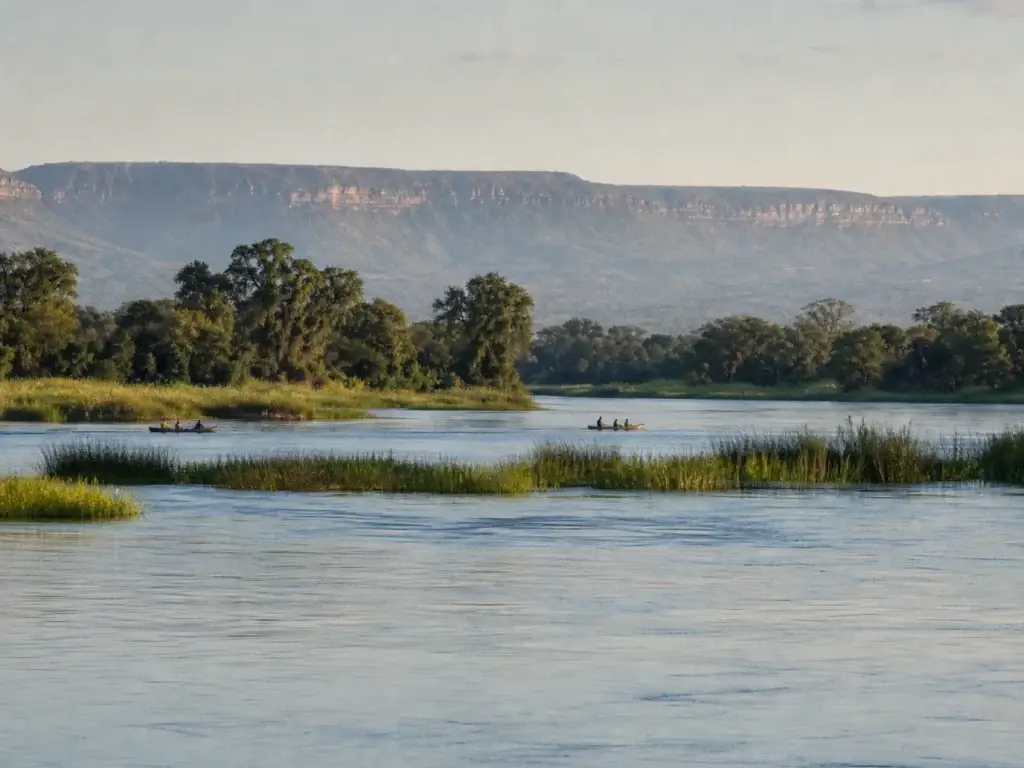
Lower Zambezi river landscape

Couples, repeat safari travelers and active families

Add Lower Zambezi for river contrast

Canoe, boat and land activities create a distinct riverine rhythm opposite the wider Mana Pools ecosystem.

Worth knowing

Water levels, current, wildlife and operator rules determine what is safe each day.

First Africa journeys and multigenerational travelers

Use Victoria Falls as a seasonal chapter

The falls can add landscape, history and a gentler arrival or finish when water and heat match expectations.

Worth knowing

The view and spray change substantially by month, and headline activities have separate risk profiles.

Travelers seeking sensory detail and expert interpretation

Choose walking as an option, not an obligation

A qualified guide can use a short walk to reveal tracks, plants and ecology at a different scale.

Worth knowing

Fitness does not remove wildlife risk, and a drive alternative should always be available.

A considered introduction

Zambia's distinction is not a single species. South Luangwa is central to the walking-safari tradition, Lower Zambezi combines river and land, and Mosi-oa-Tunya or Victoria Falls adds a powerful seasonal landscape.

Eight nights supports two safari areas. Ten to twelve allows a falls chapter or a slower three-camp route with charter and recovery margins.

Advisor note

Advisor perspective: I would begin with South Luangwa for guide-led depth, then add Lower Zambezi for river contrast. Victoria Falls belongs when the water level, heat and onward air schedule support the traveler's purpose.

What stays with you

Signature experiences

Qualified walking safari context in Zambia

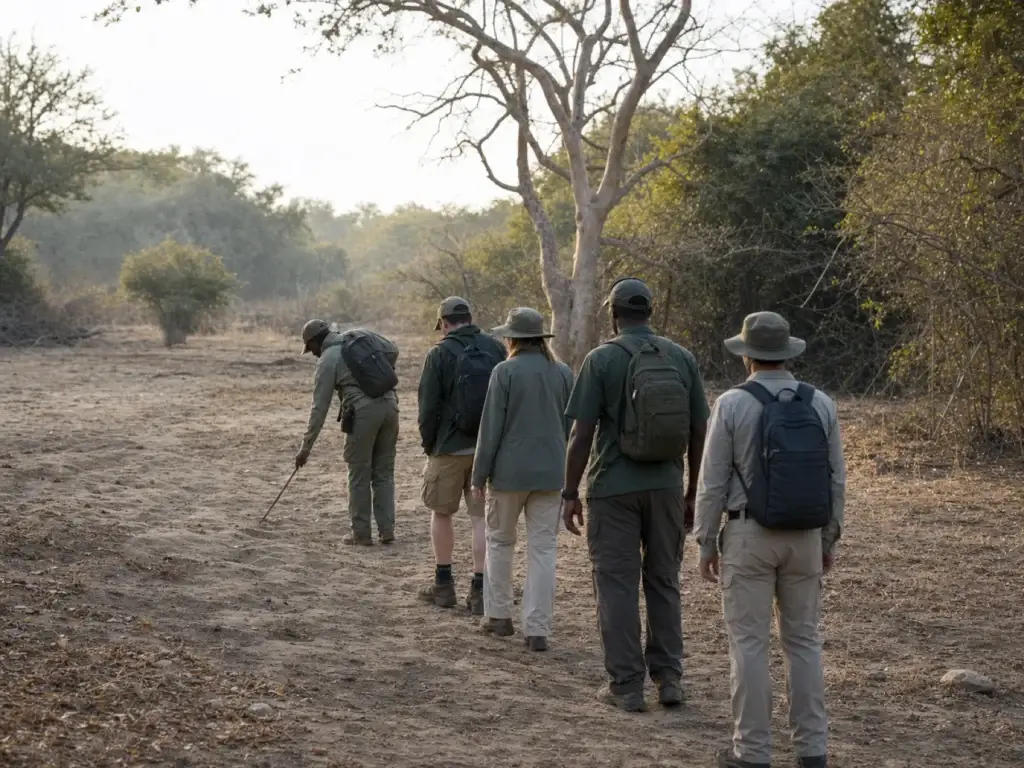
Walking safari

Read the bush at ground level

Use a highly qualified private guide for a conservative walk focused on tracks, plants and behavior, with the route controlled by live conditions.

Lower Zambezi guided canoe or boat

River ecology

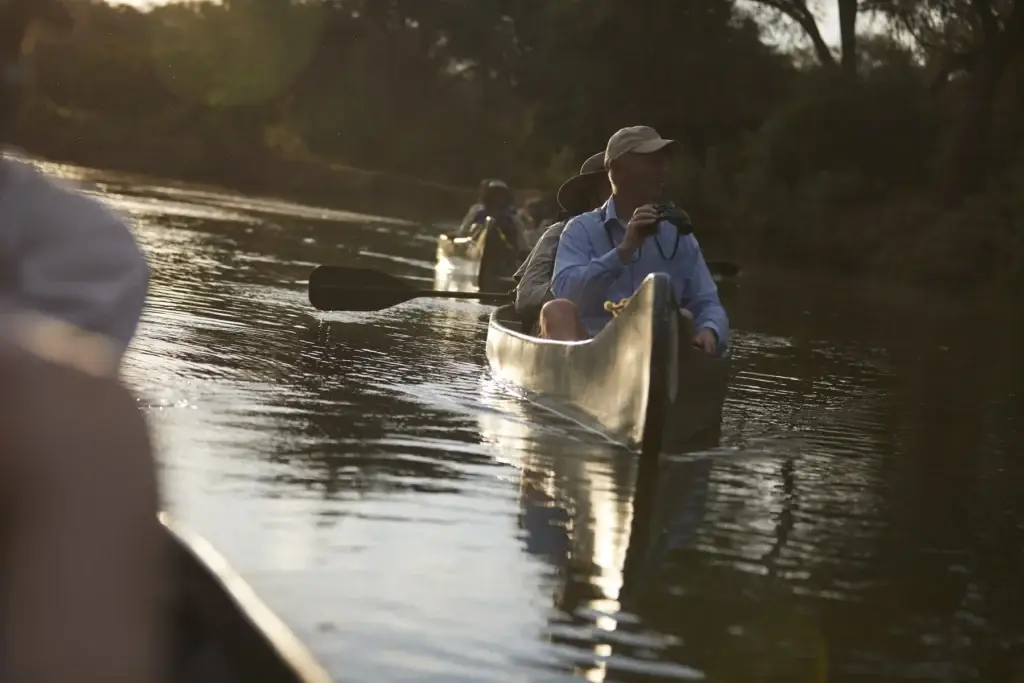
Follow the Lower Zambezi by water

A licensed guide can choose canoe or boat according to current, wind, wildlife and guest confidence.

Zambian river and safari landscape

Water landscape

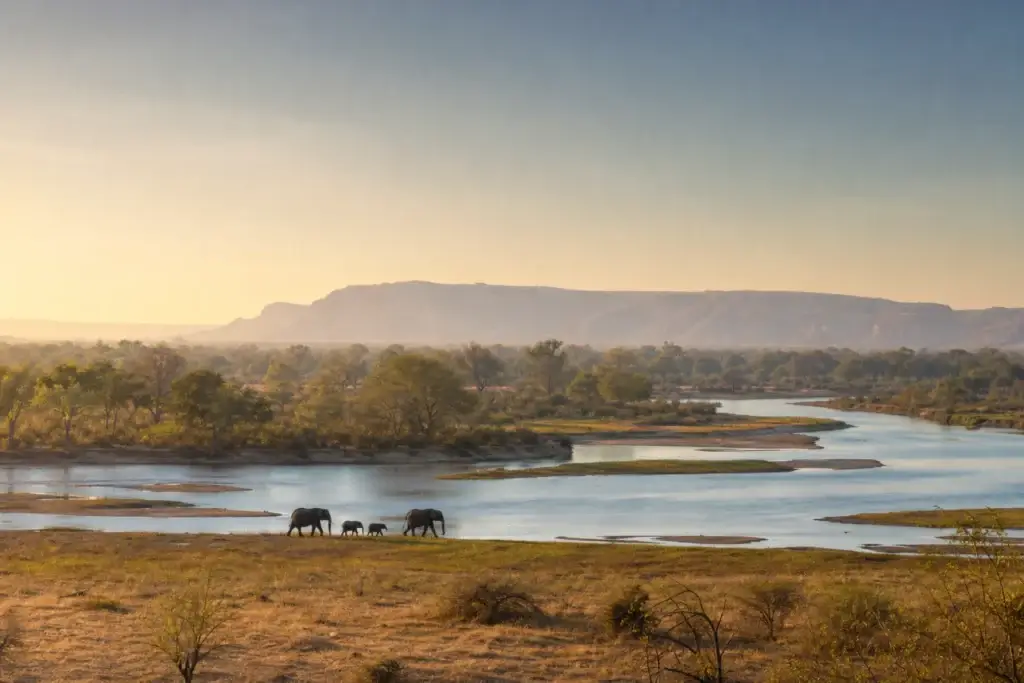
Meet Victoria Falls at the right season

A private specialist can explain geology, hydrology and local names while timing viewpoints around water level, spray and heat.

Zambia conservation field context

Conservation

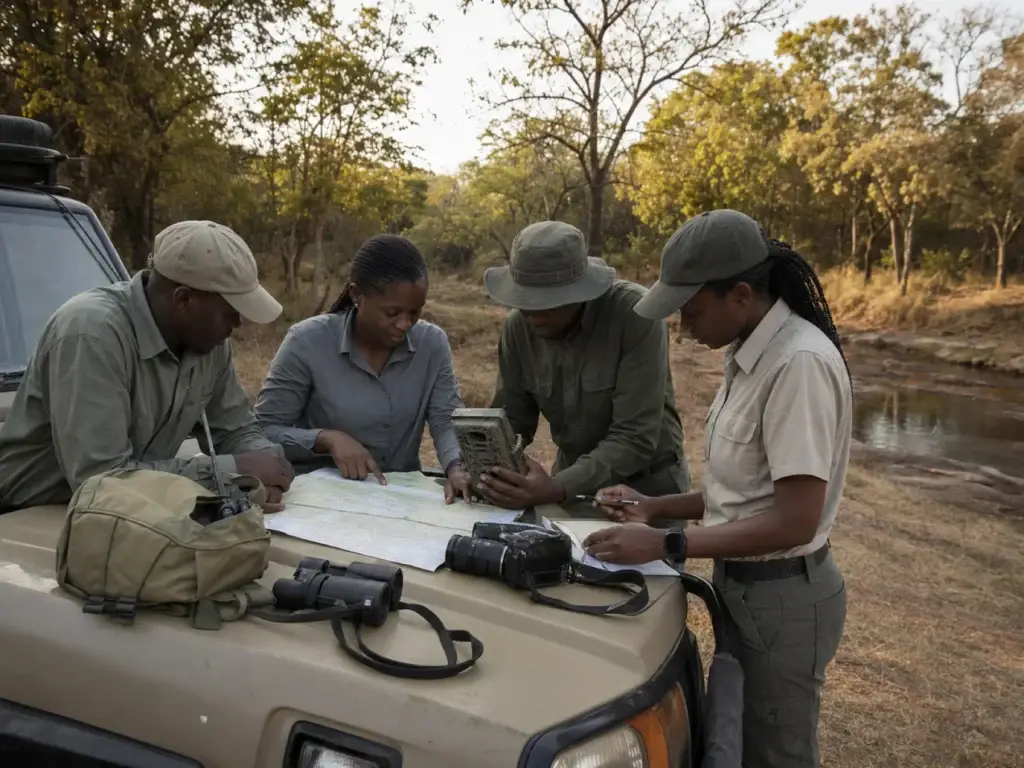
Understand the work behind the safari

Meet an approved conservation or community partner only when the organization confirms the visit and the interaction supports its priorities.

Zambia night safari ecology

Night ecology

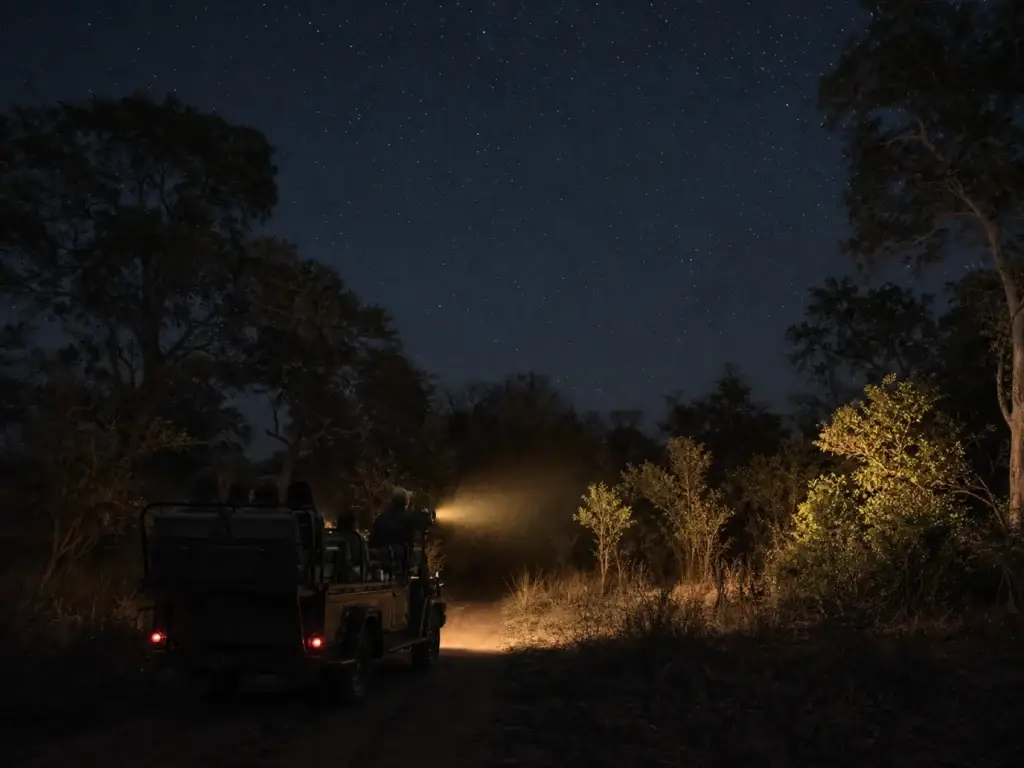
Listen before looking on a night drive

A qualified guide can frame nocturnal behavior, sound and responsible spotlighting without chasing a species list.

Travel restored

What makes Zambia a wellness destination?

What makes Zambia a wellness destination?

Zambia makes wellness attentive and embodied: walking, river movement and excellent guidecraft shift the traveler from collecting sightings to reading an ecosystem. The lasting change is slower observation, respect for uncertainty and a daily movement practice grounded in awareness.

Wellness role
A primary reason to travel
Best for
Active couples, repeat safari travelers and multigenerational groups seeking purpose, movement and ecological meaning
Format
Optional private walk, river interval, low-stimulation midday recovery and conservation-led interpretation
Ideal commitment
One expert-led movement or ecology anchor, one cultural interval and one protected daily pause within a 8- to 12-night route
Intensity
Varies

For companions

Strong for mixed interests because movement, culture and quiet can be shared or arranged independently around the same route.

Seasonal lens

June through August supports cooler walking; September and October demand heat-aware starts and recovery. Green-season access and camp operation vary.

Turn movement into ecological literacy

The walking-safari tradition

A qualified guide can use tracks, plants, wind and animal behavior to make a short walk deeply observant.

Duration
Ninety minutes to half a day
Intensity
Moderate
Best for
Travelers with suitable mobility who value expertise
Consider

Walking carries inherent wildlife risk. Route, group size, guide credentials and a drive alternative must be confirmed.

Use water to shift pace without losing engagement

River-paced attention

A licensed guide can select a boat or canoe interval around current conditions and confidence.

Duration
Two hours to one half day
Intensity
Varies
Best for
Couples and families comfortable around water
Consider

Canoeing is not appropriate for every traveler or condition. Confirm life jackets, current, wildlife and rescue procedures.

Protect rest as part of performance and safety

The safari recovery interval

Use the midday lull for hydration, shade, food and optional bodywork from a verified practitioner.

Duration
Daily two to three-hour interval
Intensity
Gentle
Best for
All safari travelers, especially in hotter months
Consider

Bodywork is optional and not medical care. Heat illness requires prevention and qualified treatment.

Connect privilege with informed stewardship

Conservation perspective

A verified conservation partner can explain habitat, anti-snaring or community priorities, with any visit led by the organization.

Duration
One confirmed briefing or field interval
Intensity
Gentle
Best for
Travelers seeking meaning beyond wildlife viewing
Consider

Do not promise operational access, patrol participation, donations or measurable impact without written confirmation.

Wellness descriptions explain movement, ecology, food culture, bathing and restorative travel rhythm. They do not promise diagnosis, treatment, detoxification, biomarker change, longevity or medical outcomes. Confirm practitioners, facilities, conditions and personal suitability.

Timing the journey

When to go

June through October is the core dry-season safari window. September and October can be very hot. November through March is green and strong for birding, but rains alter roads and camp operations. Victoria Falls water volume follows its own seasonal cycle and must be checked separately.

Jun · Jul · Aug

Best

Cool dry season

Weather
Dry, generally cooler conditions support walking and wildlife viewing, with cold early starts possible.
Crowds
Small camps and top guides are in strong demand.
Best for
Best all-round for a first walking and river safari.

Sep · Oct

Best

Hot late dry season

Weather
Wildlife concentration can be strong, but daytime heat can be intense.
Crowds
Peak safari demand continues and airstrips are busy.
Best for
Excellent for wildlife-focused travelers with heat-aware pacing.

Nov · Dec

Conditional

Rain transition

Weather
Heat, storms and changing roads begin the green transformation.
Crowds
Some camps close or alter access while others remain open.
Best for
Good for flexible repeat visitors and early green-season interest.

Jan · Feb · Mar · Apr · May

Good

Green and shoulder season

Weather
Lush landscapes and birdlife, with variable rain, roads and water levels.
Crowds
Fewer camps operate in some areas, creating both quiet and limited choice.
Best for
Strong for birding and specialist travel when operations are verified.

Weather, wildlife, marine conditions, transport, cultural access, site hours and seasonal operations change. Confirm the exact week and every time-sensitive experience before travel.

Value, clearly framed

Understanding trip value

Custom quote based on exact route, international cabin, regional air, private vehicle or vessel, specialist program and seasonal access. No public package price is stated.

What shapes the guidance

8 to 12 nights for two travelers; route-matched private transfers, qualified guides and specialist experiences priced separately at proposal stage.

Journey logistics

Arrive well

Most safari routes use Lusaka and domestic or charter flights to Mfuwe, Jeki or another confirmed airstrip. Livingstone can open or close a falls chapter. Build in luggage, runway, weather and daylight margins.

Primary gateway Lusaka (LUN) or Livingstone (LVI), followed by a verified safari flight or private transfer

Premium commercial air

International arrival through Lusaka

International originKenneth Kaunda International Airport (LUN)

Scheduled commercial air followed by domestic or charter sector

Confirm the operating service, luggage, conditions, assistance and onward transfer for the exact date.

Premium commercial air

Air connection to South Luangwa

LusakaMfuwe International Airport (MFU)

Scheduled domestic or licensed charter aircraft

Confirm the operating service, luggage, conditions, assistance and onward transfer for the exact date.

Private aviation

Charter to Lower Zambezi

Lusaka or route-matched originConfirmed Lower Zambezi airstrip

Licensed light aircraft followed by camp transfer

Confirm the operating service, luggage, conditions, assistance and onward transfer for the exact date.

Access and mobility

Confirm light-aircraft steps, luggage limits, open vehicles, boat entries, walking distance, camp paths, bathroom setup and evacuation cover. Walking safaris require specific health, balance and risk review.

Before you go

Practical planning notes

Wellness

Keep walking optional

A short drive alternative should exist for every planned walking interval.

Getting around

Check Victoria Falls water levels

High spray and low-water rock exposure create very different experiences.

Getting around

Protect charter margins

Weather, runway and daylight can change light-aircraft timing.

Getting around

Never guarantee wildlife

Guide quality improves interpretation, not certainty.

The VH Luxe approach

How VH Luxe composes the journey

  1. Open in South Luangwa

    Use four nights to learn one ecosystem through drives and an optional conservative walk.

  2. Move once by air

    Protect the charter day and settle into Lower Zambezi for a different mode of observation.

  3. Add the falls only with purpose

    Use two nights when water level, heat and international routing justify the chapter.

  4. Carry home slower observation

    Keep one daily walk or screen-free listening interval focused on what is actually present.

Paramjit Harika, VTA, CTA

Advisor-led planning

Your journey, personally considered

Paramjit Harika

Founder & Luxury Travel Advisor

I coordinate your hotel and room, premium air, transfers and key experiences as one considered journey, with one point of contact from planning through travel.

Good to know

Frequently asked questions

How many nights do you need in Zambia?

Allow eight nights for South Luangwa and Lower Zambezi. Ten to twelve works better with Victoria Falls or a third safari chapter.

What is the best time for a Zambia safari?

June through October is the core dry-season window. June to August is cooler; September and October can be very hot.

Is a walking safari safe?

It carries inherent wildlife risk. Use qualified guides, conservative routes and an alternative activity for anyone who should not walk.

Should you combine Zambia with Victoria Falls?

Yes when water level, heat and onward flights support the purpose. The falls should not be an automatic box to check.

Can you guarantee a canoe safari?

No. Water, wind, wildlife, operator judgment and traveler confidence control whether canoeing is appropriate.

What makes Zambia a wellness destination?

Walking, river movement, protected recovery and guide-led ecological attention create an embodied safari with a slower habit of observation.