The VH Luxe destination guide

Yosemite & the Sierra Nevada, California

Choose the right Yosemite geography before choosing the trail. The Valley, Wawona and the high country reward different timing, access and recovery strategies.

Recommended stay

4–

7 nights

Best time

Late spring often favors waterfalls while high roads may remain closed. Summer offers the broadest access with heat, crowds, smoke and storms possible. Autumn can feel calmer but narrows water flow and services. Winter creates a quieter, much smaller operating geography.

Primary gateway

Fresno Yosemite International Airport (FAT), or a confirmed route from the San Francisco Bay Area

Journey context

Allow 4 to 5 nights for the Valley plus one southern or Glacier Point chapter. Use 6 to 7 when Wawona and a condition-ready high-country day both matter.

Curator’s verdict

Yosemite does not need a longer checklist. It needs a sharper operating plan. Protect the quiet edges of the day, separate the park's distinct geographies and let permits, roads, water, smoke and weather decide what remains possible.

Choose well

Which Yosemite geography protects the journey?

Choose the base that serves the main purpose, then let live conditions set the day's scale.

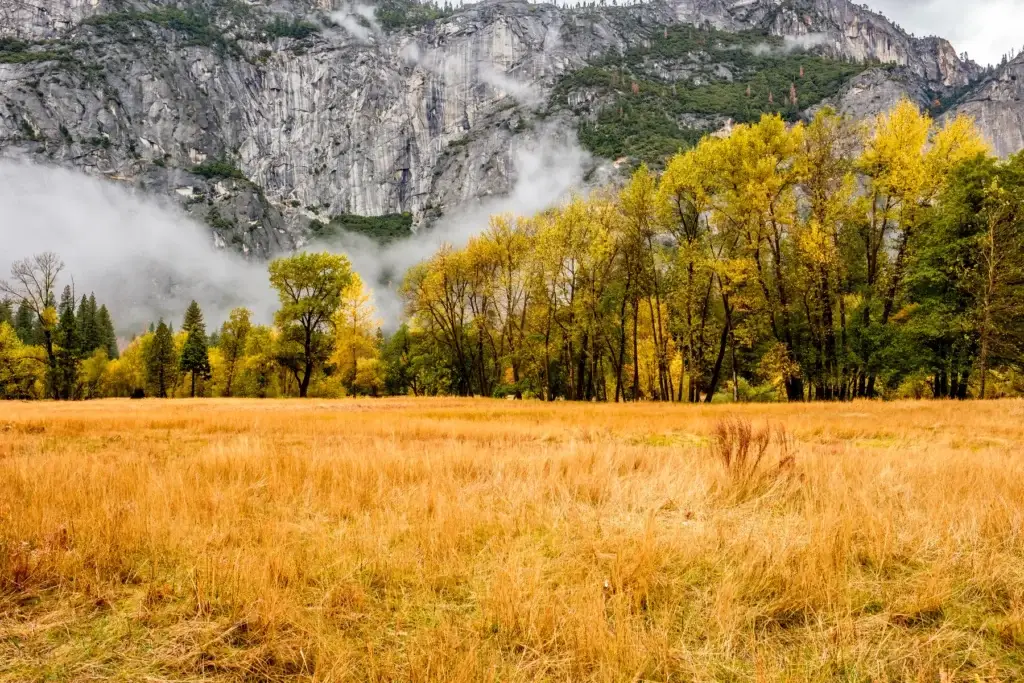
Yosemite Valley meadow, Merced River or Valley walls in soft light

First visits, photographers and travelers who value dawn, dusk and less approach driving

Use Yosemite Valley to protect the quiet edges

A Valley base makes it easier to read granite, meadow and water before the busiest part of the day, then return for a real recovery interval.

Worth knowing

Proximity does not guarantee parking, solitude, waterfall flow, trail access or a particular room view.
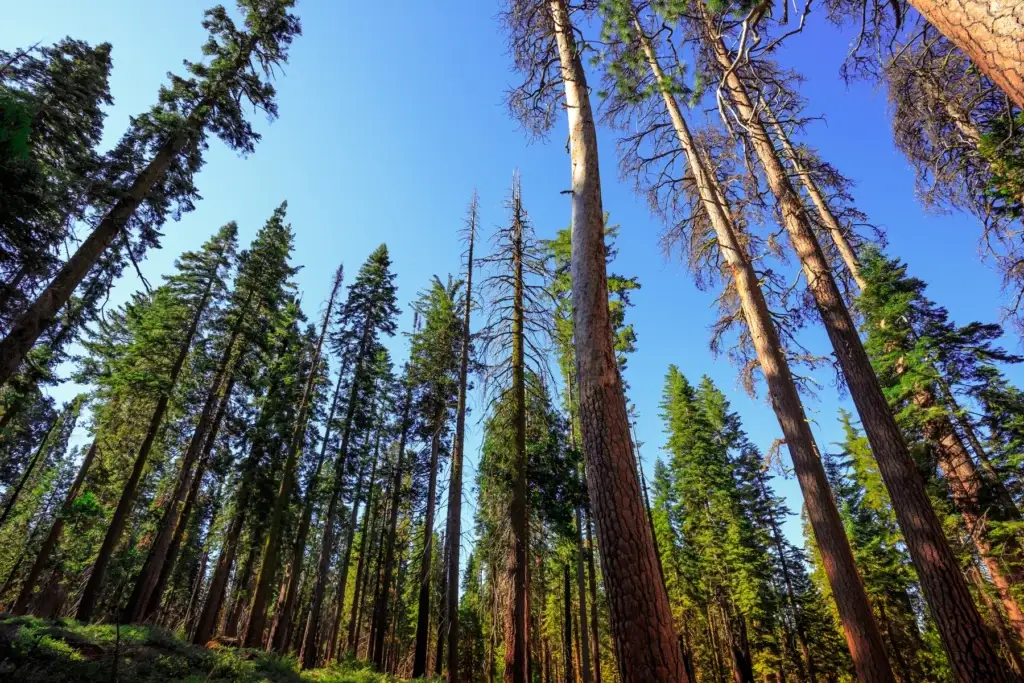
Mariposa Grove giant sequoias or exact Wawona landscape

Repeat visitors, families and travelers prioritizing Mariposa Grove over a Valley checklist

Choose Wawona for a slower southern chapter

Wawona creates a separate rhythm around giant sequoias, history and the southern entrance instead of forcing every day through the Valley.

Worth knowing

It adds distance to Valley objectives, and Mariposa Grove parking, shuttles, roads and trails remain conditional.

Summer travelers drawn to open granite, meadows, lakes and higher-elevation air

Treat the high country as its own day

Use Tioga Road only when it is open and services support the plan, then choose one naturalist-led high-country objective rather than a rushed crossing.

Worth knowing

Snow, smoke, storms, limited services and long driving can remove the high country from the journey.

Active travelers who value judgment, longevity and recovery over achievement

Let one ambitious trail remain optional

Reserve permits where required, assess water, heat, smoke and footing, then protect a shorter route that still delivers meaning.

Worth knowing

The safer or more restorative choice may exclude Half Dome or another famous objective.

A considered introduction

Yosemite becomes a more refined journey when scale is exchanged for precision. A Valley base protects dawn and evening access to the granite amphitheater. Wawona creates a slower southern chapter around Mariposa Grove. The high country deserves its own seasonal day when Tioga Road and limited services are operating.

Four or five nights suits a focused Valley journey with one southern or Glacier Point chapter. Six or seven creates space for Wawona and the high country without turning every day into a transfer. Half Dome is an optional, permit-dependent undertaking, not the measure of a successful visit.

Advisor note

Advisor perspective: I would secure the base and one daily objective first, then protect a lower-intensity replacement for heat, smoke, water, road or trail changes. In Yosemite, an unhurried evening is often more valuable than one more viewpoint.

What stays with you

Signature experiences

Yosemite Valley granite walls, meadow and water in one coherent frame

Geology and ecology

Read the granite amphitheater with a naturalist

Let an authorized naturalist connect granite, glaciers, meadows, water and stewardship during a cool-hour Valley interval, with the exact route adapted to access and mobility.

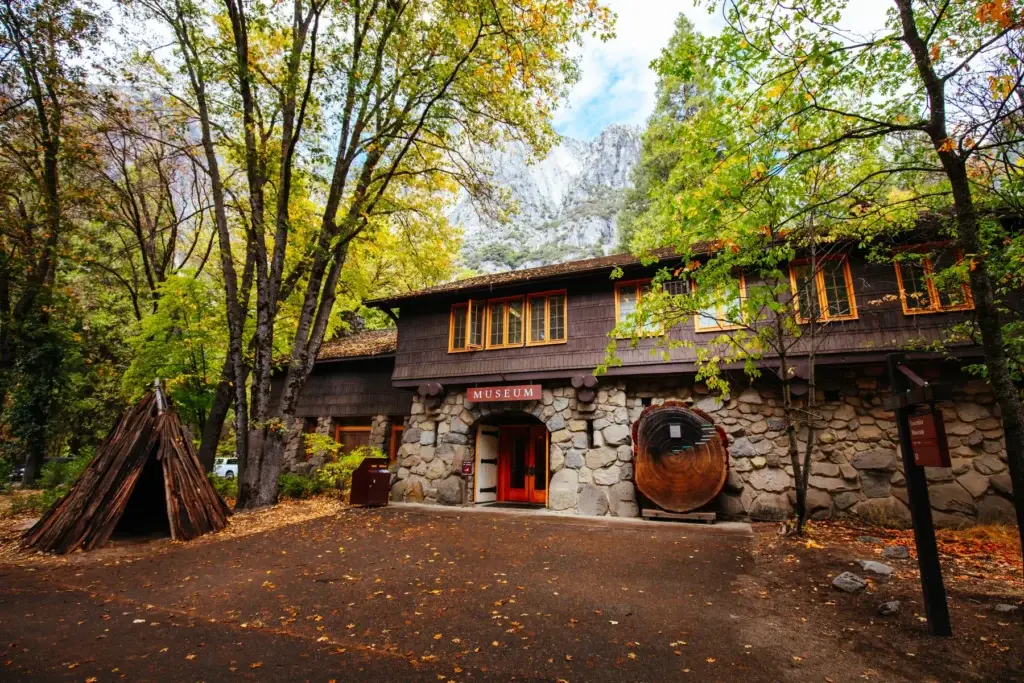
Yosemite Valley Township in USA

Living cultural landscape

Begin with the First People of Yosemite

Use current park and Tribal first-voice interpretation to understand continuing relationships with Ahwahnee and the wider landscape, without treating ceremony or community life as visitor access.

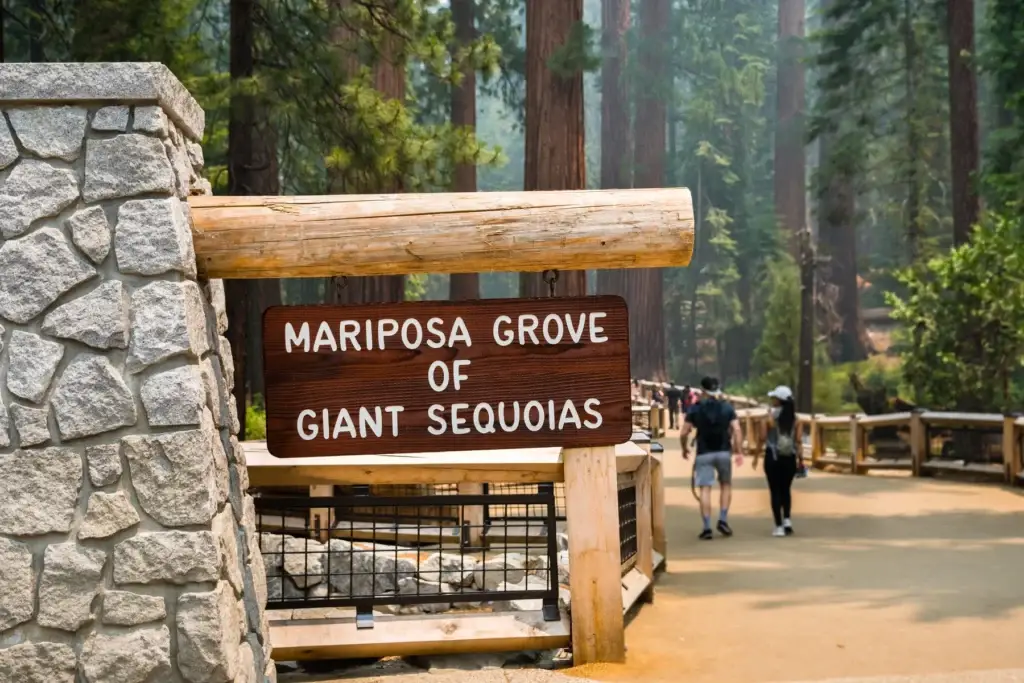
Mariposa Grove trail among giant sequoias

Giant sequoias

Meet giant sequoias at human pace

Build Mariposa Grove around shade, scale and stewardship, using the confirmed shuttle or accessible arrival plan and an ability-matched route rather than tree-counting.

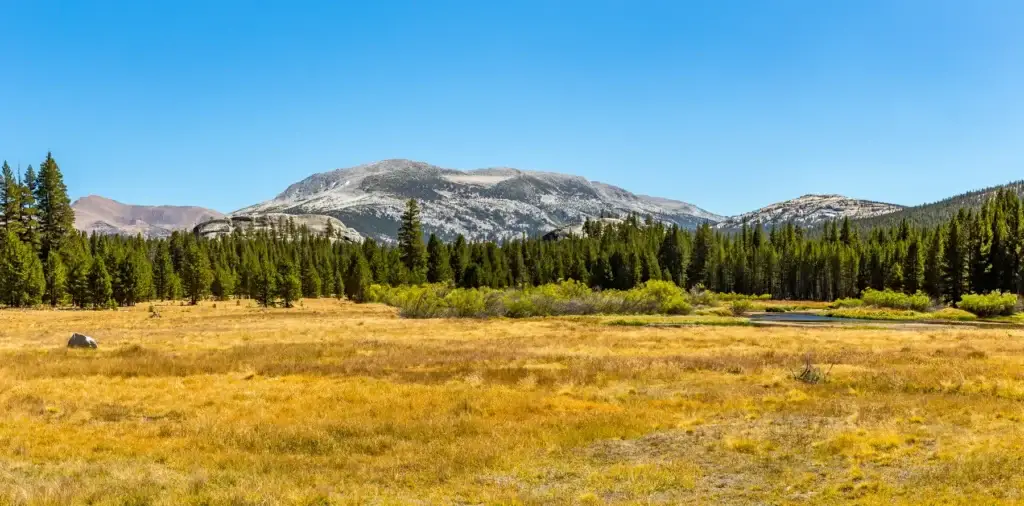
Mammoth Peak Is At The Northern End Of The Kuna Crest In Yosemite National Park, Very Close To Ca

High-country attention

Let the high country reset the scale

When Tioga Road is open, use one guide-led meadow, lake or granite interval to notice elevation and ecology, with food, water and weather planned before departure.

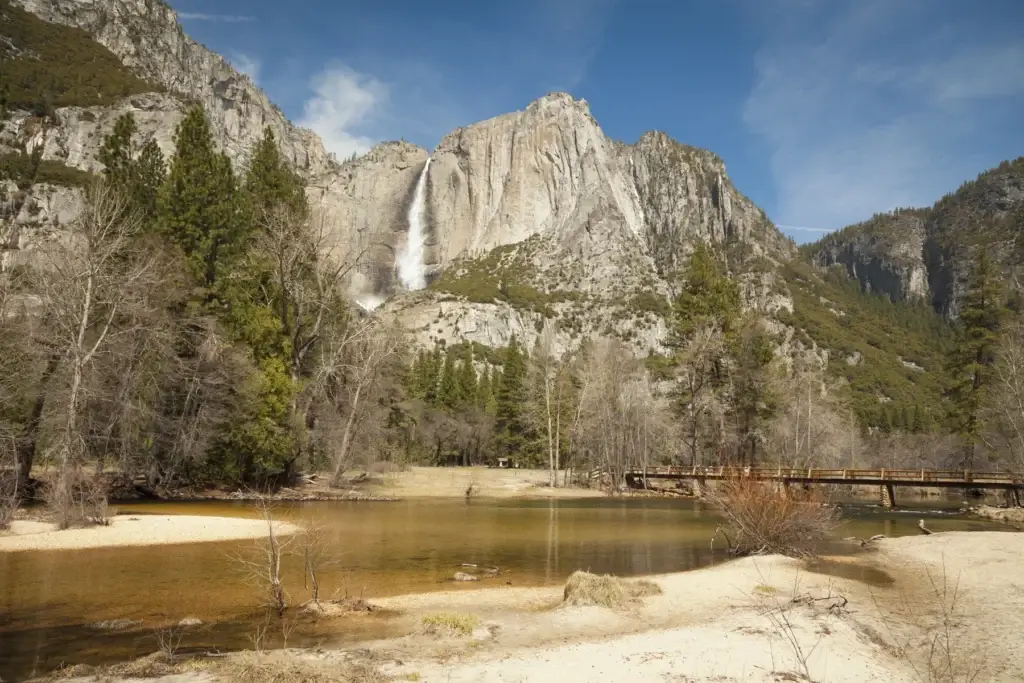
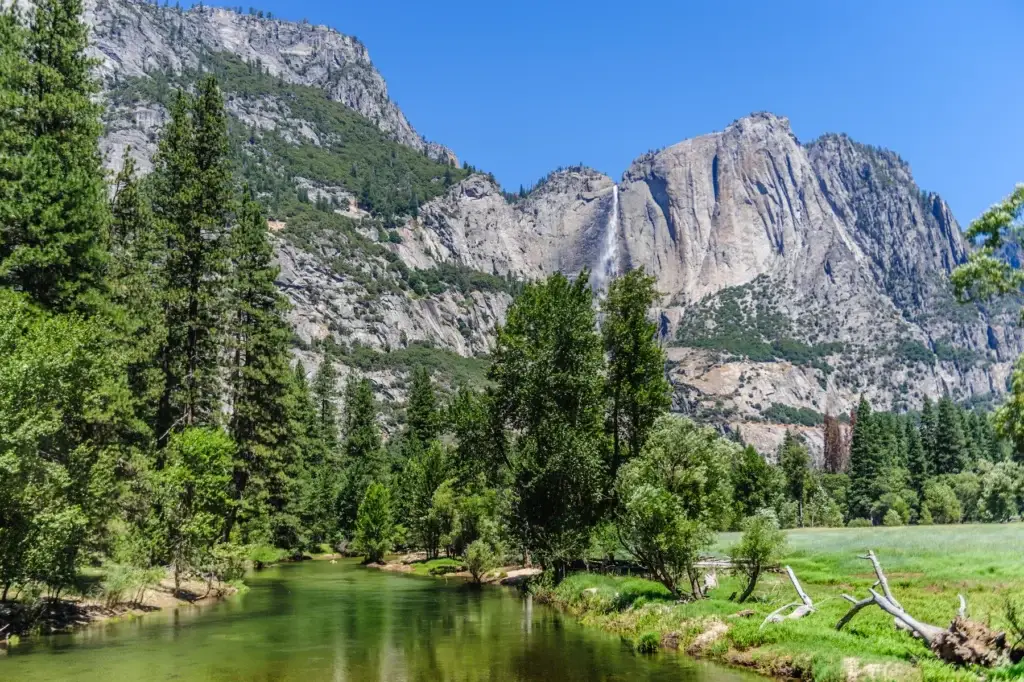
Yosemite Falls, Bridalveil Fall, Vernal Fall from a safe viewpoint or another exact Yosemite waterfall

Water and season

Follow one waterfall without chasing them all

Choose a single condition-matched waterfall or river objective with a qualified guide who can connect snowmelt, granite and water safety while keeping everyone away from hazardous brink and current.

Travel restored

What makes Yosemite & the Sierra Nevada, California a wellness destination?

What makes Yosemite and the Sierra Nevada a wellness destination?

Yosemite changes behavior through scale: start in cooler air, move within capacity, notice granite and water, and protect recovery before fatigue makes the decision. Research suggests nature exposure may affect perceived and physiological stress measures, but Yosemite is not a treatment or guaranteed biomarker program.

Wellness role
A primary reason to travel
Best for
Executives, couples, families and active travelers seeking perspective, deliberate movement and stronger recovery habits
Format
Cool-hour naturalist walks, giant-sequoia attention, high-country pacing and protected low-stimulation recovery
Ideal commitment
One main objective per day, a condition-ready replacement and a protected recovery interval
Intensity
Moderate

For companions

Strong for mixed abilities when the group shares landscape and meals but uses separate route lengths, mobility support and recovery time.

Seasonal lens

Spring supports water and lower elevations, summer broadens access, autumn rewards quieter pacing and winter creates a narrower condition-led landscape.

Replace urgency with proportion

Granite-scale attention

Use a private naturalist to slow the eye across cliff, meadow and water instead of collecting overlooks.

Duration
60 to 90 minutes
Intensity
Gentle
Best for
Travelers arriving mentally saturated
Consider

Nature exposure evidence is variable and does not predict an individual medical result.

Use longevity as perspective, not a promise

Giant-sequoia time

Walk at human pace among giant sequoias, attending to scale, resilience and stewardship with a guide who respects designated routes.

Duration
90 minutes to half day
Intensity
Gentle
Best for
Reflective travelers and mixed-ability families
Consider

Shuttle, parking, road, trail, snow and accessibility conditions require confirmation.

Protect capacity before heat becomes the story

Cool-hour movement

Schedule ability-matched movement early, carry water and return before exposed lower-elevation heat erodes judgment.

Duration
One morning
Intensity
Varies
Best for
Active travelers and families
Consider

Medical suitability, heat, altitude, smoke, water and trail conditions must be assessed individually.

Use altitude to simplify the day

High-country pause

Choose one meadow or lake interval with a qualified guide, then preserve hydration, food and an unprogrammed evening.

Duration
Half day plus recovery
Intensity
Varies
Best for
Travelers comfortable with higher elevation
Consider

Road access, storms, smoke, limited services, altitude and individual health govern the plan.

Wellness descriptions do not promise diagnosis, prevention, treatment, stress reduction, biomarker change or longevity. Confirm medical suitability, current weather, smoke, water, altitude, route surface, guides and operations.

Timing the journey

When to go

Late spring often favors waterfalls while high roads may remain closed. Summer offers the broadest access with heat, crowds, smoke and storms possible. Autumn can feel calmer but narrows water flow and services. Winter creates a quieter, much smaller operating geography.

Apr · May · Jun

Best

Spring and early summer

Weather
Waterfalls may be strong while snow, high water and seasonal road closures can limit higher elevations.
Crowds
Demand rises quickly, especially in Yosemite Valley and on weekends.
Best for
Valley water, cool-hour natural history and condition-ready Mariposa Grove access.

Jul · Aug · Sep

Conditional

Summer

Weather
The broadest access can coincide with lower-elevation heat, thunderstorms, smoke and diminishing waterfall flow.
Crowds
Lodging, roads, parking, shuttles and major trailheads face peak pressure.
Best for
High country, early Valley intervals and a geographically split route.

Oct · Nov

Good

Autumn

Weather
Cooler temperatures can support walking, while early snow and road closures may narrow the route.
Crowds
Often calmer than summer, with fewer seasonal services and holiday peaks possible.
Best for
Valley light, Wawona and restorative pacing without dependence on waterfall volume.

Dec · Jan · Feb · Mar

Conditional

Winter

Weather
Snow, ice, storms and chain controls create a smaller operating geography and require winter readiness.
Crowds
Quieter intervals alternate with holiday demand and weather disruption.
Best for
A focused Valley or Wawona journey with winter safety and recovery as central design elements.

Roads, chains, shuttles, parking, permits, snow, water, smoke, fire, weather, trails and services change. Recheck the exact travel week and live conditions each day.

Value, clearly framed

Understanding trip value

Custom quote based on exact season, gateway, accommodation geography, licensed transport, authorized guides, permits and confirmed experiences. No public package price is stated.

What shapes the guidance

Four to seven nights for two travelers; air, licensed transfers, accommodations, authorized guides, park logistics and confirmed experiences priced at proposal stage.

Journey logistics

Arrive well

There is no universal Yosemite arrival. The best gateway depends on the first base, season, road status and whether the journey begins in the Valley, Wawona or the high country. Use a licensed, weather-ready transfer or private vehicle plan and avoid pairing a long arrival with a demanding trail.

Primary gateway Fresno Yosemite International Airport (FAT), or a confirmed route from the San Francisco Bay Area

Premium commercial air

Use Fresno for the southern approach

Confirmed origin cityFresno Yosemite International Airport (FAT)

Scheduled air and confirmed private transfer or rental vehicle

Flight schedules, vehicle supply, weather and the exact Yosemite base require live confirmation.

Premium commercial air

Use the Bay Area when Yosemite follows a city stay

San Francisco Bay AreaChosen Yosemite entrance and first base

Confirmed private transfer or rental vehicle

Traffic, mountain weather, fire, chains, road closures and the chosen entrance can materially change the drive.

Final transfer

Enter through the route that serves the first base

Confirmed California gatewayYosemite Valley or Wawona

Licensed driver or private vehicle

A 2026 entrance reservation is not required, but admission, lodging, parking, permits and live road conditions remain separate matters.

Final transfer

Treat Tioga Road as seasonal infrastructure

Yosemite Valley or a confirmed eastern Sierra routeTuolumne Meadows and Yosemite high country

Private vehicle or authorized tour when operating

Tioga Road, services, fuel, water, parking and weather require live confirmation. A prior opening date does not predict future access.

Access and mobility

Confirm airport assistance, vehicle step height, room access, bathroom setup, shuttle boarding, parking, route surface, incline, rest points and seasonal operations. The Mariposa Grove shuttle, placard-vehicle rules and accessible trail conditions require specific review for the travel dates.

Before you go

Practical planning notes

Reservations

Separate admission from access

No entrance reservation is required in 2026, but lodging, campgrounds, Half Dome and overnight wilderness each have separate controls.

Getting around

Keep one replacement

Every high-country or strenuous objective needs a lower-elevation, shorter or indoor interpretive alternative.

Wellness

Treat water as force

Cold runoff, swift crossings, polished rock and waterfall brinks require distance and current NPS guidance.

Etiquette

Let first voice lead

Use current Tribal and park consultation sources for living relationships with Yosemite.

The VH Luxe approach

How VH Luxe composes the journey

  1. Choose the first geography

    Let the Valley, Wawona or high-country purpose determine the base.

  2. Build one objective per day

    Protect the cool edge of the day and one condition-ready route.

  3. Keep the replacement meaningful

    Use culture, forest or water interpretation when smoke, roads or fatigue change the plan.

  4. Carry home proportion

    Keep the habit of choosing depth over accumulation.

Paramjit Harika, VTA, CTA

Advisor-led planning

Your journey, personally considered

Paramjit Harika

Founder & Luxury Travel Advisor

I coordinate your hotel and room, premium air, transfers and key experiences as one considered journey, with one point of contact from planning through travel.

Good to know

Frequently asked questions

Do you need a reservation to enter Yosemite in 2026?

No. NPS states that an entrance reservation is not required in 2026, but the entrance fee still applies and lodging, campgrounds, Half Dome and overnight wilderness have separate requirements.

How many nights do you need for a luxury Yosemite journey?

Allow 4 to 5 nights for the Valley and one additional geography, or 6 to 7 when adding both Wawona and a condition-ready high-country chapter.

Should you stay in Yosemite Valley or Wawona?

Choose the Valley for early and late access to the granite amphitheater. Choose Wawona for Mariposa Grove and a slower southern rhythm. A split stay can support both.

Is Tioga Road guaranteed to be open in summer?

No. Snow, plowing, avalanches, weather, fire and construction determine access, and high-country services can remain limited after the road opens.

Is Half Dome part of every Yosemite itinerary?

No. It requires a permit when cables are up and should be considered only when ability, heat, water, smoke, weather and recovery align.

What makes Yosemite a wellness destination?

Yosemite changes perspective through granite scale, cool-hour movement, giant-sequoia time and high-country pause. The lasting practice is choosing depth, capacity and recovery over accumulation.