The VH Luxe destination guide

Willamette Valley Wine Country

Shape Willamette Valley around appointments, subregions and a sober transport plan, leaving room for growers, food and the agricultural landscape.

Recommended stay

3–

5 nights

Best time

April through June brings bloom and changeable weather. July and August offer long dry days with heat possible. September and October carry harvest energy, demand and operational sensitivity. Winter is quiet, wet and suited to cellar-led visits.

Primary gateway

Portland International Airport (PDX) or Eugene Airport (EUG), followed by a confirmed private road transfer

Journey context

Allow 3 nights for a focused route and 5 for the fullest version without forcing the geography.

Curator’s verdict

Willamette Valley is most rewarding when wine is treated as agriculture and culture, not consumption by volume. Luxury comes from fewer, better appointments, a knowledgeable driver and enough time to understand how soils, weather and people shape each bottle.

Choose well

Which Willamette Valley shape fits?

Let subregion, producer style and desired pace determine the base.

Dundee Oregon wine country

First visits and travelers prioritizing established tasting corridors

Base near the northern valley

A northern base can simplify access to a dense range of producers and dining.

Worth knowing

Popularity increases demand, and density can encourage over-scheduling.
southern Willamette Valley vineyard

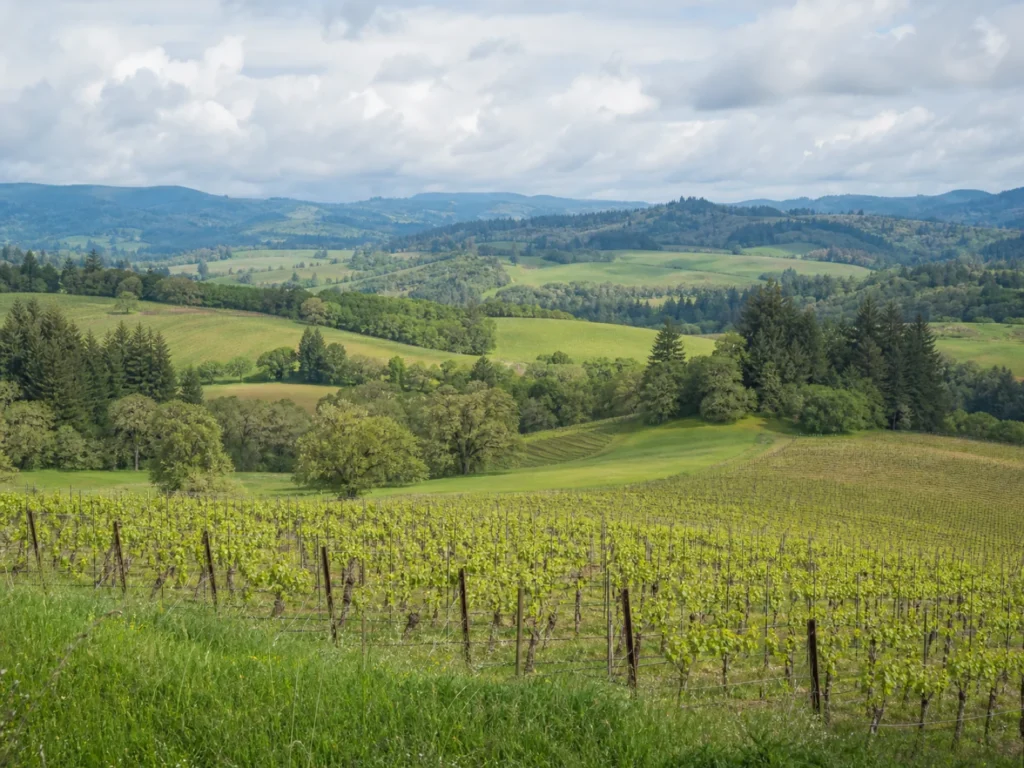
Repeat visitors and travelers interested in emerging perspectives

Choose a quieter southern chapter

A more southerly base can support a slower agricultural route with different towns and landscapes.

Worth knowing

Transfers from PDX may be longer and appointments more dispersed.

Serious wine travelers and curious beginners

Follow one soil or farming question

A specialist can compare sites through geology, farming choices and vintage rather than labels alone.

Worth knowing

Claims about soil, biodynamics and sustainability require producer-specific evidence.

Couples and mixed-interest groups

Pair wine with food and landscape

Farms, markets, kitchens, art and gentle outdoor time prevent the route from becoming a tasting sequence.

Worth knowing

Season and opening days govern what is genuinely available.

A considered introduction

The valley is broad, and tasting rooms that look close on a map can create a fragmented day. Choose one subregion or town as the primary base, group appointments tightly and reserve a separate non-wine interval for farms, food, art or landscape. Three nights is focused; four to five supports two distinct wine areas without rushing.

Advisor note

Advisor perspective: I would cap formal winery appointments, secure a professional driver and ask each producer what kind of visit they genuinely offer before promising private access. The strongest day has a point of view and space for lunch.

What stays with you

Signature experiences

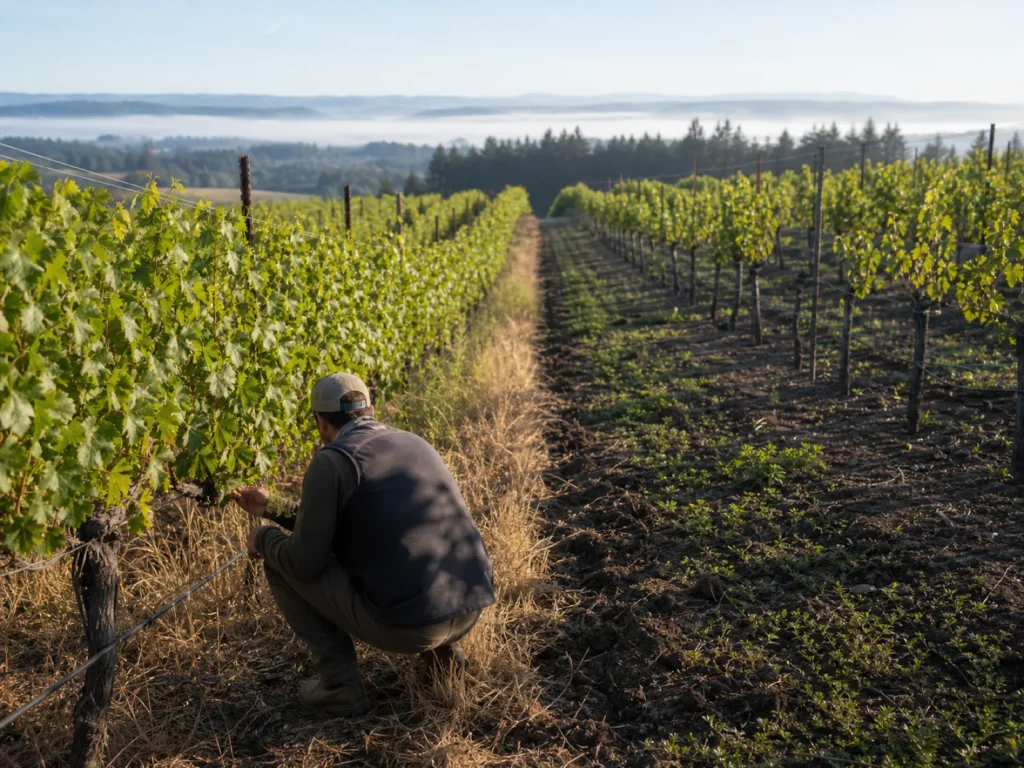
Willamette vineyard viticulture

Viticulture

Read two vineyards comparatively

With permission and a qualified host, compare slope, exposure, soils and farming choices across two appointments.

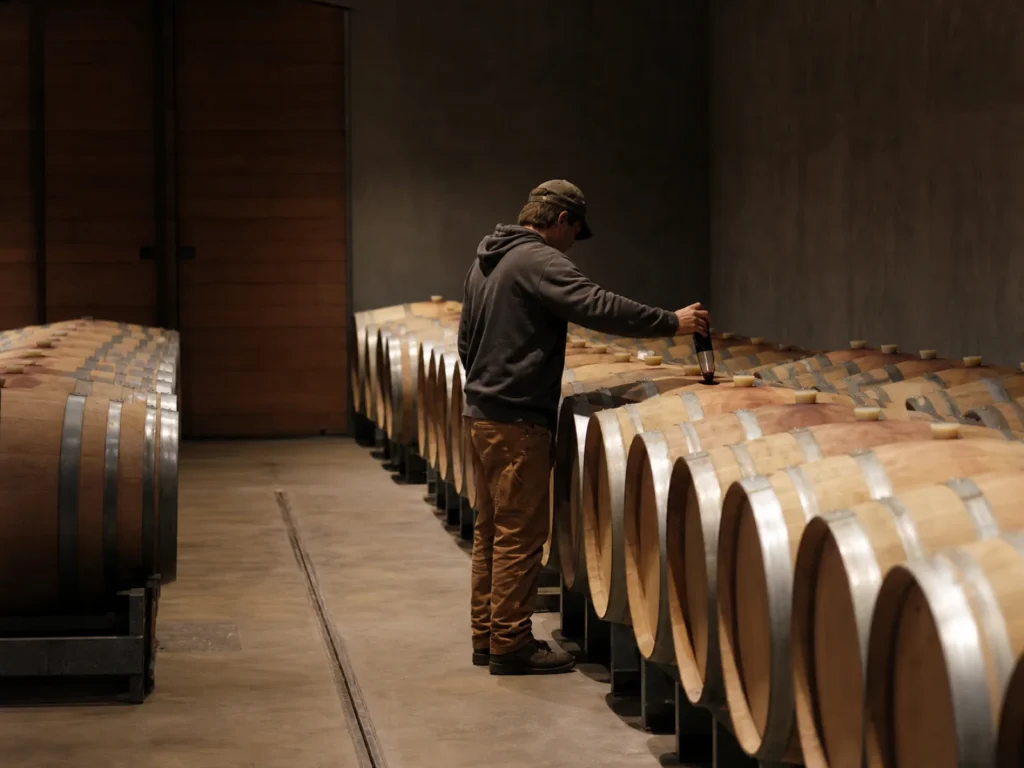
wine cellar barrels and craft

Cellar craft

Follow one vintage from grape to bottle

A producer-led discussion can clarify fermentation, élevage and blending without implying behind-the-scenes access unless confirmed.

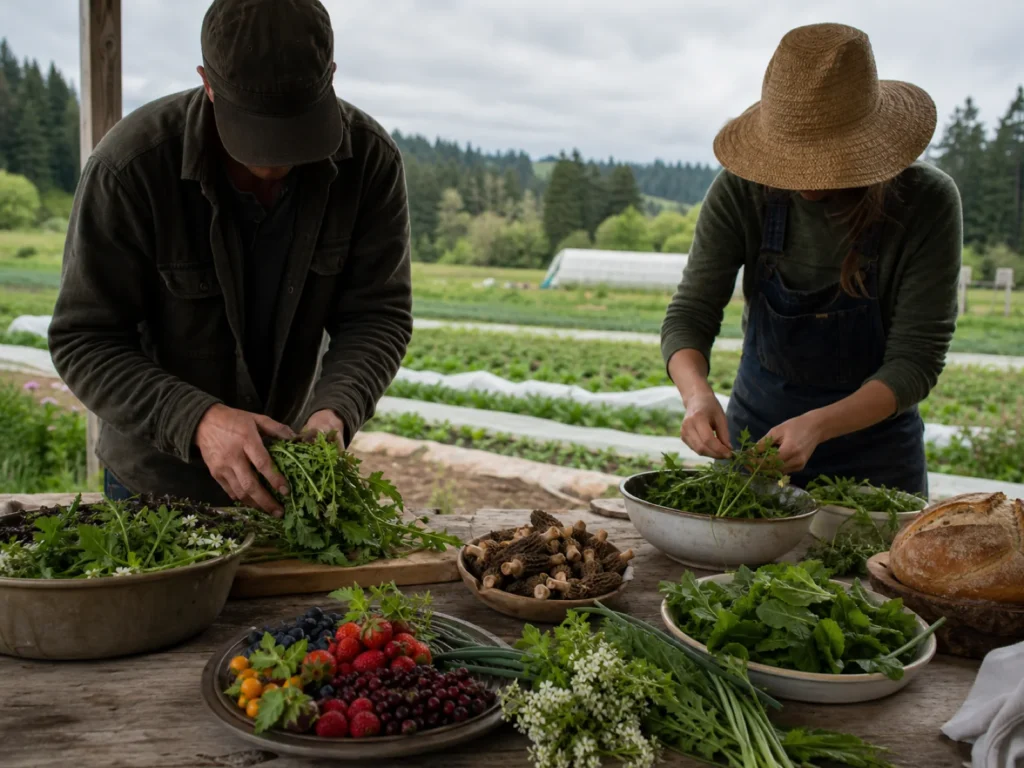
Willamette Valley farm food

Foodways

Meet the valley through growers and cooks

A chef or agricultural specialist can connect seasonal ingredients to the wider farm economy.

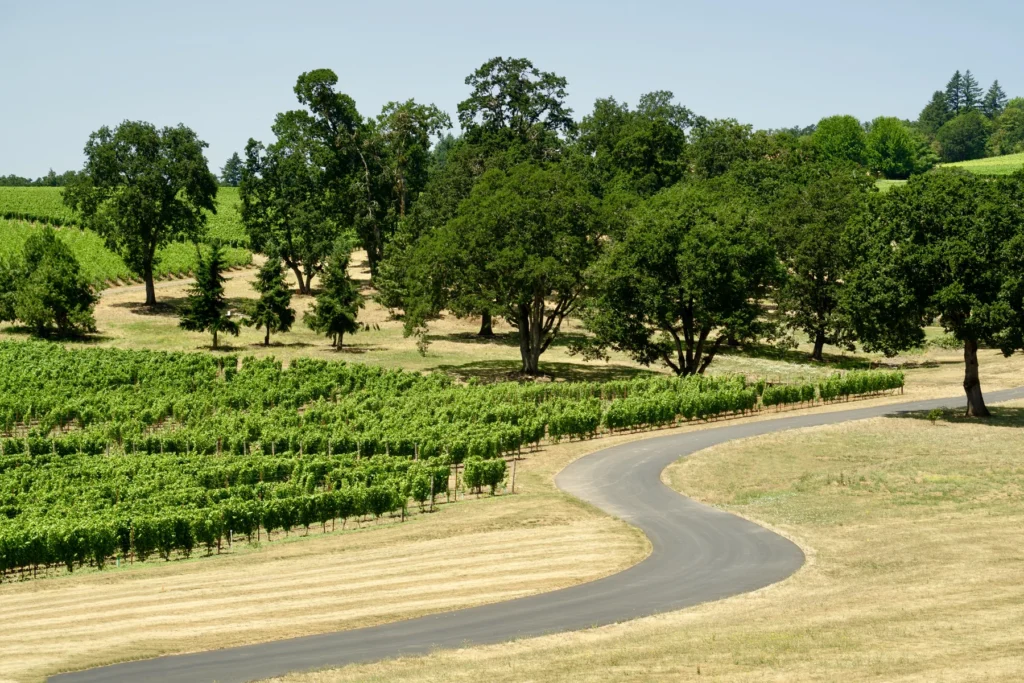
Oregon wine country road

Landscape

See the valley beyond the tasting room

Use a naturalist, cycling guide or carefully paced drive to understand watersheds, hills and working land.

working potter in studio

Art and making

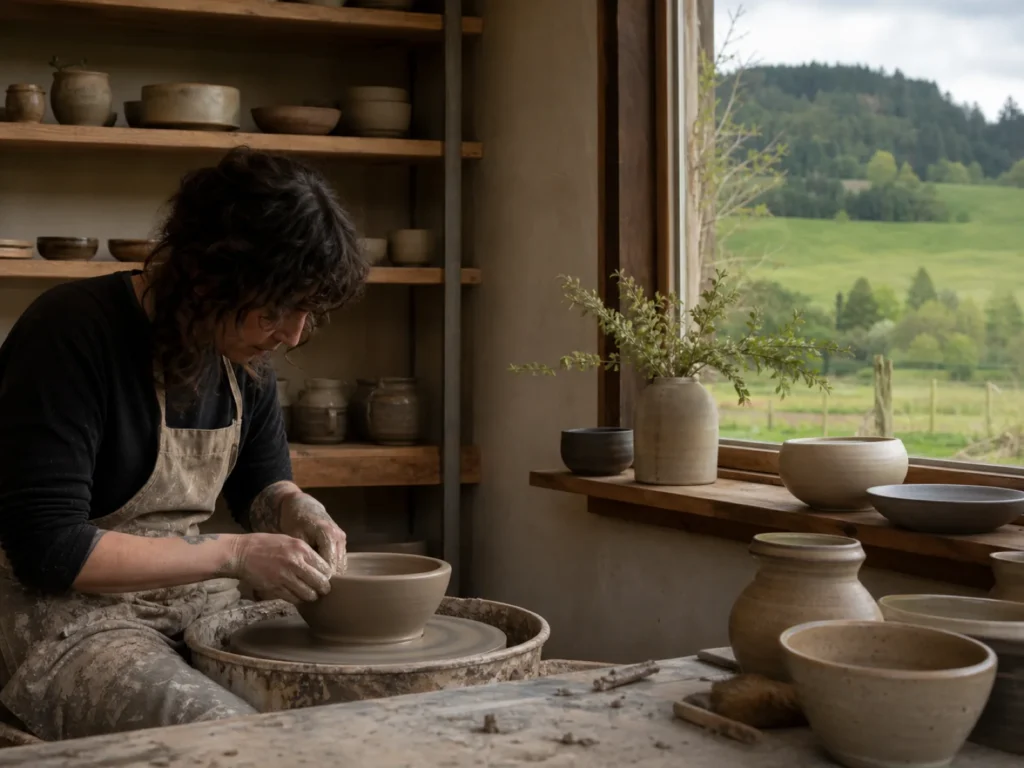
Add one non-wine maker interval

A curator-led stop can connect ceramics, fiber, wood or contemporary art to the valley’s creative communities.

Travel restored

What makes Willamette Valley Wine Country a wellness destination?

What makes Willamette Valley a wellness destination?

Willamette Valley supports wellbeing through agricultural seasonality, slower meals, outdoor movement and attention to craft, not through wine as medicine. CDC guidance links alcohol use with cancer risk, so moderation, spitting and alcohol-free participation belong in an expert-led plan. The lasting takeaway is to consume less, notice more and keep pleasure connected to provenance.

Wellness role
A meaningful restorative layer
Best for
Couples, culinary travelers and mixed-interest groups seeking slow food, landscape and moderate movement
Format
Private expert-led interpretation, personally scaled movement and protected low-stimulation time
Ideal commitment
One expert-led anchor, one cultural interval and one protected daily pause within a 3- to 5-night route
Intensity
Varies

For companions

Suitable for mixed interests when movement, culture and quiet are arranged independently around one coherent route.

Seasonal lens

April through June brings bloom and changeable weather. July and August offer long dry days with heat possible. September and October carry harvest energy, demand and operational sensitivity. Winter is quiet, wet and suited to cellar-led visits.

Use the agricultural calendar to slow perception

Seasonal attention

A grower or food specialist can explain what the land is doing now rather than presenting a timeless pastoral image.

Duration
One half day
Intensity
Gentle
Best for
Travelers interested in food systems and place
Consider

Farm access and activity are seasonal and must be confirmed.

Taste comparatively and stop before fatigue

Sensory calibration

A qualified wine professional can use small, structured comparisons while normalizing spitting, hydration and restraint.

Duration
One appointment
Intensity
Gentle
Best for
Wine-curious guests and experienced collectors
Consider

Alcohol carries health risks and is never framed as therapeutic or longevity-promoting.

Pair one tasting day with low-intensity outdoor time

Valley movement

A route-matched walk or cycle can restore attention without turning the visit into performance.

Duration
One to three hours
Intensity
Varies
Best for
Active couples and mixed-interest groups
Consider

Road, trail, weather and ability require exact-route review.

Let a long meal replace itinerary volume

Table connection

A seasonal meal can create social and sensory meaning without nutritional promises.

Duration
One meal
Intensity
Gentle
Best for
Culinary travelers seeking recovery from busy schedules
Consider

Dietary needs and alcohol choices should be confirmed privately.

Wellness descriptions explain movement, ecology, food culture and restorative travel rhythm. They do not promise diagnosis, treatment, detoxification, biomarker change, longevity or medical outcomes. Confirm practitioners, facilities, conditions and personal suitability.

Timing the journey

When to go

April through June brings bloom and changeable weather. July and August offer long dry days with heat possible. September and October carry harvest energy, demand and operational sensitivity. Winter is quiet, wet and suited to cellar-led visits.

Apr · May · Jun

Best

Bloom and spring weather

Weather
Conditions vary within this period and require an exact-week forecast.
Crowds
Seasonal demand can be high.
Best for
Strong general planning window.

Jul · Aug

Conditional

Long dry days

Weather
Conditions vary within this period and require an exact-week forecast.
Crowds
Demand varies by weekends, holidays and current conditions.
Best for
Best for flexible travelers with current-condition alternatives.

Sep · Oct

Conditional

Harvest

Weather
Conditions vary within this period and require an exact-week forecast.
Crowds
Demand varies by weekends, holidays and current conditions.
Best for
Best for flexible travelers with current-condition alternatives.

Nov · Dec · Jan · Feb · Mar

Conditional

Cellar season

Weather
Conditions vary within this period and require an exact-week forecast.
Crowds
Demand varies by weekends, holidays and current conditions.
Best for
Best for flexible travelers with current-condition alternatives.

Weather, wildlife, transport, cultural access, site hours and seasonal operations change. Confirm the exact week and every time-sensitive experience before travel.

Value, clearly framed

Understanding trip value

Custom quote based on exact route, cabin, private vehicle, specialist program and seasonal access. No public package price is stated.

What shapes the guidance

3 to 5 nights for two travelers; route-matched transfers, qualified guides and specialist experiences priced separately at proposal stage.

Journey logistics

Arrive well

The valley is road-led. Match PDX or EUG to the selected subregion, then retain a professional driver for tasting days so geography, timing and alcohol service remain coherent.

Primary gateway Portland International Airport (PDX) or Eugene Airport (EUG), followed by a confirmed private road transfer

Premium commercial air

Primary commercial arrival

Confirmed origin or connectionPortland International Airport (PDX) or Eugene Airport (EUG)

Scheduled air and confirmed onward transfer

Confirm operating service, luggage, assistance, weather and onward transfer for the exact date.

Final transfer

Route-matched local access

Confirmed gateway or baseWillamette Valley Wine Country

Private transfer, public transport or authorized local service as appropriate

Recheck roads, weather, reservations, mobility and operating rules immediately before travel.

Access and mobility

Confirm tasting-room access, vineyard surfaces, stairs, restroom access and the distance between vehicle and appointment. Agricultural settings can involve gravel, slopes and weather exposure.

Before you go

Practical planning notes

Reservations

Book appointments before routing

Operating days and formats differ by producer.

Reservations

Retain a driver

Do not combine tasting with self-driving.

Reservations

Limit formal tastings

Protect palate, attention and lunch.

Reservations

Review sustainability claims

Use current producer-specific certification or evidence.

The VH Luxe approach

How VH Luxe composes the journey

  1. Choose one primary subregion

    Build around a coherent geographic story.

  2. Reserve fewer appointments

    Favor depth, contrast and host quality.

  3. Add one agricultural or maker lens

    Keep the valley larger than wine alone.

  4. Carry home measured pleasure

    Consume less, notice more and remember provenance.

Paramjit Harika, VTA, CTA

Advisor-led planning

Your journey, personally considered

Paramjit Harika

Founder & Luxury Travel Advisor

I coordinate your hotel and room, premium air, transfers and key experiences as one considered journey, with one point of contact from planning through travel.

Good to know

Frequently asked questions

How many nights do you need in Willamette Valley?

Three nights supports one focused area; four to five allows two distinct subregions and a non-wine day.

What is the best time to visit Willamette Valley?

April through October offers the broadest range, while winter favors quieter cellar-led visits.

Do you need a driver in Willamette Valley?

A professional driver is the responsible choice for tasting days and improves route discipline.

How many wineries should you visit in one day?

Two or three purposeful appointments are usually more rewarding than a high-volume schedule.

Can non-drinkers enjoy Willamette Valley?

Yes. Farms, food, art, landscape and outdoor experiences can anchor the route.

What makes Willamette Valley a wellness destination?

Seasonality, slower meals, moderate movement and attention to craft support a restorative rhythm without treating wine as medicine.