The VH Luxe destination guide

Tuscany, Italy

Choose one landscape, protect the pace and let Tuscany become a way of living rather than a list of stops.

Recommended stay

4–

8 nights

Best time

May, June, September and early October offer the best general balance. July and August require heat-aware pacing; late autumn and winter bring quieter roads but more rural closures.

Primary gateway

Florence Airport (FLR), Pisa Airport (PSA) or Firenze Santa Maria Novella, followed by a route-matched private transfer

Journey context

Four nights supports one base. Six to eight nights allows a Florence and countryside pairing with enough time for the transfer to make sense.

Curator’s verdict

May, June, September and early October offer the best general balance for a luxury Tuscany journey. The stronger decision is where to base: Florence for art, the countryside for privacy and food culture, or both when six or more nights allow the transfer to earn its place.

Choose well

Which Tuscany should define the journey?

Choose the landscape and pace before selecting a property. Art access, rural privacy, food culture and coast require different bases.

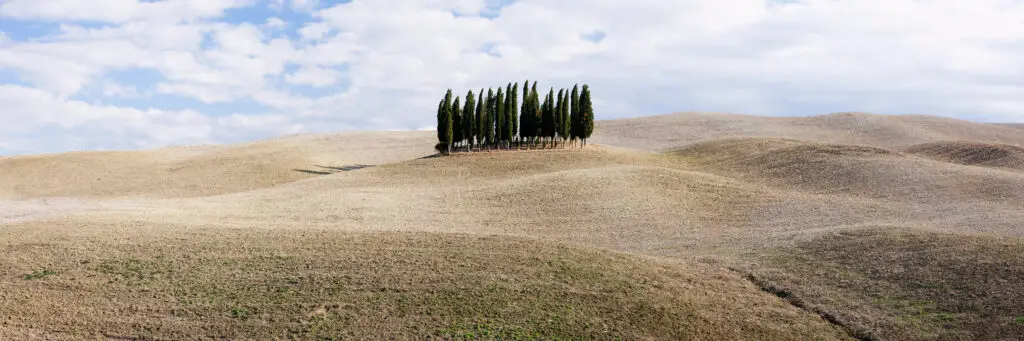
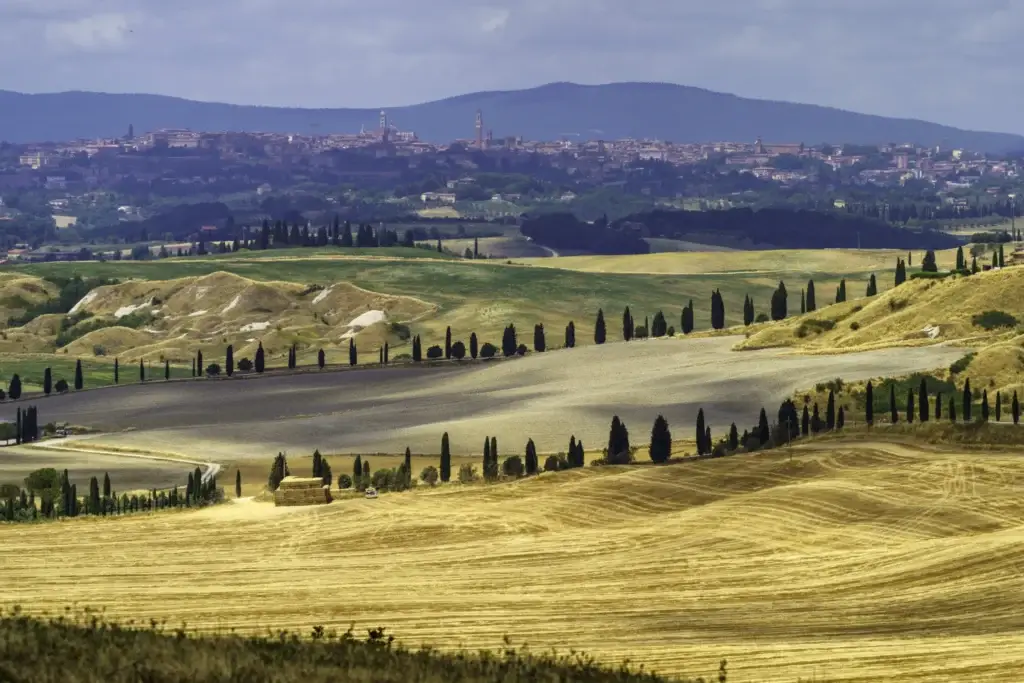
Cypress-lined hills and farmland in Val d'Orcia, Tuscany

Every traveler, especially first visits

Choose one Tuscan landscape

Florence, Chianti, Val d'Orcia, Lucca and the coast should not be treated as interchangeable bases.

Worth knowing

A more focused route means leaving attractive regions for a future journey.
Art-led travelers, couples and mixed-interest journeys

Decide between city and country

Florence concentrates art and evening walking; the countryside creates privacy, space and producer access.

Worth knowing

City stays sacrifice rural stillness. Country stays add drive time to major museums.

Six to eight-night first journeys

Use two bases only with enough nights

A Florence and countryside pairing creates a strong progression when neither stay feels abbreviated.

Worth knowing

Every change of base consumes packing, transfer and settling time.

Food, wine, walking and celebration travel

Match the exact week to the purpose

Weather, harvest, festivals and producer operations vary by place and year.

Worth knowing

A headline seasonal week may bring less privacy and tighter access.

A considered introduction

Tuscany rewards restraint. Florence, Chianti, Val d'Orcia, the coast and the northern hill towns are different journeys, so the first luxury decision is choosing the landscape that matches the traveler.

Four nights supports one strong base. Six to eight can connect city and country without turning each day into a transfer. Private drivers, qualified guides and confirmed producer access preserve time while leaving room for long meals, walking and stillness.

Advisor note

Advisor perspective: I would choose the region within Tuscany before choosing a property. For a first journey, two or three Florence nights followed by four countryside nights creates a strong cultural and restorative arc.

What stays with you

Signature experiences

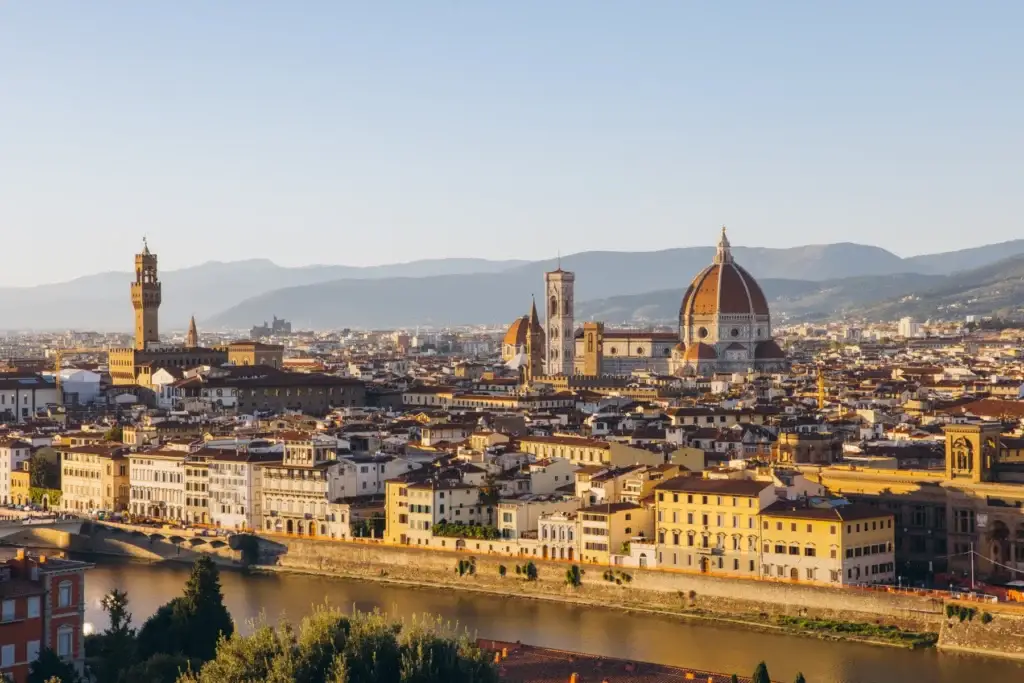
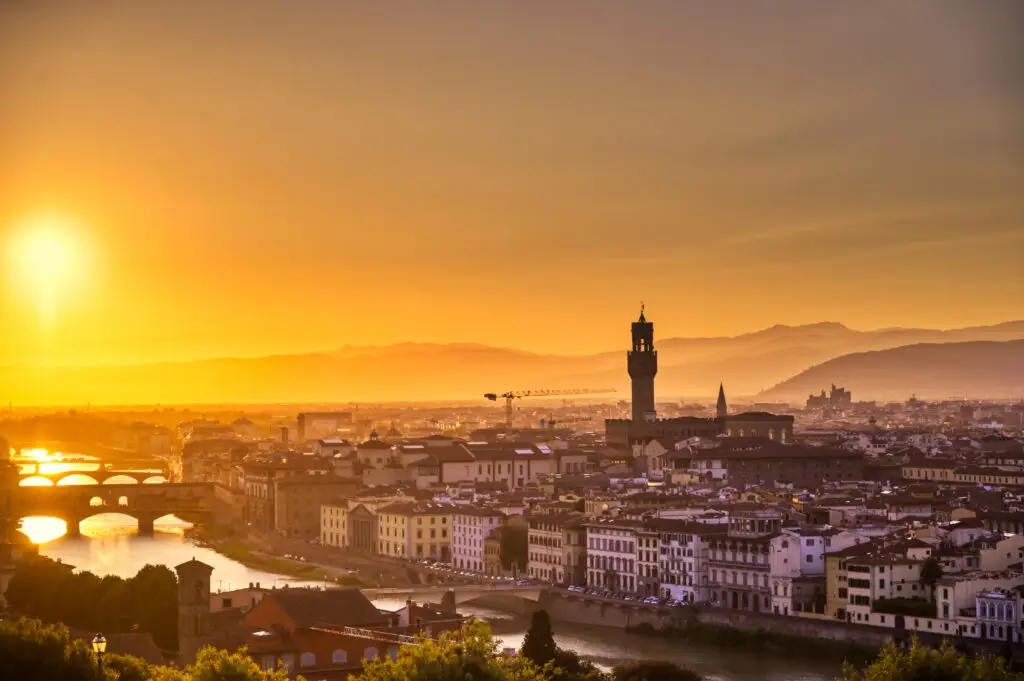
Florence skyline with the Duomo and Arno River in Tuscany

Art and history

Read Florence with a private art historian

Build one coherent story across a museum, church and street. Timed tickets and any restricted access require separate confirmation.

Food and agriculture

Meet the land through one producer

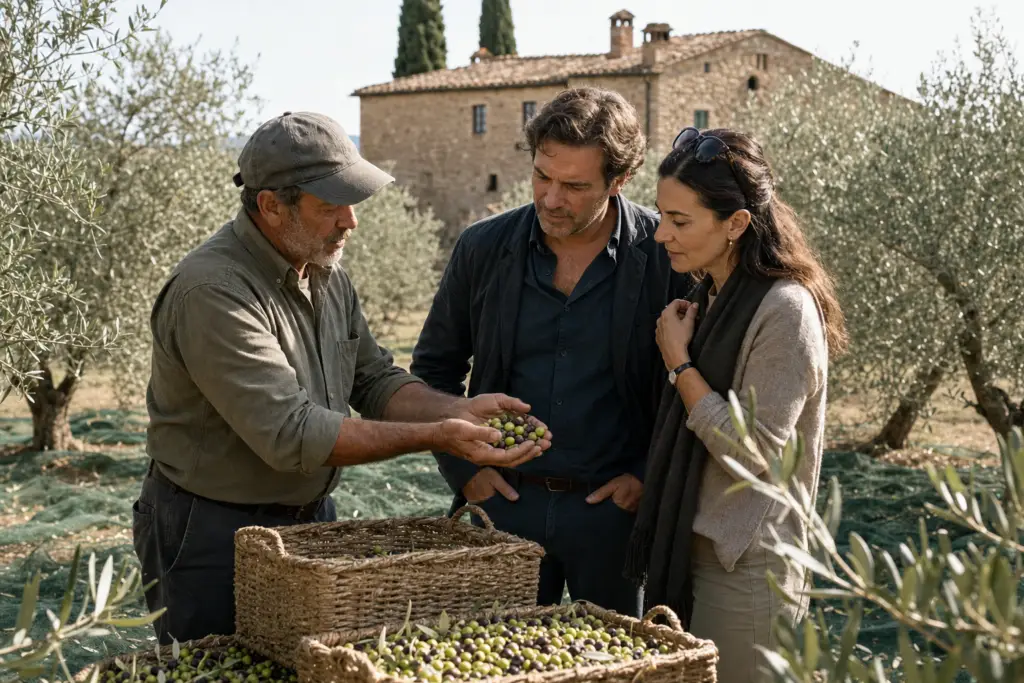
A private olive oil, wine or farm visit should focus on technique, season and stewardship, with the producer and tasting confirmed.

Landscape

Read Val d'Orcia with a local specialist

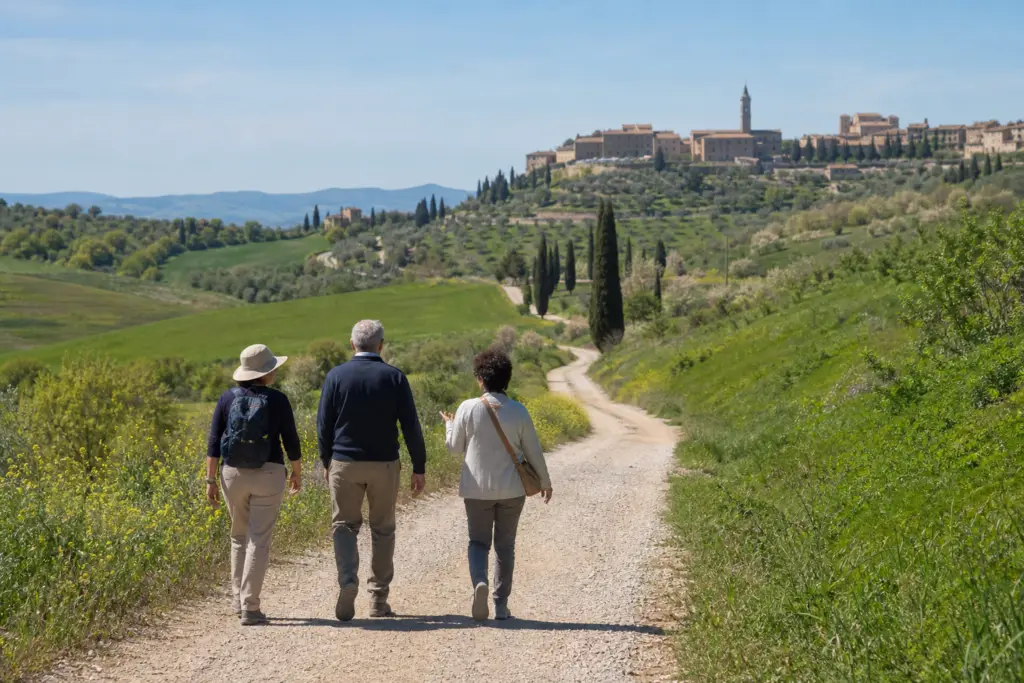
Use a private driver and guide for one village, one landscape walk and one table instead of a panoramic checklist.

Craft

Enter a working artisan studio

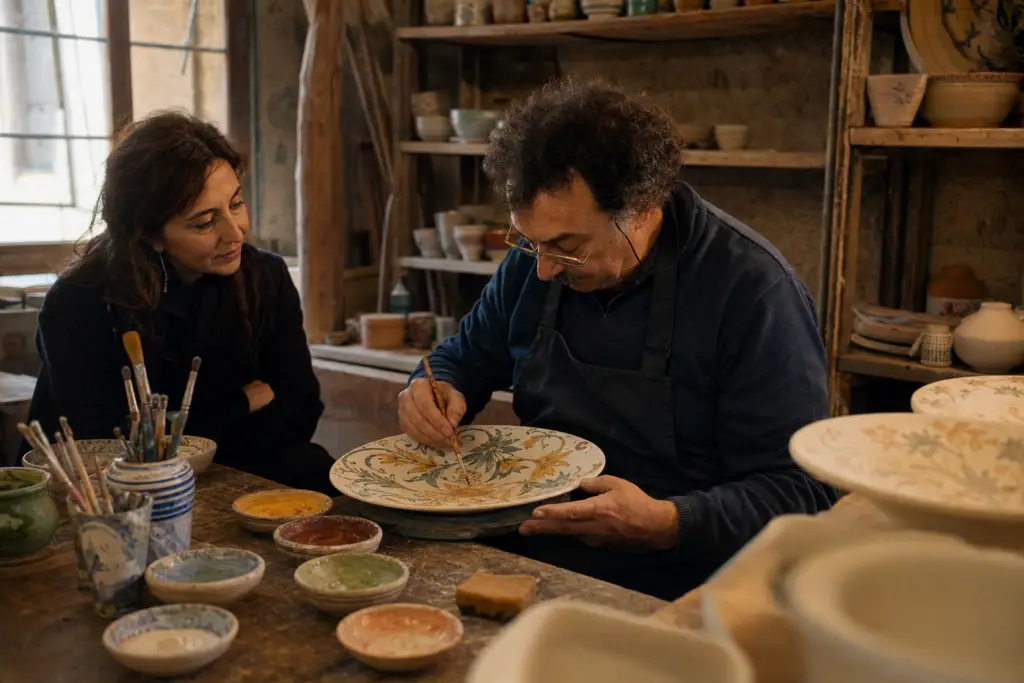
Arrange time with a verified maker in a route-compatible town. Teaching, private access and photography need permission.

Walking

Walk a supported Via Francigena section

A qualified guide can select a point-to-point segment around fitness, weather, surfaces and a private vehicle backup.

Travel restored

What makes Tuscany, Italy a wellness destination?

Tuscany restores proportion through thermal water, walking, seasonal food and landscapes shaped for human-scale life. The most meaningful version uses a personal guide, verified thermal facilities and enough time for one practice to become a habit.

Wellness role
A primary reason to travel
Best for
Travelers seeking slower rhythm, low-impact movement, food awareness and a restorative landscape-led journey
Format
Private thermal session, supported walking, producer-led table and naturalist or landscape interpretation
Ideal commitment
One thermal or walking anchor, one producer-led meal and daily unstructured landscape time within a four to seven-night stay
Intensity
Varies

For companions

Strong for mixed interests because art, thermal time, walking, food and quiet can be shared or arranged independently.

Seasonal lens

May, June, September and early October best support outdoor movement. Summer requires early activity and protected midday rest.

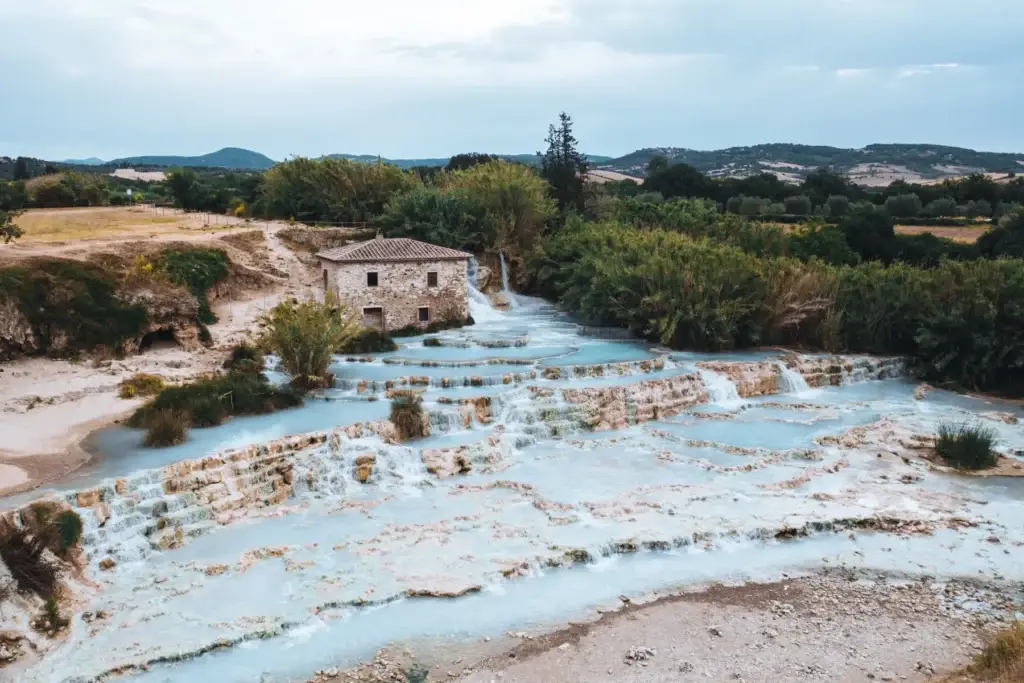
Natural thermal water and travertine formations at Saturnia in Tuscany

Use heat, water and rest as a deliberate transition

Thermal culture

At a verified thermal facility, a personal practitioner can explain source, temperature, sequence and recovery without turning bathing into a medical promise.

Duration
One half day or a two-night thermal interval
Intensity
Gentle
Best for
Couples, solo travelers and guests balancing art or walking days
Consider

Confirm water temperature, contraindications, accessibility and practitioner credentials. This guide does not prescribe treatment.

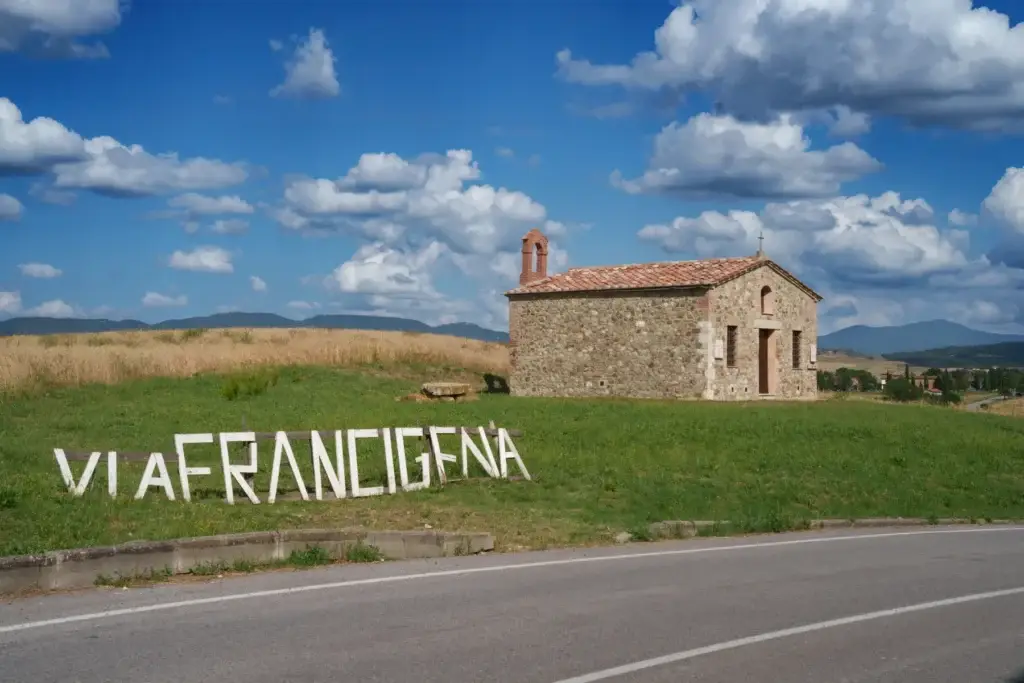
Country chapel beside the Via Francigena in Tuscany

Recover an unhurried rhythm through purposeful movement

Via Francigena walking

A private guide and supported point-to-point section turn the historic route into attentive walking rather than distance performance.

Duration
Two hours to one full day
Intensity
Moderate
Best for
Active couples, solo travelers and multigenerational groups with matched ability
Consider

Match distance, heat, surfaces and vehicle support to the traveler. Route access can change.

Replace dietary noise with ingredient knowledge and social time

The seasonal Tuscan table

A producer, cook or market expert can connect olive oil, vegetables, grains and shared meals to place without presenting cuisine as treatment.

Duration
One market, farm or cooking session
Intensity
Gentle
Best for
Food-focused travelers and guests seeking a practical habit to take home
Consider

Confirm allergies, alcohol preferences, harvest availability and food safety. Avoid medical nutrition claims.

Create visual distance and lower stimulation

Val d'Orcia landscape pause

A private naturalist or landscape specialist can structure a quiet walk through cultivated countryside with deliberate intervals for observation.

Duration
Two to three hours
Intensity
Gentle
Best for
Executives, couples and travelers recovering from dense urban schedules
Consider

Greenspace evidence supports modest wellbeing framing, not guaranteed outcomes. Confirm heat, terrain and private-land boundaries.

Wellness descriptions explain travel rhythm, bathing, movement and food culture. They do not promise diagnosis, treatment, detoxification or medical outcomes. Confirm practitioners, conditions and personal suitability.

Timing the journey

When to go

May, June, September and early October offer the best general balance. July and August require heat-aware pacing; late autumn and winter bring quieter roads but more rural closures.

May · Jun

Best

Late spring and early summer

Weather
Longer days generally support gardens, walking and countryside dining. Heat builds toward late June.
Crowds
Demand rises around holidays and major cultural dates. Confirm rooms and guides early.
Best for
Best overall for first visits, art, walking and rural touring.

Jul · Aug

Conditional

Hot peak summer

Weather
Heat can make art cities and exposed rural touring demanding. Pools, shade and early starts matter.
Crowds
Popular towns and coastal areas are busy. Some local businesses close around Ferragosto.
Best for
Works for fixed school-holiday dates and pool-led countryside stays.

Sep · Oct

Best

Early autumn food and landscape window

Weather
September and early October often support comfortable touring, with shorter days and increasing rain later.
Crowds
Harvest interest raises demand. Timing varies by crop, estate and year.
Best for
Excellent for food culture, walking and countryside light.

Nov · Dec · Jan · Feb · Mar · Apr

Good

Quiet cool season

Weather
Shorter days and variable rain favor interiors, fireside meals and thermal time.
Crowds
Florence can feel calmer, while rural properties and producers may reduce operating days.
Best for
Good for repeat visitors, art focus and travelers comfortable with closures.

Weather, harvests, festivals, producer schedules, museums and rural operations change. Confirm the exact week and every time-sensitive experience before travel.

Value, clearly framed

Understanding trip value

Custom quote based on exact region, international cabin, rail or air gateway, vehicle, guide program and seasonal access. No public package price is stated.

What shapes the guidance

Four to eight nights for two travelers; one or two bases, private transfers, guides and producer experiences priced separately at proposal stage.

Journey logistics

Arrive well

Florence is the most direct gateway for the city and much of northern Tuscany. Pisa can suit western routes and the coast. High-speed rail reaches central Florence, while countryside stays require a realistic private transfer and attention to restricted traffic zones.

Primary gateway Florence Airport (FLR), Pisa Airport (PSA) or Firenze Santa Maria Novella, followed by a route-matched private transfer

Premium commercial air

Air arrival through Florence

International or European originFlorence Airport (FLR)

Scheduled commercial air followed by confirmed ground transfer

Schedules, connections, baggage and the onward rural drive must be checked for the exact journey.

Rail

High-speed rail to Florence

Rome, Milan, Venice or another Italian rail gatewayFirenze Santa Maria Novella

High-speed rail followed by walking or private ground transfer

Confirm the operating train, luggage plan and final drive. Florence restricted traffic zones affect vehicle access.

Final transfer

Private countryside transfer

Florence, Pisa or a prior Italian stopThe confirmed rural base

Prearranged private vehicle

Map distance understates small roads, traffic, stops and restricted access. Confirm vehicle size and property approach.

Access and mobility

Confirm rail or airport assistance, vehicle step height, historic-center walking surfaces, stairs, elevators, bathroom setup and rural property access. Hill towns and heritage buildings require exact route review.

Before you go

Practical planning notes

Reservations

Choose the base before the property

A beautiful address cannot repair a route that asks for long daily drives.

Getting around

Use a driver for wine days

Private transport protects safety, timing and access on small roads and through restricted zones.

Reservations

Confirm seasonal operation

Rural properties, restaurants, producers and workshops can reduce days or close outside peak season.

Etiquette

Respect working landscapes

Vineyards, farms and cypress roads are not automatically public. Enter only with permission and use verified trails.

The VH Luxe approach

How VH Luxe composes the journey

  1. Begin with two or three Florence nights

    Anchor one major collection and one neighborhood walk without filling every hour.

  2. Transfer through one meaningful stop

    Use a producer, hill town or guided walk to make the change of base part of the journey.

  3. Settle into four countryside nights

    Balance one active day with one local day and protect late afternoons.

  4. Leave one practice to carry home

    Choose walking, a slower meal rhythm or a daily pause that remains realistic after travel.

Paramjit Harika, VTA, CTA

Advisor-led planning

Your journey, personally considered

Paramjit Harika

Founder & Luxury Travel Advisor

I coordinate your hotel and room, premium air, transfers and key experiences as one considered journey, with one point of contact from planning through travel.

Good to know

Frequently asked questions

What is the best month to visit Tuscany?

May, June, September and early October are strong starting points. Choose the exact week around heat, harvest interest, cultural dates and rural operating schedules.

How many nights do you need in Tuscany?

Allow four nights for one focused base. Six to eight nights works better for a Florence and countryside pairing.

Should you stay in Florence or the Tuscany countryside?

Choose Florence for concentrated art and easy evening walking. Choose the countryside for privacy, producer access and slower days. Combine both only when the stay is long enough.

Do you need a car in Tuscany?

Florence is easier without one. For rural touring, a private driver is usually more comfortable than self-driving because of wine tasting, parking, small roads and restricted zones.

When is harvest season in Tuscany?

There is no single guaranteed harvest window. Grapes, olives and other crops vary by location, producer, weather and year, so exact access must be confirmed.

What makes Tuscany a wellness destination?

Its local wellness language combines thermal culture, pilgrimage walking, seasonal food and cultivated landscapes. The lasting benefit is a slower rhythm that can be practiced at home.