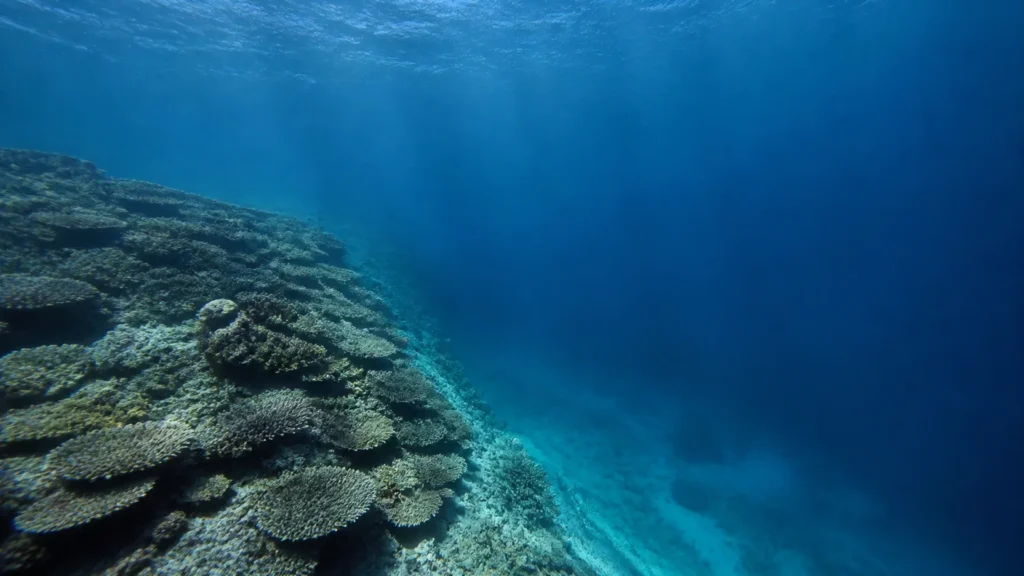
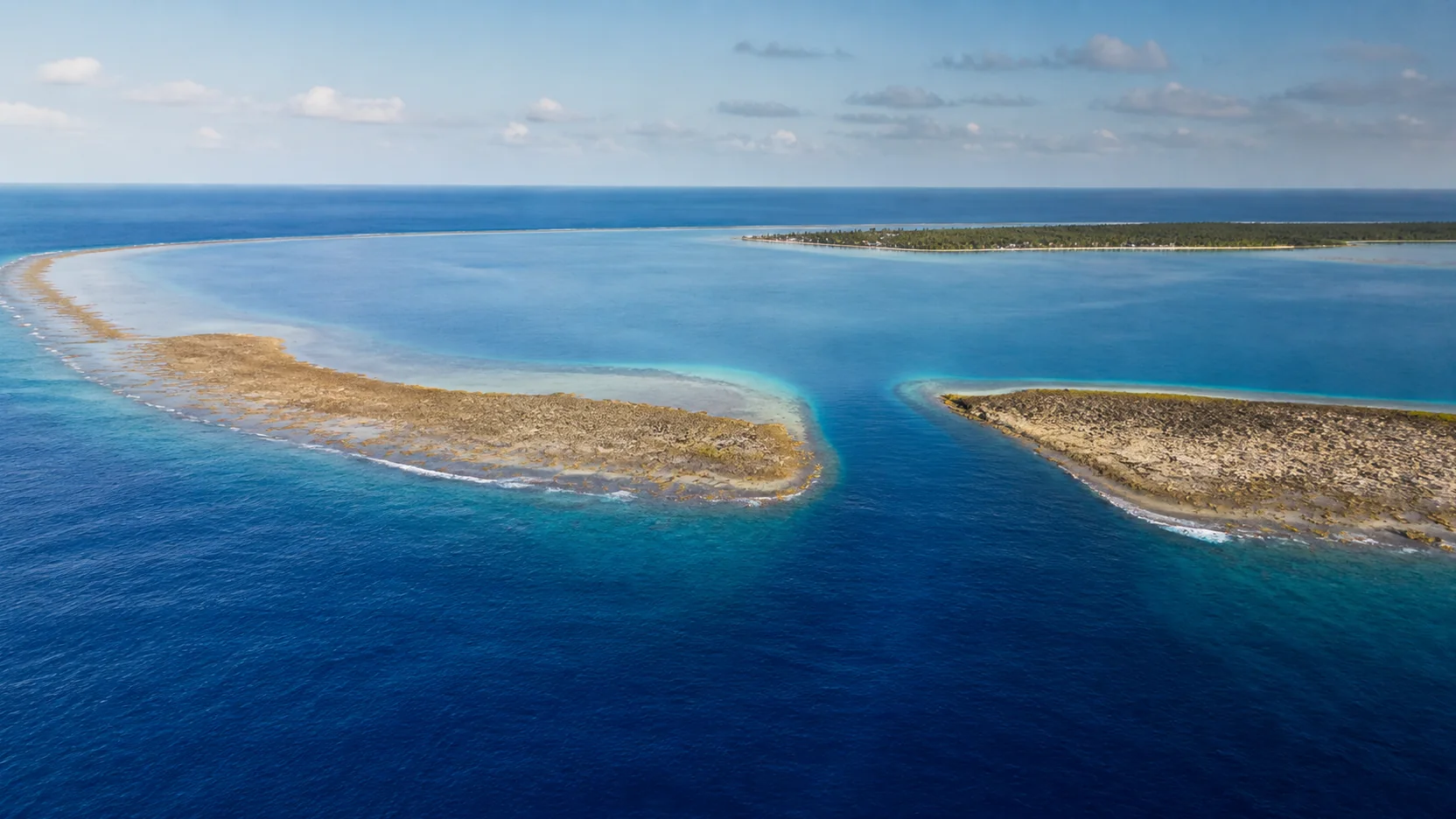
AI-generated editorial visualization of Tiputa Pass's ocean-channel-lagoon relationship in a deliberately unmarked non-navigational composition; not an exact aerial, channel-marker, tide, current, route, access or current-condition record.

The VH Luxe destination guide

Rangiroa, Fakarava and Tikehau: Choosing the Tuamotu Atolls

Last updated 8 September 2026

Choose the atoll by diving ability, operating scale and flight tolerance, never by interchangeable lagoon color.

Hero image: AI-generated editorial visualization, not a documentary photograph.

Recommended stay

5–

10 nights

Best time

May–October often has lower humidity; wind, swell, currents and operator guidance still govern diving.

Primary gateway

Rangiroa (RGI), Fakarava (FAV) or Tikehau (TIH) airport

Journey context

Allow 5 to 6 nights for one atoll, or 8 to 10 for two when domestic air and no-fly time are protected.

Curator’s verdict

Rangiroa, Fakarava and Tikehau demand three different decisions. Rangiroa offers the broadest service and pass-diving range. Fakarava adds UNESCO biosphere responsibility and demanding currents. Tikehau is smaller and quieter, with fewer operating alternatives. Every choice starts with actual ability and evacuation reality.

Choose well

Which Tuamotu atoll matches the traveler's real operating tolerance?

Choose by certification, current comfort, non-diver alternatives and flight resilience before comparing rooms or imagined wildlife.

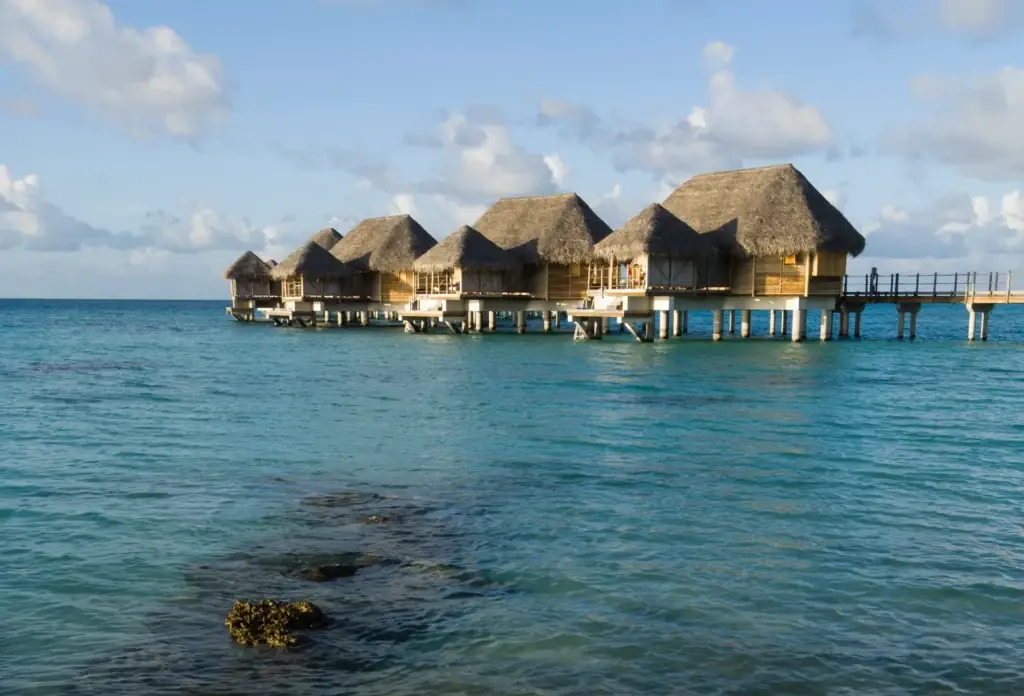
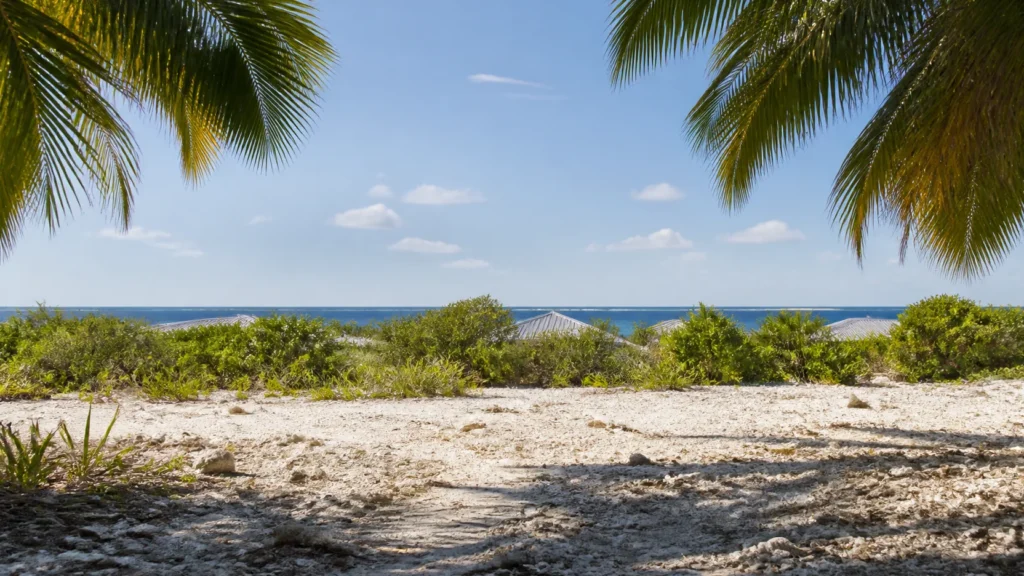
AI-generated editorial visualization of an anonymous Rangiroa village-edge, coconut-shade and distant-pass relationship from a property-neutral sand-and-coral verge; not an exact street, building, home, property, route, service, access or current-condition record.
AI-generated editorial visualization, not a documentary photograph.

Certified divers, mixed-interest couples and first atoll visits

Choose Rangiroa for range and service depth

Rangiroa offers multiple operating bases and the best-known service range around Tiputa and Avatoru passes.

Worth knowing

Pass conditions can be technical, wildlife is never promised and the atoll's scale still requires transfer discipline.
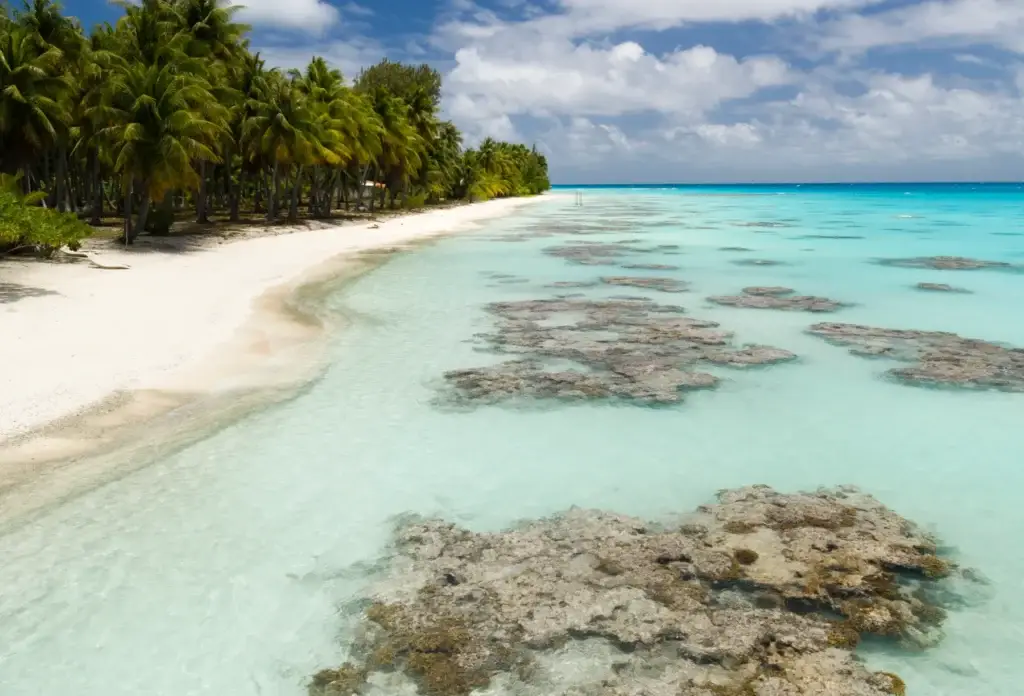
AI-generated editorial visualization of Choose Fakarava for conservation-led diving.
AI-generated editorial visualization, not a documentary photograph.

Experienced divers and travelers willing to organize around currents, operator judgment and biosphere responsibility

Choose Fakarava for conservation-led diving

Fakarava can support a focused north or south pass program within a recognized biosphere landscape.

Worth knowing

The UNESCO designation is exact, not a marketing license. South-pass logistics, current and medical reach can be demanding.

Couples, non-divers and repeat visitors comfortable with fewer alternatives

Choose Tikehau for small-scale quiet

Tikehau suits a slower reef-edge stay where one producer, craft or nature interval matters more than a long activity menu.

Worth knowing

Flight, operator, dining and medical alternatives are limited. Bird or marine-life appearance is not guaranteed.

Travelers who accept extra flights and want a genuine comparison

Combine atolls only with eight nights or more

Two atolls can contrast service scale, conservation context and quiet when each receives at least three full days.

Worth knowing

Extra flights add baggage and disruption risk. Dive no-fly intervals and a protected international connection may require more nights.

A considered introduction

Atolls are low, exposed operating environments. Flights, boats, passes, weather and limited medical response shape the journey more than room style. Non-divers need an equally intentional plan built around lawful reef observation, community context and rest.

The UNESCO Commune de Fakarava Biosphere Reserve covers seven named atolls in that commune. It must not be extended by implication to Rangiroa or Tikehau. Wildlife remains wild, and shark feeding, touching, chasing or promised aggregation has no place in this guide.

Advisor note

Advisor perspective: I would match one atoll to the weakest link: certification, current comfort, flight resilience or medical tolerance. VH Luxe Travels can coordinate scheduled air, a properly qualified dive or marine operator and conservative surface intervals, with every oxygen, evacuation and weather plan verified.

What stays with you

Signature experiences

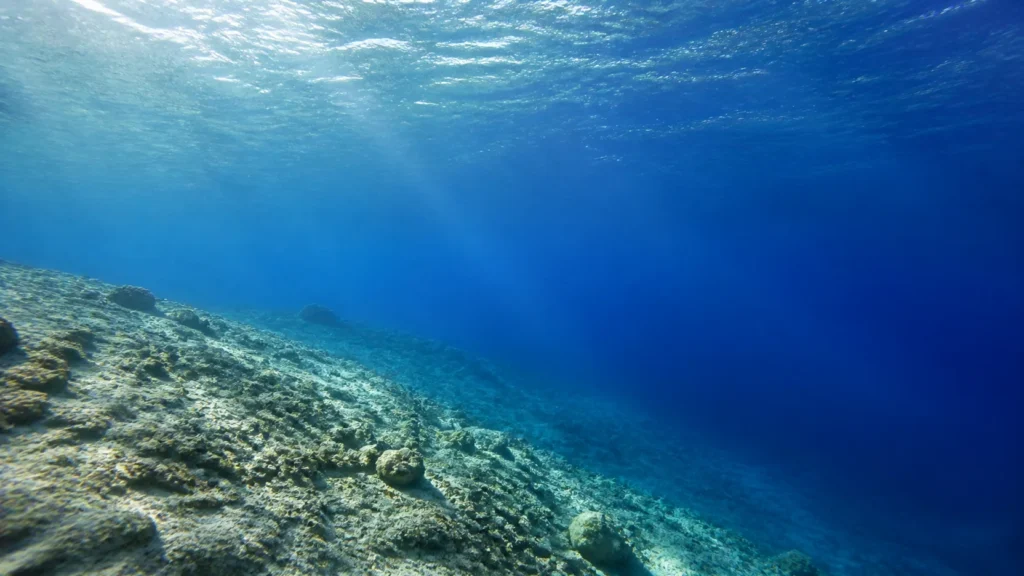
AI-generated editorial visualization of Read Rangiroa's Tiputa or Avatoru pass conservatively.
AI-generated editorial visualization, not a documentary photograph.

Pass diving

Read Rangiroa's Tiputa or Avatoru pass conservatively

Use an operator qualified for the exact site, tide and guest certification. Confirm oxygen, emergency plan, equipment and no-fly interval. Current, visibility and animals remain uncertain.

AI-generated editorial visualization of Dive or observe one exact Fakarava pass responsibly.
AI-generated editorial visualization, not a documentary photograph.

Biosphere reef

Dive or observe one exact Fakarava pass responsibly

Choose Garuae, Tumakohua or another verified site only when operator, ability, tide and local controls align. The biosphere reserve does not guarantee access, wildlife or benign current.

AI-generated editorial visualization of Tikehau's pale coral-sand shoreline with only a restrained non-uniform blush undertone; not an exact motu, beach, ecology, access, sand color, weather or current-condition record.
AI-generated editorial visualization, not a documentary photograph.

Atoll ecology

Approach one Tikehau reef, sand or bird context without disturbance

Use a qualified local guide for an exact lawful site. Respect nesting closures, distance, reef and landing rules. Color, birds and marine life remain condition-dependent.

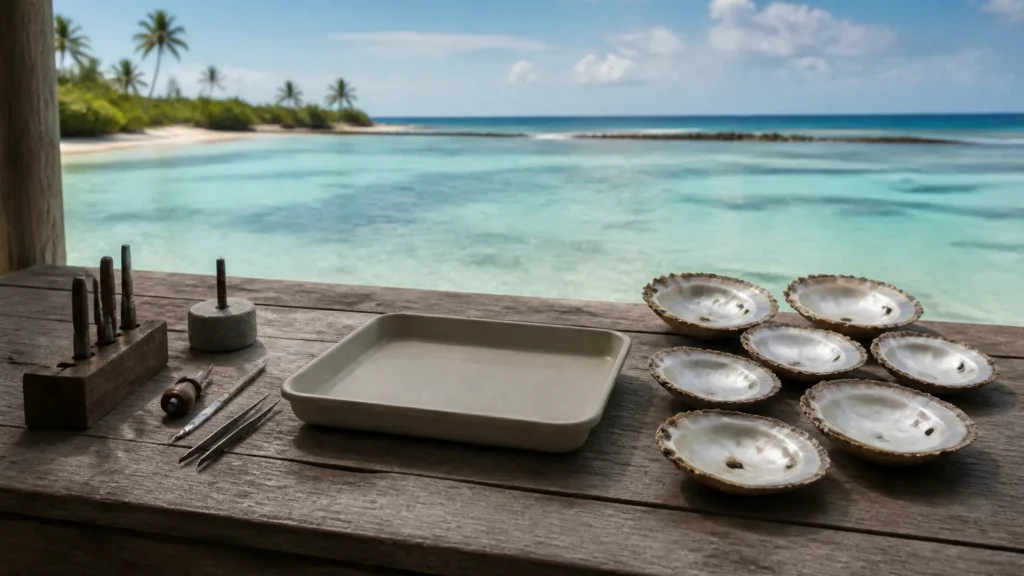
AI-generated editorial visualization of Meet a named Tuamotu pearl practitioner.
AI-generated editorial visualization, not a documentary photograph.

Pearl work

Meet a named Tuamotu pearl practitioner

Use a confirmed farm where a consenting worker explains one real cultivation, grafting or grading step. Boat access, biosecurity, photography and commercial claims require evidence.

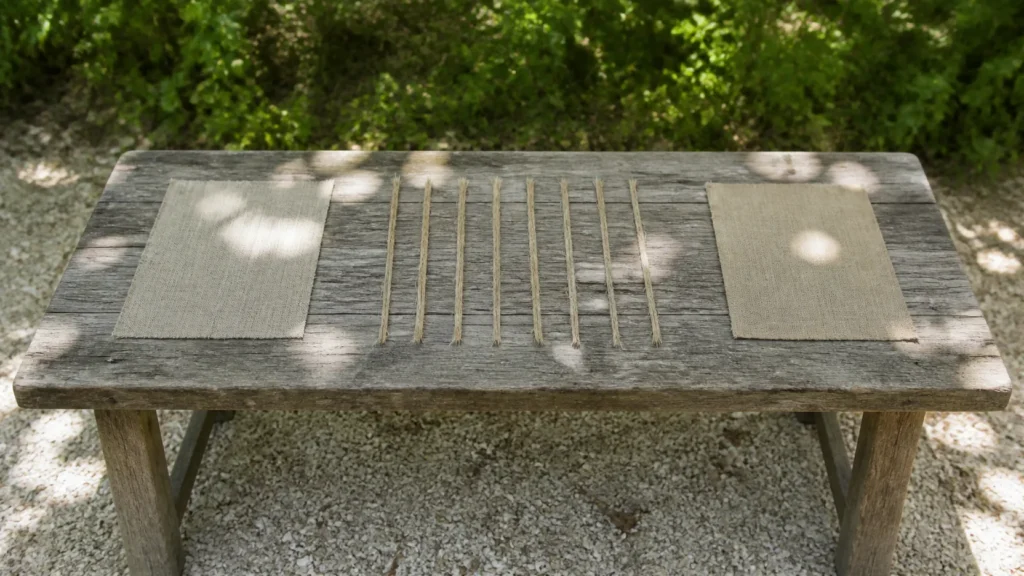
AI-generated editorial visualization of an anonymous inland Rotoava material-preparation table containing only separate unworked plant fibers and two blank undecorated fabric pieces; not a practitioner, craft, pattern, product, venue, property, access or current-program record.
AI-generated editorial visualization, not a documentary photograph.

Paumotu first voice

Learn from a named Paumotu artisan or community program

Choose an authorized weaving, music, language, food or heritage program led in the participant's own voice. Do not infer identity or turn living culture into resort theater.

Travel restored

What makes Rangiroa, Fakarava and Tikehau: Choosing the Tuamotu Atolls a wellness destination?

What makes an atoll stay restorative?

The horizon and simplified geography can reduce stimulation, but remote travel also adds real operational stress. A restorative plan limits flights, separates diving from departure, protects shade and sleep, and gives non-divers equal purpose.

Wellness role
A meaningful restorative layer
Best for
Travelers who restore through horizon, water confidence, small-scale days and clear safety margins
Format
One qualified marine day, one first-voice island interval, protected shade and a full no-fly and recovery plan
Ideal commitment
Keep the final full day dive-free and let current, wind or medical judgment cancel any water plan without pressure
Intensity
Gentle

For companions

Non-divers need a complete shore, boat-deck, craft or producer plan rather than passive waiting beside a technical dive schedule.

Seasonal lens

Possible year-round only with live review of wind, swell, current, heat, sun, insects, air service and individual medical suitability.

Lower visual and scheduling clutter

Horizon reset

Keep one atoll half day free for shade, a lawful shore walk and unhurried observation without a wildlife objective.

Duration
One half day
Intensity
Gentle
Best for
Executives, couples and non-divers
Consider

Heat, sun, wind, private boundaries and reef edges still need care.

Choose the least demanding safe format

Conservative water confidence

Use a vessel deck, shallow lawful snorkel or certified dive chosen by actual ability and current conditions.

Duration
45 minutes to one dive
Intensity
Varies
Best for
Mixed-ability travelers
Consider

Operator judgment, certification, current, oxygen and exit options govern participation.

Protect recovery between diving and flight

Surface-interval discipline

Build hydration, shade, sleep and conservative no-fly time into the itinerary instead of treating them as empty hours.

Duration
One or more protected intervals
Intensity
Gentle
Best for
Certified divers
Consider

Follow the operator, dive computer, medical advice and airline plan; this copy is not clinical guidance.

Give the atoll a human voice beyond diving

Paumotu maker interval

Meet one named consenting pearl worker, weaver, cook or cultural practitioner and let their process set the pace.

Duration
One visit
Intensity
Gentle
Best for
Divers, non-divers and families
Consider

Consent, access, cultural authority, allergies and purchases remain live.

Remote water, horizon and slower pacing are not treatment. Diving carries decompression and medical risks; travelers need appropriate certification, insurance and professional advice.

Timing the journey

When to go

May through October often brings lower humidity, but trade wind and swell can make passes demanding. November through April is warmer and wetter, with tropical-weather disruption possible. Dive suitability depends on current, tide, operator and individual experience, not a season label alone.

May · Jun

Good

Early drier period

Weather
Humidity often eases, while wind, pass current and swell still vary by day.
Crowds
Preferred dive and transfer inventory can fill early.
Best for
Single-atoll stays with conservative water planning.

Jul · Aug · Sep · Oct

Best

Drier trade-wind period

Weather
Wind can be stronger and pass conditions remain technical despite generally drier weather.
Crowds
Flights, dive boats and small properties may be tight.
Best for
Experienced, operator-led programs with alternatives.

Nov · Dec · Jan

Conditional

Warm wet-season opening

Weather
Heat, humidity, squalls and tropical systems can affect air and marine operations.
Crowds
Holiday demand can reduce flight and room resilience.
Best for
One-atoll plans with strong cancellation terms.

Feb · Mar · Apr

Conditional

Late wet-season transition

Weather
Rain, heat and variable visibility require daily operator review.
Crowds
Small-scale services and schedules can change.
Best for
Low-transfer stays with conservative diving.

Meteo-France alerts, Air Tahiti operations, tide, current, swell, visibility, marine rules and operator judgment override seasonal and wildlife expectations.

Value, clearly framed

Understanding trip value

Custom quote based on exact dates, air cabin, accommodation, professional transfers, qualified guidance, admissions, confirmed experiences, accessibility and cancellation terms. No public package price is stated.

What shapes the guidance

5 to 10 nights for two travelers; one or two atolls, scheduled domestic air, verified final transfers, qualified marine or dive operators, required equipment, named cultural or producer visits and conservative flight buffers priced at proposal stage.

Journey logistics

Arrive well

Scheduled domestic flights connect the three atolls through the Air Tahiti network, often via Tahiti or another operating pattern. Confirm each segment, baggage, dive gear, assistance, road or boat transfer and disruption plan. Never compress diving against a flight.

Primary gateway Rangiroa (RGI), Fakarava (FAV) or Tikehau (TIH) airport

Premium commercial air

Choose Rangiroa through RGI

Faa'a International Airport or confirmed network originRangiroa Airport (RGI)

Scheduled domestic air followed by reserved transfer

Confirm operating day, baggage and dive-gear policy, assistance, road or boat pickup and disruption handling.

Premium commercial air

Choose Fakarava through FAV

Faa'a International Airport or confirmed network originFakarava Airport (FAV)

Scheduled domestic air followed by reserved transfer

Confirm whether the exact north or south program requires additional road or licensed boat logistics, plus baggage and weather alternatives.

Premium commercial air

Choose Tikehau through TIH

Faa'a International Airport or confirmed network originTikehau Airport (TIH)

Scheduled domestic air followed by reserved transfer

Confirm operating day, small-scale inventory, baggage, assistance, landing, road or boat pickup and missed-flight response.

Final transfer

Protect every final boat or road leg

Confirmed atoll airportExact village, pension, resort or dive base

Verified road vehicle or licensed passenger vessel

Confirm luggage, dock or road access, boarding, tide, weather, mobility, communications and the return buffer. Motu landing access must be confirmed separately and is not implied.

Access and mobility

Confirm airport assistance, vehicle or boat transfer, docks and wet landings, property surfaces, shade, heat, reef entry, ladders, flotation, dive gear handling, oxygen, communications and evacuation. Each atoll and operator requires an individual assessment.

Before you go

Practical planning notes

Etiquette

Never feed or chase wildlife

Shark feeding is prohibited. Keep lawful distance and accept that no species may appear.

Wellness

Separate diving from flying

Use conservative no-fly time set by the dive plan, operator, computer and medical advice; never compress the final day.

Reservations

Confirm oxygen and evacuation

Ask the exact operator about oxygen, communications, emergency procedure, insurance and transfer to definitive care.

Etiquette

UNESCO applies exactly

The Commune de Fakarava reserve covers seven specified atolls; do not apply that designation to Rangiroa or Tikehau.

The VH Luxe approach

How VH Luxe composes the journey

  1. Choose one atoll first

    Match certification, non-diver purpose and operating tolerance before adding flights.

  2. Start with orientation

    Confirm pass, current, equipment, oxygen and the complete cancellation plan.

  3. Use one flexible marine day

    Let the qualified operator choose the exact lawful site from current conditions.

  4. Finish above water

    Protect a full dive-free final day and the onward air chain.

Paramjit Harika, VTA, CTA

Advisor-led planning

Your journey, personally considered

Paramjit Harika

Founder & Luxury Travel Advisor

I coordinate your hotel and room, premium air, transfers and key experiences as one considered journey, with one point of contact from planning through travel.

Good to know

Frequently asked questions

Which Tuamotu atoll is best for a first visit?

Rangiroa usually offers the broadest service range. Fakarava suits conservation-led experienced divers, while Tikehau suits travelers comfortable with fewer alternatives.

Should you combine Rangiroa, Fakarava and Tikehau?

Usually no. Choose one well, or combine two with at least eight nights, protected flights and sufficient dive-free time. Three atolls can turn the trip into logistics.

Is Fakarava entirely a UNESCO World Heritage site?

No. The Commune de Fakarava is a UNESCO biosphere reserve covering seven specified atolls. It is not a World Heritage designation and does not include Rangiroa or Tikehau.

Can sharks or dolphins be guaranteed?

No. Wildlife is unscripted. Feeding, chasing and touching are unacceptable, and current rules and operator judgment control any observation.

What diving experience is required?

It depends on the exact pass, tide and operator. Certification alone may be insufficient for strong current. Disclose experience, recency, health and comfort honestly.

What medical planning matters on an atoll?

Confirm oxygen, communications, evacuation, insurance, medication, heat and mosquito needs, and conservative no-fly time with qualified professionals.