The VH Luxe destination guide

Trujillo, Chiclayo and Northern Peru’s Archaeological Coast

Last updated 16 August 2026

Keep Moche, Chimú and Lambayeque or Sicán distinct by period, evidence and place.

Recommended stay

5–

7 nights

Best time

The route operates across the year, but heat, El Niño effects, rain, conservation work and museum schedules can change access. Favor cooler morning site windows and place museums where they protect both interpretation and recovery.

Primary gateway

Trujillo Airport (TRU) or Chiclayo Airport (CIX), selected around the confirmed route

Journey context

Allow 5 nights for a focused Trujillo and Chiclayo pairing, or 6 to 7 for shorter site days, museum depth and a calm coastal interval.

Curator’s verdict

Trujillo and Chiclayo answer different archaeological questions. Trujillo connects Moche ceremonial landscapes with the Chimú capital of Chan Chan; Lambayeque adds Sipán, Sicán and Túcume through museums and field sites that need careful sequencing.

Choose well

Should Northern Peru begin in Trujillo, Chiclayo or use a balanced two-base route?

Choose the civilization and interpretive question first, then build site days short enough to preserve attention.

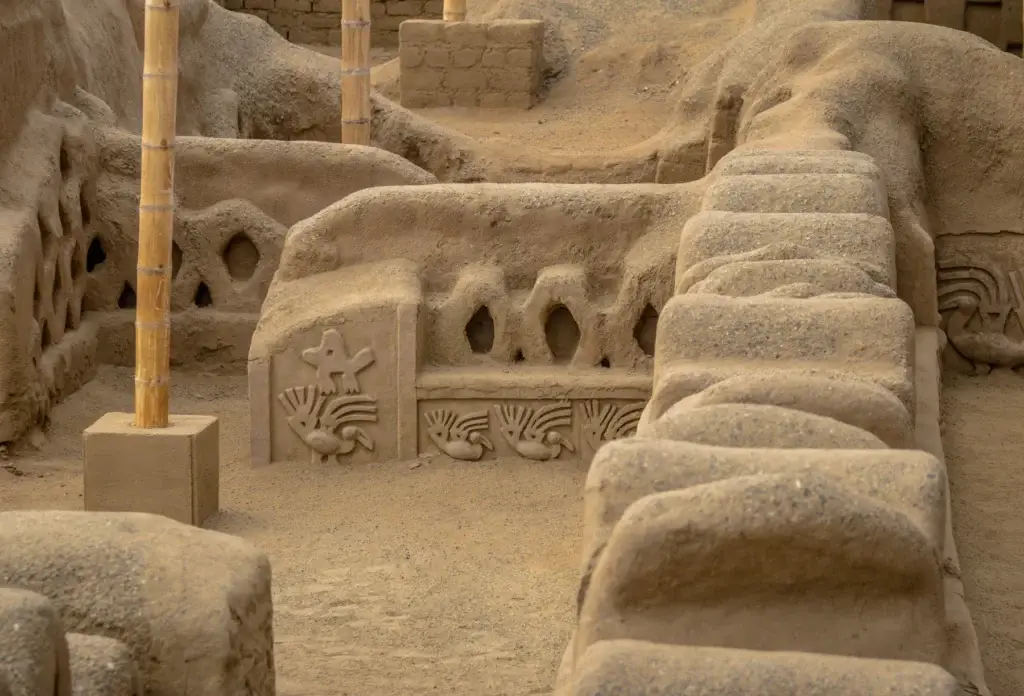
AI-generated editorial visualization of an anonymous overview of Chimú earthen-urbanism context.

First visits, architecture travelers and guests who want urban and ceremonial context

Begin in Trujillo for Moche and Chimú contrast

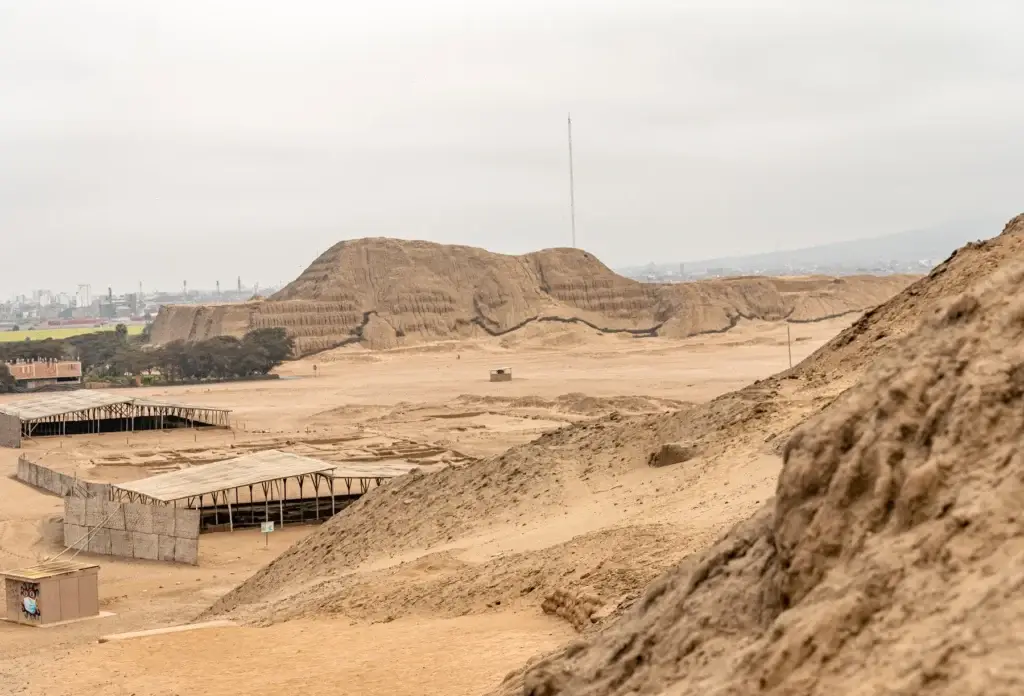
Trujillo connects Chan Chan, the Moche Valley and Huanchaco while keeping their cultures and periods distinct.

Worth knowing

Earthen sites are exposed and conservation-sensitive, while city-to-valley driving can make an overloaded day feel repetitive.
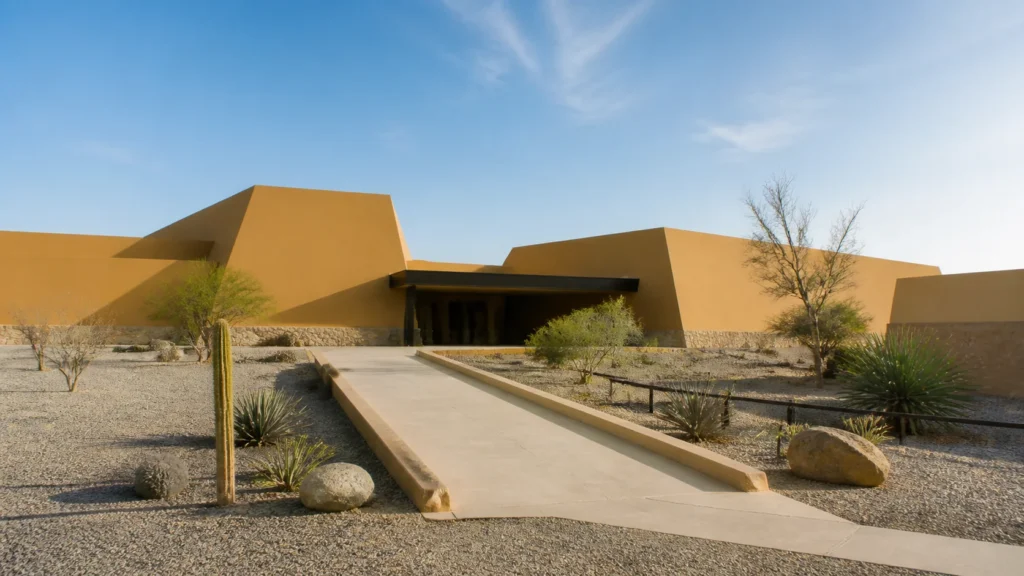
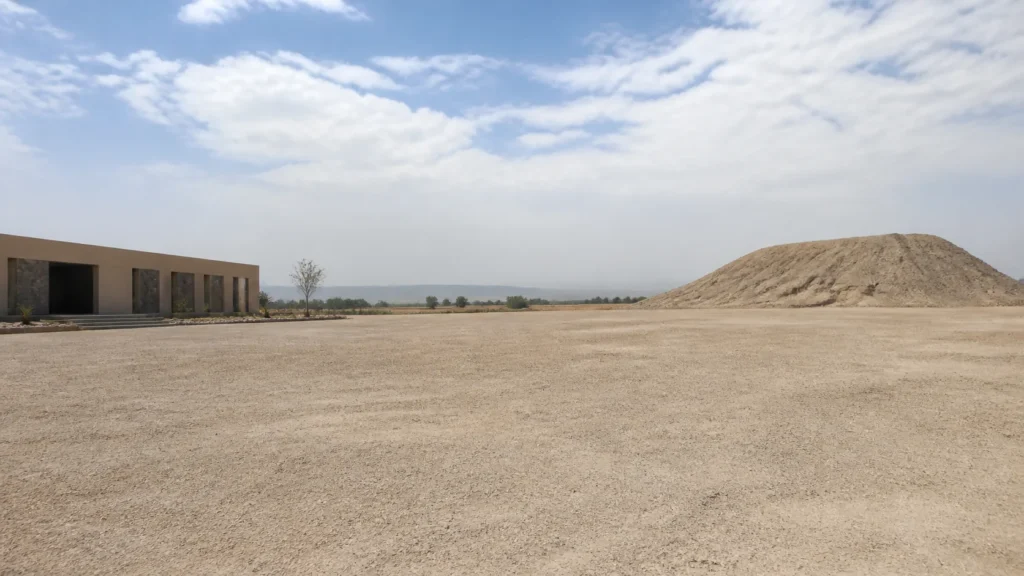
AI-generated editorial visualization of an anonymous Lambayeque archaeological-museum exterior context.

Archaeology travelers, families and guests who benefit from object-based interpretation

Use Chiclayo for museum-led depth

Tumbas Reales de Sipán and the Lambayeque museum network can establish chronology before visiting Huaca Rajada, Túcume or Sicán landscapes.

Worth knowing

Museum closures and long site lists can still create fatigue; not every institution belongs in one stay.

Travelers with six or more nights seeking clear cultural distinction across the coast

Split the journey evenly for the full coast

A measured two-base sequence gives Trujillo and Lambayeque separate interpretive questions and avoids same-day returns.

Worth knowing

The intercity transfer consumes a real travel interval and should not carry a major site visit at both ends.

Short stays, older travelers and guests who prefer deeper indoor interpretation

Choose one region when mobility or heat is decisive

One base with selected museums and one principal site can deliver a clearer journey than a compressed coast-wide circuit.

Worth knowing

The narrower route means leaving important cultures for a future visit, which should be an explicit choice.

A considered introduction

Begin in Trujillo for Chan Chan, the Moche Valley and Huanchaco's living coast, then move to Chiclayo for the Royal Tombs of Sipán, Huaca Rajada, Túcume and selected Sicán context. Each culture deserves its own language, chronology and specialist interpretation.

Five nights support a focused two-base journey. Six or seven allow shorter site days, museum depth and weather or closure resilience. Conservation work, official hours, photography rules and current road conditions must remain live checks.

Advisor note

Advisor perspective: I would use one archaeology specialist in each region, protect museum time from site fatigue and avoid combining more than two major heritage visits in a day. VH Luxe Travels can coordinate preferred-partner value and tailored arrangements where applicable, with every guide, vehicle, museum, monument, workshop and private format confirmed before travel.

What stays with you

Signature experiences

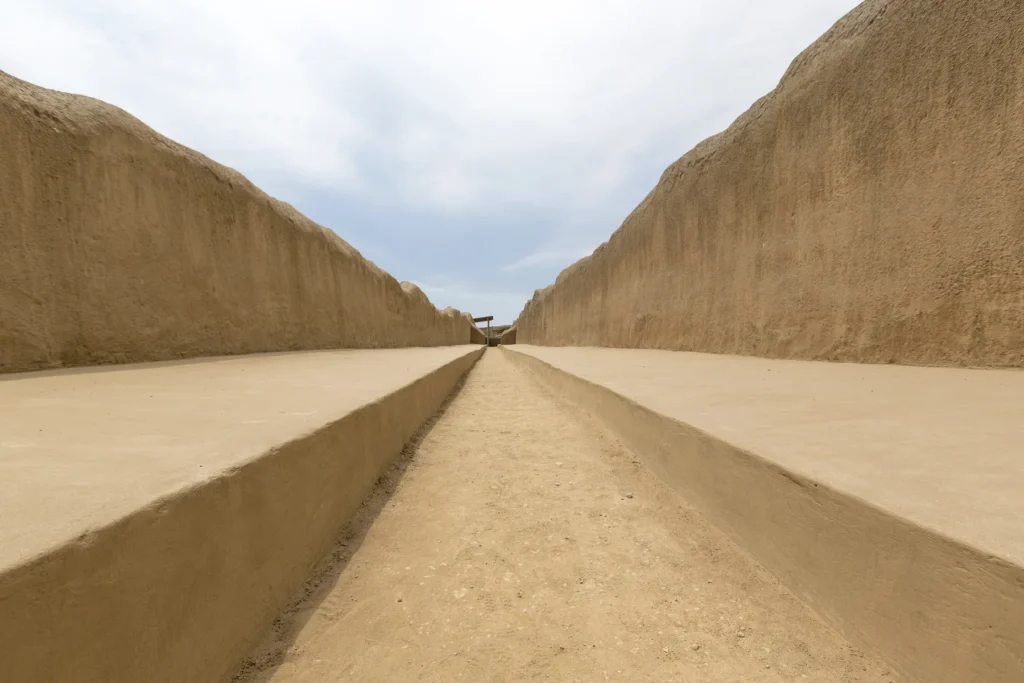
Detail of historic city of Chan Chan, Trujillo

Chimú urbanism

Read Chan Chan through water, hierarchy and conservation

A qualified specialist can connect the Chimú capital's planning, earthen construction, water systems and current conservation within official public-use areas.

AI-generated editorial visualization of a non-specific Moche Valley ceremonial-landscape context.

Moche archaeology

Give the Moche Valley one complete interpretive arc

Pair a currently open ceremonial site or museum with a qualified archaeologist who distinguishes evidence, reconstruction and living regional context.

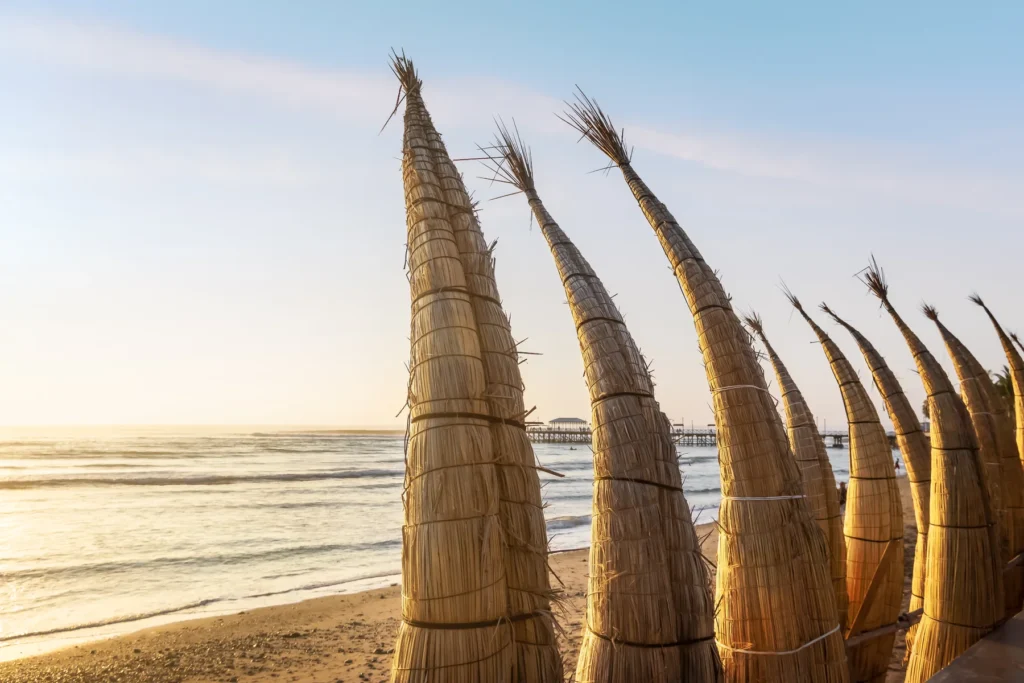
Documented caballitos de totora in Huanchaco with lawful public context

Living coast

Meet Huanchaco beyond a surf stop

A consenting local practitioner or historian can explain caballitos de totora and coastal livelihood. The practitioner sets access, context and photography boundaries.

AI-generated editorial visualization of an anonymous conservation context linking a northern Peru field site and museum story.

Museum and field

Connect Sipán objects to Huaca Rajada

Begin with museum-led interpretation, then add the archaeological landscape only when hours, conservation work, route and traveler stamina support both.

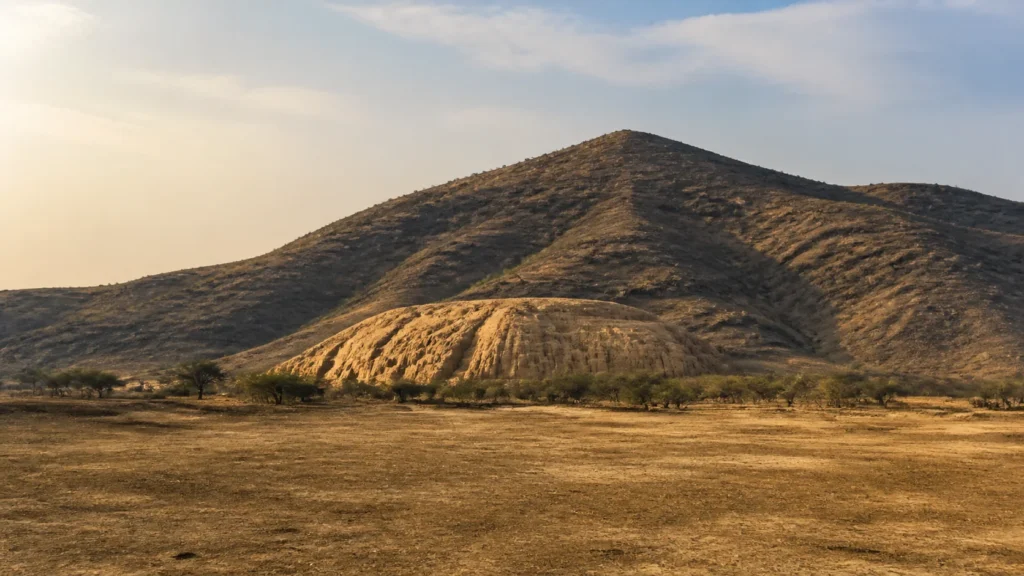
AI-generated editorial visualization of an anonymous monumental-landscape context for Túcume.

Lambayeque landscape

Read Túcume through archaeology and continuity

Follow the official museum and one selected route to connect scientific research, monumental landscape and present-day Túcume with precise local context.

Travel restored

What makes Trujillo, Chiclayo and Northern Peru’s Archaeological Coast a wellness destination?

What makes Northern Peru’s archaeological coast a wellness destination?

One culture, one site and one interpretive question at a time make this dense archaeological route restorative. Cooler-hour walking, museum pauses and time at Huanchaco keep curiosity high and the physical load manageable.

Wellness role
A meaningful restorative layer
Best for
Culturally curious couples, families and multigenerational travelers who value intellectual renewal, honest pacing and gentle coastal movement
Format
Cooler-hour site visits, conservation-minded looking, a consenting coastal encounter and a measured northern table
Ideal commitment
No more than two major interpretive chapters per day, with shade, seating and one unstructured interval
Intensity
Varies

For companions

Museums, short site routes, coastal context and foodways can accommodate different mobility levels within one journey.

Seasonal lens

Set daily hours around heat, rain and conservation access; no month is universally comfortable.

Let fragility change the way you look

Adobe conservation tempo

A conservator-informed or archaeologist-led public route explains why earthen architecture requires controlled access and patient observation.

Duration
60 to 90 minutes
Intensity
Gentle
Best for
Architecture and design travelers
Consider

Remain in official visitor zones. Conservation work can alter the route and no private worksite access is implied.

Reduce cognitive and physical overload

Museum before monument

Start with one collection to establish chronology and material vocabulary before entering a large exposed site.

Duration
75 to 120 minutes
Intensity
Gentle
Best for
Families, older travelers and first-time archaeology guests
Consider

Confirm opening, lifts, seating and photography. A museum visit is educational, not cognitive therapy.

Create a lower-stimulation coastal interval

Huanchaco sea rhythm

Walk a suitable public shoreline section and, only with consent, learn how a named practitioner relates totora craft to local life.

Duration
45 to 90 minutes
Intensity
Gentle
Best for
Travelers needing recovery between site days
Consider

Check sun, surf, surfaces and consent. Do not infer identity or request a staged demonstration.

Connect appetite, archaeology and present-day place

Northern table in one sitting

Choose a measured meal around documented regional ingredients such as loche or cacao, with a chef or historian who separates evidence from marketing.

Duration
75 to 120 minutes
Intensity
Gentle
Best for
Culinary travelers and companions
Consider

Confirm allergies and ingredients. Heritage foods are cultural context, not nutrition or longevity treatment.

Carry home the practice of establishing chronology, staying with one site and stopping before attention fades. Conservation science and official heat, sun and travel-health guidance inform the pace. Archaeology, sea air and food are not clinical interventions.

Timing the journey

When to go

The route operates across the year, but heat, El Niño effects, rain, conservation work and museum schedules can change access. Favor cooler morning site windows and place museums where they protect both interpretation and recovery.

Dec · Jan · Feb · Mar

Conditional

Warmer coastal season

Weather
Higher heat and possible heavy-weather disruption reward early site entries and conservative road planning.
Crowds
Holiday demand and weather events can compress guides and operations.
Best for
Museum-led days with one cooler-hour archaeological chapter.

Apr · May · Jun

Best

Cooling transition

Weather
Cooling conditions may support balanced museum and site days, subject to post-rain conservation review.
Crowds
Demand varies around holidays and local events.
Best for
A two-base archaeology route with coastal recovery.

Jul · Aug · Sep

Best

Cooler coast

Weather
Generally cooler conditions can make exposed sites easier, while sun and wind protection remain necessary.
Crowds
Domestic holiday dates can tighten rooms and guides.
Best for
Chan Chan, Moche and Lambayeque depth with measured walking.

Oct · Nov

Conditional

Warming transition

Weather
Rising heat makes early starts and shaded museum intervals increasingly important.
Crowds
Shoulder dates do not guarantee empty sites or unrestricted access.
Best for
A focused route before peak warm-season exposure.

Weather, roads, protected-area access, sea or river conditions, public schedules and current health notices change. Reconfirm every transport and outdoor component close to travel.

Value, clearly framed

Understanding trip value

Custom quote based on exact dates, air cabin, accommodation, professional transfers, qualified guidance, admissions, confirmed experiences, accessibility and cancellation terms. No public package price is stated.

What shapes the guidance

5 to 7 nights for two travelers; confirmed gateway, professional transfers, qualified guidance and lawful public or prearranged access priced at proposal stage.

Journey logistics

Arrive well

Choose the first airport around the final site sequence to avoid backtracking. Reserve the Trujillo to Chiclayo road transfer for daylight, with a professional driver and current road review.

Primary gateway Trujillo Airport (TRU) or Chiclayo Airport (CIX), selected around the confirmed route

Premium commercial air

Choose the first northern gateway

Lima or another confirmed domestic originTrujillo (TRU) or Chiclayo (CIX)

Scheduled air followed by a reserved professional transfer

Confirm live schedule, baggage, assistance, airport meeting point and which city begins the route.

Final transfer

Move between Trujillo and Chiclayo in daylight

Exact Trujillo or Chiclayo propertySecond northern-coast base

Reserved professional driver and appropriate vehicle

Treat this as a travel interval. Confirm roads, demonstrations, rest stops, driver hours and arrival before dark.

Final transfer

Build each field day around one valley

Chosen city baseExact official museum or archaeological public entrance

Reserved vehicle with qualified local guide

Hours, conservation work, heat, route, tickets and photography rules require same-week confirmation.

Access and mobility

Confirm vehicle steps, earthen and sandy surfaces, exposed heat, ramps, museum lifts, seating, shade, accessible washrooms, photography rules and evacuation arrangements. A museum may be accessible even when its associated archaeological landscape is not.

Before you go

Practical planning notes

Etiquette

Name each culture correctly

Moche, Chimú and Lambayeque or Sicán require distinct chronology and language.

Reservations

Lead with official access

Conservation work and museum schedules can change public routes.

Getting around

Cap the site count

Two major interpretive chapters are enough for most travelers in one day.

Etiquette

Keep living culture first-voice

Practitioners, foodways and coastal work require consent and accurate context.

The VH Luxe approach

How VH Luxe composes the journey

  1. Establish Trujillo's cultural map

    Use museum or specialist context before the first exposed monument.

  2. Read one Chimú and one Moche chapter

    Keep the cultures distinct and the day short enough for questions.

  3. Reserve the northbound interval for travel

    Arrive in Chiclayo with time to reset and confirm museum schedules.

  4. Connect Sipán and Túcume deliberately

    Use objects, field context and present-day continuity as separate but related lenses.

Paramjit Harika, VTA, CTA

Advisor-led planning

Your journey, personally considered

Paramjit Harika

Founder & Luxury Travel Advisor

I coordinate your hotel and room, premium air, transfers and key experiences as one considered journey, with one point of contact from planning through travel.

Good to know

Frequently asked questions

How many nights do you need for Trujillo and Chiclayo?

Allow 5 nights for a focused two-base route, or 6 to 7 for shorter site days, museum depth and a coastal recovery interval.

Are Moche, Chimú and Sicán the same culture?

No. They belong to different periods and political worlds. A qualified specialist should keep their chronology and evidence distinct.

Should you visit Chan Chan and the Moche Valley on the same day?

It can be done under suitable conditions, but separate half days often protect attention, shade and conservation-sensitive pacing.

Is Sipán a museum or an archaeological site?

The Royal Tombs museum in Lambayeque and Huaca Rajada-Sipán are different places. Their schedules, routes and accessibility must be confirmed separately.

Can a private archaeological visit be guaranteed?

No. Private guidance does not override public hours, conservation work, permits, security, photography or restricted areas.

How accessible is the northern archaeology route?

Accessibility differs by museum, earthen surface, sand, heat, stairs, ramp and washroom. Confirm the exact visitor path for every selected site.