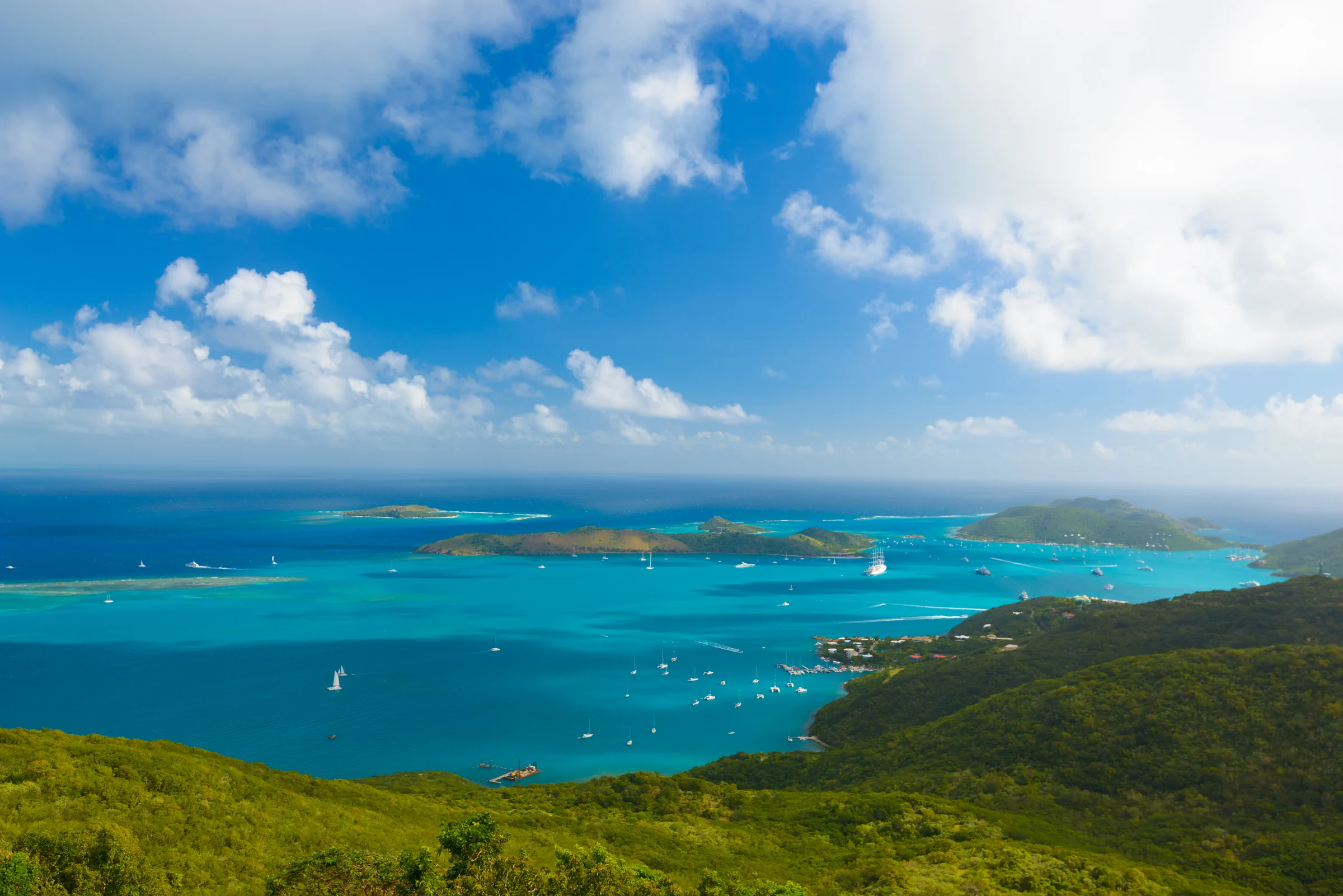
Virgin Gorda, British Virgin Islands

The VH Luxe destination guide

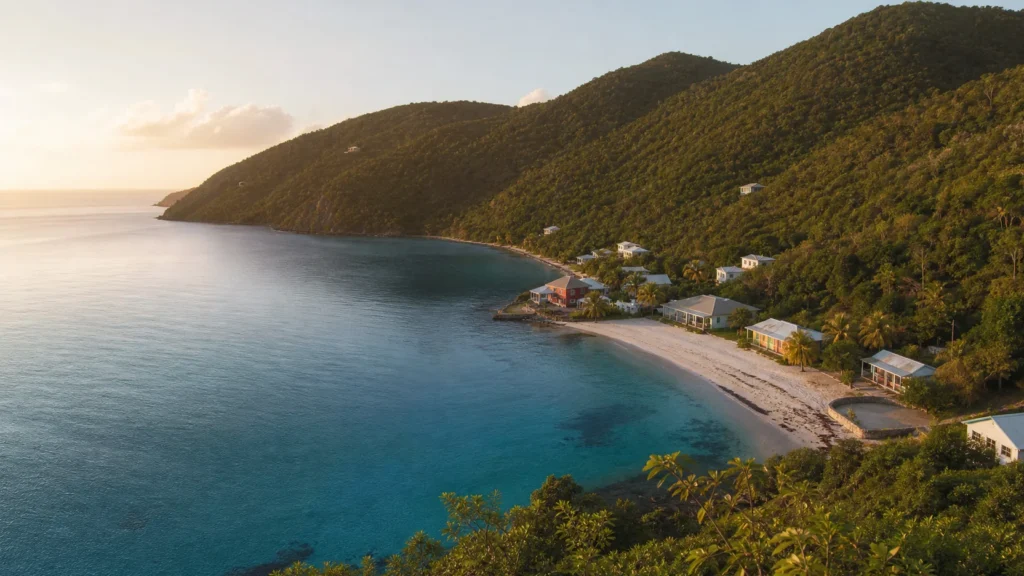
Image: Virgin Gorda provides one view of the British Virgin Islands; the other guide islands are not shown.

Tortola, Virgin Gorda, Anegada and Jost Van Dyke, British Virgin Islands

Last updated 8 September 2026

Build the BVI around one coherent mode of movement, not a race through four island names.

Recommended stay

7–

10 nights

Best time

December–April is generally driest and busy; trade winds and swell still affect exposed water.

Primary gateway

Terrance B. Lettsome International Airport (EIS), Road Town ferry terminal or an authorized BVI port of entry

Journey context

Allow 7 nights for Tortola and Virgin Gorda or a focused vessel itinerary; use 9 to 10 when Anegada and Jost Van Dyke are both meaningful chapters.

Curator’s verdict

Decide the mode of travel before the British Virgin Islands list. Tortola is the main arrival and provisioning anchor, Virgin Gorda pairs geology with a quieter land base, Anegada is a low coral island with greater weather dependence, and Jost Van Dyke works at a small-island pace. A land stay and a crewed charter create different obligations, costs and margins.

Choose well

Which BVI structure protects the trip?

Choose the movement model first, then test each island against border, vessel, mobility and weather realities.

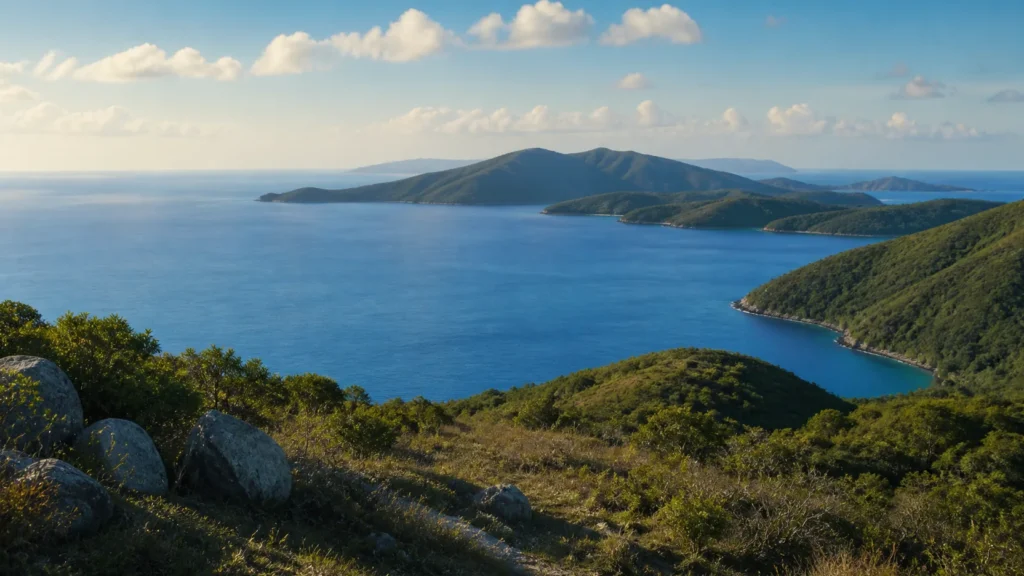
AI-generated editorial visualization of Sir Francis Drake Channel, British Virgin Islands.
AI-generated editorial visualization, not a documentary photograph.

First visits, families, multigenerational groups and travelers who want stable rooms and fewer vessel nights

Choose a land-based Tortola and Virgin Gorda pairing

Tortola holds the main gateway and local history, while Virgin Gorda adds granite landscapes and a distinct, quieter base.

Worth knowing

Ferries, road gradients and fixed check-in times still matter, and Anegada or Jost Van Dyke becomes a separate weather-dependent extension.
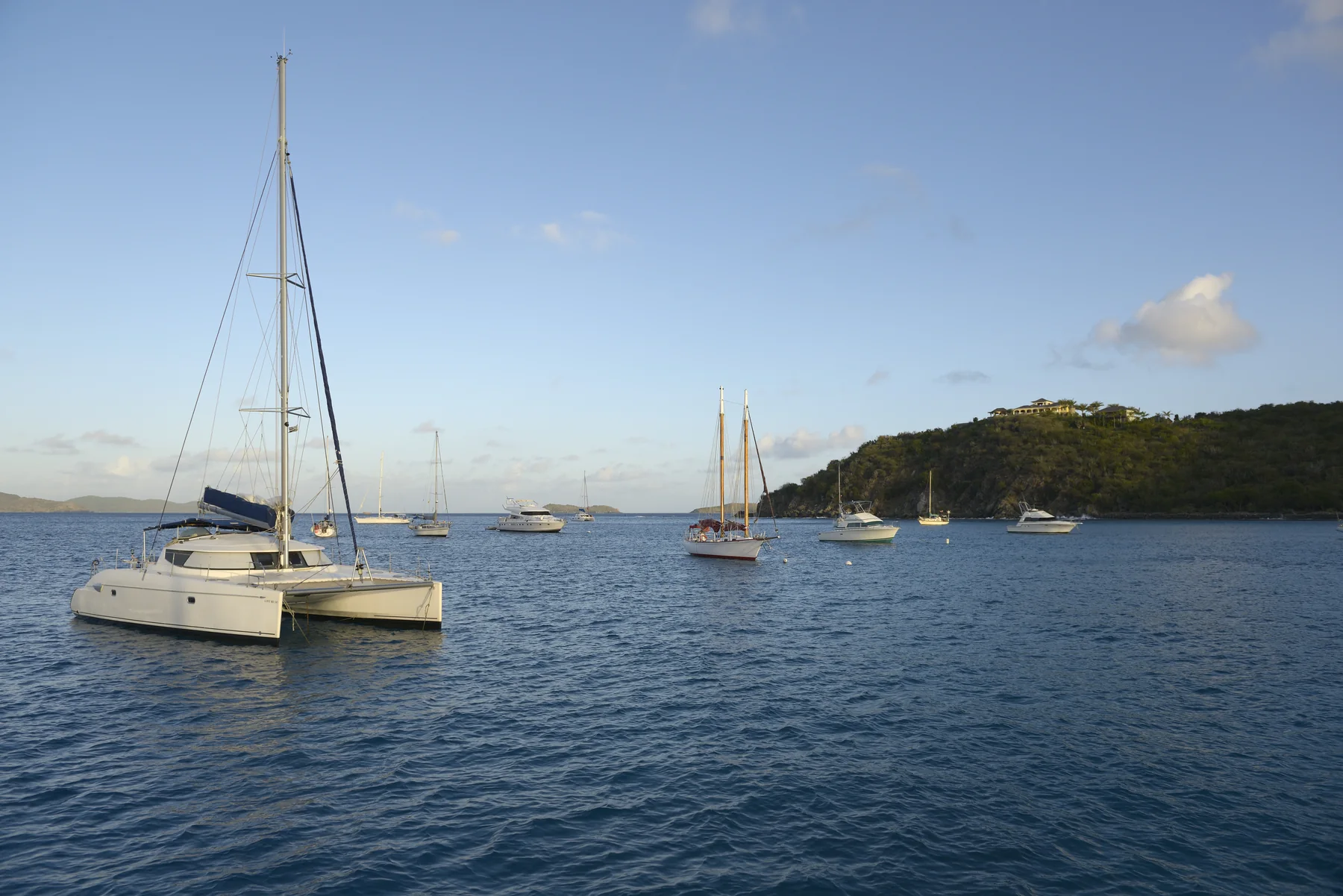
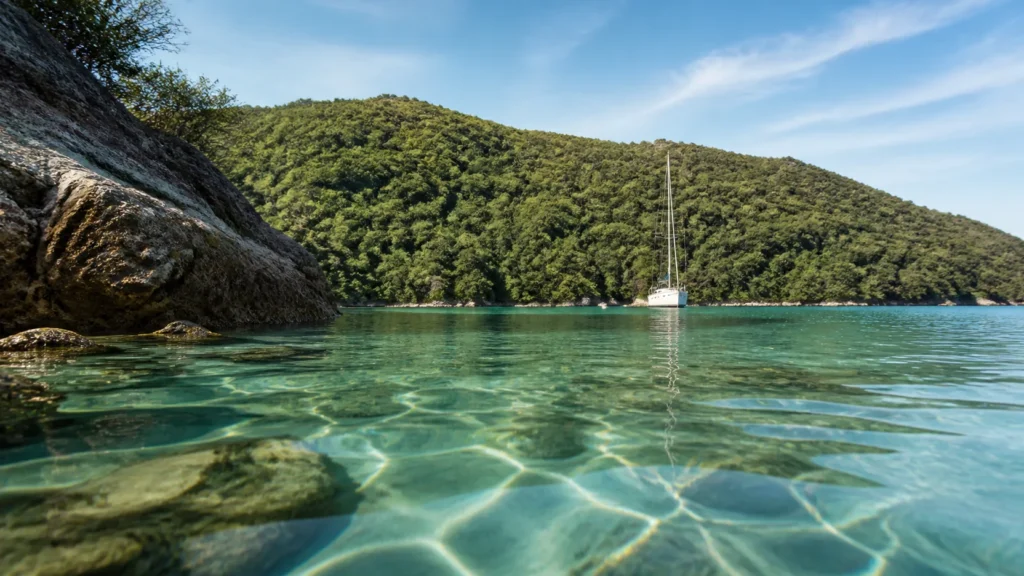
The anchorage in St. Thomas Bay, Spanish Town, Virgin Gorda, British Virgin Islands

Competent water travelers who value changing anchorages and can accept close quarters, motion and regulatory detail

Choose a crewed charter for a sea-led journey

One compliant vessel can connect several BVI environments without repeated hotel moves when captain, crew, clearance, mooring and marine rules are confirmed.

Worth knowing

Charter quality, cabin privacy, sea state, shore access, medical needs and vessel suitability vary; a vessel does not guarantee every island or anchorage.

Repeat visitors, birders, reef-aware travelers and groups comfortable with remote logistics

Add Anegada only for its difference

Anegada changes the visual and ecological story through low coral terrain, lagoons and reef systems rather than another steep volcanic island.

Worth knowing

Air or sea access, shallow water, weather, limited services and conservation rules require a protected plan and a fallback.

Travelers who want harbor scale, local history and an unhurried beach day rather than an event checklist

Use Jost Van Dyke as a small-island chapter

Jost Van Dyke works when the plan respects ferry timing, road access, community life and the island's limited scale.

Worth knowing

Day-trip peaks and harbor conditions can change the atmosphere; a late return or promised mooring cannot be assumed.

A considered introduction

For a first journey, Tortola and Virgin Gorda make the most controlled land-based pairing. Anegada adds a distinctly flat reef-and-sand geography but depends on suitable sea or air conditions. Jost Van Dyke can be a short base or a measured stop when its harbor and road scale suit the group.

The BVI is a British overseas territory with its own immigration, customs, port and protected-area rules. It is not an extension of the U.S. Virgin Islands. Every international vessel must use current clearance procedures, and every anchorage or marine activity requires live legal and environmental checks.

Advisor note

Advisor perspective: choose land-based or vessel-led travel first, then keep only the islands that work naturally within that mode. VH Luxe Travels can coordinate dated commercial connections and properly authorized suppliers where applicable, with border, port, marine and weather conditions reconfirmed for the exact itinerary.

What stays with you

Signature experiences

AI-generated editorial visualization of Road Town, Tortola.
AI-generated editorial visualization, not a documentary photograph.

Territorial history

Begin in Road Town with BVI history

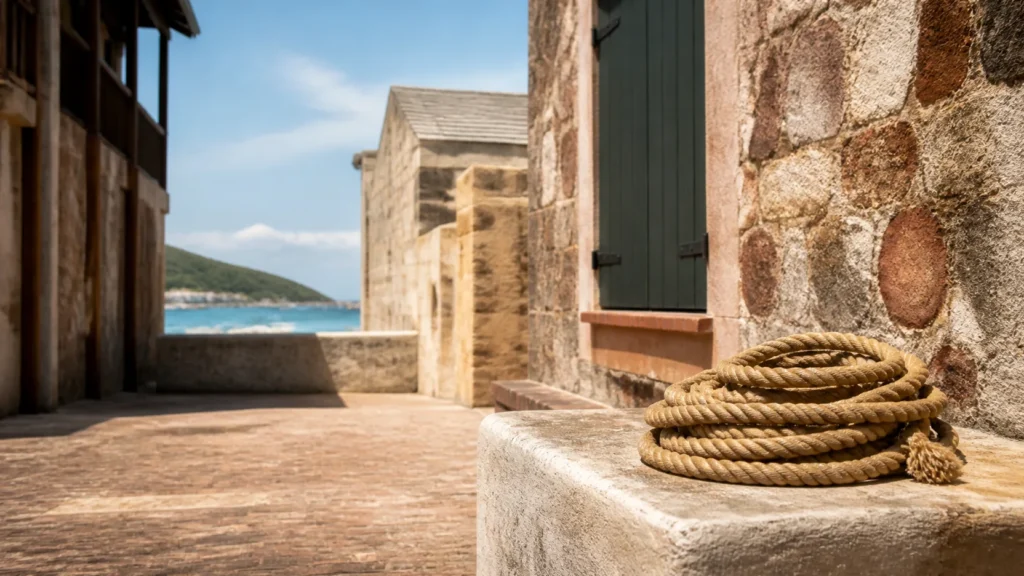
Use the Virgin Islands Maritime Museum and current public interpretation to understand seafaring, trade, migration and territorial life before treating the islands as a sailing backdrop. Confirm hours and access.

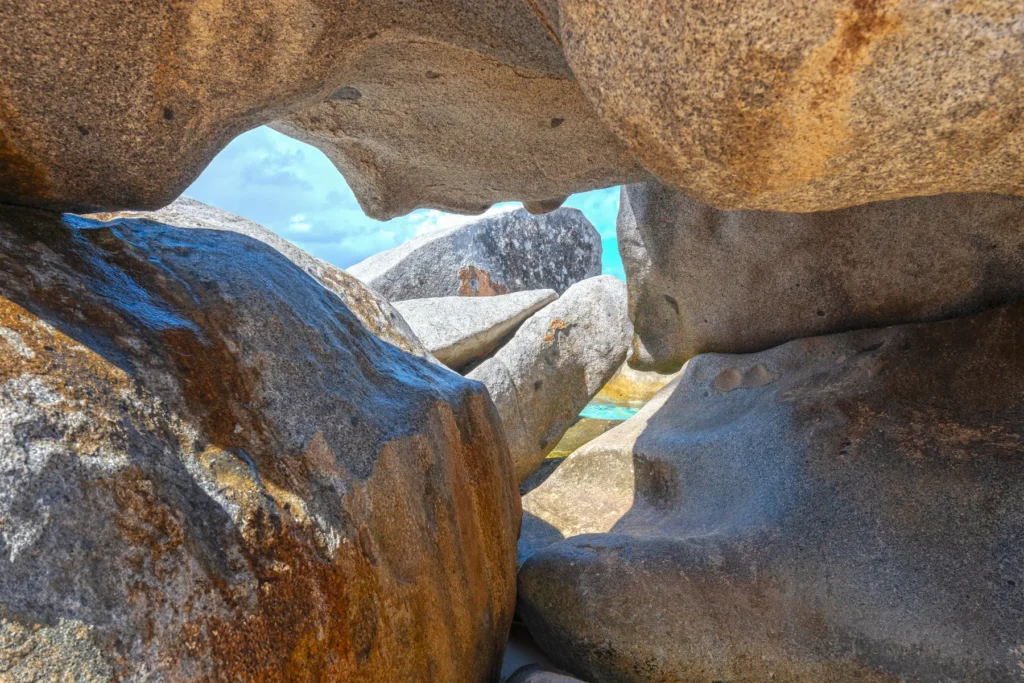
Virgin Gorda, British Virgin Islands at the boulders of The Baths

Protected geology

Enter The Baths through the regulated landscape

Follow National Parks Trust guidance for the Greater Baths, use the marked route, and adjust for waves, wet granite, ladders, confined passages, mobility and crowding. The setting is public and condition-dependent.

AI-generated editorial visualization of A documented BVI protected marine site.
AI-generated editorial visualization, not a documentary photograph.

Marine stewardship

Moor and snorkel within current BVI rules

Use a compliant vessel, current charts, lawful moorings and protected-area rules. Confirm operator authority, vessel clearance, anchoring restrictions, swimmer ability and sea state rather than inferring access from a photograph.

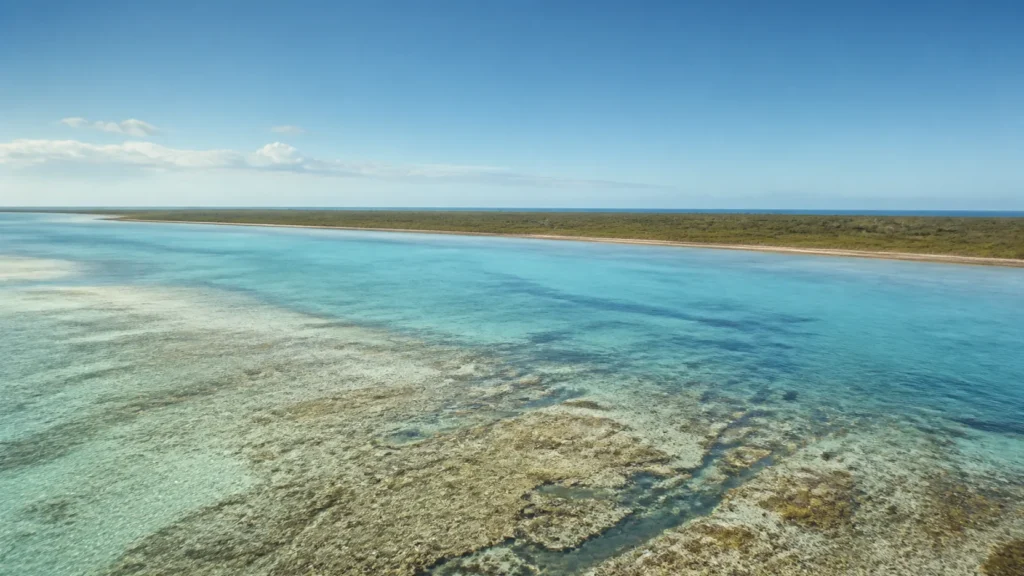
AI-generated editorial visualization of Anegada's low coral, reef-flat and broad shallow-lagoon context from a deliberately non-map-exact elevated perspective; not a navigation, access, ecological-health or current-condition record.
AI-generated editorial visualization, not a documentary photograph.

Low-island ecology

Read Anegada through reef, lagoon and shore

Use current protected-area and local guidance to distinguish Anegada's coral geology, wetland life and vulnerable shore. Wildlife is never promised and sensitive locations should not be disclosed casually.

AI-generated editorial visualization of Great Harbour, Jost Van Dyke.
AI-generated editorial visualization, not a documentary photograph.

Small-island context

Give Jost Van Dyke time beyond a harbor stop

Use qualified local interpretation to connect Great Harbour, working island life and named heritage without reducing the island to bars or a boat-party image. Public access, events and ferry timing require confirmation.

Travel restored

What makes Tortola, Virgin Gorda, Anegada and Jost Van Dyke, British Virgin Islands a wellness destination?

What makes the British Virgin Islands restorative?

The BVI can support restoration when movement becomes coherent: one vessel rhythm or a small number of land bases, enough sleep, protected water and long intervals without a schedule. This is a pacing framework, not a treatment or guaranteed result.

Wellness role
A meaningful restorative layer
Best for
Travelers who recover through sea horizon, low-friction logistics, protected nature and a deliberate reduction in daily decisions
Format
A light first day, one meaningful shore or water anchor daily, protected midday shade and at least one weather-flexible interval
Ideal commitment
Seven to ten nights with no same-day international arrival tied to an irreplaceable boat movement
Intensity
Gentle

For companions

Best when motion tolerance, cabin needs, swimming ability and mobility are screened before choosing land or vessel

Seasonal lens

Winter and early spring generally support more predictable outdoor planning, while summer heat and storm-season uncertainty demand shorter exposures and stronger contingencies.

Reduce repeated packing and decision fatigue

Choose one mode of travel

Commit to a land base or a suitable vessel for the central journey, then use transfers only when they add a clear change of place.

Duration
The whole journey
Intensity
Gentle
Best for
Busy travelers and groups with varied preferences
Consider

Motion, mobility, sleep and medical requirements may make one mode inappropriate.

Place movement before peak heat

Use the trade-wind morning

Walk, swim or explore early within current conditions, then protect shade and hydration through the hottest hours.

Duration
Thirty to ninety minutes
Intensity
Gentle
Best for
Heat-aware active travelers
Consider

Heat, UV, insects, current and sea state require individual caution and current guidance.

Make marine observation calm and non-intrusive

Practice reef-distance attention

Float or observe from a lawful distance without touching, feeding, collecting or chasing marine life, following guide and protected-area rules.

Duration
Twenty to forty minutes
Intensity
Gentle
Best for
Snorkelers and boat travelers
Consider

Swimming ability, equipment, currents and marine conditions determine suitability.

Protect an interval without arrivals or departures

Keep one harbor quiet

Use one evening or morning in a confirmed harbor or land base without another island target, allowing sound, light and local rhythm to become the experience.

Duration
One unstructured interval
Intensity
Gentle
Best for
Travelers prone to itinerary overload
Consider

Harbor safety, noise, weather and vessel position remain operational facts, not promised serenity.

Wellness descriptions explain pacing, gentle movement, nature attention and cultural presence. They do not promise diagnosis, prevention, treatment, cure, recovery or a particular physical or emotional outcome. Confirm personal medical suitability, transport, terrain, heat, weather, water conditions and qualified providers.

Timing the journey

When to go

December through April generally offers the driest high-demand window, though trade winds and swells still affect exposed water. Late spring can support a quieter journey with rising heat. The Atlantic hurricane season runs June 1 through November 30, so summer and autumn need flexible terms, storm monitoring and a viable land or air contingency.

Dec · Jan · Feb

Best

Drier trade-wind high season

Weather
Generally drier weather and trade winds still allow fronts, swell and rough exposed passages.
Crowds
Holiday and winter demand can tighten air, ferries, villas, vessels and moorings.
Best for
Strong for first visits when logistics are reserved early and weather margin remains.

Mar · Apr · May

Best

Late dry season and spring transition

Weather
Warmth increases and periodic showers or swell remain possible.
Crowds
Demand can soften after peak dates, though spring breaks and events matter.
Best for
Good for a deliberate land or vessel itinerary with live marine checks.

Jun · Jul · Aug

Conditional

Warm storm-season opening

Weather
Heat, humidity, showers and tropical-weather risk increase as Atlantic hurricane season opens.
Crowds
Local events and family dates can create peaks despite broader seasonal softness.
Best for
Use only with flexible terms, heat-aware days and an actionable storm plan.

Sep · Oct · Nov

Conditional

Peak disruption and reopening period

Weather
Tropical systems, rough seas, heavy rain and service pauses can make multi-island movement unreliable.
Crowds
Reduced inventory may reflect closures or maintenance rather than opportunity.
Best for
Suitable only for highly flexible travelers after every service is reconfirmed.

Hurricane-season dates, rainfall, wind, swell, heat, transport, protected-area access, business openings and outdoor conditions change. Recheck official forecasts, local alerts, carriers, operators and every critical booking shortly before travel.

Value, clearly framed

Understanding trip value

Custom quote based on exact season, air routing, accommodation, inter-island transport where used, licensed transfers, authorized experiences, dining and contingency design. No public package price is stated.

What shapes the guidance

Seven to ten nights for two travelers, with international air, immigration and port costs, accommodation or compliant crewed vessel, dated ferries, authorized transfers and protected-area activities priced separately at proposal stage.

Journey logistics

Arrive well

Enter through a current BVI port of entry and complete the territory's immigration, embarkation-card and customs process. EIS on Beef Island serves Tortola by bridge. International ferries and vessels require current schedules and formalities. Virgin Gorda, Anegada and Jost Van Dyke connections are date, weather, vessel and port dependent.

Primary gateway Terrance B. Lettsome International Airport (EIS), Road Town ferry terminal or an authorized BVI port of entry

Premium commercial air

Arrive through Tortola

Confirmed international origin or Caribbean connectionTerrance B. Lettsome International Airport (EIS), Beef Island

Scheduled air followed by authorized road or marine transfer

Confirm passport, visa if applicable, carrier documents, airport status, baggage, assistance and onward island connection. The U.S. Virgin Islands is a separate foreign departure or transit point.

Boat, ferry or yacht

Enter through a BVI ferry port

A confirmed foreign port, including a U.S. Virgin Islands gateway when ticketedCurrent BVI port of entry

Scheduled international ferry

Confirm operator, sailing, departure tax or fee, immigration, customs, baggage, mobility, terminal and last onward transfer. Never treat this as the USVI domestic ferry system.

Boat, ferry or yacht

Move among the principal BVI islands

Tortola or another cleared BVI islandVirgin Gorda, Anegada or Jost Van Dyke

Scheduled domestic ferry, authorized water taxi or compliant vessel

Use current schedules and port instructions. Anegada is especially sensitive to sea state, draft, reef navigation and last-service timing.

Access and mobility

Confirm aircraft or ferry assistance, vessel boarding method, gangway and tender conditions, luggage handling, vehicle step height, steep Tortola and Virgin Gorda roads, sand access, heat, shade, restrooms and emergency response. The Baths involves water, granite, ladders and tight passages; a viewpoint or alternate beach chapter may be more suitable. A vessel labeled accessible does not make every dock, beach or tender accessible.

Before you go

Practical planning notes

Arriving

The BVI is not the USVI

The BVI is a British overseas territory with its own passport, visa, immigration, customs, port and marine framework.

Reservations

Every foreign vessel must clear correctly

Use a designated port and current customs and immigration process; operator familiarity is not a substitute for official clearance.

Etiquette

Protected-area rules follow the exact site

National park, mooring, anchoring, fishing and wildlife controls vary by place and must be checked on current official guidance.

Wellness

Screen vessel fit before charter

Confirm cabin access, motion tolerance, medical needs, swim ability, tender boarding, crew credentials and emergency plan.

The VH Luxe approach

How VH Luxe composes the journey

  1. Clear into the BVI before the itinerary begins

    Use the correct port of entry and leave enough time for immigration, customs and the first safe transfer.

  2. Anchor the trip on Tortola or a compliant vessel

    Use a stable gateway and provisioning day before adding smaller islands.

  3. Add Virgin Gorda, then test Anegada

    Protect The Baths and Virgin Gorda first; include Anegada only when weather and logistics support its distinct ecological chapter.

  4. End near the confirmed departure

    Move back toward the departure gateway before the final night when a ferry, vessel or weather event could break the air connection.

Paramjit Harika, VTA, CTA

Advisor-led planning

Your journey, personally considered

Paramjit Harika

Founder & Luxury Travel Advisor

I coordinate your hotel and room, premium air, transfers and key experiences as one considered journey, with one point of contact from planning through travel.

Good to know

Frequently asked questions

Is a land stay or crewed charter better in the BVI?

Choose land for larger rooms, stable sleep and simpler mobility. Choose a suitable crewed vessel for sea-led movement when motion tolerance, cabin fit, crew credentials, marine rules and weather are acceptable. A combination needs enough nights to justify the transition.

Do travelers need a passport for the British Virgin Islands?

The BVI has its own immigration rules and official guidance requires a valid passport for entry. Visa needs depend on nationality and routing. Confirm the BVI Immigration Department and carrier requirements before ticketing.

Can travelers ferry from the USVI to the BVI?

International ferry service may connect the territories, but the trip crosses a border and requires current schedules, passport and any visa, customs and immigration formalities. It is not the USVI domestic ferry system.

How many nights are enough for the BVI?

Allow about seven nights for a focused Tortola and Virgin Gorda or vessel-led journey. Nine or ten gives Anegada and Jost Van Dyke enough margin without turning every day into a transfer.

Can The Baths work for limited mobility?

The classic route includes wet granite, uneven footing, ladders, confined passages and surf exposure. Confirm current conditions and consider a viewpoint, an easier beach segment or a different protected landscape when the route does not fit.

How should hurricane season change a BVI plan?

The Atlantic season runs June 1 through November 30. Use flexible contracts, appropriate insurance, NHC and local alerts, and a departure or shelter plan that does not depend on one vessel or connection.