The VH Luxe destination guide

Torres del Paine and Puerto Natales, Chile

Last updated 13 August 2026

Choose the right base, then let weather, mobility and recovery determine the day's reach.

Recommended stay

5–

7 nights

Best time

December through February generally supports the broadest operating pattern and longest daylight, with high demand and strong wind. March and April can feel quieter as daylight and services contract. Winter and spring transition require current closure, guide, road and service checks rather than assumptions.

Primary gateway

Puerto Natales Airport when schedules align; Punta Arenas is the principal alternative

Journey context

Allow 5 nights for one principal base, or 6 to 7 for a calm split between Puerto Natales and the park or a verified estancia.

Curator’s verdict

Torres del Paine rewards travelers who treat base selection as an expedition decision. Park immersion, an associated conservation estancia and Puerto Natales flexibility each solve a different problem, and none removes the need for live trail, wind and access checks.

Choose well

Should travelers stay inside Torres del Paine, near a conservation estancia or in Puerto Natales?

Choose the base that protects the traveler's most important outcome. Then let the live park report, weather and mobility determine what each day can safely hold.

Exact public Torres del Paine landscape at early or late light, without making a hotel the subject

Early and late light, reduced gateway commuting and travelers who want the park to set the rhythm

Stay inside the park for landscape time

An inside-park base can reduce some daily road movement and make a measured morning or evening landscape interval more realistic, subject to its exact location and current operating pattern.

Worth knowing

Dining, services and route choices may be more limited, and no property controls the park, public trails or weather.
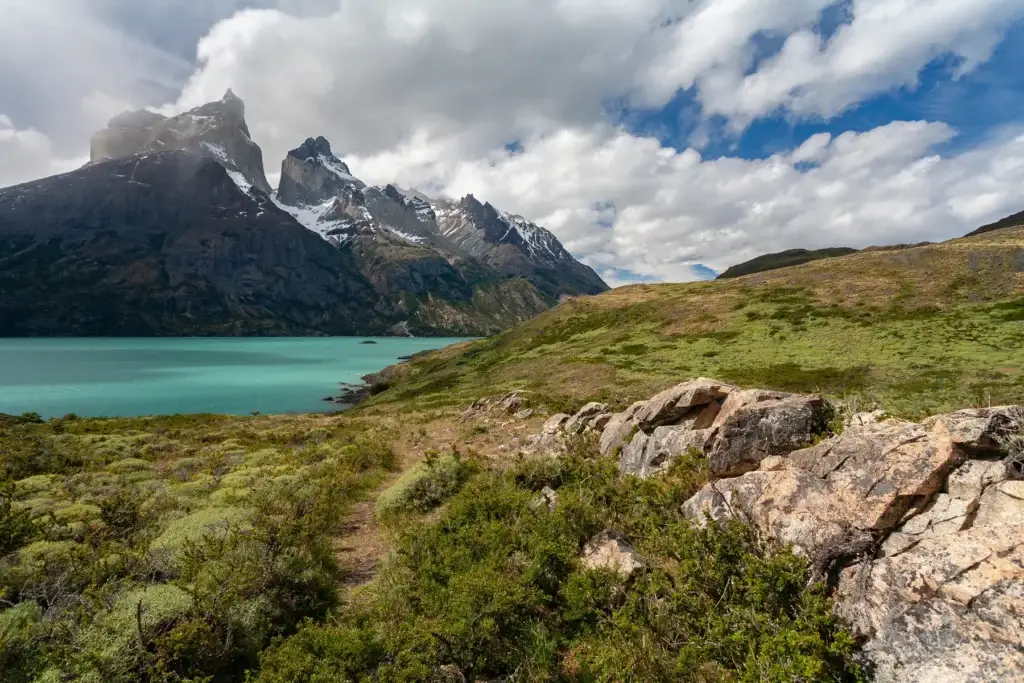
Steppe ecology, hosted land-stewardship stories, horses and travelers who value quiet beyond the main corridor

Use an estancia for conservation context

A verified associated estancia can connect the wider steppe, working-land history and current conservation practice through people responsible for that land.

Worth knowing

The property may sit outside park gates, so transfer time, permissions, operations and the exact conservation program require confirmation.

Dining choice, town services, buffer days, mixed-interest companions and travelers who prefer an urban reset

Choose Puerto Natales for flexibility

Puerto Natales offers the greatest practical flexibility and a meaningful waterfront and museum chapter rather than functioning only as a transit stop.

Worth knowing

Repeated park days can create substantial road time, and the earliest or latest landscape windows may be harder to protect.

Travelers who value safety, strong guiding, recovery and a good day more than a famous trail name

Let conditions choose the route

Match distance, exposure and turnaround point to current weather, official trail status, guide assessment and the traveler's energy that morning.

Worth knowing

Protecting the journey may mean shortening, replacing or abandoning a planned route without treating the day as a failure.

A considered introduction

Staying inside Torres del Paine can protect early and late landscape time, while a verified estancia near the park can add steppe ecology and land-stewardship context. Puerto Natales offers the strongest range of town services, restaurants and buffer-day flexibility, but creates longer park-transfer days.

Five nights allow one principal base and a measured range of landscapes. Six or seven can support a considered split between Puerto Natales and the park or an associated estancia. The luxury is not conquering every viewpoint; it is having the right guide, credible alternatives and enough recovery to meet changing Patagonia well.

Advisor note

Advisor perspective: I would select the base by the traveler's mobility, desired solitude, tolerance for transfers and need for services, then hold a credible lower-exposure alternative for every major outdoor day. VH Luxe Travels can coordinate preferred-partner value and tailored arrangements where applicable, with each guide, transfer, navigation, property and private format confirmed before travel.

What stays with you

Signature experiences

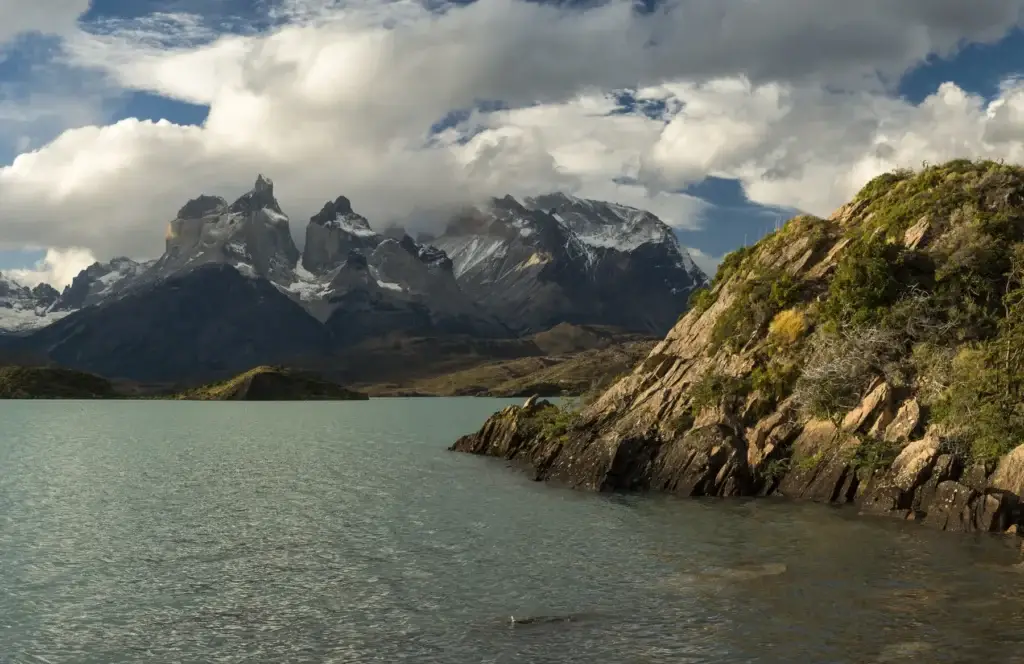
The mountain peaks of Cordillera del Paine in Torres del Paine National Park in Patagonia

Natural history

Read the park corridor before the day builds

Use a qualified naturalist and a confirmed public route to connect granite, steppe, lakes and changing light. Timing remains subject to official hours, access, weather and the guide's live assessment.

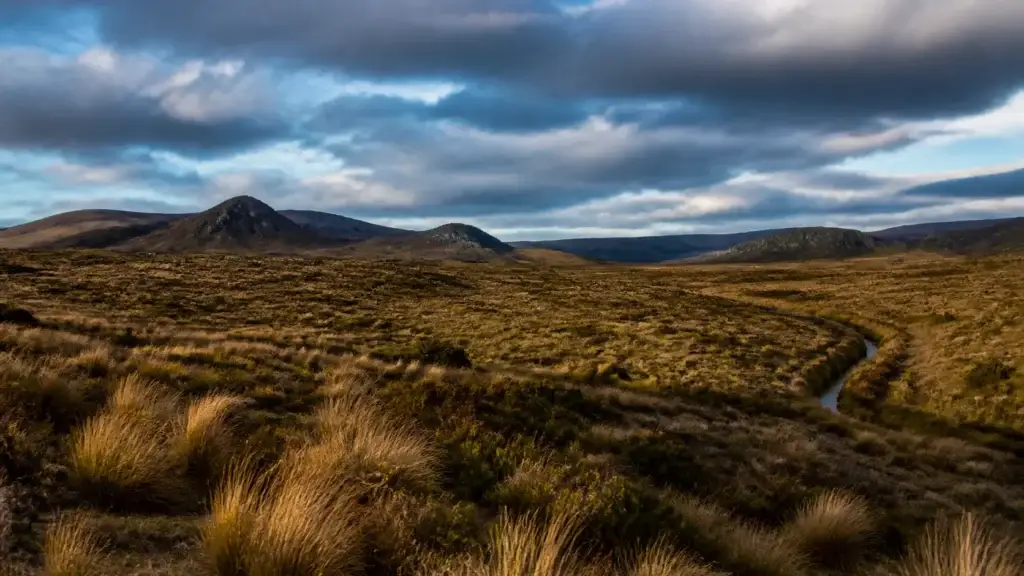
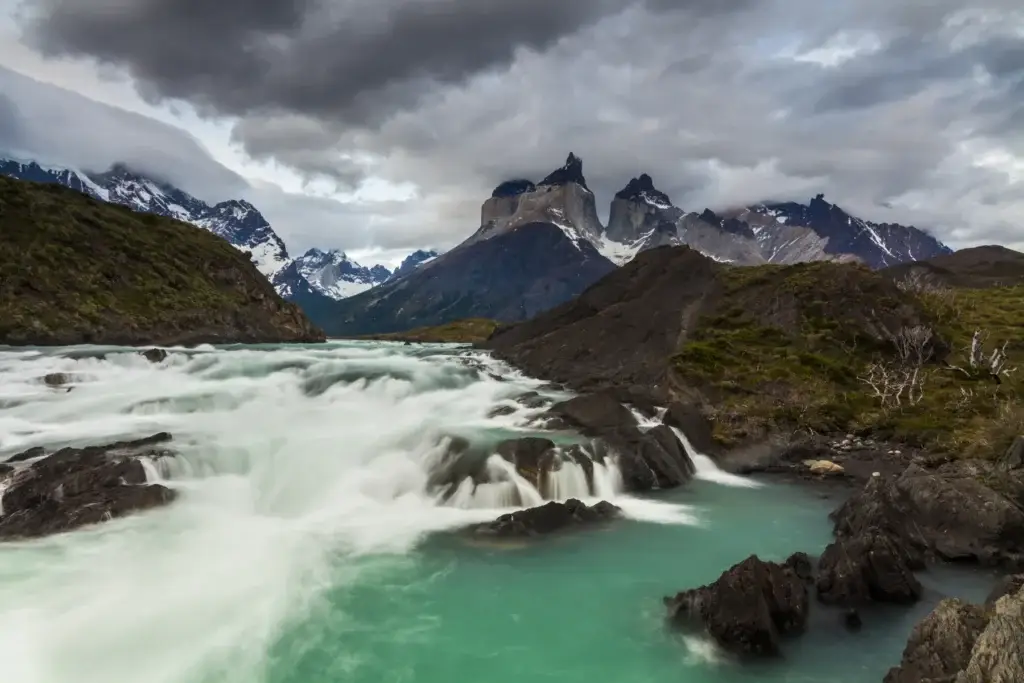
Beautiful landscape with mountains and Torres del Paine, Chile. river. National Park

Geology and water

Follow ice and water through the landscape

Let a geologist or naturalist interpret glacial landform, water color, wind and erosion from a safe, authorized route or viewpoint rather than reducing the park to a photograph.

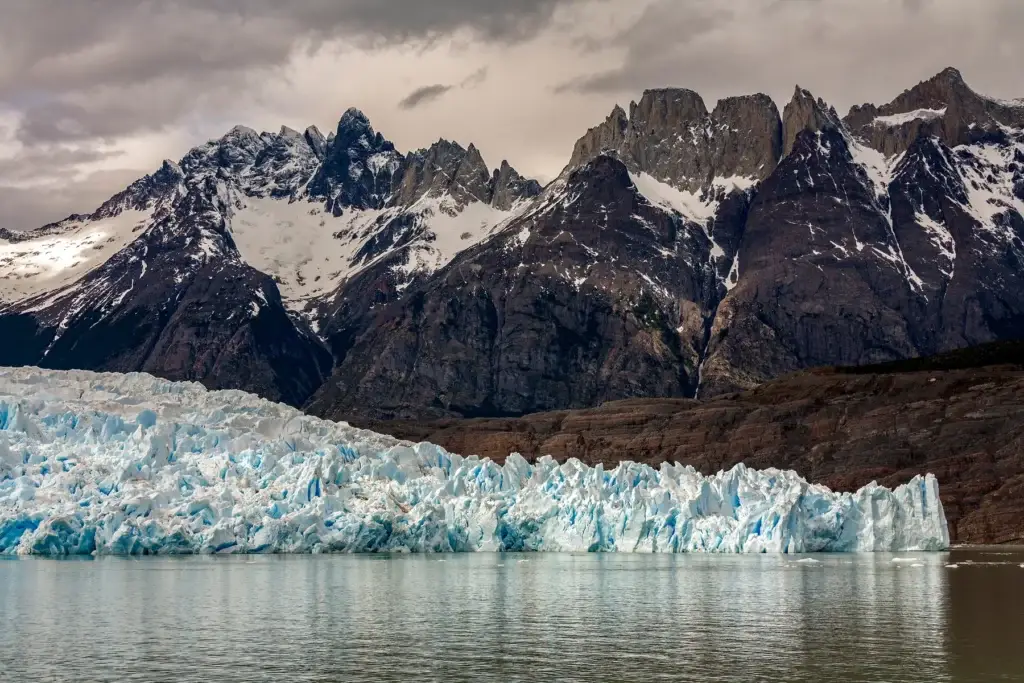
Exact Grey Glacier, Grey Lake or documented Grey-sector viewpoint in Torres del Paine

Glacial landscape

Approach the Grey sector on its own terms

Use a confirmed viewpoint, navigation or guided route to understand the Grey landscape, with wind, ice, water level, boat operation and turnaround decisions checked close to departure.

Exact associated estancia habitat, conservation fieldwork or land-stewardship landscape near Torres del Paine

Conservation

Read the steppe with a land steward

At a verified associated estancia, explore habitat, grazing history and current conservation work with the people responsible for the land. Wildlife remains free-ranging and no sighting is promised.

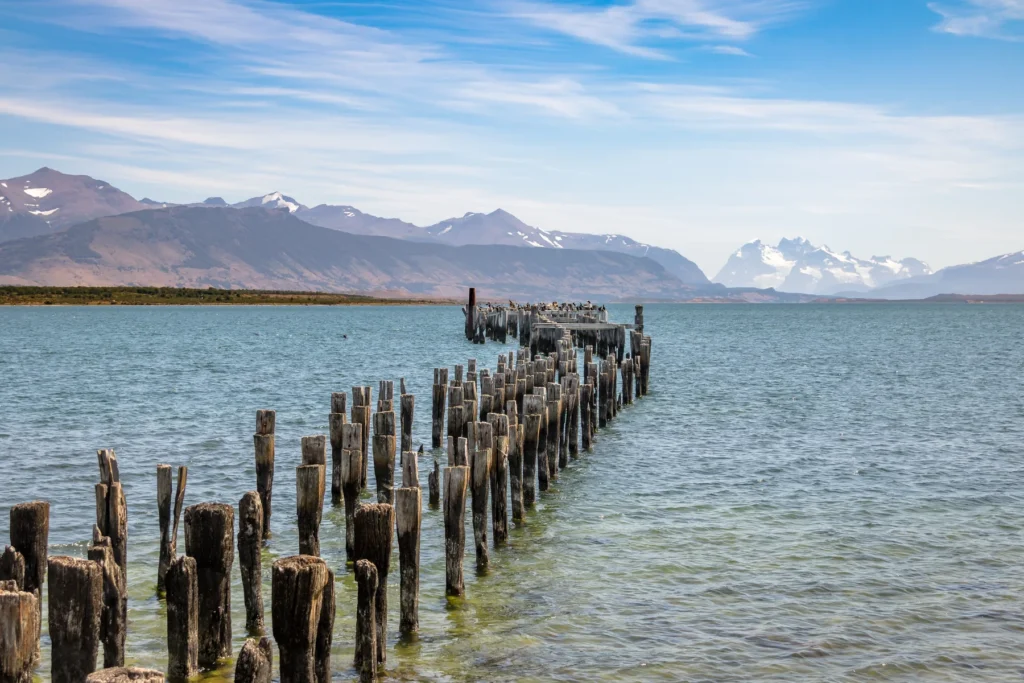
Exact Puerto Natales municipal museum exterior, historic working waterfront or documented town heritage setting

Local history

Understand Puerto Natales through community memory

Pair the working waterfront with the municipal museum's community collections. An accountable local historian can distinguish Aónikenk, Kawésqar, pioneer and worker histories without turning them into spectacle.

Travel restored

What makes Torres del Paine and Puerto Natales, Chile a wellness destination?

What makes Torres del Paine and Puerto Natales a wellness destination?

The destination teaches adaptive performance: move with wind, terrain and personal energy, then recover before conditions demand it. WHO recognizes the value of appropriately matched physical activity, but the transformation here is not a treatment or a heroic mileage target; it is the habit of calibrating effort, attention and rest.

Wellness role
A primary reason to travel
Best for
Active couples, executives, multigenerational families and solo travelers who value guided movement, landscape quiet and measurable restraint
Format
Weather-window movement, wind literacy, mobility-matched routes, warming recovery and protected horizon time
Ideal commitment
One outdoor objective per day, a live guide assessment, a lower-exposure alternative and protected warmth, hydration and sleep
Intensity
Varies

For companions

Strong for mixed-ability groups when each traveler has a meaningful route or viewpoint and reunions are planned without requiring identical mileage.

Seasonal lens

Summer supports the broadest range of movement but can bring intense wind and demand. Shoulder and winter travel require shorter objectives, more warmth, current guide rules and greater acceptance of change.

Make exposure a planning variable rather than a test of resolve

Patagonian wind literacy

Review direction, gusts, shelter and turnaround points with a qualified guide before choosing the day's route.

Duration
10-minute briefing plus continuous reassessment
Intensity
Varies
Best for
All travelers, especially exposed-walk and boat days
Consider

Forecasts do not remove risk. Follow official closures, ranger instructions and the guide's live decision.

Create a meaningful landscape day without borrowing against recovery

Mobility-matched movement

Choose walking time, grade and exposure from the traveler's current balance, strength, confidence and energy rather than a famous route name.

Duration
45 minutes to a half day
Intensity
Varies
Best for
Mixed-ability couples, families and multigenerational groups
Consider

Individual medical questions belong with a qualified clinician. No route is guaranteed safe or suitable.

Use warmth, food and stillness before the next exposure

Estancia recovery rhythm

After a steppe or park interval, protect time for dry layers, a warm meal and quiet rather than filling the afternoon with another transfer.

Duration
90 to 180 minutes
Intensity
Gentle
Best for
Travelers managing cold, wind, jet lag or accumulated trail fatigue
Consider

Property setting, fire use and private space require confirmation. No clinical recovery or sleep outcome is promised.

Practice sustained attention without chasing another viewpoint

Fjord-to-steppe horizon time

Use a safe waterfront, room or sheltered overlook for a device-light interval focused on weather, water and distance.

Duration
30 to 60 minutes
Intensity
Gentle
Best for
Travelers seeking lower stimulation and a repeatable attention practice
Consider

Confirm a sheltered, authorized setting and a communication plan. Limited signal is a safety consideration, not a wellness amenity.

The takeaway is to choose effort with discernment and to recover before exhaustion makes the decision. Regular physical activity can support health, but no trail, cold exposure, landscape interval, sleep, stress, biomarker or longevity result is promised.

Timing the journey

When to go

December through February generally supports the broadest operating pattern and longest daylight, with high demand and strong wind. March and April can feel quieter as daylight and services contract. Winter and spring transition require current closure, guide, road and service checks rather than assumptions.

Dec · Jan · Feb

Best

Austral summer

Weather
Long daylight and the broadest operating pattern can coexist with strong wind, rapid changes, rain and cold exposure.
Crowds
Peak demand affects park entry, accommodation, navigation, guides and popular trails.
Best for
Broad park access, varied walking and the greatest range of confirmed services.

Mar · Apr

Conditional

Autumn transition

Weather
Cooler temperatures, shorter daylight and changing wind or precipitation require tighter turnaround decisions.
Crowds
Demand may ease, while lodges, transport and navigation begin changing their operating patterns.
Best for
Quieter landscape intervals, autumn color and a slower park or estancia rhythm.

May · Jun · Jul · Aug

Usually avoid

Winter operation

Weather
Snow, ice, cold, short daylight and rapid weather changes can materially limit routes and transport.
Crowds
Visitor numbers are lower, but services are reduced and approved guiding can become mandatory on named routes.
Best for
Highly conditional winter landscapes for travelers who accept closures, guide rules and substantial flexibility.

Sep · Oct · Nov

Conditional

Spring reopening

Weather
Lengthening days arrive with volatile wind, cold, snow or rain and uneven reopening conditions.
Crowds
Demand builds toward summer while individual services and routes may reopen on different dates.
Best for
Spring landscape, active weather and flexible naturalist-led days before peak summer.

Park hours, roads, trails, navigation, guide requirements, rivers, wind, snow, ice and services can change without matching a broad seasonal label. Refresh official park reports and every operator immediately before travel.

Value, clearly framed

Understanding trip value

Custom quote based on exact dates, air gateway, accommodation, professional transfers, qualified private guiding, park access, navigation and confirmed private formats. No public package price is stated.

What shapes the guidance

5 to 7 nights for two travelers, with air, accommodation, park entry, professional transfers, qualified guiding and confirmed experiences priced separately at proposal stage.

Journey logistics

Arrive well

Seasonal air service can place travelers near Puerto Natales. Punta Arenas is the principal alternative airport and requires a confirmed overland transfer. From Puerto Natales, the exact park gate, lodge or estancia address determines the route, timing and vehicle, so a generic transfer estimate is not sufficient.

Primary gateway Puerto Natales Airport when schedules align; Punta Arenas is the principal alternative

Premium commercial air

Use Puerto Natales when the seasonal schedule fits

Confirmed Chilean air gatewayTeniente Julio Gallardo Airport, Puerto Natales

Scheduled air followed by a confirmed private transfer

Flights are seasonal and schedules change. Confirm operating date, baggage, driver meeting point, weather alternative and exact final address.

Premium commercial air

Use Punta Arenas as the alternative gateway

Confirmed domestic or international air gatewayPresidente Carlos Ibáñez del Campo Airport, Punta Arenas

Scheduled air followed by a reserved overland transfer

Treat Punta Arenas as a gateway only in this guide. Confirm road conditions, driver hours, rest stops, luggage and a weather or flight-delay buffer.

Final transfer

Continue from Puerto Natales to the exact base

Puerto Natales airport or confirmed town propertyExact park entrance, lodge or associated estancia address

Reserved private vehicle suitable for current roads and luggage

Routes and times vary materially by gate, property, road, wind and weather. Secure park entry in advance and confirm every stop and handoff.

Access and mobility

Confirm trail grade, exposure, wind, mud, steps, bridges, vehicle height, boat boarding, transfer duration, accessible rooms, washrooms, rest points and emergency support with every provider. A traveler who does not hike can still experience major landscapes, but the exact viewpoint, surface and assistance must be verified.

Before you go

Practical planning notes

Reservations

Reserve the park before building the day

Use the official entry system in advance and confirm whether the selected trail also requires authorized circuit accommodation or a guide.

Packing

Read the daily report

Road, trail and service status is live. Recheck official reports and follow ranger restrictions before leaving the base.

Reservations

Carry a real communication plan

Interior mobile and internet service is limited. Confirm guide communications, check-in times and the emergency plan.

Etiquette

Keep wildlife free-ranging

No puma, condor or guanaco sighting is guaranteed. Follow park distances and never alter an animal's behavior for a photograph.

Wellness

Protect the recovery interval

Dry layers, warmth, food and rest after exposure are part of the itinerary, not time left over after it.

The VH Luxe approach

How VH Luxe composes the journey

  1. Select the base by outcome

    Let park immersion, estancia context or Puerto Natales flexibility determine the first location choice.

  2. Match effort to the traveler

    Choose grade, exposure, transfer and turnaround point from mobility, strength, confidence and current energy.

  3. Build the credible alternative

    Give every major outdoor day a lower-exposure route, cultural chapter or restorative interval that still feels purposeful.

  4. Refresh every live condition

    Recheck park entry, roads, trails, wind, guide rules, navigation and operator status close to departure.

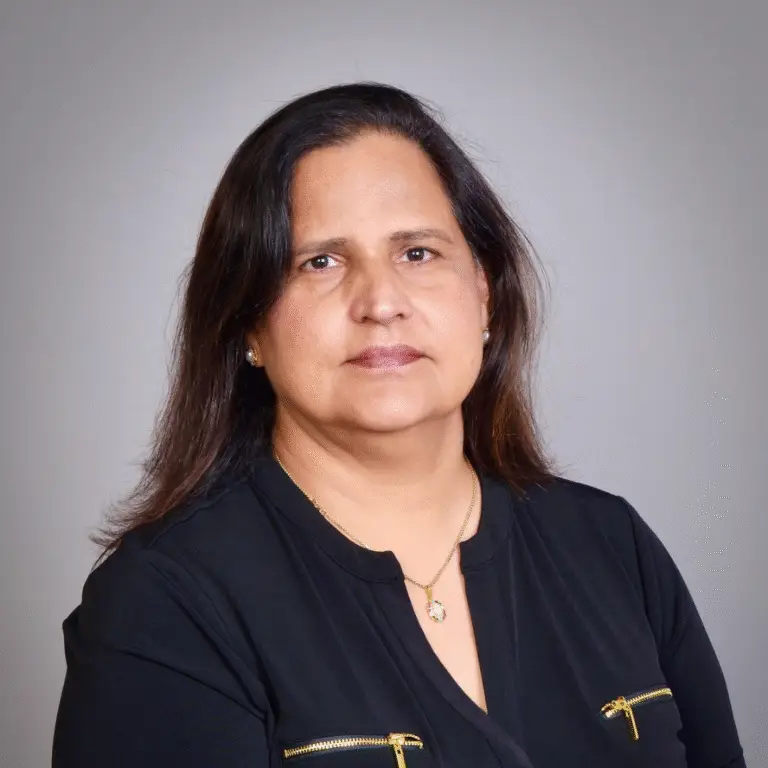
Paramjit Harika, VTA, CTA

Advisor-led planning

Your journey, personally considered

Paramjit Harika

Founder & Luxury Travel Advisor

I coordinate your hotel and room, premium air, transfers and key experiences as one considered journey, with one point of contact from planning through travel.

Good to know

Frequently asked questions

Is it better to stay inside Torres del Paine or in Puerto Natales?

Stay inside the park to protect landscape time and reduce some gateway commuting. Choose Puerto Natales for town services, dining choice and greater buffer-day flexibility. The exact property location matters more than the label.

How many nights do you need for Torres del Paine and Puerto Natales?

Allow 5 nights for one principal base and a measured park rhythm, or 6 to 7 for a calm split between Puerto Natales and the park or a verified associated estancia.

Do you need reservations for Torres del Paine?

Yes. Secure park entry through the official system in advance. W and O circuit access also requires confirmed accommodation at authorized sites, while day routes have different conditions that must be checked individually.

Do you need a private guide in Torres del Paine?

Not every public route always requires one, but a qualified private guide can improve route selection, natural history and live risk decisions. Some seasons and named routes have mandatory guide rules, so confirm the current park notice.

Can non-hikers enjoy Torres del Paine?

Yes. Road-accessible landscapes, short walks, authorized viewpoints, naturalist interpretation and Puerto Natales culture can create a substantial journey. Confirm surfaces, steps, wind exposure and assistance for the individual traveler.

Can you guarantee puma sightings in Torres del Paine?

No. Wildlife is free-ranging and sightings cannot be promised. Any wildlife plan must use qualified guides, maintain park distances and avoid changing animal behavior.