The VH Luxe destination guide

Toronto, Ontario

Last updated 12 August 2026

Choose the neighbourhood around the evenings that cannot move, then let art, food, ravines and Lake Ontario unfold in coherent chapters.

Recommended stay

4–

6 nights

Best time

Late spring and early autumn offer the broadest balance for neighbourhood walking, ravines, island time and culture. Summer brings stronger waterfront and festival energy with heat, storms and major-event demand. Winter favors collections, performance and dining but requires snow, ice, wind and short-daylight planning.

Primary gateway

Toronto Pearson International Airport (YYZ) or Billy Bishop Toronto City Airport (YTZ)

Journey context

Allow 4 nights for a focused city stay and 5 to 6 when adding a fuller Indigenous-led cultural chapter, west-end foodways and a condition-ready island or.

Curator’s verdict

Toronto becomes more luxurious when its scale is edited. One precise base, one cultural lens and one restorative interval each day reveal a city shaped by migration, design and water without spending the journey in traffic.

Choose well

Which Toronto base protects the journey?

Choose the neighbourhood around the cultural priorities and evening anchors, then limit avoidable cross-city movement.

Bloor-Yorkville streetscape, Village of Yorkville Park or Royal Ontario Museum in neighbourhood context

Art and design travelers, refined shopping, polished dining and quieter side-street rhythm

Choose Yorkville for a collection-led stay

Yorkville and Bloor place the ROM, galleries and a compact luxury district close together while keeping several cultural days walkable.

Worth knowing

The exact block and room orientation still determine traffic, street energy and transfer time to the waterfront.
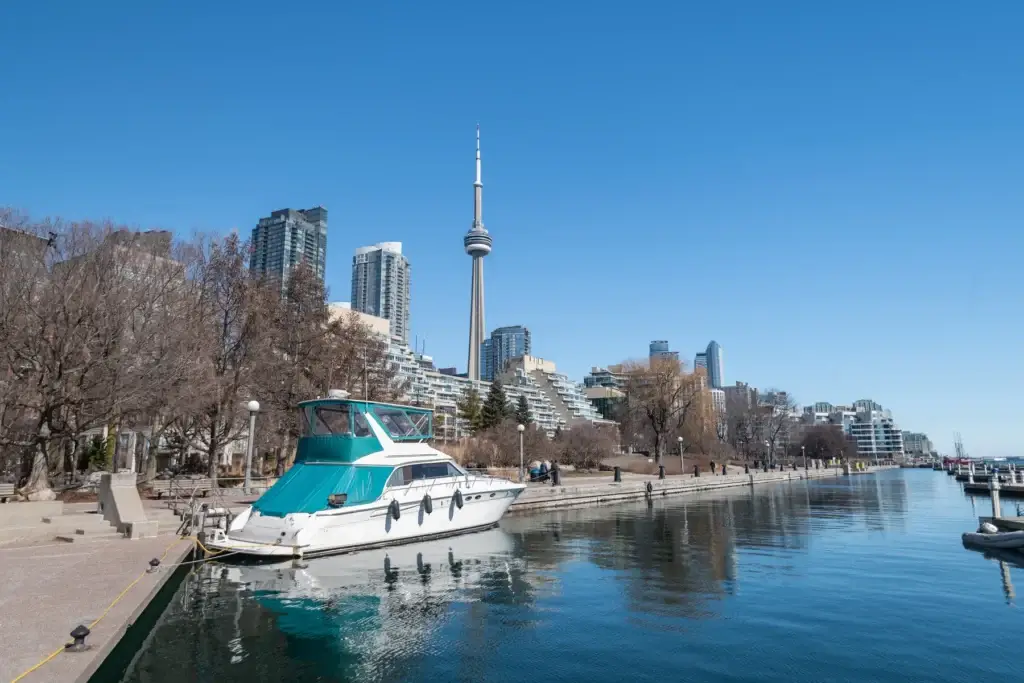
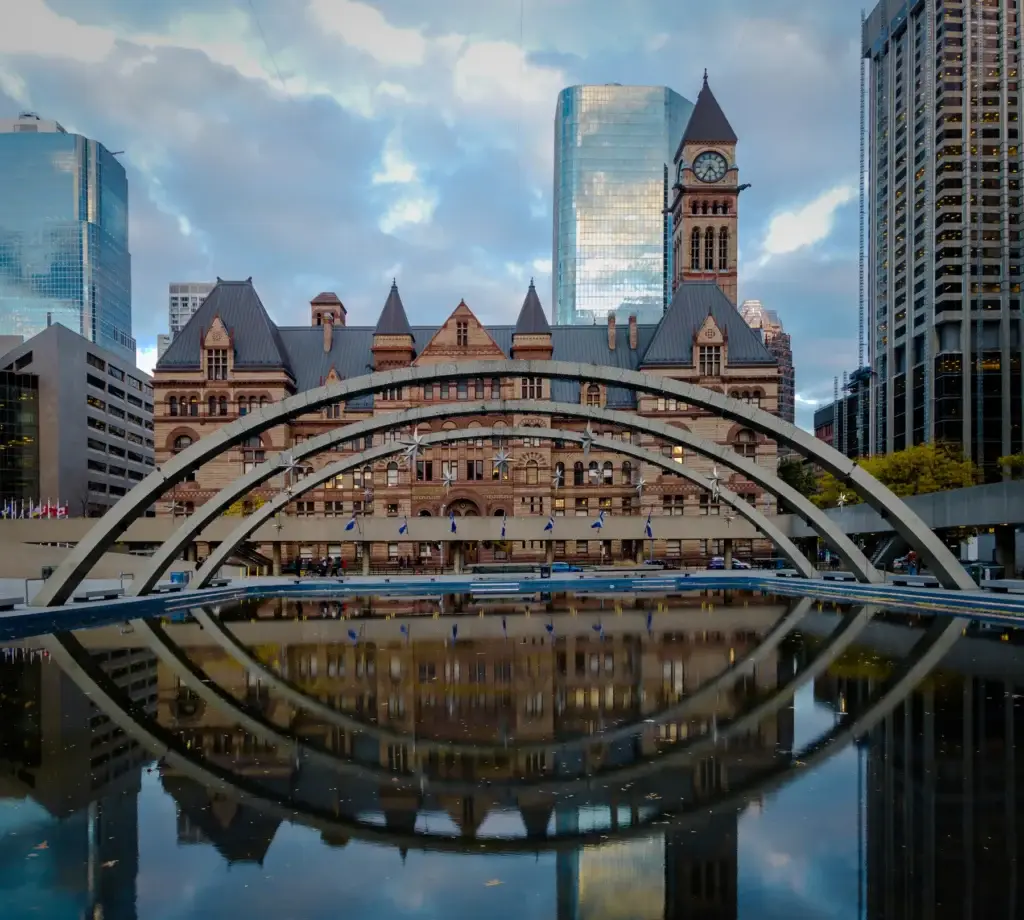
Toronto central waterfront or Union Station district with recognizable geography

First visits, performance, sport, Union Station and Toronto Islands access

Use downtown and the waterfront for a first visit

A downtown or waterfront base reduces friction among major evening venues, the harbour, Old Town and airport or rail connections.

Worth knowing

Games, festivals, conventions and construction can make the public realm crowded, noisy and slow.

Dining-led stays, contemporary urban energy, performance and social evenings

Let King West lead a late-evening journey

King West and the Entertainment District work when reservations run late and the traveler values energy more than residential quiet.

Worth knowing

Noise and stimulation can work against early starts, deep recovery and a collection-led Yorkville day.

Repeat visitors, independent design, Kensington Market, Chinatown and foodways

Use the west end for neighbourhood texture

The Annex and west-end districts support a more local rhythm when one neighbourhood is given enough time to explain itself.

Worth knowing

Waterfront, island and eastern-city chapters need deliberate transfers rather than casual additions.

A considered introduction

Yorkville supports a collection-led stay around the ROM, galleries, shopping and quieter side streets. Downtown and the waterfront reduce friction around Union Station, performance, sport and island access. The west end rewards repeat visitors who want foodways, design and a more energetic neighbourhood rhythm.

A four-night stay creates a focused introduction. Five or six nights allow one Indigenous-led cultural chapter, architecture, a close museum reading, neighbourhood dining and an unhurried island or ravine interval without making every day cross the city.

Advisor note

Advisor perspective: I would choose the hotel around two immovable evenings, keep each day within one geographic arc and protect one outdoor interval from other reservations. VH Luxe Travels can coordinate tailored arrangements where applicable, with every specialist, program and access element confirmed before travel.

What stays with you

Signature experiences

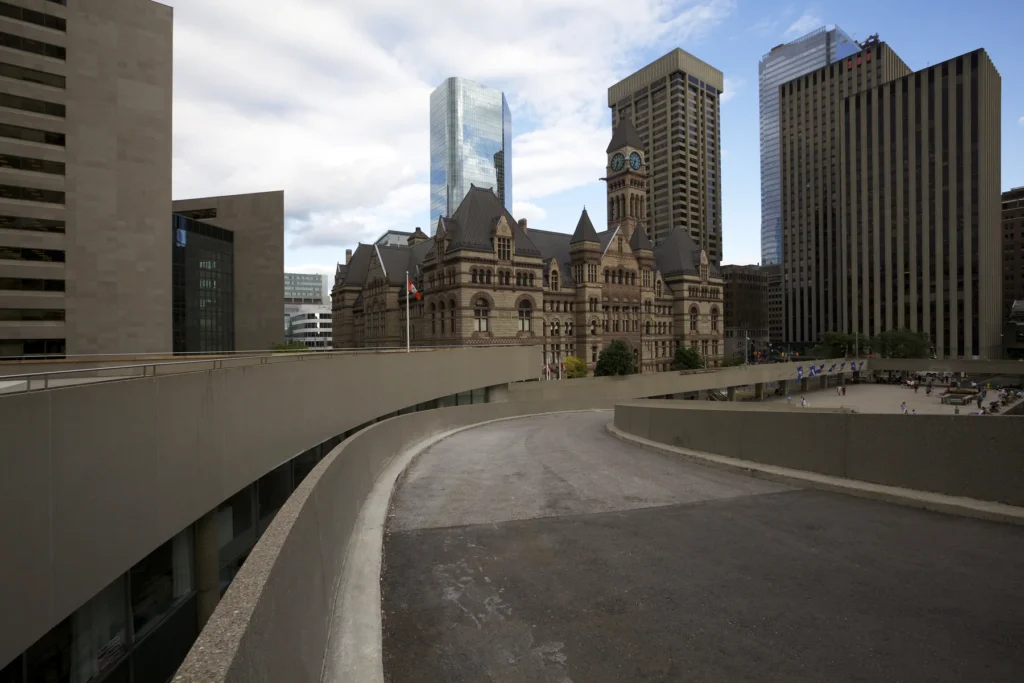
Toronto City Hall and Nathan Phillips Square, or another exact Toronto Society of Architects route subject

Architecture and city-making

Read Toronto through one architecture question

Use a trained Toronto Society of Architects guide or another qualified specialist to connect old and new city-making through one researched route. Any private format remains subject to confirmation.

Art and attention

Let one collection set the scale

Build a focused public-hours visit around one question at the AGO or another appropriate institution, with specialist or private access described only when confirmed.

Indigenous Toronto

Meet Tkaronto through Indigenous-led public culture

Follow current public programming from the Native Canadian Centre of Toronto or another Indigenous-led organization. Community services, ceremony and sacred practice are not visitor inventory.

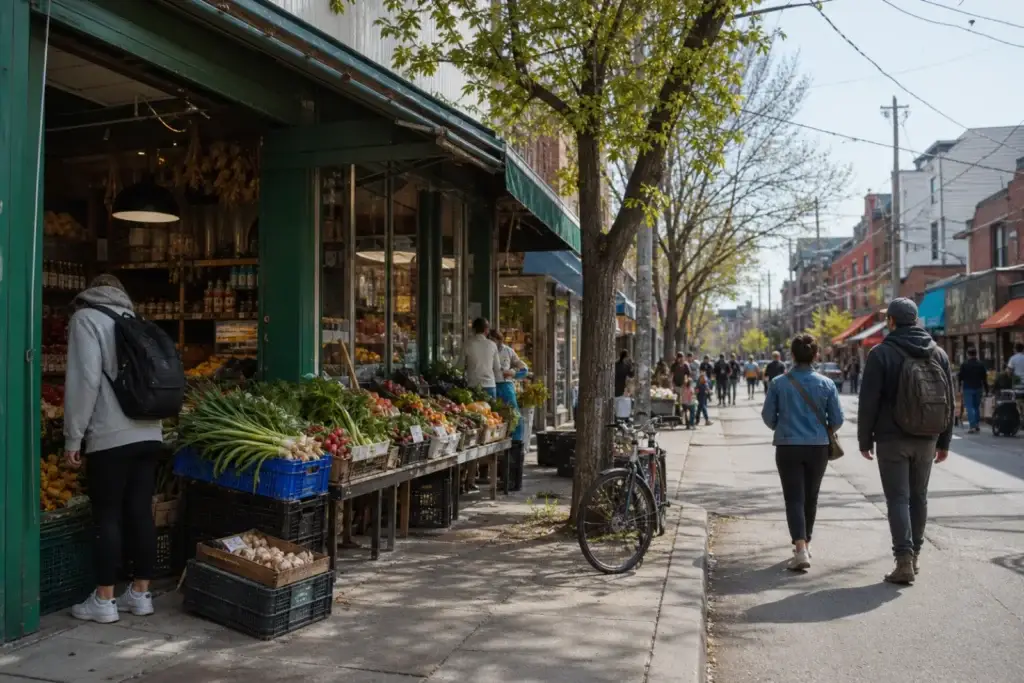
Kensington Market public streetscape, grocers, produce or food-shop context

Foodways and migration

Taste one neighbourhood with cultural context

Let a qualified local guide connect food, migration and small businesses within one district such as Kensington Market rather than turning several communities into a rushed tasting list.

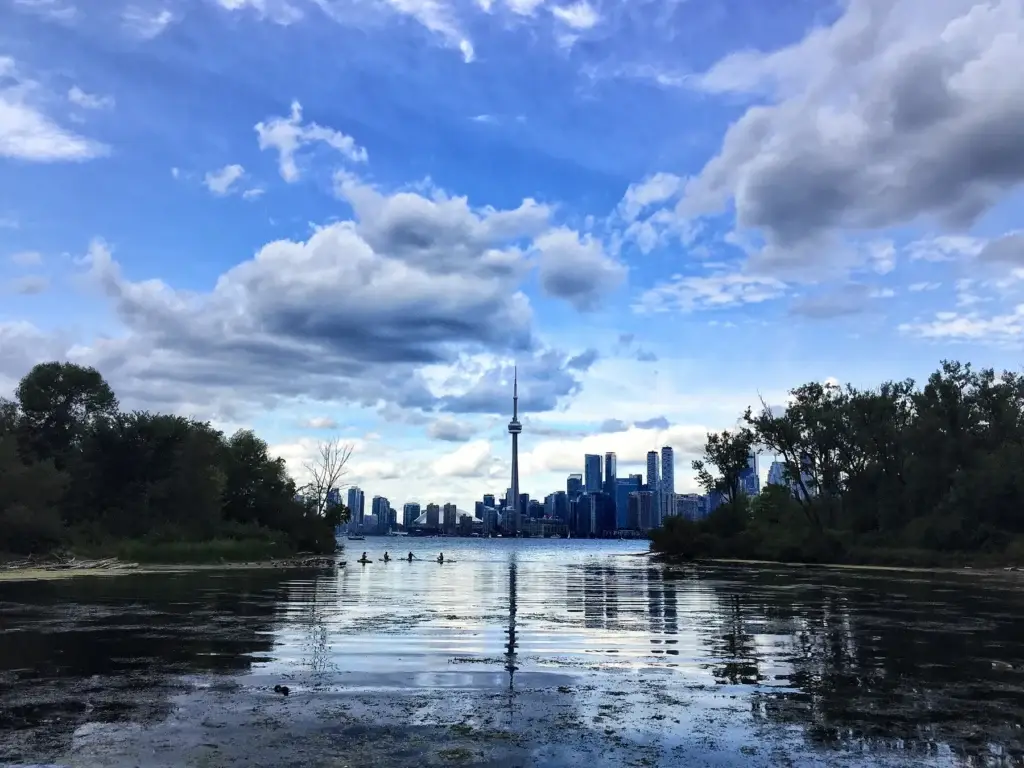
Ward's Island, Centre Island or a Toronto Islands path with lake and city context

Lake and horizon

Cross to the islands for a deliberate pause

Use the confirmed ferry, weather and route conditions to create a gentle island interval with a clear turnaround, seating and enough time to return without compressing the evening.

Travel restored

What makes Toronto, Ontario a wellness destination?

What makes Toronto a wellness destination?

Toronto makes recovery possible inside a high-energy city through its ravines, Lake Ontario horizon, slow attention to art and neighbourhood-scale days. WHO reviews identify potential mental-health pathways from green and blue spaces while emphasizing mixed evidence, so these experiences support a restorative rhythm rather than promise treatment or a measurable result.

Wellness role
A meaningful restorative layer
Best for
Executives, culture-led travelers, couples and repeat visitors who want city depth without carrying home city exhaustion
Format
Ravine attention, island horizon, close looking and a neighbourhood schedule with protected recovery
Ideal commitment
One geographic arc per day, one low-stimulation interval and no avoidable late-night to early-morning conflict
Intensity
Gentle

For companions

Strong for couples and multigenerational travelers when walking surfaces, seating, ferry boarding, temperature and mobility are individualized.

Seasonal lens

Late spring and early autumn offer the broadest outdoor fit. Summer heat and storms and winter snow, ice and wind require a condition-ready indoor alternative.

Lower sensory load without leaving the city

Ravine attention

Use a qualified naturalist or a carefully selected official trail to notice canopy, water and the ecological city at a pace that protects footing.

Duration
60 to 90 minutes
Intensity
Moderate
Best for
Travelers arriving mentally saturated
Consider

Use daylight and official trails. Stairs, slopes, uneven surfaces, storms, flooding, ticks and vegetation require current review.

Create a visible edge around the urban day

Island horizon

Cross Lake Ontario's inner harbour for a gentle walk, open horizon and an intentional pause before returning to the city.

Duration
Two to four hours
Intensity
Gentle
Best for
Couples, families and executive travelers
Consider

Ferries, routes, weather, surfaces, washrooms and seasonal services require confirmation. No medical benefit is guaranteed.

Replace museum volume with sustained attention

Collection close looking

Choose a small group of works and spend enough time to notice material, context and personal response before adding another room.

Duration
60 to 90 minutes
Intensity
Gentle
Best for
Art, design and reflective travelers
Consider

Confirm seating, gallery access, exhibitions and specialist availability.

Reduce transfer fatigue and preserve attention

Neighbourhood coherence

Keep art, food and walking within one district, then leave a real pause between the afternoon and evening anchors.

Duration
Daily rhythm
Intensity
Gentle
Best for
All travelers
Consider

Walking surfaces, traffic, transit access, construction and event security vary by district and date.

The takeaway is to give a high-energy city day clear edges, preserving attention for art, people and place. Wellness experiences are not medical treatment and do not promise stress reduction, biomarker change or longevity. Confirm current conditions and individual suitability.

Timing the journey

When to go

Late spring and early autumn offer the broadest balance for neighbourhood walking, ravines, island time and culture. Summer brings stronger waterfront and festival energy with heat, storms and major-event demand. Winter favors collections, performance and dining but requires snow, ice, wind and short-daylight planning.

May · Jun

Best

Late spring

Weather
Mild to warm intervals can alternate with rain, wind and rapid temperature changes.
Crowds
Festivals, sports, conventions and weekends can compress availability.
Best for
Neighbourhood walking, ravines, architecture, islands and collections.

Jul · Aug

Conditional

Summer waterfront season

Weather
Warm or hot conditions can include humidity, storms and changing lake weather.
Crowds
Waterfront, ferries, festivals, sports and major events create strong demand.
Best for
Early or evening waterfront time, islands, neighbourhood dining and live culture.

Sep · Oct

Best

Early autumn cultural season

Weather
Comfortable periods can shift toward cooler evenings, wind and rain.
Crowds
Film, performance, sports and business events still reward early planning.
Best for
Art, architecture, dining, ravine color and measured outdoor time.

Nov · Dec · Jan · Feb · Mar · Apr

Conditional

Cold and transitional season

Weather
Cold, wind, snow, ice or rapid spring changes can alter walking, ferries and transfers.
Crowds
Festive and major-event dates are busy; other intervals may be quieter.
Best for
Collections, performance, dining and compact neighbourhood chapters.

Weather, ferry routes, transit, events, exhibitions and operating schedules change. Reconfirm all time-sensitive plans immediately before travel.

Value, clearly framed

Understanding trip value

Custom quote based on exact dates, accommodation, air cabin, licensed transfers, specialist access, performances and dining. No public package price is stated.

What shapes the guidance

4 to 6 nights for two travelers, with air, accommodation, licensed transfers, qualified guidance and confirmed experiences priced separately at proposal stage.

Journey logistics

Arrive well

Pearson offers the widest scheduled-air gateway and a direct UP Express connection to Union Station. Billy Bishop can suit eligible regional routes close to downtown. The right arrival depends on the live flight, luggage, mobility, hotel location and onward schedule.

Primary gateway Toronto Pearson International Airport (YYZ) or Billy Bishop Toronto City Airport (YTZ)

Premium commercial air

Arrive through Pearson

Confirmed domestic or international originToronto Pearson International Airport (YYZ)

Scheduled air followed by UP Express or a confirmed licensed transfer

Confirm terminal, baggage, mobility support, current UP service and the final hotel transfer before choosing rail or road.

Premium commercial air

Use Billy Bishop when the route and downtown plan align

Confirmed regional originBilly Bishop Toronto City Airport (YTZ)

Scheduled air followed by the accessible tunnel or ferry and confirmed ground transfer

Route availability, airline assistance, tunnel or ferry operations, luggage and hotel location require confirmation.

Rail

Arrive at Union Station by intercity rail

Confirmed Canadian or cross-border rail originToronto Union Station

Scheduled rail followed by walking, TTC or a confirmed licensed transfer

Schedules, platform access, baggage, assistance and the final hotel connection require live confirmation.

Access and mobility

Confirm airport or rail assistance, vehicle step height, TTC elevator status, ferry boarding, museum entrances, theater seating, ravine surfaces, rest points, washrooms and weather exposure against the traveler's exact needs. An accessible venue does not make every connecting route accessible.

Before you go

Practical planning notes

Reservations

Choose by evening anchor

The best base is the one that reduces friction around the trip's immovable evenings.

Getting around

Keep each day geographic

Group art, food and walking within one district before crossing the city.

Etiquette

Let first voice lead

Use Indigenous-led public programming without packaging ceremony or community services.

Wellness

Check the outdoor route

Ferries, ravines, lake weather, surfaces and accessibility require live confirmation.

The VH Luxe approach

How VH Luxe composes the journey

  1. Choose the evening anchor

    Let performance, sport or dining determine the most coherent base.

  2. Use one expert lens

    Read Toronto through architecture, Indigenous-led culture, art or foodways.

  3. Protect an outdoor edge

    Give one ravine or island interval enough margin to remain restorative.

  4. Carry home geographic focus

    Keep the habit of giving one part of a city enough time to become meaningful.

Paramjit Harika, VTA, CTA

Advisor-led planning

Your journey, personally considered

Paramjit Harika

Founder & Luxury Travel Advisor

I coordinate your hotel and room, premium air, transfers and key experiences as one considered journey, with one point of contact from planning through travel.

Good to know

Frequently asked questions

How many nights do you need in Toronto?

Allow 4 nights for a focused city stay and 5 to 6 when adding deeper west-end foodways, an Indigenous-led cultural chapter and unhurried island or ravine time.

What is the best area for a luxury stay in Toronto?

Yorkville suits collections, shopping and polished dining. Downtown or the waterfront works well for first visits, major evenings and Union Station. King West suits a later social rhythm. The exact itinerary should decide.

What is the best time to visit Toronto?

Late spring and early autumn offer the broadest balance. Summer and winter can be rewarding when heat, storms, crowds, snow, ice and event demand are built into the plan.

Is Toronto easy to explore without a private driver?

Often, yes. Walking, TTC, UP Express and licensed transfers can be combined. Luggage, mobility, weather, construction and cross-city cultural days may still make a confirmed vehicle useful.

How should Indigenous culture be included in Toronto?

Follow current public programs, tours and exhibitions led or shaped by Indigenous organizations and professionals. Ceremony, sacred practice and community services should never be treated as bookable attractions.

What makes Toronto a wellness destination?

Toronto supports a restorative city rhythm through ravine attention, Lake Ontario's horizon, slow looking and coherent neighbourhood days. These experiences can support well-being but are not medical treatment or a promised result.