The VH Luxe destination guide

Tokyo, Japan

Choose one neighborhood rhythm at a time. Tokyo becomes luxurious when scale is edited into precise, human days.

Recommended stay

4–

6 nights

Best time

March through May and October through November are strong starting points for comfortable exploration. Confirm blossom or foliage timing, holidays, events and current weather for the exact dates.

Primary gateway

Tokyo Haneda (HND), Narita (NRT) or Tokyo Station, followed by a confirmed neighborhood transfer

Journey context

Four nights supports a well-edited first stay. Five or six allows deeper craft, cuisine, art and restorative intervals without excessive daily transit.

Curator’s verdict

March through May and October through November offer the strongest general balance, but festivals, blossom timing, foliage and public holidays can change demand quickly. Select the neighborhood and daily purpose before adding reservations.

Choose well

What should Tokyo make possible?

Choose neighborhood, daily geography and reservations around the purpose. Tokyo feels generous when transit and stimulation are deliberately limited.

First visits, culinary travelers and art-led journeys

Set the stay length before the wish list

Four nights covers a disciplined first stay. Five or six protects time for specialist access and recovery between dense days.

Worth knowing

A short stay can include famous addresses, but repeated cross-city travel reduces depth and energy.
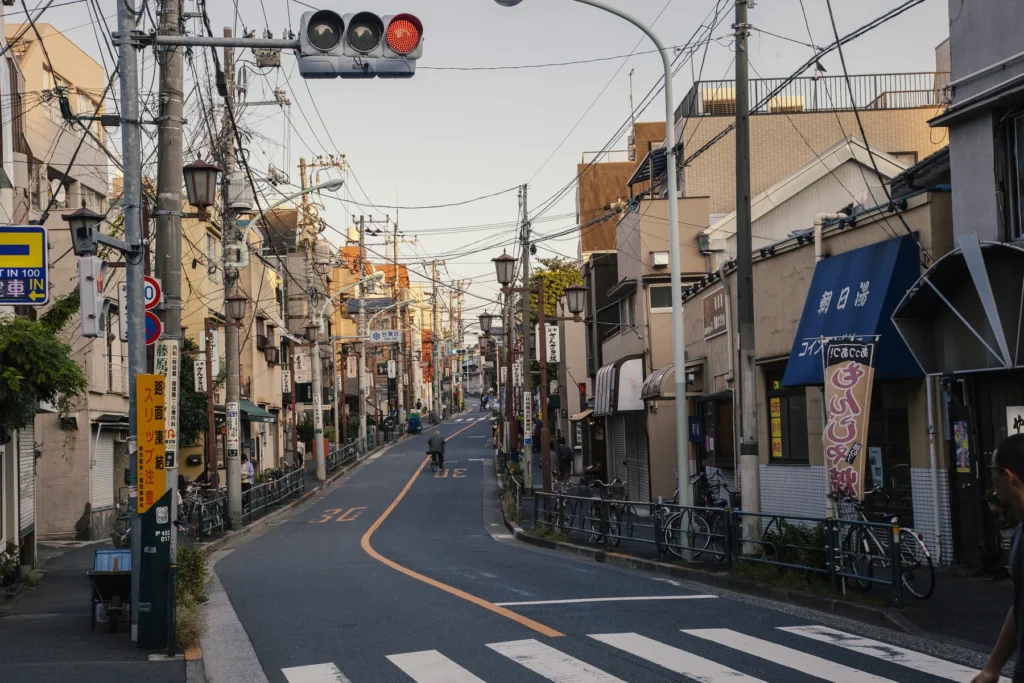
Quiet residential street in Tokyo with bicycles and low-rise buildings

Travelers comparing Marunouchi, Ginza, Aoyama, Shibuya and quieter eastern districts

Choose one neighborhood rhythm

Select the base by evening rhythm and primary interests, then cluster each day around nearby districts.

Worth knowing

No single address is closest to everything, and the liveliest district may not provide the quietest return.

Dining, museums, performance and specialist-led cultural work

Reserve only the true anchors

Secure the experiences that control the day, then leave room for streets, gardens and changing energy.

Worth knowing

Too many timed reservations turn Tokyo's reliable transport into a schedule rather than a discovery.

Executives, repeat visitors and travelers crossing time zones

Protect one low-stimulation interval

A garden, tea room, sento or quiet museum interval gives the city a restorative counterpoint.

Worth knowing

The pause replaces another headline stop, but usually improves the quality of the entire day.

A considered introduction

Tokyo rewards precision more than speed. Its luxury lies in reducing an immense city to a sequence of distinct neighborhoods, each with its own architecture, food, craft and social rhythm.

Four nights supports a strong first stay. Five or six allows private cultural work, dining and a slower garden or museum interval without crossing the city repeatedly. Build each day around one area and one anchor reservation.

Advisor note

Advisor perspective: I would choose the neighborhood around the purpose of the trip, then cluster each day geographically. Four nights is the minimum for Tokyo to feel considered rather than collected.

What stays with you

Signature experiences

Art and architecture

Connect contemporary Tokyo through one district

A private curator or architect can connect museums, galleries and public design within one area. Every opening, ticket and appointment remains subject to confirmation.

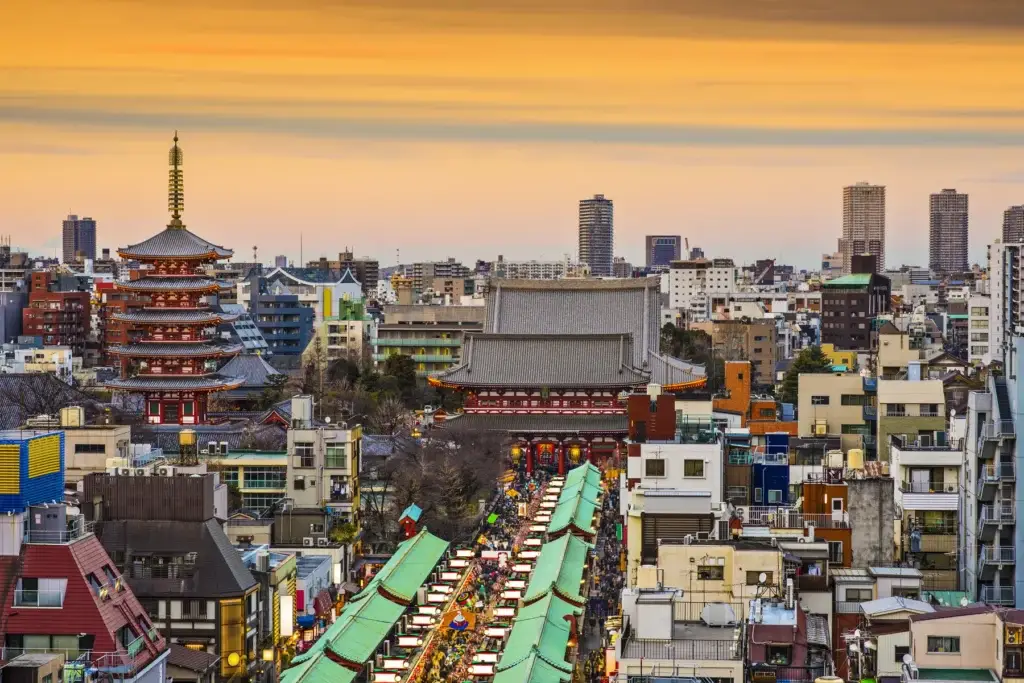
Senso-ji temple district and pagoda in Asakusa, Tokyo

History and neighborhoods

Read old Tokyo with a specialist

A private historian can trace Edo-era form, worship and everyday trade through Asakusa, Nihombashi or Yanesen without presenting residents as attractions.

Cuisine

Build one meal around season and craft

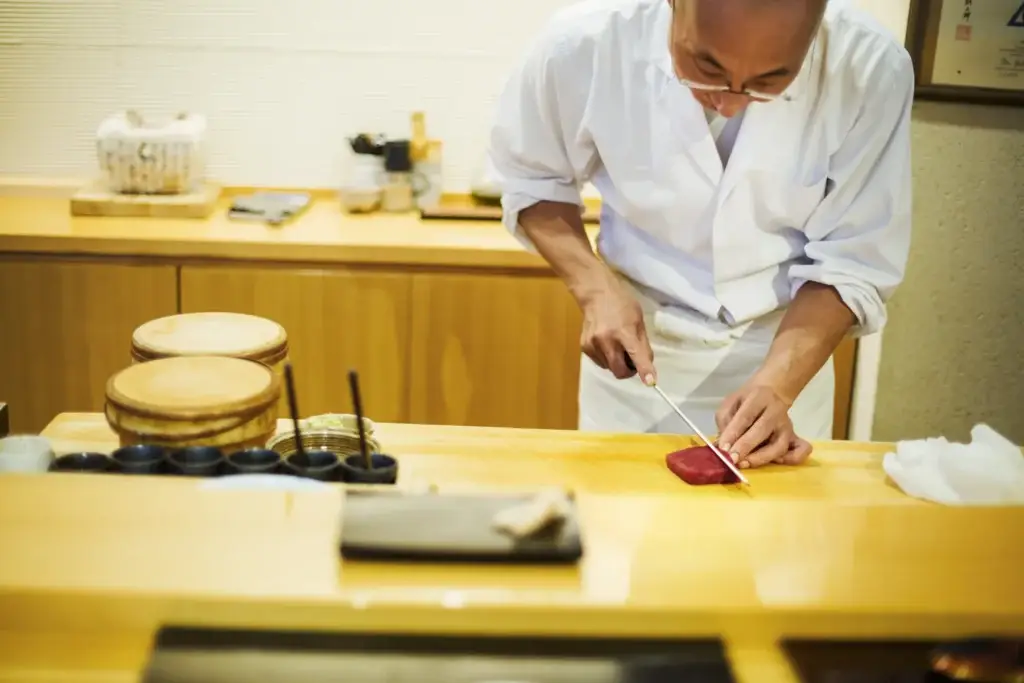
Use a culinary specialist to explain ingredients, service and etiquette before a confirmed counter or private-room reservation. Access and dietary accommodation are never assumed.

Craft

Meet a working maker with permission

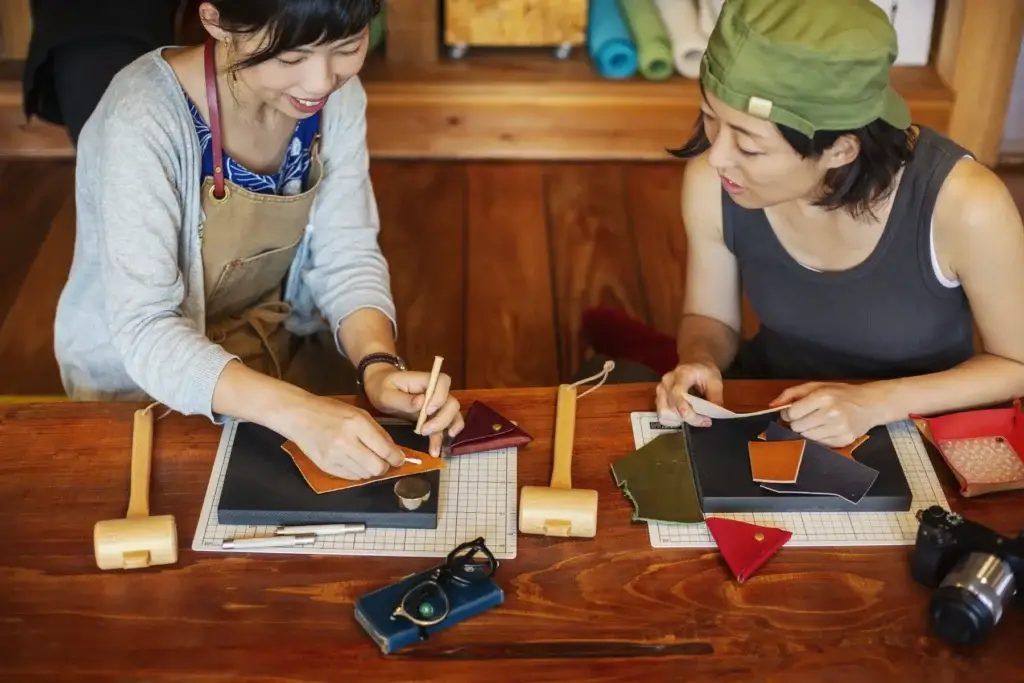
Arrange a focused conversation around ceramics, textiles, blades, lacquer or another verified practice. Keep group size, photography and purchasing expectations explicit.

Performance

Place performance in cultural context

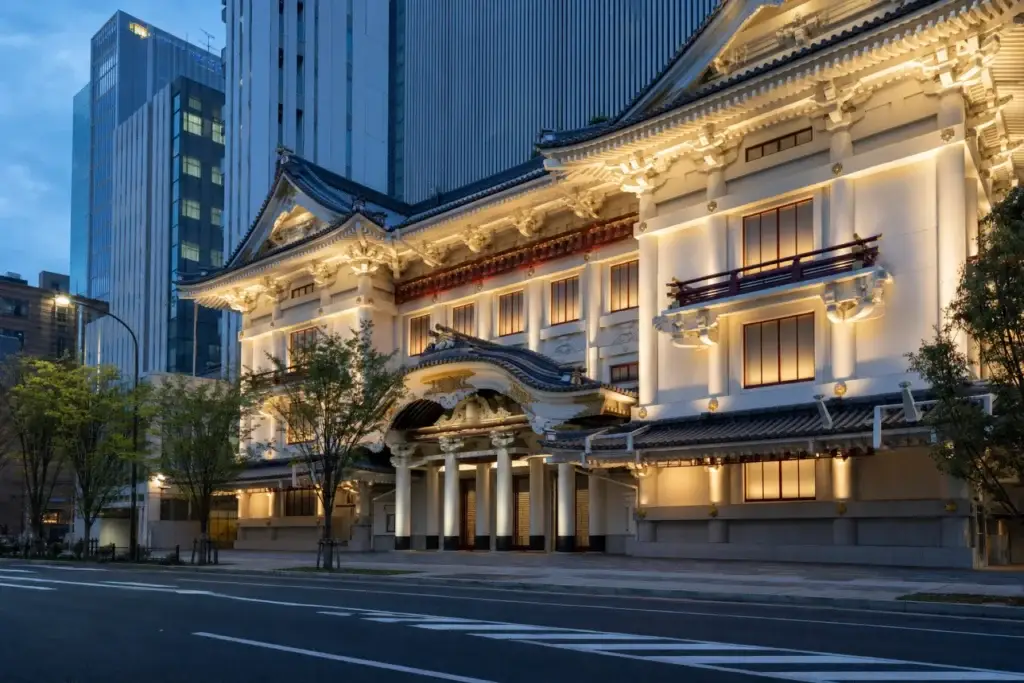
Pair a current kabuki, music or theater program with expert interpretation, suitable seats and a realistic pre-performance plan.

Travel restored

What makes Tokyo, Japan a wellness destination?

Tokyo becomes a wellness destination when its intensity is edited through Japanese practices of attention, cleanliness, seasonality and pause. A private garden walk, tea instruction, contextual sento ritual and carefully paced meal can replace overstimulation with habits that remain useful at home.

Wellness role
A meaningful restorative layer
Best for
Executives, culture-led travelers and guests who want restorative structure without leaving the city
Format
Private garden specialist, personal tea practitioner, contextual bathing guidance and a reserved seasonal meal
Ideal commitment
One protected morning, one ritual of attention and one low-stimulation evening within a four to six-night stay
Intensity
Gentle

For companions

Strong for mixed interests because gardens, food, craft and neighborhood exploration can be shared while bathing or meditation is arranged individually.

Seasonal lens

Spring and autumn best support gardens and walking. Summer needs early starts and cooling; winter favors bathing, tea and concise outdoor intervals.

Wooded approach and shrine gate at Meiji Jingu in Tokyo

Lower stimulation through slow sensory attention among trees

Shinrin-yoku within the metropolis

Forest bathing means attentive time in a wooded environment, not water bathing or a fitness hike. A private nature guide can set a low-traffic pace in a suitable Tokyo green space.

Duration
Ninety minutes to two hours
Intensity
Gentle
Best for
Travelers seeking a measured transition from urban intensity
Consider

Research reports short-term blood-pressure differences across varied studies, but this is not treatment and outcomes are not guaranteed.

Practice presence through the ordered preparation and receiving of tea

Chado as full attention

A personal tea practitioner can explain how utensils, movement, season and hospitality form one disciplined encounter rather than a staged tasting.

Duration
Sixty to ninety minutes
Intensity
Gentle
Best for
Culture-led travelers, couples and creatives
Consider

Confirm the practitioner, language, seating position and venue accessibility. Tea contains caffeine.

Senso-ji temple district and pagoda in Asakusa, Tokyo

Use washing, soaking and quiet etiquette as a clean transition

Sento ritual with context

A sento is a neighborhood public bath. Advance guidance can explain washing before entry, shared-space etiquette and why the ritual belongs to everyday Japanese life.

Duration
One bathing interval
Intensity
Gentle
Best for
Travelers comfortable with communal bathing or a separately arranged private alternative
Consider

Check tattoo rules, heat tolerance, privacy, accessibility and personal medical suitability before arrival.

Reconnect appetite and attention with ingredients at their seasonal peak

Shun at the table

A private culinary guide and reserved meal can explain shun, the Japanese attention to foods at the right seasonal moment, through sourcing, preparation and pace.

Duration
One market conversation and meal
Intensity
Gentle
Best for
Culinary travelers and guests seeking a practical home ritual
Consider

Seasonal cuisine is cultural learning, not nutritional therapy. Confirm allergies, preferences and ingredient substitutions.

Wellness descriptions explain attention, bathing culture, green space and seasonal eating. They do not promise diagnosis, treatment or medical outcomes. Confirm heat exposure, access, practitioners, allergies and personal suitability.

Timing the journey

When to go

March through May and October through November are strong starting points for comfortable exploration. Confirm blossom or foliage timing, holidays, events and current weather for the exact dates.

Mar · Apr · May

Best

Spring gardens and high demand

Weather
Conditions move from cool to mild and then warmer, with variable rain.
Crowds
Blossom periods and major holidays can create intense demand. Exact timing varies.
Best for
Strong for gardens, neighborhoods, food and first visits when dates remain flexible.

Jun · Jul · Aug · Sep

Conditional

Rain, heat and summer energy

Weather
Rainy periods, heat and humidity require early starts, cooling and shorter outdoor intervals. Typhoons may affect late summer and early autumn.
Crowds
Festivals and school holidays create localized pressure while weather changes daily patterns.
Best for
Works for fixed dates, indoor art, dining and travelers prepared for heat-aware planning.

Oct · Nov

Best

Autumn walking window

Weather
Milder conditions generally support walking, with foliage developing later in the season.
Crowds
Gardens and foliage sites become busier at peak color. Event dates can tighten availability.
Best for
Excellent for design, neighborhoods, gardens and culinary travel.

Dec · Jan · Feb

Good

Clear, cool city season

Weather
Cool days and early sunsets favor clear views, concise walks and warm interiors.
Crowds
New Year brings closures and observances. Other winter dates can be calmer outside holidays.
Best for
Good for repeat visits, museums, dining, tea and bathing rituals.

Weather, blossom and foliage timing, public holidays, cultural schedules, restaurant operations and transport conditions change. Confirm every date and reservation.

Value, clearly framed

Understanding trip value

Custom quote based on exact dates, international cabin, airport gateway, neighborhood, private specialists, cultural admissions and dining reservations. No public package price is stated.

What shapes the guidance

Four to six nights for two travelers; private transfers, guides, craft or cultural appointments, performance and dining priced separately at proposal stage.

Journey logistics

Arrive well

Haneda is the more central air gateway. Narita is in neighboring Chiba Prefecture and requires a longer city transfer. Tokyo Station receives shinkansen and other intercity rail services. Confirm terminal, luggage handling and the final station or vehicle approach.

Primary gateway Tokyo Haneda (HND), Narita (NRT) or Tokyo Station, followed by a confirmed neighborhood transfer

Premium commercial air

International arrival through Haneda

International or domestic originTokyo Haneda Airport (HND)

Scheduled commercial air followed by rail or private ground transfer

Confirm terminal, immigration, baggage, traffic and final address access for the operating flight.

Premium commercial air

International arrival through Narita

International originNarita International Airport (NRT)

Scheduled commercial air followed by airport rail or private ground transfer

Narita is outside central Tokyo. Confirm terminal, immigration, luggage and the best current transfer for the chosen neighborhood.

Rail

Shinkansen arrival at Tokyo Station

Kyoto, Osaka or another Japanese gatewayTokyo Station

Shinkansen followed by rail, taxi or private transfer

Confirm the operating train, seat, platform assistance, luggage rules and final neighborhood transfer.

Access and mobility

Confirm airport and station assistance, step-free exits, vehicle drop-off, platform changes, museum lifts, garden surfaces, seating and bathroom setup. An accessible station exit may be farther from the intended entrance.

Before you go

Practical planning notes

Arriving

Cluster each day geographically

Tokyo is navigable, but repeated cross-city transfers consume attention. Build around one or two neighboring districts.

Mobility

Confirm the exact station exit

Large stations have many exits and levels. Share the precise meeting point and step-free route when needed.

Etiquette

Treat private access as conditional

Studios, counters, archives and after-hours visits require explicit confirmation and appropriate conduct.

Etiquette

Learn bathing etiquette first

Wash before entering shared water and confirm tattoo, heat, privacy and accessibility policies for the specific facility.

The VH Luxe approach

How VH Luxe composes the journey

  1. Arrive into one neighborhood

    Keep the first evening close to the hotel and let the time-zone transition set the pace.

  2. Pair old and contemporary Tokyo

    Give separate days to historical texture and contemporary art or design rather than forcing both into one circuit.

  3. Protect a garden or ritual interval

    Use tea, a garden, sento or quiet museum to reset attention between high-energy districts.

  4. Continue to Kyoto without compression

    Choose a sensible shinkansen departure and leave room for luggage handling and the Kyoto arrival.

Paramjit Harika, VTA, CTA

Advisor-led planning

Your journey, personally considered

Paramjit Harika

Founder & Luxury Travel Advisor

I coordinate your hotel and room, premium air, transfers and key experiences as one considered journey, with one point of contact from planning through travel.

Good to know

Frequently asked questions

What is the best time to visit Tokyo?

March through May and October through November are strong starting points for comfortable exploration. Exact blossom timing, foliage, holidays, events and weather should decide the dates.

How many nights do you need in Tokyo?

Four nights supports an edited first stay. Five or six is better for private cultural work, dining, art and restorative intervals without excessive transit.

Which Tokyo neighborhood is best for a luxury stay?

Choose by evening rhythm and purpose. Marunouchi and Ginza favor central polish, Aoyama suits design, Shibuya offers energy, and eastern districts create older neighborhood texture.

Should Tokyo and Kyoto be combined?

Yes, when each receives enough time. A four to six-night Tokyo stay followed by at least three or four nights in Kyoto creates contrast without reducing either city to highlights.

Is Tokyo accessible without a private car?

Yes. Rail and subway are fundamental, while private vehicles help with luggage or selected transfers. Confirm station exits, step-free routes and final walking distance for individual needs.

What makes Tokyo a wellness destination?

Tokyo turns wellness into deliberate attention through forest bathing, tea practice, sento etiquette and seasonal eating. The lasting takeaway is the ability to create clear transitions inside a demanding day.