The VH Luxe destination guide

South Africa

Cape Town, the Winelands and safari reward different seasons. The right sequence makes them feel like one journey.

Recommended stay

10–

14 nights

Best time

April to May and September to October balance Cape and safari conditions. December to February favors Cape Town; April to September favors drier Kruger game viewing.

Primary gateway

Cape Town (CPT) or Johannesburg (JNB), then the air and road route matched to the selected safari area

Journey context

Ten nights is the practical minimum for Cape Town, the Winelands and safari. Twelve to fourteen nights creates the more restorative first journey.

Curator’s verdict

The best time for South Africa depends on which half matters most. Cape Town favors its dry summer, while Kruger's clearest game viewing usually comes in the dry winter. April to May and September to October offer the most balanced conditions for combining both.

Choose well

Which version of South Africa should receive the best weather?

The country cannot be reduced to one ideal month. Choose the priority, protect enough nights and let each region keep its own rhythm.

Travelers combining Cape Town and safari in one first journey

Choose the seasonal priority

Use April to May or September to October for balance, Cape summer for city and coast, or the dry safari season when wildlife is the clear priority.

Worth knowing

No month optimizes every region. Shoulder weather remains variable and peak windows bring stronger demand.
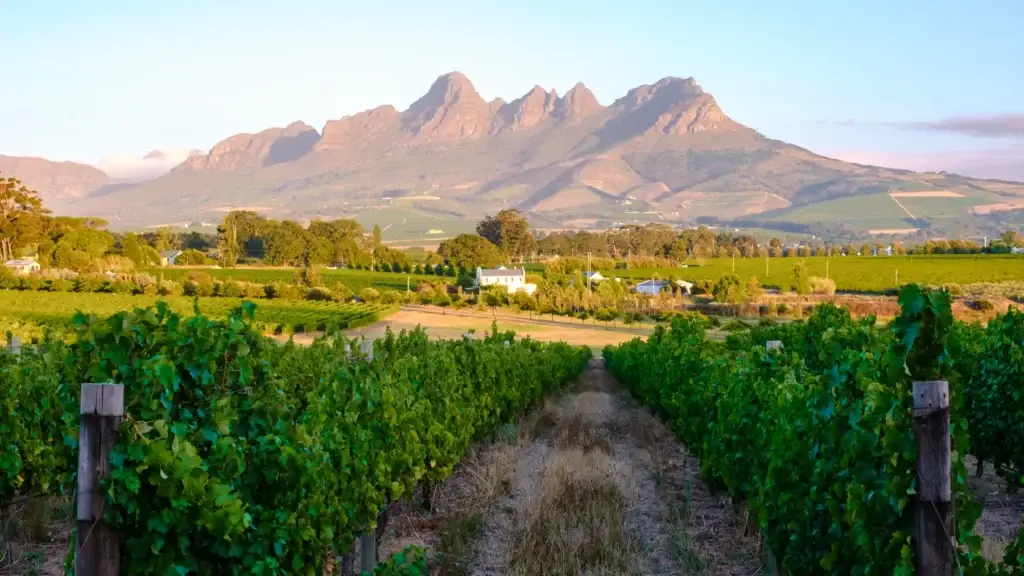
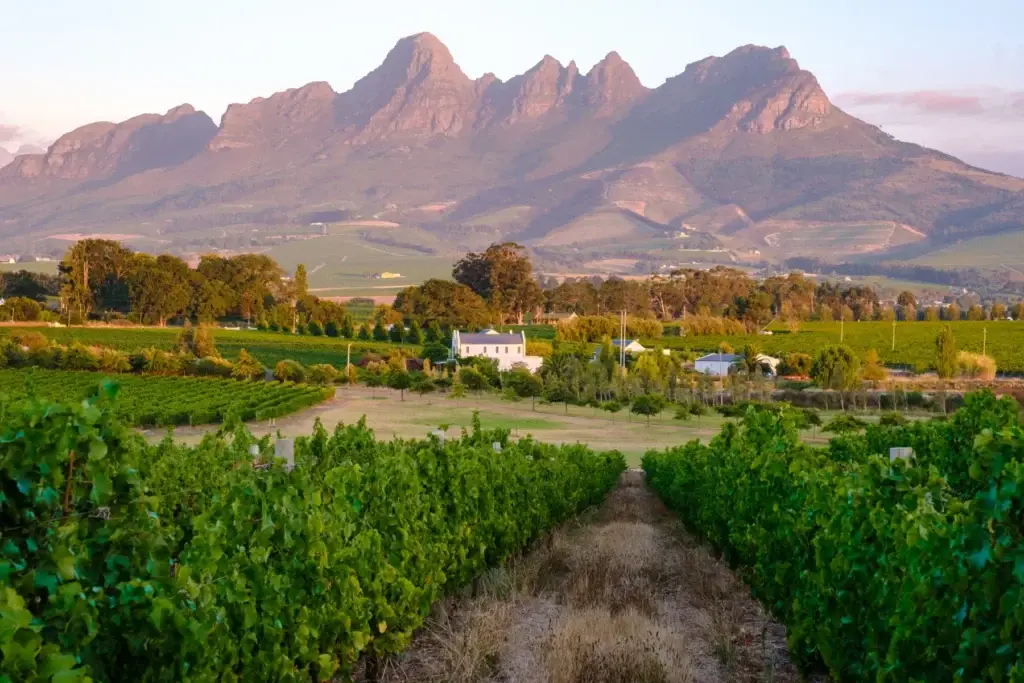
Vineyard rows and mountains at sunset in Stellenbosch

Food, wine, design and travelers who want a softer transition before safari

Keep the Winelands unhurried

Two or three nights allow one estate-led day, one broader regional day and enough time to enjoy the landscape without repeated transfers.

Worth knowing

A rushed day trip preserves hotel continuity but sacrifices evening atmosphere and a slower culinary rhythm.

First-time safari travelers, families and wildlife-focused repeat visitors

Select the safari operating style

Compare public-park scale with the access rules, guide model, vehicle policy and landscape of the exact private reserve under consideration.

Worth knowing

Private does not automatically mean uncrowded, off-road or exclusive. Those conditions are reserve-specific and must be verified.

Families, multigenerational groups and travelers with medical or mobility considerations

Resolve health and mobility before booking

Review malaria advice, aircraft access, vehicle boarding and walking surfaces before fixing the safari region.

Worth knowing

Changing regions late can affect season, routing and the full character of the trip.

A considered introduction

South Africa can hold a cosmopolitan city, vineyard country and a deeply quiet safari within one journey. Its luxury lies in contrast, but that contrast must be paced. Cape Town and the Winelands need room for weather and appetite; safari needs enough dawns and dusks to stop chasing a checklist.

The central planning decision is seasonal. Travelers who prioritize the Cape should lean toward summer. Those who prioritize safari should favor the dry months. A balanced journey works best in the shoulders, with private transfers and one recovery interval protecting each transition.

Advisor note

Advisor perspective: I would protect four nights in Cape Town, two or three in the Winelands and at least three on safari. The final month should follow the client's strongest priority, not a generic country-wide weather chart.

What stays with you

Signature experiences

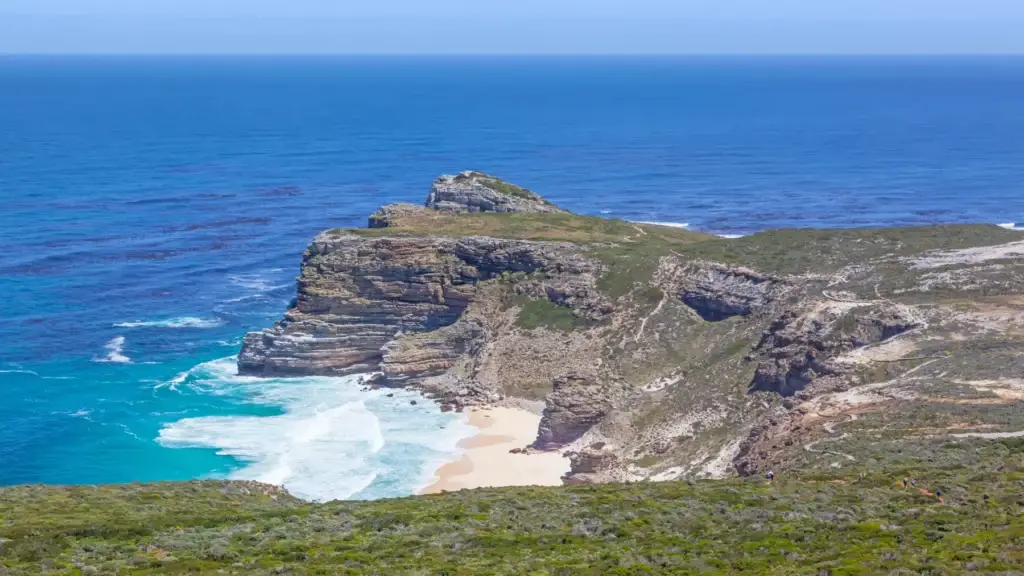
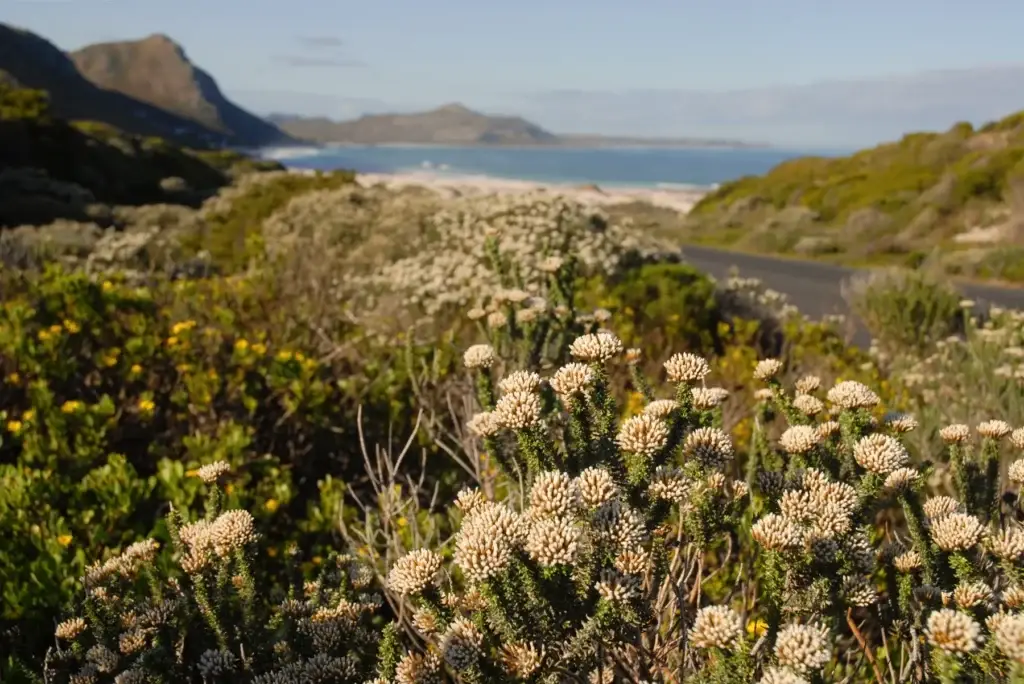
Coastal wildflowers and ocean landscape at the Cape of Good Hope

Ecology

Read the Cape through fynbos

Walk with a private botanist or conservation guide at a low-traffic hour. Fynbos is a specific Cape ecology, not a generic botanical wellness label.

Coast

Follow the peninsula through two oceans

Use a marine or conservation specialist to connect Atlantic and False Bay landscapes. Route, wind, wildlife and access should shape the day.

Wine and craft

Let soil and season lead the Winelands

Build a private day around a small number of producers, a viticulture conversation and an unhurried table. Any cellar or private access requires confirmation.

History and culture

See Cape Town through lived history

A qualified local historian can connect District Six, migration, creative practice and contemporary identity without reducing the city to one era.

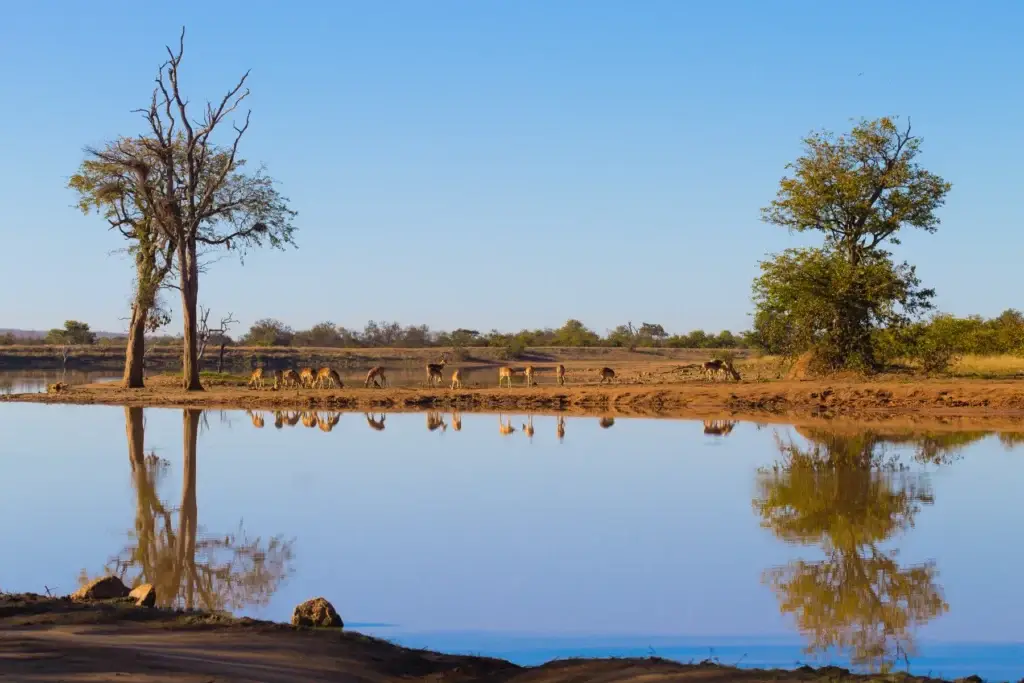
Antelope beside a reflective waterhole in Kruger National Park

Safari

Let the bush set the pace

Use a dedicated guide and tracker to read behavior, habitat and silence. Sightings, route and proximity remain governed by wildlife welfare and reserve rules.

Conservation

Understand conservation in practice

Choose a ranger-led walk or ecology briefing with documented standards. Never equate animal touching or staged handling with conservation.

Travel restored

What makes South Africa a wellness destination?

South Africa restores perspective through ecological scale, natural rhythm and human connection. Its strongest wellness journey pairs fynbos movement, slower safari days, responsibly presented indigenous plant knowledge and the relational philosophy of ubuntu.

Wellness role
A meaningful restorative layer
Best for
Travelers seeking a restorative nature and culture layer within a broader Cape and safari journey
Format
Private ecological interpretation, unhurried safari rhythm, provenance-led tasting and community-led relational context
Ideal commitment
One Cape nature interval, protected safari rest and one provenance-led cultural experience within a ten to fourteen-night journey
Intensity
Varies

For companions

Easy to combine with food, wine, history and wildlife. Each pathway can be adapted for companions with different activity levels.

Seasonal lens

Fynbos walking depends on Cape weather; bush rhythm works year-round but heat, rain and cold dawns change the format. Rooibos and ubuntu experiences depend on genuine local availability.

Coastal wildflowers and ocean landscape at the Cape of Good Hope

Restore attention through close observation of a highly localized plant ecology

Fynbos attention

A private botanist-led walk turns the Cape landscape into a practice of noticing small differences rather than chasing spectacle.

Duration
Two to four hours
Intensity
Moderate
Best for
Nature-curious travelers, couples and multigenerational groups with adaptable routes
Consider

Confirm weather, trail, mobility and guide credentials. Do not make medicinal claims about plants.

Antelope beside a reflective waterhole in Kruger National Park

Reset schedule pressure around dawn, heat, dusk and darkness

Bush rhythm

A dedicated vehicle, patient sightings and protected midday rest create a natural alternation between alertness and recovery.

Duration
Three or four safari nights
Intensity
Gentle
Best for
Long-haul travelers, couples and families who value quiet observation
Consider

Nature research supports modest wellbeing framing, not medical treatment. Confirm drive schedule, temperature and accessibility.

Connect a familiar drink to ecology, indigenous knowledge and responsible benefit sharing

Rooibos with provenance

Use a producer or community-led tasting to understand rooibos through place and ownership rather than wellness marketing.

Duration
One to two hours
Intensity
Gentle
Best for
Culinary travelers and guests interested in ethical sourcing
Consider

Confirm the host and benefit context. Avoid detoxification, antioxidant-performance and disease claims.

Explore wellbeing through dignity, reciprocity and human connection

Ubuntu and relational wellbeing

A properly compensated, community-led conversation or shared table can introduce ubuntu as lived interdependence, not a staged ceremony.

Duration
One meaningful encounter
Intensity
Gentle
Best for
Thoughtful travelers seeking cultural context and a lasting perspective
Consider

The host must define the format. Never market ubuntu as a purchasable ritual or represent one community as all of South Africa.

Wellness descriptions explain travel rhythm, culture and suitability. They do not promise diagnosis, treatment, detoxification, longevity or medical outcomes. Confirm guides, hosts, mobility, health advice and all operating details.

Timing the journey

When to go

April to May and September to October balance Cape and safari conditions. December to February favors Cape Town; April to September favors drier Kruger game viewing.

Dec · Jan · Feb

Best

Cape summer priority

Weather
Cape Town is generally warm and dry, while Kruger is hot, rainy and more densely vegetated.
Crowds
Cape demand is high and festive periods require early planning. Safari remains rewarding but visibility can be more challenging.
Best for
Best for Cape Town, coast, outdoor dining and travelers who accept green-season safari conditions.

Mar · Apr · May

Good

Autumn balance

Weather
Cape temperatures ease as Kruger transitions toward drier conditions. April and May are the strongest balance within this period.
Crowds
Major Cape events and holidays can create short demand spikes, so exact dates matter.
Best for
Strong for a combined Cape, Winelands and safari journey with moderate trade-offs.

Jun · Jul · Aug

Best

Dry safari priority

Weather
Kruger is dry with warm days and cold nights. Cape Town is cooler and wetter.
Crowds
Safari demand can be strong. Cape attractions are quieter, but weather can disrupt outdoor plans.
Best for
Best when game viewing is the priority and travelers accept a winter Cape chapter.

Sep · Oct · Nov

Good

Spring transition

Weather
Cape spring brings flowers and improving weather. Kruger becomes hotter as the rainy season approaches.
Crowds
September and October balance conditions well; November begins Cape summer demand and more variable safari weather.
Best for
Strong for wildflowers, Cape movement and a combined journey before peak summer.

Regional climates, fire, rain, wind, wildlife movement and road or air operations vary. Use these windows for planning, then confirm the exact route and conditions before travel.

Value, clearly framed

Understanding trip value

Custom quote based on season, international cabin, internal aviation, private transfers, guide model and safari operating style. No public package price is stated.

What shapes the guidance

Ten to fourteen nights for two travelers; Cape Town, Winelands and safari; international air, internal air and reserve choice priced separately at proposal stage.

Journey logistics

Arrive well

Use Cape Town or Johannesburg as the international gateway, then connect to the selected safari region by scheduled or charter air and a prearranged vehicle. Reserve airstrips, luggage rules, weather and road sectors vary. Confirm every operating airport and transfer before issuing the journey.

Primary gateway Cape Town (CPT) or Johannesburg (JNB), then the air and road route matched to the selected safari area

Premium commercial air

International arrival through Cape Town

International originCape Town International Airport (CPT)

Scheduled commercial air

Airline, connection, terminal, baggage and schedule must be checked for the exact ticket. Do not publish a fixed journey time.

Premium commercial air

International or connecting arrival through Johannesburg

International or regional originOR Tambo International Airport (JNB)

Scheduled commercial air

Johannesburg can support safari connections, but the correct airport, same-day feasibility and baggage process depend on the selected route.

Charter aviation

Final air sector to the safari region

Cape Town, Johannesburg or a regional airportThe airstrip or airport matched to the selected reserve

Scheduled regional flight or charter aircraft

Aircraft, luggage allowance, airstrip condition, weather contingency and final road transfer require live supplier confirmation.

Access and mobility

Confirm airport assistance, aircraft steps, luggage limits, vehicle height, walking surfaces, lodge pathways, bathroom setup and safari-vehicle boarding. Light-aircraft and bush access can be the binding constraint even when a room itself is accessible.

Before you go

Practical planning notes

Arriving

Complete the customs declaration

South Africa requires an online customs traveller declaration before entry and departure from July 1, 2026, subject to limited exceptions. Recheck the process before travel.

Wellness

Discuss malaria with a professional

Kruger is a malaria-risk area. Seek individualized medical advice early enough to address prescription timing and bite precautions.

Packing

Pack for opposite climates

Cape layers, rain protection, sun protection and warm clothing for cold safari drives can all be relevant in one journey.

Getting around

Protect light-aircraft luggage limits

Aircraft type and baggage allowance vary. Confirm soft-bag dimensions, weight and storage before final packing.

Etiquette

Observe wildlife quietly

Keep distance, follow the guide and never pressure an animal for a photograph. Unauthorized drones are prohibited in national parks.

The VH Luxe approach

How VH Luxe composes the journey

  1. Begin with Cape Town

    Use four nights for recovery, city context, fynbos and one flexible weather window.

  2. Slow down in the Winelands

    Protect two or three nights for landscape, producers and tables without repeating long day transfers.

  3. Transition with one clean air plan

    Match the flight and final transfer to the exact reserve, with weather and luggage contingencies.

  4. Finish with three or four safari nights

    Multiple dawns and dusks create patience, rest and a richer understanding of habitat.

Paramjit Harika, VTA, CTA

Advisor-led planning

Your journey, personally considered

Paramjit Harika

Founder & Luxury Travel Advisor

I coordinate your hotel and room, premium air, transfers and key experiences as one considered journey, with one point of contact from planning through travel.

Good to know

Frequently asked questions

When is the best time to combine Cape Town and safari?

April to May and September to October offer the best overall balance. Choose Cape summer when city and coast matter most, or the dry safari months when wildlife visibility is the priority.

How many nights do you need in South Africa?

Ten nights is the practical minimum for Cape Town, the Winelands and safari. Twelve to fourteen nights creates better recovery and fewer rushed transfers.

Is Kruger a malaria area?

Yes. Kruger is a malaria-risk area. Discuss prescription prevention and mosquito precautions with a qualified medical professional before travel.

Is a private reserve better than Kruger National Park?

They offer different operating styles. Compare guide model, vehicle policy, traversing rights, landscape and access for the exact reserve rather than assuming private always means exclusive.

Can South Africa work for a multigenerational family?

Yes, when aircraft access, vehicle boarding, walking surfaces, room layout, ages and malaria preferences are resolved before choosing the safari region.

How do you travel from Cape Town to safari?

Most journeys use scheduled or charter air followed by a prearranged road transfer. The exact route depends on the chosen reserve, season and aircraft operation.