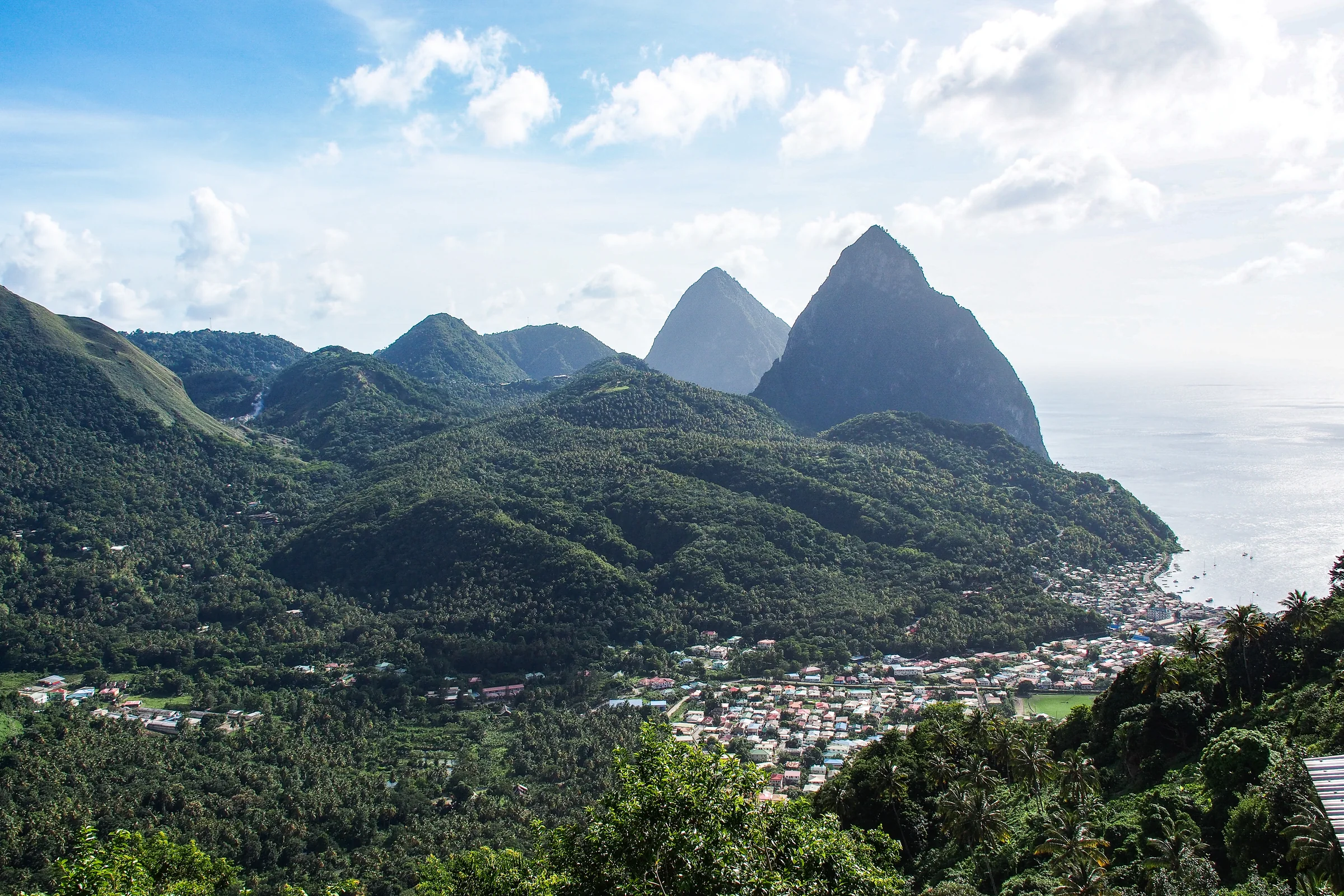
Mountain landscape in Saint Lucia.

The VH Luxe destination guide

Image: A mountain landscape in Saint Lucia provides context for the island's scenery.

Soufriere, the West Coast and Rodney Bay, Saint Lucia

Last updated 8 September 2026

Soufriere and the north ask for different days along Saint Lucia's west coast.

Recommended stay

6–

10 nights

Best time

December–April is generally driest and busiest; mountain roads, trails and flights respond differently.

Primary gateway

Hewanorra International Airport (UVF) or George F. L. Charles Airport (SLU)

Journey context

Allow 6 to 8 nights for one well-matched base and 8 to 10 for a two-base Soufriere and Rodney Bay journey with a protected transfer day.

Curator’s verdict

Soufriere places the Pitons, volcanic landscape, marine management area and a working town close to the center of the stay. Rodney Bay and Gros Islet shift the rhythm toward northern access, marina services, Pigeon Island and a wider dining circuit. The mountain road between them is scenic but consequential, so a two-base trip succeeds only when each base receives enough nights.

Choose well

Which Saint Lucia base owns the day?

Choose one base for the journey's dominant purpose, or split only when both south-west depth and northern ease have enough time.

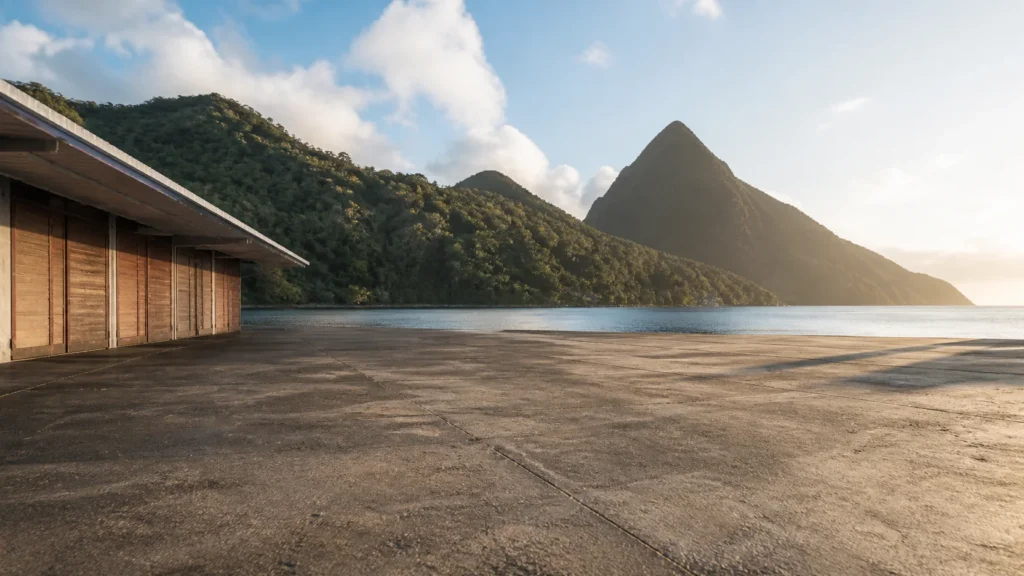
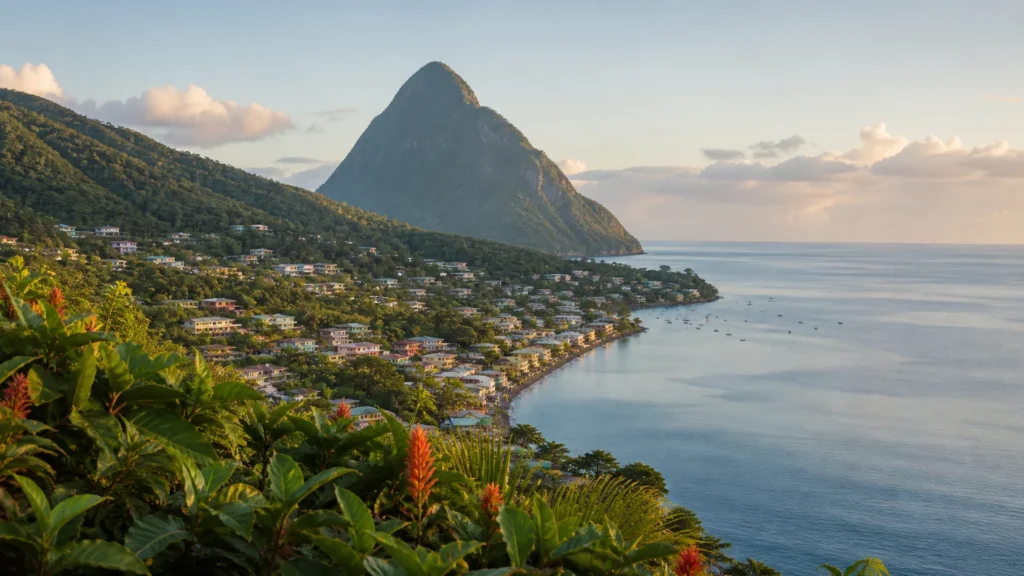
AI-generated editorial visualization of Soufriere, Saint Lucia.
AI-generated editorial visualization, not a documentary photograph.

Couples, nature-focused travelers and repeat visitors who want landscape, protected water and slower room-led days

Favor Soufriere for Pitons-area depth

Soufriere keeps the Pitons, volcanic terrain, town context and marine management area close enough to shape a coherent daily rhythm.

Worth knowing

UVF or north-coast transfers, steep terrain and a smaller evening circuit require careful matching; proximity does not guarantee trail or marine access.
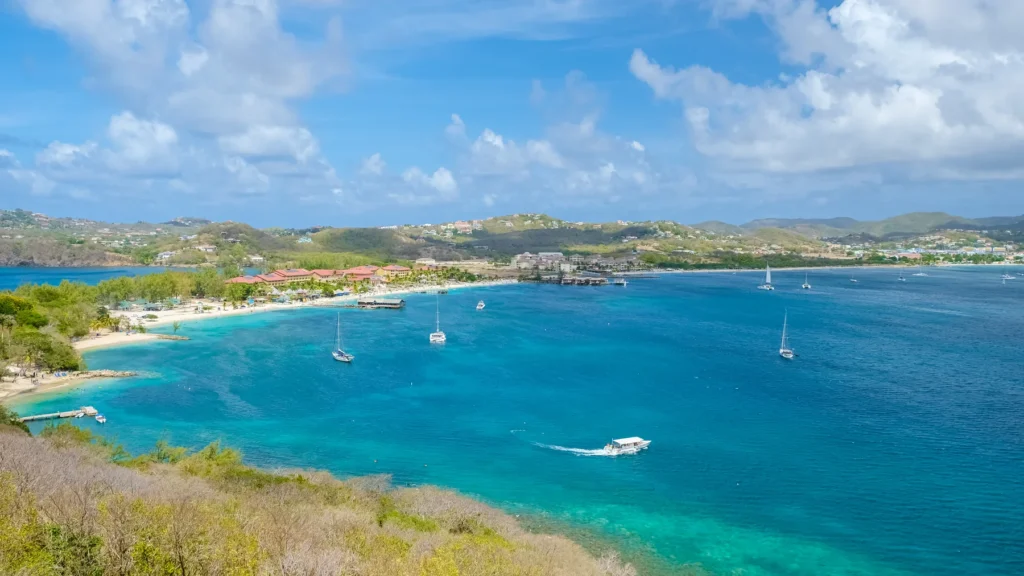
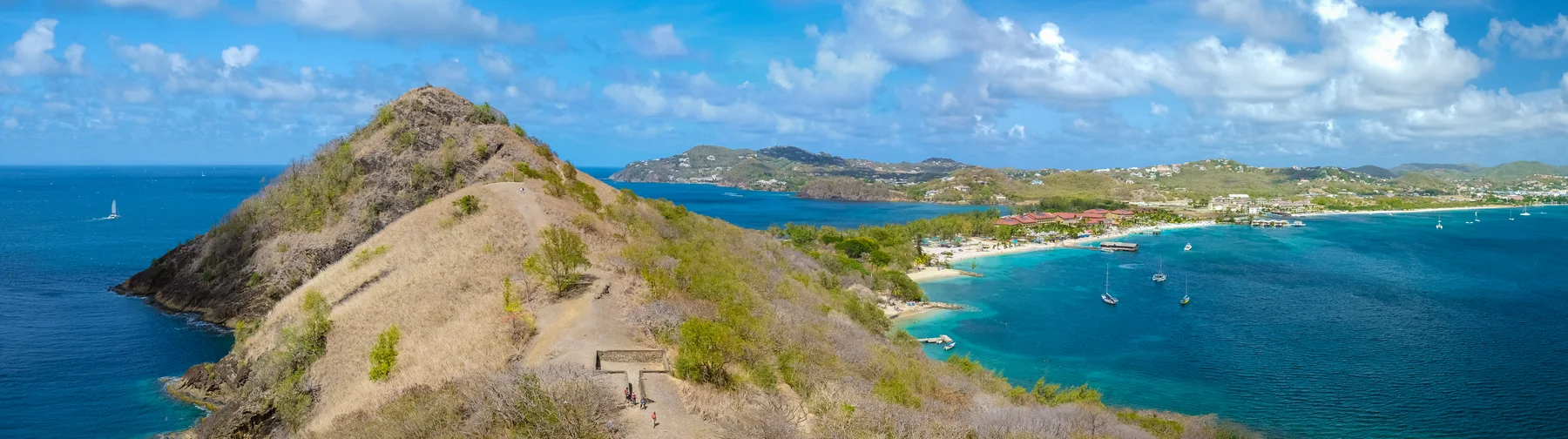
panoramic view from Pingeon Island Saint Lucia or St Lucia Caribbean pigeon island

Families, social travelers and shorter stays prioritizing regional-air access, marina services, dining range and Pigeon Island

Favor Rodney Bay for northern ease

Rodney Bay and Gros Islet make the north's services and public landmarks easier to combine without a daily mountain-road crossing.

Worth knowing

The Pitons and Soufriere become a long conditional day unless the itinerary changes base.

Eight to ten-night milestone trips and travelers who want both landscape immersion and a northern social chapter

Use two bases when each earns three nights

A Soufriere and Rodney Bay split can make the island's geographic contrast legible while reducing repeated long road days.

Worth knowing

Packing, transfer timing, room turnover and weather cost real time; a short split is usually more friction than insight.

Travelers sensitive to winding roads, transfers or repeated repacking

Stay in one base when mobility or motion sets the limit

One well-chosen base can support a deeper, calmer trip with only one carefully selected excursion beyond its immediate region.

Worth knowing

Some island contrast will be missed, but comfort and schedule resilience improve.

A considered introduction

Most long-haul arrivals use Hewanorra International Airport in the south, outside the editorial boundary but essential to logistics. George F. L. Charles Airport near Castries serves regional traffic. Road time, motion sensitivity, luggage, daylight and stops must be assessed for the exact base.

Allow six to eight nights for one base or eight to ten for a deliberate Soufriere and Rodney Bay split. The Pitons Management Area is a UNESCO World Heritage property, and the Soufriere Marine Management Area uses zones for different activities. Scenic visibility, a qualified guide or an upscale room never overrides trail, marine, land, weather or community rules.

Advisor note

Advisor perspective: I would choose Soufriere when the Pitons and a slower landscape rhythm should carry the trip, Rodney Bay when northern access and a wider social circuit matter, and split only with eight or more nights. VH Luxe Travels can coordinate licensed road transport and qualified local arrangements where applicable, with airport, protected-area, community and weather conditions reconfirmed.

What stays with you

Signature experiences

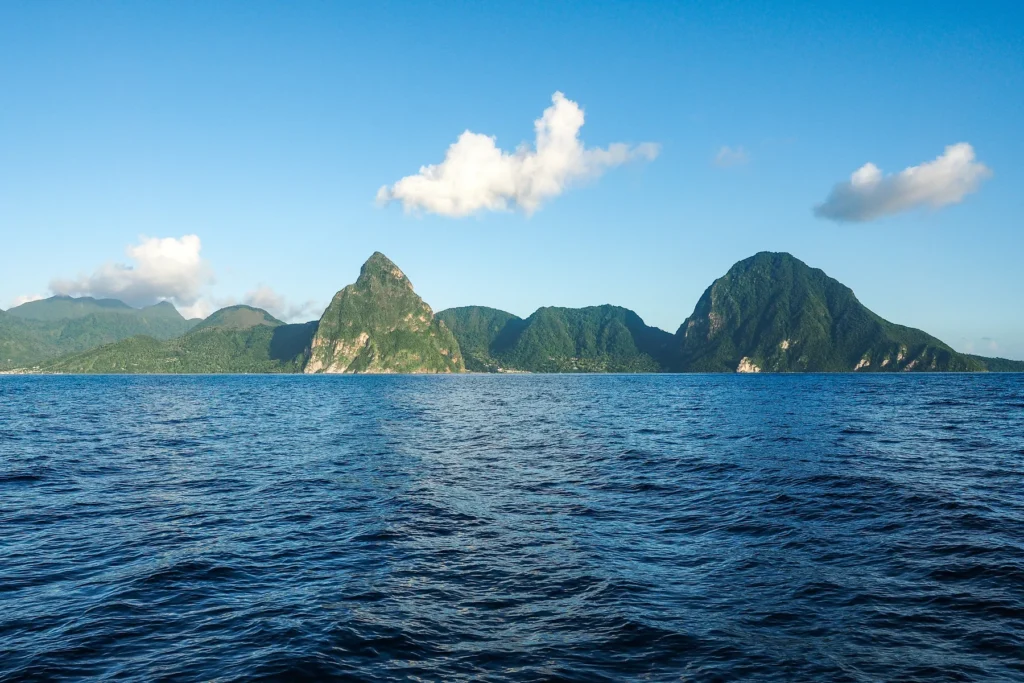
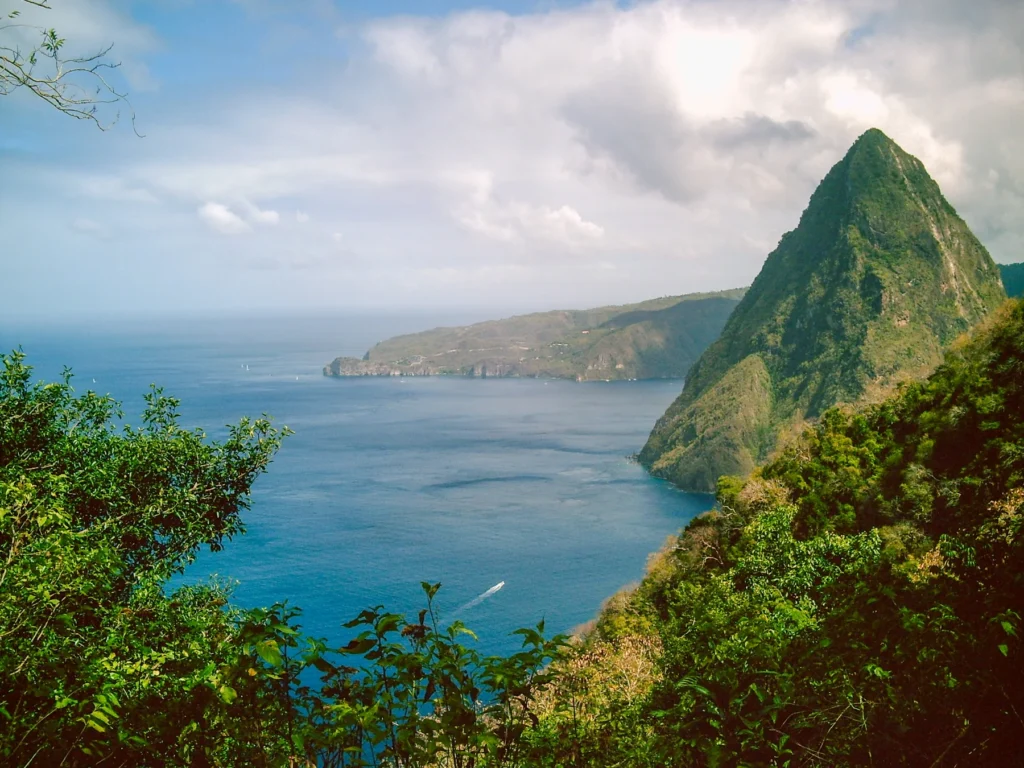
A beautiful landscape view of the Petit Piton from the Gros Piton in Saint Lucia.

World Heritage landscape

Read the Pitons as a protected system

Use UNESCO and current local guidance to understand volcanic geology, terrestrial and marine habitats and the communities around the property. Choose an authorized public route and never infer climbing, landing or property access from a view.

AI-generated editorial visualization of an anonymous ground-level Soufriere public-realm, closed-frontage and distant bay context; not an exact square, market, waterfront, building, operation, access or current-condition record.
AI-generated editorial visualization, not a documentary photograph.

Town and community

Give Soufriere a chapter beyond the scenic overlook

Use qualified local voices and current public sites to connect the town's history, market life, fishing, colonial economy and present-day community. Ask before photographing people or work.

Paradise Beach At Soufriere Bay With View To Piton At Small Town Soufriere In Saint Lucia, Tropical

Marine zoning

Enter Soufriere waters by the SMMA map

Use a compliant operator and current Soufriere Marine Management Area zoning for marine reserve, fishing priority, yacht mooring, recreation and multiple-use areas. Confirm the exact activity, permit, weather and swimmer fit.

panoramic view from Pingeon Island Saint Lucia or St Lucia Caribbean pigeon island

Panoramic view. Swipe or use the arrow keys to explore.

National landmark

Walk Pigeon Island through layered history

Use Saint Lucia National Trust interpretation to connect Indigenous, colonial, military and community histories with the north-coast landscape. Confirm hours, paths, heat and mobility.

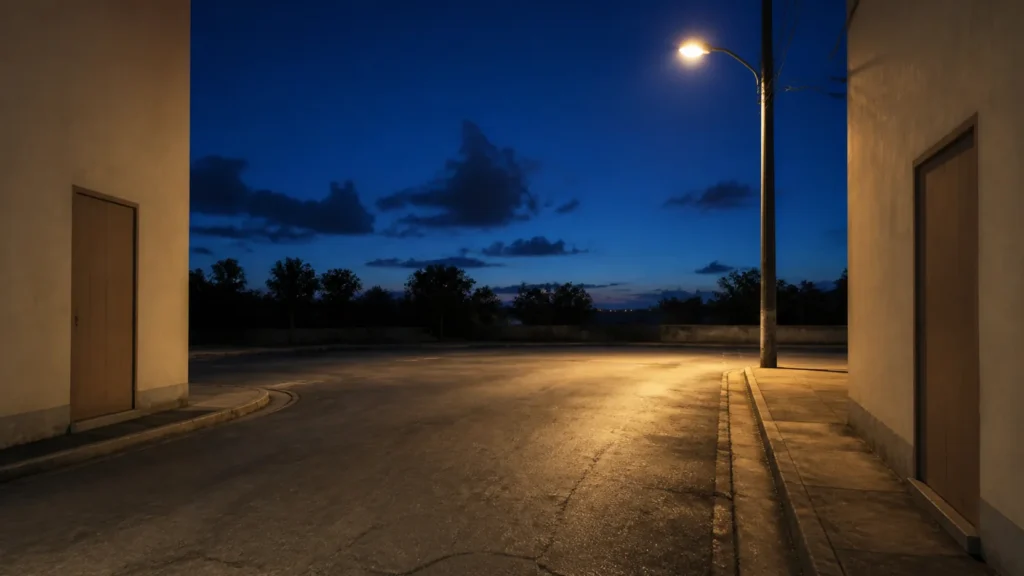
AI-generated editorial visualization of an anonymous pedestrian-eye-level Gros Islet public T-junction after closing; not an event, gathering, exact street, facade, operation, access or current-condition record.
AI-generated editorial visualization, not a documentary photograph.

Living culture

Approach Gros Islet food and music with consent

Choose a current public setting, use local context and respect residents, vendors and performers. Events and street activity are not a guaranteed private program, and identity cannot be inferred from appearance.

Travel restored

What makes Soufriere, the West Coast and Rodney Bay, Saint Lucia a wellness destination?

What makes Saint Lucia restorative?

Saint Lucia can support restoration when the chosen base reduces mountain-road movement and landscape attention replaces activity stacking. Sea, forest, volcanic terrain and community context are experiences, not treatments or promised health outcomes.

Wellness role
A meaningful restorative layer
Best for
Travelers who recover through dramatic nature, early gentle movement, protected water, culturally grounded days and fewer transfers
Format
A light arrival, one landscape or culture anchor daily, heat-aware shade and a full buffer around the inter-base road transfer
Ideal commitment
Six to ten nights with one base unless both Soufriere and the north receive at least three full nights
Intensity
Gentle

For companions

Works for mixed interests when winding roads, trail grade, vessel boarding, swimming and heat tolerance are screened separately

Seasonal lens

Drier winter and early spring conditions support longer outdoor plans; wetter months need earlier starts, shorter exposures and replaceable trail and marine days.

Reduce mountain-road load and preserve sleep

Choose the base before the activities

Let Soufriere or the north carry most days, adding only one long transfer or changing base when the contrast is worth it.

Duration
The whole journey
Intensity
Gentle
Best for
Travelers with motion sensitivity or schedule fatigue
Consider

Travel pacing can support comfort but is not treatment; road suitability varies.

Shift from landmark collecting to sustained landscape attention

Meet the Pitons at human scale

Use a lawful viewpoint, suitable trail or protected-water position and remain long enough to notice geology, weather and changing light.

Duration
Thirty to ninety minutes
Intensity
Gentle
Best for
Nature-focused travelers
Consider

Route, guide, heat, terrain and weather must be matched to the traveler.

Experience heat, mineral color and geology through careful observation

Use volcanic landscape without cure claims

At a currently open public volcanic site, follow posted safety rules, keep exposure conservative and treat any bathing as recreation rather than detoxification or therapy.

Duration
A short supervised visit
Intensity
Gentle
Best for
Geology-focused travelers
Consider

Heat and bathing may be unsuitable for some guests; seek individual medical advice when relevant.

Use food and music for attentive participation rather than a staged performance

Let a community evening remain public

Attend only a current public event or venue, spend locally and ask before photographing, leaving when crowd, sound or fatigue stops serving the group.

Duration
One evening
Intensity
Gentle
Best for
Culturally curious adults and families
Consider

Schedules, safety, transport, noise and accessibility require live confirmation.

Wellness descriptions explain pacing, gentle movement, nature attention and cultural presence. They do not promise diagnosis, prevention, treatment, cure, recovery or a particular physical or emotional outcome. Confirm personal medical suitability, transport, terrain, heat, weather, water conditions and qualified providers.

Timing the journey

When to go

December through April is generally the driest and most demanded window. Late spring offers warmer transitional conditions. June through November brings more heat, rain and tropical-weather risk; the Atlantic hurricane season runs June 1 through November 30, and mountain roads, trails, marine activities and flights can respond differently to the same system.

Dec · Jan · Feb

Best

Drier high season

Weather
Generally drier trade-wind conditions can still bring mountain showers, swell and slippery paths.
Crowds
Holiday and winter demand tightens air, rooms, vehicles, guides and dining.
Best for
Best for first visits when the correct base and key guides are secured early.

Mar · Apr · May

Best

Late dry season and spring

Weather
Warmth and humidity build while localized rain and sea conditions remain variable.
Crowds
Demand may ease outside events and school breaks.
Best for
Strong for a two-base journey with live trail and marine checks.

Jun · Jul · Aug

Conditional

Green season and storm-season opening

Weather
Heat, humidity, heavier showers and tropical-weather risk affect roads, trails and marine activity.
Crowds
Festivals and family travel can create peaks while services vary.
Best for
Use flexible terms, early outdoor starts and complete rain alternatives.

Sep · Oct · Nov

Conditional

Peak disruption and transition window

Weather
Tropical systems, intense rain, landslip risk, rough sea and service pauses can disrupt both bases.
Crowds
Lower demand may overlap with maintenance or reduced operations.
Best for
Choose only after transport, room, road, guide, medical and emergency options are reconfirmed.

Hurricane-season dates, rainfall, wind, swell, heat, transport, protected-area access, business openings and outdoor conditions change. Recheck official forecasts, local alerts, carriers, operators and every critical booking shortly before travel.

Value, clearly framed

Understanding trip value

Custom quote based on exact season, air routing, accommodation, inter-island transport where used, licensed transfers, authorized experiences, dining and contingency design. No public package price is stated.

What shapes the guidance

Six to ten nights for two travelers, with international or regional air, one or two accommodations, licensed road transport and authorized protected-area, marine and cultural experiences priced separately at proposal stage.

Journey logistics

Arrive well

Use UVF for many long-haul flights and SLU for confirmed regional service. Air travelers are currently encouraged to complete Saint Lucia's official electronic immigration form within the stated pre-arrival window. Match the airport to the first base, then reserve a licensed road transfer with luggage, mobility, motion, daylight and weather considered.

Primary gateway Hewanorra International Airport (UVF) or George F. L. Charles Airport (SLU)

Premium commercial air

Arrive through Hewanorra

Confirmed international or regional originHewanorra International Airport (UVF)

Scheduled air followed by licensed road transfer

Confirm passport or visa if applicable, carrier documents, baggage, assistance and the exact road route to Soufriere or the north. Allow operational margin rather than relying on a fixed drive time.

Premium commercial air

Arrive through Castries

Confirmed regional originGeorge F. L. Charles Airport (SLU)

Scheduled regional air followed by licensed road transfer

Confirm flight status, baggage limits, assistance and road access. SLU may suit the north but does not eliminate traffic, weather or onward transfer checks.

Final transfer

Move between Soufriere and Rodney Bay

Confirmed west-coast baseConfirmed north or south base

Licensed road transfer

Use a roadworthy vehicle and qualified driver, with motion sensitivity, luggage, daylight, rain, road works and scenic stops agreed. Do not attach this move to an irreplaceable activity.

Access and mobility

Confirm airport assistance, vehicle step height and seat position, road curves and motion exposure, steep paths, wet rock, stairs, beach or vessel boarding, heat, shade, restrooms and emergency response. Piton trails, volcanic sites, Pigeon Island and marine outings have different surface demands. A suitable room or vehicle does not prove that the whole experience chain is accessible.

Before you go

Practical planning notes

Getting around

UVF and SLU serve different networks

Match the live flight and first base, then confirm the full licensed road transfer rather than choosing by map distance alone.

Etiquette

Pitons and volcanic sites have separate rules

Use current route, land and site authority. A view does not grant access, and geothermal bathing is recreation rather than treatment.

Etiquette

Soufriere waters are zoned

Marine reserve, fishing priority, yacht mooring, recreation and multiple-use areas have different purposes and rules.

Arriving

Current security guidance shapes movement

The July 10, 2026 U.S. advisory cites crime, including at resorts. Use licensed transfers, secure valuables and check every bag for weapons or ammunition.

The VH Luxe approach

How VH Luxe composes the journey

  1. Match the arrival airport to the first base

    Use the live flight network and protect the first road transfer from late, rushed commitments.

  2. Give Soufriere two kinds of attention

    Pair a protected Pitons or marine chapter with a separate town and community chapter.

  3. Transfer north only when it changes the rhythm

    Use a dedicated daylight road day and let Rodney Bay or Gros Islet carry the next phase.

  4. End near the practical departure route

    Avoid tying a long cross-island drive to the international flight when weather or roads could narrow the margin.

Paramjit Harika, VTA, CTA

Advisor-led planning

Your journey, personally considered

Paramjit Harika

Founder & Luxury Travel Advisor

I coordinate your hotel and room, premium air, transfers and key experiences as one considered journey, with one point of contact from planning through travel.

Good to know

Frequently asked questions

Should first-time travelers stay in Soufriere or Rodney Bay?

Choose Soufriere when the Pitons, protected coast and slower landscape days are central. Choose Rodney Bay for northern access, dining range and Pigeon Island. With eight to ten nights, a careful split can give both regions enough depth.

Which airport is best for Saint Lucia's west coast?

Many long-haul flights use UVF in the south, while SLU near Castries serves regional routes. Choose from the live flight and first base, then confirm licensed road time, motion, luggage, daylight and weather.

How many nights are enough for Saint Lucia?

Allow six to eight nights for one base. Use eight to ten for a Soufriere and Rodney Bay split so each receives at least three full nights plus a protected transfer.

Can anyone hike the Pitons?

No access or suitability should be assumed. Use current official or authorized local guidance for the exact route, permissions, guide requirements, weather, heat, grade and traveler capability.

What is the Soufriere Marine Management Area?

It is a managed coastal area with zones for uses such as marine reserves, fishing priority, yacht mooring, recreation and multiple use. The exact activity must follow the current map and rules.

Are Saint Lucia's volcanic baths therapeutic?

This guide makes no treatment, detoxification or cure claim. Volcanic landscapes and bathing can be experienced as geology and recreation when the site is open, posted rules are followed and personal medical suitability is considered.