The VH Luxe destination guide

São Paulo, Brazil

Last updated 14 August 2026

Choose one urban lens, then let specialists reveal the city behind it.

Recommended stay

3–

6 nights

Best time

São Paulo works year-round when heat, rain, air quality, holidays and institution schedules are checked. Protect indoor alternatives and avoid overcommitting across distant districts.

Primary gateway

São Paulo/Guarulhos International Airport, with Congonhas useful for many domestic services

Journey context

Three nights support a focused art-and-food city break; five or six create room for the historic center, Ibirapuera and slower specialist-led visits.

Curator’s verdict

São Paulo becomes legible when the day is built around one district and one serious cultural question.

Choose well

Which São Paulo lens fits?

Pick one base and cultural priority. Use traffic-aware clusters rather than crossing the city repeatedly for isolated reservations.

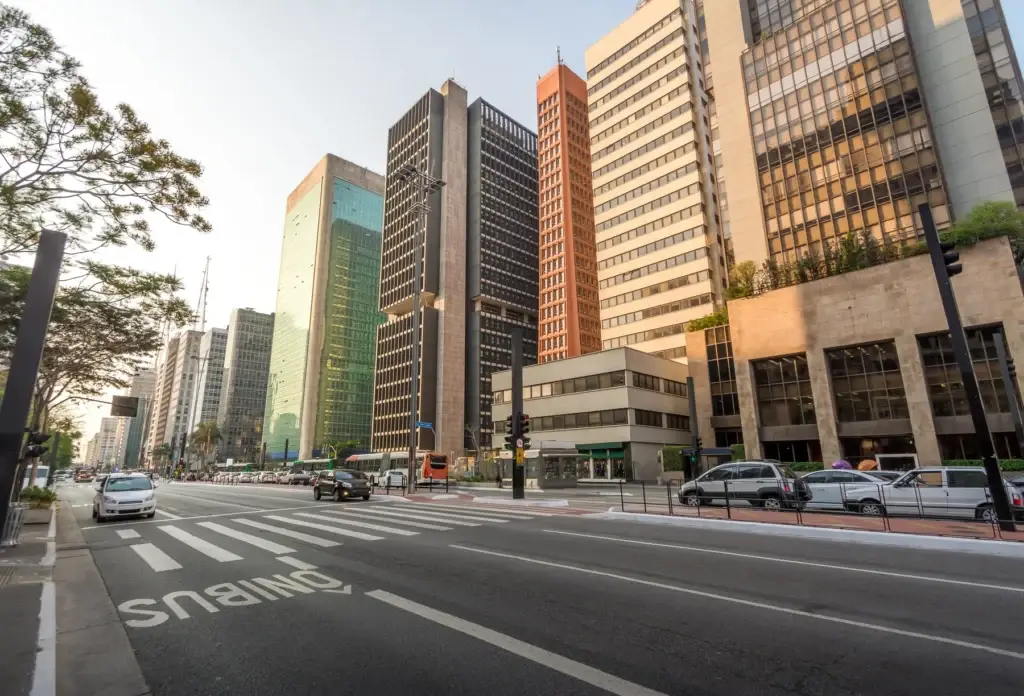
AI-generated editorial visualization of Avenida Paulista, São Paulo.

First visits, art collectors and travelers who value strong hotel and dining access

Paulista and Jardins cultural base

Use Paulista institutions, Jardins galleries and nearby dining as the main rhythm.

Worth knowing

The historic center and some specialist visits still require deliberate transfers.
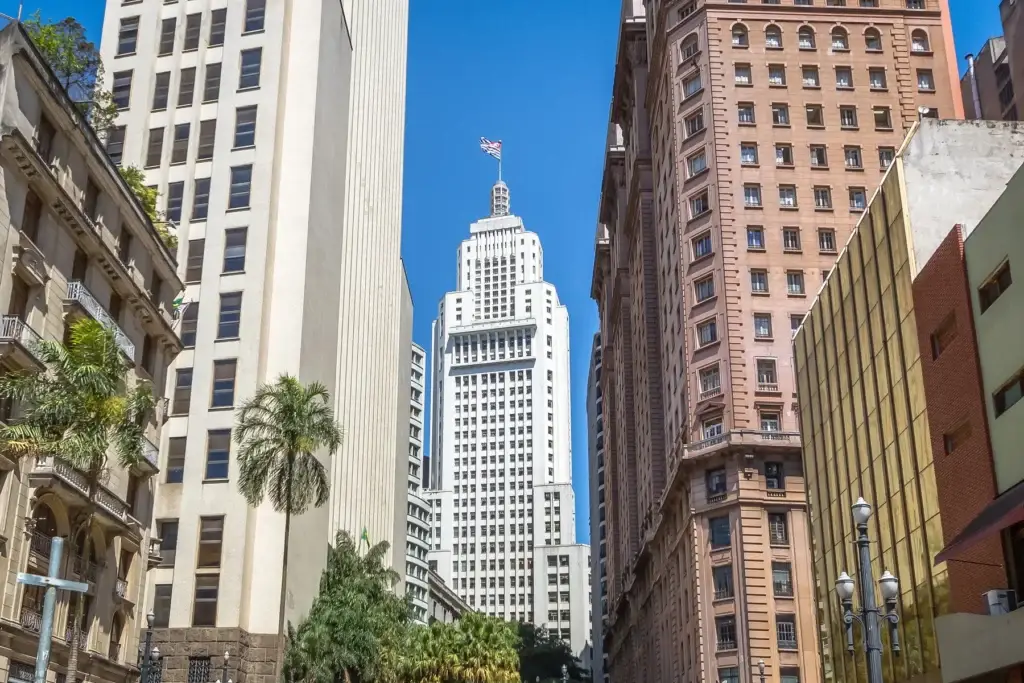
Documented São Paulo historic center streetscape or civic architecture

Architecture and social-history travelers

Historic-center immersion

Pair civic landmarks, adaptive reuse and layered migration histories with a specialist.

Worth knowing

Street conditions, operating days and mobility logistics need exact-route planning.

Design-led travelers who want green space between institutions

Ibirapuera and modernist composition

Connect landscape, architecture and museums in one paced district day.

Worth knowing

Institution schedules change, and the park should not be treated as empty or private.

Culinary travelers who want context beyond restaurant rankings

Foodways as the organizing thread

Use markets, immigrant histories and contemporary Brazilian kitchens to explain the city's table.

Worth knowing

Reservations, dietary needs and travel time limit how many districts belong in one day.

A considered introduction

São Paulo is a city of exceptional cultural density, but its scale punishes checklist planning. The strongest journey chooses a well-connected base, groups institutions by geography and pairs visible modernism with Afro-Brazilian, immigration and contemporary histories. Food is part of that cultural reading, not an endless restaurant inventory.

Advisor note

VH Luxe Travels can coordinate expert-led context, timed entries and tailored arrangements where applicable, with every access claim reconfirmed before travel.

What stays with you

Signature experiences

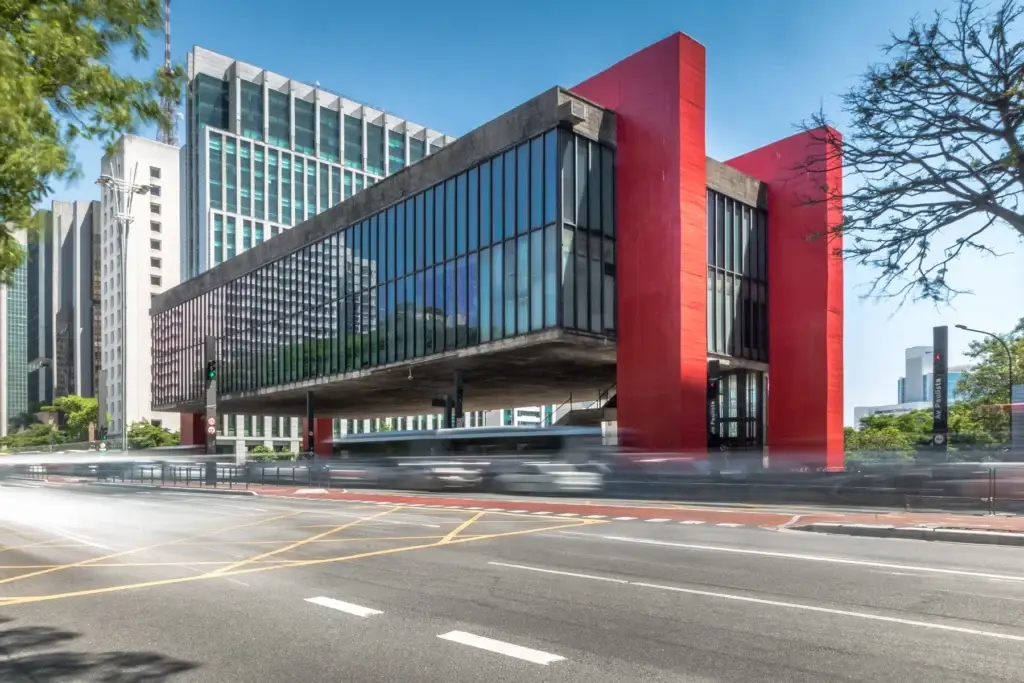
MASP exterior or authorized interior context

Art

Read MASP with one curatorial question

Arrange a specialist-led visit around the collection's display language and a defined theme. Opening hours, exhibitions and guide permissions must be confirmed.

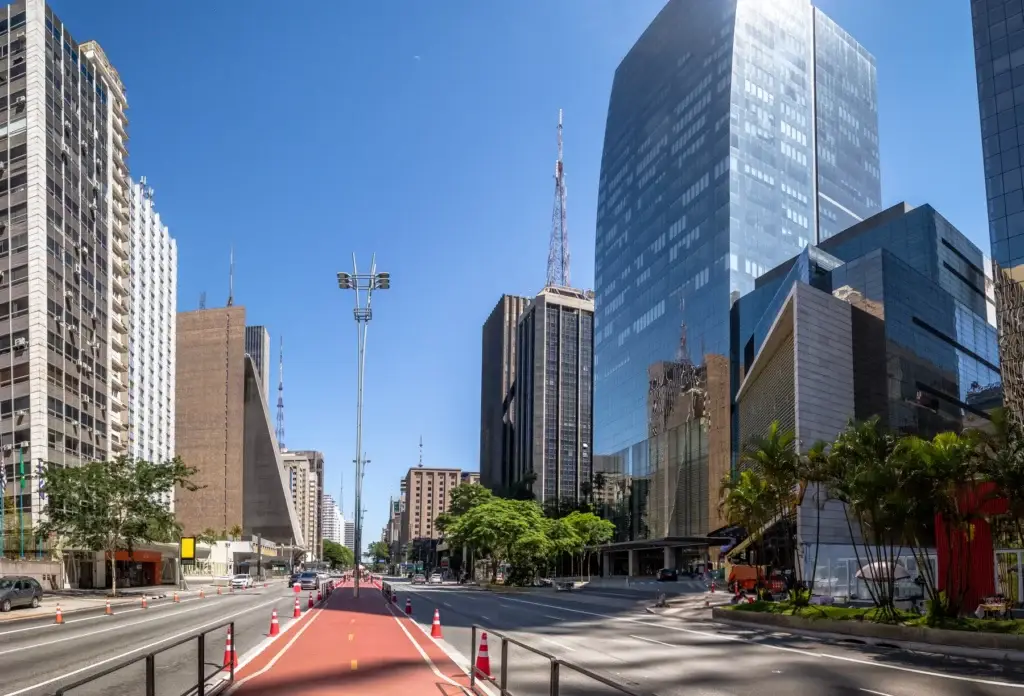
AI-generated editorial visualization of Avenida Paulista.

Architecture

Walk Paulista as an urban argument

Use an architect or historian to connect modernism, adaptive reuse and public space, including current street conditions rather than a frozen style tour.

AI-generated editorial visualization of an abstract archival-study setting for careful museum interpretation; it does not depict Museu Afro Brasil Emanoel Araujo, its collection, an archive, or a real visit.

History

Place Afro-Brazilian history at the center

Use a named institution such as Museu Afro Brasil and a qualified scholar to examine history, art and contemporary authorship without reducing identity to a theme.

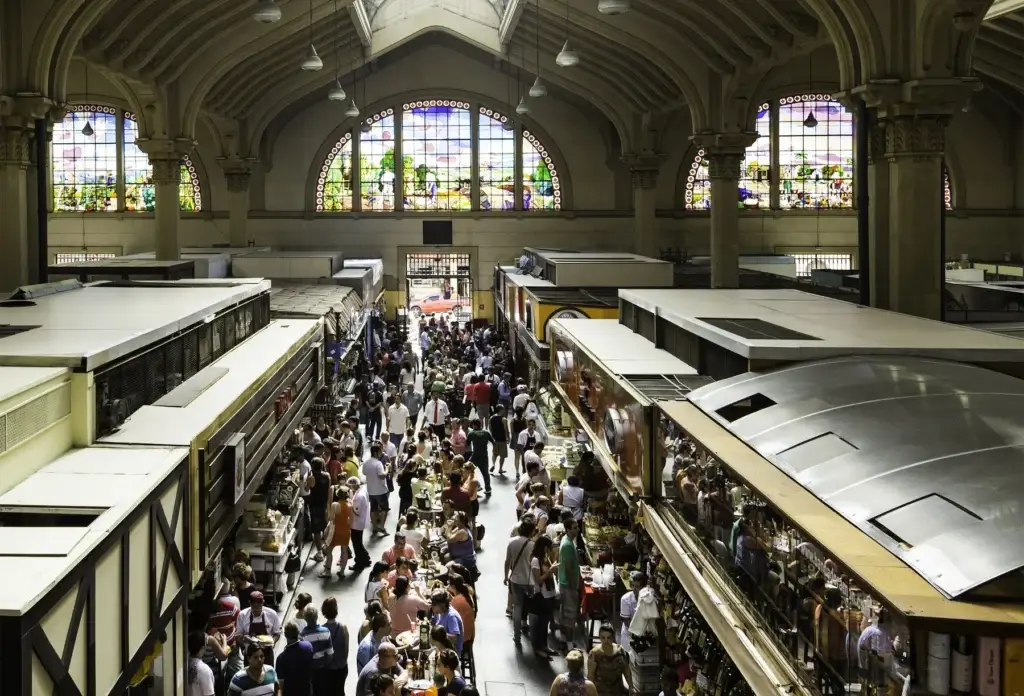
AI-generated editorial visualization of a generic ingredient study for São Paulo food-history context; it does not depict a named market, business, community, or dish.

Foodways

Trace migration through one table

Choose one community and one district, then connect ingredients, businesses and family histories through an accountable food historian. Do not turn residents into a spectacle.

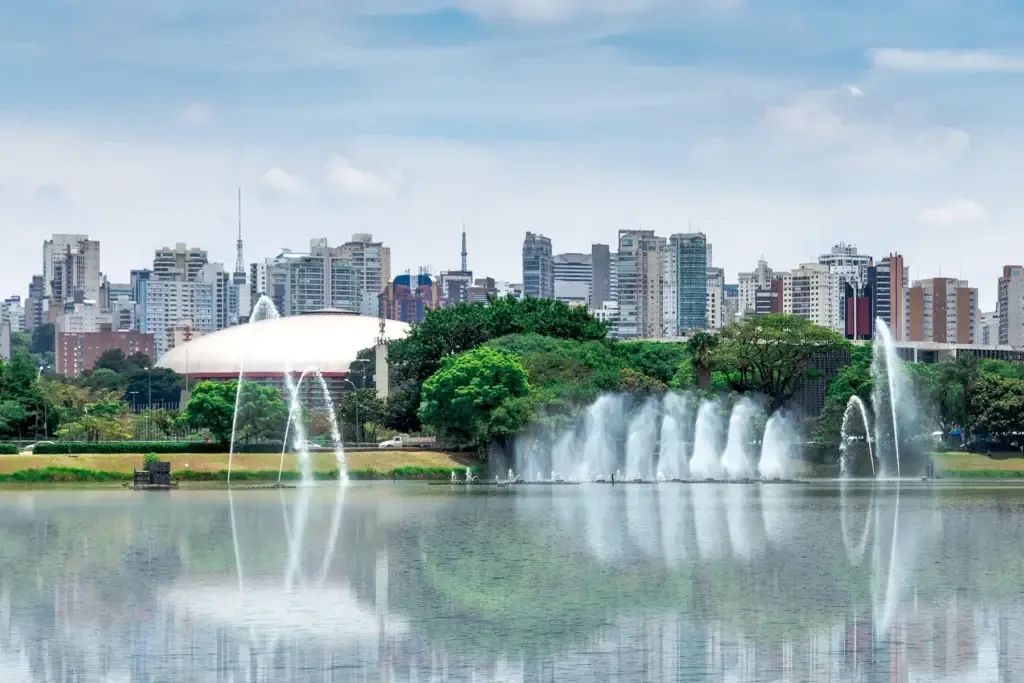
Ibirapuera Park landscape or documented modernist building

Design and landscape

Let Ibirapuera slow the sequence

Pair landscape and architecture with one or two institutions, leaving time to see how residents use the park. Access and closures remain conditional.

Travel restored

What makes São Paulo, Brazil a wellness destination?

What makes São Paulo a wellness destination?

São Paulo supports urban optimization when serious art attention, Ibirapuera recovery, purposeful walking and a short café pause replace continuous stimulation. Physical activity and nature contact are useful health contexts, not treatments; the lasting shift is learning to protect cognitive space inside an ambitious city.

Wellness role
A meaningful restorative layer
Best for
Culture-led travelers who want a stimulating city without continuous sensory overload
Format
Four concise, expert-led pathways grounded in local place and practice
Ideal commitment
One intentional reset each day
Intensity
Moderate

For companions

Art mediator, architect, food historian or movement-aware private guide

Seasonal lens

Year-round with rain, heat and air-quality checks

Replace transit with purposeful movement

Paulista pedestrian interval

When current street operations allow, use a calm section of Paulista on foot with an architecture guide instead of treating the avenue as a transfer corridor.

Duration
45 to 90 minutes
Intensity
Moderate
Best for
Travelers who process a city through walking
Consider

Confirm the current street program, crossings, heat and crowd conditions.

Lower sensory load between institutions

Ibirapuera green reset

Use a shaded, unhurried park interval as part of the museum day, observing landscape and resident use without turning the park into a fitness challenge.

Duration
45 to 75 minutes
Intensity
Gentle
Best for
Art and design travelers
Consider

Air quality, rain, heat and park events can alter the route.

Practice a small social transition

Café de balcão pause

Choose one respected local café for a brief standing or seated pause, using the Brazilian coffee ritual to reset the day rather than adding another tasting flight.

Duration
15 to 30 minutes
Intensity
Gentle
Best for
Travelers who benefit from a repeatable micro-break
Consider

Caffeine and dietary choices should follow personal guidance.

Strengthen attention

Slow looking with a mediator

Work with an art mediator on a small number of works, leaving phone and checklist behavior aside. The takeaway is a practice of sustained observation that travels home.

Duration
60 to 90 minutes
Intensity
Gentle
Best for
Travelers seeking cognitive space through art
Consider

Museum access and guided-visit permissions require confirmation.

These pathways support attention and healthy routine but do not diagnose, treat or prevent illness. Travelers should follow clinician advice and local safety guidance.

Timing the journey

When to go

São Paulo works year-round when heat, rain, air quality, holidays and institution schedules are checked. Protect indoor alternatives and avoid overcommitting across distant districts.

Apr · May · Jun

Best

Milder cultural season

Weather
Often comfortable for mixed indoor and outdoor days, with changeable rain still possible.
Crowds
Major exhibitions and events can increase demand.
Best for
Museums, architecture and culinary travel.

Jul · Aug · Sep

Best

Cooler, drier-leaning interval

Weather
Often cooler with variable dryness and air-quality considerations.
Crowds
School holidays and event calendars affect demand.
Best for
Urban walking and design-led days with air-quality checks.

Oct · Nov · Dec · Jan · Feb · Mar

Conditional

Warmer and wetter rhythm

Weather
Heat and heavier rain can interrupt walking and road movement.
Crowds
Holiday closures and major events need specific checks.
Best for
Travelers comfortable with indoor alternatives and flexible transfers.

Season labels are planning guidance, not a weather or access guarantee. Recheck current forecasts, protected-area rules, local events and operating conditions before travel.

Value, clearly framed

Understanding trip value

Custom quote based on exact dates, air cabin, accommodation, transfers, guides, current access and confirmed experiences. No public package price is stated.

What shapes the guidance

Editorial planning guidance only. Fares, fees, operating schedules, access, road conditions and arrangements must be quoted and reconfirmed for the exact travel dates.

Journey logistics

Arrive well

Traffic is the primary design constraint. Keep airport transfers and cross-city movements flexible, and avoid scheduling a major timed visit soon after arrival.

Primary gateway São Paulo/Guarulhos International Airport, with Congonhas useful for many domestic services

Premium commercial air

International arrival

International gatewaySão Paulo/Guarulhos International Airport

air and private transfer · 45min–2h 30min

Traffic can materially extend the journey; do not promise a fixed duration.

Premium commercial air

Domestic arrival

Brazilian gatewayCongonhas Airport

air and private transfer · 25min–1h 40min

Flight availability and peak traffic must be reconfirmed.

Access and mobility

Major museums commonly publish access information, but historic paving, street gradients, crossings and building-specific lifts vary. Confirm step-free routes, companion policies and vehicle drop points with each institution.

Before you go

Practical planning notes

Reservations

Plan by district

Traffic makes geographic clustering essential, even with a private vehicle.

Reservations

Check every institution

Exhibitions, closures, ticketing and guided-visit rules change.

Reservations

Keep food culturally specific

Attribute communities and businesses accurately; avoid generic immigrant-neighborhood claims.

Reservations

Prepare a rain alternative

Heavy rain can change walking routes and transfer times quickly.

The VH Luxe approach

How VH Luxe composes the journey

  1. Begin on Paulista

    Use one museum and a short orientation walk to establish the city's scale and cultural ambition.

  2. Give the historic center a protected window

    Go with a specialist, group exact sites and keep transport responsive to current street conditions.

  3. Use food as evidence

    Choose one migration or regional-Brazil story and follow it through a market, kitchen or dining room.

  4. Finish with Ibirapuera

    Let green space, architecture and one final institution create a slower last full day.

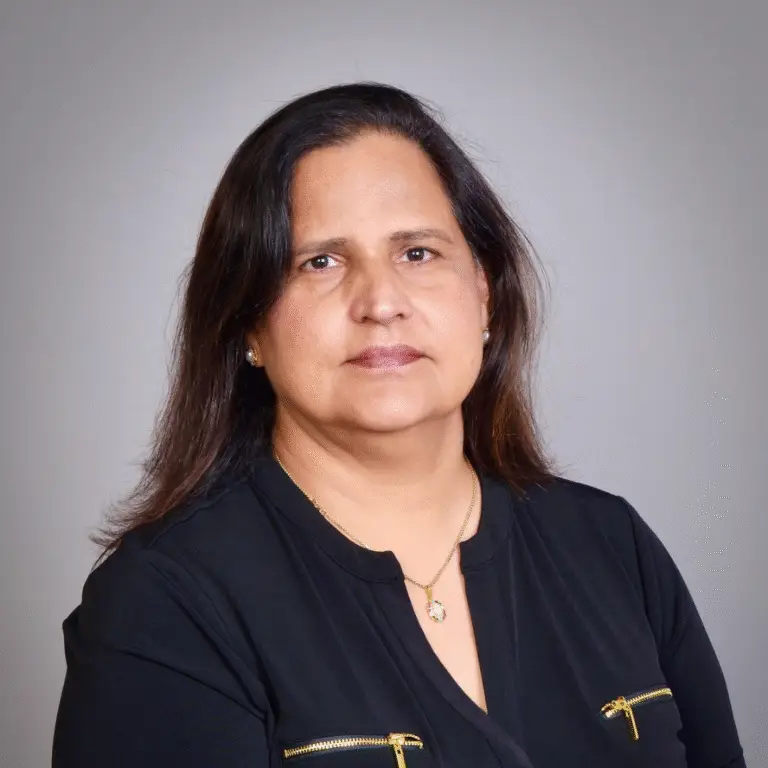
Paramjit Harika, VTA, CTA

Advisor-led planning

Your journey, personally considered

Paramjit Harika

Founder & Luxury Travel Advisor

I coordinate your hotel and room, premium air, transfers and key experiences as one considered journey, with one point of contact from planning through travel.

Good to know

Frequently asked questions

Is São Paulo worth a dedicated luxury city stay?

Yes, for travelers who value art, architecture, foodways and urban history. It works best as a focused three- to six-night journey rather than an unplanned stopover.

Where should a first-time visitor stay?

Paulista and Jardins often provide a practical cultural and dining base. The final choice should follow the main institutions, evening plans and tolerance for traffic.

Can São Paulo be explored mostly on foot?

Only in carefully chosen clusters. The city is vast, and many days require vehicle transfers between walkable districts.

How should the historic center be planned?

Use a current route, an accountable specialist and flexible transport. Operating conditions, access and street context should be checked close to travel.

What makes São Paulo a wellness destination?

The transformation comes from pacing a high-stimulation city intelligently: serious art attention, green-space recovery, purposeful walking and short social pauses. It is optimization through rhythm, not a promise of treatment.

Does this guide cover the São Paulo coast?

No. Coastal and countryside journeys require separate planning and are excluded from this city guide.