The VH Luxe destination guide

Salta and Jujuy, Argentina

Last updated 14 August 2026

Let altitude, living culture and road geography decide the sequence before choosing the stops.

Recommended stay

7–

9 nights

Best time

April through November generally offers drier road conditions across much of the route, although cold, wind and high-elevation exposure remain. December through March brings summer rain that can disrupt roads and should narrow the daily plan. Event dates and community access require separate confirmation.

Primary gateway

Martín Miguel de Güemes International Airport (SLA)

Journey context

Allow 7 nights for Salta, one Calchaquí chapter and the Quebrada, or 8 to 9 when adding a carefully staged Puna or Salinas Grandes day.

Curator’s verdict

Northwest Argentina is not one scenic drive. Salta's urban and museum context, the Calchaquí Valleys, the living cultural route of Quebrada de Humahuaca and the Puna each ask for different pacing. The strongest journey ascends gradually and lets named community partners define how their own culture is encountered.

Choose well

How should Salta, the Calchaquí Valleys, Quebrada de Humahuaca and the Puna be sequenced?

Choose the sleeping elevations and road logic first. Then use heritage, community and landscape experiences that have named hosts, current access and a clear learning purpose.

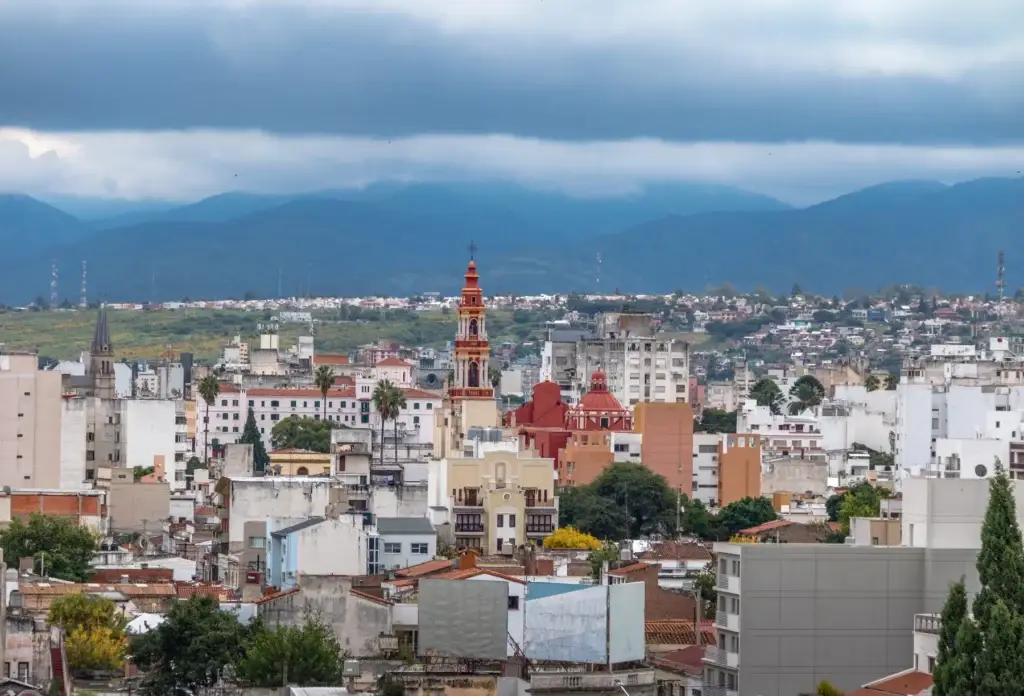
AI-generated editorial visualization of Begin in Salta for context and a gentler first rhythm.

First visits, cultural travelers and anyone who needs a restrained arrival

Begin in Salta for context and a gentler first rhythm

Salta supplies the air gateway, urban heritage and museum context before the itinerary climbs into valleys or the Puna.

Worth knowing

A city base does not remove long road days, and colonial architecture must be interpreted with Indigenous and regional history rather than as decoration.
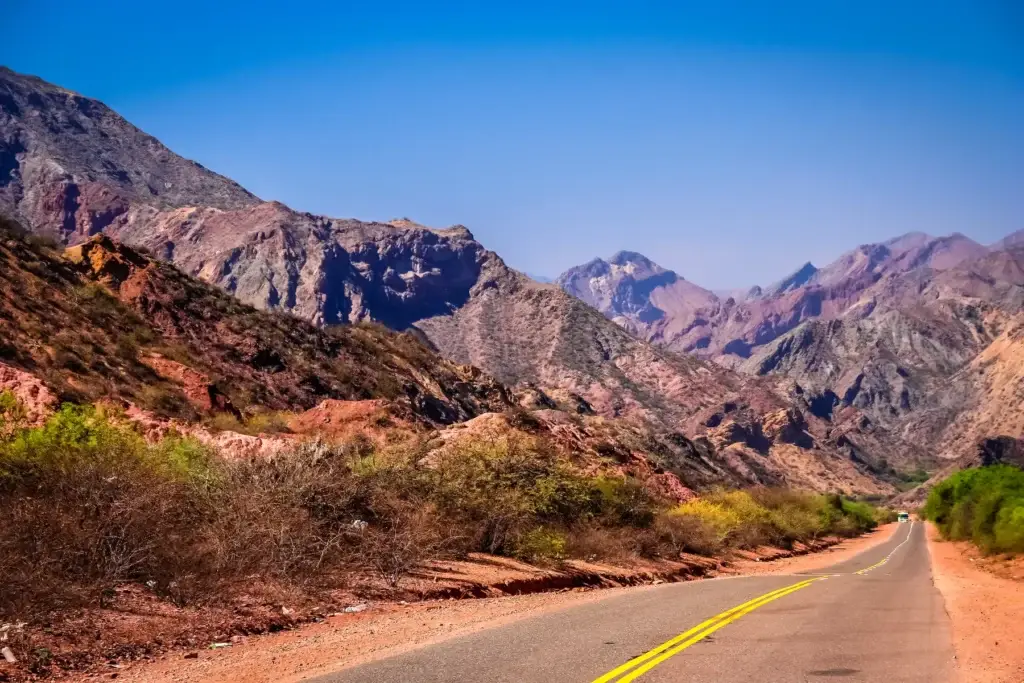
Mountain Road to Cafayate

Wine, landscape and road-journey travelers who want Cachi or Cafayate beyond a day trip

Give the Calchaquí Valleys a destination stay

A valley stay lets Los Cardones, mountain geography and Cafayate unfold with fewer same-day returns.

Worth knowing

Road conditions can break a planned loop, and wine must remain a cultural and agricultural subject rather than a wellness claim.

Travelers prioritizing the UNESCO cultural landscape, makers and village scale

Use a Jujuy base for the Quebrada

Purmamarca or Tilcara can reduce repeated driving and support a qualified interpretation of the Quebrada as a living route.

Worth knowing

A photogenic town is still a lived place. Market color, clothing or music does not authorize claims about identity or ceremony.

Repeat visitors, photographers and travelers medically prepared for higher elevation

Add the Puna only when altitude and roads agree

Salinas Grandes can add geology and community enterprise after acclimatization, with marked routes and named local partners.

Worth knowing

Rapid ascent, intense sun, wind, rain and unfamiliar salar roads make it unsuitable as an automatic add-on.

A considered introduction

Salta is the practical first base for arrival, heritage and a lower sleeping elevation than the Puna. A Calchaquí chapter adds Los Cardones, mountain roads and Cafayate, while a separate Jujuy base reduces repeated driving through the Quebrada de Humahuaca.

Seven nights can support Salta, one Calchaquí base and the Quebrada. Eight or nine create more room for road disruption, altitude adaptation and an optional Salinas Grandes day. Community identity, ceremony, textiles and foodways must be described only through named first-voice partners.

Advisor note

Advisor perspective: I would stage elevation gradually, use professional drivers familiar with current roads and reserve community-led experiences through named, consenting partners. VH Luxe Travels can coordinate preferred-partner value and tailored arrangements where applicable, with routes, guides, photography terms, meals and private formats confirmed before travel.

What stays with you

Signature experiences

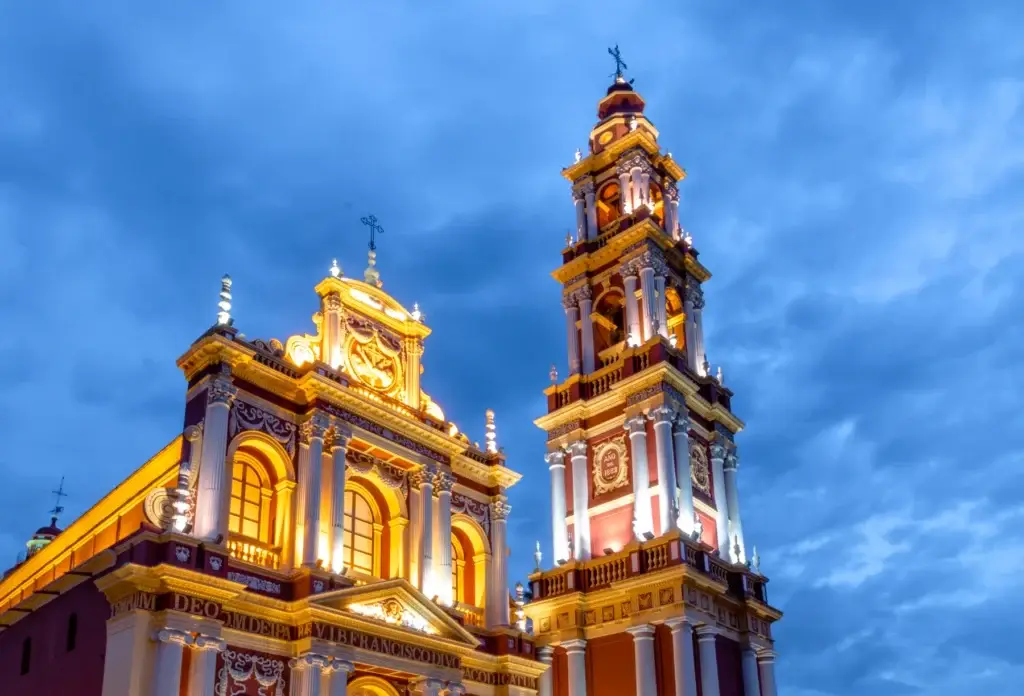
AI-generated editorial visualization of Read Salta through power, faith and regional exchange.

Urban history

Read Salta through power, faith and regional exchange

Use a historian or museum specialist to connect civic and religious architecture with colonial power, independence and the region's living Indigenous presence.

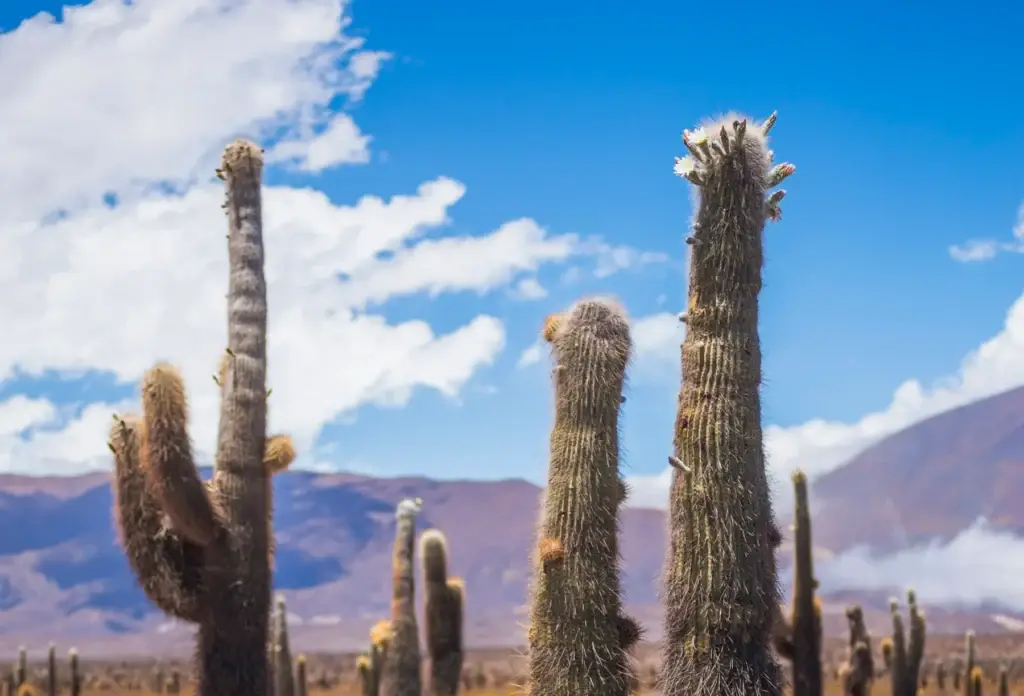
AI-generated editorial visualization of Cross Los Cardones as an ecological transect.

Highland ecology

Cross Los Cardones as an ecological transect

Travel the authorized road with a naturalist who can explain elevation, cardón habitat and changing ecosystems, with stops limited to lawful, current visitor areas.

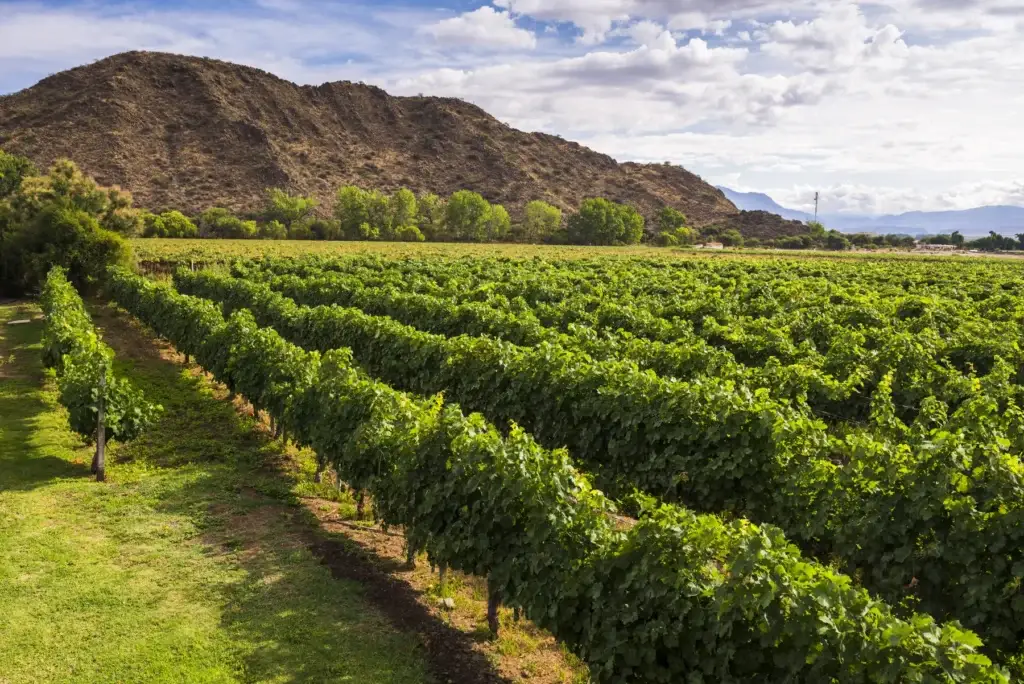
Documented Cafayate vineyard, grower or production setting

Agriculture and wine

Place Cafayate wine inside a wider valley table

Use a grower, agronomist or winemaker to connect water, altitude, local food and production. Offer a complete alcohol-free route and never frame wine as health.

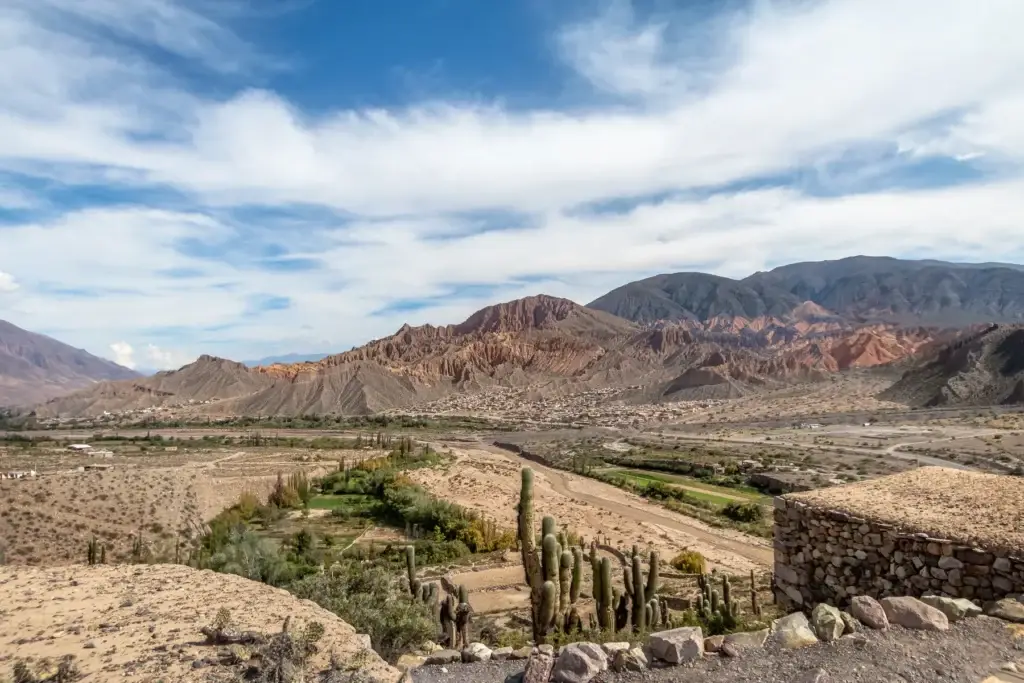
Named Quebrada town, field system or lawful public landscape

Living cultural landscape

Follow the Quebrada with a qualified local interpreter

Read the valley as a long-used corridor with settlements, fields and present-day communities, not as a sequence of colorful backdrops.

AI-generated editorial visualization of Choose one named Jujuy rural or community tourism partner.

Community-led exchange

Choose one named Jujuy rural or community tourism partner

Arrange a listed community-led program whose hosts define the activity, language, price, photography rules and how their identity and work are described.

Travel restored

What makes Salta and Jujuy, Argentina a wellness destination?

What makes Salta and Jujuy a wellness destination?

Salta and Jujuy support transformation when elevation slows the itinerary, high-desert attention replaces spectacle collecting and community-led food or craft restores meaning to the day. The lasting result is a better habit of letting physiology, weather and local authority set the pace.

Wellness role
A meaningful restorative layer
Best for
Cultural travelers, couples and executives who value quiet, meaning and carefully staged movement
Format
Gradual elevation, high-desert observation, community-led context and measured regional meals
Ideal commitment
One substantial road or cultural chapter per day, restrained exertion after ascent and easy permission to remove a high-altitude plan
Intensity
Moderate

For companions

Strong for mixed-interest travelers when walking, food, history and landscape are offered at different intensities from the same base.

Seasonal lens

Drier months generally support more predictable roads, while cold, wind and sun remain significant. Summer rain requires shorter decisions and larger buffers.

Let the body determine the next altitude

Elevation before ambition

Begin lower, keep the first day gentle and discuss personal altitude risk with a qualified clinician before travel when relevant.

Duration
The first 24 to 48 hours and after each major ascent
Intensity
Gentle
Best for
Travelers arriving from low elevation
Consider

Fitness does not prevent altitude illness. Symptoms require appropriate descent or medical action, not an itinerary workaround.

Read a living route instead of collecting villages

Quebrada attention

Use one qualified local interpreter and a small number of stops to connect geology, settlement, agriculture and present-day life.

Duration
One unhurried half day
Intensity
Gentle
Best for
Cultural travelers and photographers
Consider

Community identity and access require first-voice confirmation. Do not stage people, clothing or ceremony.

Practice quiet observation across ecological change

Cardón landscape interval

Use lawful Los Cardones viewpoints and a naturalist to notice altitude, vegetation and wind without turning the protected area into a photo race.

Duration
45 to 90 minutes across confirmed stops
Intensity
Gentle
Best for
Nature travelers and mixed-mobility groups
Consider

Confirm park hours, road, sun, wind, temperature and surfaces. No clinical benefit is promised.

Use food to understand place and protect energy

Regional table without excess

Choose a measured meal led by a named cook, grower or producer, with alcohol-free participation and time to rest before the next transfer.

Duration
90 to 150 minutes
Intensity
Gentle
Best for
Culinary travelers and mixed-interest groups
Consider

Confirm ingredients, dietary needs, consent and host terms. Wine, herbs and regional foods are not treatments.

The takeaway is to ascend more slowly, listen sooner and leave more decisions with current conditions and named hosts. No altitude remedy, wine, herb, food, spa or landscape is a medical or longevity intervention.

Timing the journey

When to go

April through November generally offers drier road conditions across much of the route, although cold, wind and high-elevation exposure remain. December through March brings summer rain that can disrupt roads and should narrow the daily plan. Event dates and community access require separate confirmation.

Apr · May · Jun

Best

Dry-season opening

Weather
Generally drier roads combine with cooler nights, high-altitude cold and strong sun.
Crowds
Holiday and festival dates can concentrate demand in small towns.
Best for
Salta, valleys, Quebrada and carefully staged highland travel.

Jul · Aug · Sep · Oct · Nov

Best

Dry highland season

Weather
Cold nights, intense sun, wind and broad temperature range remain central.
Crowds
Winter holidays and major local dates require early planning and respectful crowd strategy.
Best for
Cultural routes, high-desert landscapes and road journeys with cold-weather preparation.

Dec · Jan · Feb · Mar

Conditional

Summer rain season

Weather
Heavy rain can affect roads, slopes, visibility and remote access while lower areas may be hot.
Crowds
Carnival and other events can transform availability and local life.
Best for
A reduced route with road buffers and only confirmed cultural access.

Rain, rockfall, road works, demonstrations, altitude, festival calendars, park access and community availability change. Reconfirm the whole route close to travel.

Value, clearly framed

Understanding trip value

Custom quote based on exact dates, air cabin, accommodation, professional transfers, qualified guidance, admissions, confirmed experiences, accessibility and cancellation terms. No public package price is stated.

What shapes the guidance

7 to 9 nights for two travelers; SLA gateway, two or three bases, professional highland transfers, qualified heritage or naturalist guidance and confirmed community-led experiences priced at proposal stage.

Journey logistics

Arrive well

Salta is the clearest air gateway and first base. Cafayate, Cachi, Purmamarca and Tilcara are destination transfers on mountain or valley roads, not casual extensions. Salinas Grandes adds a rapid ascent through Cuesta de Lipán and should follow appropriate altitude planning.

Primary gateway Martín Miguel de Güemes International Airport (SLA)

Premium commercial air

Arrive through Salta

Confirmed domestic or regional originMartín Miguel de Güemes International Airport (SLA)

Scheduled air followed by a reserved road transfer

Confirm live flight, baggage, assistance, driver meeting point and first-night elevation strategy.

Final transfer

Enter the Calchaquí Valleys with a professional driver

Salta cityCachi or Cafayate according to the route

Reserved highland driver and suitable vehicle

Road surface, rain, rockfall, altitude, daylight and works can change the appropriate route. Do not promise a loop.

Final transfer

Move separately into the Quebrada

Salta city or airportPurmamarca, Tilcara or another confirmed Jujuy base

Reserved professional driver

Confirm current roads, demonstrations, weather, exact property and the traveler's elevation tolerance.

Final transfer

Add Salinas Grandes only after review

Purmamarca or another confirmed Quebrada baseSalinas Grandes visitor area

Qualified local driver on the current authorized route

The route crosses high elevation. Confirm medical suitability, road status, weather, community operations and marked vehicle paths; do not self-drive unfamiliar salar tracks.

Access and mobility

Confirm altitude, vehicle step height, long road intervals, restrooms, heat, cold, sun, unpaved surfaces, church and museum steps, community venue access and emergency reach. A vehicle-accessible viewpoint may still involve rough ground and high-elevation exposure.

Before you go

Practical planning notes

Reservations

Stage sleeping elevation

Do not use a high-elevation day as the automatic first excursion after arrival.

Reservations

Name the community partner

Identity, authorship, ceremony and photography terms must come from the hosts themselves.

Reservations

Keep the route reversible

Mountain roads and summer rain can make a planned loop inappropriate.

Reservations

Separate wine from wellness

Cafayate is agricultural, cultural and culinary context; abstaining must remain a complete experience.

The VH Luxe approach

How VH Luxe composes the journey

  1. Begin in Salta

    Recover from arrival and establish regional history before climbing into longer road days.

  2. Choose one Calchaquí sequence

    Use Cachi, Los Cardones or Cafayate according to road status and the traveler's purpose, not landmark volume.

  3. Move into the Quebrada

    Use a Jujuy base and a qualified interpreter for the UNESCO cultural landscape.

  4. Add the Puna only after review

    Confirm health, altitude, road, weather and current community-led access before Salinas Grandes.

Paramjit Harika, VTA, CTA

Advisor-led planning

Your journey, personally considered

Paramjit Harika

Founder & Luxury Travel Advisor

I coordinate your hotel and room, premium air, transfers and key experiences as one considered journey, with one point of contact from planning through travel.

Good to know

Frequently asked questions

How many nights do you need for Salta and Jujuy?

Allow 7 nights for Salta, one Calchaquí chapter and the Quebrada, or 8 to 9 when adding a carefully staged highland day.

Can Salta, Cafayate and the Quebrada be day trips from one hotel?

They can be reached by road, but repeated returns create long days. A split stay usually protects more time and reduces transfer fatigue.

Is Salinas Grandes suitable for every traveler?

No. It involves rapid ascent, high elevation, strong exposure and route-specific conditions. Medical suitability, roads and weather need review.

How should Indigenous culture be included?

Use a named community-led program or practitioner whose own materials support the experience. Confirm consent, authorship, price, language and photography rules.

Is Cafayate wine part of the wellness program?

No. Wine is a cultural and agricultural subject, not a health intervention. Every visit should support a complete alcohol-free experience.

What can disrupt a northwest Argentina route?

Summer rain, rockfall, road works, altitude, demonstrations, festivals and community schedules can change the route. Reconfirm every segment.