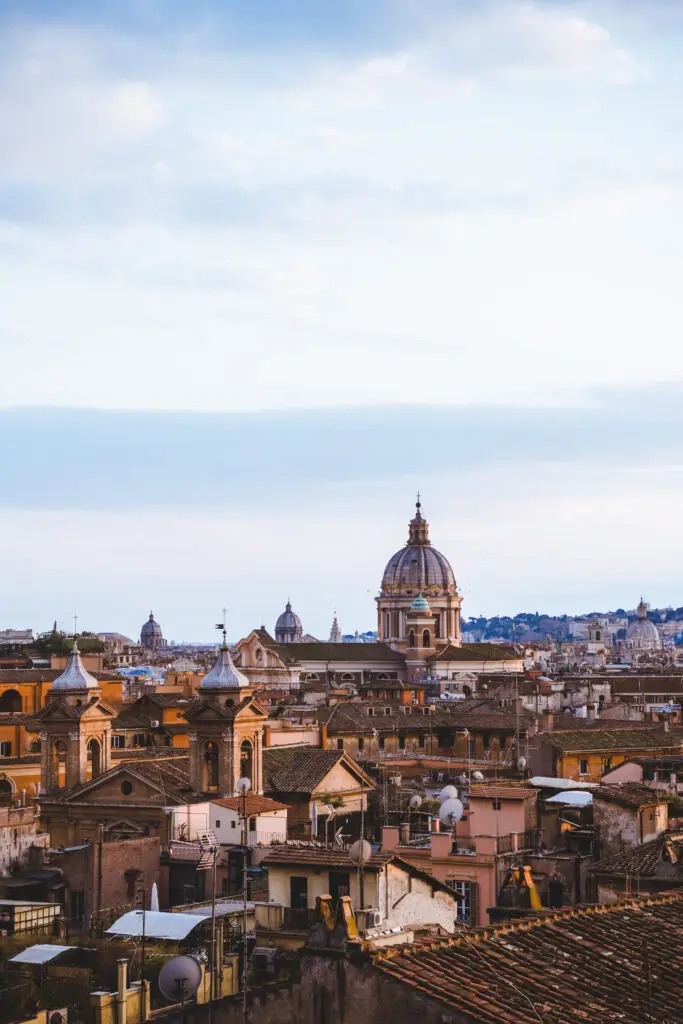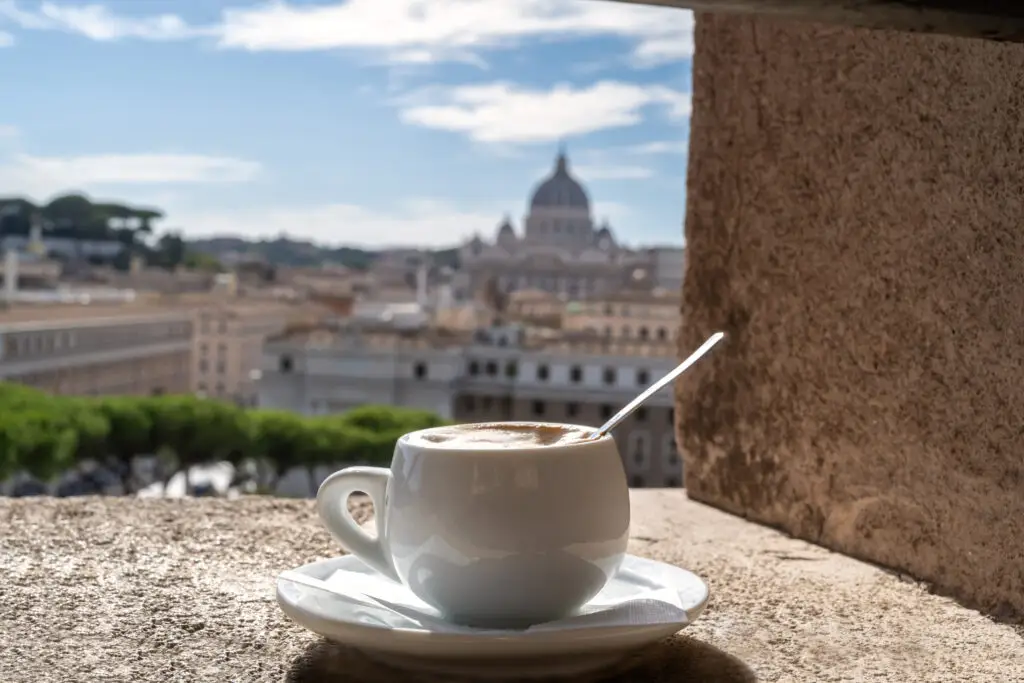
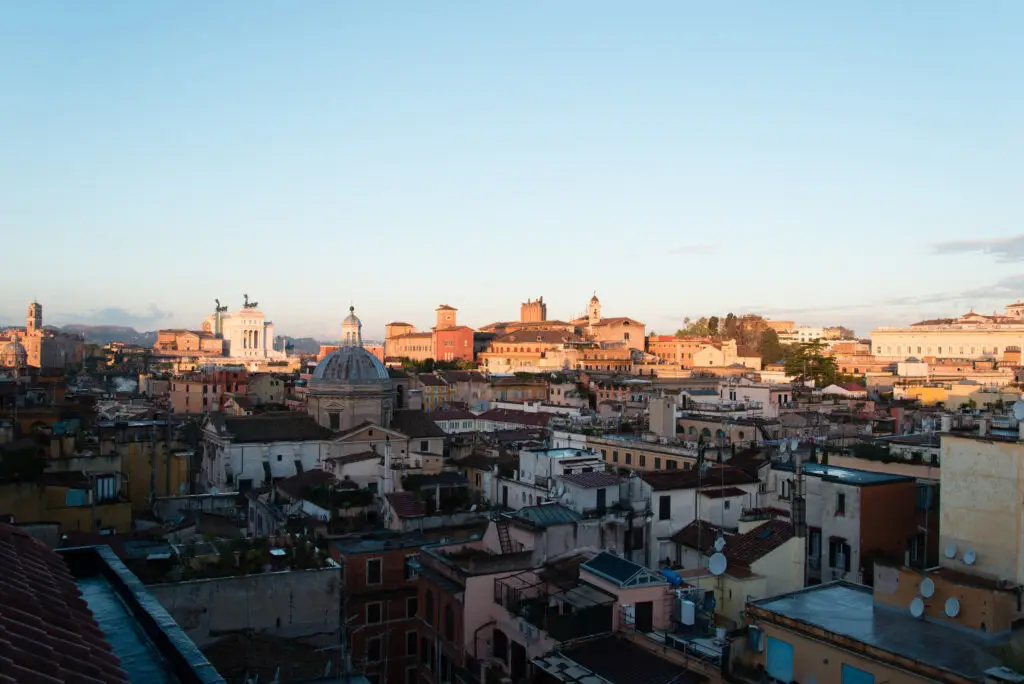
The VH Luxe destination guide

Rome, Italy

Choose the Rome you want to wake into, then protect time for culture, dining and recovery.

Recommended stay

4–

5 nights

Best time

Spring and autumn are the default for cultural walking. Summer works with early touring and a protected midday reset; late autumn and winter can suit museums and food when shorter days and rain are built into the pace. Holidays and events still require live checks.

Primary gateway

Rome Fiumicino Airport (FCO)

Journey context

A focused city stay or the cultural opening chapter of a wider Italian journey.

Curator’s verdict

Rome feels luxurious when the day begins in the right neighborhood and only one major cultural anchor is asked to carry each morning. Choose room orientation and vehicle access as carefully as the hotel, then use gardens, long lunches and spa as part of the itinerary—not as recovery from overplanning.

Choose well

Which Rome should be outside your door?

Treat the Tridente, historic core, Villa Borghese/Via Veneto and Monti/ancient Rome as the four primary bases. Prati is the specialist Vatican-first option; Repubblica is the specialist rail-and-grand-dame option. Choose for atmosphere, walking pattern, curb access and quiet before comparing hotel brands.

Rome Hero 01

First visits, fashion, central evening walks and polished dining

Spanish Steps & Tridente

This is the most immediate version of central Rome for travelers who want shops, restaurants and celebrated streets just outside the hotel.

Worth knowing

Foot traffic, service activity and vehicle constraints can challenge quiet. Exact block, floor and room orientation matter.
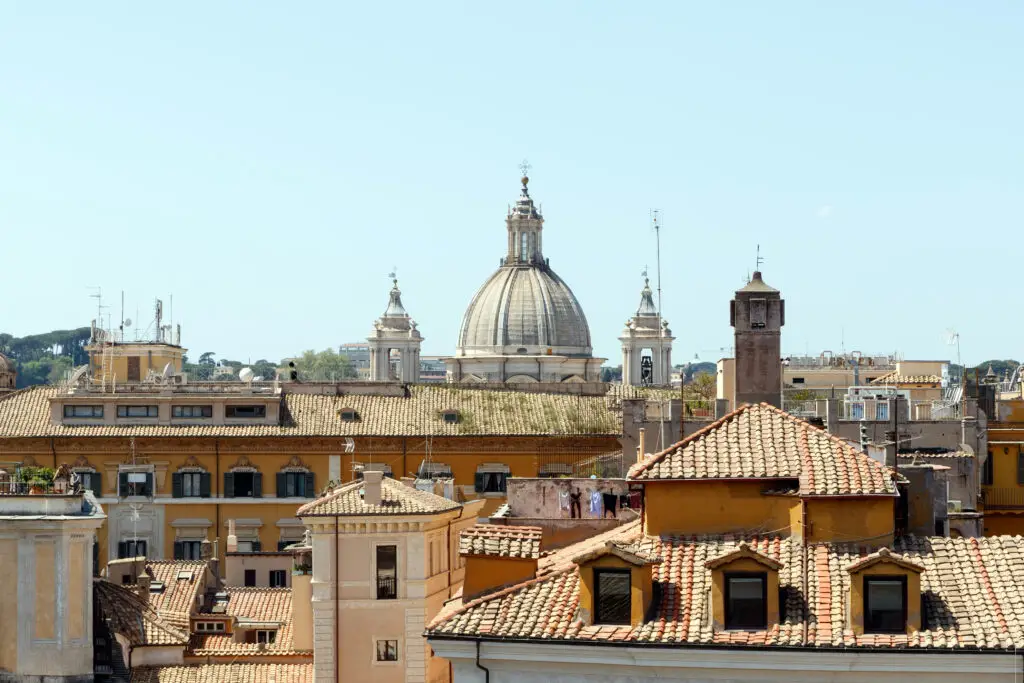
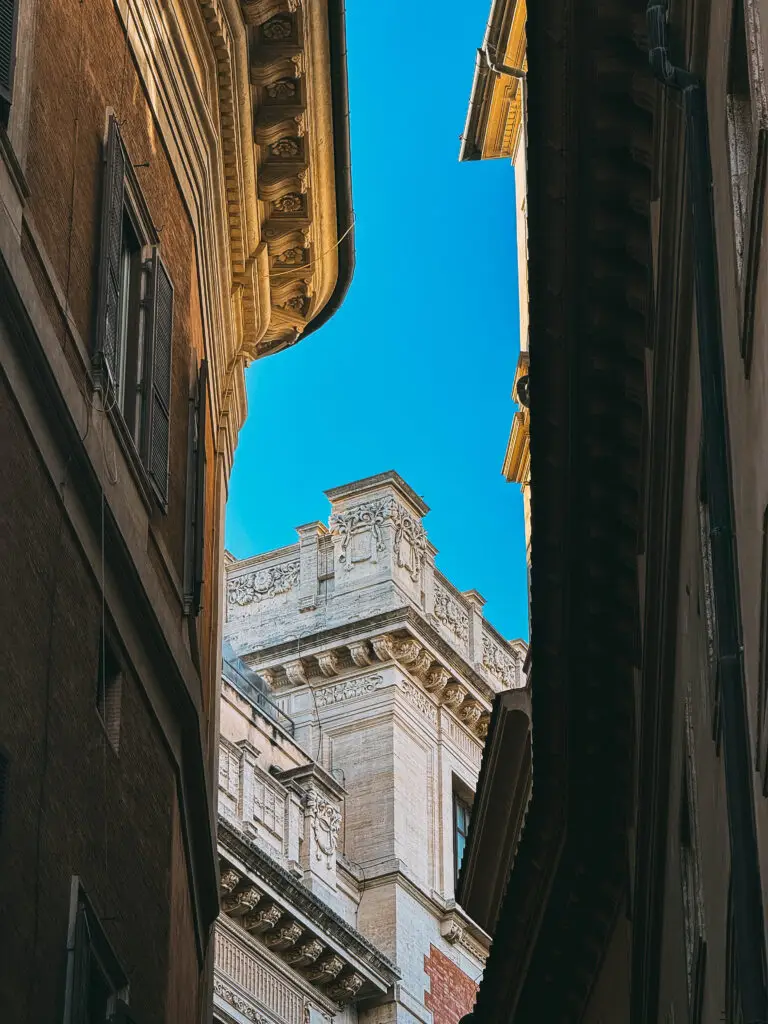
Rome Landscape 01

Pantheon–Trevi proximity, atmospheric evenings and short-stay efficiency

Centro Storico

A historic-core address makes monument-led walks and evening atmosphere easy, particularly when every day begins on foot.

Worth knowing

Narrow streets, bells, crowds, restaurant noise and limited curb access can make one block very different from the next.

Rome Culture 01

Garden access, discreet service, city views and somewhat easier car movements

Villa Borghese & Via Veneto

The Villa Borghese edge balances central access with greener surroundings and a calmer grand-hotel tradition.

Worth knowing

Some historic-core dinners and sights require a longer walk or car. Garden-facing and street-facing rooms can feel unrelated.

Rome Culture 02

Colosseum atmosphere, archaeology, independent dining and repeat visitors

Monti & Ancient Rome

Monti and the ancient-Rome edge give the Forum and Colosseum a stronger role in the daily landscape, with a neighborhood texture distinct from the Tridente.

Worth knowing

Ultra-luxury inventory is limited, while cobbles, nightlife and visitor flow affect calm. A monument view does not guarantee easy logistics.

Vatican-first stays, broader streets and a more residential evening rhythm

Prati & Vatican side

Prati can suit travelers who want repeated Vatican-side access and a less theatrical neighborhood setting with useful dining and shopping.

Worth knowing

River crossings add time to repeated Pantheon, Trevi, Monti or Tridente evenings, and the hotel shortlist needs careful quality control.

Grand-dame atmosphere, rail-connected journeys and efficient short stays

Repubblica & Termini edge

This area can simplify onward Italian rail and offers a metropolitan grand-hotel experience rather than a tiny-lane historic-core stay.

Worth knowing

The streetscape is less postcard-like than the Spanish Steps or Pantheon, so exact hotel and street selection carry more weight.

A considered introduction

Rome rewards travelers who edit. The city’s monuments are only part of the experience; the quality of a stay also depends on the first street outside the hotel, the room’s exposure, the timing of a museum entry and whether the afternoon has enough space for food, gardens or rest.

Begin with neighborhood, then match the hotel’s personality and room strategy. A Spanish Steps address, a garden-edge retreat, a historic-core wellness hotel and a grand dame near the rail hub can all be excellent, but they create different versions of Rome.

Advisor note

Advisor perspective: I would anchor each morning with one substantial cultural experience and avoid stacking Rome’s most demanding sites into the same day. The right neighborhood and a quiet room make the city feel more generous; the right spa or garden pause keeps the itinerary from becoming endurance travel.

What stays with you

Signature experiences

Rome Culture 01

Ancient Rome

Colosseum and Forum with timed-entry discipline

Use the official ticket rules and current sales window, choose the appropriate park itinerary and give ancient Rome one focused morning. No skip-the-line or restricted-area access is assumed.

Rome Dining 01

Vatican collections

Vatican Museums through the official ticket channel

Select a current official ticket or guided format, protect time for security and museum scale, and keep Vatican City distinct from Rome. No private, after-hours or special institutional access is promised.

Art & gardens

Galleria Borghese and Villa Borghese

Use the museum’s obligatory reservation and controlled visit window as the cultural anchor, then follow with garden time or lunch rather than another major collection.

Civic Rome

Capitoline Museums as a quieter major anchor

Position the civic collections as an alternative or repeat-visit focus. Recheck the official admission, exhibition supplement, access route and closure information before scheduling.

Food & design

A neighborhood food-and-craft afternoon

Use a vetted specialist to connect food, artisanship and street texture after a lighter morning. Avoid invented locals-only access and confirm every workshop or appointment before presenting it.

Travel restored

What makes Rome, Italy a wellness destination?

Rome supports urban recovery, not a destination-spa premise. Its best wellness plan combines a serious hotel spa with humane sightseeing density, walking calibrated to the traveler and protected time for sleep, gardens and meals.

Six Senses provides the deepest integrated pathway in the selected set, while Hotel Eden, Hotel de Russie, Bvlgari and The St. Regis provide different spa-supported versions of city recovery.

Wellness role
A meaningful restorative layer
Best for
Cultural travelers, couples and executives who want substantial recovery without giving up a central Rome itinerary
Format
Urban hotel spa, calibrated walking, garden time and one cultural anchor per morning
Ideal commitment
One spa or bathing block plus protected midday recovery across a four- or five-night stay
Intensity
Varies

For companions

Rome works well for mixed interests when the hotel has a credible spa and the schedule stays light: one traveler can choose treatment or bathing while the other enjoys a garden, café or nearby collection.

Seasonal lens

Spring and autumn support walking most naturally. Summer requires early movement and indoor midday recovery; cooler months can favor spa and museums when shorter daylight is accepted.

Use heat, water and rest as a counterpoint to cultural walking

Modern Roman bathing

Build a reserved bathing-circuit block into a Six Senses stay after a demanding museum or archaeological morning, then avoid another major site that day.

Duration
Two hours to half a day
Intensity
Gentle
Best for
Wellness-forward couples and cultural travelers who benefit from structured recovery
Consider

Confirm access, age rules, heat tolerance, contraindications, reservations and the current bathing-circuit operation.

Create a quiet, contained treatment experience after arrival or touring

Private-suite recovery

Use Hotel Eden’s private spa-suite model for a scheduled treatment and unhurried reset, with the rest of the afternoon protected from timed commitments.

Duration
Treatment block and recovery time
Intensity
Gentle
Best for
Couples, privacy-sensitive travelers and post-flight recovery
Consider

check the live suite setup, treatment menu, practitioner, reservation conditions, suitability and any companion arrangement.

Keep movement restorative rather than turning Rome into an endurance test

Garden-and-walking rhythm

Pair one substantial morning with Villa Borghese, shaded streets, a long lunch and an early return to the hotel instead of adding a second blockbuster site.

Duration
Half day woven into the itinerary
Intensity
Moderate
Best for
Travelers who enjoy walking but need a more sustainable cultural pace
Consider

Calibrate distance for heat, cobbles, gradients and mobility. A garden or walking day still requires seating, hydration and a vehicle backup.

Wellness descriptions explain travel format and suitability, not medical outcomes. Confirm current facilities, practitioners, reservations, age rules, heat exposure, contraindications and access for the intended dates.

Timing the journey

When to go

Spring and autumn are the default for cultural walking. Summer works with early touring and a protected midday reset; late autumn and winter can suit museums and food when shorter days and rain are built into the pace. Holidays and events still require live checks.

Mar · Apr · May · Sep · Oct

Best

Cultural walking season

Weather
Official city tourism guidance identifies spring and autumn as the strongest periods for mild temperatures and longer walking days. Conditions still vary.
Crowds
Pleasant weather does not mean low demand. Religious dates, school holidays, exhibitions and conferences can compress selected weeks.
Best for
Best general fit for first visits, long walks, garden time and dining when outdoor comfort matters.

Jun · Jul · Aug

Conditional

Early-morning summer Rome

Weather
Heat and strong sun can materially change walking and site comfort. Begin early, protect midday and choose a hotel with credible recovery facilities.
Crowds
Demand and visitor flows vary by dates and sites. Avoid unsupported crowd promises in either direction.
Best for
Works for heat-tolerant travelers, families with controlled guide windows and guests willing to make the hotel part of each afternoon.

Nov · Dec · Jan · Feb

Good

Museums, food and shorter days

Weather
Cooler temperatures, shorter daylight and possible rain shift the trip toward museums, food, churches and hotel wellness.
Crowds
Selected holidays, religious dates and exhibitions can still be busy; winter should not be sold as universally empty.
Best for
Strong for repeat visitors, art and food travelers, and guests who value indoor culture over long outdoor days.

Seasonal guidance describes itinerary fit, not guaranteed weather or demand. Reconfirm the live forecast, religious and national dates, exhibitions, site hours, hotel operations and any citywide event before publication and travel.

Value, clearly framed

Understanding trip value

No public price band is included at research-draft stage. Build a date-specific proposal from current air, exact room, transfer needs, guide format, timed admissions and chosen dining or wellness rather than publishing an evergreen figure.

What shapes the guidance

No numeric price or generic benefit is published. Room category, season, minimum stays, ticket products, guide length, transfers, taxes and cancellation terms require a live proposal.

Journey logistics

Arrive well

Fiumicino is the primary international gateway. The nonstop Leonardo express serves Roma Termini, while a prearranged car is often more practical for families, luggage, mobility needs or hotels in constrained historic streets. Select the neighborhood before deciding which arrival mode is genuinely easier.

Primary gateway Rome Fiumicino Airport (FCO)

Premium commercial air

International arrival through Rome Fiumicino

International departure cityRome Fiumicino Airport (FCO)

Premium commercial air with date-specific routing

No nonstop route, aircraft or cabin is implied. Search the actual dates and coordinate arrival with baggage, transfer mode, hotel curb access and the first day’s pace.

Rail

Fiumicino to Roma Termini by Leonardo express

Rome Fiumicino Airport railway stationRoma Termini

Nonstop airport rail · About 32min

The published journey time is indicative. Reconfirm the live timetable, fare, ticket rules, luggage practicality and the final station-to-hotel transfer for the exact travel date.

Access and mobility

Cobbles, uneven paving, heat, long museum routes, steps, small historic lifts, security queues and restricted vehicle access can all matter. Confirm the complete room-to-curb route, lift dimensions, bathroom setup, walking tolerance and every major site’s current accessibility process.

Before you go

Practical planning notes

Reservations

One major cultural anchor per morning

Colosseum, Vatican Museums and Galleria Borghese belong on separate mornings for a luxury pace. Use the rest of each day for food, gardens, neighborhood texture or spa.

Reservations

Use only official ticket channels

Ticket windows, named-entry rules and routes change. Recheck the institution’s own site and do not convert a reseller claim into public access language.

Dining

Room orientation is a planning decision

Street, garden, courtyard, rooftop and monument-facing categories can differ in sound, light and privacy. Confirm the booked category rather than the hotel in general.

Getting around

Curb access has limits

Restricted zones, pedestrian streets, security controls and narrow lanes can prevent a car from reaching the most convenient point. Confirm the final walk and luggage handoff.

Etiquette

Separate Rome from Vatican City

Vatican institutions operate under their own official rules and ticket channels. Do not blur jurisdiction or promise access beyond the current authorized product.

The VH Luxe approach

How VH Luxe composes the journey

  1. Choose the neighborhood first

    Decide how each day should begin and end before comparing hotel names or room images.

  2. Anchor the cultural mornings

    Place timed ancient Rome, Vatican and gallery visits on separate days using current official rules.

  3. Protect the recovery rhythm

    Use long lunches, gardens, spa and an unscheduled half-day to keep Rome generous rather than exhausting.

  4. Design the onward Italy sequence

    Coordinate the final hotel, station or airport transfer with the next Italian chapter rather than treating departure as an afterthought.

Paramjit Harika, VTA, CTA

Advisor-led planning

Your journey, personally considered

Paramjit Harika

Founder & Luxury Travel Advisor

I coordinate your hotel and room, premium air, transfers and key experiences as one considered journey, with one point of contact from planning through travel.

Good to know

Frequently asked questions

What is the best area to stay in Rome for a first visit?

The Spanish Steps and Tridente or the central historic core usually create the easiest first-visit rhythm. Travelers who prioritize quiet, gardens or vehicle access may prefer the Villa Borghese and Via Veneto edge. The exact block and room orientation matter more than a broad label.

What is the best luxury hotel in Rome?

There is no universal winner. Hotel de Russie suits central garden calm, Hotel Eden discreet classic luxury, Six Senses integrated wellness, Bvlgari contemporary design and The St. Regis grand-dame ceremony. Match the hotel to neighborhood, room and daily pace.

How many nights do you need in Rome?

Four to five nights is the preferred first luxury stay. Three can work for a focused introduction, while five to seven supports a slower family, repeat-visit or wellness-balanced journey.

Can you visit the Colosseum and Vatican Museums in one day?

It may be technically possible with particular tickets and transport, but it is not the recommended luxury pace. Put them on separate mornings and use the remainder of each day for food, gardens, a quieter collection or spa.

When is the best time to visit Rome?

Spring and autumn are the default for cultural walking. Summer can work with early touring and protected midday recovery; winter favors museums and food but needs shorter-day and rain planning. Current holidays, exhibitions and events still matter.

Is Rome good for wellness travel?

Yes as an urban-wellness stay with serious hotel spas, calibrated walking and intentional recovery. Rome is not automatically a clinical retreat, and no treatment or bathing experience should be presented as producing a medical outcome.