The VH Luxe destination guide

Rocky Mountain National Park & Estes Park, Colorado

Choose Estes Park as a refined east-side base, then let the correct timed-entry permit, altitude, weather and wildlife set the scale of each Rocky Mountain National Park day.

Recommended stay

4–

7 nights

Best time

Late June through September usually offers the broadest range of high-country access, but snow, lightning, wind and temporary road closures remain possible. Spring, autumn and winter reward flexible travelers who accept a different, lower-elevation journey.

Primary gateway

Denver International Airport (DEN) with a confirmed ground transfer to Estes Park

Journey context

Allow 4 to 5 nights for Estes Park and focused east-side park days, or 6 to 7 when adding a condition-ready Trail Ridge Road or west-side chapter.

Curator’s verdict

Rocky Mountain National Park becomes more restorative when access is treated as a sequence of decisions rather than a race between trailheads. The strongest journey chooses the right permit, one primary landscape and a credible lower-elevation replacement before the day begins.

Choose well

Which Estes Park and Rocky Mountain rhythm fits?

Choose the daily landscape first, then match the permit, start time, altitude and recovery to it.

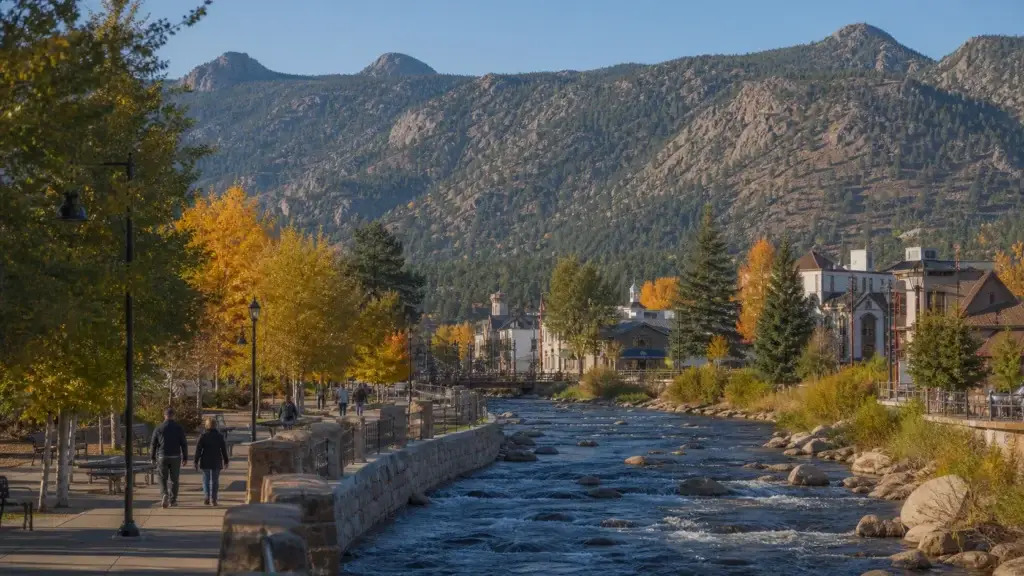
Estes Park downtown, valley or lake with mountain context

First visits, couples and families who value one comfortable base near the park's busiest east-side corridors

Use Estes Park as the east-side anchor

Estes Park supports early starts, restorative evenings and a practical reset when weather or altitude changes the park plan.

Worth knowing

The town can be busy, and proximity does not secure a timed-entry permit, parking or uncrowded trailhead.
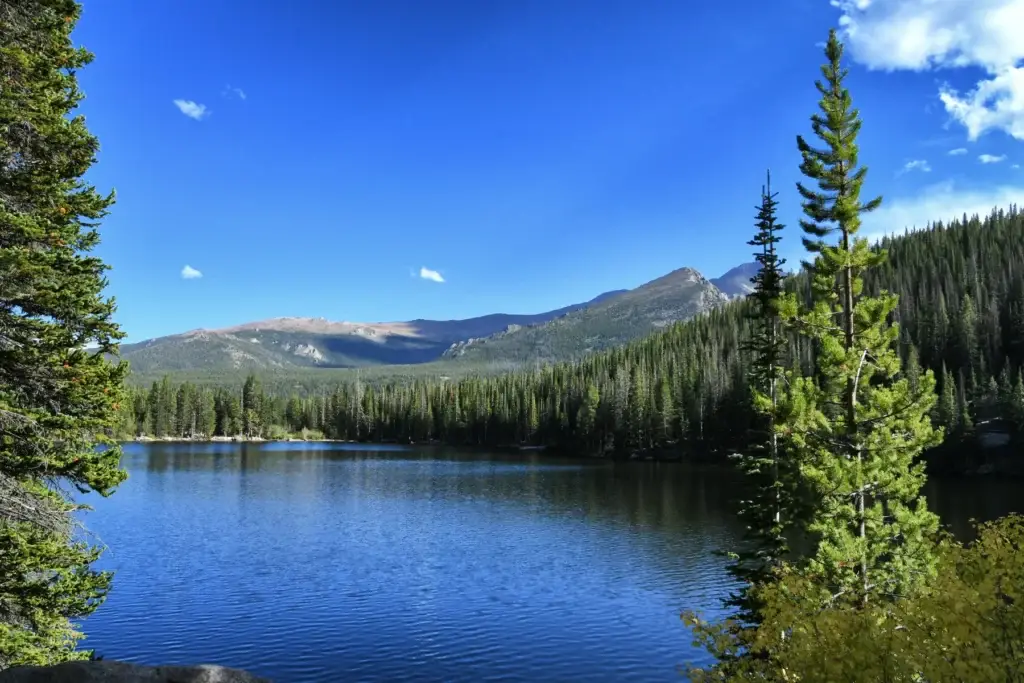
Bear Lake, Sprague Lake, Glacier Gorge or Moraine Park in Rocky Mountain National Park

Travelers prioritizing Bear Lake, Sprague Lake, Glacier Gorge or Moraine Park

Choose Bear Lake Road only when it is the day's purpose

The Bear Lake corridor deserves its own permit and a focused plan, with shuttles used to reduce repeated parking decisions.

Worth knowing

Timed Entry + Bear Lake Road controls entry during stated hours but does not guarantee parking, weather, trail access or quiet.

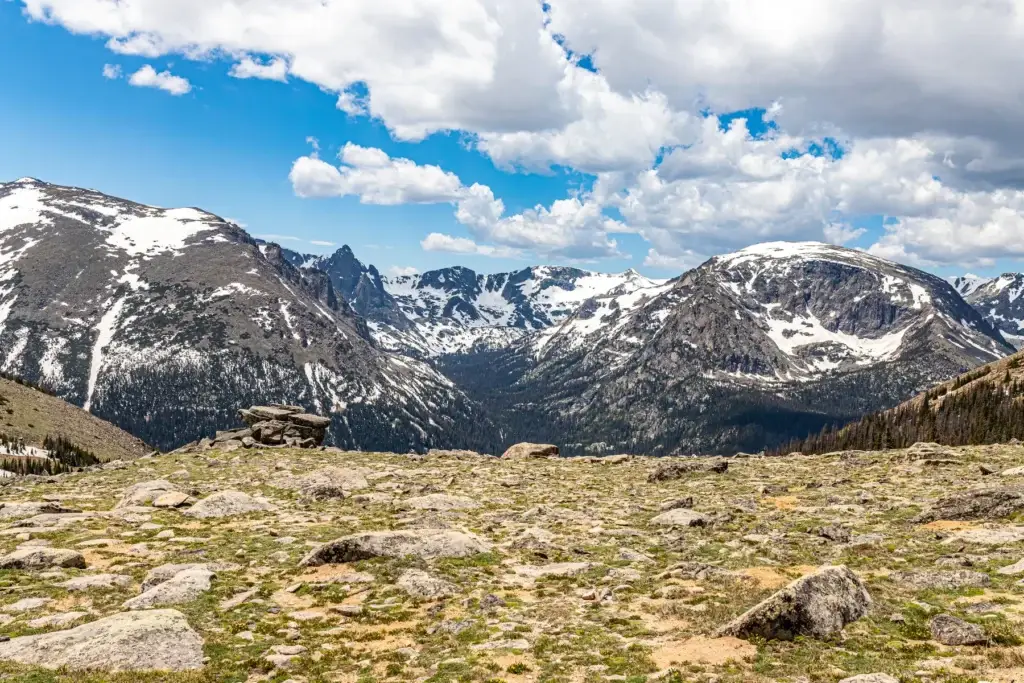
Travelers comfortable with rapid elevation gain, exposed weather and condition-led scenic stops

Treat Trail Ridge Road as a separate alpine chapter

Build the high road around acclimatization, current status and short alpine intervals rather than a fixed mileage target.

Worth knowing

The road is seasonal and can close temporarily for snow, ice, wind, traffic or emergency operations.

Mixed-ability groups, recent arrivals and travelers affected by altitude or changing weather

Use a lower-elevation day as a design choice

A meadow, forest or Estes Park interval can protect the rest of the journey when the high country is not the right choice.

Worth knowing

A celebrated viewpoint may be omitted in exchange for safety, comfort and a stronger following day.

A considered introduction

Estes Park places travelers near the park's east-side entrances, Bear Lake Road and Trail Ridge Road, while retaining restaurants, lodging and recovery outside the park. It does not remove the need for timed entry, current road checks, shuttle planning or altitude judgment.

Four or five nights suits a focused east-side journey. Six or seven allows a condition-ready alpine or west-side chapter without compressing recovery.

Advisor note

Advisor perspective: I would use Estes Park when one comfortable base and flexible east-side access matter more than checking off every valley. The correct timed-entry product should be chosen from the actual daily objective, with altitude, weather and a credible replacement reviewed before departure. VH Luxe Travels can coordinate tailored arrangements where applicable, with every vehicle, guide and access element confirmed before travel.

What stays with you

Signature experiences

Trail Ridge Road or Alpine Visitor Center in Rocky Mountain National Park

Alpine ecology

Read Trail Ridge Road from forest to tundra

With an authorized naturalist or guide, connect elevation, wind, snow and fragile tundra while current road and lightning conditions determine how far the day proceeds.

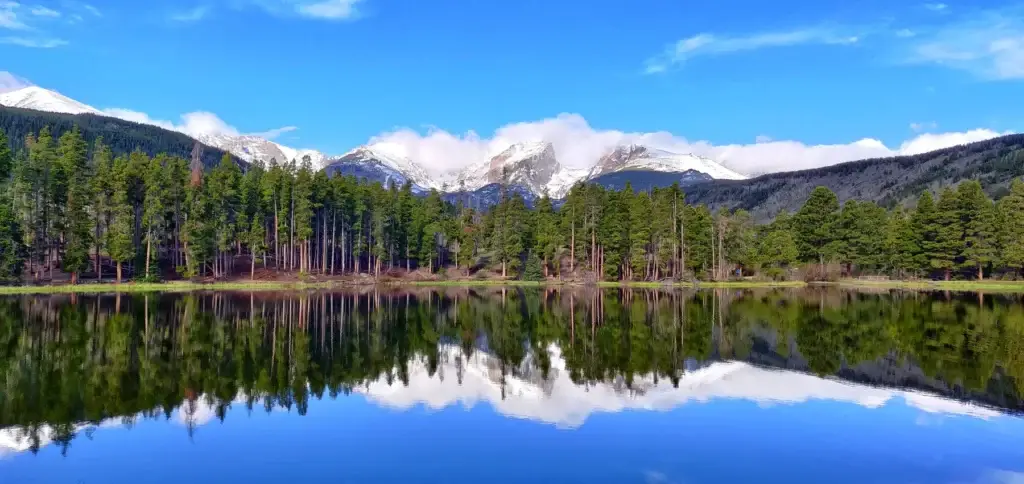
Bear Lake, Sprague Lake, Glacier Gorge or another exact Bear Lake Road location

Lake and forest

Give Bear Lake Road one clear purpose

Use the correct permit and shuttle strategy for an ability-matched lake or forest interval, avoiding the temptation to combine every trailhead in one day.

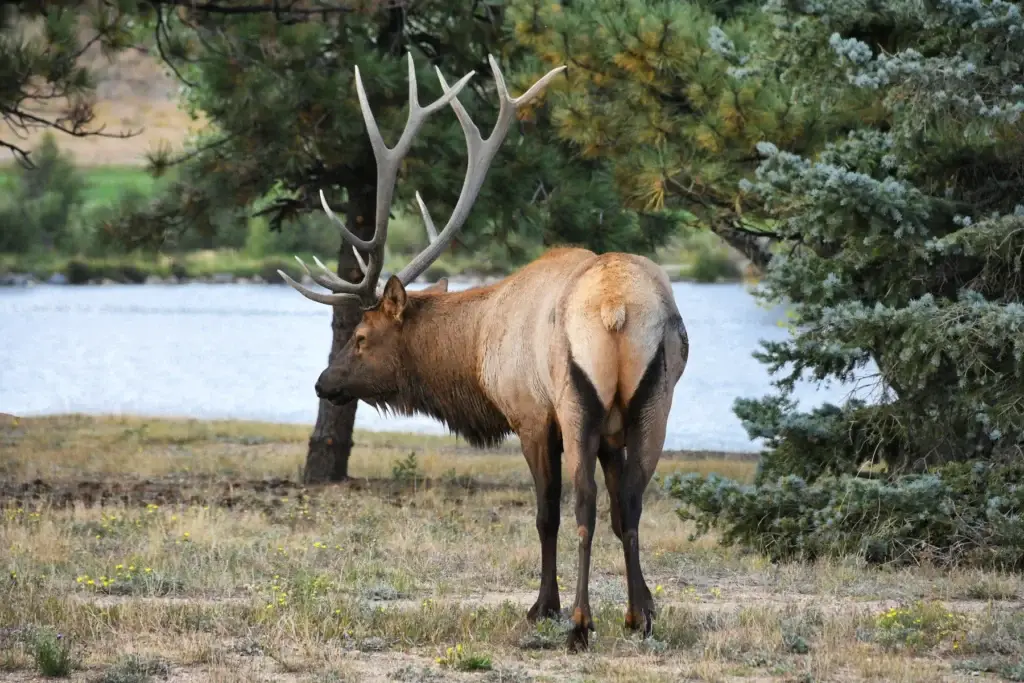
Elk or meadow wildlife in Moraine Park, Horseshoe Park or another exact RMNP location, photographed from a safe distance

Wildlife ethics

Watch meadow life without changing it

A qualified naturalist can interpret elk and meadow ecology from the required distance, with no calls, baiting, crowding or promise of a sighting.

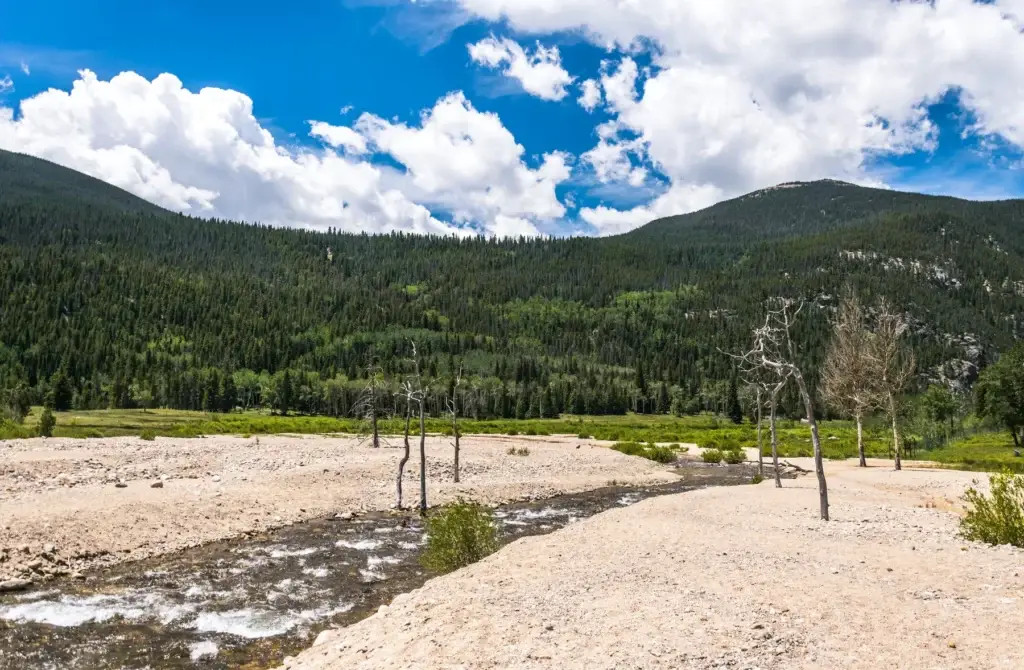
Mountain River In The Rocky Mountains. Nature Of Colorado

Living histories

Place the park inside a longer human history

Use NPS Tribal-partner interpretation and named Tribal first voice to understand seasonal homelands, displacement and continuing relationships without packaging culture as access.

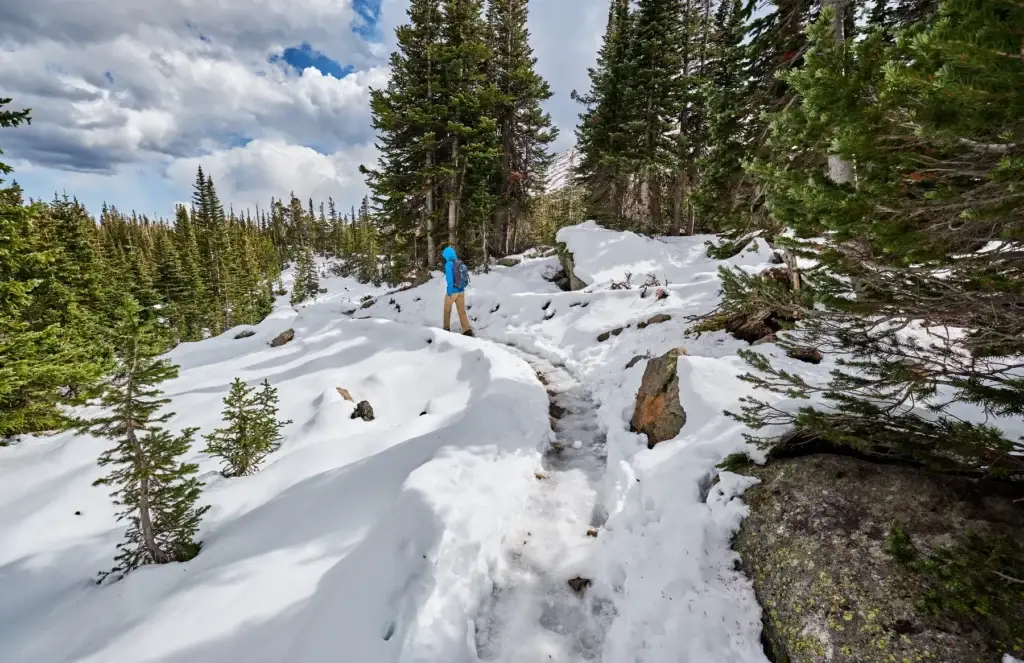
Rocky Mountain National Park winter trail, snowshoe route or safely accessible snow landscape

Winter landscape

Let snow narrow the day well

Choose one ranger-informed or qualified guided winter route, then protect warmth and recovery while road, avalanche, ice and weather conditions govern the objective.

Travel restored

What makes Rocky Mountain National Park & Estes Park, Colorado a wellness destination?

What makes Rocky Mountain National Park and Estes Park a wellness destination?

This landscape teaches responsive effort: acclimatize before ascending, choose one meaningful outdoor objective and stop before altitude or weather takes more than the day can restore. Research suggests nature exposure may influence perceived stress and some short-term physiological measures, but results vary and the park is not treatment. The lasting practice is to treat restraint as part of performance.

Wellness role
A primary reason to travel
Best for
Travelers seeking nature, measured challenge, deeper recovery and a durable habit of responding early to physical and environmental signals
Format
Private or small expert-led interpretation, ability-matched movement, deliberate acclimatization and protected recovery
Ideal commitment
One primary landscape each day, one credible lower-elevation replacement and unprogrammed recovery before the next ascent
Intensity
Varies

For companions

Strong for couples and multigenerational travelers when altitude, mobility, weather and wildlife are matched individually.

Seasonal lens

Summer offers the widest likely alpine range; spring, autumn and winter require different objectives rather than reduced versions of summer.

Let the body set the first day's ceiling

Acclimatization before ambition

Begin with a lower-elevation, low-intensity interval near Estes Park before adding high-road or strenuous objectives.

Duration
First 24 hours, then reassess
Intensity
Gentle
Best for
Recent arrivals and travelers coming from near sea level
Consider

Fitness does not prevent altitude illness. Stop ascending if symptoms appear and descend for worsening symptoms.

Lower stimulation without turning nature into a task

Forest and lake attention

Use a private naturalist for a quiet, ability-matched interval near Sprague Lake, Bear Lake or an appropriate forest route.

Duration
60 to 90 minutes
Intensity
Gentle
Best for
Travelers balancing park ambition with sensory recovery
Consider

Permit, shuttle, trail, wildlife, ice and weather conditions require current review.

Protect capacity before altitude or storms force the decision

Alpine effort with an early stop

Let a qualified guide shorten, relocate or replace movement, with a conservative turnaround and unprogrammed recovery afterward.

Duration
Half day plus recovery
Intensity
Varies
Best for
Active travelers who value longevity over completion
Consider

Altitude, lightning, temperature and medical considerations must be assessed individually.

Replace pursuit with patient observation

Wildlife-distance practice

Use binoculars or a long lens with a naturalist, staying mobile and well outside required distances without attracting an animal's attention.

Duration
One quiet dawn or dusk interval
Intensity
Gentle
Best for
Travelers seeking attention, restraint and ecological meaning
Consider

Sightings are unpredictable. Wildlife distance, closures and ranger directions always control the experience.

Wellness descriptions do not promise diagnosis, treatment, biomarker change or longevity. Activities must be matched to current altitude, weather, wildlife, terrain, accessibility and individual medical needs.

Timing the journey

When to go

Late June through September usually offers the broadest range of high-country access, but snow, lightning, wind and temporary road closures remain possible. Spring, autumn and winter reward flexible travelers who accept a different, lower-elevation journey.

May · Jun

Conditional

Late spring and early summer

Weather
Lower elevations may open while high roads and trails retain snow, ice and variable conditions.
Crowds
Timed entry begins May 22 and demand rises before full alpine access is assured.
Best for
Estes Park, meadows, forest, lower lakes and condition-led early-season movement.

Jul · Aug · Sep

Best

High summer

Weather
The broadest likelihood of high-road access, with lightning, wind, hail, smoke and sudden cold still possible.
Crowds
Timed entry, shuttles, parking and popular trails face peak demand.
Best for
Condition-ready Trail Ridge Road, Bear Lake corridor and expert-led alpine ecology.

Oct · Nov

Conditional

Autumn transition

Weather
Shorter days, cold, snow and seasonal road closures can narrow access quickly.
Crowds
Timed entry continues through October 18, 2026, while later dates can feel quieter with fewer services.
Best for
Meadows, wildlife at a safe distance, lower forests and Estes Park recovery.

Dec · Jan · Feb · Mar · Apr

Good

Winter and early spring

Weather
Snow, ice, wind, avalanche terrain and rapidly changing roads define the daily plan.
Crowds
Winter weekends can be busy even while roads, facilities and services are reduced.
Best for
Estes Park, ranger-informed winter movement and lower-elevation recovery.

Timed entry, roads, shuttles, parking, weather, smoke, snow, lightning, wildlife, trails and seasonal services change. Confirm the exact travel week and each day's live operating status.

Value, clearly framed

Understanding trip value

Custom quote based on exact dates, accommodations, private vehicle, authorized guides, timed-entry logistics and seasonal availability. No public package price is stated.

What shapes the guidance

4 to 7 nights for two travelers; accommodations, transfers, guides, park logistics and confirmed experiences priced at proposal stage.

Journey logistics

Arrive well

Denver International Airport is the principal commercial-air gateway. Arrange a private vehicle, driver or listed mountain carrier in advance, allowing for traffic, weather, luggage and mobility needs. Within the park, timed entry, parking and shuttle rules still govern the day.

Primary gateway Denver International Airport (DEN) with a confirmed ground transfer to Estes Park

Premium commercial air

Arrive through Denver

Confirmed origin cityDenver International Airport (DEN)

Scheduled air and confirmed ground transfer

Reconfirm weather, traffic, luggage, vehicle and mobility needs. A mountain transfer does not include park entry or trailhead access.

Final transfer

Enter from Estes Park with the correct permit

Estes ParkBeaver Meadows or Fall River entrance

Confirmed private vehicle, driver or authorized commercial service

Choose Timed Entry + Bear Lake Road when that corridor is the objective. Standard Timed Entry does not include Bear Lake Road. Entrance fees are separate.

Final transfer

Use the Hiker Shuttle as an access strategy

Estes Park Visitor CenterBear Lake Road Park & Ride

Reserved Hiker Shuttle plus free in-park shuttle

Every Hiker Shuttle passenger requires a reservation. Dates, times, capacity, return service and stop accessibility require live confirmation.

Access and mobility

Confirm airport and vehicle assistance, shuttle boarding, path surface, grade, seating, restroom access, altitude exposure and weather against the traveler's exact needs. NPS states that park shuttles are wheelchair accessible, but individual stops and outdoor routes can still present barriers.

Before you go

Practical planning notes

Reservations

Choose the permit from the objective

Standard Timed Entry excludes Bear Lake Road; Timed Entry + Bear Lake Road includes it and the rest of the park.

Wellness

Acclimatize before ascending

Use the first day to assess altitude response before committing to the high country.

Getting around

Keep one lower-elevation replacement

Every alpine objective needs a credible alternative for weather, road status or physical response.

Etiquette

Observe wildlife without pursuit

Maintain current NPS distances and never call, bait, feed or crowd an animal for a photograph.

The VH Luxe approach

How VH Luxe composes the journey

  1. Choose the east-side base

    Let early access and restorative evenings justify Estes Park.

  2. Match the permit to the landscape

    Decide whether Bear Lake Road is truly the day's purpose before reserving.

  3. Protect the body and the sky

    Use acclimatization, an early start and a conservative turnaround to govern effort.

  4. Carry home responsive effort

    Keep the habit of changing course before conditions or ambition demand it.

Paramjit Harika, VTA, CTA

Advisor-led planning

Your journey, personally considered

Paramjit Harika

Founder & Luxury Travel Advisor

I coordinate your hotel and room, premium air, transfers and key experiences as one considered journey, with one point of contact from planning through travel.

Good to know

Frequently asked questions

Is Estes Park a good base for Rocky Mountain National Park?

Yes for travelers who value one comfortable east-side base, early starts and restorative evenings, but it does not remove timed-entry, parking, altitude or weather constraints.

How many nights do you need for Estes Park and Rocky Mountain National Park?

Allow 4 to 5 nights for focused east-side park days, or 6 to 7 when adding a condition-ready Trail Ridge Road or west-side chapter.

Do you need timed entry for Rocky Mountain National Park in 2026?

Yes during stated hours from May 22 through October 18, 2026. Standard Timed Entry excludes Bear Lake Road, while Timed Entry + Bear Lake Road includes that corridor and the rest of the park.

Is Trail Ridge Road guaranteed to be open?

No. It is seasonal and can close temporarily for snow, ice, wind, traffic or emergency operations. Check the official road status on the day.

Are wildlife sightings guaranteed?

No. Wildlife is unpredictable, and current NPS distance rules apply whether or not an animal is visible.

What makes Rocky Mountain National Park and Estes Park a wellness destination?

Its strongest wellness value is responsive effort: acclimatization, ability-matched movement, nature attention and stopping before altitude or weather compromises recovery.