The VH Luxe destination guide

Prince Edward Island

Last updated 12 August 2026

Choose the island chapter first, then let tides, harvests and public culture set the pace.

Recommended stay

6–

8 nights

Best time

Choose July and August for the broadest beach, park, cultural and dining operations. June and September can feel calmer and support strong cycling or culinary travel, but every beach service, public program, course, vessel and producer must be checked.

Primary gateway

Charlottetown Airport (YYG), followed by a confirmed vehicle or licensed driver

Journey context

A six-night stay supports Charlottetown and one coastal chapter. Seven or eight nights add Points East or a western food and Mi'kmaq culture chapter without.

Curator’s verdict

Prince Edward Island is small enough to tempt overplanning and varied enough to punish it. Its luxury comes from clear regional choices: Charlottetown for arts and table culture, the North Shore for park and dunes, Points East for cycling and quieter harbours, and western routes for Mi'kmaq first voice and producer-led foodways.

Choose well

Which island rhythm should lead the journey?

Choose the regional bases, beach conditions and one active or culinary anchor before filling the route.

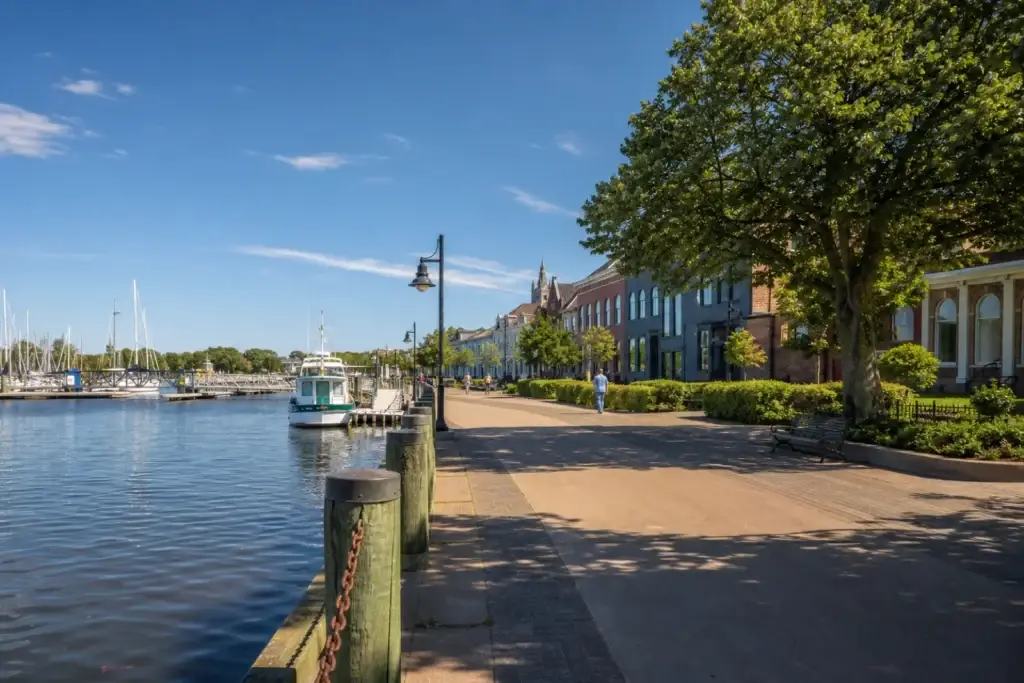
Documented Charlottetown waterfront, streetscape or public cultural district

First visits, culture-led couples and travelers combining arts with coastal time

Use Charlottetown as an opening, not the only base

Begin with the capital's galleries, theatre and table culture, then move to the coast that matches the journey rather than commuting across the island every day.

Worth knowing

A second base adds one move but reduces repeated driving and makes early or late coastal hours easier.
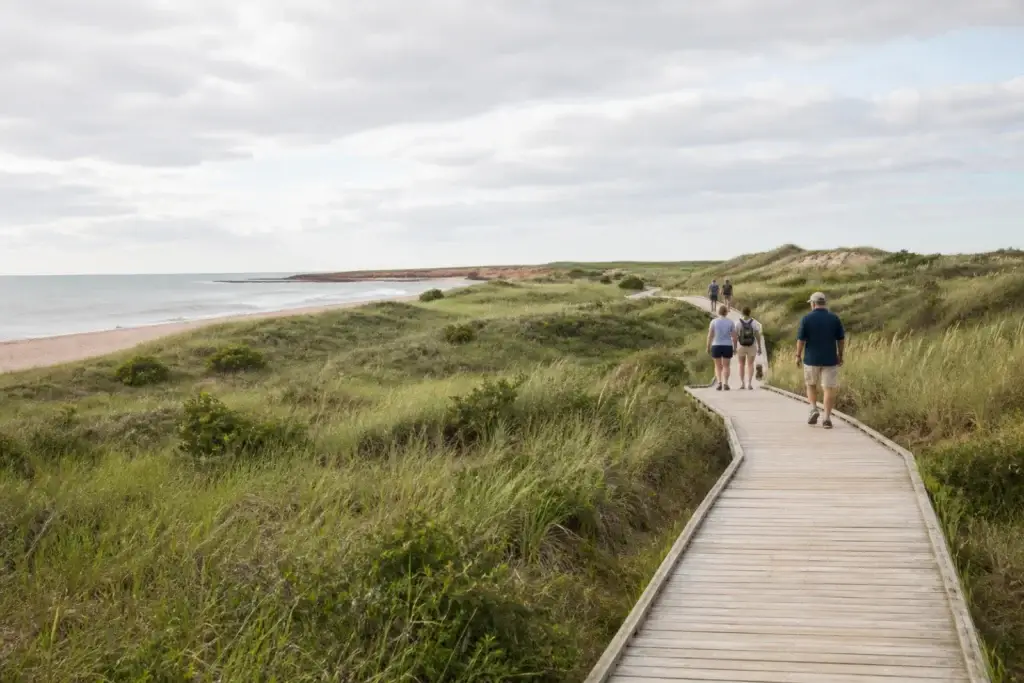
Documented PEI National Park supervised beach or authorized public dune boardwalk

Families, swimmers, walkers and travelers with mobility considerations

Choose the beach by conditions, not the postcard

Match the day to supervised access, surf flags, tides, wind, parking, cliff stability, dune closures and current accessibility.

Worth knowing

The most photographed shore may not be the safest or most suitable beach that day.

Active couples, multigenerational groups and travelers who prefer one clear daily purpose

Let cycling, golf or food set the active anchor

Choose one Confederation Trail section, one condition-matched course or one producer-led food route, then build the regional base around it.

Worth knowing

Trying to cycle, golf and tour producers in the same day weakens recovery and increases transfers.

Travelers considering Points East, Lennox Island or the North Cape routes

Give east and west their own reasons

Use Points East for Greenwich, cycling and harbours. Use western routes for current Mi'kmaq public culture and named oyster, farm and coastal producers.

Worth knowing

Both regions can fit only when seven or eight nights protect separate chapters and current operations.

A considered introduction

Charlottetown is the most practical opening, but not the whole island. Give the capital one cultural and culinary chapter, then move to a coastal base that matches the primary purpose rather than returning across the province after every day.

Six nights can support Charlottetown and one coastal region. Seven or eight allows a second coast, a western food and culture chapter or Points East without converting beaches, golf, farms and fishing communities into roadside stops.

Advisor note

Advisor perspective: I would reserve one Charlottetown arts evening, one current first-voice Mi'kmaq experience and one producer-led food day, then leave beach, cycling and golf choices responsive to conditions. The strongest island journey has fewer daily crossings than the map first suggests.

What stays with you

Signature experiences

Mi'kmaq first voice

Enter Epekwitk through a current public program

Use the Lennox Island Mi'kmaq Culture Centre or L'nuey-collaborated interpretation at Skmaqn-Port-la-Joye-Fort Amherst. Confirm the public schedule and let the host define the story, language and boundaries.

Foodways

Follow one ingredient from place to plate

Work with a current listed fisher, farmer or producer to understand the named bay, field, harvest and handling behind oysters, mussels, lobster, potatoes or another in-season ingredient, then pair it with a chef-led meal.

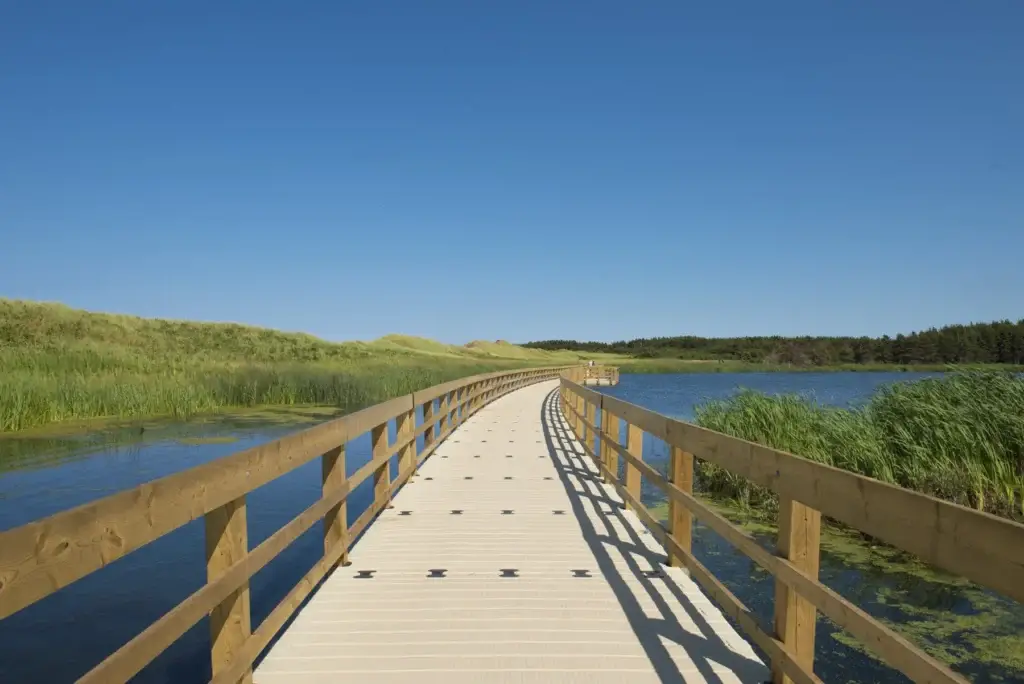
Documented Greenwich dunes trail, floating boardwalk or public beach within PEI National Park

Coastal stewardship

Read Greenwich beyond the boardwalk

Use Parks Canada interpretation and the live trail plan to understand the parabolic dunes, wetlands, beach habitat and species protections. Stay on authorized surfaces and let closures define the route.

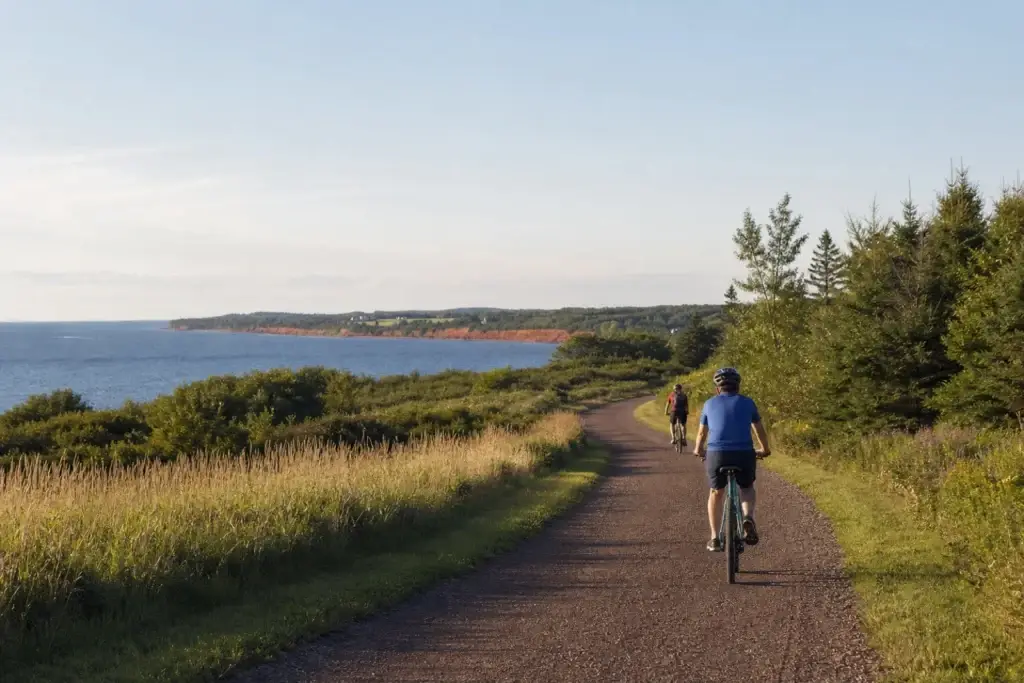
Documented Confederation Trail section with safe cycling context and precise PEI location

Cycling

Ride one coherent Confederation Trail chapter

Choose an ability-matched former rail section around St. Peters, Morell, Georgetown or another confirmed region, with the correct bicycle, support, weather plan and return logistics.

Arts and table

Give Charlottetown one complete cultural evening

Pair a current public gallery, theatre or heritage program at the Confederation Centre of the Arts with a reserved dinner that identifies Island farmers, fishers or producers rather than treating local food as a slogan.

Travel restored

What makes Prince Edward Island a wellness destination?

What makes Prince Edward Island a wellness destination?

PEI replaces speed with an island cadence shaped by rail-grade movement, tides, harvests and distinct coastal communities. The lasting shift is learning to let conditions and relationships decide the day instead of trying to complete the map.

Wellness role
A primary reason to travel
Best for
Couples, executives, active families and multigenerational travelers seeking gentle movement, food connection and lower-stimulation coastal time
Format
First-voice public learning, condition-led beach time, supported rail-trail cycling and producer-led food attention
Ideal commitment
One regional anchor per day, one protected weather alternative and enough time to eat without another transfer
Intensity
Gentle

For companions

Strong for mixed abilities when beach access, trail surface, vehicle support and cultural venues are confirmed independently and cycling or golf remains optional.

Seasonal lens

June through September supports the broadest overlap of public culture, beaches, cycling, golf and food experiences. Other months require an intentionally seasonal plan with fewer visitor services.

Begin with relationship and first voice rather than a visitor-authored island story

Epekwitk listening

Attend a current public Mi'kmaq program and let the host define Epekwitk, language, history and contemporary community on their own terms.

Duration
One public program
Intensity
Gentle
Best for
Travelers seeking cultural depth and a more respectful frame
Consider

Mi'kmaq teachings are not a wellness technique. Do not request ceremony, private access or personal instruction outside the published offer.

Use water conditions to replace fixed scheduling with attentive choice

Tide-led pause

Check tides, surf, flags and staff guidance, then choose walking, supervised swimming or a sheltered alternative around the coast's actual state.

Duration
Ninety minutes to half a day
Intensity
Gentle
Best for
Beach travelers, families and anyone seeking lower-stimulation coastal time
Consider

Ocean and cliff hazards remain. Never use calm appearance, absence of flags or an old forecast as proof of safe conditions.

Sustain conversation and sensory attention through steady movement

Rail-grade rhythm

Ride an ability-matched Confederation Trail section with a supported turnaround, noticing farmland, woodlots and communities instead of measuring the day by total kilometres.

Duration
Two to four hours
Intensity
Moderate
Best for
Couples, active families and multigenerational groups using suitable equipment
Consider

Confirm surface, closures, bicycle fit, helmet, weather, road crossings and support. Cycling access does not apply during the winter snowmobile-control period.

Reconnect a meal with the people, waters and fields that produced it

Harvest attention

Follow one current ingredient through a named producer and an unhurried meal, using season and provenance to focus attention rather than abundance.

Duration
A half day and dinner
Intensity
Gentle
Best for
Culinary travelers and families curious about working food landscapes
Consider

Harvests, vessels, shellfish, farms and kitchens are regulated working environments. Confirm allergies, mobility, weather, licensing and current access.

Wellness language describes respectful listening, sensory attention, gentle movement and food connection. A systematic review found lower short-term perceived and physiologic stress measures in many included nature-exposure studies, but methods varied and no medical, biomarker, sleep or longevity outcome is promised.

Timing the journey

When to go

Choose July and August for the broadest beach, park, cultural and dining operations. June and September can feel calmer and support strong cycling or culinary travel, but every beach service, public program, course, vessel and producer must be checked.

Jul · Aug

Best

Full summer operations

Weather
Warm days can alternate with wind, rain, fog and changing surf. Water conditions remain dynamic.
Crowds
This is the busiest park and island period. Beaches, parking, dining, theatre, golf and experiences can reach capacity.
Best for
Best for the broadest overlap of supervised beaches, park services, public culture, cycling, golf and food experiences.

Jun · Sep

Best

Quieter coastal and culinary window

Weather
Layering is essential around cooler mornings, wind, rain and variable beach conditions.
Crowds
Demand often eases outside peak hours, while some operators use shorter schedules.
Best for
Strong for cycling, food travel, art and quieter park time when every seasonal component is confirmed.

May · Oct

Conditional

Shoulder operations

Weather
Cool air, storms, surf and soft trail or cliff conditions can alter outdoor plans.
Crowds
The island can feel quiet because beaches, tours, restaurants, courses and cultural programs may be reduced or closed.
Best for
Suitable for food, arts, walking and golf only when the exact regional offer is operating.

Nov · Dec · Jan · Feb · Mar · Apr

Conditional

Winter and early spring

Weather
Snow, ice, wind, storms and limited daylight require winter-specific road and outdoor planning.
Crowds
Very low visitor volume reflects reduced operations, not unrestricted access.
Best for
Works for an intentionally winter-specific arts, food or snow plan. Confederation Trail cycling is not available during the snowmobile-control period.

Flights, bridge and ferry conditions, beaches, surf, trails, dunes, cliffs, species closures, cultural programs, golf, cycling, food operators, weather and visitor services change. Recheck every component shortly before travel.

Value, clearly framed

Understanding trip value

Custom quote based on exact season, air cabin, vehicle or licensed driver, cultural programs, food experiences, cycling support, golf, park access and arts reservations. No public package price is stated.

What shapes the guidance

Six to eight nights for two travelers, with Charlottetown and one or two coastal bases. Local park, operator, restaurant, course and supplier charges may be quoted in CAD.

Journey logistics

Arrive well

Charlottetown Airport is the primary air gateway. Confederation Bridge and the seasonal Wood Islands ferry can support road arrivals, but bridge wind controls, ferry schedules and weather remain live operating constraints. New Brunswick and Nova Scotia are gateway context only.

Primary gateway Charlottetown Airport (YYG), followed by a confirmed vehicle or licensed driver

Premium commercial air

Commercial arrival through Charlottetown

Confirmed Canadian or connecting originCharlottetown Airport (YYG)

Scheduled commercial air followed by a confirmed vehicle or licensed transfer

Confirm flight, baggage, accessibility, vehicle collection and the first regional base. Schedules remain airline-controlled.

Private aviation

Private aviation arrival

Confirmed originAn airport selected by the licensed operator

Private aviation followed by prearranged ground transport

Airport, aircraft, weather, runway, handling, crew and onward vehicle require operator confirmation. No special coastal access is implied.

Final transfer

Charlottetown to the confirmed island bases

Charlottetown Airport or the confirmed arrival pointThe confirmed Charlottetown, North Shore, Points East or western address

Reserved vehicle or licensed private ground transfer

Weather, road work, events, rural routing and the exact coast can change timing. Do not publish a fixed cross-island transfer time.

Access and mobility

Confirm airport assistance, vehicle entry, room access and each site separately. Parks Canada lists enhanced beach access at selected full-service beaches, but equipment, mats, washrooms, parking, surf and staff availability must be verified. Trail surface, bicycle type, transfer support, golf mobility, historic-site access and food experiences vary by operator.

Before you go

Practical planning notes

Etiquette

Use first voice for Mi'kmaq culture

Choose a current public Lennox Island or L'nuey-collaborated program. Do not request private ceremony, Elder access or community entry.

Mobility

Read the beach flags

Use supervised areas, current surf information, tides and staff advice. The absence of flags does not mean the water is safe.

Etiquette

Protect dunes and cliff edges

Stay on authorized trails and boardwalks. Red sandstone can crumble, dunes protect habitat and closures must be respected.

Reservations

Confirm every producer and course

Harvests, vessels, farm access, restaurants and golf operations are seasonal and weather dependent. Reserve only the current offer.

The VH Luxe approach

How VH Luxe composes the journey

  1. Open in Charlottetown

    Use one arts and table evening to establish the island's contemporary cultural frame.

  2. Move to the North Shore

    Give Parks Canada, dunes, one suitable beach and any golf anchor separate condition-led intervals.

  3. Choose east or west by purpose

    Use Points East for Greenwich, rail-trail cycling and harbours, or western routes for Mi'kmaq public culture and producer-led foodways.

  4. Protect the final day

    Return toward the departure gateway without adding a last tip-to-tip drive or uncertain crossing.

Paramjit Harika, VTA, CTA

Advisor-led planning

Your journey, personally considered

Paramjit Harika

Founder & Luxury Travel Advisor

I coordinate your hotel and room, premium air, transfers and key experiences as one considered journey, with one point of contact from planning through travel.

Good to know

Frequently asked questions

How many nights do you need on Prince Edward Island?

A six-night stay supports Charlottetown and one coastal region. Seven or eight nights allow Points East or a western food and culture chapter without repeated cross-island drives.

What is the best time to visit Prince Edward Island?

July and August offer the broadest operations. June and September can be calmer and strong for cycling or food travel, but beaches, programs, courses and producers require current confirmation.

Can you explore all of PEI from Charlottetown?

It is possible to reach many places, but repeated east-west drives weaken the journey. A coastal base creates better access to early beach, cycling, food and park windows.

Are Prince Edward Island beaches safe for swimming?

Conditions change quickly. Use supervised beaches, current surf reports, flags, tides and staff advice. Rip currents, offshore winds and fragile cliffs remain real hazards.

Can you cycle the Confederation Trail year-round?

No. Walking and cycling are summer uses. From December 1 through March 31, the PEI Snowmobile Association has exclusive rights to the trail under the current guidance.

What makes Prince Edward Island a wellness destination?

PEI links first-voice learning, tide-led coastal attention, steady rail-trail movement and food understood through named producers. The lasting change is letting conditions and relationships set the pace.