The VH Luxe destination guide

Porto & the Douro Valley

Last updated 15 September 2026

Let Porto hold the cultural days, then slow the journey beside the Douro.

Recommended stay

6–

8 nights

Best time

Spring and autumn are useful starting points for city walks and valley views. Summer may call for shorter vineyard walks and more indoor time. Harvest timing varies by estate and year; a seasonal trip does not guarantee participation. Winter needs confirmation of individual opening and transport schedules.

Primary gateway

Porto Francisco Sá Carneiro Airport (OPO)

Journey context

Six to eight nights can divide Porto culture and a slower valley stay. A shorter trip should choose fewer estates and one clear base priority.

Curator’s verdict

Porto and the Douro Valley earn separate time for different reasons. Choose a city base that makes evenings easy, then decide whether the valley deserves a brief introduction or several nights without a daily return journey.

Choose well

How should you split a city stay and a slower valley stay?

Start with the evenings and the transfer, then choose how much wine, art and landscape time belongs in each chapter.

Porto houses and city activity.

First visits and travelers who want several kinds of culture

Choose Porto for cultural days and familiar evenings

Give the city enough nights to separate the historic center from Serralves and a Gaia cellar visit. Compare an address near the river with one that better suits the routes you will use most. A room’s approach and evening noise matter as much as the view, particularly after a day on sloping streets.

Worth knowing

A city base can introduce the valley, but repeated long outings reduce the time saved by keeping one hotel.
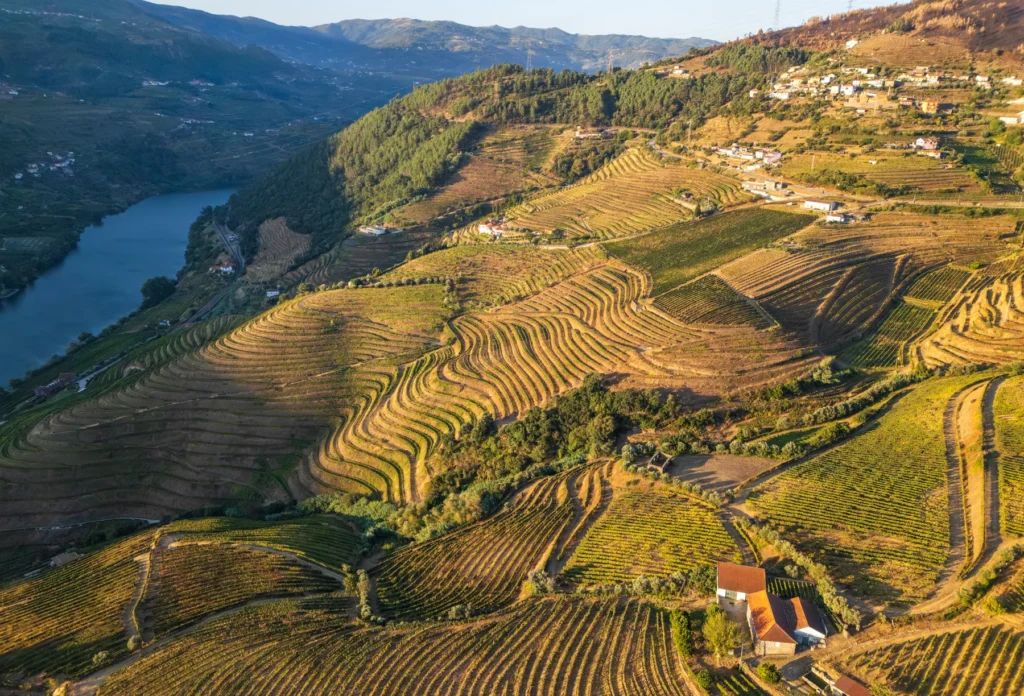
Terraced vineyards beside the Douro River, Portugal.

Couples and companions who want estate time without a daily city return

Give the Douro its own nights when landscape leads

Choose a valley stay when the pleasure is returning to the same terrace, meal setting or river view after a modest outing. Use Pinhão as one planning reference, then assess the final property address. A rural hotel may be right for the trip even when it needs transport, provided that journey is part of the decision.

Worth knowing

A spectacular outlook can come with road dependence. Confirm dinner options and vehicle arrangements rather than assuming a riverside location is a walkable village base.

Travelers who value the journey as well as the arrival

Compare rail with a complete road transfer

The Douro line can make the river landscape part of the moving day. Compare the current train, luggage handling and final property connection with a road transfer that starts and ends at your accommodation. Choose the arrangement that keeps arrival comfortable, with no tasting reservation dependent on an exact arrival.

Worth knowing

Rail does not remove the last mile, and a driver does not remove journey time. Neither option justifies filling the transfer day with several visits.

Wine-curious visitors and mixed-interest companions

Book one estate well before adding another

Choose a producer whose visitor format fits the group, then confirm language, walking effort and the wines or alternatives offered. Leave time for a meal and discussion afterwards. A second estate is useful when it adds a different perspective rather than simply more samples.

Worth knowing

Estate schedules follow real working businesses. Harvest activities and special access require a specific confirmed arrangement; a scenic drive does not confer permission to enter vineyards.

A considered introduction

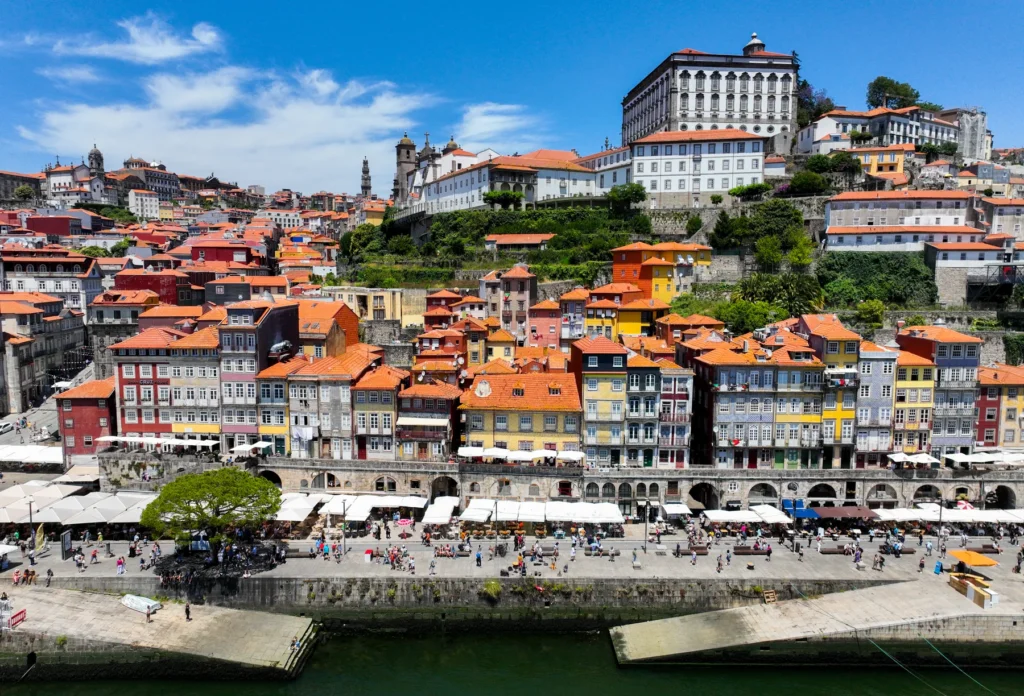
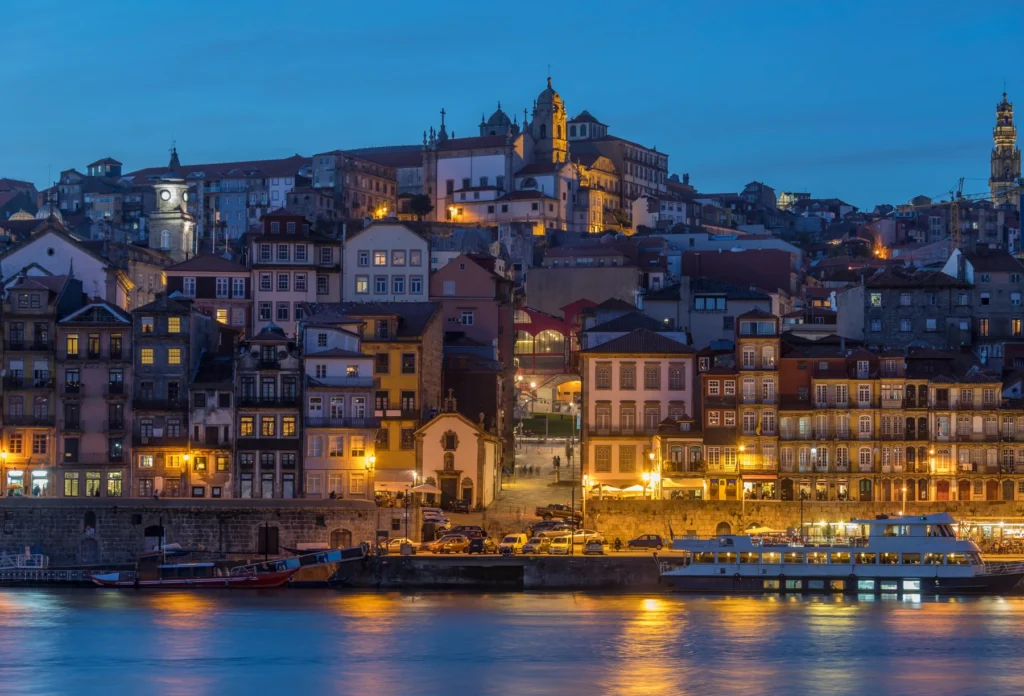
Begin with the city you will return to after dinner. Porto’s riverfront, tiled station hall and contemporary art offer distinct chapters, rather than one continuous sightseeing route. Ribeira puts the river in the foreground, while an address farther uphill may fit other cultural stops better. Across the river, Gaia offers a different view and access to Port lodges. Compare the actual routes, gradients and room outlook before treating any address as convenient for everything.

The Douro Valley changes the purpose of the day. A vineyard visit, a meal and time to watch the river can be enough. Pinhão offers a useful reference point for rail and estate planning, but a hotel overlooking the valley may still need a road transfer for every visit. Select the accommodation around the outings you intend to repeat and the time you want to spend at the property.

Six to eight nights can support three or four city nights followed by a slower valley stay. With less time, prioritize Porto and one carefully chosen introduction to the Douro. Keep the moving day light and distinguish an ordinary rail journey from a separately operated historical train. This guide covers Porto and the Douro Valley, including Gaia’s immediate riverfront wine context; Lisbon and broader northern Portugal touring are separate plans.

Advisor note

I would compare a complete city-and-valley split before adding more tastings. One good estate visit with time afterwards usually contributes more than a succession of appointments. Confirm the last road connection from the station and the evening meal arrangements at the valley property before deciding that rail solves the whole transfer.

What stays with you

Signature experiences

Porto city context; the image does not depict São Bento station or its tile hall.

Tiles and urban history

Read São Bento before walking toward the river

Spend time in São Bento’s tiled entrance hall as a cultural stop, keeping clear of travelers using the station. Then choose a manageable section of the historic city rather than assuming the descent to Ribeira suits everyone. Pause to compare the public stories shown in the tiles with the working city outside. Any railway journey is a separate practical arrangement.

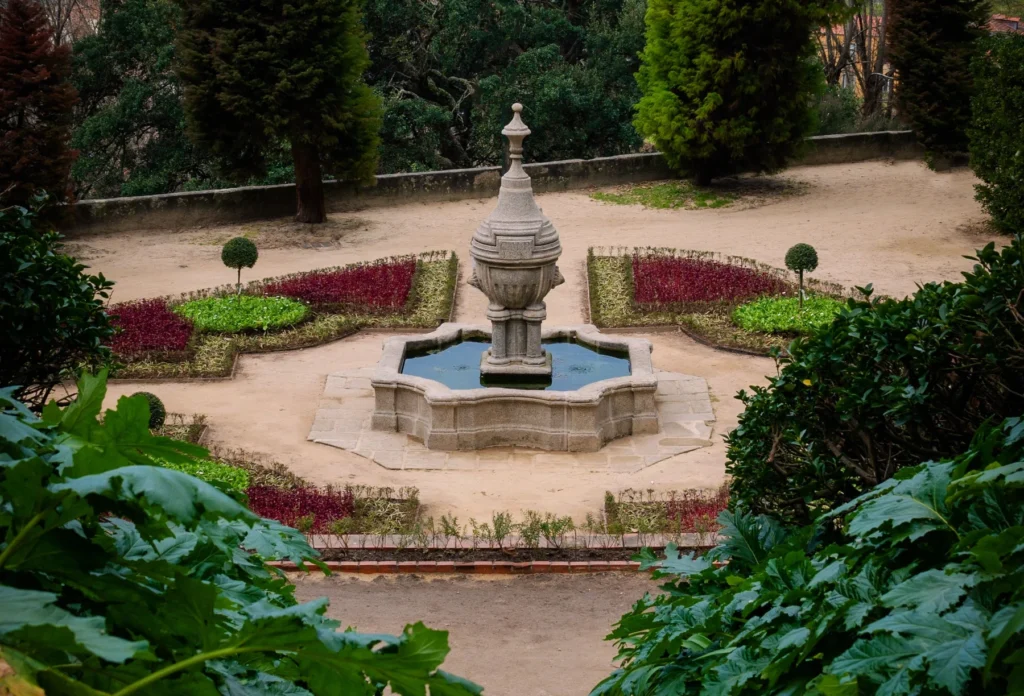
A fountain in a Porto park.

Contemporary art and gardens

Give Serralves an unhurried half day

Choose the current exhibition that interests you, then add a selected park route rather than trying to cover every space. Serralves publishes several admission options, so confirm what the ticket includes. Its park can provide a pause after the museum, with route length adjusted to weather and energy. A guided group visit requires advance arrangements; no particular artwork is assumed to be on display.

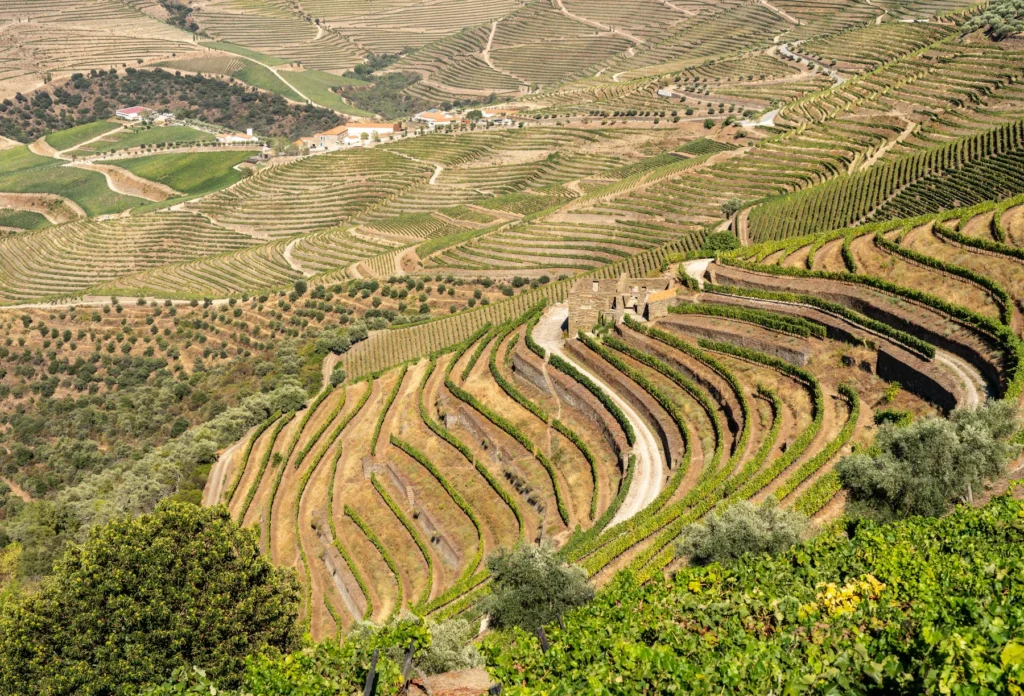
Douro vineyard terraces associated with port-wine production; no Gaia cellar or tasting is depicted.

Port history and craft

Understand Port at a Gaia cellar

A booked visit to a producer such as Taylor’s can give the city’s river trade a more tangible setting. Confirm the visitor format, language and tasting inclusions before arrival, and make room for questions about production and aging. Companions who do not drink should ask about the available alternative. Keep the onward journey independent of anyone who has been tasting.

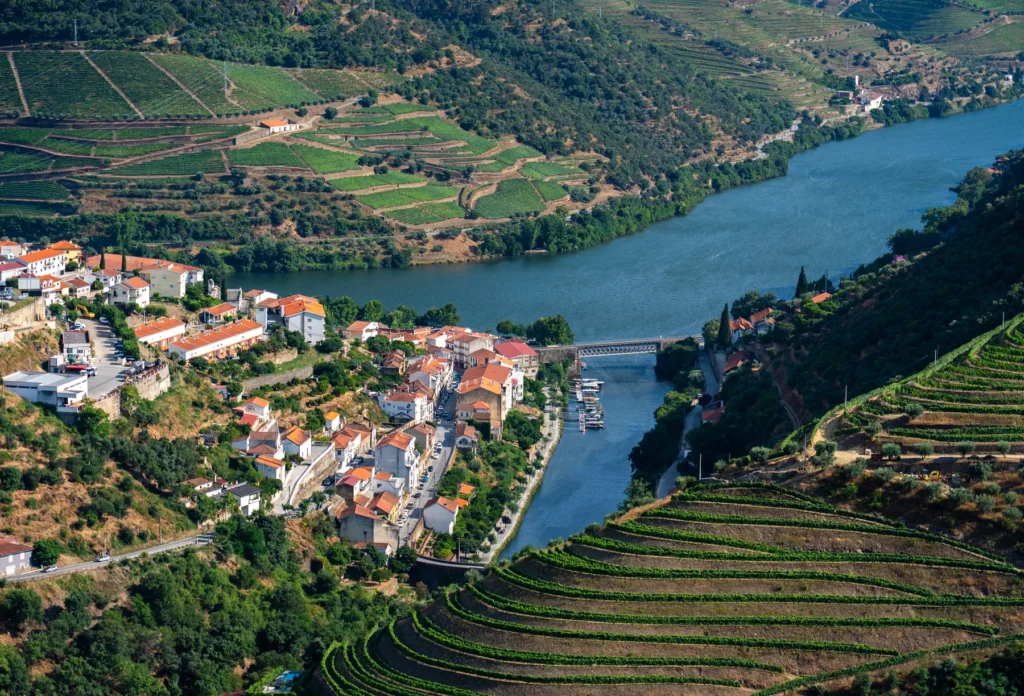
Pinhão village and the Douro from above; this is not the station tile hall.

Rail and riverside town

Let Pinhão anchor the valley arrival

Use Pinhão as a pause rather than immediately adding a long driving circuit. The station and river setting give the arrival its own character; CP’s route information places the town on the Douro line. Confirm the current train and final road connection to your accommodation. Leave a flexible interval for lunch or a short local walk before a separate estate day.

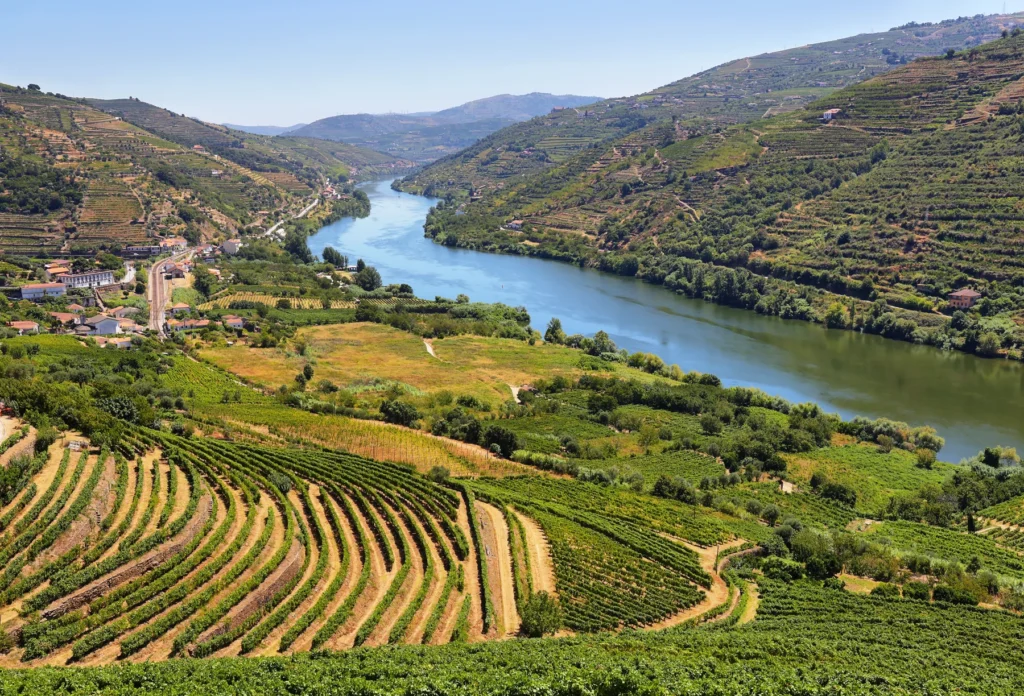
Douro vineyards and river near Mesão Frio; regional context, not Quinta do Bomfim.

Vineyard and producer

Choose one considered visit at Quinta do Bomfim

Symington’s Quinta do Bomfim visitor offer in Pinhão introduces an estate through its history, winery and vineyard setting. Select and reserve the format that matches your interests, confirming what access and tasting it includes. Leave time afterwards to look again at the valley with that context in mind. A harvest visit or hands-on activity needs its own confirmed arrangement; it is not implied by the season.

Travel restored

What makes Porto & the Douro Valley a wellness destination?

A slower valley stay can work without a formal program. Leave space after a museum or estate visit, agree on a comfortable walking distance and let one view hold your attention. Wine is optional cultural context, not a wellness activity.

Wellness role
A meaningful restorative layer
Best for
Culture-focused companions and travelers protecting unscheduled time
Format
Short park routes, quiet sitting intervals and unhurried meals
Ideal commitment
Protect a daily interval without a booking
Intensity
Gentle

For companions

Give companions a choice between a shorter route and a seated pause, then meet again for a meal.

Seasonal lens

Shorten outdoor intervals in heat, rain or poor visibility, and use the property’s indoor spaces when they suit better.

Create room after an art visit

Pause in the Serralves park

Choose one suitable park circuit or a seated interval. Notice a texture, planting pattern or change of light without making the full grounds a target. Leave while the visit still feels comfortable.

Duration
Twenty to forty minutes
Intensity
Gentle
Best for
Museum visitors who want outdoor time without a long walk
Consider

Confirm ticket scope, weather and the surfaces of the selected route.

Keep an estate day from becoming a sequence of appointments

Return to the same valley view

Leave a quiet interval at your accommodation after the outing. Read, sketch or simply watch the changing light from an appropriate sitting place. The point is time available to you, not another activity to complete.

Duration
Thirty minutes or longer by preference
Intensity
Gentle
Best for
Travelers who chose the valley for its slower pace
Consider

Use accessible, permitted areas; no river swimming or vineyard access is implied.

These are leisure suggestions, not medical care or promises of therapeutic benefit.

Timing the journey

When to go

Spring and autumn are useful starting points for city walks and valley views. Summer may call for shorter vineyard walks and more indoor time. Harvest timing varies by estate and year; a seasonal trip does not guarantee participation. Winter needs confirmation of individual opening and transport schedules.

Mar · Apr · May

Best

Spring culture and valley time

Weather
Prepare for variable temperatures and rain.
Crowds
Confirm seasonal estate opening and local holidays.
Best for
Balance museums with a modest outdoor visit.

Jun · Jul · Aug

Conditional

Summer with shorter exposed walks

Weather
Hot conditions can make vineyard routes more demanding.
Crowds
Reserve the estate format and room category that matter.
Best for
Protect indoor pauses and avoid a crowded daily schedule.

Sep · Oct · Nov

Best

Autumn with harvest conditions confirmed

Weather
Conditions vary as days shorten.
Crowds
Harvest work can change visitor arrangements; dates are not guaranteed.
Best for
Seek a producer perspective without promising participation.

Dec · Jan · Feb

Conditional

Winter with a smaller daily radius

Weather
Rain and cooler conditions favor flexible plans.
Crowds
Confirm hotel, estate and transport schedules individually.
Best for
Use Porto culture and a carefully chosen valley stay.

These are editorial planning preferences, not weather forecasts or guarantees of harvest activity or lower demand.

Value, clearly framed

Understanding trip value

Request a tailored proposal separating accommodation, flights, city and valley transfers, admissions, guiding, estate visits and meals. Compare the complete two-base arrangement, including the final road connections, rather than a nightly room rate alone.

What shapes the guidance

Six to eight nights for two travelers; no public package price, tasting inclusion or preferred benefit is assumed.

Journey logistics

Arrive well

Compare the airport’s public-transport choices with a road transfer using your final accommodation entrance and luggage needs. Keep the first day local. For the valley, compare the actual CP service with a road journey, including the last transfer to the property, meal timing and the handling of luggage.

Primary gateway Porto Francisco Sá Carneiro Airport (OPO)

Premium commercial air

Arrive through Porto Airport

Your confirmed departure airportPorto Francisco Sá Carneiro Airport (OPO)

Scheduled flight followed by public transport or road transfer

Confirm terminal, service conditions and the final accommodation entrance before departure.

Final transfer

Connect the city and valley deliberately

Your Porto or Gaia accommodationConfirmed valley station or property entrance

CP rail with a prearranged final connection, or road transfer

Use current timetables and service notices. Ordinary trains, the historical tourist train and river cruises are different products; none is assumed in this itinerary.

Access and mobility

Porto’s older routes can include steps and gradients. Confirm the full hotel, station and museum route, not just whether the destination is nearby. In the valley, steep estate paths and uneven surfaces may be avoidable only with an agreed alternative. Ask the operator about the exact visitor route before booking a wine visit; a scenic rail arrival does not establish step-free onward access.

Before you go

Practical planning notes

Reservations

Confirm the actual Douro train

Consult the current timetable and service notices. The historical tourist train is a separate product, not a feature of an ordinary rail ticket.

Reservations

Treat the vineyard as a working place

Enter only through the confirmed visitor arrangement. Ask before assuming access to production areas or harvest activity.

Reservations

Plan tasting and transport together

Agree who drives or arrange transport before the visit. Confirm non-alcoholic alternatives for companions who want them.

Reservations

Choose the room around the daily route

Confirm steps, gradients, outlook and the journey to dinner. A valley view does not establish an easy walk to the nearest town.

The VH Luxe approach

How VH Luxe composes the journey

  1. Arrival and a small city radius

    Settle in and choose dinner near the accommodation.

  2. Historic Porto and Gaia

    Separate the São Bento and riverside chapter from the booked cellar visit when a slower pace suits.

  3. Art with time outside

    Give Serralves a substantial block and leave the surrounding hours flexible.

  4. Move into the valley

    Use the rail or road journey as the main event, with the final connection already agreed.

  5. One estate and an open interval

    Build the valley day around a considered producer visit, a meal and time back at the property.

Paramjit Harika, VTA, CTA

Advisor-led planning

Your journey, personally considered

Paramjit Harika

Founder & Luxury Travel Advisor

I coordinate your hotel and room, premium air, transfers and key experiences as one considered journey, with one point of contact from planning through travel.

Good to know

Frequently asked questions

How should I divide Porto and the Douro?

Six to eight nights can support three or four nights in Porto and a slower valley chapter. Adjust the balance around whether cultural evenings or estate time matter more.

Can the Douro be a day trip?

Yes, but choose a limited introduction and include the return journey in the plan. Repeated valley outings often make a separate stay more useful.

Is the historical train the normal Douro service?

No. CP describes regular services and a separate historical tourist train. Confirm the exact product, timetable and route you intend to book.

Will a harvest-season visit include grape picking?

Only with a specific confirmed arrangement. Timing varies by year and estate, and working conditions can change what visitors may do.

Does the valley suit companions who do not drink?

It can, with landscape, food and unhurried time as the main focus. Ask the estate about non-alcoholic alternatives and avoid an itinerary made entirely of tastings.

Can I stay without a rental car?

A rail journey and arranged transfers can work. Confirm the station-to-property connection, meals and every planned outing before deciding a car is unnecessary.