The VH Luxe destination guide

Piedmont and the Langhe, Italy

Read the landscape before the label, protect the driving and let Piedmont reveal how place, craft and appetite become culture.

Recommended stay

4–

7 nights

Best time

May and June support green landscapes and outdoor movement. September through November brings harvest and truffle interest with tighter demand and variable timing; winter is quieter but requires more operational flexibility.

Primary gateway

Turin Airport (TRN) or Milan Malpensa Airport (MXP), followed by a route-matched private transfer

Journey context

Four nights supports a concentrated Langhe base. Six or seven nights can add Roero or Monferrato without reducing the journey to daily driving and tastings.

Curator’s verdict

May, June and October are strong starting points for a luxury Piedmont and Langhe journey, with September and November requiring more seasonal precision. The key decision is whether to remain centered on Alba and the Langhe or add Roero or Monferrato for a distinct second chapter.

Choose well

Which Piedmont landscape should lead the journey?

Choose the geographic anchor and seasonal purpose before selecting a property or tasting schedule.

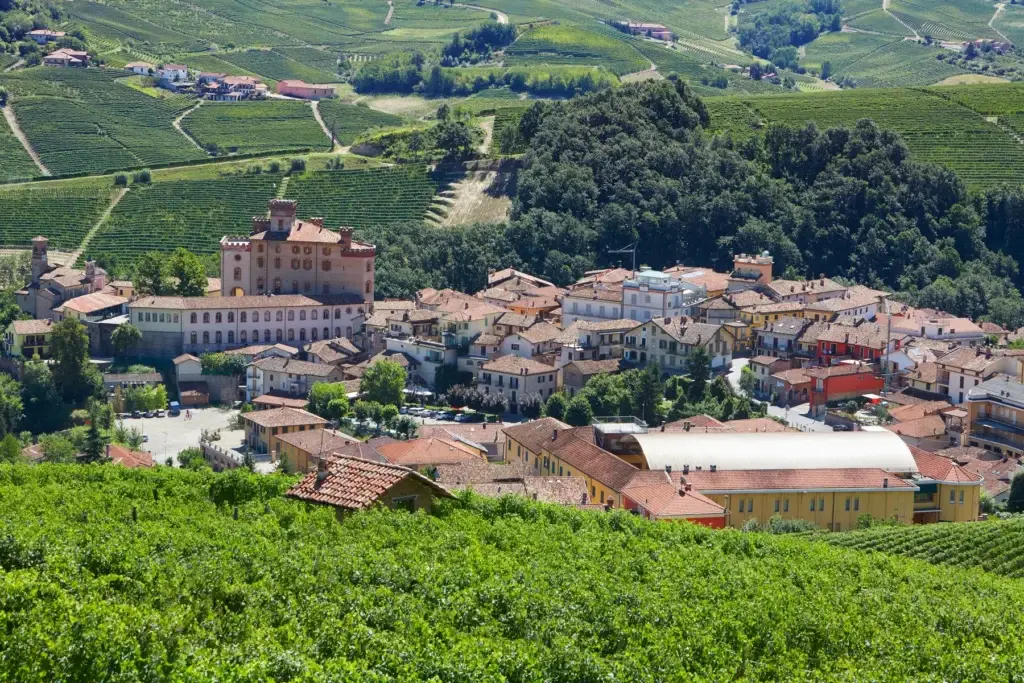
Barolo medieval town in Piedmont on Langhe hills, Italy

First visits, culinary travelers and guests seeking Barolo, Barbaresco and Alba context

Make the Langhe the first anchor

A base near Alba can connect the Langhe's villages, cultivated hills and food culture without changing hotels or crossing the region every day.

Worth knowing

Roero and Monferrato receive less depth and may be better reserved for a second journey.
Monferrato vineyard landscape and rolling hills in Piedmont

Repeat visitors and six to seven-night journeys

Add Roero or Monferrato with purpose

Choose Roero for woods and a close contrast, or Monferrato for a broader chapter of villages, infernot, thermal context and different wine traditions.

Worth knowing

A wider route adds driving and reduces the time available for unhurried producer and landscape interpretation.

International arrivals and travelers connecting by air or rail

Use Turin as a gateway

An arrival night can protect the first rural day, but Turin should not become a daily commute for a Langhe-led guide.

Worth knowing

Adding a full city program changes the purpose and requires more nights.

Walking, food and seasonal-event travelers

Choose spring green or autumn intensity

Spring supports green landscapes and calmer study; autumn concentrates harvest, truffle culture, color and demand.

Worth knowing

The most celebrated autumn weeks bring tighter access and no guarantee of harvest participation or a truffle find.

A considered introduction

Piedmont rewards fluency rather than accumulation. Alba, Barolo and Barbaresco can shape a focused Langhe journey, while Roero and Monferrato add different landscapes and traditions only when time supports them.

Four nights supports one strong base. Six or seven can add a second chapter with a private driver, qualified interpretation and enough open time to understand the cultivated landscape beyond its most famous labels.

Advisor note

Advisor perspective: I would use Turin as the gateway, not the daily base. For a first journey, settle near Alba, protect one producer or landscape focus per day, and add Monferrato only when six or more nights make the transfer worthwhile.

What stays with you

Signature experiences

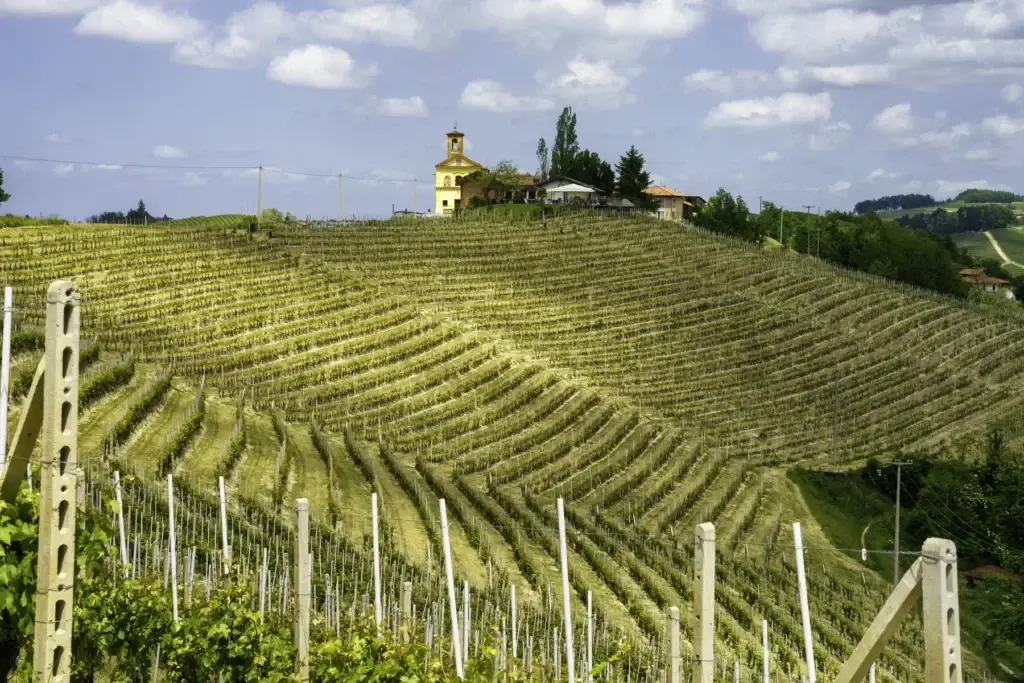
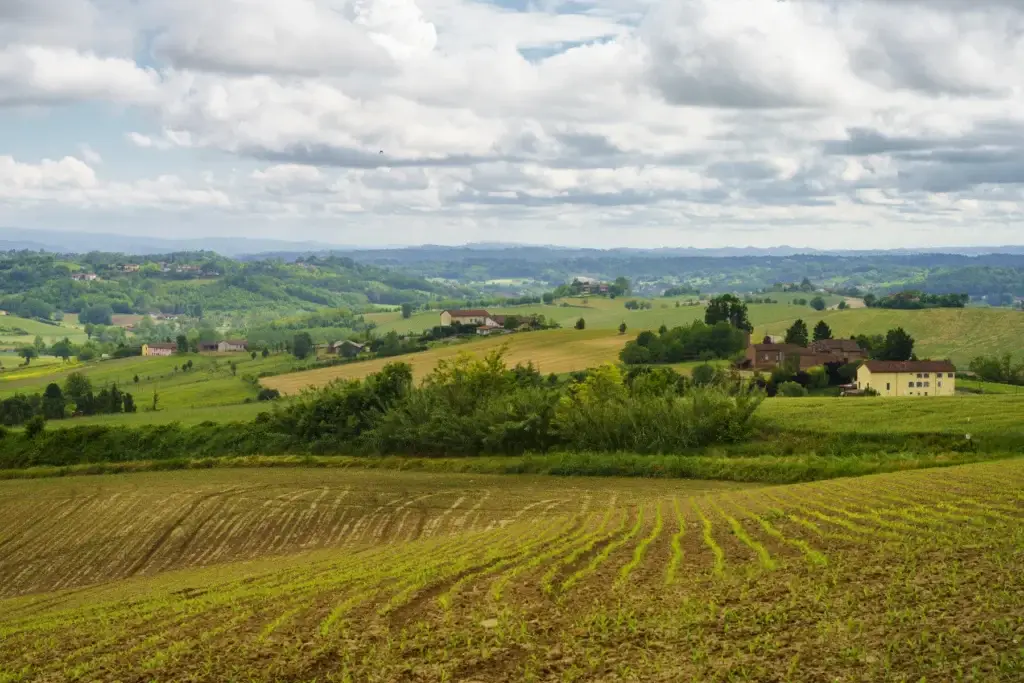
Landscape of Langhe, Piedmont, Italy near Dogliani at May

Landscape

Read the vineyard as a cultural landscape

A private landscape specialist can connect soils, slope, village, farm structure and cultivation so the UNESCO designation becomes legible beyond a viewpoint.

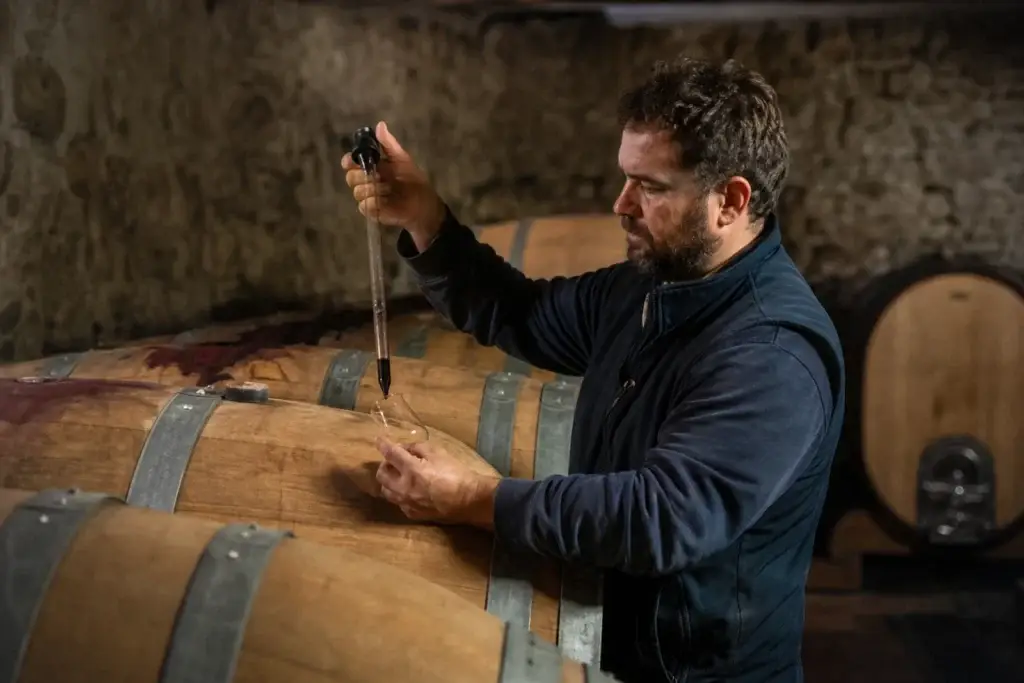
Cellar worker checking wine ageing in oak casks in a non-specific Barbaresco craft concept

Wine craft

Compare Nebbiolo through place and craft

Use a qualified wine educator and confirmed producer appointment to compare exposure, soil, farming and cellar choices, with a full no-alcohol tasting path.

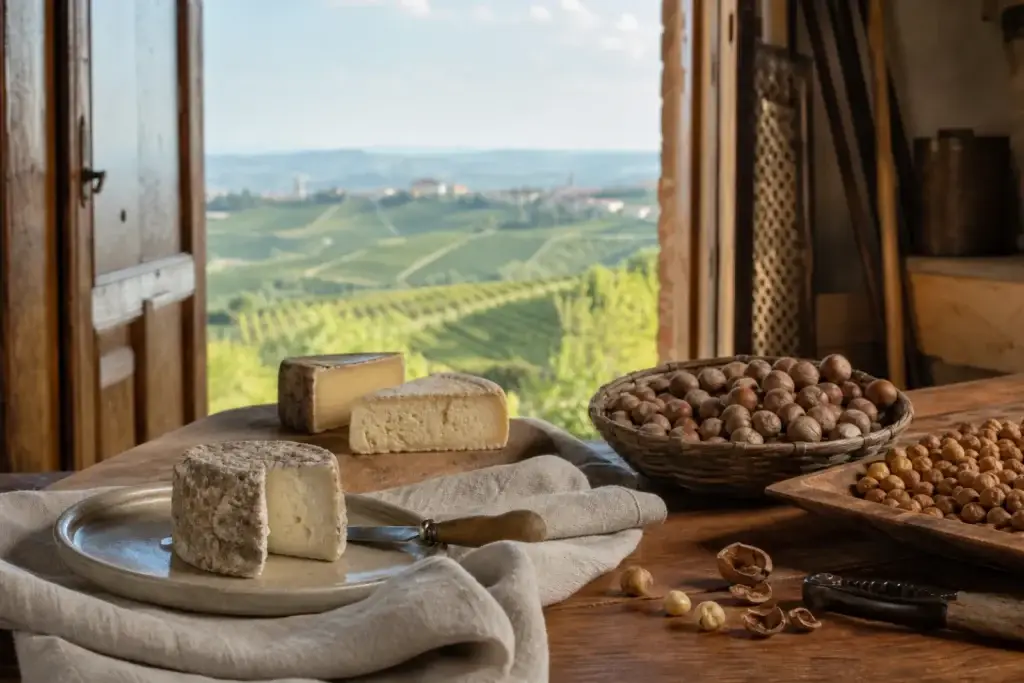
Artisanal cheese and Piedmont hazelnuts overlooking the Langhe hills

Food culture

Trace Slow Food from Bra to the table

A private food scholar or producer can connect biodiversity, season, labor and conviviality to one carefully chosen market, cheese, hazelnut or meal.

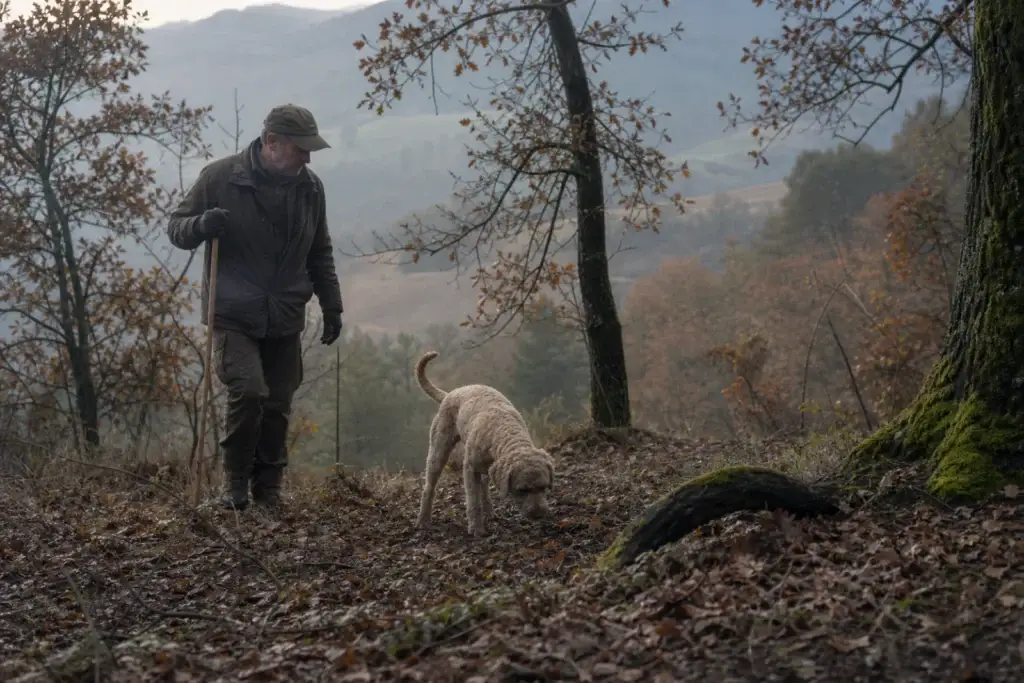
Truffle handler and trained dog searching autumn woodland in the Langhe

Truffle culture

Enter truffle culture through the senses

Choose sensory analysis or a responsibly framed woodland session to understand habitat, dogs, regulation and quality without promising a wild find.

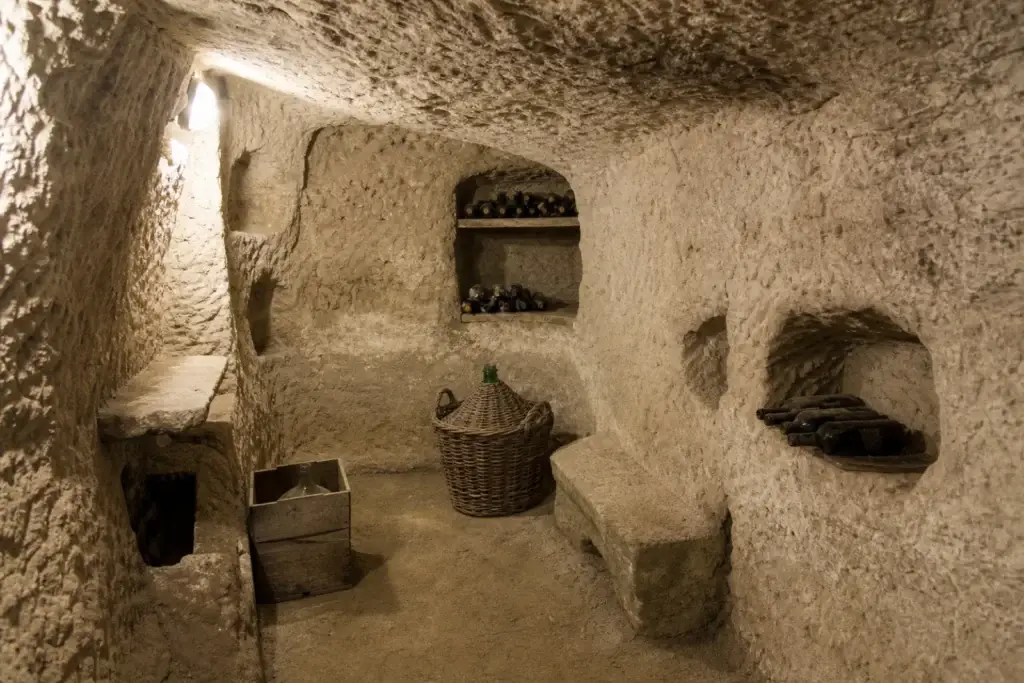
Hand-excavated pale-stone infernot used for rural storage in Monferrato

Architecture

Read Monferrato below ground

With confirmed access, a historian can explain an infernot or another historic storage structure as part of rural technique rather than a generic cellar visit.

Travel restored

What makes Piedmont and the Langhe, Italy a wellness destination?

Piedmont becomes a wellness destination when walking, food literacy, woodland attention and thermal pause replace a schedule built around consumption. Its lasting lesson is discernment: understand source and season, choose less, and leave enough space to notice.

Wellness role
A primary reason to travel
Best for
Travelers seeking food literacy, gentle landscape movement, seasonal meaning and a lower-stimulation rural journey
Format
Private food-culture session, supported walking, truffle ecology and a verified thermal interval
Ideal commitment
One attentive local practice each day within a four to seven-night stay, with alcohol optional and open time protected
Intensity
Varies

For companions

Strong for mixed interests because walking, food, thermal time, culture and optional wine education can be arranged independently.

Seasonal lens

May, June and October best support the full mix. Summer needs heat-aware pacing; late autumn and winter require weather and operational flexibility.

Turn appetite into attention to biodiversity, labor and conviviality

Slow Food table literacy

A personal food scholar, producer or cook can connect one ingredient and meal to season, local knowledge and the social value of eating together.

Duration
Two to four hours
Intensity
Gentle
Best for
Culinary travelers, couples and guests seeking a practical habit to take home
Consider

This is food-culture education, not a prescribed diet. Confirm allergies and dietary needs, and avoid nutrition or longevity promises.

Recover proportion through supported movement and visual distance

Vineyard landscape walking

A private naturalist or outdoor guide can select one route that explains cultivated hills, woods and villages, with a driver available at the finish.

Duration
Two hours to one half day
Intensity
Moderate
Best for
Active couples, solo travelers and small groups with matched ability
Consider

Green-space evidence is heterogeneous and does not prove a medical outcome. Confirm surface, weather, agricultural traffic and private-land boundaries.

Use scent, silence and ecology to sharpen attention

Truffle woodland attention

A qualified trifolao or naturalist can explain trees, soil, dog training and habitat care through a sensory session or honestly framed simulated search.

Duration
Two to three hours
Intensity
Gentle
Best for
Curious food travelers, families and guests who prefer nature to formal tasting rooms
Consider

A legal season does not guarantee a find. Confirm permissions, terrain, weather, dog handling and the exact format.

Use heat, water and rest as a deliberate transition

Acqui thermal interval

Within a Monferrato route, a verified thermal facility and personal practitioner can explain the water, sequence and recovery without making treatment claims.

Duration
One half day or one overnight interval
Intensity
Gentle
Best for
Couples, solo travelers and guests balancing walking or culinary days
Consider

Confirm facility status, practitioner credentials, temperature, contraindications and accessibility. Thermal bathing is not prescribed treatment.

Wellness descriptions explain travel rhythm, food culture, walking, woodland attention and thermal tradition. Wine is not a health treatment, and alcohol is not risk-free. Confirm practitioners, conditions and personal suitability.

Timing the journey

When to go

May and June support green landscapes and outdoor movement. September through November brings harvest and truffle interest with tighter demand and variable timing; winter is quieter but requires more operational flexibility.

Apr · May · Jun

Best

Green landscape season

Weather
Spring into early summer generally supports walking and outdoor interpretation, with heat risk increasing later.
Crowds
Demand is more distributed than peak autumn, though holidays and events still affect access.
Best for
Best for landscape literacy, food culture, walking and a first visit.

Jul · Aug

Conditional

Warm summer interval

Weather
Heat can make exposed walking demanding, while storms and recent climate variability require current forecasts.
Crowds
Some towns are active, but individual producers and restaurants may change summer operating days.
Best for
Works for slower stays with early movement, pool time and confirmed dining.

Sep · Oct · Nov

Best

Harvest and truffle season

Weather
Autumn brings changing color, cooler days and increasing fog or rain later in the period.
Crowds
This is the highest-demand food and wine window. Harvest and truffle calendars vary and access tightens.
Best for
Best for truffle culture, seasonal food and mature vineyard context.

Dec · Jan · Feb · Mar

Good

Quiet cool season

Weather
Short days, fog, frost and variable conditions favor food, towns and thermal time over a broad outdoor route.
Crowds
The region can feel quiet, while rural properties, producers and restaurants may reduce operations.
Best for
Good for repeat visitors and travelers comfortable with a narrower confirmed program.

Weather, harvests, legal truffle calendars, producer schedules, events and rural operations change. Confirm the exact week and every time-sensitive experience before travel.

Value, clearly framed

Understanding trip value

Custom quote based on exact base, international cabin, gateway, private vehicle, guides, producer appointments, seasonal events and thermal access. No public package price is stated.

What shapes the guidance

Four to seven nights for two travelers; one or two bases, private transfers, guides and producer, truffle or thermal experiences priced separately at proposal stage.

Journey logistics

Arrive well

Turin is the most natural city gateway and can support an arrival night. Milan Malpensa may offer stronger long-haul schedules. Neither removes the need for a private road transfer to Alba, the Langhe, Roero or Monferrato.

Primary gateway Turin Airport (TRN) or Milan Malpensa Airport (MXP), followed by a route-matched private transfer

Premium commercial air

Air arrival through Turin

International or European originTurin Airport (TRN)

Scheduled commercial air followed by confirmed rail or private ground transfer

Confirm the operating flight, luggage, rail schedule and exact road transfer to the rural base.

Premium commercial air

Air arrival through Milan Malpensa

International or long-haul originMilan Malpensa Airport (MXP)

Scheduled commercial air followed by confirmed private ground transfer

The road transfer is longer and depends on traffic, weather and the exact Langhe or Monferrato base.

Final transfer

Private transfer through vineyard country

Turin, Milan or a prior northern Italian stopThe confirmed Langhe, Roero or Monferrato base

Prearranged private vehicle with luggage handling

Hills, fog, harvest traffic, winter darkness and wine tasting make realistic timing and a professional driver important.

Access and mobility

Confirm airport assistance, vehicle step height, cobbled streets, steep vineyard paths, cellar stairs, elevators, bathroom setup and rural property access. Historic structures and uneven agricultural terrain require exact review.

Before you go

Practical planning notes

Reservations

Use one strong rural base

A focused geography reveals more than daily crossings among famous wine names.

Getting around

Keep a private driver on tasting days

Hills, fog, darkness, unfamiliar roads and alcohol make professional transport the safer luxury.

Reservations

Treat truffle timing as conditional

A regulated season does not guarantee a find, a producer, a purchase or a particular quality.

Wellness

Make wine optional

Every educational tasting should support spitting, water, food and a complete no-alcohol path.

The VH Luxe approach

How VH Luxe composes the journey

  1. Arrive through Turin or Milan

    Use the gateway that best protects the international schedule and first rural day.

  2. Settle near Alba and the Langhe

    Build each day around one landscape, producer craft or food-culture question.

  3. Add one contrasting territory

    Use Roero or Monferrato only when its woods, architecture, thermal context or wine tradition earns the drive.

  4. Carry home better discernment

    Ask where something came from, choose less and leave enough space to notice before consuming.

Paramjit Harika, VTA, CTA

Advisor-led planning

Your journey, personally considered

Paramjit Harika

Founder & Luxury Travel Advisor

I coordinate your hotel and room, premium air, transfers and key experiences as one considered journey, with one point of contact from planning through travel.

Good to know

Frequently asked questions

What is the best month to visit Piedmont and the Langhe?

May and June are strong for green landscapes and walking. October is ideal for autumn food and truffle context, but it also brings higher demand and no guarantee of a truffle find.

How many nights do you need in the Langhe?

Allow four nights for one focused Langhe base. Six or seven nights works better when adding Roero or Monferrato.

Should you stay in Turin or the Langhe?

Use Turin for an arrival night or a separate city chapter. Stay in the Langhe when the journey is centered on Alba, Barolo, Barbaresco, food culture and rural landscapes.

Do you need a driver in Piedmont wine country?

A private driver is strongly recommended for tasting days because of alcohol, hills, fog, winter darkness and unfamiliar rural roads.

When is Alba white-truffle season?

The authorized Alba white-truffle period currently runs from October 1 through January 31, subject to regional rules. The calendar does not guarantee a find, quality, access or availability.

What makes Piedmont and the Langhe a wellness destination?

The region combines Slow Food literacy, supported landscape walking, truffle woodland attention and thermal tradition. Its lasting lesson is to understand source and season, choose less and protect time to notice.