
The VH Luxe destination guide

Osaka, Japan

Eat with discernment, hear the city closely and leave enough room for recovery. Osaka's luxury is its generous, human rhythm.

Recommended stay

3–

5 nights

Best time

March through May and late October through November are strong general windows for walking and dining. Summer can be compelling with early starts, indoor pauses and a serious heat plan; winter favors food, performance and city atmosphere.

Primary gateway

Kansai International Airport or Shin-Osaka Station, followed by a confirmed rail, vehicle or meet-and-assist plan

Journey context

Three nights supports a focused food and culture stay. Four or five adds one Kansai extension and recovery between late dinners and early cultural appointments.

Curator’s verdict

Spring and late autumn are strong starting points, while summer demands serious heat-aware pacing. Osaka becomes most rewarding when one food, culture or neighborhood idea is followed deeply instead of collecting districts.

Choose well

What should Osaka make possible?

Choose the neighborhood, food lens and daily rhythm before booking a long list of venues. The city is most generous when appetite, culture and recovery stay in balance.

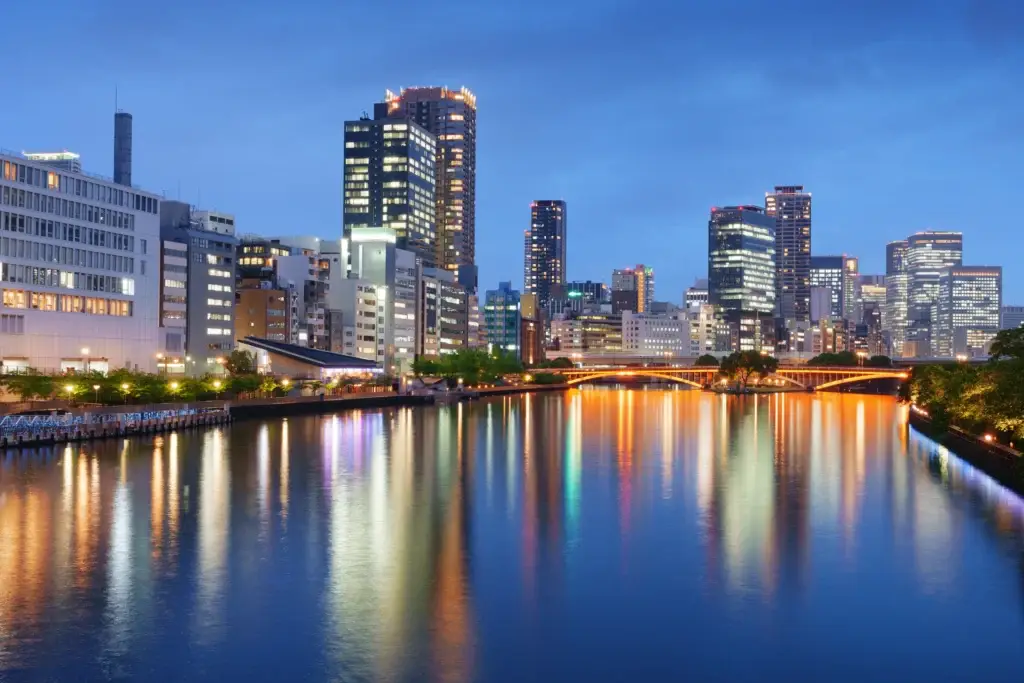
Osaka skyline reflected in the river at blue hour

Travelers deciding whether Osaka adds something distinct to Tokyo or Kyoto

Choose Osaka for its own rhythm

Osaka offers a more direct food culture, sociable energy and living performance tradition than a quieter heritage-first stay.

Worth knowing

Its stimulation is part of the appeal. Clients seeking silence or a resort rhythm need a carefully chosen base and lighter evening plan.
Travelers comparing Umeda, Nakanoshima, Namba, Shinsaibashi and Tennoji

Choose the base by daily rhythm

Umeda supports rail and contemporary city life, Nakanoshima a more composed art-and-river rhythm, and Namba or Shinsaibashi food and nightlife.

Worth knowing

The most central food districts bring sound, crowds and more visual stimulation; a calmer base may need extra transfers.

Food-led travelers, repeat visitors and curious families

Follow one culinary question

Dashi, market sourcing, okonomiyaki, hakozushi or a chef's seasonal counter each create more depth than a long best-of list.

Worth knowing

Private rooms, chef interaction, workshops and dietary adaptation are requests that require confirmation and may replace multiple stops.

Travelers sensitive to heat, crowds or late-night energy

Protect recovery inside the city

Use one green or riverside interval, protected midday rest and an unscripted evening after a confirmed reservation.

Worth knowing

A slower plan means accepting that not every famous neighborhood will fit in one stay.

A considered introduction

Osaka is Japan's social table at full volume: a city of dashi, direct exchange, working kitchens, performance and late-night energy. It is best designed for appetite and connection, not as a quieter version of Tokyo or Kyoto.

Three nights makes a focused first stay. Four or five adds a serious culinary program, Bunraku or art, and a separate Kansai day without turning the city into a transfer point. Choose the base by daily rhythm and protect one evening from over-planning.

Advisor note

Advisor perspective: I would select one culinary lens and the right neighborhood before making restaurant lists. Osaka is most luxurious when the itinerary has enough space to follow a good conversation or a neighborhood after dinner.

What stays with you

Signature experiences

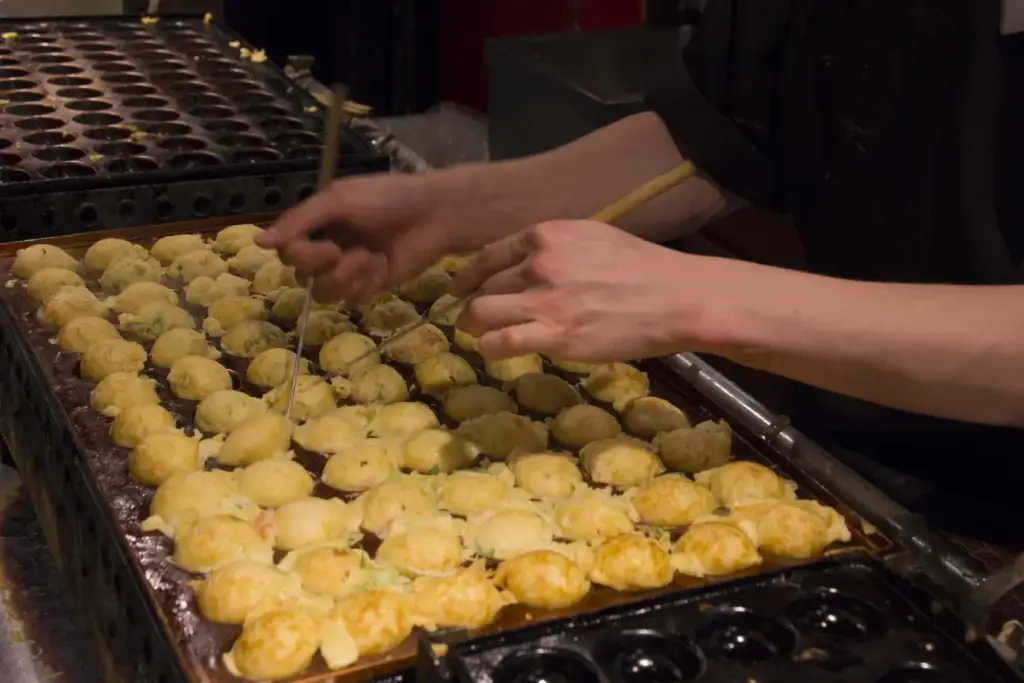
Cook turning takoyaki in a traditional Japanese pan

Cuisine

Read Osaka through its working pantry

A vetted culinary specialist can connect kombu dashi, seafood, vegetables and neighborhood cooking through a confirmed market, kitchen or dining format. Market access and quiet conditions are never guaranteed.

Cuisine

Let one chef define the evening

Choose a confirmed seasonal counter or private room and let the chef's point of view guide the meal. Ingredients, dietary needs and room privacy need direct confirmation.

Performance

Hear Bunraku with context

Pair a performance at the National Bunraku Theatre with a qualified introduction where available. Schedule, ticketing, language support and seating are all date-specific.

Art and architecture

Use Nakanoshima as an interval

A private art-led walk can connect museum, architecture and river setting at a measured pace, with exhibition access and opening hours reconfirmed.

Kansai extension

Make one nearby city a real day

Use rail for one route-compatible specialist day in Nara, Kobe, Sakai or another suitable place, rather than collecting several cities in quick succession.

Travel restored

What makes Osaka, Japan a wellness destination?

Osaka's wellness value is disciplined enjoyment: purposeful eating, social energy and the deliberate pause inside a fast city. It is not a medical or spa-first destination. The lasting shift is learning to place pleasure, recovery and connection inside the same well-designed day.

Wellness role
A meaningful restorative layer
Best for
Travelers who value culinary culture, urban energy, creative practice and a more intentional rhythm
Format
Private culinary context, a selected performance, a green or riverside interval and reserved dining paced around the client
Ideal commitment
One protected outdoor or quiet interval, one deep cultural encounter and one unhurried meal during a three to five-night stay
Intensity
Gentle

For companions

Strong for mixed interests because food, art and performance can be shared, while walking distance and stimulation are adjusted individually.

Seasonal lens

Spring and autumn support outdoor intervals. Summer needs early timing, hydration, shade and climate-controlled recovery; winter favors food and performance.

Cook turning takoyaki in a traditional Japanese pan

Use Osaka's food culture to practice pleasure with quality and attention

Kuidaore with discernment

Kuidaore is Osaka's famous idea of eating with abandon. A private culinary guide can translate it into a small number of ingredient-led stops and a seated meal rather than excess.

Duration
Two to three hours
Intensity
Gentle
Best for
Food-led travelers seeking context rather than a tasting marathon
Consider

Confirm allergies, dietary needs, alcohol preferences, walking distance and every venue. Food is not a medical intervention.

Use seasonal preparation to slow the palate and understand place

Dashi and attention to fundamentals

Kombu dashi helped shape Osaka's food identity. A qualified host can make its restraint, extraction and seasonality legible in a confirmed tasting or meal.

Duration
Sixty to ninety minutes
Intensity
Gentle
Best for
Cooks and curious travelers who value repeatable daily rituals
Consider

Workshops and private tastings depend on host availability. Confirm ingredients, including fish-based stock, directly.

Protect attention through meaningful intervals and a complex live art form

Ma and deep listening through Bunraku

Ma is the meaningful interval between things. Bunraku's puppet, narrator and shamisen create an authentic Osaka practice of sustained listening when approached with context.

Duration
Two to three hours
Intensity
Gentle
Best for
Creatives and culture-led travelers comfortable with a seated performance
Consider

Confirm program, language support, seating, duration and mobility accommodations. A performance is not a therapeutic service.

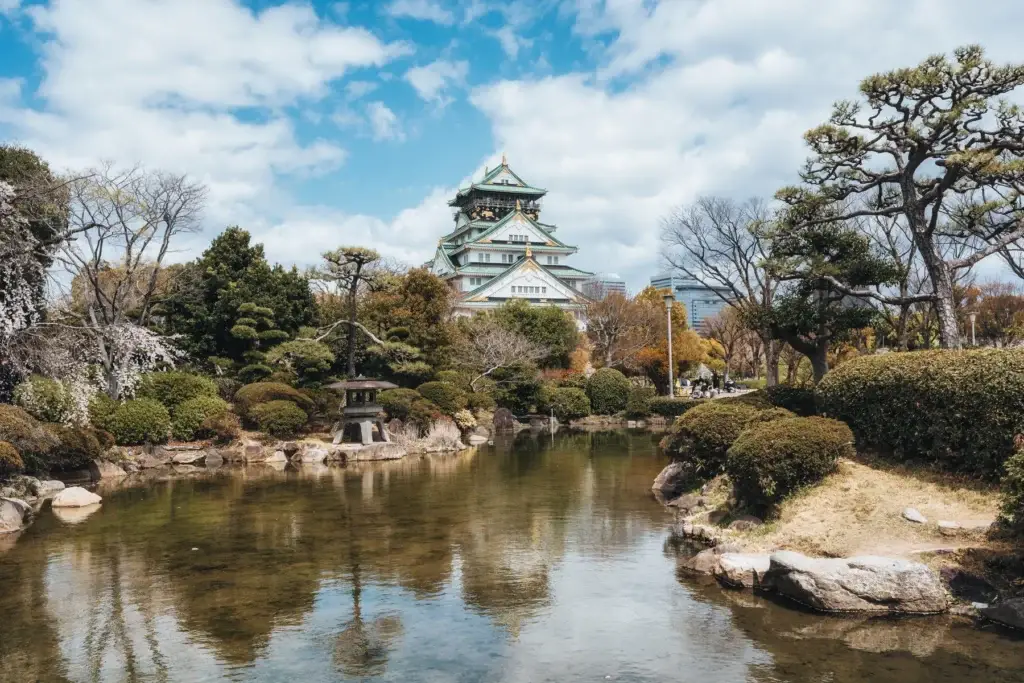
Osaka Castle seen across a garden pond

Lower the pace between city commitments through a short outdoor reset

Green and water intervals

A mobility-appropriate early walk through a park or along the river provides contrast to dense city movement. Nature research supports modest wellbeing framing, not treatment claims.

Duration
Forty-five to sixty minutes
Intensity
Gentle
Best for
Travelers seeking a low-stimulation interval between cultural commitments
Consider

Weather, heat, crowd levels and route accessibility determine suitability. The forest-bathing evidence does not establish a health outcome for an Osaka city walk.

Wellness descriptions explain Osaka food culture, purposeful pacing, performance and outdoor intervals. They do not promise diagnosis, treatment, detox, longevity or medical outcomes. Confirm all hosts, venues, ingredients, accessibility and personal suitability.

Timing the journey

When to go

March through May and late October through November are strong general windows for walking and dining. Summer can be compelling with early starts, indoor pauses and a serious heat plan; winter favors food, performance and city atmosphere.

Mar · Apr · May

Best

Spring food and walking

Weather
Conditions generally move from cool to mild, with variable rain and warmer days by May.
Crowds
Blossom periods and holidays raise demand. Exact timing and crowd levels vary.
Best for
Strong for urban walks, food programs and a first Osaka stay.

Jun · Jul · Aug · Sep

Conditional

Rain, heat and festival energy

Weather
Rain, humidity and urban heat require early starts, hydration, shade and climate-controlled rest.
Crowds
Festival dates and school holidays increase localized pressure; weather can change walking plans.
Best for
Works for travelers comfortable with a heat-managed culinary and indoor-culture rhythm.

Oct · Nov

Best

Autumn city rhythm

Weather
Often comfortable for walking, dining and evening cultural programs.
Crowds
Popular foliage dates in Kansai can affect rail, restaurants and nearby excursions.
Best for
Excellent for food, art, performance and one selective regional day.

Dec · Jan · Feb

Good

Cool food and performance season

Weather
Cooler days favor interiors, concise walks and warm dining rooms.
Crowds
Many dates are easier, while New Year changes operating patterns and restaurant availability.
Best for
Good for culinary depth, Bunraku and travelers who value city atmosphere over seasonal spectacle.

Weather, heat, rain, festivals, restaurant openings, performance schedules, transport and crowd conditions change. Confirm exact dates and operational details before travel.

Value, clearly framed

Understanding trip value

Custom quote based on exact season, international cabin, gateway, district, private specialists, dining, theatre and ground logistics. No public package price is stated.

What shapes the guidance

Three to five nights for two travelers; international flights, airport or rail transfer, private guide, cultural access, admissions and dining priced separately at proposal stage.

Journey logistics

Arrive well

Kansai International Airport provides direct rail connections to Osaka, Shin-Osaka, Tennoji and Namba. Shin-Osaka is the shinkansen gateway. Confirm terminal, luggage, exact hotel access and any station assistance rather than assuming a universal best route.

Primary gateway Kansai International Airport or Shin-Osaka Station, followed by a confirmed rail, vehicle or meet-and-assist plan

Premium commercial air

International arrival through Kansai Airport

International originKansai International Airport (KIX)

Scheduled commercial air followed by rail, private vehicle or meet-and-assist

Confirm terminal, immigration, luggage, traffic and the final hotel approach for the actual flight.

Rail

Shinkansen arrival at Shin-Osaka

Tokyo, Kyoto, Hiroshima or another Japanese rail gatewayShin-Osaka Station

Tokaido-Sanyo Shinkansen followed by local rail, taxi or confirmed transfer

Confirm train, seats, luggage rules, platform assistance and onward district access.

Access and mobility

Confirm step-free station exits, vehicle drop-off distance, restaurant restrooms, seating type, theatre wheelchair positions, captions or hearing support and rest points. Dense evening areas can be crowded, while individual venues vary considerably.

Before you go

Practical planning notes

Reservations

Reserve one serious meal

Build a confirmed dining anchor, then leave the surrounding neighborhood flexible rather than scheduling a string of fixed stops.

Arriving

Use rail and walk selectively

Rail handles longer city movement; a confirmed vehicle, porterage or escort can make luggage, heat and accessibility days smoother.

Etiquette

Treat summer as operational

Start early, protect midday indoors, hydrate and retain a quiet return route because urban heat can persist after dark.

Reservations

Respect living performance

Follow theatre rules, arrive on time and confirm language or accessibility support instead of assuming a performance is designed for tourism.

The VH Luxe approach

How VH Luxe composes the journey

  1. Arrive into one neighborhood

    Settle into the chosen base, use a gentle orientation walk and keep the first evening local.

  2. Follow one culinary question

    Use a guide, workshop or chef-led meal to understand an ingredient, technique or neighborhood rather than collecting dishes.

  3. Give performance or art a full evening

    Use Bunraku or a cultural program as the center of one evening, with time for explanation and a quiet meal.

  4. Add one intentional Kansai contrast

    Choose one route-compatible outside-city day only when it adds depth without turning the stay into transit.

Paramjit Harika, VTA, CTA

Advisor-led planning

Your journey, personally considered

Paramjit Harika

Founder & Luxury Travel Advisor

I coordinate your hotel and room, premium air, transfers and key experiences as one considered journey, with one point of contact from planning through travel.

Good to know

Frequently asked questions

Is Osaka worth adding to a luxury Japan itinerary?

Yes, if the traveler wants Japan's most generous food culture, direct urban energy and performance alongside Tokyo or Kyoto. It should be designed for its own rhythm, not as a checklist stop.

How many nights do you need in Osaka?

Three nights supports a focused first stay. Four or five creates room for a deeper culinary program, Bunraku or art, and one unhurried Kansai extension.

Which Osaka neighborhood is best for a luxury stay?

Umeda supports rail and contemporary city life, Nakanoshima offers a composed art-and-river rhythm, and Namba or Shinsaibashi favor food and nightlife. Choose by daily rhythm and stimulation tolerance.

Is Osaka too hot in summer?

Summer can work well with early outdoor time, air-conditioned midday rest, hydration and a lighter evening plan. It is not the right choice for travelers who need an all-day walking itinerary.

Can a private guide make Osaka's food scene more meaningful?

A qualified guide can connect ingredients, dashi, neighborhood history and dining etiquette. Restaurant, market, workshop and chef access always need confirmation.

What makes Osaka a wellness destination?

Osaka's wellness value is disciplined enjoyment: purposeful eating, social connection, a meaningful pause and enough recovery inside a fast city. The lasting takeaway is a better rhythm for pleasure and rest.