The VH Luxe destination guide

The Oregon Coast

Choose one Oregon Coast region, read tides before viewpoints and let public shoreline, marine ecology and working towns set the pace.

Recommended stay

5–

8 nights

Best time

June through September generally offers the driest, busiest road-travel window, though fog and wind remain possible. Spring and autumn can be rewarding with variable weather. Winter suits storm watching only from safe, elevated and protected locations.

Primary gateway

PDX, EUG or a route-matched regional airport, followed by a confirmed private road transfer

Journey context

Allow 5 nights for a focused route and 8 for the fullest version without forcing the geography.

Curator’s verdict

The Oregon Coast is not one scenic drive. Its north, central and south regions differ in town character, access and transfer logic, while tides, surf and weather can redesign any day. Luxury means an unhurried base, a naturalist who respects public access and a route that never trades safety for a photograph.

Choose well

Which Oregon Coast rhythm fits?

Choose the region before choosing the hotel or scenic stops.

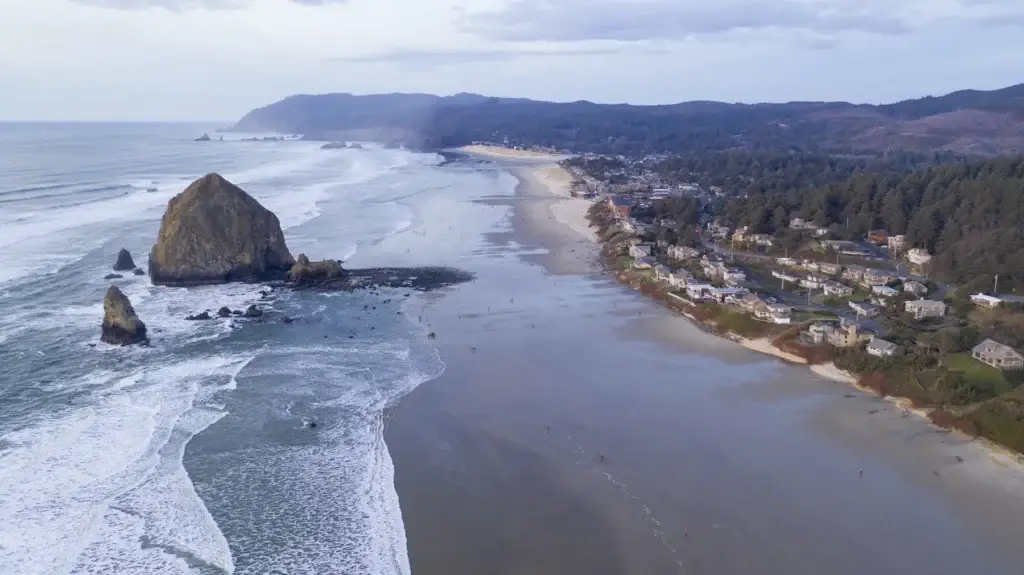
Cannon Beach Oregon coast

Portland pairings, first visits and travelers wanting recognizable towns

Begin with the North Coast

The north combines headlands, historic communities and relatively practical Portland access.

Worth knowing

Popular towns and weekends can feel busy, and weather still controls beach plans.
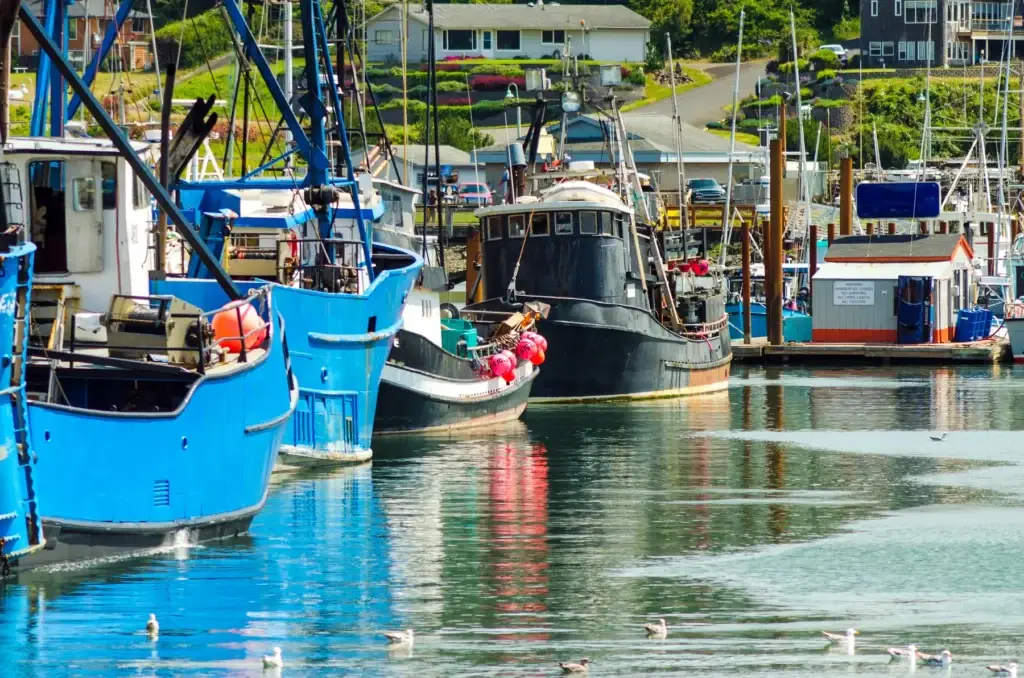
Yaquina Bay Newport harbor

Families, natural-history travelers and working-harbor context

Use the Central Coast for marine learning

The central coast supports aquariums, research, headlands, tidepools and fishing communities.

Worth knowing

Distances between stops add up, and low-tide timing can govern the day.

Repeat visitors, photographers and travelers accepting remoteness

Commit to the South Coast

The south offers rugged headlands, dunes, estuaries and a stronger sense of distance.

Worth knowing

Transfers are longer, services thinner and weather alternatives more important.

Couples, multigenerational groups and slow-road travelers

Stay longer in fewer places

Two thoughtful bases protect the coast from becoming a sequence of check-ins and overlooks.

Worth knowing

It requires giving up the idea of seeing the entire coastline at once.

A considered introduction

The north coast pairs easily with Portland and established towns. The central coast balances marine science, headlands and working harbors. The south coast is more remote and rewards fewer bases. Five nights supports one or two regions; seven to eight is more appropriate for a broader route without daily packing.

Advisor note

Advisor perspective: I would choose the coast segment first, then build each day from tide, weather and road checks. A sea-view room is useful only when the route still respects public beaches, local communities and safe access.

What stays with you

Signature experiences

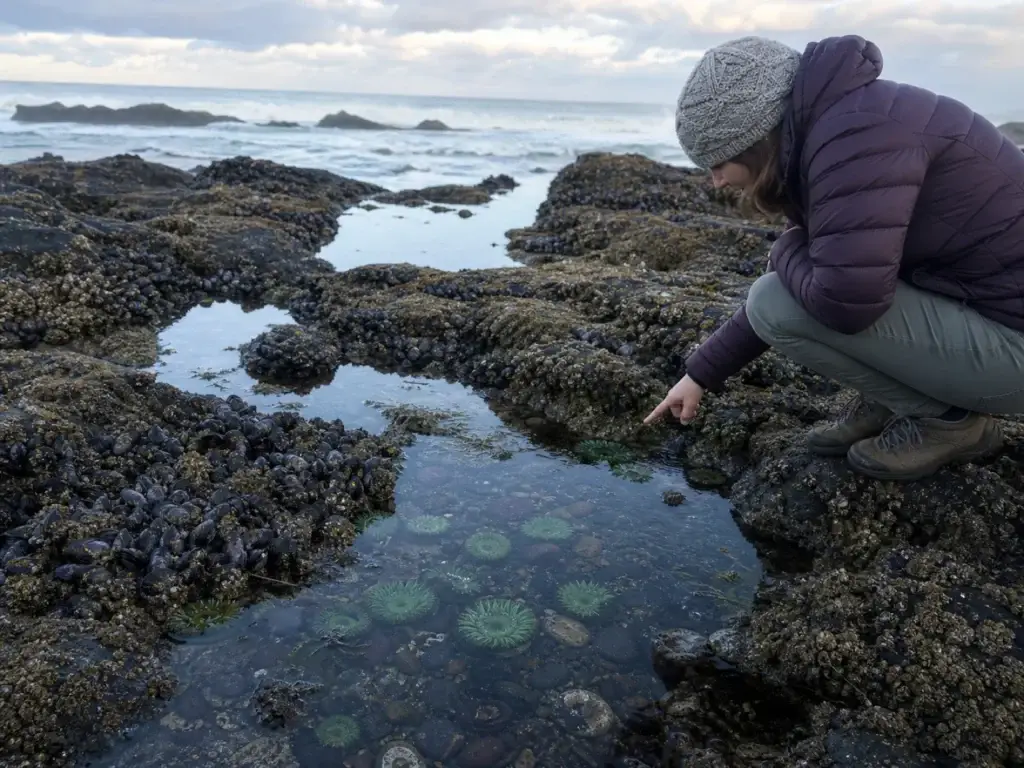
Oregon Coast tidepool

Tides and intertidal life

Read one tidepool with a naturalist

Use the correct low-tide window and a qualified guide to observe marine life without touching, collecting or overstating access.

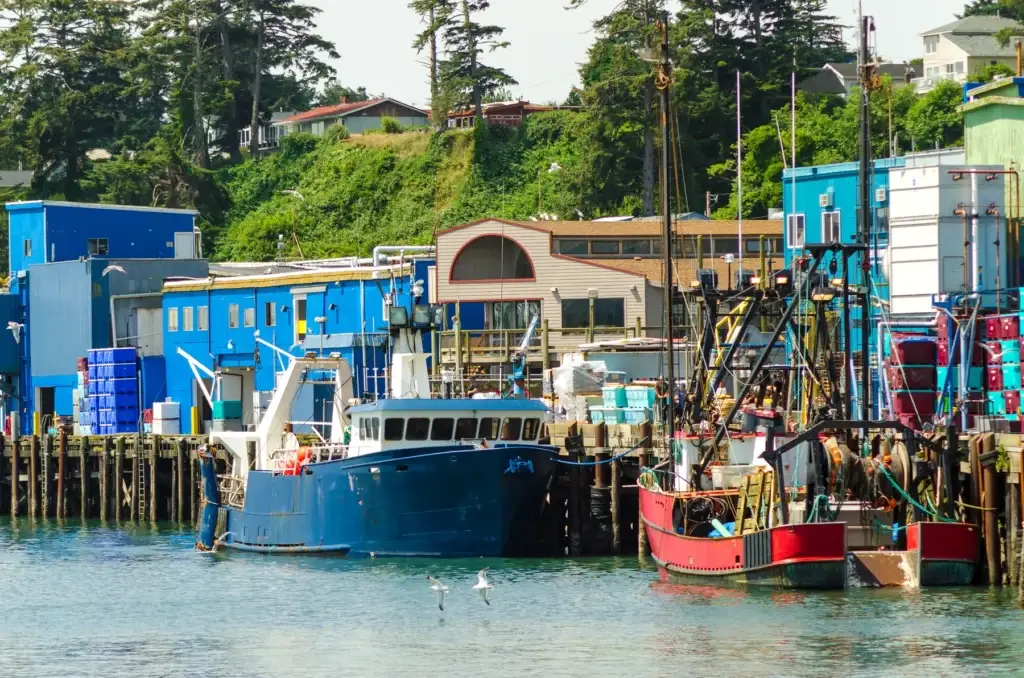
Newport Oregon fishing waterfront

Working coast

Understand a harbor beyond seafood

A local specialist can explain fisheries, weather, labor and community change, subject to current operations.

Indigenous presence

Seek current first-voice coastal context

Use tribal museums, programs or Native-led interpretation where publicly offered, respecting sovereignty and site restrictions.

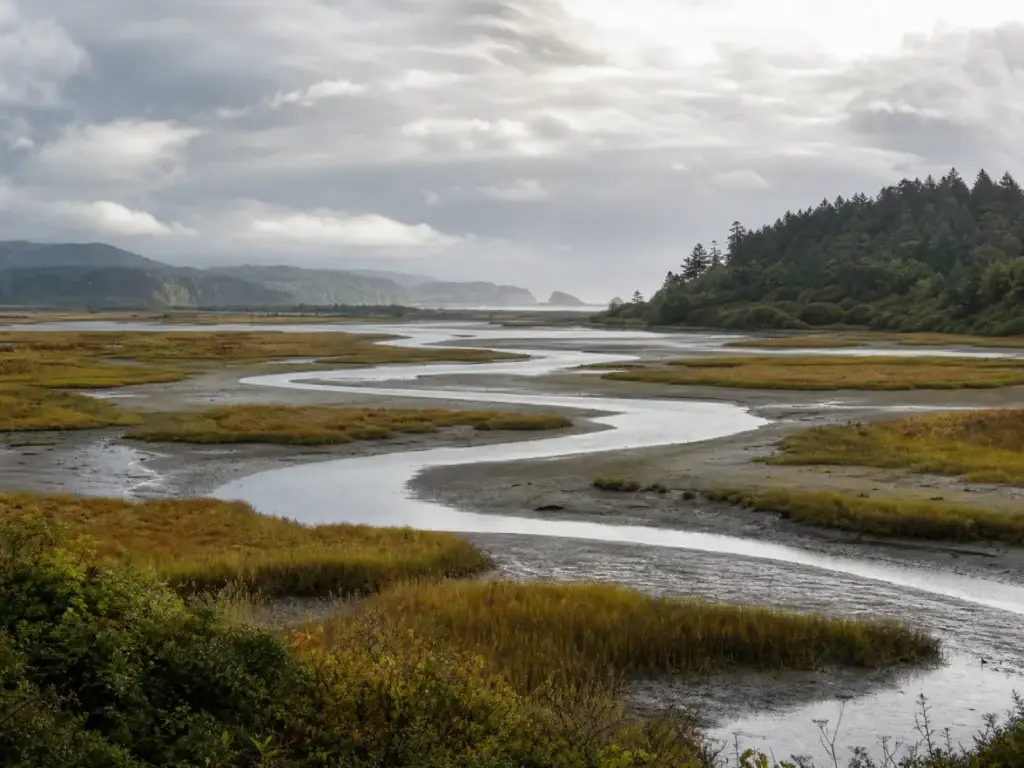
Oregon Coast estuary

Estuary ecology

Follow the meeting of river and sea

A naturalist-led estuary interval can connect wetlands, salmon, birds and changing salinity without promising wildlife sightings.

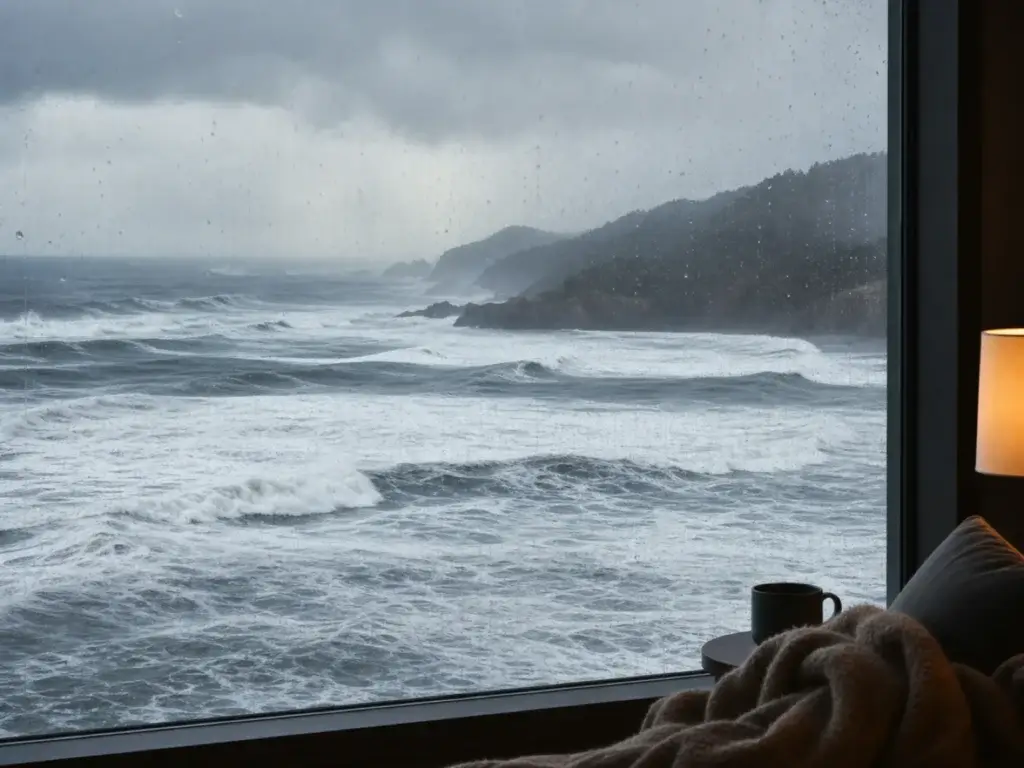
Oregon Coast storm waves from protected viewpoint

Storm and sky

Watch the Pacific from a safe threshold

In rough weather, choose an elevated protected viewpoint and let conditions, not ambition, set the experience.

Travel restored

What makes The Oregon Coast a wellness destination?

What makes the Oregon Coast a wellness destination?

The Oregon Coast enables restoration through tidal time, horizon, cold-air movement and attention to dynamic public landscapes. A small nature-walk biomarker study found varied individual responses, so nature is framed as restorative context rather than treatment, while safety and ecological restraint lead. The lasting takeaway is to plan by natural conditions rather than forcing the day.

Wellness role
A meaningful restorative layer
Best for
Couples, families and solo travelers seeking elemental nature, marine learning and low-stimulation road travel
Format
Private expert-led interpretation, personally scaled movement and protected low-stimulation time
Ideal commitment
One expert-led anchor, one cultural interval and one protected daily pause within a 5- to 8-night route
Intensity
Varies

For companions

Suitable for mixed interests when movement, culture and quiet are arranged independently around one coherent route.

Seasonal lens

June through September generally offers the driest, busiest road-travel window, though fog and wind remain possible. Spring and autumn can be rewarding with variable weather. Winter suits storm watching only from safe, elevated and protected locations.

Let the ocean replace clock-driven scheduling

Tidal time

Build one day around a safe tide window and observe how the shoreline changes.

Duration
One half day
Intensity
Gentle
Best for
Travelers seeking slower natural rhythm
Consider

Tide tables do not remove sneaker-wave, cliff or surf hazards.

Use distant vision and sound as attention anchors

Horizon practice

A quiet protected viewpoint can support reflection without making a therapeutic claim.

Duration
Thirty to ninety minutes
Intensity
Gentle
Best for
Travelers who prefer stillness to activity
Consider

Wind, cold and exposure require a safe location.

Choose sheltered ecology over open surf

Estuary movement

A naturalist can select a boardwalk, trail or calm-water context matched to conditions.

Duration
One to three hours
Intensity
Varies
Best for
Families and mixed-ability groups
Consider

Wildlife, water and accessibility remain conditional.

Replace a failed beach plan with meaningful shelter

Weather acceptance

Use storms as a cue for marine science, craft, food or protected observation.

Duration
As conditions require
Intensity
Gentle
Best for
Travelers practicing flexibility
Consider

Never enter exposed beaches, logs, rocks or cliffs during unsafe surf.

Wellness descriptions explain movement, ecology, food culture and restorative travel rhythm. They do not promise diagnosis, treatment, detoxification, biomarker change, longevity or medical outcomes. Confirm practitioners, facilities, conditions and personal suitability.

Timing the journey

When to go

June through September generally offers the driest, busiest road-travel window, though fog and wind remain possible. Spring and autumn can be rewarding with variable weather. Winter suits storm watching only from safe, elevated and protected locations.

Jun · Jul · Aug · Sep

Best

Drier road-travel season

Weather
Conditions vary within this period and require an exact-week forecast.
Crowds
Seasonal demand can be high.
Best for
Strong general planning window.

Apr · May · Oct

Conditional

Shoulder season

Weather
Conditions vary within this period and require an exact-week forecast.
Crowds
Demand varies by weekends, holidays and current conditions.
Best for
Best for flexible travelers with current-condition alternatives.

Nov · Dec · Jan · Feb · Mar

Conditional

Storm season

Weather
Conditions vary within this period and require an exact-week forecast.
Crowds
Demand varies by weekends, holidays and current conditions.
Best for
Best for flexible travelers with current-condition alternatives.

Weather, wildlife, transport, cultural access, site hours and seasonal operations change. Confirm the exact week and every time-sensitive experience before travel.

Value, clearly framed

Understanding trip value

Custom quote based on exact route, cabin, private vehicle, specialist program and seasonal access. No public package price is stated.

What shapes the guidance

5 to 8 nights for two travelers; route-matched transfers, qualified guides and specialist experiences priced separately at proposal stage.

Journey logistics

Arrive well

The coast is road-led and longer than it appears. Match the airport to the chosen region, avoid trying to cover all three in a short stay and recheck Highway 101 conditions before every transfer.

Primary gateway PDX, EUG or a route-matched regional airport, followed by a confirmed private road transfer

Premium commercial air

Primary commercial arrival

Confirmed origin or connectionPortland International Airport (PDX)

Scheduled air and confirmed onward transfer

Confirm operating service, luggage, assistance, weather and onward transfer for the exact date.

Final transfer

Route-matched local access

Confirmed gateway or baseThe Oregon Coast

Private transfer, public transport or authorized local service as appropriate

Recheck roads, weather, reservations, mobility and operating rules immediately before travel.

Access and mobility

Confirm beach access surfaces, tides, cliff exposure, stairs, boardwalks and viewpoint parking. Oregon protects broad public shoreline access, but individual access points vary greatly in mobility and safety.

Before you go

Practical planning notes

Reservations

Check tides and surf daily

Never treat a low tide as a guarantee of safety.

Reservations

Choose one coast region

Highway 101 distances are slower than they appear.

Reservations

Keep beaches public in tone

Do not imply a private shoreline.

Reservations

Respect tribal and ecological boundaries

Use first-voice interpretation and current site rules.

The VH Luxe approach

How VH Luxe composes the journey

  1. Choose north, central or south

    Start with the region that matches the guest.

  2. Set two slow bases

    Reduce packing and protect weather alternatives.

  3. Build days from tide and forecast

    Let conditions control exposed activities.

  4. Carry home tidal thinking

    Practice adapting plans to forces larger than the itinerary.

Paramjit Harika, VTA, CTA

Advisor-led planning

Your journey, personally considered

Paramjit Harika

Founder & Luxury Travel Advisor

I coordinate your hotel and room, premium air, transfers and key experiences as one considered journey, with one point of contact from planning through travel.

Good to know

Frequently asked questions

How many nights do you need for the Oregon Coast?

Five nights supports one or two regions; seven to eight is better for a broader route.

What is the best time to visit the Oregon Coast?

June through September is generally easiest for road travel, though fog, wind and cool weather remain possible.

Are Oregon beaches private?

Oregon protects broad public access to its sandy shoreline, but access points and adjacent property rules still vary.

Is winter storm watching safe?

Only from a protected, elevated location after checking weather, surf and local guidance.

Should you drive the entire coast in one trip?

Not on a short luxury journey. Choose one or two regions and stay longer.

What makes the Oregon Coast a wellness destination?

Tidal time, horizon, marine air and flexible nature-led pacing create restoration when safety and ecological restraint lead.