The VH Luxe destination guide

Olympic Peninsula, Washington

Choose two or three Olympic Peninsula ecosystems, give each its own base, and let roads, tides, weather and wilderness set the journey's pace.

Recommended stay

3–

9 nights

Best time

July through early September offers the broadest likelihood of open mountain roads and long daylight, with peak congestion. Late spring and early autumn can feel calmer but require greater flexibility. Winter is a selective, weather-led journey rather than a complete park circuit.

Primary gateway

Seattle-Tacoma International Airport (SEA), with Port Angeles as the northern gateway

Journey context

Allow 3 to 4 nights for the northern peninsula, 5 to 7 for north plus west, or 7 to 9 for a measured route that also includes Quinault.

Curator’s verdict

Olympic feels most luxurious when distance is respected. A deliberate route protects quiet forest, cold-water stillness and the Pacific tide cycle instead of reducing one of America's largest wilderness parks to a windshield itinerary.

Choose well

Which Olympic Peninsula structure fits?

Choose the ecosystems that matter, then give each corridor enough time to remain restorative.

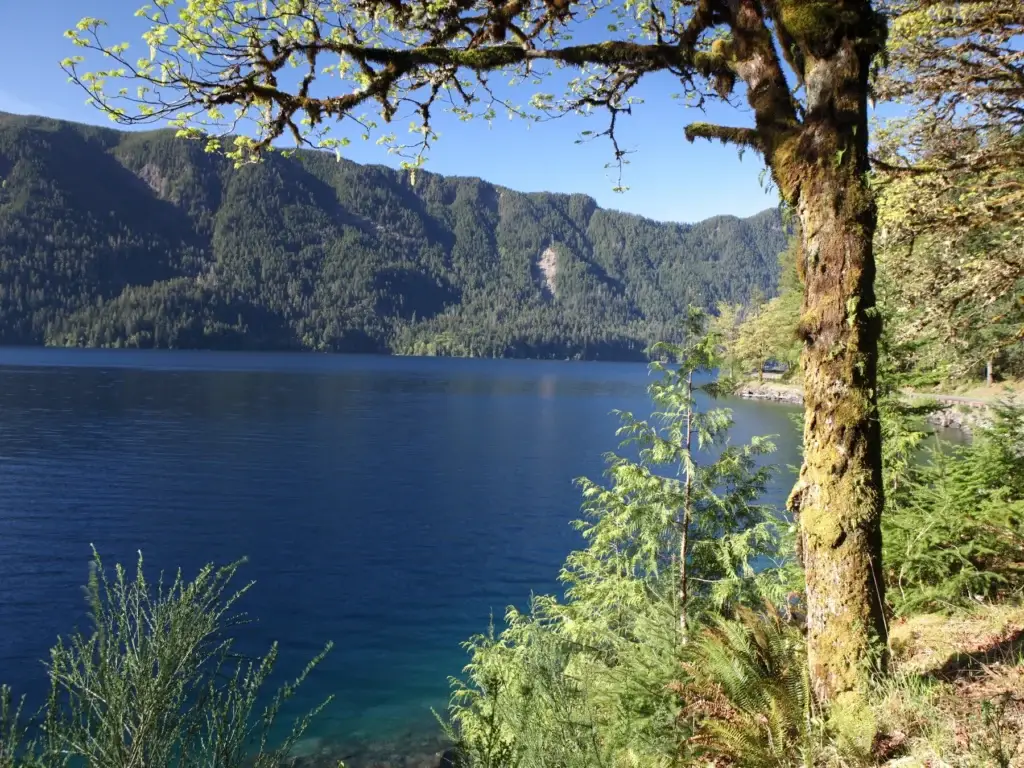
Lake Crescent or exact northern Olympic National Park landscape

First visits, alpine priorities and travelers who want a measured arrival

Use Port Angeles and Lake Crescent for the northern chapter

This pairing creates a practical threshold for Hurricane Ridge, Lake Crescent and Sol Duc while keeping dining and recovery within a coherent northern geography.

Worth knowing

It is not an efficient base for a quiet Hoh morning, a tide-led coast day or the deeper Quinault corridor.
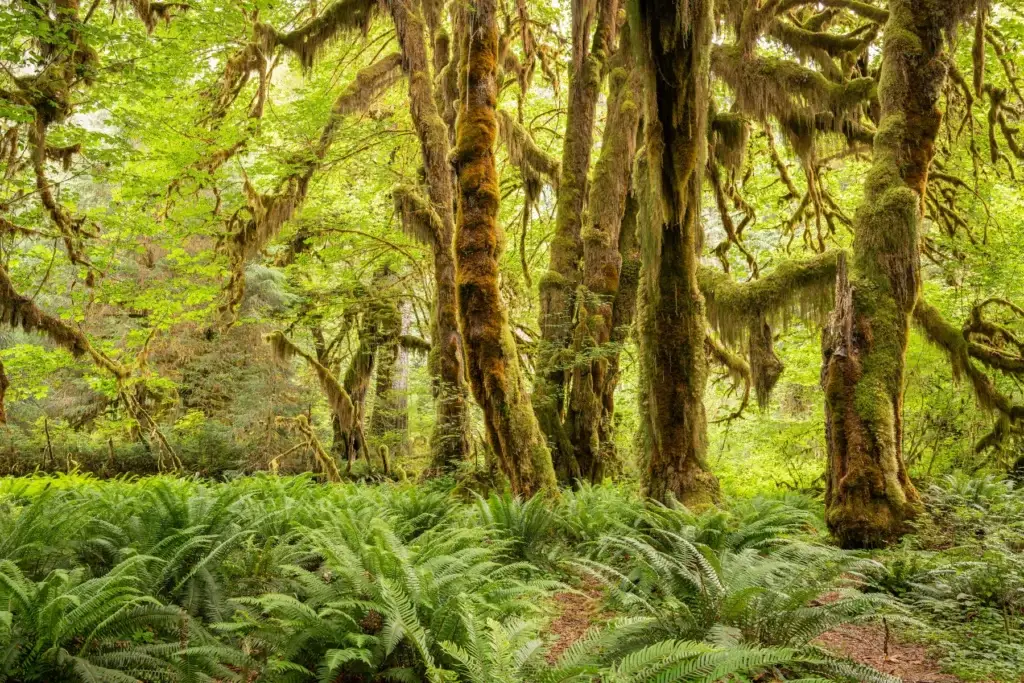
Hoh Rain Forest or exact Olympic wilderness coast location

Nature-led travelers prioritizing the Hoh, coastal light and fewer same-day miles

Add a west-side base for rain forest and coast

A west-side night protects an early or late rain-forest interval and lets tides, marine weather and current beach access shape a separate coastal day.

Worth knowing

Services are thinner, Hoh parking still fills, and no base can remove tide, road or weather constraints.

Repeat visitors, slower routes and travelers entering or leaving from the south

Use Quinault as a distinct southern chapter

Lake Quinault offers a quieter rain-forest rhythm and can complete a one-direction route without repeating the northern corridors.

Worth knowing

Current washouts and road restrictions may change access, while Olympic National Forest and national-park jurisdictions must not be blurred.

Travelers who value depth, recovery and condition-led decisions over attraction count

Choose ecosystems instead of completing a loop

Select two or three primary landscapes, protect unprogrammed recovery and let one celebrated stop disappear when the operating reality does not support it.

Worth knowing

A disciplined route may omit a famous beach or trail, but it preserves the quality of every place retained.

A considered introduction

Olympic National Park is a collection of separate mountain, lake, rain-forest and coastal corridors. Its entrance roads end inside the park rather than crossing it, so a single base cannot serve every celebrated landscape well.

Allow three or four nights for a northern chapter. Five to seven nights supports the north and west. Seven to nine gives Lake Quinault and the southern route enough room without making every day a relocation.

Advisor note

Advisor perspective: I would choose the ecosystems first, place the bases second, and preserve a credible alternative for every mountain or coastal day. VH Luxe Travels can coordinate tailored arrangements where applicable, with every transfer, guide, tide-dependent route and seasonal operation confirmed before travel.

What stays with you

Signature experiences

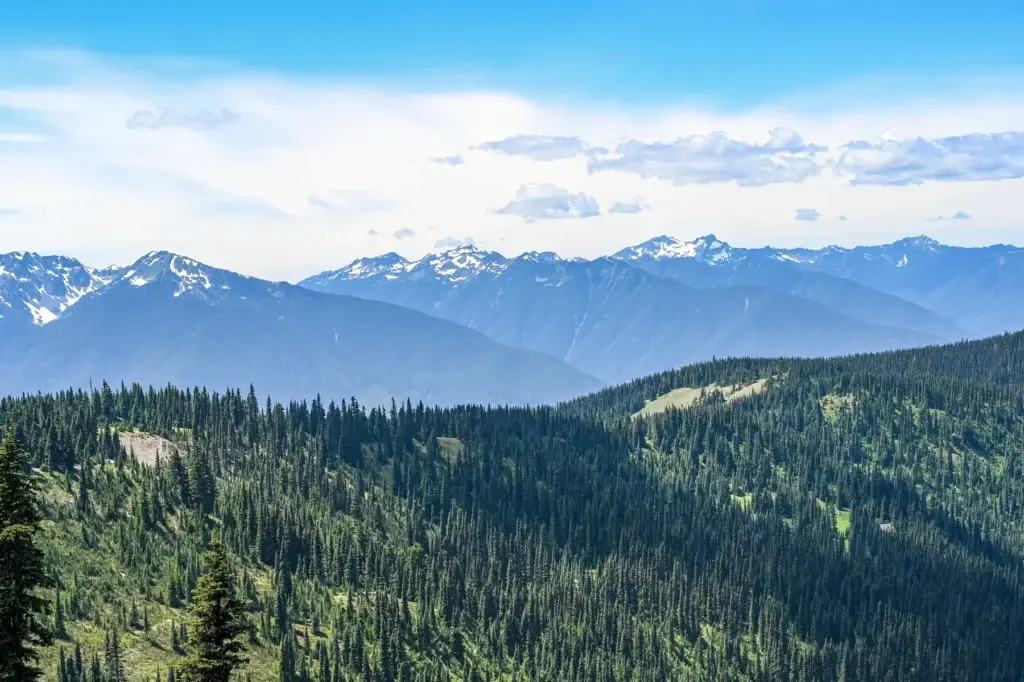
Hurricane Ridge Olympic National Park

Alpine ecology

Read Hurricane Ridge through weather and wilderness

With a qualified naturalist, connect subalpine ecology, glaciated peaks and the scale of protected wilderness while current road, construction, water and parking conditions determine the exact interval.

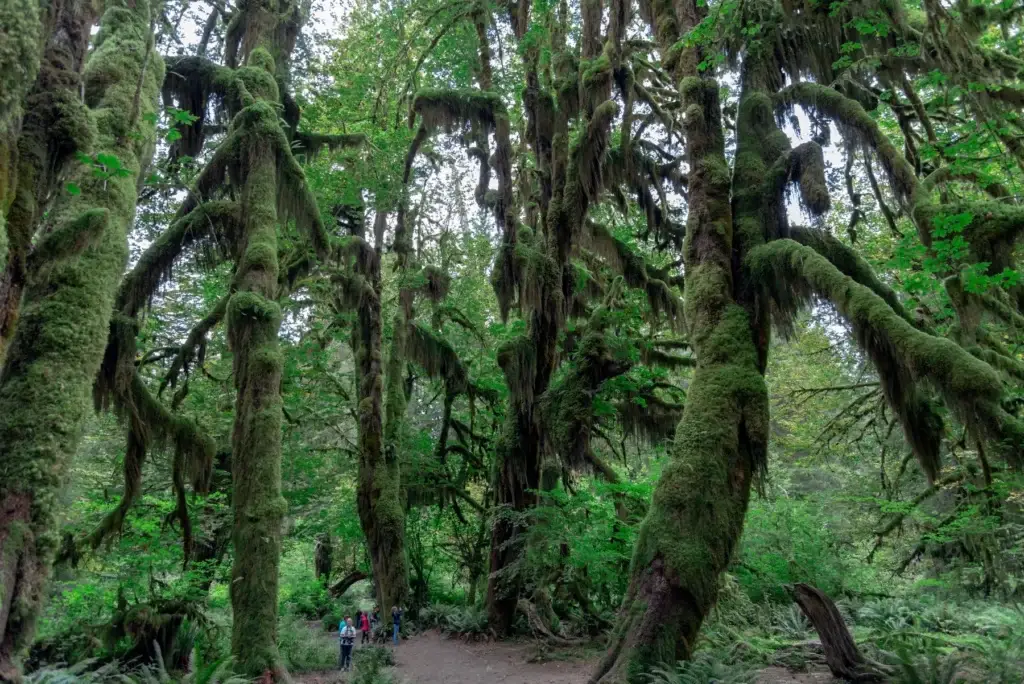
Hoh Rain Forest old-growth trail

Temperate rain forest

Meet the Hoh before the day accelerates

Begin before peak congestion or use a later light window, allowing a naturalist to focus attention on moss, nurse logs, canopy and river processes rather than racing between trail signs.

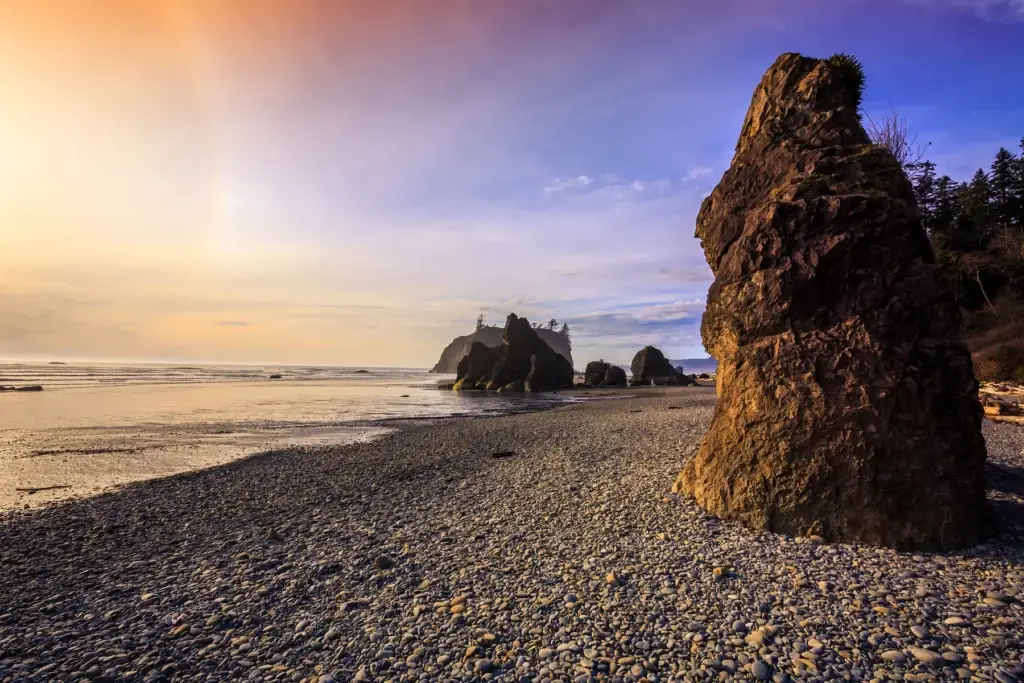
Exact Olympic National Park beach with sea stacks or tidepools

Pacific coast

Let the tide choose the coastal window

Build one ability-matched shore interval from NOAA tides, NPS tidal restrictions, marine weather and live road access, with tidepool etiquette and a conservative turnaround replacing a fixed-photo promise.

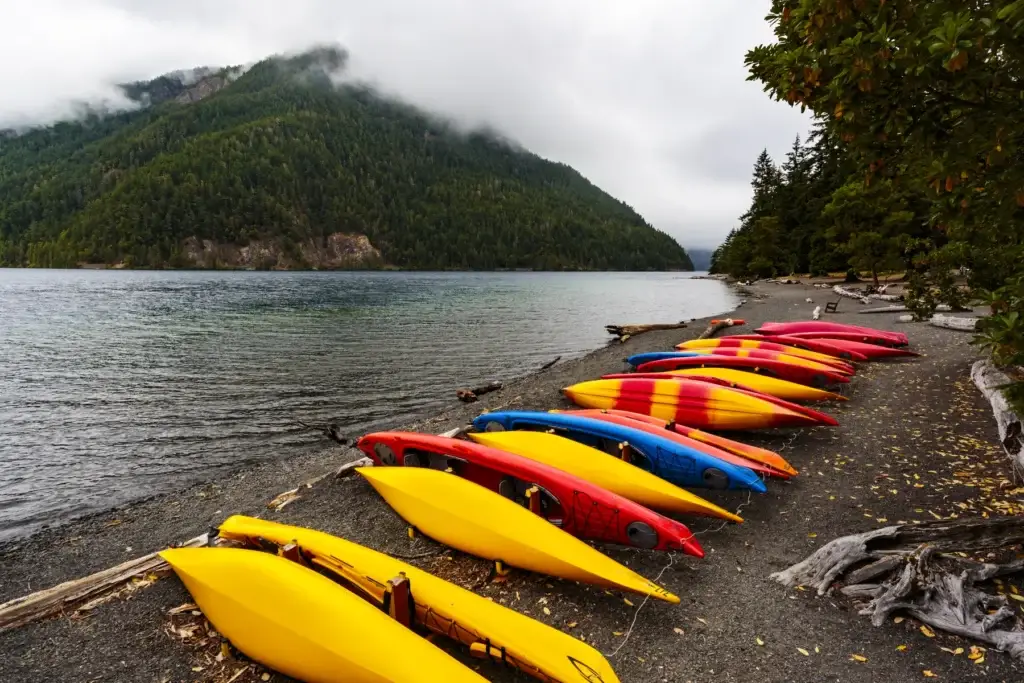
Lake Crescent shore, guided paddle or exact lake landscape

Water and geology

Use Lake Crescent for cold-water stillness

Choose a shore-based geology and forest walk or a properly equipped guided paddle when conditions fit, treating the lake's depth, cold water and wind as planning facts rather than scenery.

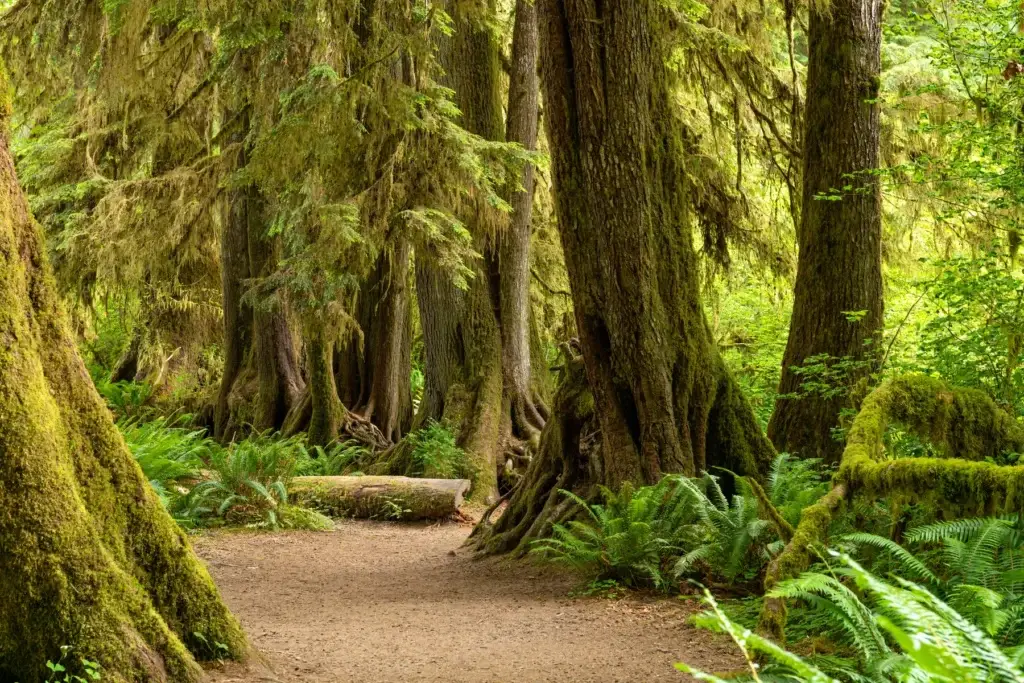
Hoh River watershed landscape with exact metadata

Living landscape

Read the Hoh watershed with first voice intact

Pair watershed ecology with the Hoh Tribe's own account of river-centered identity and stewardship, using only current tribally led or authorized interpretation when available and never packaging community life as access.

Travel restored

What makes Olympic Peninsula, Washington a wellness destination?

What makes the Olympic Peninsula a wellness destination?

Olympic replaces speed with ecological attention: rain-forest quiet, tide-clock patience, cold-water restraint and alpine perspective. Research reviews suggest nature exposure may influence perceived stress and some short-term physiological measures, but the evidence is variable and does not make the landscape a treatment. The takeaway is a durable habit of matching ambition to conditions.

Wellness role
A primary reason to travel
Best for
Travelers seeking lower stimulation, sensory attention, gentle movement and a more deliberate relationship with uncertainty
Format
Private or small expert-led interpretation, protected quiet intervals and condition-matched movement
Ideal commitment
One primary ecosystem each day, with transfers, weather alternatives and recovery treated as part of the itinerary
Intensity
Gentle

For companions

Strong for couples, solo travelers and multigenerational parties when terrain, tides, cold water and road conditions are matched to the group.

Seasonal lens

Late spring through early autumn offers the widest range. Autumn and winter suit travelers comfortable with shorter daylight, rain, snow and a more selective route.

Lower stimulation through close observation

Temperate-rain-forest attention

Use a naturalist-led forest interval to notice canopy layers, moss, water and decomposition, followed by quiet time without a second trail objective.

Duration
60 to 120 minutes
Intensity
Gentle
Best for
Travelers seeking sensory quiet and ecological meaning
Consider

Rain, roots, mud and uneven surfaces require current footwear and mobility review.

Let natural timing replace schedule pressure

Tide-clock patience

Build one short coastal interval around a safe tidal window, then leave before the sea removes the route rather than extending the outing for a photograph.

Duration
One verified low-tide window
Intensity
Varies
Best for
Travelers comfortable letting conditions lead
Consider

Tides, surf, wind and access must be verified. Some headlands become impassable.

Practice informed limits at Lake Crescent

Cold-water restraint

Choose a shore interval or properly equipped guided paddle that respects water temperature, wind and individual ability without turning cold exposure into a wellness claim.

Duration
45 to 90 minutes
Intensity
Gentle
Best for
Water-oriented travelers who value safety and stillness
Consider

This is not cold-water therapy. Personal flotation devices, equipment and conditions require direct confirmation.

Use scale and distance to reset perspective

Alpine decompression

Let a qualified guide shape a short Hurricane Ridge interval around visibility, wind, construction and ability, with time to look rather than collect viewpoints.

Duration
60 to 120 minutes
Intensity
Varies
Best for
Travelers seeking perspective without a strenuous objective
Consider

Elevation, snow, wind, road status and limited services can replace or shorten the plan.

Wellness descriptions do not promise diagnosis, treatment, biomarker change or longevity. Activities must be matched to tides, weather, cold water, altitude, mobility and individual medical needs.

Timing the journey

When to go

July through early September offers the broadest likelihood of open mountain roads and long daylight, with peak congestion. Late spring and early autumn can feel calmer but require greater flexibility. Winter is a selective, weather-led journey rather than a complete park circuit.

Mar · Apr · May

Conditional

Spring

Weather
Longer days, active rain, lingering mountain snow and highly variable trail and road conditions.
Crowds
Quieter than summer, with clear weekends concentrating demand.
Best for
Lower-elevation forest, lake and carefully selected coast days.

Jun · Jul · Aug

Best

Summer

Weather
The broadest likelihood of mountain access and long daylight, with marine fog, heat, smoke or wind still possible.
Crowds
Peak demand can fill Hoh and Hurricane Ridge parking and create lengthy entry waits.
Best for
Multi-base mountain, lake, rain-forest and coast journeys.

Sep · Oct · Nov

Good

Autumn

Weather
Early autumn may retain broad access before storms, high surf, rain and shorter daylight narrow the route.
Crowds
Shoulder dates can feel calmer outside weekends.
Best for
Rain-forest atmosphere, selective coast and slower lake intervals.

Dec · Jan · Feb

Conditional

Winter

Weather
Short daylight, heavy rain, high surf, snow and intermittent mountain-road operation require a selective plan.
Crowds
Generally quieter, with weather concentrating visitors where roads remain open.
Best for
Storm-aware forest, coast-viewing from safe developed areas and restorative lodge time.

Roads, construction, snow, fire, smoke, tides, high surf, parking, visitor services and Tribal visitor rules change. Confirm the exact travel week.

Value, clearly framed

Understanding trip value

Custom quote based on exact route, accommodations, private vehicle, specialist interpretation and seasonal availability. No public package price is stated.

What shapes the guidance

3 to 9 nights for two travelers; accommodations, transfers, guides and confirmed experiences priced at proposal stage.

Journey logistics

Arrive well

SEA is the principal commercial-air gateway. Reach the peninsula by a confirmed road transfer, or use a ferry crossing only when its terminal, vehicle queue and schedule improve the exact route. Once on the peninsula, travel times reflect water and mountain geography. No road crosses Olympic National Park.

Primary gateway Seattle-Tacoma International Airport (SEA), with Port Angeles as the northern gateway

Premium commercial air

Arrive through SEA

Confirmed origin citySeattle-Tacoma International Airport (SEA)

Scheduled air and confirmed ground transfer

Confirm terminal, luggage, mobility assistance, ferry choice if any, and the final peninsula route for the exact flight.

Boat, ferry or yacht

Use a ferry only when it improves the route

Greater Seattle areaConfirmed Washington State ferry terminal

Vehicle or walk-on ferry plus confirmed ground transfer

Schedules, waits, service alerts, vehicle queues and onward transport require live confirmation.

Final transfer

Make Port Angeles the northern threshold

Confirmed peninsula arrival routePort Angeles, Lake Crescent and Hurricane Ridge corridors

Confirmed private vehicle, driver or current public transport

Hurricane Ridge Road, construction, parking, weather and seasonal shuttle service may change the day's plan.

Final transfer

Relocate for the west-side chapter

Port Angeles or Lake CrescentHoh Rain Forest, Forks, Kalaloch or Lake Quinault corridor

Confirmed road transfer

No road crosses the park. Road closures, Hoh entry metering, coastal tides, marine weather and Quinault washouts require live review.

Access and mobility

Confirm airport and ferry assistance, vehicle configuration, restrooms, trail grade, surface, seating, weather exposure and visitor-center operations against the traveler's exact needs. NPS states there is no accessible route to any Olympic coastal beach, while accessibility varies among developed mountain, lake and forest sites.

Before you go

Practical planning notes

Getting around

One ecosystem each day

Do not combine Hurricane Ridge, the Hoh and a Pacific beach into one ambitious day.

Reservations

Check roads before departure

Construction, washouts, weather and emergency closures can change the correct corridor.

Wellness

Let tides control the coast

Use NOAA predictions, NPS tidal restrictions, a topographic map and marine forecast.

Etiquette

Keep first voice intact

Use Tribal sources for living history, visitor rules and any community-led interpretation.

The VH Luxe approach

How VH Luxe composes the journey

  1. Choose the ecosystems

    Select two or three primary landscapes before choosing hotels or daily routes.

  2. Assign the bases

    Use north, west and south chapters only when each earns enough time.

  3. Build condition-ready alternatives

    Give every mountain and coastal day a credible forest, lake or recovery replacement.

  4. Carry home ecological pacing

    Keep the habit of letting place and conditions define a day's capacity.

Paramjit Harika, VTA, CTA

Advisor-led planning

Your journey, personally considered

Paramjit Harika

Founder & Luxury Travel Advisor

I coordinate your hotel and room, premium air, transfers and key experiences as one considered journey, with one point of contact from planning through travel.

Good to know

Frequently asked questions

How many nights do you need on the Olympic Peninsula?

Allow 3 to 4 nights for a northern chapter, 5 to 7 for north plus west, or 7 to 9 for a measured route that also includes Quinault.

Can you drive across Olympic National Park?

No. Park roads enter separate corridors and do not cross the interior, so travel between ecosystems follows roads around the peninsula.

Can you visit Hurricane Ridge and the Hoh Rain Forest in one day?

This guide does not recommend that structure. Separate days preserve enough time for road conditions, parking, interpretation and recovery.

Do you need a timed-entry reservation for Olympic National Park?

NPS currently states that the park does not use timed entry, but passes, wilderness permits, campground reservations and individual visitor rules remain separate. Recheck current conditions before travel.

Is the Olympic coast accessible at any tide?

No. Some headlands become impassable outside lower tides, and high surf or storms can invalidate a route even when a tide table appears favorable.

What makes the Olympic Peninsula a wellness destination?

Its strongest wellness value comes from rain-forest attention, tide-clock patience, cold-water restraint and alpine perspective, not generic spa claims or promised medical outcomes.