
The VH Luxe destination guide

Okinawa & the Ryukyu Islands, Japan

Choose one island expression, follow the sea and leave enough room for Ryukyuan culture, rest and weather resilience.

Recommended stay

4–

9 nights

Best time

Spring and autumn are broad starting points for culture and coast. Summer supports warm-water travel only with a genuine typhoon and marine contingency. Cooler months suit food, craft and quieter island time, with water operation confirmed locally.

Primary gateway

Naha Airport (OKA), followed by the exact island's verified road, domestic-air or ferry plan

Journey context

Four to five nights for Okinawa Main Island or one island expression. Seven to nine for two compatible bases with a protected transfer and weather buffer.

Curator’s verdict

Okinawa is a subtropical island journey shaped by Ryukyuan history, sea conditions and deliberate pacing. Four to five nights suits Okinawa Main Island; seven to nine nights supports a thoughtful pairing with Kerama, Miyako or Yaeyama.

Choose well

Which Okinawa expression fits you?

Choose a reason to travel before choosing a resort. Main-island culture, Kerama sea time, Miyako openness and Yaeyama depth require different logistics.

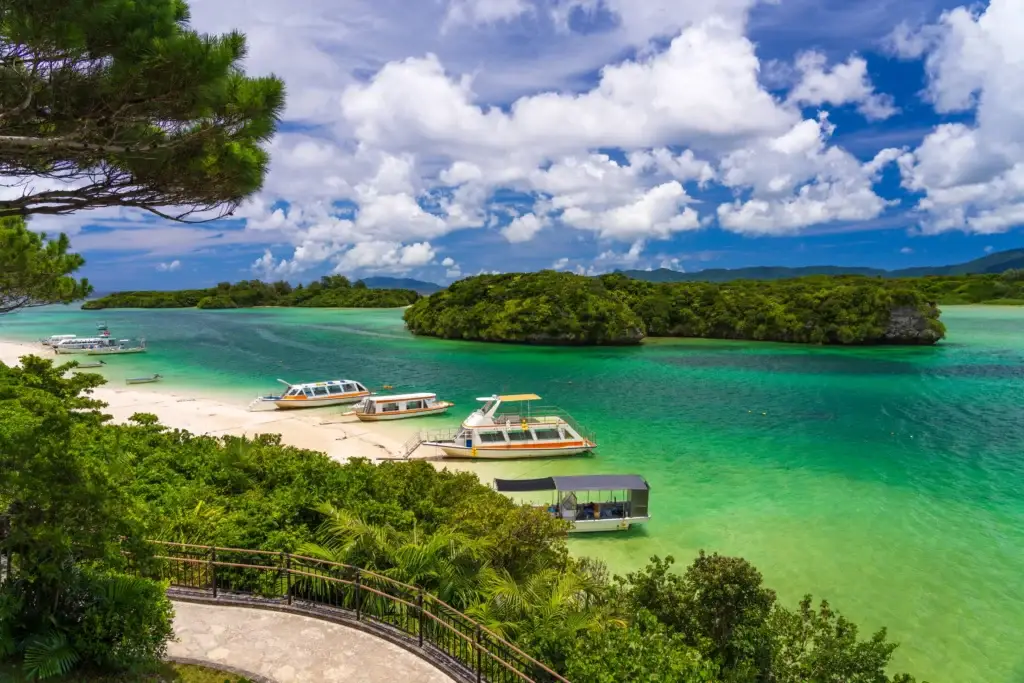
Turquoise Kabira Bay on Ishigaki island in Okinawa

First visits, families and travelers balancing food, craft, history and coast

Okinawa Main Island for culture and ease

Use Main Island for Naha, Ryukyu Kingdom context, crafts, food, sacred landscapes and resort time without adding an inter-island transfer.

Worth knowing

It does not deliver the same remote-water feeling as a separate Kerama, Miyako or Yaeyama chapter.
Couples and active families who want a focused marine rhythm

Kerama for a compact sea chapter

Choose Kerama only when the current boat or island connection and water plan are suited to the party's confidence and weather tolerance.

Worth knowing

Ferry and sea conditions can alter the shape of the stay. It needs a no-boat alternative.

Travelers prioritizing beach, lower stimulation and a single-resort rhythm

Miyako for open-water calm

Miyako suits a simple, spacious coastal stay where the sea, room and recovery time carry the journey.

Worth knowing

Wind, water and island-flight conditions can reshape activity. It should not be over-programmed.

Repeat visitors and guests who accept more transfers for a stronger landscape story

Yaeyama for island depth and nature

Use Ishigaki and Iriomote when remote island atmosphere, ecosystems and a carefully run nature program matter more than simplicity.

Worth knowing

More moving parts increase weather and transport exposure, so this choice needs generous time and current operator checks.

A considered introduction

Okinawa is not one interchangeable beach destination. Okinawa Main Island, Kerama, Miyako and Yaeyama offer different transfer patterns, sea conditions, cultural depth and reasons to stay.

Four to five nights supports one well-chosen island expression. Seven to nine nights can connect two compatible bases when an inter-island transfer day and weather contingency are treated as part of the journey.

Advisor note

Advisor perspective: I would choose culture, open-water activity, remote nature or low-stimulation resort time before choosing the hotel. Then I would protect the trip with a true no-boat alternative, especially during the warmer and typhoon-prone months.

What stays with you

Signature experiences

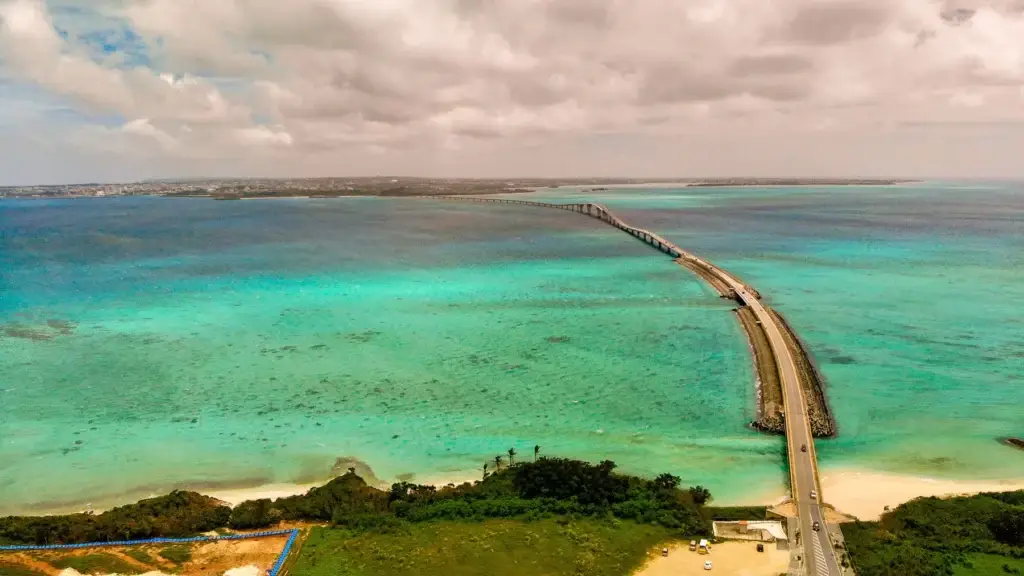
Aerial view of Kurima Bridge and turquoise water near Miyakojima, Okinawa

Sea

Let the marine guide choose the water plan

A qualified local operator can decide whether snorkeling, paddling, boat time or a shoreline alternative best fits the sea state, skill and conservation conditions that day.

Ryukyu heritage

Read the former Ryukyu Kingdom with a local specialist

Use a historian or cultural practitioner to connect court history, art, music, food and present-day Okinawa without reducing the islands to a generic tropical version of Japan.

Sacred landscape

Visit Sefa Utaki with boundaries understood

Sefa Utaki is a sacred natural place in Ryukyuan belief. Follow current access restrictions, quiet conduct, photography rules and the site's own visitor guidance.

Craft

Meet one living craft deeply

Arrange a studio visit or guided workshop with a yachimun ceramicist, bingata artist, Ryukyu-glass maker or other working practitioner where they invite visitors.

Food

Use one table to understand island foodways

A chef can introduce local produce, sea vegetables and Ryukyuan culinary history through a seasonal meal, not through a prescribed diet or longevity claim.

Travel restored

What makes Okinawa & the Ryukyu Islands, Japan a wellness destination?

Okinawa offers wellbeing through island pacing, Ryukyuan foodways, crafts, music and sea-aware time. Its longevity story is context, not a cure: traditional patterns are research subjects and living culture, not something a short holiday can reproduce.

Wellness role
A primary reason to travel
Best for
Travelers seeking culturally grounded rest, food and craft, safe sea time and a lower-stimulation island rhythm
Format
Qualified local marine guide, working craft practitioner, cultural specialist, property-confirmed bodywork and provenance-led meal
Ideal commitment
One sea-aware interval, one cultural or craft encounter, one slow meal and one protected quiet evening
Intensity
Varies

For companions

Strong for mixed interests because sea time, food, craft and quiet can be chosen independently without splitting the trip.

Seasonal lens

Spring and autumn support broad culture-and-coast planning. Warm-water months need weather flexibility, while cooler months need current swimming, ferry and beach-service confirmation.

Connect food, place and attention without turning cuisine into a prescription

Nuchigusui: nourishment with context

Nuchigusui is commonly translated as nourishing food or medicine of life. A local culinary expert can explain it through seasonal ingredients and Ryukyuan foodways.

Duration
One slow meal or culinary conversation
Intensity
Gentle
Best for
Culinary travelers who want a culture-led wellness layer
Consider

The phrase does not make food medical care. Confirm allergies, dietary needs, seafood safety and personal clinical advice where relevant.

Use rhythm and shared occasion to create a lighter mental state

Sanshin and kachashi

A current performance or respectful guided lesson can introduce the sanshin and kachashi as living performing arts, with context supplied by the practitioner.

Duration
One performance or guided lesson
Intensity
Gentle
Best for
Music, culture and family travelers
Consider

Do not promise access, participation, a private performer or a therapeutic result. Follow the host's recording and photography rules.

Create a tactile pause through working with place and material

Yachimun and deliberate making

Yachimun is Okinawan pottery. A studio encounter can make time for concentration, making and conversation with a working artist where they welcome it.

Duration
One studio visit or workshop
Intensity
Gentle
Best for
Design-minded guests and lower-stimulation travelers
Consider

Workshop access, photography, kiln areas and delivery are studio-specific. Do not assume a private encounter.

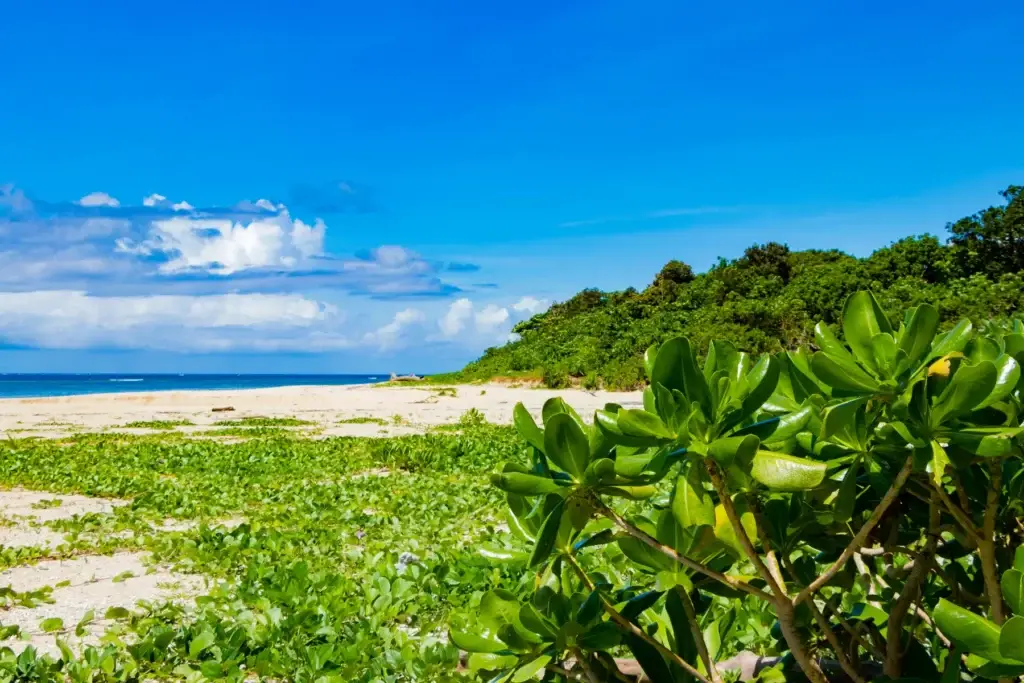
Sandy beach and coastal vegetation on Ishigaki island, Okinawa

Restore attention through safe, unhurried contact with the coast

Sea-aware time

A private guide can shape swimming, paddling, reef observation or a quiet shoreline interval around conditions, skill and reef protection.

Duration
Forty-five to 90 minutes
Intensity
Varies
Best for
Couples, families and guests who reset through water
Consider

Sea state, tides, heat, reefs and personal swimming confidence determine whether water access is appropriate. This is not marine therapy.

Wellness descriptions explain culture, food, music, craft, rest and sea-aware movement. They do not promise diagnosis, treatment, biomarkers, detoxification, disease prevention or longevity. Confirm personal suitability, current safety guidance and practitioner or operator credentials.

Timing the journey

When to go

Spring and autumn are broad starting points for culture and coast. Summer supports warm-water travel only with a genuine typhoon and marine contingency. Cooler months suit food, craft and quieter island time, with water operation confirmed locally.

Mar · Apr · May

Best

Spring coast and culture

Weather
A broad starting window for culture, resort time and coastal plans, though wind, rain and marine conditions still decide each water day.
Crowds
School holidays and popular beach openings can increase demand.
Best for
Best overall for a first Main Island or two-island composition.

Jun

Conditional

Early-summer transition

Weather
Rainy-season timing and its end vary, so a flexible sea day and indoor cultural alternatives are important.
Crowds
Demand varies by event and island.
Best for
Works for flexible travelers with a property-led backup plan.

Jul · Aug · Sep · Oct

Conditional

Warm-water travel with typhoon resilience

Weather
Summer is warm and humid. Japan Meteorological Agency normals show the highest Okinawa typhoon-approach averages in August and September, while risk extends across the warmer months.
Crowds
Festivals and school dates can change availability; disruption may matter more than nominal crowd levels.
Best for
For travelers who can protect time, insurance and a no-boat alternative.

Nov · Dec · Jan · Feb

Conditional

Cooler island rhythm

Weather
Cooler conditions suit food, craft, culture and slower coastal time, while swimming and water operations need local confirmation.
Crowds
Holiday dates and island events can still create high demand.
Best for
Best for a low-stimulation, culture-and-food forward journey.

Okinawa weather, sea state and island transport are changeable. Reconfirm Japan Meteorological Agency warnings, flights, ferries, marine conditions, beach operation and local access rules for the exact dates.

Value, clearly framed

Understanding trip value

Custom quote based on season, international cabin, Naha and inter-island flights or ferries, hotel category, marine support, guides and private experiences. No public package price is stated.

What shapes the guidance

Four to nine nights for two travelers; one or two island bases, international air excluded unless requested, with all transport and private experiences priced at proposal stage.

Journey logistics

Arrive well

Use Naha as the main gateway, then build around the actual island sequence. The airport connects domestic and international areas, but airline, baggage, immigration and onward-flight rules must be verified for the ticketed itinerary. Inter-island air and ferry service are operational variables, not promises.

Primary gateway Naha Airport (OKA), followed by the exact island's verified road, domestic-air or ferry plan

Premium commercial air

Naha arrival for Okinawa Main Island

A confirmed international or domestic originNaha Airport (OKA), then the selected main-island hotel

Commercial air followed by confirmed road or monorail-and-road transfer

Confirm airline, terminal, baggage, immigration, vehicle type, traffic, exact hotel and accessible-transfer requirements before ticketing.

Premium commercial air

Inter-island continuation

Naha or a confirmed island gatewayExact island airport or ferry terminal, then the selected base

Confirmed domestic flight or ferry followed by the local transfer

Sea state, typhoon warnings, airline rules, ferry operation, luggage and local transport can change. Use a protected connection and a property-based fallback.

Access and mobility

Confirm step-free rooms, adapted vehicles, pool and beach entry, vessel boarding, gangway conditions, mobility-device policy, shade, accessible restrooms and assistance at each airport, ferry and heritage site. Coastal paths, tide, boats, stairs, coral terrain and sacred-site surfaces can limit access.

Before you go

Practical planning notes

Getting around

Treat sea days as flexible

Build one satisfying no-boat alternative for every marine day. Operators and conditions determine what is safe.

Reservations

Protect island connections

Use protected inter-island timing, clear luggage ownership and a disruption plan rather than tight same-day sequencing.

Etiquette

Respect sacred places

At utaki and heritage locations, current access rules, silence and photography restrictions take precedence over the itinerary.

Etiquette

Protect reef and wildlife

Do not touch coral or wildlife, feed animals or pursue a sighting. Use conservation-minded, qualified operators.

The VH Luxe approach

How VH Luxe composes the journey

  1. Choose the island expression

    Let Main Island culture, Kerama sea time, Miyako openness or Yaeyama depth lead the route.

  2. Protect one sea-aware day

    Let a qualified operator decide between water, shore or indoor cultural alternatives.

  3. Enter one craft or cultural practice

    Choose living authorship and permission-led access over a generic cultural checklist.

  4. Carry home the island rule

    Move with conditions, eat with attention and leave protected time unscheduled.

Paramjit Harika, VTA, CTA

Advisor-led planning

Your journey, personally considered

Paramjit Harika

Founder & Luxury Travel Advisor

I coordinate your hotel and room, premium air, transfers and key experiences as one considered journey, with one point of contact from planning through travel.

Good to know

Frequently asked questions

What is the best time to visit Okinawa?

Spring and autumn are broad starting points. Summer works for warm-water travel only with a genuine typhoon and marine-conditions contingency. Cooler months suit food, craft and culture with water operations confirmed locally.

How many nights do you need in Okinawa?

Allow four to five nights for one island expression. Seven to nine can connect two compatible bases when the inter-island transfer is protected and the itinerary keeps weather flexibility.

Which Okinawa island should I choose?

Choose Main Island for culture and ease, Kerama for a compact marine chapter, Miyako for a quieter beach rhythm, and Yaeyama for more remote nature and a stronger island sequence.

Is Okinawa suitable for families?

Yes, when the island, transfers, sea conditions, room setup, heat, swimming confidence and medical access are matched to each traveler. One well-chosen base often protects family rhythm best.

What makes Okinawa a wellness destination?

Okinawa combines island pacing, Ryukyuan foodways, craft, music and sea-aware time. Its wellness value is a calmer, culturally grounded rhythm, not a promise of medical or longevity results.