The VH Luxe destination guide

Namibia

Use distance deliberately, protect the silence and let desert, coast and conservation define a spacious journey.

Recommended stay

9–

13 nights

Best time

May through October generally offers dry conditions and strong wildlife visibility. June through August brings cold desert mornings and nights. November through April can be greener and quieter but introduces heat, rain and more variable road or flight conditions.

Primary gateway

Hosea Kutako International Airport (WDH), followed by a verified private road or light-aircraft circuit

Journey context

Allow 9 nights for a focused route and 13 for the fullest version without making every day a transfer.

Curator’s verdict

May through October is the clearest general window for a first journey. The decisive choice is not the lodge list but the route: Sossusvlei and the Namib, Damaraland and the Skeleton Coast, or Etosha, with enough flight and driving margin to keep scale from becoming fatigue.

Choose well

Which Namibian landscape should lead the journey?

Choose one primary landscape and one complementary chapter before selecting camps. Distances are real, and every added region changes the flight, road and recovery plan.

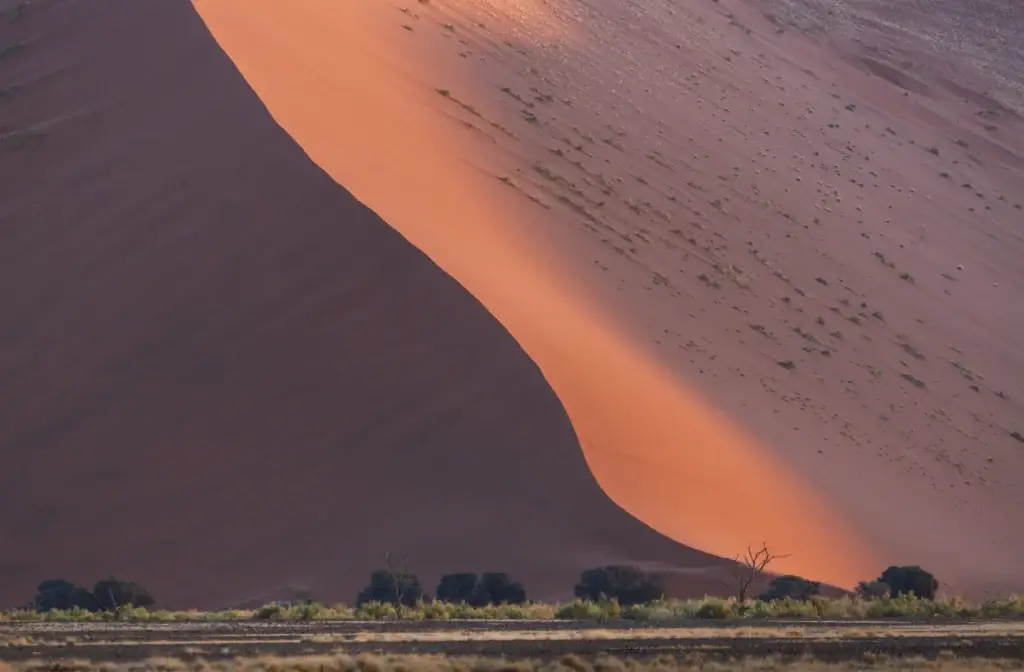
Sossusvlei or Namib Sand Sea at first light

First visits, photographers and travelers drawn to geology and space

Let the Namib define the first chapter

Sossusvlei and the Namib Sand Sea create the clearest introduction through dunes, fog and changing light.

Worth knowing

Dawn access and conditions must be confirmed, and the desert alone does not create a complete wildlife journey.
Damaraland or Skeleton Coast landscape

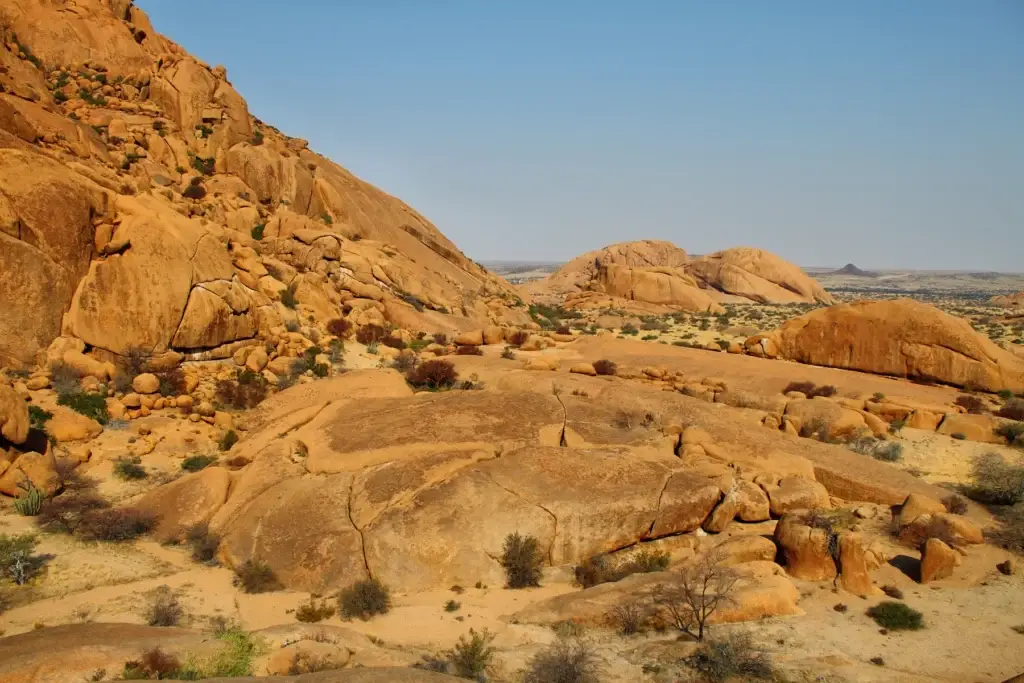
Repeat safari travelers, natural-history travelers and private groups

Use the northwest for conservation and deep landscape

Damaraland and the Skeleton Coast reward expert interpretation of geology, adaptation and conservation.

Worth knowing

Remote sectors require flight and weather margins, and wildlife encounters cannot be guaranteed.

Families and first-time safari travelers

Add Etosha for a wildlife-led finish

Etosha can provide a strong wildlife chapter when the route protects enough time around the park and selected reserves.

Worth knowing

Driving distances and waterhole conditions vary, so Etosha should not be treated as a quick add-on.

Travelers balancing scenery, time and comfort

Choose road, air or a deliberate hybrid

Road travel reveals scale while private air protects time; a hybrid can keep both when luggage and runway constraints are planned.

Worth knowing

More flying is not automatically more luxurious if sectors fragment the day or weather disrupts the plan.

A considered introduction

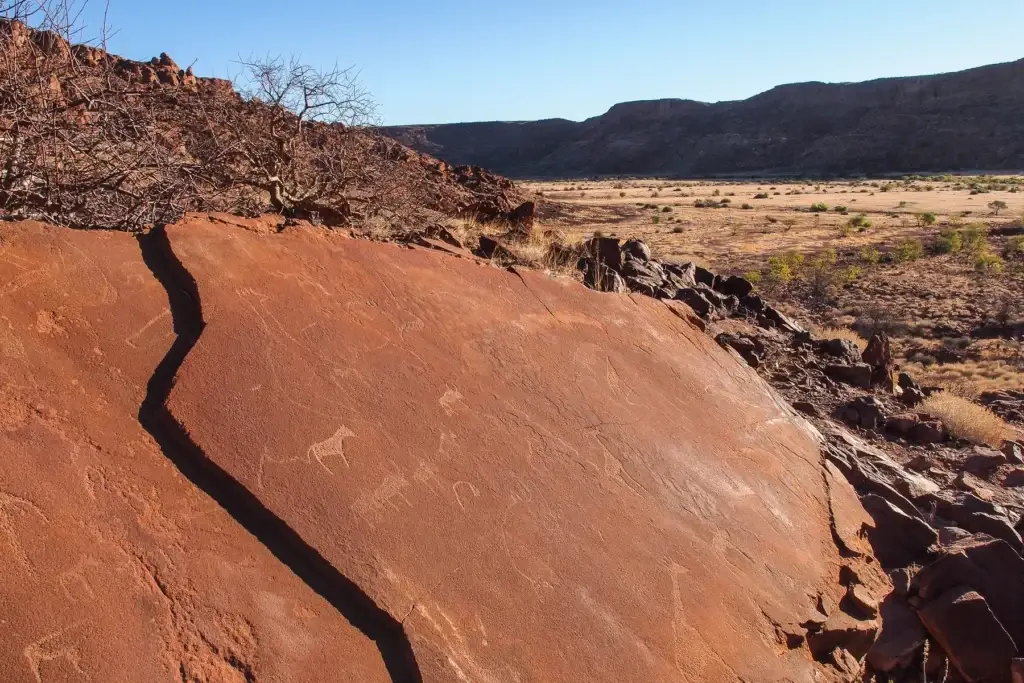
Namibia is a study in scale. The Namib Sand Sea, the fog-shaped Skeleton Coast, the rock art of Twyfelfontein and the wildlife landscapes around Etosha should not be compressed into a race.

Nine nights supports a focused air-and-road route. Eleven to thirteen gives the desert, northwest and wildlife chapters room to feel distinct. Private aviation can protect time, but weather, runway conditions and luggage limits still shape the day.

Advisor note

Advisor perspective: for a first journey, I would connect Sossusvlei with Damaraland or the Skeleton Coast, then add Etosha only when the stay is long enough. The luxury is an unhurried route, an excellent naturalist and enough margin for conditions to lead.

What stays with you

Signature experiences

Namib dunes with naturalist-scale human presence

Geology and light

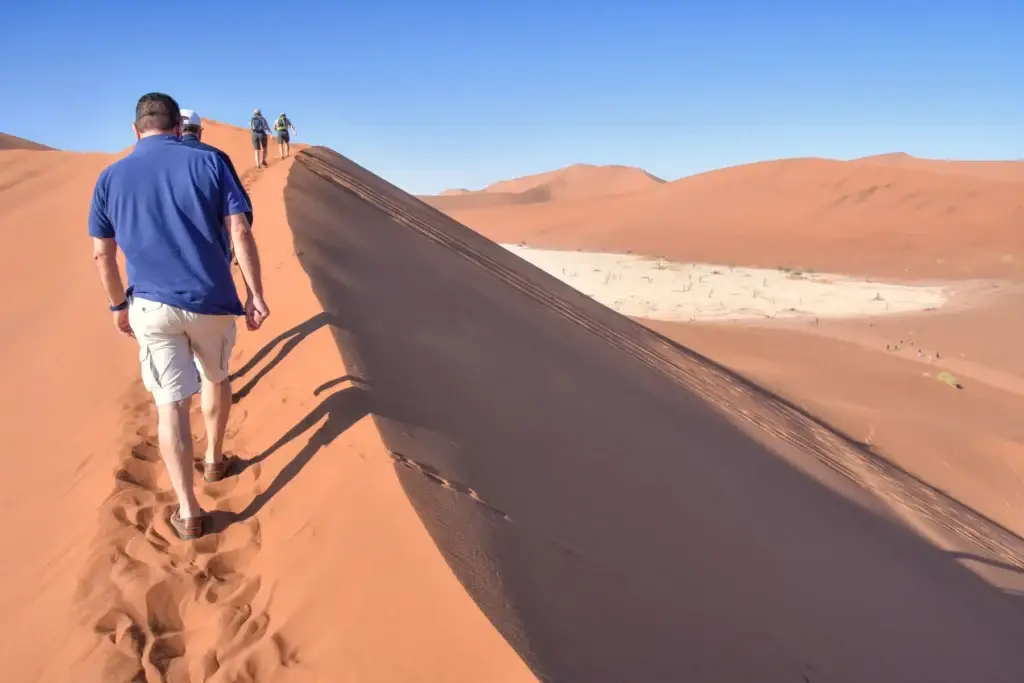
Read the Namib at first light

Use a private naturalist to connect dune movement, fog and desert adaptation on a route selected for current access and ability.

Twyfelfontein rock engravings

Rock art and living history

Approach Twyfelfontein with context

A qualified local guide can frame the engravings as evidence of San hunter-gatherer life without turning living cultures into spectacle.

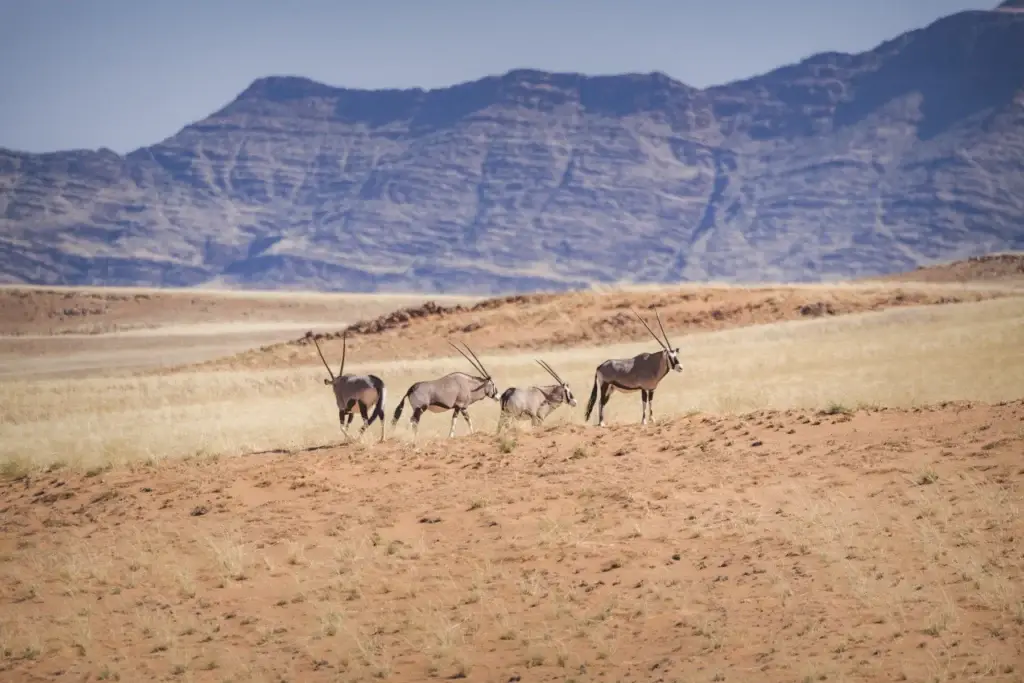
Desert-adapted wildlife in northwest Namibia

Conservation

Track desert-adapted wildlife responsibly

Join a verified conservation-minded guide in an appropriate northwest landscape, with distance, behavior and sightings governed by the animals and conditions.

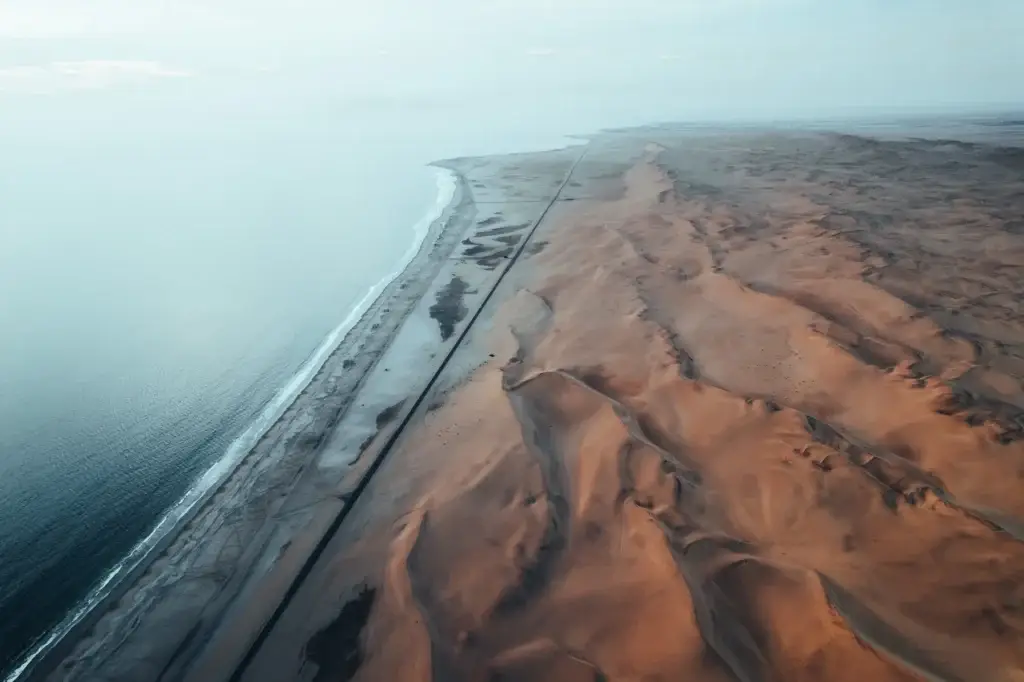
Skeleton Coast fog and Atlantic desert

Coastal ecology

Follow fog into the Skeleton Coast

A specialist-led flight or ground interval can explain how the cold Atlantic, fog and desert meet, subject to park and weather access.

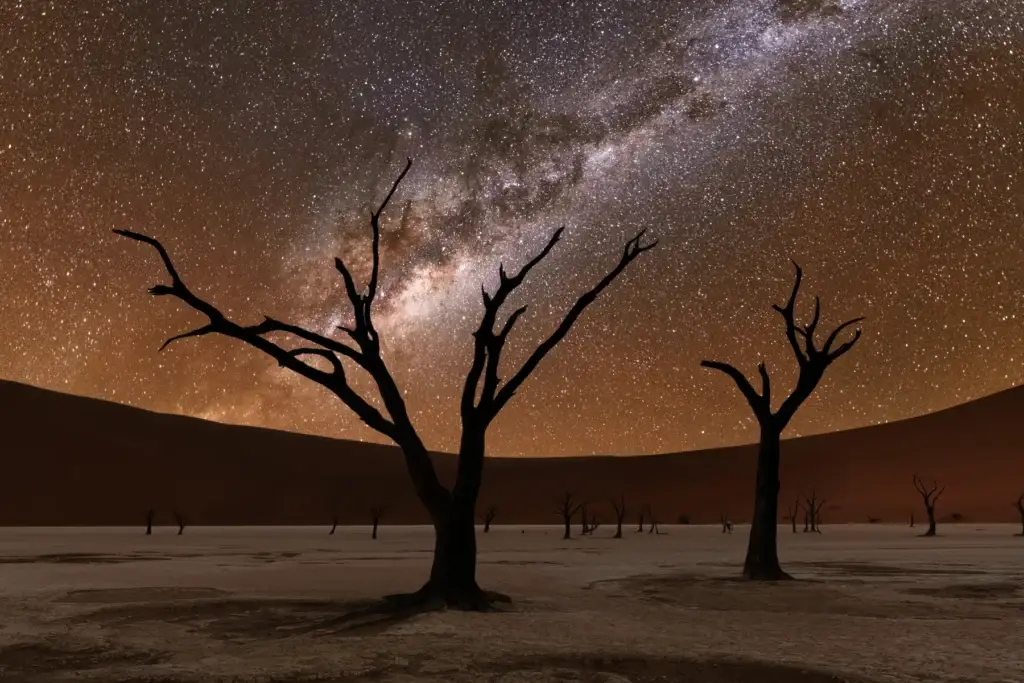
Namibian dark-sky desert evening

Night landscape

Use darkness as part of the itinerary

Protect one low-light evening for astronomy and quiet observation with a qualified guide, without presenting darkness as medical treatment.

Travel restored

What makes Namibia a wellness destination?

What makes Namibia a wellness destination?

Namibia makes wellness spacious: distance, darkness and expert-led desert attention reduce the pressure to collect experiences. The transformation is practical, a calmer relationship with time, stimulation and movement that can continue after the journey.

Wellness role
A primary reason to travel
Best for
Travelers seeking lower stimulation, purposeful movement, sleep-supportive habits and conservation-led perspective
Format
Private dawn walk, naturalist-led desert attention, low-light evening and one conservation-centered field interval
Ideal commitment
One expert-led movement or ecology anchor, one cultural interval and one protected daily pause within a 9- to 13-night route
Intensity
Varies

For companions

Strong for mixed interests because movement, culture and quiet can be shared or arranged independently around the same route.

Seasonal lens

May through October best supports a first dry-season route. Cold dawns and nights require layers, while warmer months require heat and storm-aware pacing.

Replace speed with sustained sensory attention

Desert attention at dawn

A private naturalist can pace a low-impact walk around geology, tracks, temperature and changing light.

Duration
Ninety minutes to half a day
Intensity
Moderate
Best for
Active travelers who prefer interpretation to performance
Consider

Heat, cold, terrain and park access determine the route. Nature-exposure research cannot predict an individual outcome.

Create a repeatable transition toward rest

Darkness and a quieter evening

Use shielded light, an early dinner and optional guided astronomy to make darkness part of the daily rhythm.

Duration
One evening or repeated nightly
Intensity
Gentle
Best for
Travelers managing high stimulation or screen-heavy routines
Consider

Dark skies do not treat insomnia. Sleep effects vary, and medical concerns belong with a clinician.

Turn observation into respect for distance and uncertainty

Conservation-centered tracking

A verified guide can explain spoor, habitat and monitoring while animal welfare controls every decision.

Duration
One half or full day
Intensity
Moderate
Best for
Safari travelers seeking meaning beyond sightings
Consider

No sighting is guaranteed. Never pursue animals, imply research participation or enter restricted areas without permission.

Learn resilience through ecology rather than self-optimization claims

Fog-desert adaptation

On the Skeleton Coast, a specialist can explain how organisms use fog and scarce resources in an extreme environment.

Duration
One specialist-led coastal interval
Intensity
Gentle
Best for
Natural-history travelers and multigenerational groups
Consider

Coastal fog, wind and aviation conditions can alter the plan. This is ecological learning, not a therapeutic protocol.

Wellness descriptions explain movement, ecology, food culture, bathing and restorative travel rhythm. They do not promise diagnosis, treatment, detoxification, biomarker change, longevity or medical outcomes. Confirm practitioners, facilities, conditions and personal suitability.

Timing the journey

When to go

May through October generally offers dry conditions and strong wildlife visibility. June through August brings cold desert mornings and nights. November through April can be greener and quieter but introduces heat, rain and more variable road or flight conditions.

May · Jun

Best

Early dry season

Weather
Drying landscapes, cool mornings and generally comfortable touring.
Crowds
Demand begins to rise, with strong guide and camp availability worth securing early.
Best for
Excellent for landscape, conservation and a balanced first route.

Jul · Aug · Sep · Oct

Best

Peak dry season

Weather
Clear days are common, but desert and safari mornings can be very cold before warming quickly.
Crowds
This is a high-demand wildlife period and small camps can sell out well ahead.
Best for
Strong for wildlife visibility, desert travel and fly-in circuits.

Nov · Dec

Conditional

Heat and transition

Weather
Temperatures rise and early rains may begin, with increasing variability across regions.
Crowds
Some areas feel quieter, but festive dates can tighten air and lodge space.
Best for
Best for repeat travelers comfortable with heat and flexible operations.

Jan · Feb · Mar · Apr

Good

Green and wet season

Weather
Rain is localized and variable; heat, storms and road conditions need active review.
Crowds
Lower demand can create space, though selected camps may alter operations.
Best for
Good for returning visitors, birding and greener landscapes with flexibility.

Weather, wildlife, marine conditions, transport, cultural access, site hours and seasonal operations change. Confirm the exact week and every time-sensitive experience before travel.

Value, clearly framed

Understanding trip value

Custom quote based on exact route, international cabin, regional air, private vehicle or vessel, specialist program and seasonal access. No public package price is stated.

What shapes the guidance

9 to 13 nights for two travelers; route-matched private transfers, qualified guides and specialist experiences priced separately at proposal stage.

Journey logistics

Arrive well

Use Windhoek as the international gateway, then choose a road-led, fly-in or hybrid circuit. Confirm every charter sector, airstrip, baggage limit, vehicle standard and same-day connection before travel.

Primary gateway Hosea Kutako International Airport (WDH), followed by a verified private road or light-aircraft circuit

Premium commercial air

International arrival through Windhoek

International originHosea Kutako International Airport (WDH)

Scheduled commercial air followed by confirmed private transfer

Confirm the operating service, luggage, conditions, assistance and onward transfer for the exact date.

Private aviation

Light-aircraft desert and safari circuit

Windhoek or route-matched airstripConfirmed lodge or regional airstrip

Licensed charter or scheduled light aircraft

Confirm the operating service, luggage, conditions, assistance and onward transfer for the exact date.

Final transfer

Private overland circuit

Windhoek or a route-matched lodgeSossusvlei, Damaraland, coast or Etosha

Professionally driven 4x4 with planned fuel and rest stops

Confirm the operating service, luggage, conditions, assistance and onward transfer for the exact date.

Access and mobility

Confirm aircraft steps and weight limits, vehicle height, sand and gravel surfaces, walking distance, heat and cold exposure, bathroom setup and emergency response. Remote airstrips and dunes require separate mobility review.

Before you go

Practical planning notes

Getting around

Treat distance as a design constraint

Confirm every drive and flight in the context of daylight, rest and the next day's plan.

Wellness

Pack for temperature swings

Cold dawns, hot afternoons and wind can occur in one itinerary.

Etiquette

Respect cultural boundaries

Use community-approved guides and never promise access to people, homes or ceremonies.

Getting around

Keep wildlife claims conditional

Animal behavior, water and weather determine sightings.

The VH Luxe approach

How VH Luxe composes the journey

  1. Begin with the Namib

    Use three nights to adjust, walk at dawn and understand the desert before moving.

  2. Cross into the northwest

    Let geology and conservation connect the route rather than adding a transfer for its own sake.

  3. Add one wildlife chapter

    Use Etosha or a compatible reserve only when the route supports three nights or more.

  4. Bring home protected quiet

    Keep one low-light evening and one unhurried walk realistic enough to repeat.

Paramjit Harika, VTA, CTA

Advisor-led planning

Your journey, personally considered

Paramjit Harika

Founder & Luxury Travel Advisor

I coordinate your hotel and room, premium air, transfers and key experiences as one considered journey, with one point of contact from planning through travel.

Good to know

Frequently asked questions

How many nights do you need in Namibia?

Allow nine nights for a focused desert and northwest route. Eleven to thirteen works better when Etosha or another wildlife chapter is included.

What is the best time to visit Namibia?

May through October is the clearest first-visit window, with cold mornings in midwinter and peak demand in the driest months.

Should you fly or drive in Namibia?

Driving reveals scale and landscape; light aircraft protects time. A deliberate hybrid often works best when baggage and runway limits are planned.

Can you guarantee desert-adapted wildlife sightings?

No. Ethical tracking follows current conditions and animal welfare, and every sighting remains uncertain.

Is Namibia suitable for a multigenerational trip?

Yes, when aircraft steps, vehicle height, walking surfaces, temperature exposure and medical access are reviewed for every traveler.

What makes Namibia a wellness destination?

Namibia uses space, darkness, deliberate movement and conservation-led attention to create a lower-stimulation journey with habits that can continue at home.