The VH Luxe destination guide

Muskoka & Georgian Bay, Ontario

Last updated 12 August 2026

Choose the right water, vessel and pace, then let granite, pine and changing weather edit the day.

Recommended stay

5–

7 nights

Best time

Late June through early September supports the broadest boating, paddling and island-access rhythm. May, June, September and October can feel quieter but bring colder water, variable weather and narrower operations. Winter is a separate snow, ice and dark-sky journey, not a boating substitute.

Primary gateway

Toronto Pearson International Airport (YYZ) and confirmed road transfer

Journey context

Allow 5 to 7 nights, with one principal water base and a split only when both connected Muskoka Lakes and southern Georgian Bay are essential.

Curator’s verdict

Muskoka and southern Georgian Bay reward competence more than display. The meaningful choice is not which yacht or cottage looks most impressive, but whether connected lakes or exposed islands fit the traveler, which operator understands the water, and when a paddle or dark-sky pause should replace another motorized plan.

Choose well

Which Muskoka and Georgian Bay rhythm fits?

Choose the water identity, vessel and access level first. Then let current weather and safety information determine each day's reach.

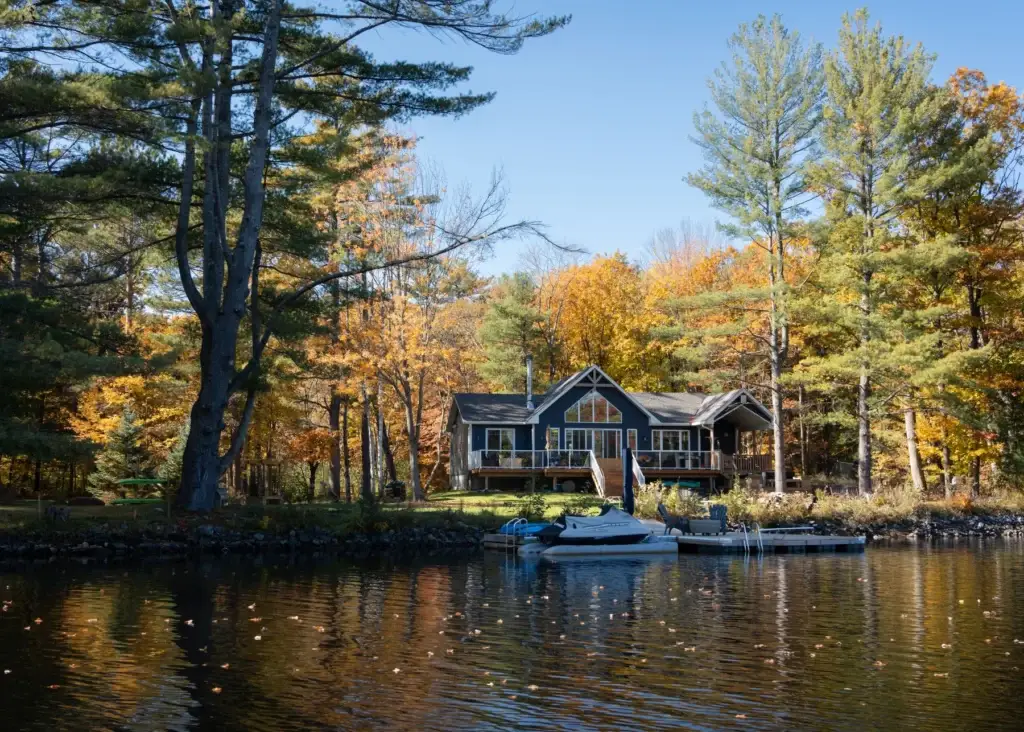
Documented Muskoka Lakes or southern Georgian Bay shoreline with granite, pines and open water

First visits, boating families and travelers deciding between classic lake life and a more elemental archipelago

Choose connected lakes or exposed islands

Use Muskoka Lakes for connected communities, locks and boating heritage, or southern Georgian Bay for granite islands, boat-only park access and wider water.

Worth knowing

A split reveals both landscapes but adds road time, packing and another set of water and access variables.
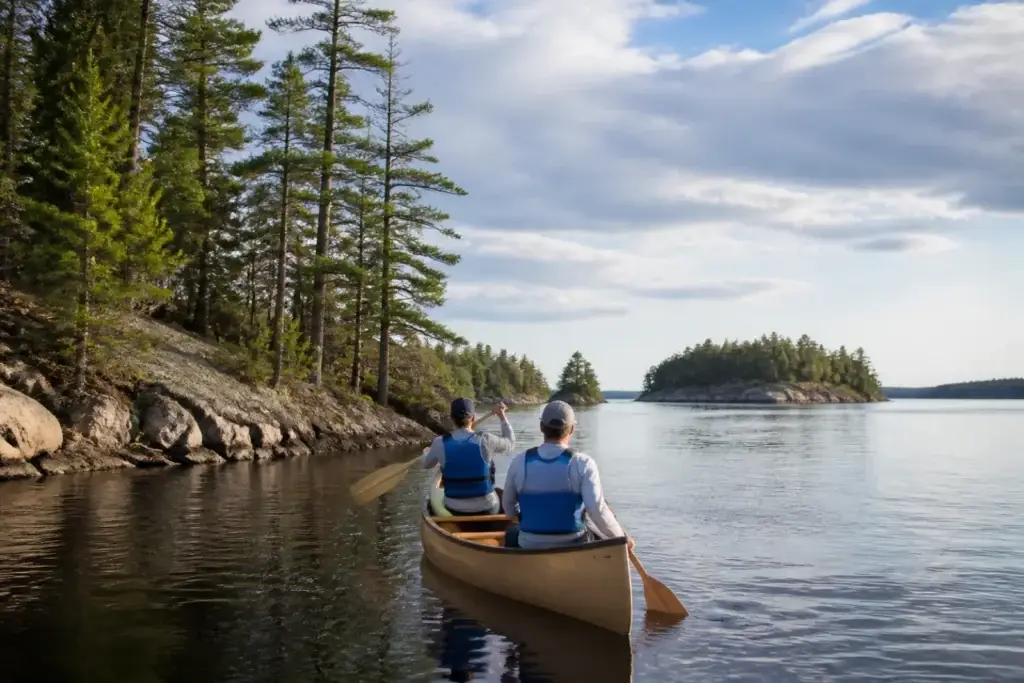
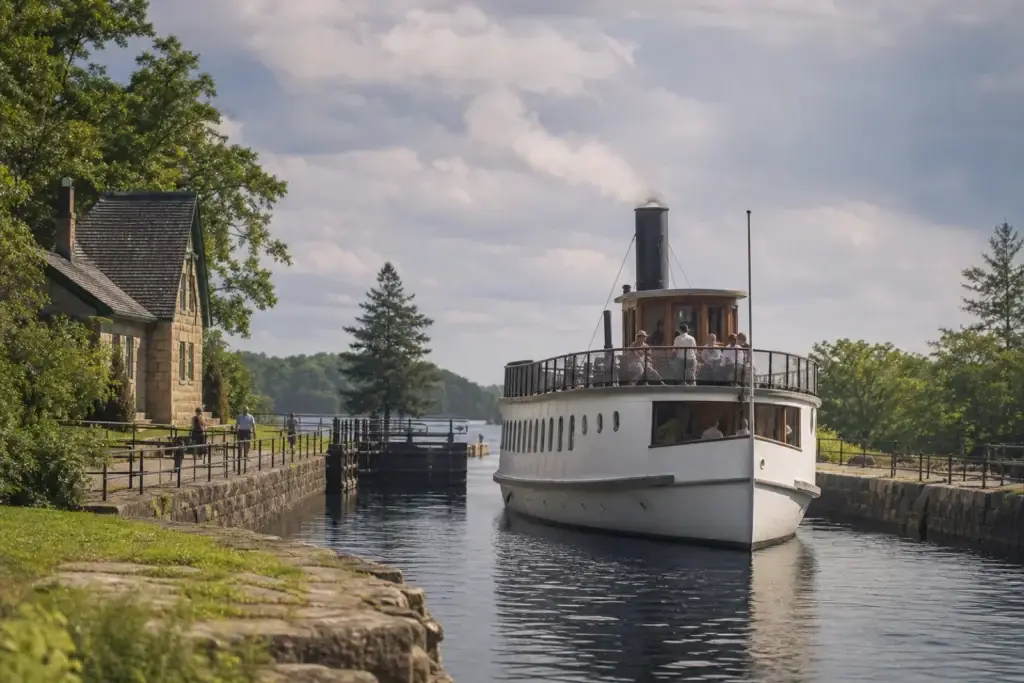
Appropriately equipped small motorboat, canoe or kayak in documented Muskoka or southern Georgian Bay conditions

Travelers who want a meaningful water day without turning unfamiliar conditions into a test

Match the vessel to skill and water

Choose a qualified local captain, sheltered paddle or shore-based day from recent experience, marine weather, water temperature and local hazards.

Worth knowing

The right answer may be a smaller vessel, shorter route or no boating at all, regardless of what was originally requested.

Natural-history and culture travelers prepared for a water transfer and variable island facilities

Treat Beausoleil as public boat-only access

Confirm transport, Cedar Spring access and current Parks Canada operations before building a day around the island's natural and cultural landscape.

Worth knowing

Docking can be first come, weather can interrupt service and accessible facilities are concentrated at Cedar Spring.

Every traveler, especially mixed-ability groups and shoulder-season journeys

Keep a land-based alternative

Protect a museum, historic walk or condition-approved dark-sky interval so a poor water day becomes a coherent change rather than a loss.

Worth knowing

A fallback must be reserved and accessible on its own terms; it cannot be assumed available at the last minute.

A considered introduction

The Muskoka Lakes and southern Georgian Bay share granite, pine and freshwater, but they ask for different judgment. Port Carling and the connected lakes support a gentler introduction to boating culture. Honey Harbour and Beausoleil Island introduce boat-only access, shoals, open-water weather and more limited facilities.

Allow five to seven nights. Choose one principal water base, confirm a qualified local operator when needed, wear properly fitted flotation, keep a land-based alternative and never assume that a cottage, dock, island or vessel is available without written confirmation.

Advisor note

Advisor perspective: I would choose Muskoka Lakes or southern Georgian Bay as the principal water identity, confirm the operator and safety plan before selecting the vessel, and protect one weather-proof cultural alternative. VH Luxe Travels can coordinate tailored arrangements where applicable, with transport, guides, public access and accessibility confirmed for the exact travel dates.

What stays with you

Signature experiences

Documented Port Carling locks, historic public vessel or Muskoka Lakes Museum context

Boating heritage

Read the Muskoka lake chain through boating history

Connect Obajewanung, Port Carling's locks, steamship movement and boat building through current public museum and waterway interpretation.

Documented Muskoka Lakes navigation with a safely operated vessel and local landscape

Local navigation

Navigate one lake system with a qualified local captain

Use a confirmed operator to read channels, shoreline, weather and boating culture while avoiding property spectacle and unsupported dock access.

Cultural landscape

Meet Beausoleil Island as a cultural landscape

Use current Parks Canada interpretation to understand Bimadinaagogi's Anishinaabeg significance, public park ecology and the responsibilities of boat-only access.

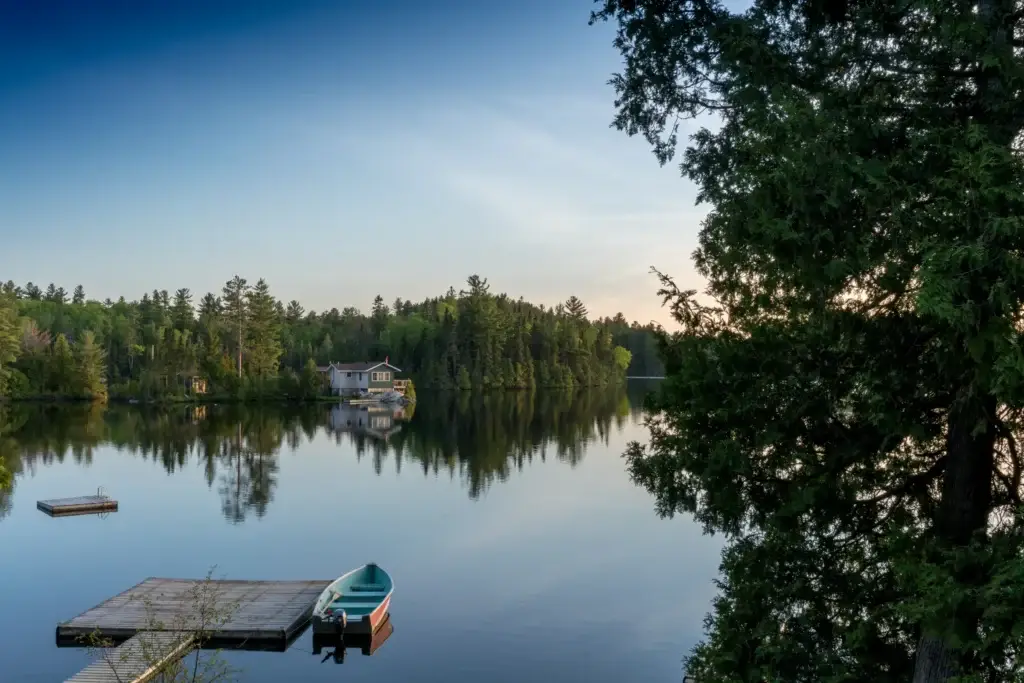
Documented sheltered Muskoka or southern Georgian Bay paddle with appropriate PFDs and equipment

Sheltered movement

Paddle only the water that matches the day

A qualified guide can choose a sheltered near-shore route from wind, waves, water temperature, skill and rescue limits, with properly fitted PFDs.

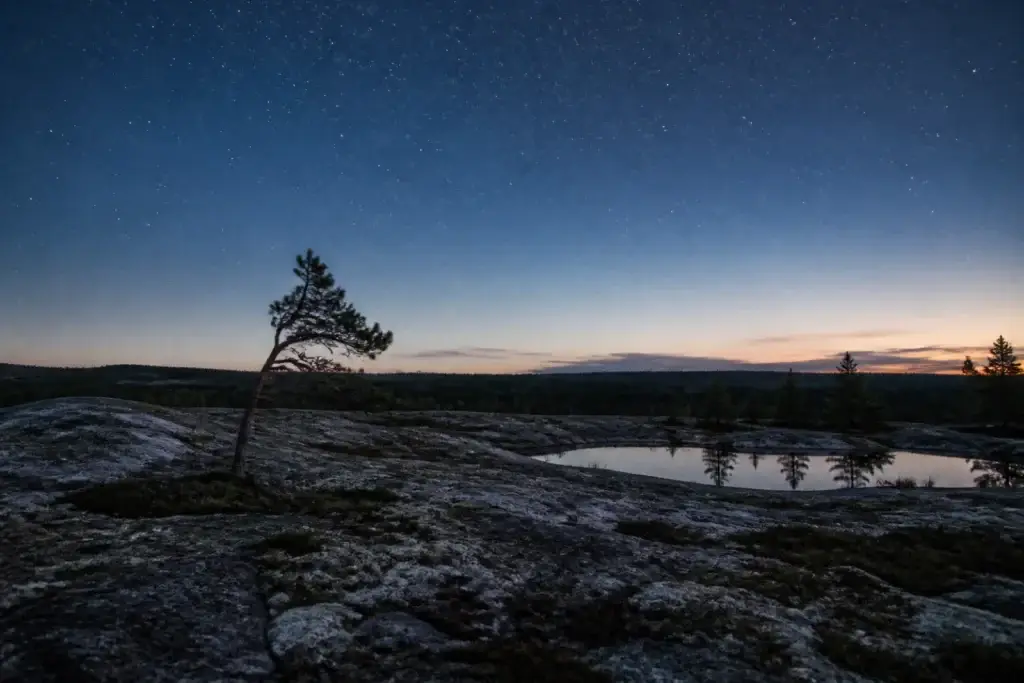
Documented Torrance Barrens night landscape or rock-barren dusk without intrusive lighting

Dark-sky stewardship

Protect darkness at Torrance Barrens

Use a clear, safe and currently open interval to experience protected darkness without fire, intrusive light, off-trail damage or a guaranteed sky.

Travel restored

What makes Muskoka & Georgian Bay, Ontario a wellness destination?

What makes Muskoka and Georgian Bay a wellness destination?

The region can replace speed and display with water competence, Canadian Shield attention, sheltered movement and protected darkness. Research associates nature exposure with some short-term stress-related measures, but results vary and this journey is not treatment; the lasting practice is checking conditions, choosing the safer scale and allowing a changed plan to count as success.

Wellness role
A primary reason to travel
Best for
Travelers seeking lower stimulation, practical confidence, freshwater movement and a durable ability to change pace
Format
Weather-led water planning, specialist interpretation, sheltered paddling, cultural landscape and dark-sky stewardship
Ideal commitment
One primary water objective, one land-based alternative, sober operation, properly fitted flotation and protected sleep around transfer days
Intensity
Varies

For companions

Strong for couples and multigenerational travelers when vessel boarding, PFD fit, swimming, trail surfaces, night access and emergency plans are matched individually.

Seasonal lens

July and August support the broadest water system. Spring and autumn require stronger cold-water restraint; winter is a separate snow and dark-sky journey.

Turn uncertainty into a repeatable practice of checking, choosing and stopping

Weather-led competence

Review the forecast with a qualified local operator, choose one conservative route and agree on the turnaround point before leaving shore.

Duration
Built into every water day
Intensity
Gentle
Best for
Travelers who value confidence and calm decisions
Consider

A plan does not remove risk. Conditions, skills and equipment can still require cancellation.

Lower stimulation through sustained observation of granite, pine and freshwater edges

Canadian Shield attention

Use a naturalist-led shore or island interval, then leave time without another motorized transfer.

Duration
60 to 90 minutes
Intensity
Gentle
Best for
Travelers restored by close observation and ecological context
Consider

Access, insects, heat, smoke, wildlife, surfaces and weather determine the setting.

Use quiet movement without turning distance into proof of success

Sheltered paddle and pause

Paddle a guide-selected near-shore route with correctly fitted PFDs, then return while attention and temperature remain stable.

Duration
60 minutes to a half day
Intensity
Varies
Best for
Travelers who want rhythmic movement and low engine noise
Consider

Cold water, wind, waves, capsize risk, skill, rescue access and medical history require individualized planning.

Create a clear end to the scheduled day through protected darkness

Torrance darkness

Use a safe current-access interval with low light, quiet voices and no fire, then keep the phone away on the return.

Duration
45 to 75 minutes
Intensity
Gentle
Best for
Travelers seeking lower evening stimulation and a repeatable digital boundary
Consider

Cloud, smoke, wildlife, footing, parking, fire restrictions and closures determine feasibility. No sleep result is promised.

Wellness descriptions do not promise diagnosis, treatment, detoxification, biomarker change, improved sleep or longevity. Boating, swimming and paddling require current weather, water, safety, accessibility and medical judgment.

Timing the journey

When to go

Late June through early September supports the broadest boating, paddling and island-access rhythm. May, June, September and October can feel quieter but bring colder water, variable weather and narrower operations. Winter is a separate snow, ice and dark-sky journey, not a boating substitute.

Jul · Aug

Best

Main water season

Weather
Warm days and the broadest boating and island operations, with storms, smoke, wind and cold water still possible.
Crowds
Docks, launches, accommodations, roads and popular waterways face the strongest demand.
Best for
First visits, qualified boating, sheltered paddling, island interpretation and swimming only where safe.

May · Jun

Conditional

Late spring and early summer

Weather
Longer light and quieter shores coexist with cold water, insects, rain and changing marine conditions.
Crowds
Demand rises toward summer while some facilities and operators follow narrower calendars.
Best for
Boating history, naturalist days, cautious shore movement and dark sky.

Sep · Oct

Good

Autumn transition

Weather
Cooler days, cold water, wind and shorter light require conservative routes even when foliage is strong.
Crowds
Foliage weekends can be busy while water transport and seasonal services narrow.
Best for
Color, museum and heritage, shore-based natural history and carefully confirmed boating.

Nov · Dec · Jan · Feb · Mar · Apr

Conditional

Winter and thaw

Weather
Snow, ice, cold, freeze-thaw cycles and limited operations remove normal boating and island assumptions.
Crowds
Holiday periods and winter weekends can be active while many waterfront services are closed.
Best for
Dark sky, snow-centered movement and quiet cultural time with ice safety treated separately.

Marine weather, smoke, storms, cold water, shoals, docks, launches, island services, swimming advisories, trails, fire restrictions, wildlife and operator availability change. Confirm the exact travel week and each day's live conditions.

Value, clearly framed

Understanding trip value

Custom quote based on exact season, confirmed accommodations, transfers, operators, vessels, guides and public activities. No public package price is stated.

What shapes the guidance

5 to 7 nights for two travelers; accommodations, road transfers, authorized commercial water transport, qualified guides, public admissions and equipment priced at proposal stage.

Journey logistics

Arrive well

Toronto Pearson is the principal international gateway. Continue by confirmed licensed driver or rental vehicle to the chosen Muskoka Lakes or southern Georgian Bay base. Traffic, construction, weather, stops and final shoreline access determine the useful arrival plan, so avoid a water objective on arrival day.

Primary gateway Toronto Pearson International Airport (YYZ) and confirmed road transfer

Premium commercial air

Arrive through Toronto

Confirmed origin cityToronto Pearson International Airport (YYZ)

Scheduled air and confirmed onward road transport

Protect margin for baggage, road traffic, weather and rest. Toronto is a gateway only in this guide.

Final transfer

Choose the road transfer around the water base

Toronto Pearson or Greater Toronto AreaMuskoka Lakes or southern Georgian Bay shore base

Confirmed licensed driver or rental vehicle

Congestion, construction, weather and rural final roads change timing. Confirm the exact address, parking and luggage transfer before departure.

Final transfer

Reach Beausoleil Island by confirmed water transport

Honey Harbour or another confirmed southern Georgian Bay departure pointCedar Spring, Beausoleil Island

Confirmed authorized commercial water transport or appropriately operated vessel

The park is boat-only. Confirm commercial authorization, vessel, lifejackets, marine weather, capacity, accessible boarding, dock status and return plan.

Final transfer

Split Muskoka and Georgian Bay only with purpose

Muskoka Lakes baseSouthern Georgian Bay shore base

Confirmed road transfer

A split adds packing, rural road time and a second marine-weather system. Use it only when both water identities are central.

Access and mobility

Confirm road and dock transfer, vessel boarding, gangway angle, PFD fit, washrooms, trail surface, swimming entry, night lighting and emergency communication against the traveler's needs. Cedar Spring lists an accessible dock and facilities, but boat boarding and other park locations can be more limiting and require exact confirmation.

Before you go

Practical planning notes

Etiquette

Wear the lifejacket

Use a properly fitted Canadian-approved lifejacket or PFD and confirm all required equipment before departure.

Getting around

Check marine weather

Review wind, waves, storms, smoke and water temperature and keep monitoring while underway.

Reservations

File the plan

Leave the route, vessel, passengers, contacts and return time with a responsible person on shore.

Wellness

Boat sober

The operator must remain sober. Water, food and post-boating hospitality belong after safe return.

The VH Luxe approach

How VH Luxe composes the journey

  1. Choose the water identity

    Make connected Muskoka Lakes or southern Georgian Bay the principal frame before selecting experiences.

  2. Confirm competence and equipment

    Confirm the operator, vessel, PFDs, safety equipment, marine forecast and trip plan.

  3. Move once with purpose

    Use one boat or paddle objective and leave enough margin to return before conditions or fatigue deteriorate.

  4. Carry home weather-led pacing

    Keep the practice of asking what conditions support instead of forcing the original schedule.

Paramjit Harika, VTA, CTA

Advisor-led planning

Your journey, personally considered

Paramjit Harika

Founder & Luxury Travel Advisor

I coordinate your hotel and room, premium air, transfers and key experiences as one considered journey, with one point of contact from planning through travel.

Good to know

Frequently asked questions

How many nights do you need for Muskoka and Georgian Bay?

Allow 5 to 7 nights. Choose one principal water base, adding a split only when both connected Muskoka Lakes and southern Georgian Bay are essential.

Is Georgian Bay Islands National Park accessible by road?

No. Parks Canada states that the park is accessible only by boat. Cedar Spring has an accessible dock and facilities, but the vessel and boarding process require separate confirmation.

Do you need a boating licence in Muskoka?

Operators of power-driven boats in Canada need accepted proof of competency. A card shows basic knowledge, not local experience, so unfamiliar boaters should use a qualified local operator.

Are private cottages or yachts included?

Not automatically. Any cottage, villa, vessel, dock or island access must be specifically sourced, contracted and confirmed for the exact dates and party.

When is the best time to visit Muskoka and Georgian Bay?

Late June through early September supports the broadest water access. Cold water, storms, smoke and rapid weather changes still require daily checks.

What makes Muskoka and Georgian Bay a wellness destination?

Its strongest wellness value comes from water competence, Canadian Shield attention, sheltered movement and protected darkness, with safety and changed plans treated as part of the transformation.