The VH Luxe destination guide

Mount Desert Island & Acadia, Maine

Choose the right Mount Desert Island base, protect Acadia access, and let Wabanaki first voice, tide, granite and working-waterfront context shape the stay.

Recommended stay

4–

7 nights

Best time

Late spring through early autumn offers the broadest access. Summer brings the highest demand, while September and October can pair cooler air with autumn color. Every season still requires current weather, road, trail and operating checks.

Primary gateway

Hancock County-Bar Harbor Airport (BHB) or Bangor International Airport (BGR)

Journey context

Allow 4 to 5 nights for Mount Desert Island and Acadia, or 6 to 7 when a separate Schoodic or island chapter is included.

Curator’s verdict

Acadia feels most luxurious when access has been solved before the day begins. One island geography at a time creates room for Wabanaki first voice, designed movement, changing tides and the working coast.

Choose well

Which Mount Desert Island and Acadia rhythm fits?

Choose the base first, then let one geography and current conditions define each day.

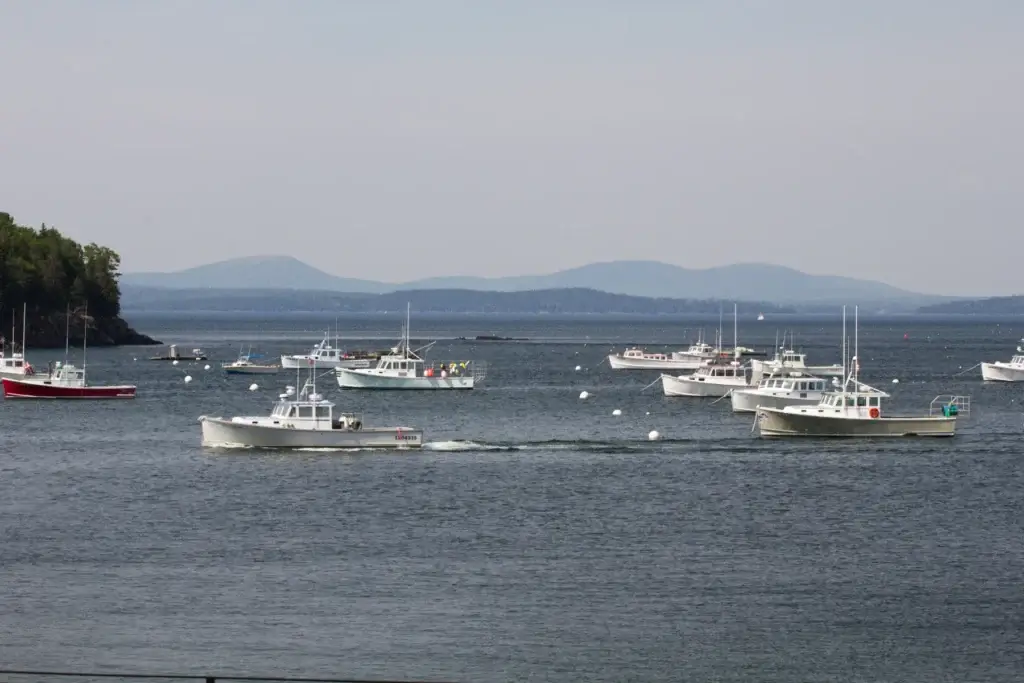
Bar Harbor Maine waterfront or village streetscape

First visits, cultural travelers and guests who value dining access and seasonal shuttles

Use Bar Harbor when access should feel effortless

A Bar Harbor base keeps the Abbe Museum, restaurants and Island Explorer connections close enough to reduce daily friction while preserving early and late park windows.

Worth knowing

Cruise calls, event dates, traffic and the exact block can make a convenient base feel busier than expected.
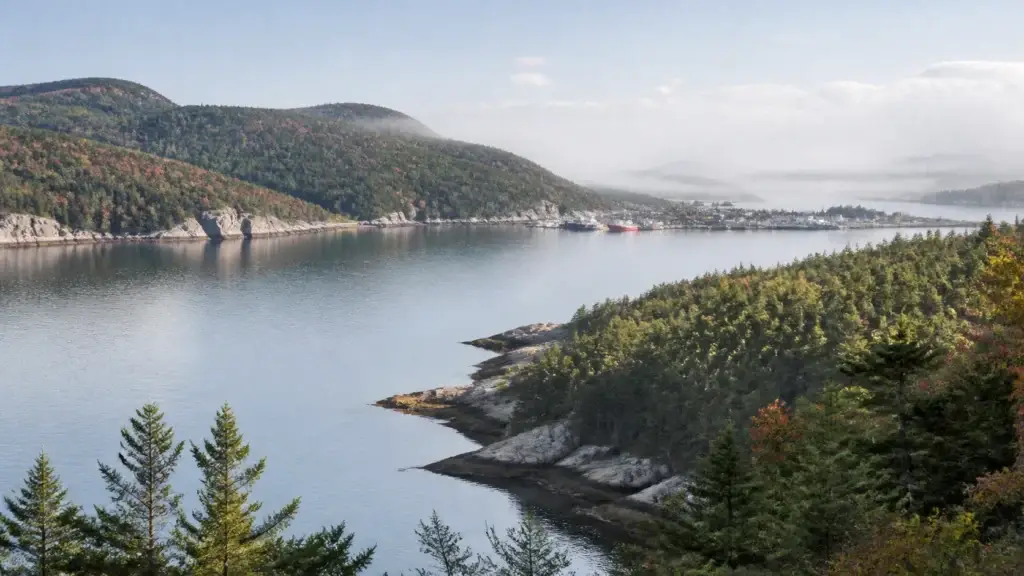
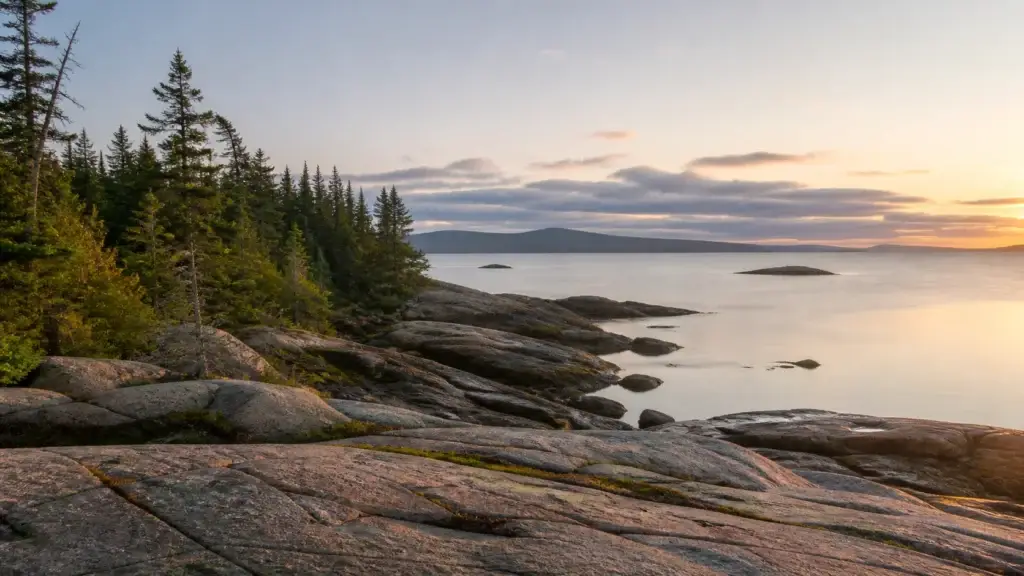
Somes Sound, Northeast Harbor or Southwest Harbor on Mount Desert Island

Couples, repeat visitors and travelers prioritizing lower-stimulation evenings

Choose the quieter island side for a slower return

Northeast Harbor, Southwest Harbor or another quieter island setting can create a calmer return after the park and place Somes Sound or western-island landscapes closer to the stay.

Worth knowing

Dining, shuttle reach and eastern park access may require more driving or advance coordination.

Travelers who value summit perspective but do not want it to consume the itinerary

Treat Cadillac as one timed commitment

Choose sunrise or daytime from the traveler's sleep, mobility and weather tolerance, then build a separate park chapter around that fixed entry window.

Worth knowing

A 2026 vehicle reservation is required from May 20 through October 25, weather can erase the view, and the reservation does not assign a parking space.

Longer stays seeking a quieter coastal perspective

Make Schoodic or an island earn its own chapter

A separate day or overnight can reveal another relationship between shore, community and distance without stealing time from Mount Desert Island.

Worth knowing

Ferry, road, weather and seasonal operations make a rushed add-on less restorative than remaining on the island.

A considered introduction

Use Bar Harbor when walkability, dining and seasonal shuttle access should simplify the stay. Choose Northeast Harbor, Southwest Harbor or the quieter island side when evenings should retreat from the busiest visitor rhythm, accepting the need for more deliberate transport.

Four or five nights gives Mount Desert Island and Acadia shape. Add one or two nights only when Schoodic or a nearby island deserves its own chapter. Cadillac Mountain is one reservation-dependent decision, not the measure of a successful visit.

Advisor note

Advisor perspective: I would choose the base from the traveler's evening rhythm, design each park day around one geography and keep a worthy alternative ready when parking, weather or trail conditions change. VH Luxe Travels can coordinate tailored arrangements where applicable, with every driver, guide, boat, reservation and access element confirmed before travel.

What stays with you

Signature experiences

Abbe Museum exterior or verified contemporary Wabanaki artwork with artist and nation identified

Wabanaki culture

Begin in Wabanaki homeland with first voice

Start with Abbe Museum or a current program developed with Wabanaki partners so living nations, art and homeland lead the interpretation. Any hosted encounter remains subject to direct confirmation.

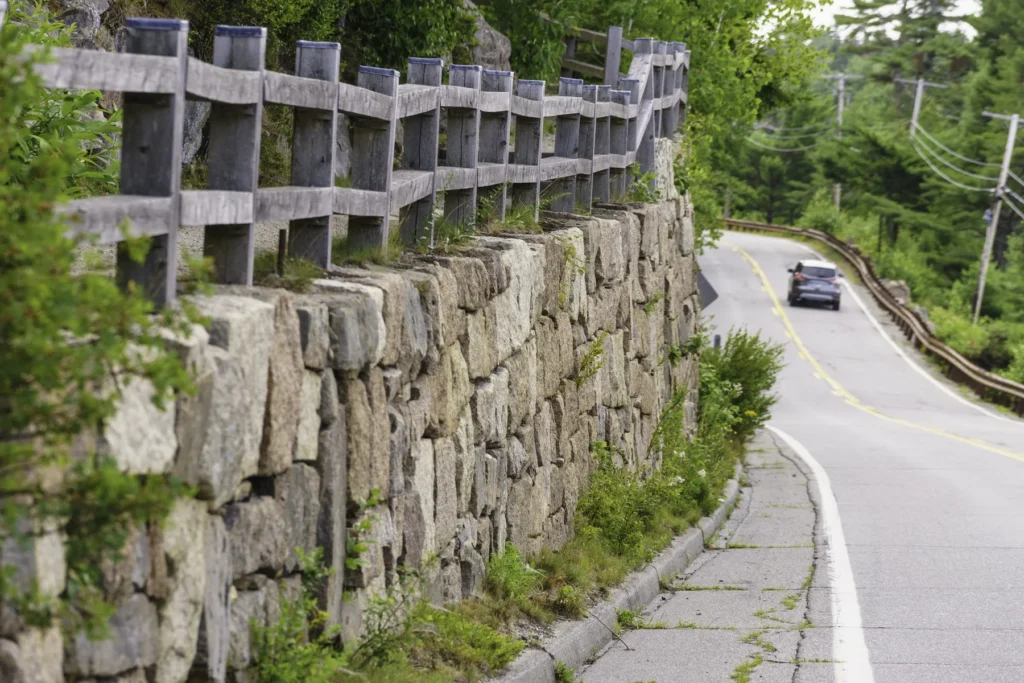
Long Stone Wall Topped By Wooden Fence Along A Winding Road On Mount Desert Island, Maine, Usa, In

Design and movement

Read the carriage roads as designed movement

Let a historian or naturalist connect contour, stone bridges and early twentieth-century craftsmanship on a route matched to the traveler's pace and the day's surface conditions.

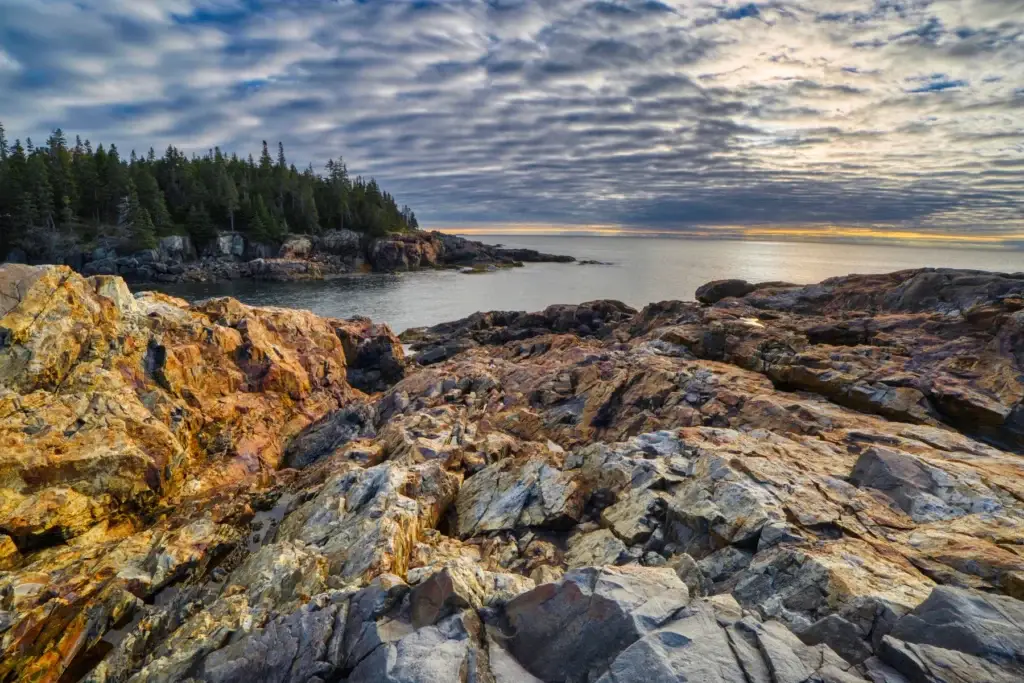
Acadia National Park rocky tidepool with visible intertidal habitat

Marine ecology

Let the tide reveal the living shoreline

Use a tide-aware naturalist to read the intertidal zone from secure rock, observing rather than collecting or handling marine life and changing the plan when surf makes the shore unsafe.

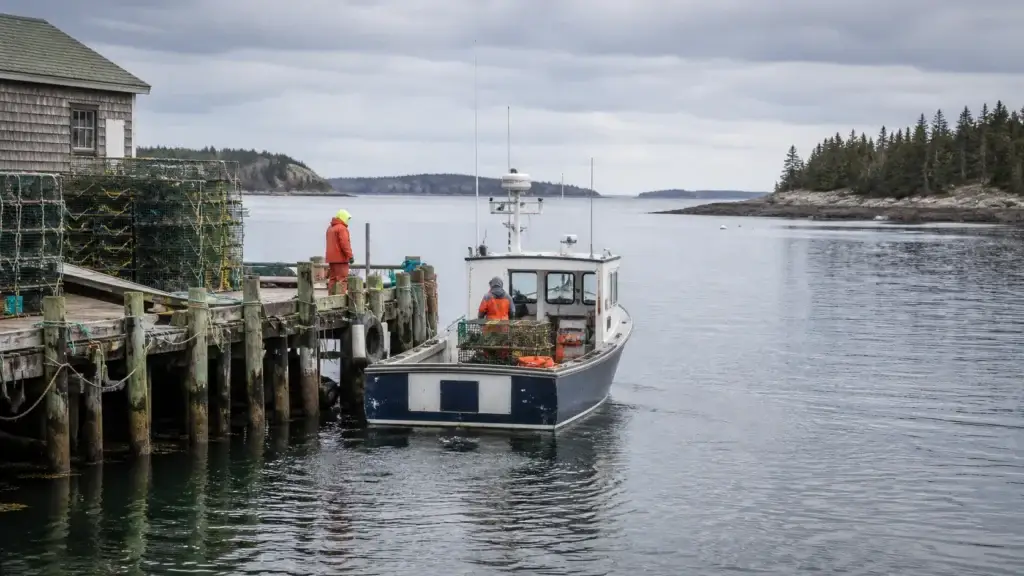
Working lobster wharf or small commercial fishing harbor on Mount Desert Island

Working waterfront

Understand the working coast beyond the plate

Pair a marine specialist's explanation of fishing, aquaculture and protected access with a seasonal meal, without implying entry to a private wharf or turning local labor into theater.

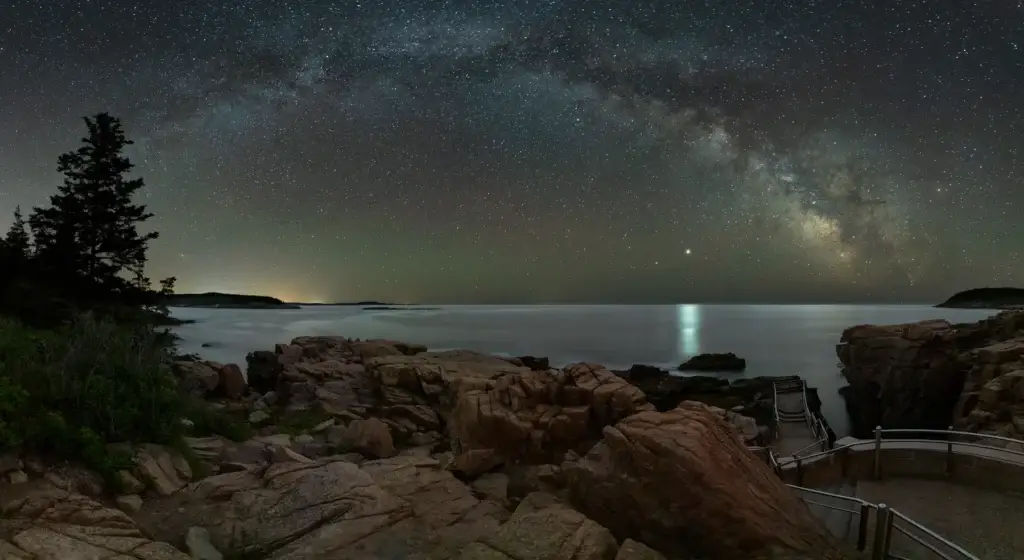
Acadia National Park night sky over a recognizable coastal or mountain landscape

Night sky

Protect one clear night for the sky

Keep one flexible evening for an astronomer-led or self-guided dark-sky interval, chosen only after cloud, moon, wind, temperature and safe-footing checks.

Travel restored

What makes Mount Desert Island & Acadia, Maine a wellness destination?

What makes Mount Desert Island and Acadia a wellness destination?

Acadia replaces constant choice with a rhythm set by tide, granite, carriage roads and dark sky. Research reviews suggest blue-space experiences may support mental and psychosocial wellbeing, but the evidence is varied, so the goal is restorative attention rather than treatment or a promised result.

Wellness role
A primary reason to travel
Best for
Travelers seeking lower stimulation, gentle movement, cultural meaning and a more disciplined relationship with time
Format
Private or small expert-led interpretation, carefully matched movement, coastal attention and protected recovery
Ideal commitment
One purposeful landscape or culture chapter each day, with weather changes and unprogrammed recovery treated as part of the plan
Intensity
Gentle

For companions

Strong for couples, solo travelers and multigenerational groups when terrain, transport and weather are matched to each person.

Seasonal lens

Late spring through early autumn offers the broadest movement and cultural range; colder months require a more conditional, access-led plan.

Replace scenery consumption with relationship to an inhabited homeland

Dawnland orientation

Begin with Wabanaki-led or partner-developed interpretation, then carry that awareness into the island's place names, plants and shoreline without appropriating cultural practice.

Duration
One cultural session and a continued journey practice
Intensity
Gentle
Best for
Travelers seeking meaning as well as beauty
Consider

Programs, speakers and cultural access must be confirmed directly; community knowledge is not a guest commodity.

Use designed movement to find a sustainable pace

Carriage-road cadence

A guide can select a quiet walking, cycling or carriage interval that reveals how road, bridge and terrain were composed together, followed by recovery rather than another attraction.

Duration
90 minutes to half a day
Intensity
Varies
Best for
Travelers who think best while moving
Consider

Routes are shared and conditions vary; match surface, distance, equipment and traffic to current ability.

Let the shoreline set the clock

Tidal attention

Use a naturalist and the current tide table for a slow coastal interval focused on water movement, intertidal life and safe observation rather than distance covered.

Duration
60 to 90 minutes
Intensity
Gentle
Best for
Travelers balancing nature and recovery
Consider

This is restorative context, not treatment. Surf, slippery rock, cold and mobility may require a different shoreline viewpoint.

Lower visual and digital stimulation after sunset

Dark-sky reset

Protect one flexible clear night, use red light and let an astronomy specialist or a simple star map replace the day's schedule with patient observation.

Duration
45 to 90 minutes
Intensity
Gentle
Best for
Travelers seeking quiet and perspective
Consider

Cloud, moonlight, wind, cold and uneven surfaces determine whether the session proceeds.

Wellness descriptions do not promise diagnosis, treatment, biomarker change or longevity. Activities must be matched to current weather, tides, terrain, mobility and individual medical needs.

Timing the journey

When to go

Late spring through early autumn offers the broadest access. Summer brings the highest demand, while September and October can pair cooler air with autumn color. Every season still requires current weather, road, trail and operating checks.

Mar · Apr · May

Conditional

Spring

Weather
Cold water, mud, variable temperatures and lingering winter conditions can shape roads and trails as facilities reopen.
Crowds
Quieter early, with demand increasing through May.
Best for
Birding, culture, selective carriage-road time and a flexible park plan.

Jun · Jul · Aug

Best

Summer

Weather
The broadest operating range, with fog, rain, heat, cold water and fast-changing coastal weather still possible.
Crowds
Peak demand affects lodging, dining, parking, shuttle capacity and popular trails.
Best for
Full park access, cultural programs, carriage roads, marine ecology and island extensions.

Sep · Oct · Nov

Good

Autumn

Weather
Cooler air and autumn color can be rewarding before late-season closures, storms and shorter daylight narrow the plan.
Crowds
Foliage weekends remain busy while some midweek dates feel calmer.
Best for
Cool-weather movement, foodways, color and dark-sky intervals.

Dec · Jan · Feb

Conditional

Winter

Weather
Snow, ice, wind, cold and road closures require winter skills and conservative planning.
Crowds
The park is quieter, but services and vehicle access are sharply reduced.
Best for
Solitude, winter movement where conditions allow and restorative indoor time.

Weather, fog, tides, storms, wildlife closures, trail damage, road status, shuttle operations, restaurants, boats and cultural-program schedules change. Confirm the exact travel week.

Value, clearly framed

Understanding trip value

Custom quote based on exact dates, accommodations, flight plan, private vehicle, guides, marine arrangements and seasonal availability. No public package price is stated.

What shapes the guidance

4 to 7 nights for two travelers; accommodations, air, transfers, vehicle, guides and confirmed experiences priced at proposal stage.

Journey logistics

Arrive well

BHB is the closest air gateway and has year-round Boston service, general aviation and a full-service FBO. BGR offers a broader commercial-air starting point followed by a confirmed road transfer. Aircraft limits, weather, luggage, rental vehicles, private transfers and the exact island base must be reconciled before ticketing.

Primary gateway Hancock County-Bar Harbor Airport (BHB) or Bangor International Airport (BGR)

Premium commercial air

Connect through Boston to BHB

Boston Logan International Airport (BOS)Hancock County-Bar Harbor Airport (BHB)

Scheduled regional air and confirmed ground transfer

Confirm aircraft, baggage, mobility support, weather resilience and the final transfer for the exact itinerary.

Premium commercial air

Use BGR for broader commercial access

Confirmed origin cityBangor International Airport (BGR)

Scheduled air and prearranged road transfer

Road time varies with weather, traffic, construction and the chosen Mount Desert Island base.

Private aviation

Evaluate BHB for private aviation

Confirmed departure airportHancock County-Bar Harbor Airport (BHB)

Confirmed private aircraft and FBO handling

Aircraft performance, weather, runway suitability, handling, availability and ground transfer require operator confirmation.

Final transfer

Use the Island Explorer where it protects the day

Bar Harbor, island communities or BHB during operating seasonAcadia National Park and Mount Desert Island stops

Seasonal fare-free public shuttle

Check the current timetable, stop access and capacity. The shuttle does not serve Cadillac Summit Road.

Access and mobility

Confirm airport assistance, vehicle step-in height, shuttle stops, transfer distance, trail surface, grade, iron rungs, carriage-road conditions, shoreline footing, dock access and restroom availability against the traveler's exact needs. Some historic and natural terrain cannot be made step-free, while selected paths and facilities offer more accessible options.

Before you go

Practical planning notes

Reservations

Carry the pass and reservation offline

A park entrance pass and Cadillac vehicle reservation are separate. Save the applicable confirmations because connectivity can be unreliable.

Getting around

Keep one worthy alternative

When parking, surf, weather or a closure weakens the plan, replace it rather than waiting in congestion.

Etiquette

Use first voice

Let Wabanaki institutions and partners lead cultural interpretation, and do not stage living traditions as entertainment.

Wellness

Respect tide and terrain

Cold water, slippery granite, iron-rung routes and sudden coastal weather require a conservative turnaround point.

The VH Luxe approach

How VH Luxe composes the journey

  1. Choose the island base

    Let evening rhythm, mobility and shuttle or driver strategy decide between Bar Harbor and the quieter island side.

  2. Lock only the true constraints

    Secure Cadillac and other date-sensitive elements, then preserve alternatives for weather and congestion.

  3. Use one geography each day

    Keep eastern park, carriage roads, western island and any extension as coherent chapters.

  4. Carry home a tidal sense of capacity

    Let changing conditions decide what the day can hold instead of forcing every plan.

Paramjit Harika, VTA, CTA

Advisor-led planning

Your journey, personally considered

Paramjit Harika

Founder & Luxury Travel Advisor

I coordinate your hotel and room, premium air, transfers and key experiences as one considered journey, with one point of contact from planning through travel.

Good to know

Frequently asked questions

How many nights do you need for Mount Desert Island and Acadia?

Allow 4 to 5 nights for Mount Desert Island and Acadia, or 6 to 7 when Schoodic or a nearby island receives a separate chapter.

Should you stay in Bar Harbor or on the quieter side of Mount Desert Island?

Choose Bar Harbor for walkability, dining and seasonal shuttle access. Choose Northeast Harbor, Southwest Harbor or another quieter setting for calmer evenings, accepting more transport planning.

Do you need a Cadillac Mountain reservation in 2026?

Yes, for vehicle access to Cadillac Summit Road from May 20 through October 25, 2026. The reservation is separate from the park entrance pass and is sold online rather than at the park.

Can you visit Acadia without driving every day?

The seasonal Island Explorer can reduce driving and parking friction across many park and island stops, but it does not serve Cadillac Summit Road and may not fit every base or mobility need.

Is Schoodic Peninsula a day trip from Mount Desert Island?

It can be, but this guide recommends adding it only when road or ferry timing leaves enough space for a complete coastal chapter and a protected return.

What makes Mount Desert Island and Acadia a wellness destination?

Its strongest wellness value comes from tidal attention, designed movement, dark-sky quiet and cultural meaning, not generic spa claims or promised medical outcomes.