The VH Luxe destination guide

Montevideo, Colonia and Uruguay Wine Country

Last updated 16 August 2026

Link the capital, a river town and one wine corridor at Uruguay's unhurried pace.

Recommended stay

5–

7 nights

Best time

Spring and autumn often support comfortable city walking and wine-country movement, while summer brings longer days, heat and strong regional demand. Winter can suit museums, food and quieter urban time but requires shorter-light and weather planning. Harvest timing changes by producer and year and must be confirmed directly.

Primary gateway

Carrasco International Airport, Montevideo (MVD)

Journey context

Allow 5 nights for Montevideo, Colonia and one wine chapter, or 6 to 7 for a calm Carmelo or Canelones stay without repeated packing.

Curator’s verdict

Montevideo supplies cultural and culinary depth; Colonia changes the pace through its UNESCO-listed riverfront quarter; Carmelo or the Canelones wine corridor adds rural context. Choose one sequence and leave enough unscheduled time for the differences to register.

Choose well

Which Uruguay base sequence fits?

Choose the principal urban base, the role of Colonia and the one wine corridor that adds meaning. Long meals and tastings need to serve that route.

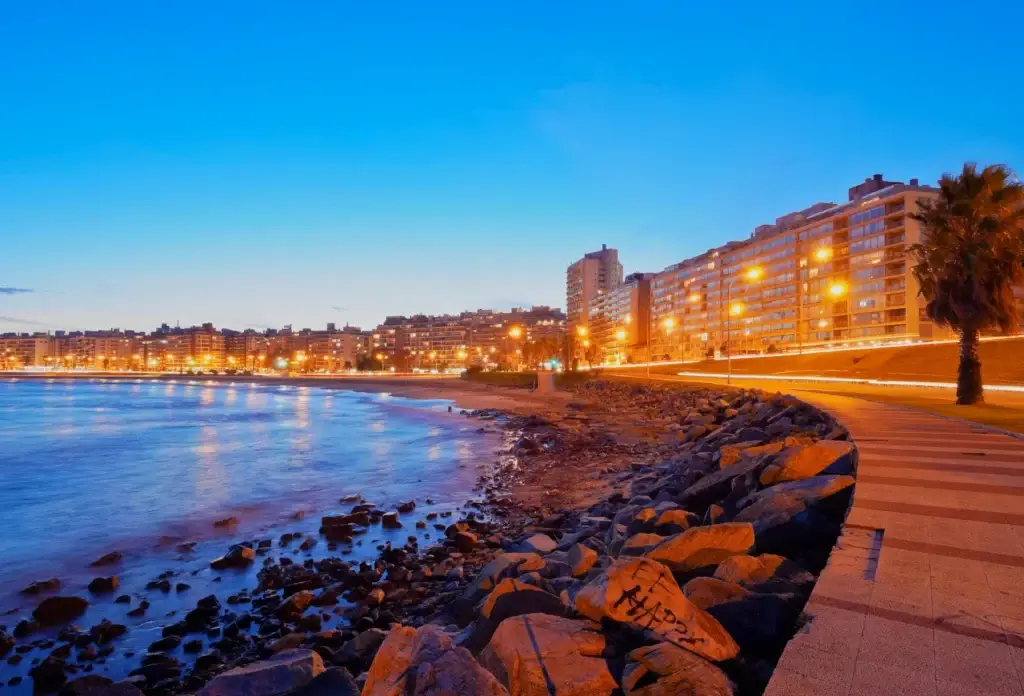
AI-generated editorial visualization of Montevideo Rambla public-realm context; it is not an exact current segment or crowd.

First visits, shorter stays and travelers who want dining, museums and flexible pacing

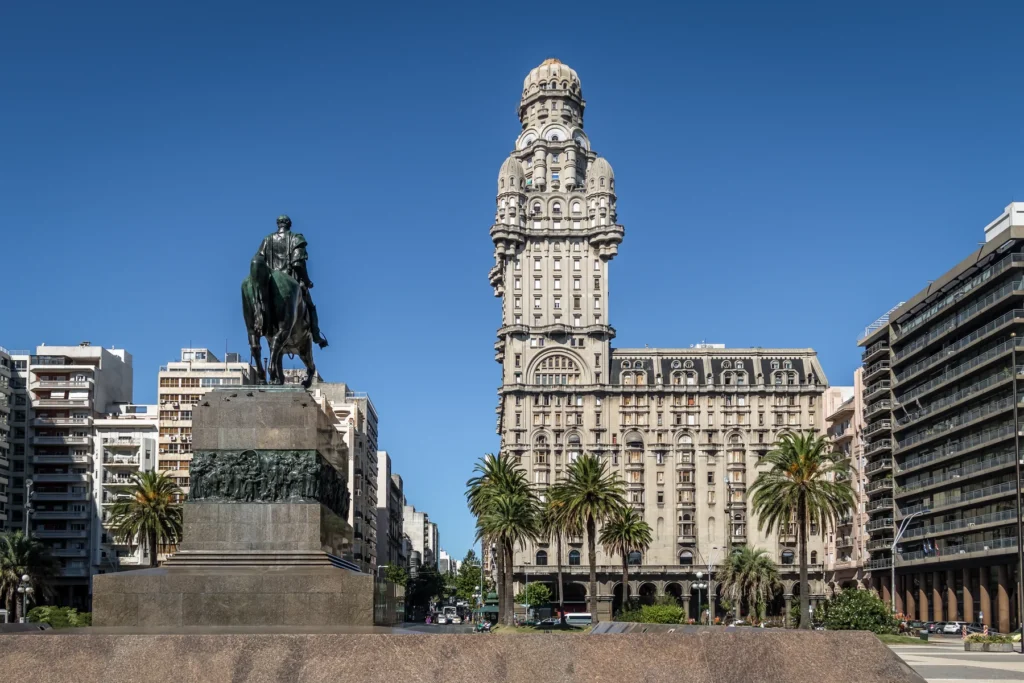
Anchor in Montevideo for cultural range

Montevideo offers the broadest specialist and indoor-outdoor range, making it the most flexible base for a first or weather-variable chapter.

Worth knowing

Cross-city movement and long meals can quietly consume the day, so neighborhood and reservations must follow the route.
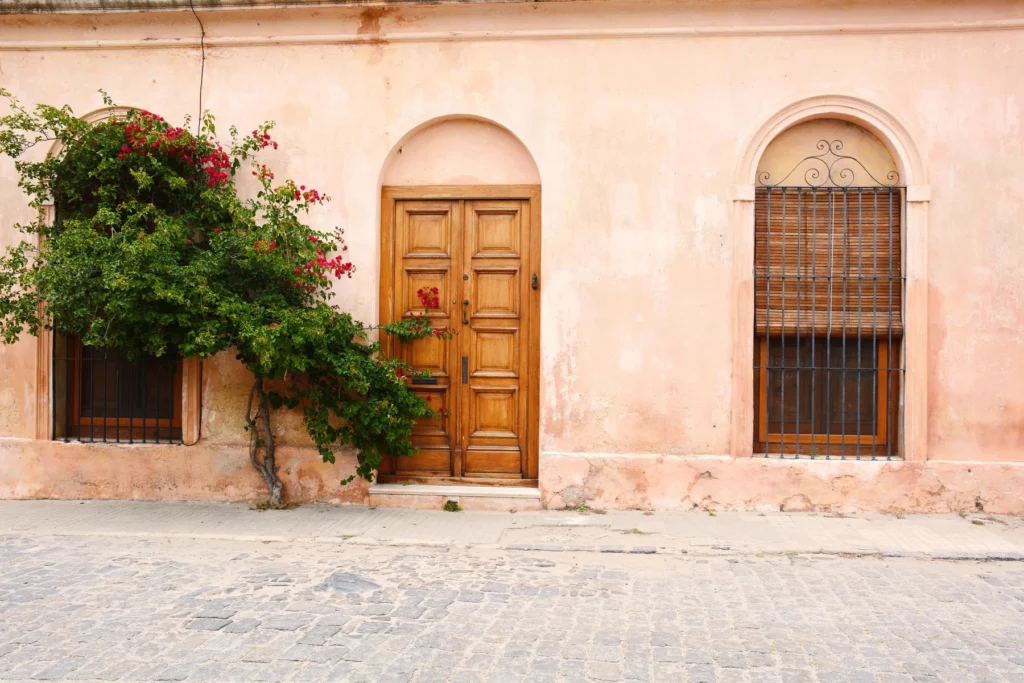
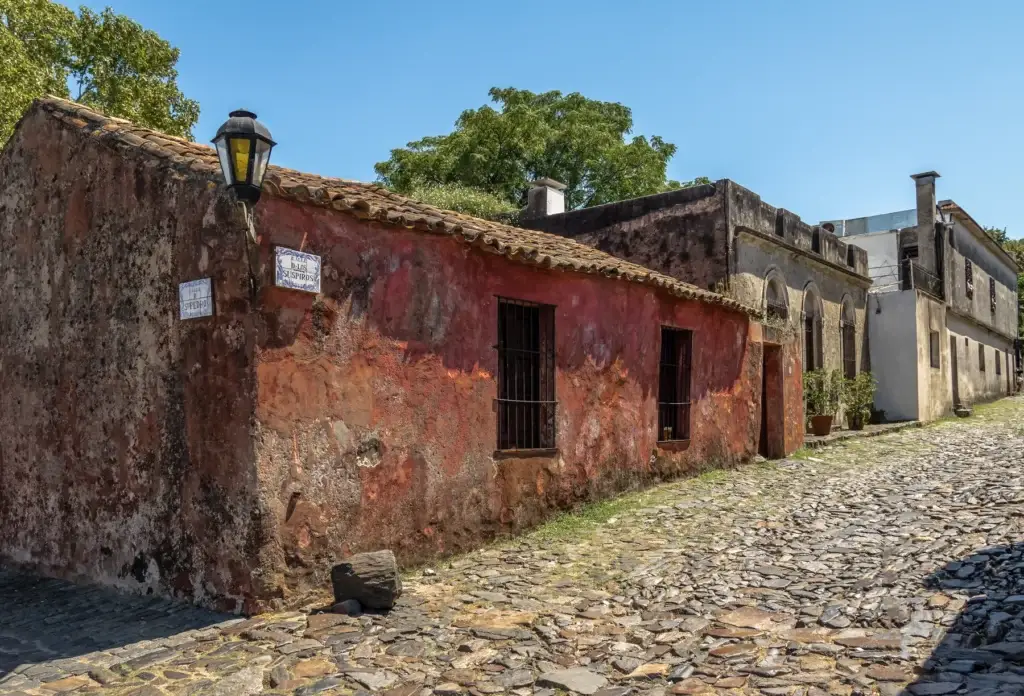
Front View Of An Old House In Colonia Del Sacramento, Uruguay.

Couples, photographers and heritage travelers who value early and late public-space time

Give Colonia an overnight

An overnight allows the UNESCO-listed quarter to be read before or after the busiest day-trip flow and gives the river setting time to register.

Worth knowing

The compact historic centre can feel overextended if filled with generic touring, and cobbles require mobility planning.

Travelers who want producer context without another hotel move

Use Canelones for a wine day from Montevideo

A professionally driven day can connect vineyard, cellar and table while returning to the capital's broader evening choice.

Worth knowing

Appointment timing and alcohol create a rigid day; not every property or harvest activity is open to visitors.

Repeat visitors and couples who want a slower river-and-wine chapter

Add Carmelo only when rural pace is the purpose

A Carmelo stay can create a distinct rural interval after Colonia when the exact property and producer program justify the transfer.

Worth knowing

A resort stay without local context may duplicate rest already available elsewhere and adds another packing cycle.

A considered introduction

Montevideo deserves at least two complete days for the Rambla, Ciudad Vieja, markets, museums and living heritage. Colonia del Sacramento reveals its urban plan and Río de la Plata setting most clearly outside the busiest arrival windows.

Five nights support Montevideo, Colonia and one wine-country day. Six or seven allow Carmelo or a second rural base without constant packing. Every winery visit, meal, cellar format and harvest reference requires direct confirmation, and a complete alcohol-free path should be designed from the beginning.

Advisor note

Advisor perspective: I would anchor in Montevideo, use Route 1 as a purposeful transition and add only one rural stay that changes the rhythm. VH Luxe Travels can coordinate preferred-partner value and tailored arrangements where applicable, with professional drivers, producer access, alcohol-free alternatives, dietary needs and private formats confirmed before travel.

What stays with you

Signature experiences

Exact Montevideo civic space, port edge or Rambla landscape

Urban history

Read Montevideo from Ciudad Vieja to the Rambla

Use an urban historian to connect port, civic spaces and the riverfront, with a route shaped by opening, wind, walking comfort and the traveler's interests.

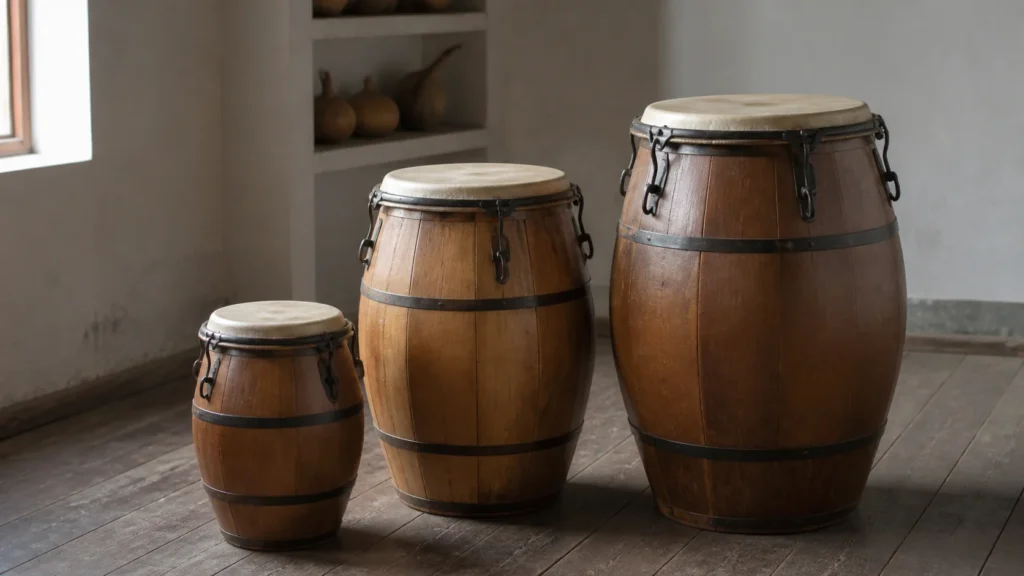
AI-generated editorial visualization of an abstract study of the three candombe drum types; it does not depict a practitioner, group, performance or real venue.

Living heritage

Meet candombe through its community context

Work only with a named first-voice practitioner, group or cultural institution that controls interpretation, rehearsal access, photography and whether visitors participate.

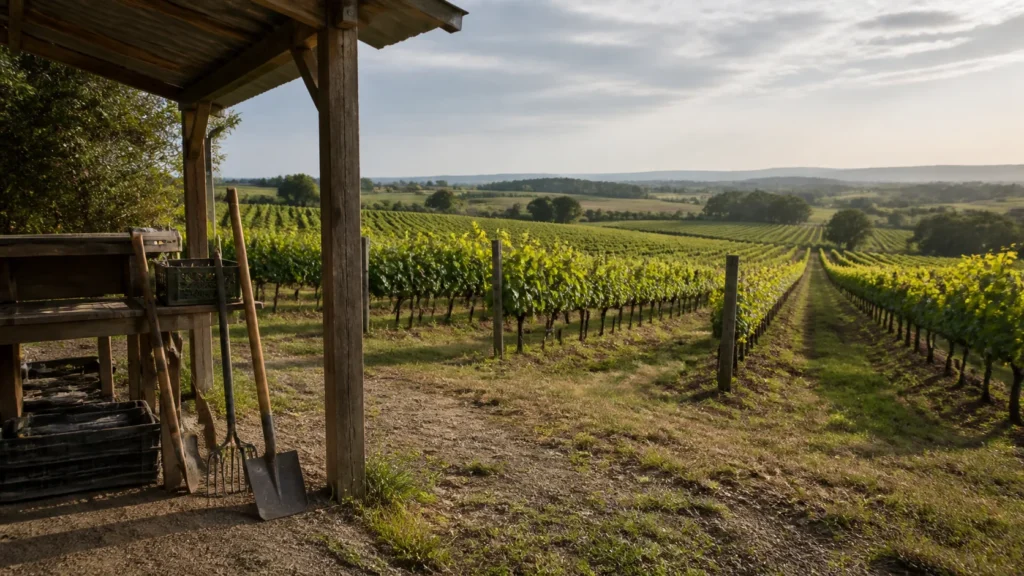
AI-generated editorial visualization of Canelones viticulture context; it does not depict a named vineyard, producer, vintage or private visit.

Viticulture

Follow one Canelones vineyard question

Meet a confirmed grower, agronomist or winemaker to examine one question of grape, soil or climate, with professional transport and an equal alcohol-free program.

AI-generated editorial visualization of layered public-realm material context in Colonia del Sacramento; it is not a real street or building.

World heritage

Read Colonia as an urban palimpsest

Use a historian or conservation specialist to connect street plan, architecture and contested colonial histories without reducing the quarter to a photographic stroll.

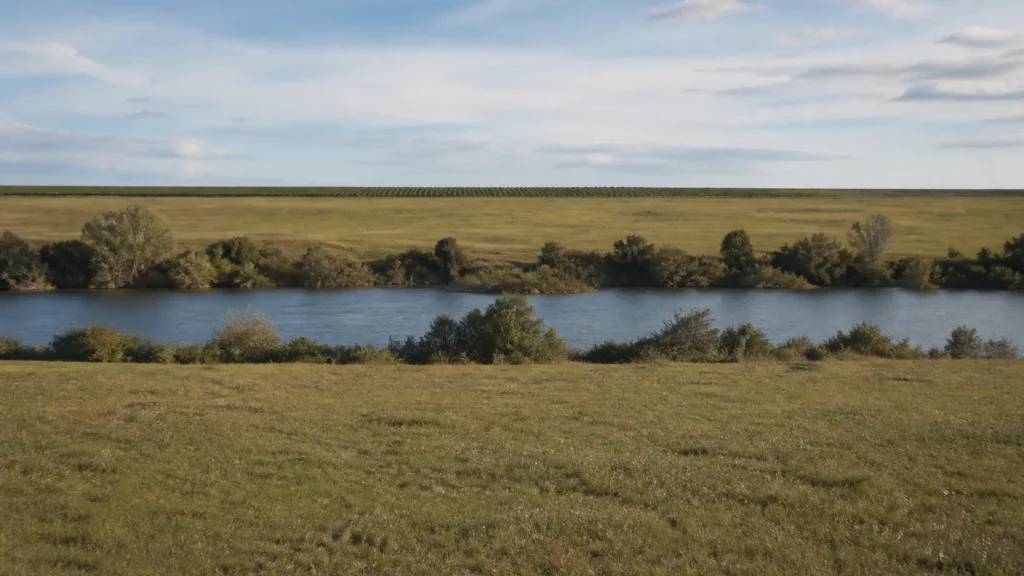
AI-generated editorial visualization of Carmelo rural producer-landscape context; it does not depict a named producer, harvest or meal.

River and rural table

Give Carmelo one purposeful slow-food chapter

Use a named producer or chef to connect seasonal ingredients and rural landscape, with origin claims, dietary needs and access confirmed directly.

Travel restored

What makes Montevideo, Colonia and Uruguay Wine Country a wellness destination?

What makes Montevideo, Colonia and Uruguay wine country a wellness destination?

Long riverfront horizons, walkable intervals and shared mate or meals let conversation take up part of the day. World Health Organization guidance supports regular, accessible movement, while wine stays in its cultural and agricultural role. An itinerary with fewer appointments and protected open time is the useful habit to keep.

Wellness role
A meaningful restorative layer
Best for
Couples, executives and multigenerational travelers who value gentle movement, social ritual, food context and protected unscheduled time
Format
Rambla walking, riverfront pauses, a named producer meal and an intentionally lighter final afternoon
Ideal commitment
One principal appointment per half day, professional transport for all alcohol and one daily interval with no reservation
Intensity
Gentle

For companions

Strong for mixed-interest groups because urban walking, food, history and rural quiet can be calibrated without separating the party all day.

Seasonal lens

Spring and autumn favor longer walking; summer moves activity earlier and later; winter emphasizes museums, food and sheltered river views.

Use the horizon to reset the day's scale

Rambla walking interval

Ask a local guide to choose a safe, wind-aware Rambla segment with seating and vehicle support, then keep the pace conversational.

Duration
45 to 75 minutes
Intensity
Gentle
Best for
Travelers who restore through gentle movement
Consider

Confirm weather, wind, surfaces and road crossings. No stress or cardiovascular outcome is promised.

Give conversation the full interval

Mate as social pause

Learn etiquette and context from a named Uruguayan host, with conversation as the purpose and mate presented as a living social practice.

Duration
30 to 60 minutes
Intensity
Gentle
Best for
Cultural travelers and families
Consider

Confirm caffeine tolerance and personal medical advice. Mate is a living social practice, not therapy.

Experience heritage at a lower sensory level

Colonia before the day builds

Use an early specialist-led route through public streets, with cobbles, seating and exact access designed around the traveler.

Duration
60 to 90 minutes
Intensity
Gentle
Best for
Couples, photographers and sensory-sensitive travelers
Consider

Public quiet and low crowds cannot be guaranteed. Confirm mobility and opening separately.

Connect agriculture, appetite and place

Producer table without tasting pressure

Build a private-format meal or vineyard conversation only when confirmed, with a complete alcohol-free route that receives equal attention.

Duration
90 to 150 minutes
Intensity
Gentle
Best for
Culinary travelers and non-drinking companions
Consider

Wine is not wellness. Confirm transport, allergies, alcohol-free beverages and producer access.

Protect one unclaimed interval every day and let conversation carry it. Wine, mate, food, walking and spa services are cultural or leisure experiences, not medical, detox, sleep or longevity interventions.

Timing the journey

When to go

Spring and autumn often support comfortable city walking and wine-country movement, while summer brings longer days, heat and strong regional demand. Winter can suit museums, food and quieter urban time but requires shorter-light and weather planning. Harvest timing changes by producer and year and must be confirmed directly.

Dec · Jan · Feb

Conditional

Summer

Weather
Long days support riverfront and rural time, but heat, sun and storms move activity earlier and later.
Crowds
Regional holidays and coastal travel can tighten premium inventory and roads.
Best for
Long evenings, a slower city rhythm and a measured rural stay.

Mar · Apr · May

Best

Autumn and harvest context

Weather
Milder conditions often support walking and rural movement, while harvest varies by producer and year.
Crowds
Producer calendars can be busy even when cities feel calmer.
Best for
First visits, professional wine-country touring and heritage walking.

Jun · Jul · Aug

Conditional

Winter

Weather
Cooler, shorter and sometimes wet days favor museums, food and sheltered riverfront choices.
Crowds
Demand may ease outside events, with some rural operations narrower.
Best for
Urban culture, culinary depth and travelers comfortable with a quieter operating plan.

Sep · Oct · Nov

Best

Spring

Weather
Moderate temperatures and lengthening days generally support walking and vineyard landscapes.
Crowds
Events and weekends can still compress sought-after producers and rooms.
Best for
Montevideo, Colonia and one unhurried wine-country chapter.

Weather, river and ferry operations, producer calendars, harvest, public events and road conditions change. Confirm every transport and host close to travel.

Value, clearly framed

Understanding trip value

Custom quote based on exact dates, air cabin, accommodation, professional transfers, qualified guidance, admissions, confirmed experiences, accessibility and cancellation terms. No public package price is stated.

What shapes the guidance

5 to 7 nights for two travelers; MVD or confirmed Colonia ferry gateway, one or two bases, professional road transfers, qualified cultural specialists and directly confirmed producer visits priced at proposal stage.

Journey logistics

Arrive well

Most long-haul itineraries begin at Montevideo airport and continue by reserved road transfer. Colonia may also connect by scheduled ferry from Buenos Aires, subject to live operator, immigration, baggage, weather and port conditions. Route 1 and wine-country days require a professional driver.

Primary gateway Carrasco International Airport, Montevideo (MVD)

Premium commercial air

Arrive through Montevideo

Confirmed international or regional air originCarrasco International Airport (MVD)

Scheduled air followed by reserved road transfer

Confirm live flight, baggage, immigration, assistance, driver meeting point and exact property access.

Boat, ferry or yacht

Arrive or depart through Colonia

Buenos Aires when includedPort of Colonia del Sacramento

Scheduled international passenger ferry and reserved onward transfer

Confirm carrier, immigration, passport, baggage, weather, port access and connection protection. A premium or private format is not assumed.

Final transfer

Link Montevideo, Route 1 and Colonia

Exact Montevideo propertyColonia del Sacramento or Carmelo

Reserved professional driver with planned lawful stops

Confirm road conditions, driver hours, event traffic, producer appointments and the exact overnight base.

Access and mobility

Confirm Montevideo pavement and curb conditions, Rambla wind and distances, Colonia cobbles and gradients, ferry ramps, cellar steps, rural surfaces, washrooms, seating and vehicle step height. Heritage atmosphere does not prove step-free access.

Before you go

Practical planning notes

Getting around

Use professional transport for wine days

A tasting itinerary and self-driving do not belong together; the alcohol-free plan should be equally complete.

Arriving

Protect the ferry connection

International ferry, immigration and baggage require live confirmation and sensible buffer.

Etiquette

Treat candombe as living heritage

Community practitioners control context, participation and image use; a generic performance is not a substitute.

Reservations

Keep the Atlantic coast separate

Punta del Este, José Ignacio, Maldonado and Rocha need their own coastal planning question.

The VH Luxe approach

How VH Luxe composes the journey

  1. Begin in Montevideo

    Settle into the capital, establish riverfront geography and use one specialist-led cultural day.

  2. Choose one wine corridor

    Use Canelones from the city or save the rural chapter for Carmelo, with one clear producer sequence.

  3. Move west on Route 1

    Treat the road as a purposeful transition with only confirmed stops.

  4. Give Colonia its quieter edge

    Use an overnight or protected early interval, then connect onward without rushing the port.

Paramjit Harika, VTA, CTA

Advisor-led planning

Your journey, personally considered

Paramjit Harika

Founder & Luxury Travel Advisor

I coordinate your hotel and room, premium air, transfers and key experiences as one considered journey, with one point of contact from planning through travel.

Good to know

Frequently asked questions

How many nights do you need for Montevideo, Colonia and wine country?

Allow 5 nights for the capital, Colonia and one wine day, or 6 to 7 for an unhurried Carmelo or Canelones stay.

Is Colonia worth an overnight?

Yes when early and late heritage time, river atmosphere and a slower transition matter. A day trip works when the route remains focused and the ferry is protected.

Should wine country be Canelones or Carmelo?

Choose Canelones for a professionally driven day from Montevideo, or Carmelo for a distinct rural stay after Colonia. Producer access must be confirmed.

Can non-drinkers enjoy Uruguay wine country?

Yes, if the itinerary is designed around landscape, viticulture, food and conversation, with an alcohol-free program given equal depth.

Can candombe access be arranged privately?

Only if a named community authority chooses and confirms the format. Rehearsal, participation, photography and performance are never presumed.

What should be rechecked before travel?

Refresh official advice, flights or ferry, immigration, road conditions, producer calendars, professional drivers, opening, weather, accessibility and dietary needs.