The VH Luxe destination guide

Montana Luxury Ranch Country

Choose a Montana ranch by horsemanship, working-land depth, adventure range and recovery rhythm before choosing its address.

Recommended stay

4–

7 nights

Best time

Late spring through early autumn offers the broadest riding and working-land range. Winter can be compelling at a ranch designed for it, but roads, livestock operations, activity access and daylight must be checked for the exact location.

Primary gateway

Bozeman (BZN), Missoula (MSO) or Billings (BIL), matched to the confirmed ranch location

Journey context

Allow 4 to 5 nights for a focused ranch immersion and 6 to 7 for deeper horsemanship, stewardship or multigenerational pacing.

Curator’s verdict

The most luxurious ranch journey is not the one with the longest activity list. It is the one where the horse, guide, land and daily pace fit the traveler closely enough for skill, attention and confidence to deepen.

Choose well

Which Montana ranch rhythm fits?

Choose the type of participation before comparing amenities or scenery.

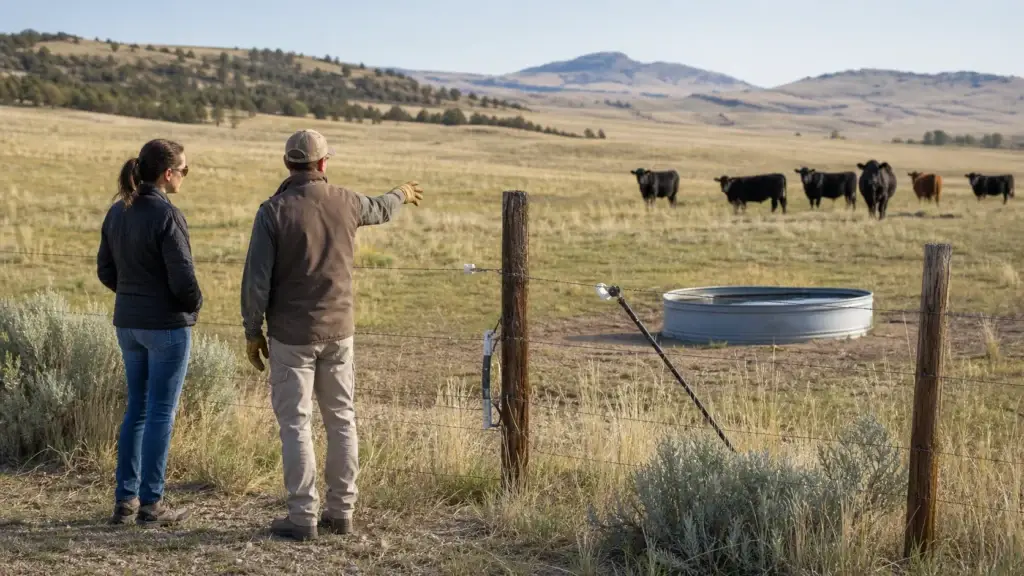
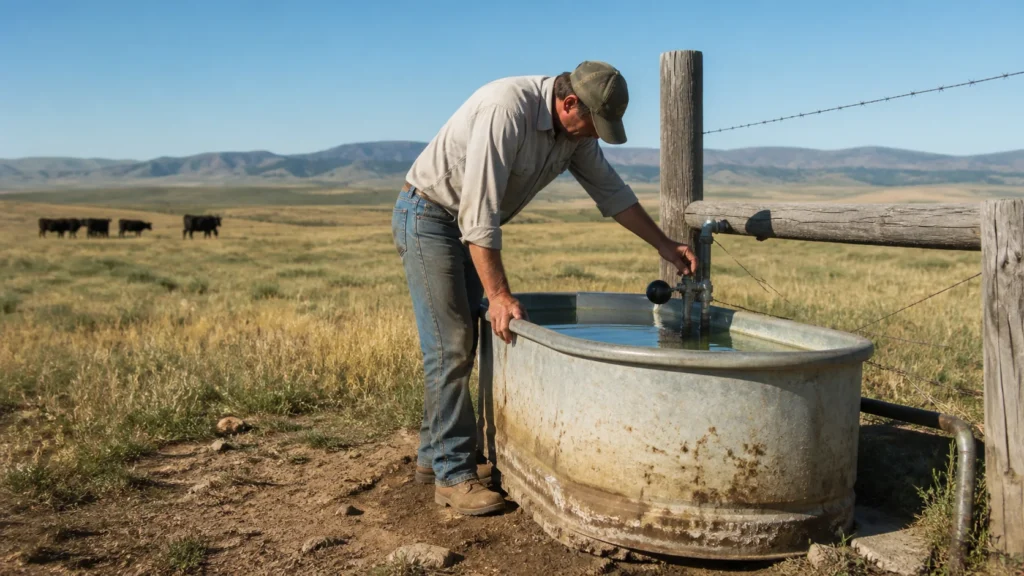
Montana rancher or steward checking pasture, water, fencing or livestock in a non-staged scene

Travelers curious about livestock, land decisions and agricultural life

Choose working-ranch immersion

The day follows real priorities such as water, pasture, fencing, weather and animal care, with guest participation offered only when operations and safety allow.

Worth knowing

The working calendar may replace a hoped-for activity, and comfort should not be mistaken for a staged performance.
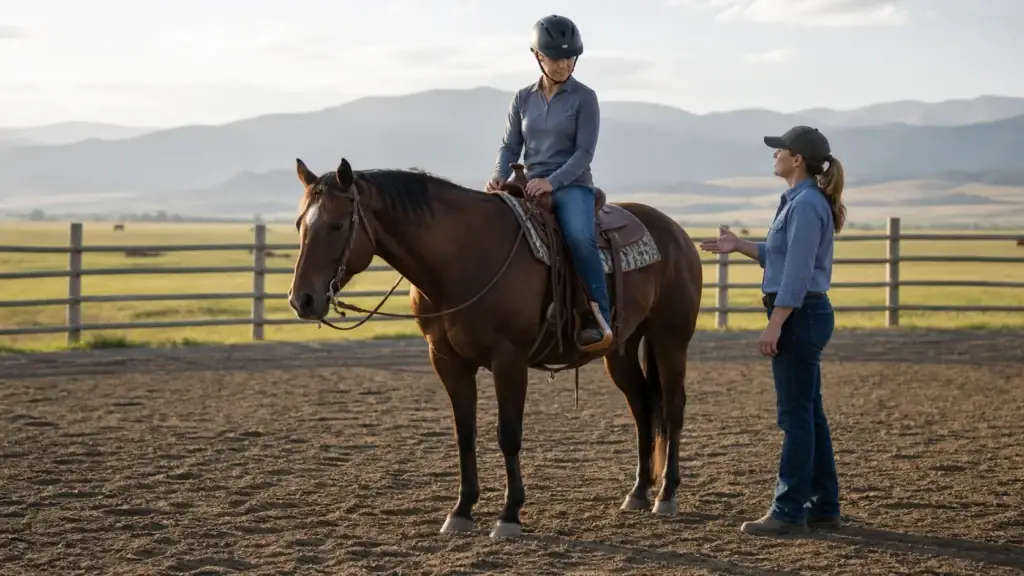
Montana rider and instructor in an arena or controlled horsemanship lesson

New and experienced riders who value instruction, horse care and progression

Choose an equine-first ranch

A skill-led program begins with the rider-horse match, groundwork and controlled instruction before trail distance or pace becomes the goal.

Worth knowing

Assessment may shorten, slow or replace the ride, and not every traveler will share the same mounted schedule.

Families and multigenerational groups with different riding interests

Choose an activity-rich guest ranch

A broader program can keep riders, anglers, walkers and quieter travelers connected without requiring everyone to do the same thing.

Worth knowing

More choices can dilute depth, so each traveler should have one clear anchor rather than chasing the full menu.

Couples, non-riders and travelers seeking privacy, landscape and lower stimulation

Choose a recovery-led ranch rhythm

Gentle movement, working-land interpretation and unprogrammed time can create a meaningful ranch journey without making horseback riding compulsory.

Worth knowing

A quieter format may offer less technical riding or livestock participation than an equine-first or working ranch.

A considered introduction

A working-ranch format suits travelers who want livestock, water and pasture decisions to shape the day. An equine-first format suits riders who value instruction and progression. An activity-rich guest ranch can serve mixed ages, while a recovery-led format protects privacy and gentler participation.

Four or five nights creates a focused immersion. Six or seven gives horsemanship, stewardship and recovery enough time to develop without turning every day into a performance.

Advisor note

Advisor perspective: I would choose the ranch type from the traveler's relationship with horses, desired working-land depth and appetite for structure, then choose the exact region and gateway. VH Luxe Travels can coordinate tailored arrangements where applicable, with every ranch program, guide, transfer and access element confirmed before travel.

What stays with you

Signature experiences

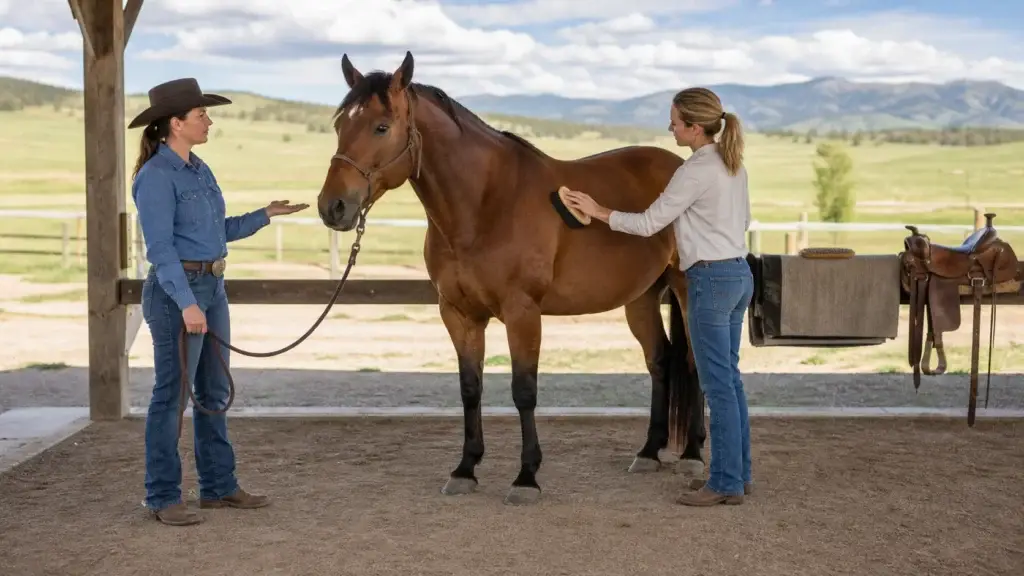
Montana guide demonstrating grooming, tack or groundwork with one horse and traveler

Horsemanship

Begin on the ground before the trail

Use a one-to-one horse professional to explain behavior, grooming, tack and communication before a mounted assessment. The first success is a calm match, not a promised distance or gait.

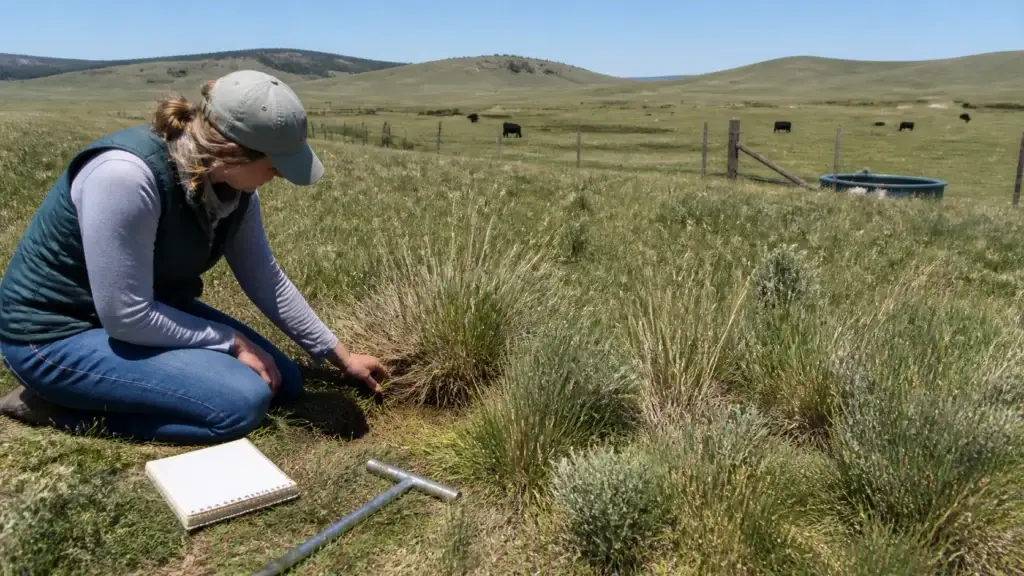
Montana rangeland steward examining grass, soil, water or rotational grazing infrastructure

Land stewardship

Read rangeland with the person who manages it

Walk or ride with a qualified steward who can explain how soil, forage, water, livestock and habitat influence one another, without assigning sustainability labels that the ranch has not documented.

Montana ranch work such as checking fence, water or livestock from a safe distance

Working life

Follow a real working interval

Observe or assist with one current task such as checking water, fencing or livestock only when the operation, animal welfare and guest ability allow. Real ranch work follows conditions rather than a performance schedule.

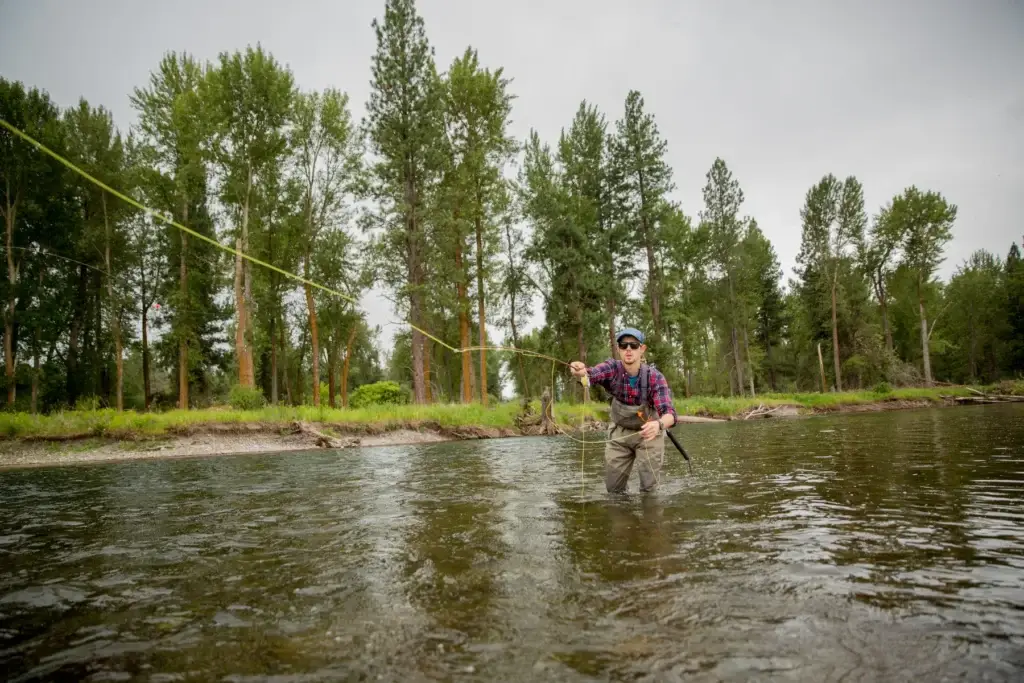
Montana fly-fishing guide and angler on a named river or verified ranch water

Angling

Fish by temperature, not by wish list

A currently licensed outfitter can build a cool-hour outing around the exact water, regulations and traveler ability. Licenses, access and closures are verified first, and neither a catch nor private water is promised.

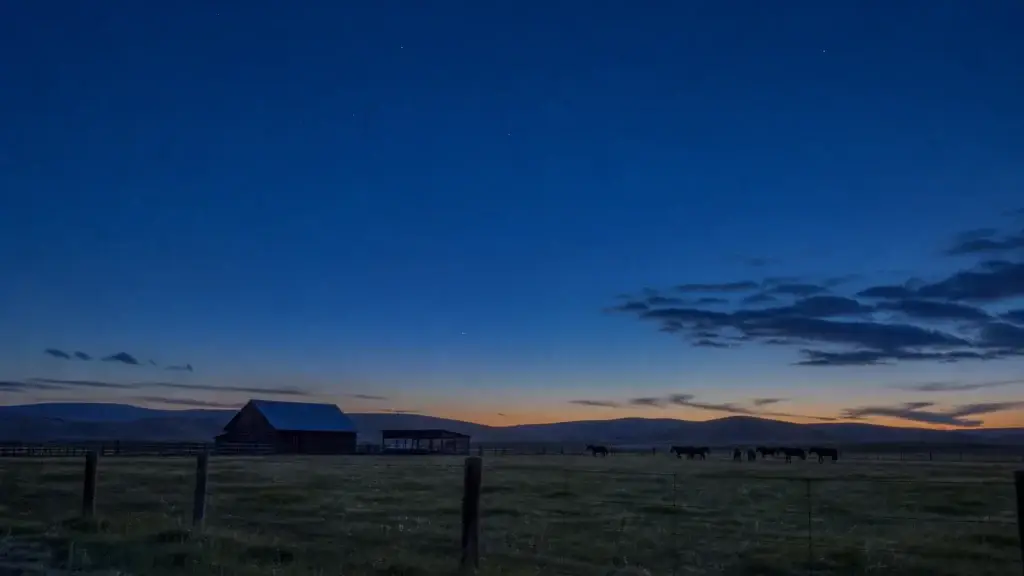
Montana ranch landscape at blue hour or under a clear night sky

Night landscape

Watch night settle over working land

Use an astronomer or naturalist when available, or simply protect a quiet blue-hour interval away from the day's activity. Clear skies, celestial visibility and private programming remain conditional.

Travel restored

What makes Montana Luxury Ranch Country a wellness destination?

What makes Montana ranch country a wellness destination?

Ranch country can shift attention from performance to relationship through horsemanship, working-land literacy, cool-hour river time and deliberate recovery. Nature research suggests possible short-term changes in perceived and physiologic stress, but a ranch vacation is not treatment and ordinary riding is not equine therapy. The lasting habit is to choose the pace that preserves attention.

Wellness role
A primary reason to travel
Best for
Travelers seeking confidence, lower stimulation, nature, meaningful skill and a healthier relationship with effort and recovery
Format
Private or small expert-led horsemanship, steward-led land interpretation, condition-matched movement and protected recovery
Ideal commitment
One purposeful skill or land chapter each day, with enough unprogrammed time to recover
Intensity
Varies

For companions

Strong for couples, families, solo travelers and multigenerational groups when riding and non-riding programs receive equal planning attention.

Seasonal lens

Late spring through early autumn offers the broadest range; winter requires a ranch designed for cold-weather operations and exact road conditions.

Build calm confidence through observation and response

Horse-human attention

Begin with a personal horse professional who matches the rider and horse, teaches groundwork and lets trust determine whether mounted work follows.

Duration
60 to 90 minutes
Intensity
Gentle
Best for
New riders, returning riders and thoughtful experienced riders
Consider

This is horsemanship, not therapy. Riding carries risk and may be modified or declined after assessment.

Replace scenery consumption with land literacy

Pasture pace

Walk with a steward to notice soil cover, forage, water and rest, then leave time to absorb how working landscapes change through the season.

Duration
60 to 90 minutes
Intensity
Gentle
Best for
Land, food and conservation-minded travelers
Consider

Terrain, livestock, heat and ranch operations may change the route, and stewardship claims require evidence.

Use water conditions to shape effort and restraint

Cool-hour river rhythm

Let a licensed guide build a short morning around water temperature, access and quiet observation, with fishing optional rather than required.

Duration
Two to three morning hours
Intensity
Moderate
Best for
Anglers and travelers seeking lower-stimulation nature time
Consider

Licenses, wading safety, drought, closures and private access must be confirmed.

Turn exertion into sustainable energy

Recovery after the saddle

Follow riding or field time with a protected meal, hydration, gentle mobility and an unprogrammed evening, using a qualified practitioner only when confirmed.

Duration
One evening
Intensity
Gentle
Best for
Active travelers and mixed-ability groups
Consider

Recovery planning cannot compensate for injury, unsafe riding or medical symptoms.

Wellness descriptions do not promise diagnosis, treatment, biomarker change or longevity. Riding, fishing and outdoor activities must be matched to current conditions, ability and individual medical needs.

Timing the journey

When to go

Late spring through early autumn offers the broadest riding and working-land range. Winter can be compelling at a ranch designed for it, but roads, livestock operations, activity access and daylight must be checked for the exact location.

Mar · Apr · May

Conditional

Spring

Weather
Mud, snowmelt, variable roads and active ranch operations can narrow the program.
Crowds
Generally quieter, with limited opening dates at some ranches.
Best for
Land stewardship, horsemanship foundations and flexible low-impact days.

Jun · Jul · Aug

Best

Summer

Weather
The broadest program range, with heat, smoke, storms, drought and fire restrictions still possible.
Crowds
Peak demand can limit ranch, guide and transfer availability.
Best for
Horsemanship, working-land interpretation, river mornings and family programs.

Sep · Oct · Nov

Good

Autumn

Weather
Cooler days and changing agricultural work can be rewarding before snow and reduced daylight narrow access.
Crowds
Demand eases unevenly and some seasonal programs close.
Best for
Working-ranch rhythm, stewardship and quieter riding when conditions allow.

Dec · Jan · Feb

Conditional

Winter

Weather
Cold, snow, wind and short daylight require a ranch built for winter operations.
Crowds
Holiday periods can be busy while many ranches reduce or suspend guest operations.
Best for
Winter landscape, indoor horsemanship, gentle snow activity and recovery at a verified year-round ranch.

Weather, road conditions, fire, smoke, drought, livestock needs, river restrictions, guide availability and ranch operations change. Confirm the exact property and travel week.

Value, clearly framed

Understanding trip value

Custom quote based on the exact ranch, season, transfers, program, guide ratio and confirmed activities. No public package price is stated.

What shapes the guidance

4 to 7 nights for two travelers; ranch accommodations, transfers, horsemanship, guides and confirmed activities priced at proposal stage.

Journey logistics

Arrive well

There is no single gateway for Montana ranch country. Select BZN, MSO, BIL or another regional airport only after the ranch address, road conditions and transfer provider are confirmed. Long rural transfers can be part of the journey, but they should not consume the first or final day by accident.

Primary gateway Bozeman (BZN), Missoula (MSO) or Billings (BIL), matched to the confirmed ranch location

Premium commercial air

Use BZN for a route-matched southwest or central approach

Confirmed origin cityBozeman Yellowstone International Airport (BZN)

Scheduled air and prearranged private or rental vehicle

BZN is not the default for every Montana ranch. Confirm the exact ranch distance, road, luggage and transfer availability.

Premium commercial air

Use MSO for a route-matched western approach

Confirmed origin cityMissoula Montana Airport (MSO)

Scheduled air and prearranged private or rental vehicle

Ground services change and rural coverage varies. Reserve the exact transfer rather than assuming an on-demand ride.

Premium commercial air

Use BIL for a route-matched central or eastern approach

Confirmed origin cityBillings Logan International Airport (BIL)

Scheduled air and prearranged private or rental vehicle

Confirm provider availability, road conditions and the final rural transfer before ticketing.

Access and mobility

Confirm airport assistance, transfer duration, road surface, room and common-area access, mounting block or lift options, rider limits, adaptive instruction, terrain, seating, restroom access and emergency procedures against the traveler's exact needs. A non-riding program should be designed with equal care rather than treated as a fallback.

Before you go

Practical planning notes

Wellness

Match horse and rider

Let a qualified professional set the horse, terrain, duration and pace after assessment.

Etiquette

Ask what working means

Confirm which ranch tasks are genuine, seasonal and safe for guests rather than assuming participation.

Getting around

Check closures

Road, fire, land and water restrictions may replace the planned activity.

Reservations

Confirm licensed services

Confirm outfitter licensing, permissions and authorized activity for the exact experience.

The VH Luxe approach

How VH Luxe composes the journey

  1. Choose the ranch type

    Decide whether working land, horsemanship, activity breadth or recovery leads.

  2. Match the gateway

    Choose the airport and transfer only after the exact ranch location is confirmed.

  3. Let conditions edit the day

    Allow weather, livestock, water and rider readiness to improve the plan.

  4. Carry home attentive confidence

    Keep the habit of observing first and choosing effort with purpose.

Paramjit Harika, VTA, CTA

Advisor-led planning

Your journey, personally considered

Paramjit Harika

Founder & Luxury Travel Advisor

I coordinate your hotel and room, premium air, transfers and key experiences as one considered journey, with one point of contact from planning through travel.

Good to know

Frequently asked questions

How many nights do you need for a Montana ranch vacation?

Allow 4 to 5 nights for a focused immersion and 6 to 7 for deeper horsemanship, stewardship or multigenerational pacing.

What is the difference between a working ranch and a guest ranch?

A working-ranch experience follows real agricultural priorities, while a guest ranch may center a planned visitor program. The label alone does not prove depth, luxury or participation.

Do you need horseback riding experience?

Not always. The right program assesses each rider and horse, teaches foundations and adjusts terrain, pace or mounted participation to ability.

Can non-riders enjoy a Montana ranch journey?

Yes. A well-designed route can emphasize stewardship, food, river time, walking, wildlife interpretation and recovery without treating non-riders as an afterthought.

Are fishing and private-land access guaranteed?

No. Licenses, current regulations, landowner permission, outfitter authorization, water conditions and emergency closures must all be verified.

What makes Montana ranch country a wellness destination?

Its strongest wellness value comes from attentive horsemanship, land literacy, condition-led movement and deliberate recovery, not from treatment claims or a generic spa menu.