The VH Luxe destination guide

Mendoza Wine Country, Argentina

Last updated 13 August 2026

Choose the wine region before the wineries, then let terroir, season and distance shape the pace.

Recommended stay

4–

6 nights

Best time

March through May and October through December offer strong landscape contrast and a broad range of winery formats, subject to the producer and vintage. January through early March brings harvest energy, heat, Vendimia demand and active production. Winter is quieter and colder, with dormant vines and outdoor experiences adjusted to current conditions.

Primary gateway

Governor Francisco Gabrielli International Airport near Mendoza city

Journey context

Allow 4 nights for one primary region and one contrasting day, or 5 to 6 for a calm split stay between Greater Mendoza and the Uco Valley.

Curator’s verdict

Mendoza becomes more rewarding when the itinerary is built around contrast rather than tasting volume. Historic Maipú, classic Luján de Cuyo and high-altitude Uco Valley each produce a different journey, and the right base protects both specialist access and recovery.

Choose well

Which Mendoza wine region should anchor the journey: historic Maipu, classic Lujan de Cuyo or high-altitude Uco Valley?

Choose the landscape and travel rhythm first. Individual wineries should then be selected for a clear learning purpose, confirmed access and a pace that never depends on tasting volume.

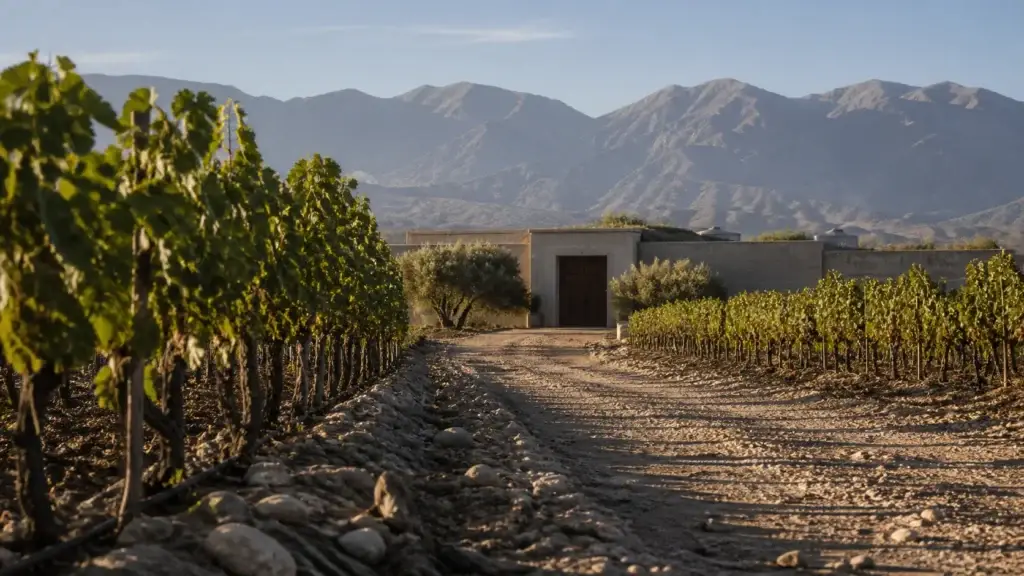
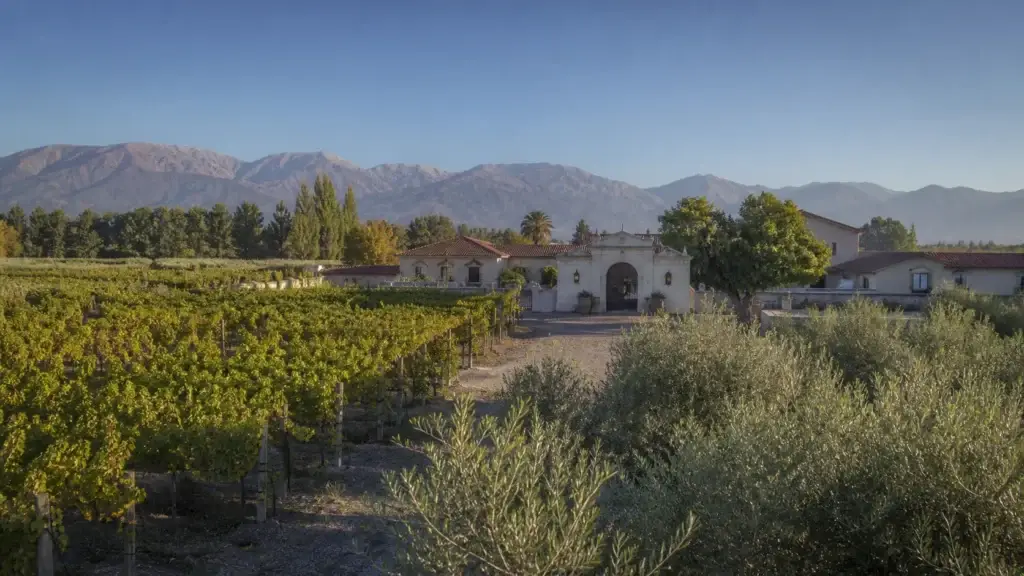
Exact Maipú vineyard, historic winery exterior, olive grove or documented wine-and-olive landscape

First visits, family production stories, olive culture and a compact introduction near Greater Mendoza

Choose Maipú for historic wine and olive context

Maipú places older wine and olive traditions within an accessible regional chapter that can be read through family continuity, irrigation and production history.

Worth knowing

The Andes feel less immediate than in the Uco Valley, and a long list of convenient stops can encourage rushed tasting.
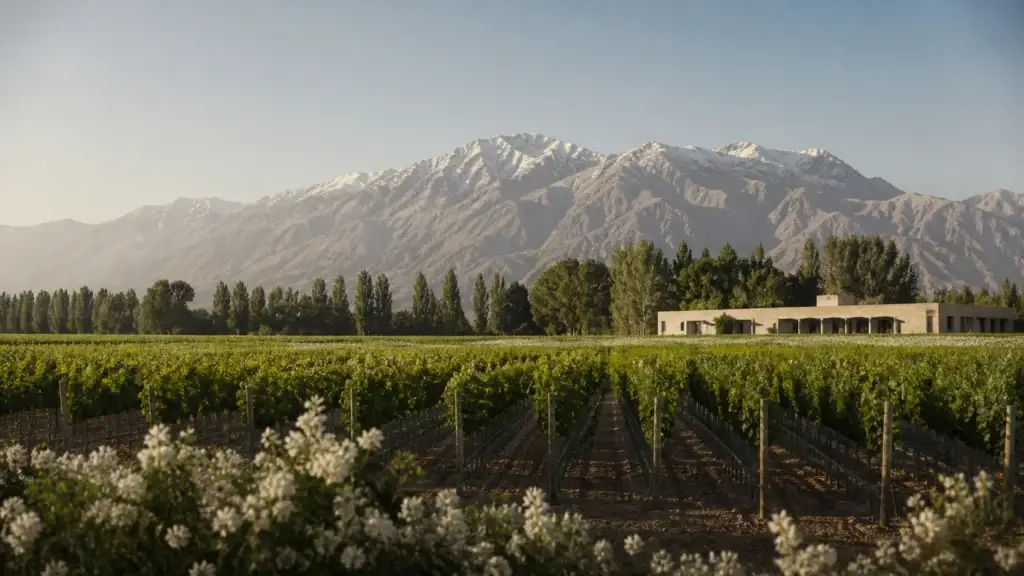
Documented Luján de Cuyo vineyard, winery exterior or old-vine setting with geographic context

Malbec-focused learning, established estates, design, gastronomy and easier access from the city

Use Luján de Cuyo for classic Mendoza identity

Luján de Cuyo anchors Mendoza's historic First Zone, where older vineyards and contemporary hospitality can be compared without committing every day to a long valley transfer.

Worth knowing

High demand makes reservations essential, and brand recognition should not replace a coherent learning sequence.

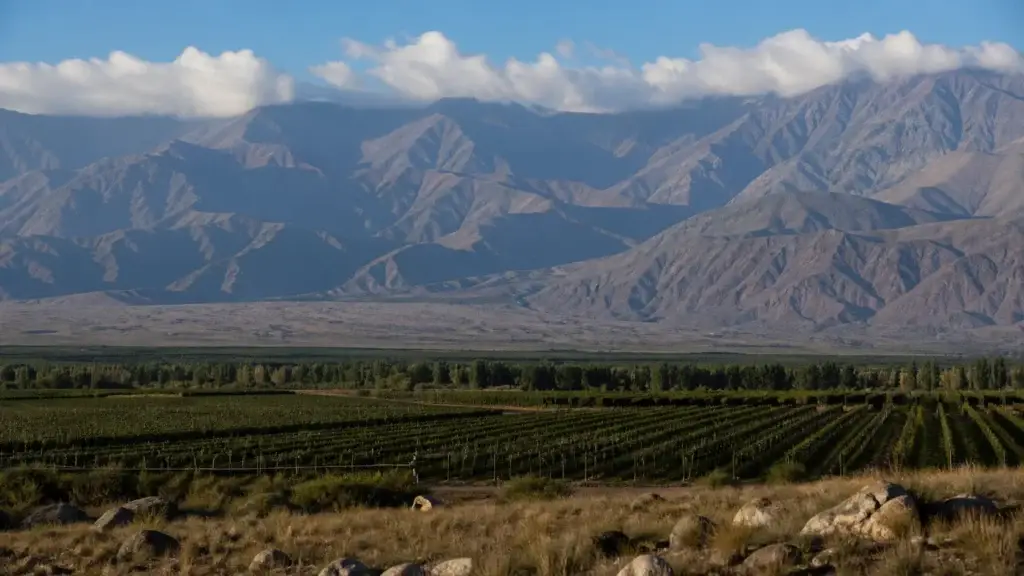
Andes views, high-elevation terroir, architecture, destination dining and travelers who value quiet

Stay in the Uco Valley for mountain scale

Tupungato, Tunuyán and San Carlos create a broader landscape chapter where altitude, alluvial ground and distance become part of the story.

Worth knowing

The valley is too substantial for careless commuting, and weather or road changes can have greater consequences.

Travelers with 5 to 6 nights who want both Greater Mendoza context and deep Uco Valley immersion

Split the stay only when the second base adds time

A considered split can reduce repetitive driving and protect early or late valley light while preserving a city or first-zone chapter.

Worth knowing

With 4 nights or less, another check-in may consume more energy than it returns.

A considered introduction

Maipú offers a compact introduction through historic production, olive culture and family continuity. Luján de Cuyo brings established wine identity and a practical relationship to Mendoza city, while the Uco Valley adds greater distance, Andes scale and a stronger reason to stay among vineyards.

Four nights support one primary region and one deliberate contrast. Five or six allow a split stay between Greater Mendoza and the Uco Valley without turning every day into a transfer. The quality of the journey comes from fewer, better appointments and a complete alcohol-free path when desired.

Advisor note

Advisor perspective: I would select one primary region, limit most days to one meaningful cellar or vineyard chapter and use a professional driver throughout. VH Luxe Travels can coordinate preferred-partner value and tailored arrangements where applicable, with every winery, guide, meal, transfer and private format confirmed before travel.

What stays with you

Signature experiences

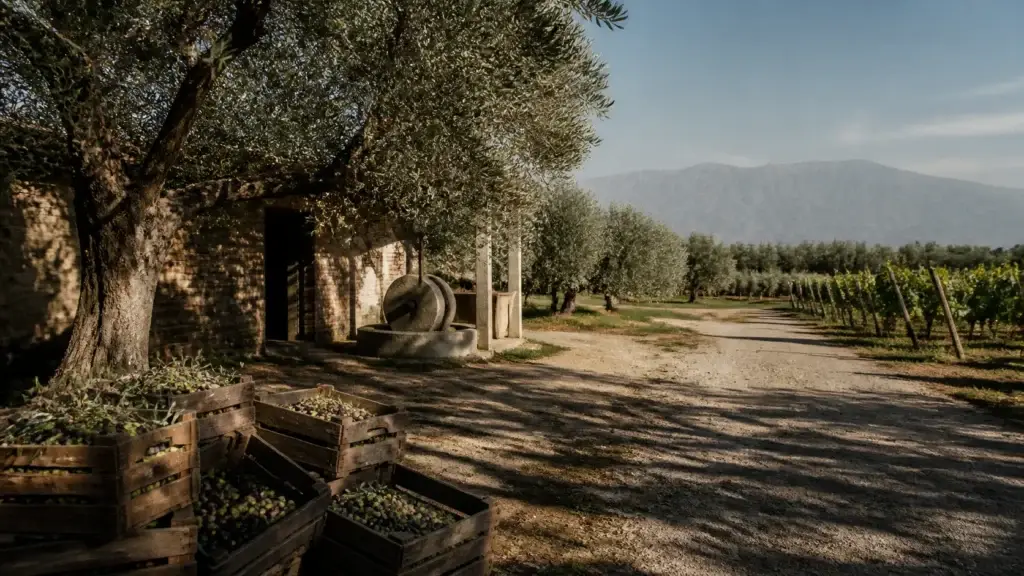
Exact Maipú olive grove, historic press, winery courtyard or public production setting

Heritage and cultivation

Read Maipú through wine, olives and family continuity

Use a qualified specialist and a confirmed producer to connect historic cultivation, irrigation, olive work and changing cellar practice. Private family access must be described only when secured.

Exact Luján de Cuyo vineyard rows, soil profile, cellar architecture or winemaking workspace

Terroir and method

Compare one Luján vineyard from ground to cellar

Follow one focused question through vine age, water, soil and cellar decisions with a winemaker or viticultural specialist, subject to the production calendar and confirmed availability.

Documented Uco Valley vineyard and alluvial or mountain context in Tupungato, Tunuyán or San Carlos

High-altitude landscape

Decode Uco Valley altitude beyond the view

Let an agronomist, geologist or winemaker explain elevation, alluvial fans, temperature range and site selection in an exact vineyard context rather than using altitude as a luxury slogan.

Documented Mendoza vineyard lunch or regional ingredient table with landscape context and restrained alcohol presence

Seasonal table

Build one vineyard table around the growing season

Choose a confirmed chef or producer-led meal that connects regional ingredients and current field work. A complete non-alcoholic progression should be available without diminishing the experience.

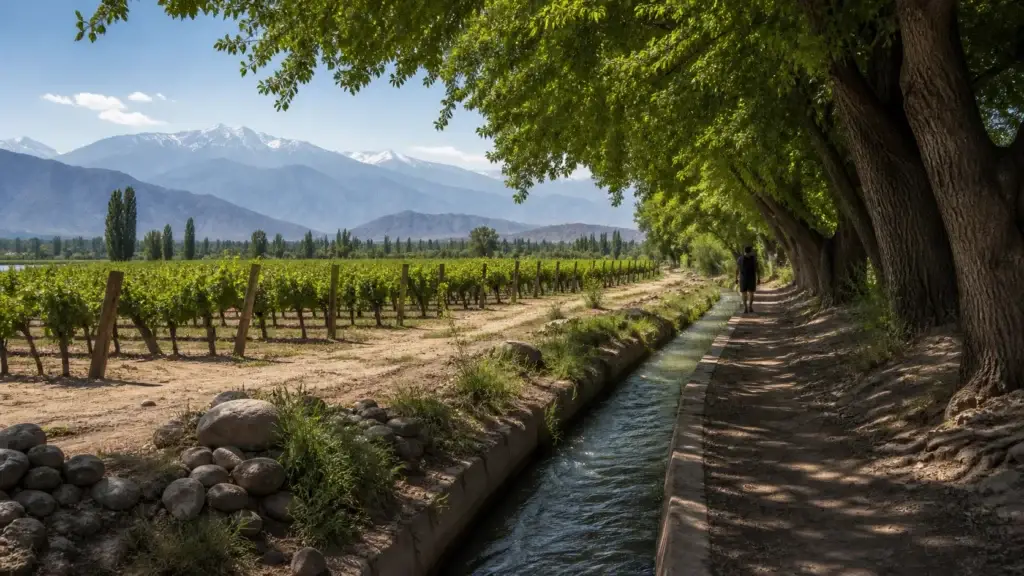
Documented Mendoza vineyard irrigation channel, acequia, shaded vine walk or water-led cultivated landscape

Landscape and recovery

Walk the irrigated landscape, then leave the afternoon open

Use a safe, confirmed vineyard or irrigation walk to understand how water shapes the oasis, then protect an Andes-facing interval for rest before any evening plan.

Travel restored

What makes Mendoza Wine Country, Argentina a wellness destination?

What makes Mendoza Wine Country a wellness destination?

Mendoza supports restoration when vineyard movement, mountain quiet, seasonal food and generous alcohol-free intervals replace a tasting marathon. Wine itself is not a wellness treatment, and WHO guidance makes clear that alcohol carries health risk, so the lasting value comes from attention, pacing and choice rather than consumption.

Wellness role
A meaningful restorative layer
Best for
Couples, executives, culinary travelers and multigenerational groups who want wine-country meaning without tasting fatigue
Format
Shaded vineyard movement, Andes-facing quiet, seasonal foodways and alcohol-aware pacing
Ideal commitment
One principal visit or meal per day, professional transport, hydration, an alcohol-free path and protected recovery time
Intensity
Gentle

For companions

Strong for mixed-interest groups because specialists, food, landscape and non-alcoholic participation can remain meaningful for travelers who do not drink.

Seasonal lens

Spring and autumn generally support the broadest walking and outdoor-dining fit. Summer heat, harvest operations and winter cold require adjusted timing and indoor alternatives.

Understand the oasis through water rather than consumption

Acequia awareness

Walk a safe, shaded and confirmed landscape with a specialist who can explain how mountain water and irrigation sustain cultivated Mendoza.

Duration
45 to 75 minutes
Intensity
Gentle
Best for
Curious travelers and mixed-interest companions
Consider

Confirm route, heat, wind, shade, surfaces and water access. This is cultural and landscape learning, not treatment.

Protect an interval with no tasting or transfer

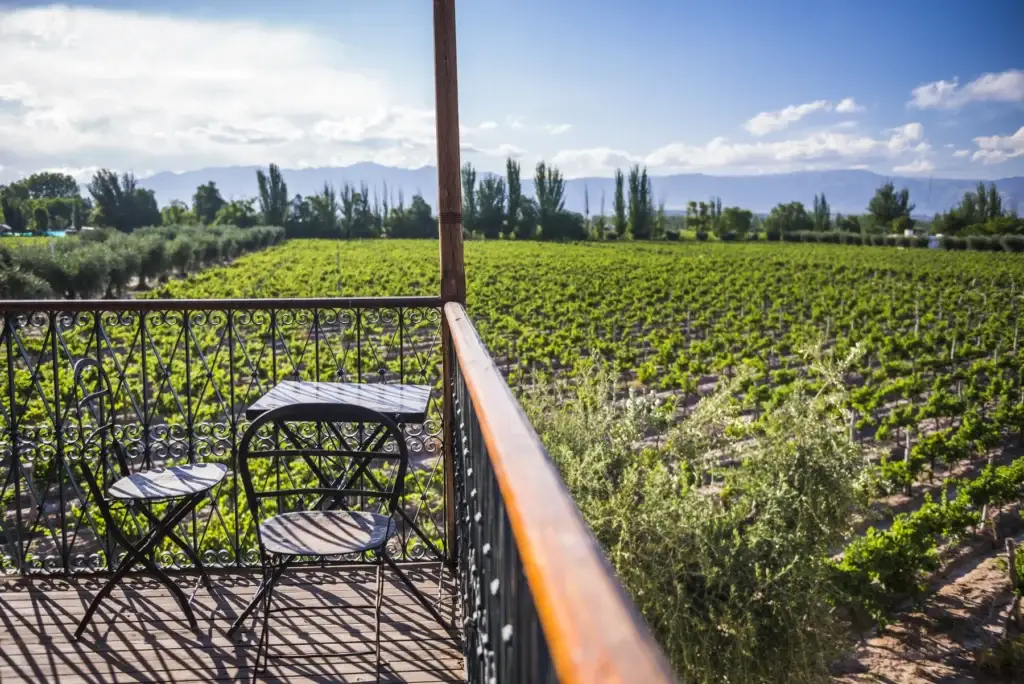
Andes-facing pause

Use a quiet terrace, garden or room with a verified mountain outlook for reading, reflection or rest before dinner.

Duration
60 to 120 minutes
Intensity
Gentle
Best for
Travelers recovering from flights, meals or social stimulation
Consider

A view and private setting require confirmation. No clinical stress or sleep result is promised.

Replace pairing volume with origin and appetite

Seasonal table

Let growers, ingredients and current field work structure one measured meal with water and a complete alcohol-free progression.

Duration
90 to 150 minutes
Intensity
Gentle
Best for
Culinary travelers and groups with different drinking preferences
Consider

Confirm dietary needs and non-alcoholic options. Wine is not a health intervention and abstaining must remain easy.

Reduce tasting fatigue and preserve recall

One meaningful appointment

Anchor the day with one focused specialist encounter, then use food, water, rest and chauffeured movement to keep the rest of the day coherent.

Duration
One edited day
Intensity
Gentle
Best for
Travelers who value learning, discretion and next-day energy
Consider

Alcohol affects people differently and interacts with health conditions and medications. Individual medical questions belong with a qualified clinician.

The takeaway is to make fewer choices with greater attention and to treat abstaining as a complete way to experience wine country. Alcohol is not a wellness or longevity intervention. No medical, sleep, stress, biomarker or recovery result is promised.

Timing the journey

When to go

March through May and October through December offer strong landscape contrast and a broad range of winery formats, subject to the producer and vintage. January through early March brings harvest energy, heat, Vendimia demand and active production. Winter is quieter and colder, with dormant vines and outdoor experiences adjusted to current conditions.

Jan · Feb · Mar

Conditional

Harvest and Vendimia season

Weather
Hot, dry periods can alternate with storms, broad temperature changes and weather that affects outdoor visits.
Crowds
Harvest activity, national celebrations and high demand make reservations and transfer buffers essential.
Best for
Active vineyard context, harvest interpretation and confirmed Vendimia culture.

Mar · Apr · May

Best

Harvest transition and autumn

Weather
Warm days give way to cooler mornings and nights, with producer and outdoor conditions varying by elevation.
Crowds
Demand can remain strong around harvest and autumn weekends, then ease by venue and date.
Best for
Terroir learning, seasonal tables, vineyard color and calmer outdoor pacing.

Jun · Jul · Aug · Sep

Conditional

Winter and early spring transition

Weather
Cold mornings and nights, dormant vines, possible mountain snow and wind can reshape outdoor plans.
Crowds
Wine-country demand may be quieter, although holidays and individual venues still require reservations.
Best for
Cellar method, architecture, food and mountain views with weather-ready alternatives.

Oct · Nov · Dec

Best

Spring growth and early summer

Weather
Increasing warmth, strong sun, broad daily temperature range and episodic wind require flexible outdoor timing.
Crowds
Demand strengthens toward holidays, and destination meals and small-format appointments can fill early.
Best for
Vineyard growth, walking, architecture, gastronomy and contrasting regional stays.

Harvest dates, winery operations, event calendars, roads, heat, storms, smoke, Zonda wind and mountain conditions change. Reconfirm every appointment, transfer and outdoor plan close to travel.

Value, clearly framed

Understanding trip value

Custom quote based on exact dates, air cabin, accommodation, professional transfers, specialist guidance, winery reservations, meals and confirmed private formats. No public package price is stated.

What shapes the guidance

4 to 6 nights for two travelers, with air, accommodation, professional transfers, qualified guidance and confirmed experiences priced separately at proposal stage.

Journey logistics

Arrive well

Most travelers arrive through Governor Francisco Gabrielli International Airport and continue by confirmed chauffeured transfer. Mendoza city can serve as a short gateway base, but wine-country days require reserved appointments and a driver. A Uco Valley stay should be treated as a destination transfer rather than a casual extension.

Primary gateway Governor Francisco Gabrielli International Airport near Mendoza city

Premium commercial air

Arrive through Mendoza's principal airport

Confirmed domestic or international air gatewayGovernor Francisco Gabrielli International Airport

Scheduled air followed by a confirmed chauffeured road transfer

Confirm the live flight, baggage, driver meeting point, vehicle, destination address and late-arrival plan.

Final transfer

Continue to Maipú or Luján de Cuyo

Mendoza airport or a confirmed Mendoza city propertyExact Maipú or Luján de Cuyo address

Reserved professional driver and suitable private vehicle

Drive time varies by traffic, road works, the exact vineyard and weather. Never combine tasting with self-driving.

Final transfer

Make the Uco Valley a destination transfer

Mendoza airport, Mendoza city or a confirmed Greater Mendoza propertyExact Tupungato, Tunuyán or San Carlos address

Reserved professional driver and suitable private vehicle

Confirm the exact property, road, weather, luggage, meal timing and driver hours. Do not schedule a flight too close to a remote valley departure.

Access and mobility

Confirm vehicle step height, transfer duration, winery paths, gravel, cellar stairs, ramps, accessible washrooms, seating, shade, temperature, dietary needs and emergency support with each venue. A winery described as accessible may still have vineyard or production areas that are not.

Before you go

Practical planning notes

Getting around

Choose the region before the producer

Maipú, Luján de Cuyo and Uco Valley create different travel days. Start with geography and purpose, then select appointments.

Getting around

Use a professional driver

Appointments are dispersed and alcohol must never be paired with self-driving. Confirm the vehicle, driver hours and all addresses.

Dining

Reserve the meal as carefully as the tasting

Long lunches shape the whole day. Confirm timing, dietary needs, water, non-alcoholic options and the return transfer.

Wellness

Protect an alcohol-free path

Specialist interpretation, food, architecture and landscape should remain complete for travelers who taste selectively or not at all.

Packing

Keep the weather alternative real

Heat, storms, smoke or Zonda wind can alter outdoor plans and transfers. Confirm a credible indoor or lower-exposure alternative.

The VH Luxe approach

How VH Luxe composes the journey

  1. Select the anchor region

    Let historic context favor Maipú, classic first-zone depth favor Luján de Cuyo or mountain immersion favor Uco Valley.

  2. Define one question per day

    Use vine age, water, soil, cellar method, architecture or foodways to give each appointment a distinct purpose.

  3. Protect transport and recovery

    Confirm a professional driver, realistic road time, water, food and an open interval before any evening plan.

  4. Refresh every live condition

    Recheck winery access, production activity, meals, weather, roads and events immediately before travel.

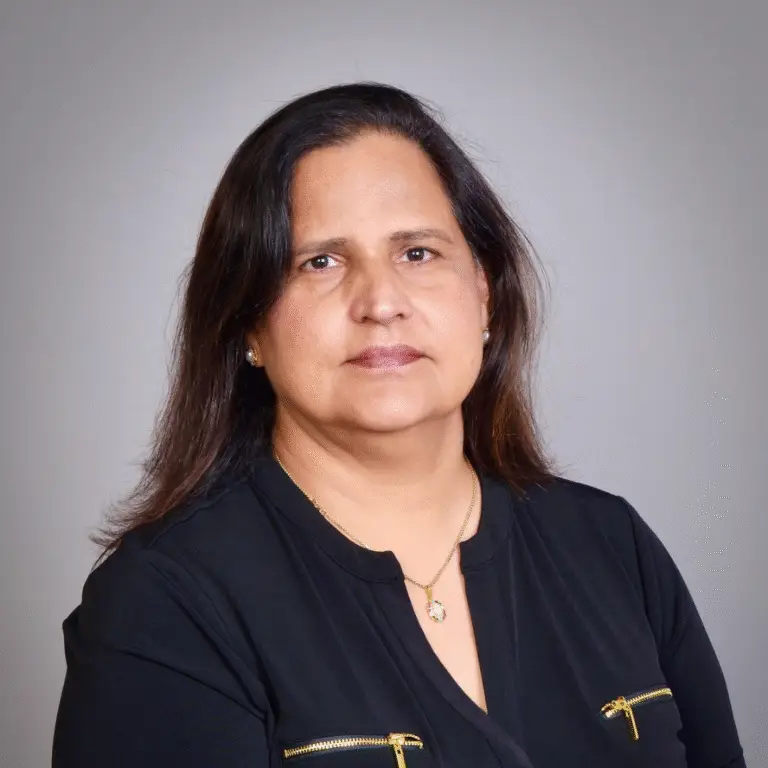
Paramjit Harika, VTA, CTA

Advisor-led planning

Your journey, personally considered

Paramjit Harika

Founder & Luxury Travel Advisor

I coordinate your hotel and room, premium air, transfers and key experiences as one considered journey, with one point of contact from planning through travel.

Good to know

Frequently asked questions

How many nights do you need in Mendoza wine country?

Allow 4 nights for one primary region and one contrasting day, or 5 to 6 for a calm split between Greater Mendoza and the Uco Valley.

Which is better, Luján de Cuyo or the Uco Valley?

Choose Luján de Cuyo for classic Mendoza identity and easier access from the city. Choose Uco Valley for mountain scale, high-elevation terroir and a stronger destination-stay rhythm.

Is Maipú worth including on a luxury Mendoza itinerary?

Yes when historic wine, olive cultivation and family production are important. It should be curated around a specific question rather than used as a convenient list of tastings.

Can a non-drinker enjoy Mendoza wine country?

Yes. Viticulture, irrigation, architecture, regional food, landscape and specialist interpretation can support a complete journey. Confirm meaningful non-alcoholic options at every meal and tasting appointment.

Do winery visits in Mendoza require reservations?

Advance reservations are strongly recommended and many experiences operate only at set times or subject to production activity. Private access, winemaker meetings and meals require separate confirmation.

When is harvest season in Mendoza?

Harvest activity generally builds through the Southern Hemisphere summer and into early autumn, while Vendimia celebrations culminate around early March. Exact work and visitor participation vary by vintage, department and producer.