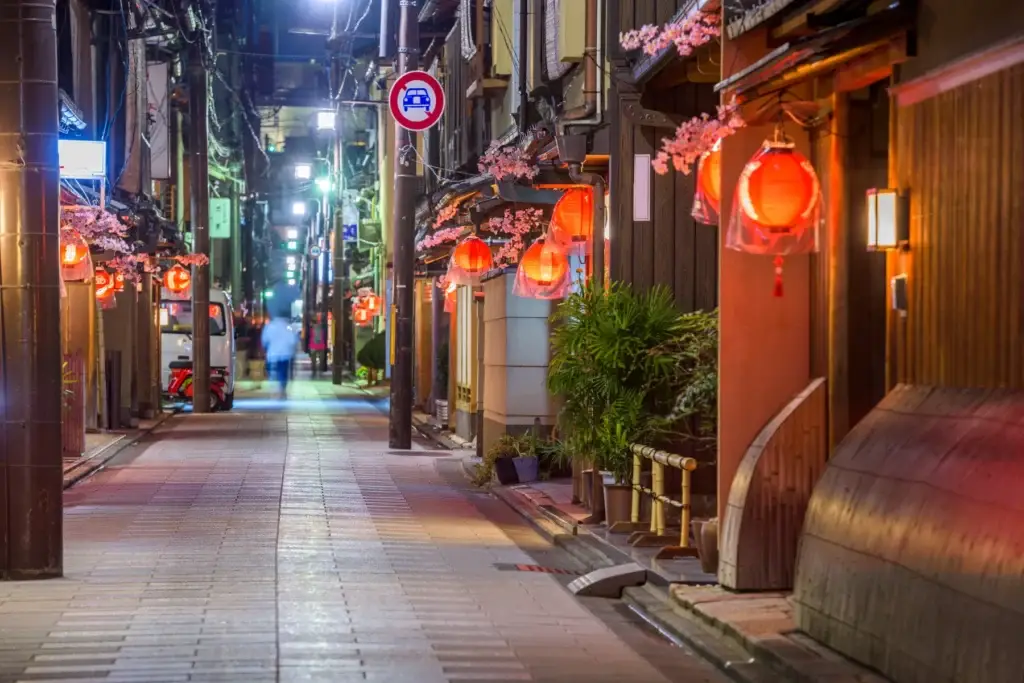
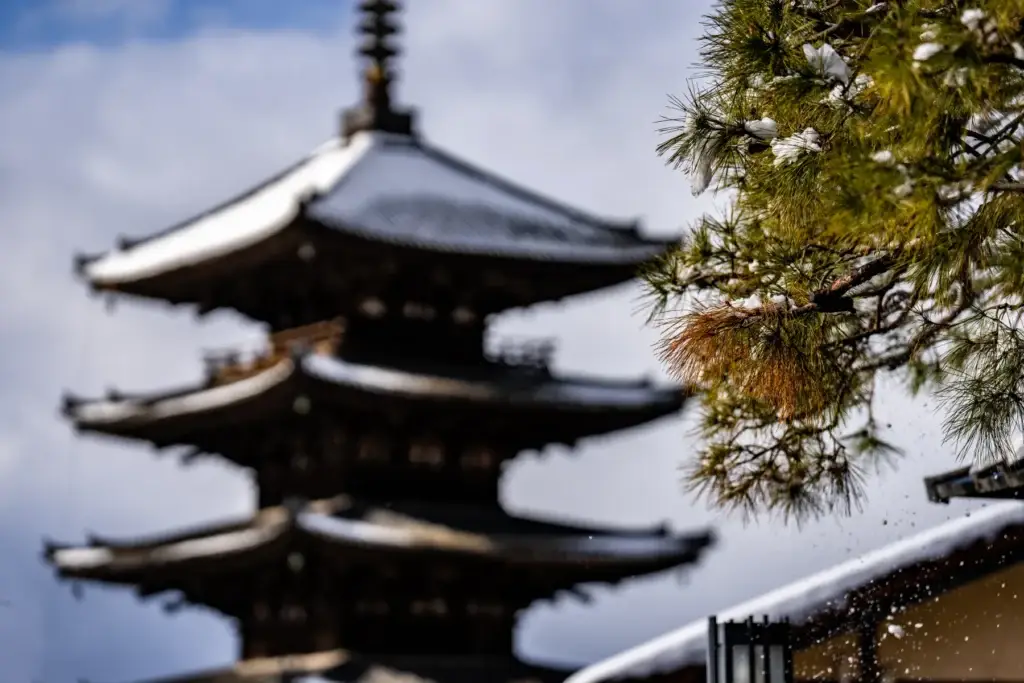
The VH Luxe destination guide

Kyoto, Japan

Protect the quiet hours and choose a district with intention. Kyoto's rarest luxury is time inside living tradition.

Recommended stay

4–

5 nights

Best time

April, May, October and November offer a strong general balance, while peak blossom and foliage dates bring exceptional demand. Winter can be quieter and highly rewarding for temples, cuisine and contemplative practice.

Primary gateway

Kyoto Station by shinkansen or regional rail, or an Osaka-area airport followed by a confirmed rail or private transfer

Journey context

Four nights supports a coherent first visit. Five allows deeper tea, Zen, craft or countryside time without turning every morning into an early departure.

Curator’s verdict

Late March through May and October through November are the most requested periods, but peak blossoms and foliage bring intense demand. Kyoto is often more rewarding when morning access, district choice and cultural practice matter more than a checklist.

Choose well

What should Kyoto make possible?

Choose season, district and quiet hours around the depth you want. Respectful access and protected time create more value than adding another landmark.

First visits, photographers and travelers considering blossom or foliage dates

Choose meaning before peak season

Peak nature periods are beautiful and highly compressed. Shoulder and winter dates can support quieter cultural work.

Worth knowing

The most famous seasonal image may come with less flexibility, higher demand and reduced quiet.
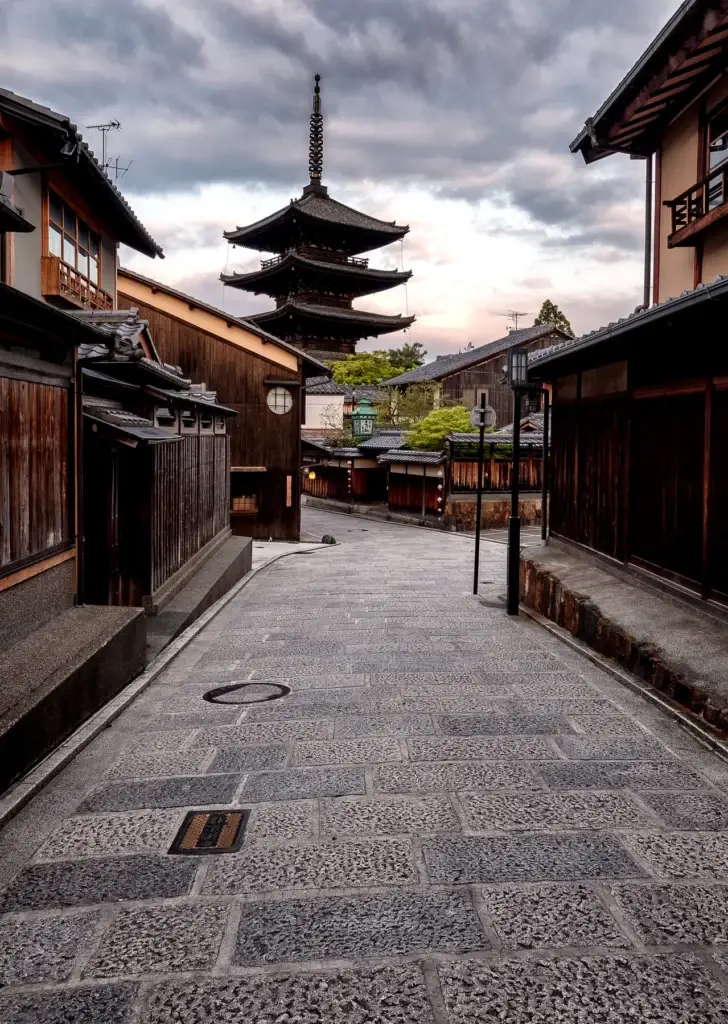
Traditional lane near Yasaka Shrine in Kyoto's Gion district

Travelers comparing Higashiyama, central Kyoto, Arashiyama and northern districts

Choose the district by daily rhythm

Higashiyama favors early heritage walks, central Kyoto improves dining and transport, while outer districts create space and nature.

Worth knowing

A secluded address may require more transfers; a central one may place urban convenience ahead of stillness.

Travelers seeking atmosphere without constant crowd pressure

Use early hours selectively

Reserve mornings before 9:00 for sites that officially open early, then shift to quieter districts or private practice later.

Worth knowing

Repeated dawn starts create fatigue. Alternate early mornings with slower breakfasts and evening walks.

Culture-led travelers, families and repeat visitors

Enter one tradition deeply

A tea practitioner, monk, gardener or artisan can provide context that a rapid monument circuit cannot.

Worth knowing

Authentic practice requires time, etiquette and confirmed access, and may replace several sightseeing stops.

A considered introduction

Kyoto is not a collection of temples. It is a living city where worship, craft, cuisine and neighborhood life continue beside extraordinary cultural heritage. A thoughtful guide uses context and etiquette to turn looking into understanding.

Four nights supports a strong first stay. Five allows a slower district, a private practice and recovery between early starts. Use trains and subways before crowded buses when practical, and protect the hours before 9:00 for places that open early.

Advisor note

Advisor perspective: I would choose the district and morning rhythm before selecting the temple list. Four nights is the minimum; five gives Kyoto enough space to become meaningful rather than merely photogenic.

What stays with you

Signature experiences

Temples and gardens

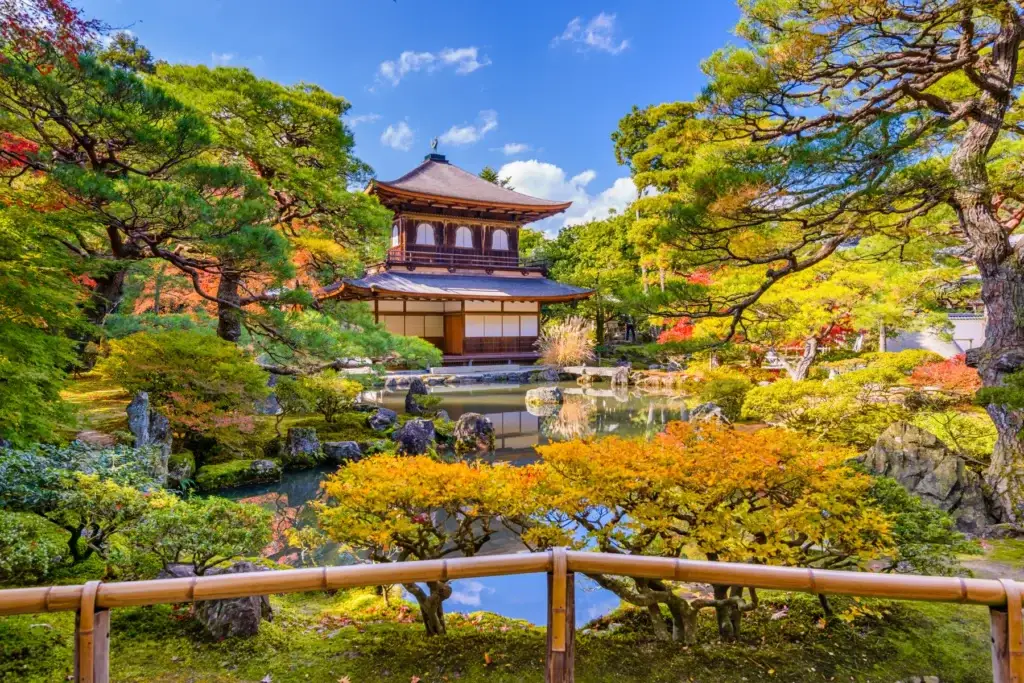
Read one temple landscape slowly

A private scholar or garden specialist can connect architecture, belief, borrowed scenery and seasonal care. Entry, prayer and private-space access remain subject to the institution.

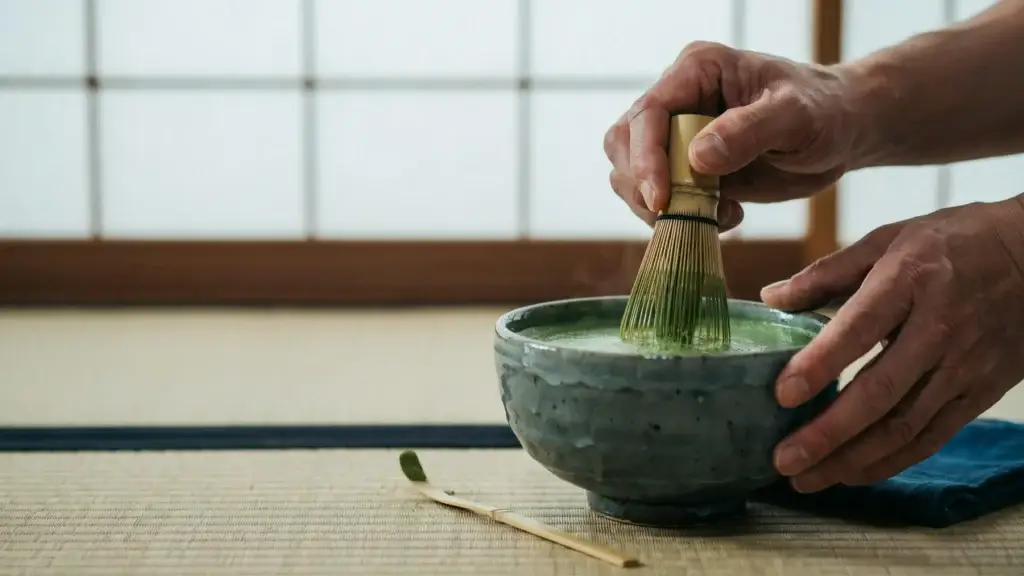
Hands whisking matcha in a ceramic bowl during Japanese tea practice

Tea

Enter tea through practice

A personal practitioner can explain harmony, respect, purity and tranquility through movement, utensils and hospitality in a confirmed setting.

Craft

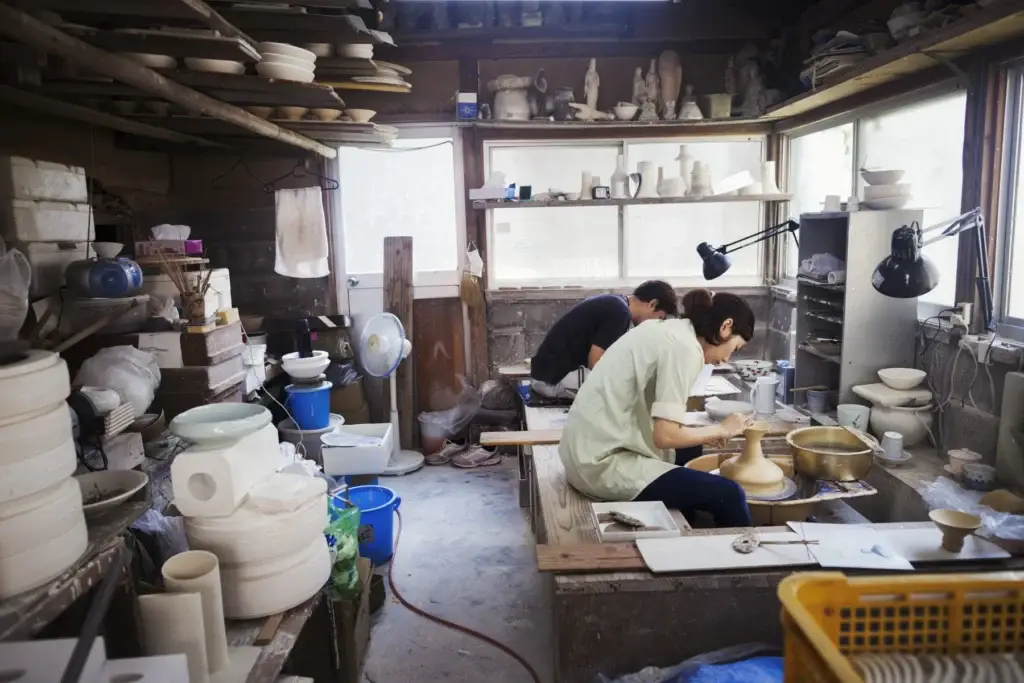
Meet a working Kyoto artisan

Arrange a small, permission-based visit around lacquer, ceramics, textiles, bamboo or another living practice. Photography and purchasing expectations must be explicit.

Cuisine

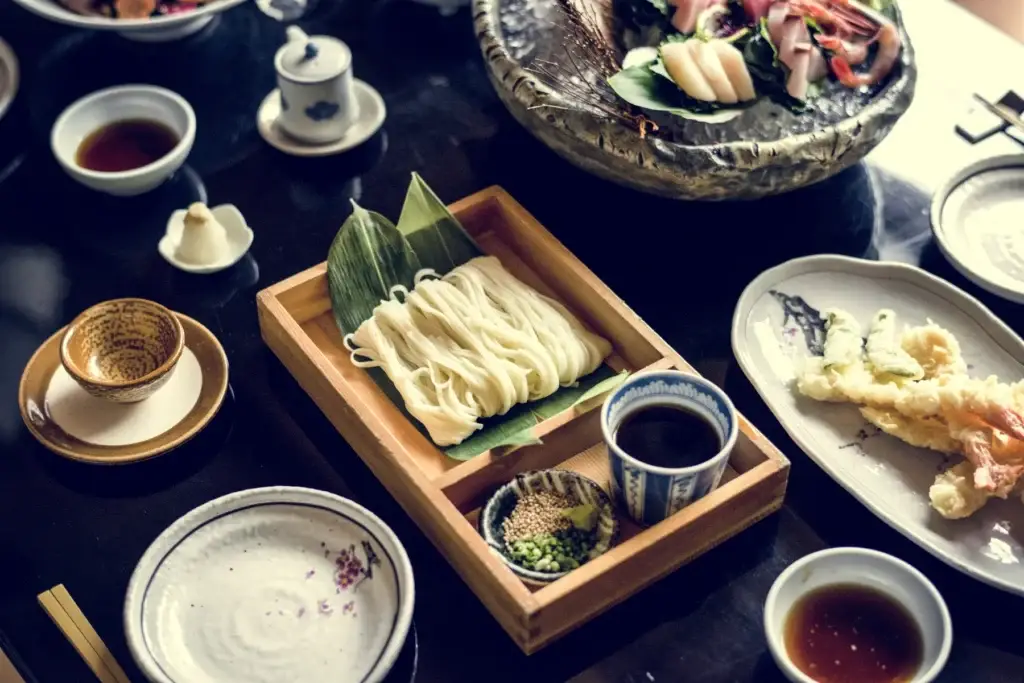
Understand season through Kyoto cuisine

Use a culinary interpreter to connect kaiseki, Kyo-yasai or shojin ryori with season, place and service. Confirm ingredients and dietary needs directly.

Living culture

Approach kagai culture respectfully

Use a licensed guide or confirmed cultural program. Never stop, follow, touch or photograph geiko or maiko without permission.

Travel restored

What makes Kyoto, Japan a wellness destination?

Kyoto makes wellness a practice of attention through Zen discipline, temple work, tea, seasonal food and the Japanese use of ma, the interval that gives experience room. Expert-led encounters can turn these traditions into a calmer rhythm and a portable way to pause at home.

Wellness role
A primary reason to travel
Best for
Travelers seeking meaning, contemplative practice, cultural depth and a lower-stimulation rhythm
Format
Private or small-format Zen instruction, personal tea practitioner, garden specialist and a reserved shojin or seasonal meal
Ideal commitment
Two protected mornings, one sustained practice and one unhurried seasonal meal within a four or five-night stay
Intensity
Gentle

For companions

Strong for mixed interests because temples, gardens, tea, craft and cuisine can be shared, with meditation or floor-seated practice adjusted individually.

Seasonal lens

Spring and autumn support gardens but bring demand. Winter can deepen quiet practice; summer needs early starts, shade and heat-aware pacing.

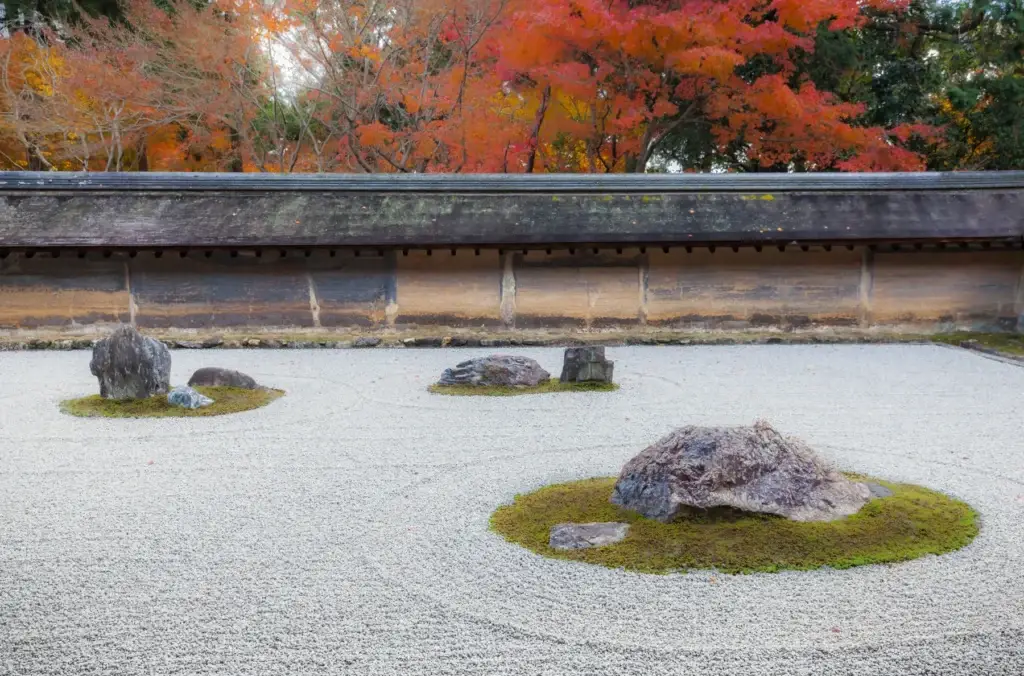
Raked gravel and stone garden at Ryoan-ji temple in Kyoto

Unify posture, breathing and attention through seated Zen practice

Zazen as disciplined attention

A monk or qualified facilitator can introduce zazen in a confirmed temple setting, explaining it as training rather than a performance or instant stress cure.

Duration
Sixty to ninety minutes
Intensity
Gentle
Best for
Executives, reflective travelers and beginners seeking structured stillness
Consider

Confirm language, seating alternatives, temple rules and physical suitability. Meditation is not a substitute for mental-health care.

Connect attention with purposeful work and restrained nourishment

Samu and shojin rhythm

Where formally arranged, temple cleaning or garden work can precede shojin ryori, the Buddhist-derived cuisine shaped around plant foods and monastic practice.

Duration
Two to three hours
Intensity
Gentle
Best for
Travelers who learn through participation rather than observation
Consider

Temple work is not entertainment. Confirm permission, physical demands and ingredients because some dishes may use fish-based stock.

Hands whisking matcha in a ceramic bowl during Japanese tea practice

Use hospitality, empty space and ordered movement to protect attention

Tea and ma as designed pause

A personal tea practitioner can reveal how tea integrates season, craft and the interval called ma, allowing silence and space to shape the encounter.

Duration
Sixty to ninety minutes
Intensity
Gentle
Best for
Couples, creatives and travelers seeking a repeatable ritual of pause
Consider

Confirm floor seating or chair accommodation and note that matcha contains caffeine.

Restore visual attention through deliberate observation of a living landscape

Garden observation at quiet hours

A private garden specialist can explain stone, moss, water, pruning and borrowed scenery during a verified low-traffic period.

Duration
Ninety minutes
Intensity
Gentle
Best for
Design travelers, nature lovers and guests sensitive to crowd intensity
Consider

Quiet and private access cannot be guaranteed. Research on nature exposure supports modest wellbeing framing, not treatment claims.

Wellness descriptions explain Zen practice, temple work, tea, garden attention and food culture. They do not promise diagnosis, treatment or medical outcomes. Confirm practitioners, access, seating, ingredients and personal suitability.

Timing the journey

When to go

April, May, October and November offer a strong general balance, while peak blossom and foliage dates bring exceptional demand. Winter can be quieter and highly rewarding for temples, cuisine and contemplative practice.

Mar · Apr · May

Best

Spring beauty and peak demand

Weather
Conditions move from cool to mild, with variable rain and warmer days by May.
Crowds
Blossom periods and holidays bring intense demand across famous districts. Exact bloom timing varies.
Best for
Strong for gardens, first visits and seasonal cuisine when the plan can absorb crowd pressure.

Jun · Jul · Aug · Sep

Conditional

Rain, heat and living festivals

Weather
Rain, heat and humidity require early starts, shade, hydration and protected midday time.
Crowds
Festivals create cultural energy and localized pressure. Weather shapes walking and transport choices.
Best for
Works for festival-led travel, indoor craft and travelers comfortable with heat-aware pacing.

Oct · Nov

Best

Autumn color and high demand

Weather
October is often warm before cooler November conditions deepen autumn color.
Crowds
Foliage sites and night illuminations become extremely popular. Exact color timing varies.
Best for
Excellent for gardens, walking and seasonal cuisine when quiet hours are protected.

Dec · Jan · Feb

Good

Cool contemplative season

Weather
Cold days and early sunsets favor warm interiors, concise walks and occasional winter scenery.
Crowds
Many dates are calmer, while New Year observances and special openings create distinct peaks.
Best for
Excellent for temples, tea, Zen, cuisine and travelers valuing atmosphere over foliage.

Weather, blossom and foliage timing, festivals, temple hours, special openings, congestion and transport change. Confirm the exact dates and every access condition.

Value, clearly framed

Understanding trip value

Custom quote based on exact season, international cabin, rail or airport gateway, district, private specialists, cultural access and dining. No public package price is stated.

What shapes the guidance

Four to five nights for two travelers; rail or airport transfers, private guides, cultural practitioners, admissions and dining priced separately at proposal stage.

Journey logistics

Arrive well

Kyoto has no major commercial airport. Most travelers arrive by shinkansen at Kyoto Station or transfer from Kansai International or Osaka Itami airports. Confirm the operating service, luggage plan and final district access rather than assuming one universal route.

Primary gateway Kyoto Station by shinkansen or regional rail, or an Osaka-area airport followed by a confirmed rail or private transfer

Rail

Shinkansen arrival from Tokyo

Tokyo Station or Shinagawa StationKyoto Station

Tokaido Shinkansen followed by taxi, rail or private transfer

Confirm train, seat, luggage rules, platform assistance and the final approach to the chosen district.

Premium commercial air

International arrival through Kansai Airport

International originKansai International Airport (KIX)

Scheduled commercial air followed by rail or private ground transfer

Confirm terminal, immigration, rail operation, road traffic and luggage handling for the exact flight.

Premium commercial air

Domestic arrival through Osaka Itami

Japanese domestic gatewayOsaka International Airport (ITM)

Scheduled domestic air followed by bus or private ground transfer

Confirm the current operating transfer, traffic and final district access.

Access and mobility

Confirm station assistance, step-free exits, vehicle access, temple thresholds, gravel, garden paths, shoe removal, floor seating, bathroom setup and rest points. Historic sites vary significantly and require venue-specific review.

Before you go

Practical planning notes

Reservations

Use the congestion forecast

Check current comfort levels and live-camera information, then shift time or district rather than forcing a crowded route.

Arriving

Prefer rail before crowded buses

Use subway and train for the longest practical segment, then walk, transfer or use a confirmed vehicle.

Etiquette

Respect people and sacred places

Follow photography rules, remain quiet, protect cultural objects and never treat geiko or maiko as street attractions.

Reservations

Confirm every early opening

Morning access is powerful but operating hours change for seasons, ceremonies and special events.

The VH Luxe approach

How VH Luxe composes the journey

  1. Arrive and keep the first evening local

    Settle into the chosen district, walk gently and avoid using arrival day for a major reservation.

  2. Protect one eastern Kyoto morning

    Use an officially early-opening site, then leave the busiest corridor before peak pressure.

  3. Enter one practice deeply

    Give tea, Zen, cuisine or craft enough time for instruction, questions and context.

  4. Use the outer city for contrast

    Choose one route-compatible garden, temple district or landscape beyond the central circuit.

Paramjit Harika, VTA, CTA

Advisor-led planning

Your journey, personally considered

Paramjit Harika

Founder & Luxury Travel Advisor

I coordinate your hotel and room, premium air, transfers and key experiences as one considered journey, with one point of contact from planning through travel.

Good to know

Frequently asked questions

What is the best time to visit Kyoto?

April, May, October and November are strong starting points, but peak blossoms and foliage bring intense demand. Winter can provide a quieter and more contemplative alternative.

How many nights do you need in Kyoto?

Four nights supports a strong first stay. Five is better for tea, Zen, craft or an outer-district day without repeated early starts.

Which Kyoto district is best for a luxury stay?

Higashiyama favors early heritage walks, central Kyoto supports dining and transport, and outer districts offer more nature and quiet. Choose by daily rhythm rather than a single best address.

How do you avoid crowds in Kyoto?

Use the official congestion forecast, visit verified early-opening sites before 9:00, travel by rail where practical and include less-visited districts instead of repeating the busiest corridor.

Can you arrange private temple or artisan access in Kyoto?

Some specialist-led and permission-based experiences may be arranged, but access is always conditional. Temple schedules, practitioners, workshops, photography and group size require confirmation.

What makes Kyoto a wellness destination?

Kyoto frames wellness as practiced attention through Zen, temple work, tea, gardens and seasonal food. The lasting takeaway is a more deliberate relationship with pause, place and everyday ritual.