The VH Luxe destination guide

Kenai Fjords, Seward & Girdwood, Alaska

Use Seward for a condition-led marine chapter, give Exit Glacier its own measured interval, and let Girdwood absorb arrival or recovery without rushing Southcentral Alaska.

Recommended stay

5–

7 nights

Best time

June through August offers the broadest marine, visitor-center and Exit Glacier access. Late May and early September can feel quieter, but reduced services, road status, colder conditions and shorter operating seasons require more flexibility.

Primary gateway

Ted Stevens Anchorage International Airport (ANC), Alaska Railroad and the Seward Highway

Journey context

Allow 3 to 4 nights in Seward and 1 to 2 in Girdwood, with a fifth Seward night when a priority marine plan needs a stronger weather buffer.

Curator’s verdict

Kenai Fjords becomes more luxurious when the itinerary stops trying to command nature. A second marine window protects the coast, a shorter Resurrection Bay day may outperform a rough outer passage, and Girdwood restores the traveler before or after Seward.

Choose well

Which Kenai Fjords, Seward and Girdwood rhythm fits?

Choose the journey from sea tolerance, mobility and the need for recovery, then give weather room to change the plan without diminishing it.

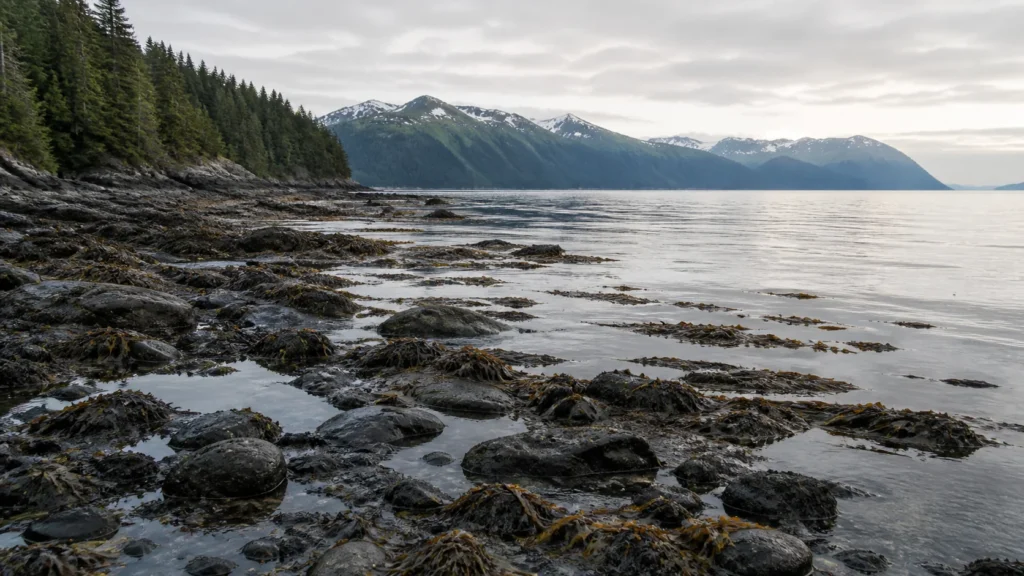
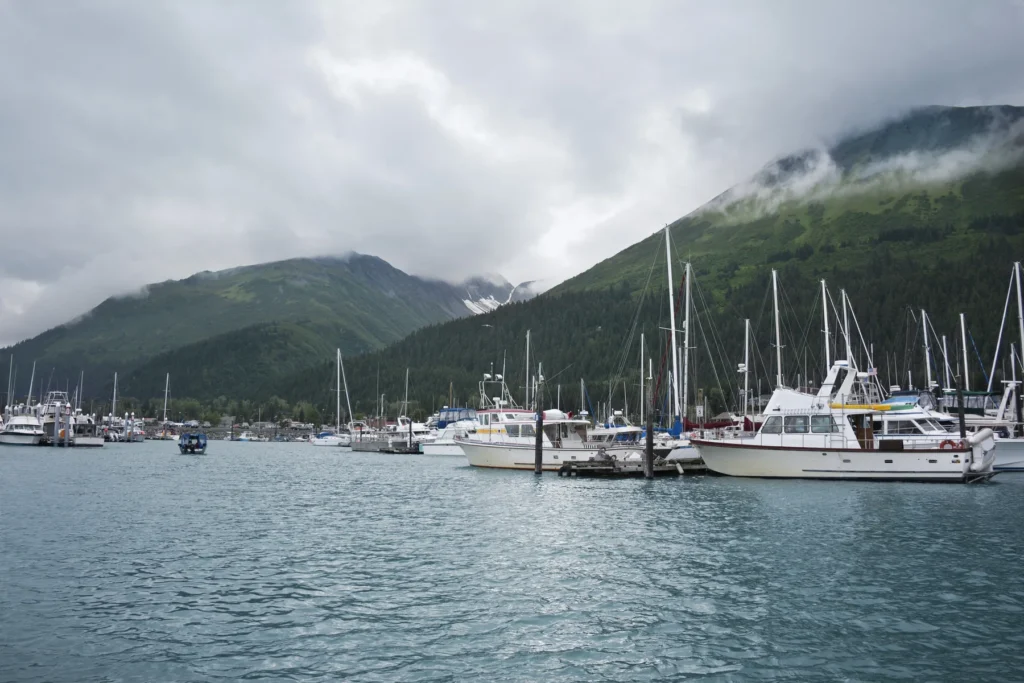
Seward small boat harbor with Resurrection Bay and mountains

First visits and travelers for whom the Kenai Fjords coast is the journey's defining purpose

Give Seward two marine chances

Three or four Seward nights create one priority marine day and a second usable window, so a cancellation does not force an unsafe or uncomfortable compromise.

Worth knowing

More time cannot guarantee calm water, wildlife, calving or a named glacier. It protects choice, not outcomes.
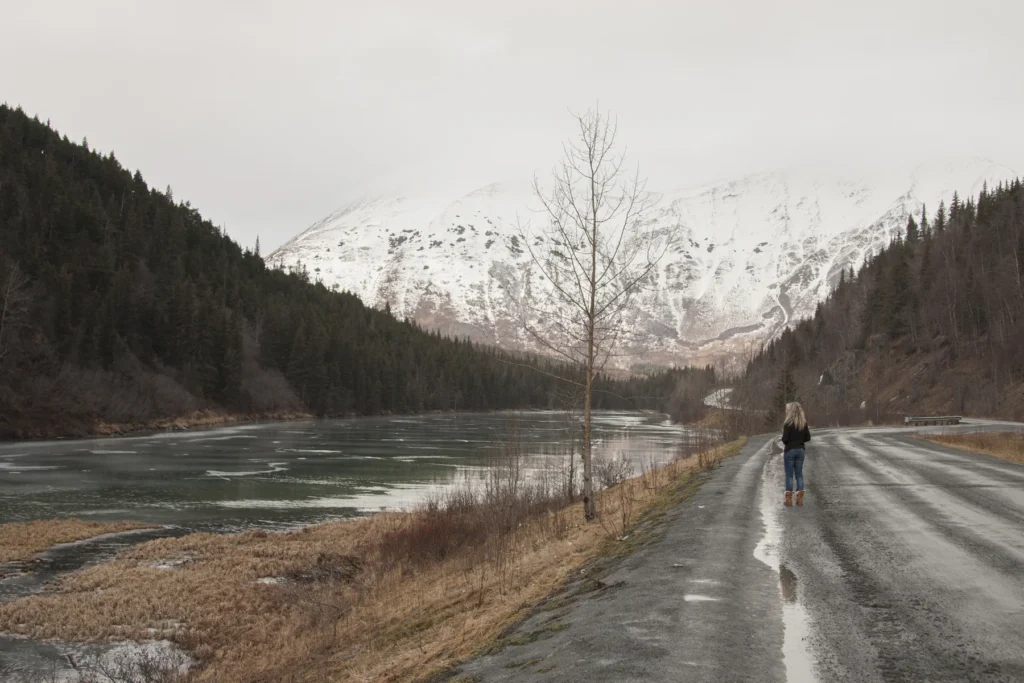
Verified Girdwood mountain landscape, temperate rainforest or aerial view

Long-haul arrivals, active travelers and guests who recover better before or after the coast

Use Girdwood as the transition

One or two Girdwood nights can turn the Anchorage connection into a mountain and rainforest threshold, with gentle movement and an early night doing more than another excursion.

Worth knowing

Adding Girdwood only works when it reduces fatigue. A packed activity list recreates the transfer pressure it was meant to solve.

Travelers balancing tidewater-glacier ambition with sea tolerance and physical comfort

Choose Resurrection Bay or the outer coast honestly

A longer voyage reaches farther into Gulf-facing fjords when conditions cooperate. A shorter Resurrection Bay day can preserve warmth, attention and dignity when the open crossing would dominate the experience.

Worth knowing

The protected route may not reach a tidewater glacier, while the longer route asks more of the body and remains weather-dependent.

Mixed-ability parties, science-minded travelers and guests choosing between gentle and strenuous movement

Match Exit Glacier to current ability

The Glacier View loop can support a measured interpretive visit, while the Harding Icefield Trail belongs only in a properly equipped, condition-checked day for strong hikers.

Worth knowing

Snow, avalanche risk, parking, bear activity and closures can narrow access even during the visitor season.

A considered introduction

Seward is the working base for Kenai Fjords National Park's coast, Exit Glacier and the Alaska SeaLife Center. Give it enough time for one priority marine day, one flexible replacement window and one land-based chapter. Treat wildlife, calving and a named glacier as possibilities, never deliverables.

Use Girdwood for one or two nights when it improves arrival, departure or recovery. The point is not to add more activity. It is to interrupt a long transfer, meet the temperate rainforest at a gentler pace and return to the journey with capacity intact.

Advisor note

Advisor perspective: I would protect two usable marine windows, choose the boat format from sea state and stamina, and arrange Exit Glacier transport before entering its no-service area. VH Luxe Travels can coordinate tailored arrangements where applicable, with every rail, road, vessel, guide and access element confirmed before travel.

What stays with you

Signature experiences

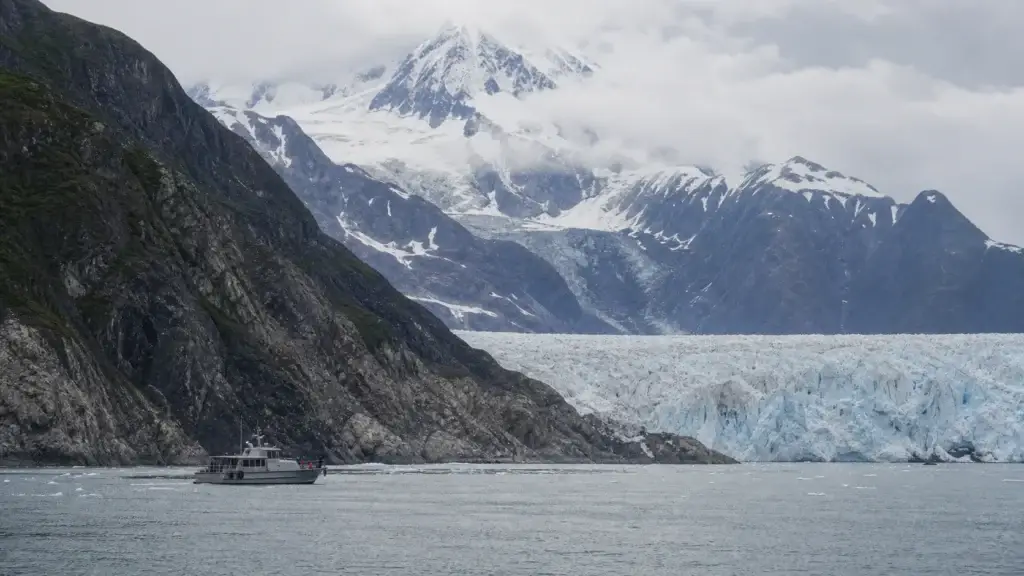
Passenger vessel at respectful distance from a Kenai Fjords tidewater glacier

Marine natural history

Let sea state choose the glacier day

Use an experienced captain and naturalist to read weather, seabirds, marine mammals and glacial coast from the route that fits the day. Treat wildlife, calving and exact landings as unpromised, and follow current NOAA viewing rules.

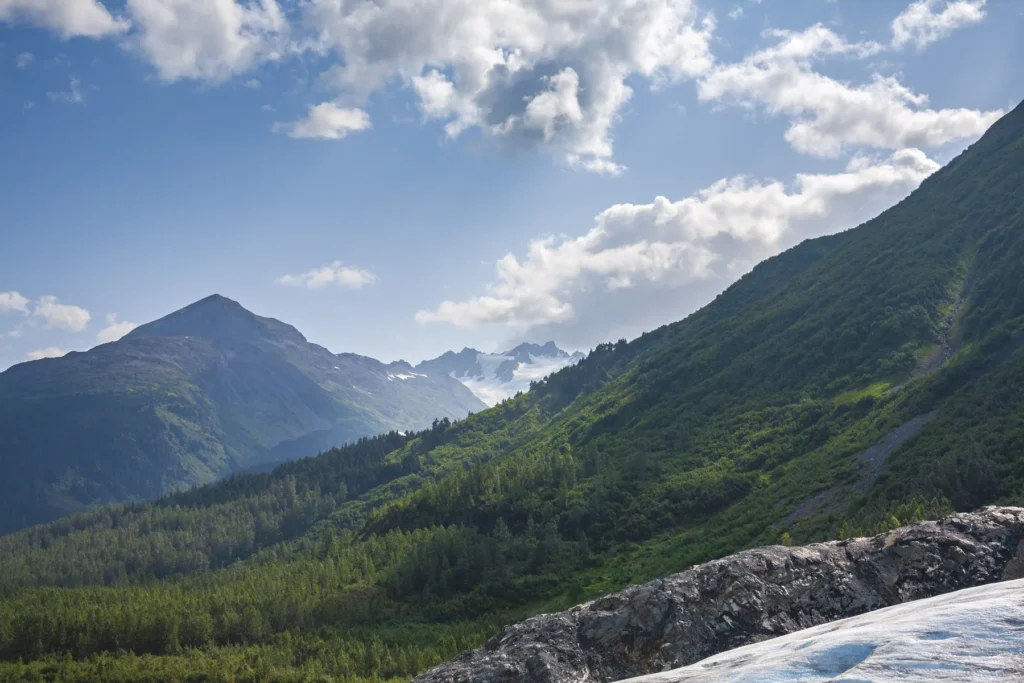
Exit Glacier viewed from an authorized trail or overlook

Glacier science

Read retreat at Exit Glacier

Follow dated landscape evidence and NPS monitoring to understand how ice, rock, water and new vegetation are changing the valley. Remain on authorized trails and outside the current canyon closure.

Verified Alaska Native Heritage Center Sugpiaq exhibit, named Sugpiaq artwork or exact authorized interpretive setting

Living culture

Understand the fjords as Sugpiaq homeland

Begin with first-voice interpretation from Sugpiaq and trusted cultural sources, placing sea, subsistence and glacial change within a continuing human relationship rather than an empty-wilderness narrative.

Alaska SeaLife Center exterior, research setting or approved public exhibit

Marine science

Follow marine science in Seward

Use the Alaska SeaLife Center to connect research, wildlife response and the living Gulf of Alaska. Any encounter, specialist program or limited-capacity format is described only after direct confirmation.

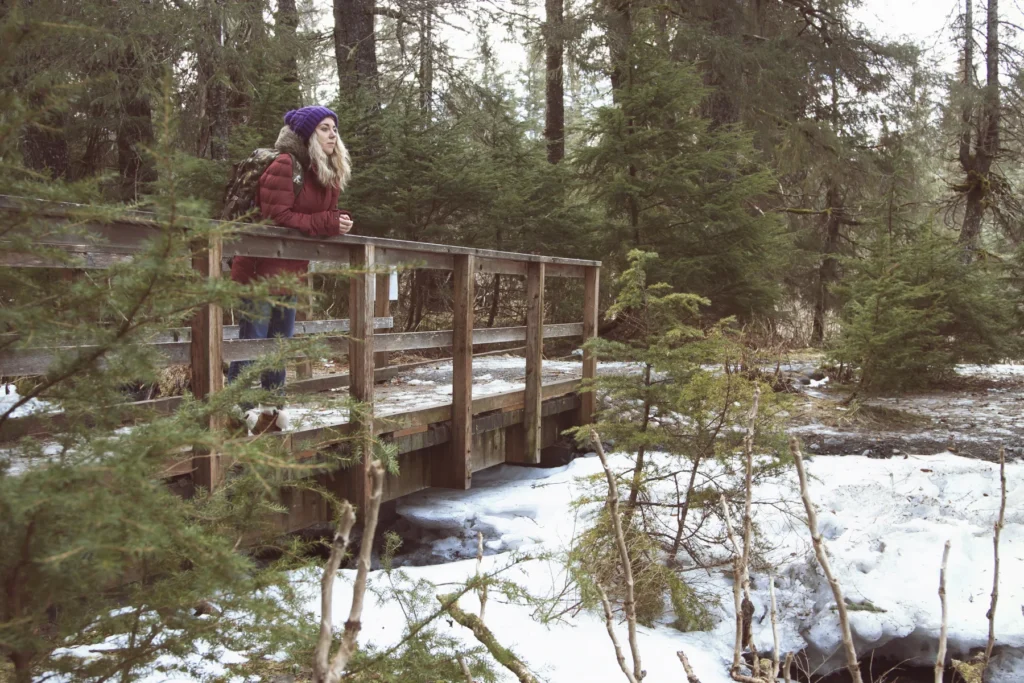
Verified Girdwood temperate-rainforest trail or forest edge

Temperate rainforest

Walk Girdwood at rainforest pace

Let a local naturalist shape a gentle forest interval around rain, trail conditions and the traveler's energy, leaving enough unprogrammed time for the transition to feel restorative rather than performative.

Travel restored

What makes Kenai Fjords, Seward & Girdwood, Alaska a wellness destination?

What makes Kenai Fjords, Seward and Girdwood a wellness destination?

This coast teaches condition-led living: read sea, rain, ice and energy before deciding what the day can hold. NPS scientists use GPS, aerial imagery, repeat photography and remote sensing to document glacier change, giving the journey measurable context without turning nature into treatment. The lasting shift is to replace conquest with capacity.

Wellness role
A primary reason to travel
Best for
Travelers seeking perspective, lower stimulation, gentle movement and a more honest relationship with uncertainty
Format
Private or small expert-led interpretation, condition-matched marine time, temperate-rainforest movement and protected recovery
Ideal commitment
One demanding chapter at most each day, with weather alternatives and recovery protected before departure
Intensity
Varies

For companions

Strong for couples, solo travelers and multigenerational parties when vessel, surfaces, cold and duration are matched to the group.

Seasonal lens

June through August offers the broadest outdoor range. Shoulder dates need stronger weather, service and access contingencies.

Let arrival pressure leave the body before the coast

Turnagain threshold

Use one Girdwood night for a gentle forest interval, warm meal and early rest instead of asking the arrival day to perform.

Duration
One arrival or departure night
Intensity
Gentle
Best for
Long-haul travelers and guests sensitive to transfer fatigue
Consider

Trail surfaces, rain and seasonal operations require live review; rest is the purpose, not an activity count.

Replace sightings with sustained observation

Maritime attention

Work with a naturalist to notice current, weather, birds and habitat from a vessel format suited to the traveler's sea tolerance.

Duration
One protected or full marine day
Intensity
Varies
Best for
Nature travelers who value meaning over a species checklist
Consider

Cold, motion and weather can make a shorter Resurrection Bay route the better choice. Wildlife is not guaranteed.

Use measured change to widen perspective

Glacier time

Read Exit Glacier's dated landscape with an authorized specialist or ranger, connecting visible retreat to NPS monitoring rather than dramatic speculation.

Duration
60 to 120 minutes
Intensity
Varies
Best for
Science-minded and contemplative travelers
Consider

Remain on authorized trails, outside closures and within current mobility and weather limits.

Lower stimulation through wet forest and deliberate pace

Rainforest recovery

Choose one quiet Girdwood forest route with a local guide, then leave space for warmth, hydration and an unhurried evening.

Duration
60 to 90 minutes plus recovery
Intensity
Gentle
Best for
Travelers balancing marine exposure with grounded movement
Consider

This is restorative travel context, not treatment. Wet roots, mud, wildlife and weather require current assessment.

Wellness descriptions do not promise diagnosis, treatment, biomarker change or longevity. Activities must be matched to marine forecasts, cold, motion, trail conditions, mobility and individual medical needs.

Timing the journey

When to go

June through August offers the broadest marine, visitor-center and Exit Glacier access. Late May and early September can feel quieter, but reduced services, road status, colder conditions and shorter operating seasons require more flexibility.

Mar · Apr · May

Conditional

Spring

Weather
Increasing daylight with cold rain, snow and rapidly changing road and trail access.
Crowds
Quieter before summer, with reduced services and concentrated holiday demand.
Best for
Late-May openings, Girdwood recovery and a highly flexible Seward plan.

Jun · Jul · Aug

Best

Summer

Weather
The broadest access, with cool rain, cold wind, marine motion and snow at elevation still possible.
Crowds
Peak demand affects lodging, rail, boats, Exit Glacier parking and specialist capacity.
Best for
Marine natural history, Exit Glacier, Seward science and Girdwood forest time.

Sep · Oct · Nov

Conditional

Autumn

Weather
Shortening daylight, stronger storm potential and declining road, rail, marine and visitor services.
Crowds
Lower after the main summer season.
Best for
Early-September shoulder travel with strong alternatives and live access checks.

Dec · Jan · Feb

Conditional

Winter

Weather
Short daylight, snow, rain, avalanche exposure and rough coastal conditions sharply narrow access.
Crowds
Low outside holidays and winter recreation periods.
Best for
A separate specialist winter journey, not a substitute for the summer fjord guide.

Marine weather, rail and vessel schedules, Exit Glacier Road, trail conditions, parking, wildlife activity, visitor-center hours and highway operations change. Confirm the exact travel week.

Value, clearly framed

Understanding trip value

Custom quote based on exact route, accommodations, rail or road transfer, vessel format, guides, accessibility needs and seasonal availability. No public package price is stated.

What shapes the guidance

5 to 7 nights for two travelers; accommodations, transfers, rail, vessel, specialist interpretation and confirmed experiences priced at proposal stage.

Journey logistics

Arrive well

Anchorage is the primary air gateway. Continue to Girdwood and Seward by confirmed vehicle or the seasonal Coastal Classic train. Rail creates a scenic threshold but follows a fixed timetable. Road travel offers more control over stops and luggage, yet highway conditions and weather remain operational inputs.

Primary gateway Ted Stevens Anchorage International Airport (ANC), Alaska Railroad and the Seward Highway

Premium commercial air

Arrive through Anchorage

Confirmed origin cityTed Stevens Anchorage International Airport (ANC)

Scheduled air and confirmed onward transfer

Protect time for baggage, weather and the chosen rail or road connection. A tight same-day transfer weakens resilience.

Rail

Make the Coastal Classic part of the route

AnchorageGirdwood and Seward

Seasonal scheduled rail

The 2026 service is seasonal and fixed-schedule. Reconfirm dates, baggage handling, mobility support and every station transfer.

Final transfer

Use the Seward Highway with protected margin

Anchorage or GirdwoodSeward

Confirmed private driver or rental vehicle

Weather, construction, avalanche control, traffic and scenic stops affect timing. Check Alaska 511 and do not promise a map estimate.

Final transfer

Arrange Exit Glacier access before leaving Seward

SewardExit Glacier Nature Center

Confirmed vehicle, shuttle or taxi

Road opening is seasonal, summer parking is limited and there is no cell service at Exit Glacier. Confirm the return before departure.

Access and mobility

Confirm aircraft and vehicle transfers, rail boarding, station baggage, vessel gangways, seating, restroom access, deck exposure, seasickness, trail surfaces and weather protection against the traveler's exact needs. NPS describes the one-mile Glacier View loop as wheelchair-accessible over paved and compressed-gravel surfaces, but snow and current conditions can interrupt access. Most tour boats are accessible, not all, so confirm the exact vessel.

Before you go

Practical planning notes

Reservations

Protect a second marine window

Do not force a Gulf-facing voyage into poor conditions simply because it was the only day available.

Getting around

Arrange Exit Glacier return

Parking is limited and cell service is absent, so transport and pickup need advance confirmation.

Etiquette

Keep wildlife wild

Sightings are not promised, and every marine or land encounter follows current NPS and NOAA distance rules.

Wellness

Dress for the deck

Waterproof layers, warmth and motion planning matter even when Seward begins under clear skies.

The VH Luxe approach

How VH Luxe composes the journey

  1. Set the transition

    Use Girdwood only when it improves arrival or recovery.

  2. Protect the coast

    Give Seward a priority marine day and a second usable window.

  3. Read the land

    Pair Exit Glacier science with Sugpiaq homeland context.

  4. Carry home capacity

    Keep the habit of choosing what conditions and the body can hold well.

Paramjit Harika, VTA, CTA

Advisor-led planning

Your journey, personally considered

Paramjit Harika

Founder & Luxury Travel Advisor

I coordinate your hotel and room, premium air, transfers and key experiences as one considered journey, with one point of contact from planning through travel.

Good to know

Frequently asked questions

How many nights do you need for Kenai Fjords, Seward and Girdwood?

Allow 5 to 7 nights, usually 3 to 4 in Seward and 1 to 2 in Girdwood, with more Seward time when the marine day is a defining priority.

Should you stay in Seward or Girdwood for Kenai Fjords?

Seward is the base for the park coast, Exit Glacier and Alaska SeaLife Center. Girdwood serves a separate arrival or recovery purpose.

Is a full-day Kenai Fjords boat trip always the best choice?

No. The longer route can reach tidewater-glacier country, while a shorter Resurrection Bay day may better suit sea state, mobility, cold tolerance or seasickness.

Can you drive to Kenai Fjords National Park?

You can drive to the Exit Glacier area when the seasonal road is open. Most of the park's fjord coast is reached from Seward by water or air.

Are whale sightings or glacier calving guaranteed?

No. Wildlife, calving, visibility and exact routes are conditions-led and cannot be promised.

What makes Kenai Fjords a wellness destination?

Its strongest wellness value is the practice of reading sea, weather, ice and personal capacity before deciding what the day can hold, supported by measured glacier science rather than generic spa claims.