The VH Luxe destination guide

Japan

Choose the season first, then build the region sequence that makes it meaningful.

Recommended stay

7–

18 nights

Best time

Spring and autumn are the broadest first-trip windows, with blossom and foliage timing varying by region and year. Winter is strong for cities, onsen and Hokkaido snow. Summer brings festivals alongside heat, humidity, early-summer rain and possible tropical disruption.

Primary gateway

Tokyo Haneda (HND), Tokyo Narita (NRT), Kansai (KIX), and New Chitose (CTS) for Hokkaido

Journey context

Seven to nine nights for Tokyo and Kyoto; ten to fourteen for a preferred first journey; fourteen to eighteen for a specialist regional chapter.

Curator’s verdict

Spring and autumn are the broadest first-trip windows for Japan, but there is no single best month for the entire country. Blossom timing moves north, autumn color follows latitude and elevation, winter transforms Hokkaido, and summer favors festivals or cooler regions. The right season changes the route.

Choose well

Which Japan composition fits you?

Choose by season, travel pace and desired contrast. Tokyo and Kyoto are natural anchors, while Hokkaido and Ise-Shima become full chapters only when the trip is long enough.

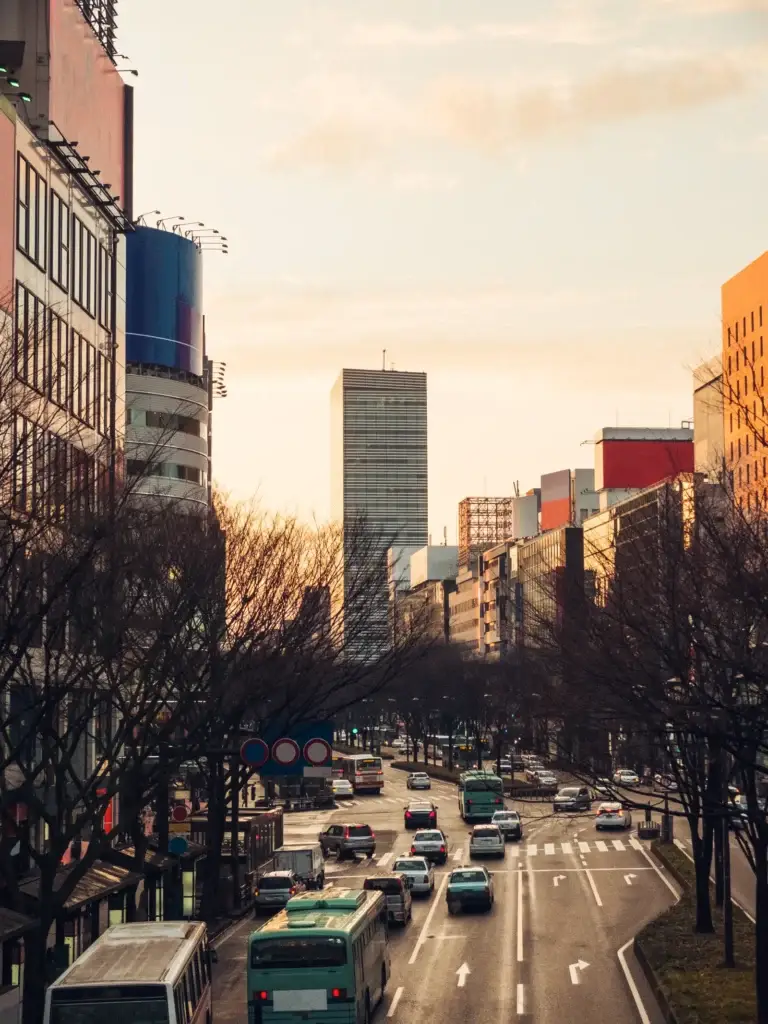
Tokyo avenue and modern buildings in warm late-day light

First-time couples, families and seven- to eleven-night journeys

Tokyo and Kyoto at a generous pace

Use two substantial bases, move once by reserved-seat rail and choose one day excursion only if it improves rather than fragments the trip.

Worth knowing

This composition omits snow country, Ise-Shima and other regions. The exact Tokyo and Kyoto neighborhoods still determine daily transfer time.
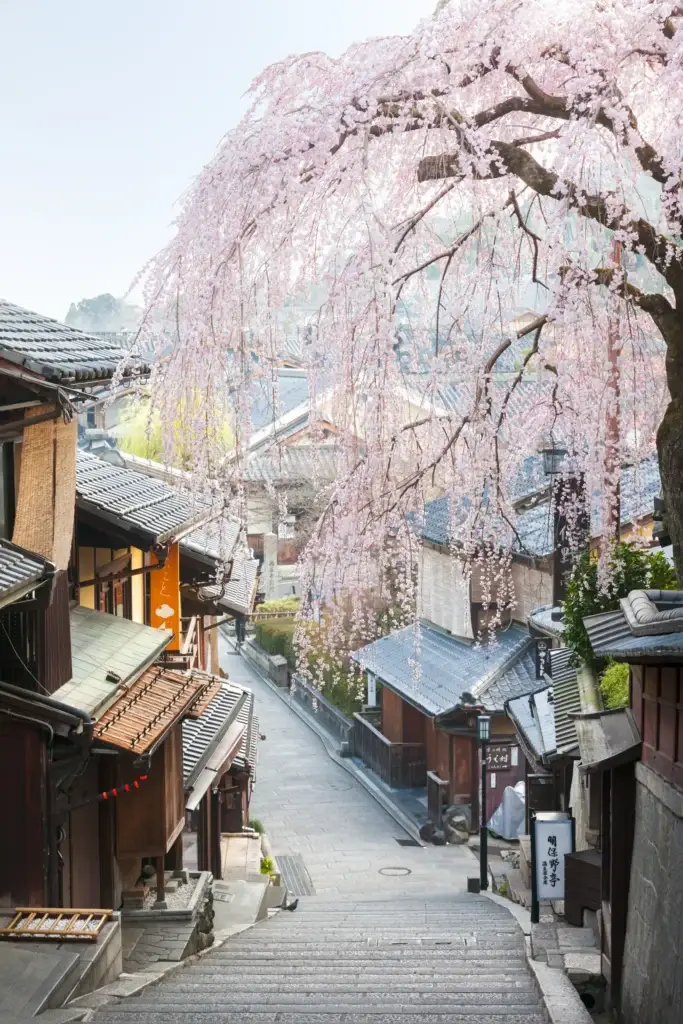
Cherry blossoms arching over Sannenzaka’s historic lane in Kyoto

Blossom-priority travelers who accept forecast uncertainty and peak demand

Spring route built around a moving blossom front

Use the current forecast to choose regions and retain experiences that remain compelling before or after bloom. Later northern areas can extend the seasonal window.

Worth knowing

Bloom cannot be guaranteed, and Golden Week complicates late-April to early-May travel. Hotels, guides, dining and transport can be constrained.

Culture, food and garden travelers with ten to fourteen nights

Autumn cities plus a quieter regional contrast

Pair Tokyo and Kyoto with Ise-Shima or another slower region, selecting dates by latitude and elevation instead of using one nationwide foliage week.

Worth knowing

September can still bring heavy rain or tropical disruption, while headline Kyoto foliage periods can be intensely demanded.

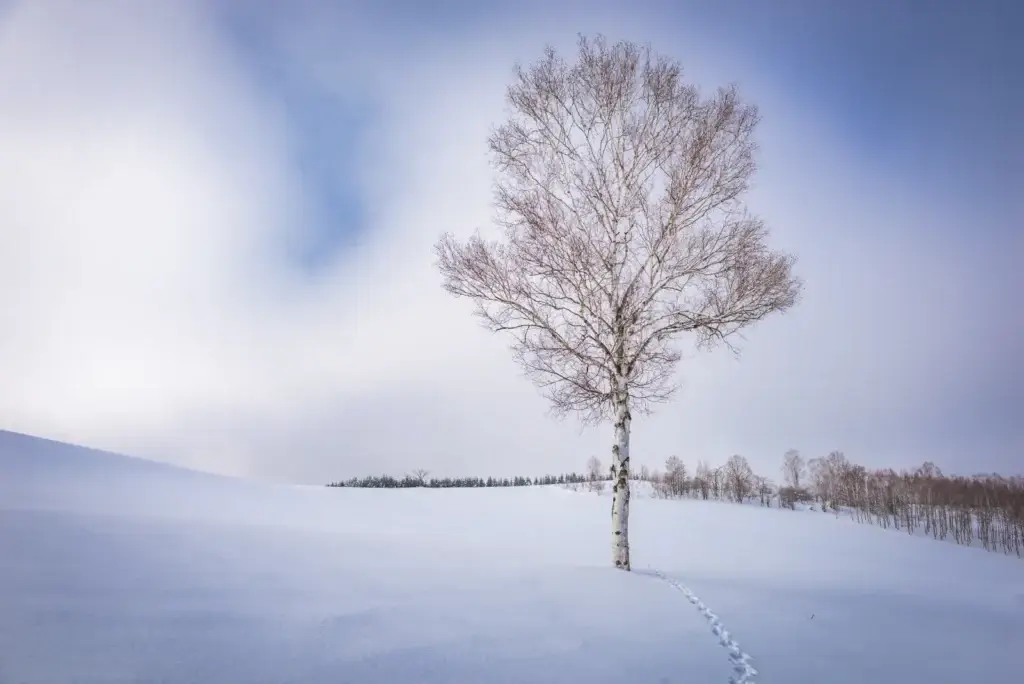
Lone tree in a snow-covered field at Biei in Hokkaido

Skiers, families and travelers seeking city clarity with snow and onsen

Winter Tokyo plus Hokkaido

Use Tokyo for dining and culture, then fly to Hokkaido for a dedicated mountain stay with appropriate gear, transfers and recovery time.

Worth knowing

Snow, lifts, roads and flight operation vary. New Year closures or demand can affect the city chapter, and a short Hokkaido stay rarely justifies the transfer.

Couples and wellness-led travelers with twelve to sixteen nights

Tokyo, Kyoto and Ise-Shima wellness

Add several nights in Ise-Shima for private bathing, coast and stillness between or after the two city anchors.

Worth knowing

The specialist regional transfer must be designed through Nagoya or Kansai, and resort time should not be consumed by daily excursions.

A considered introduction

Japan stretches from subarctic northern areas to subtropical southern islands. Tokyo and Kyoto can anchor a first journey, but Hokkaido, Ise-Shima and other regions deserve enough nights to become distinct chapters rather than hurried add-ons.

This country mini-hub helps choose season, region and pace. It does not prescribe a day-by-day itinerary. A ten- to fourteen-night first journey can pair Tokyo and Kyoto with either a slower two-city rhythm or one carefully selected regional contrast.

Advisor note

Advisor perspective: I would choose the seasonal priority before booking the hotels. Blossom and foliage weeks require flexibility rather than promises; winter makes Hokkaido logical; and a serene Kyoto resort only works when its distance from central touring is designed into each day.

What stays with you

Signature experiences

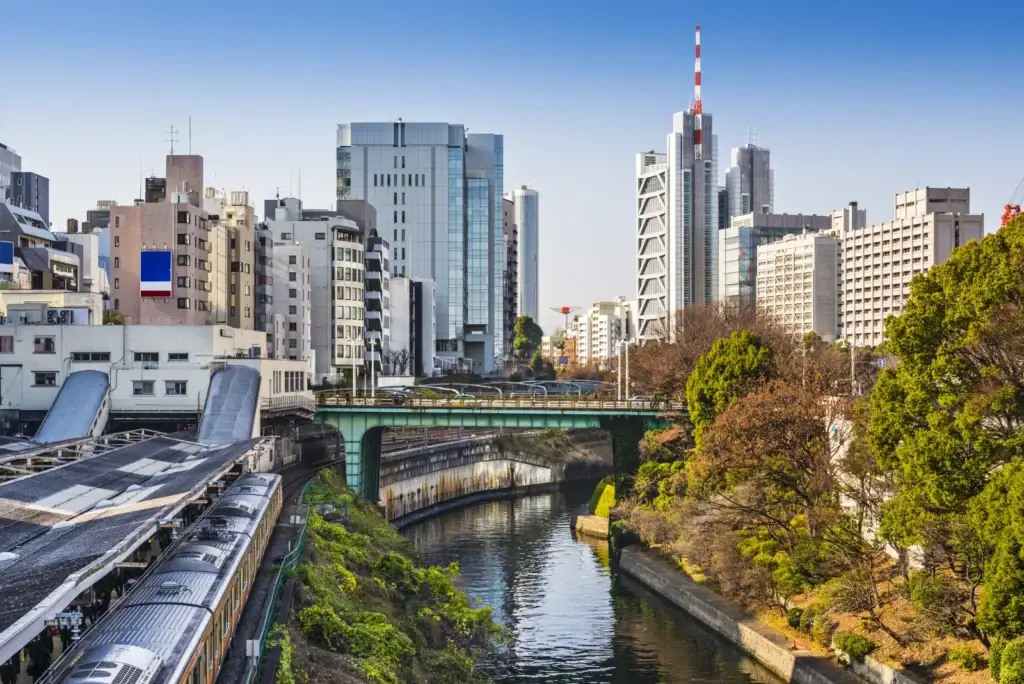
Urban rail lines beside the river in Tokyo’s Ochanomizu district

Tokyo

An early specialist-led Tokyo neighborhood morning

Choose food, design, craft or history according to the hotel district and begin before the day becomes transport-heavy. Confirm venue rules and avoid claiming private access without current authorization.

Cherry blossoms arching over Sannenzaka’s historic lane in Kyoto

Kyoto

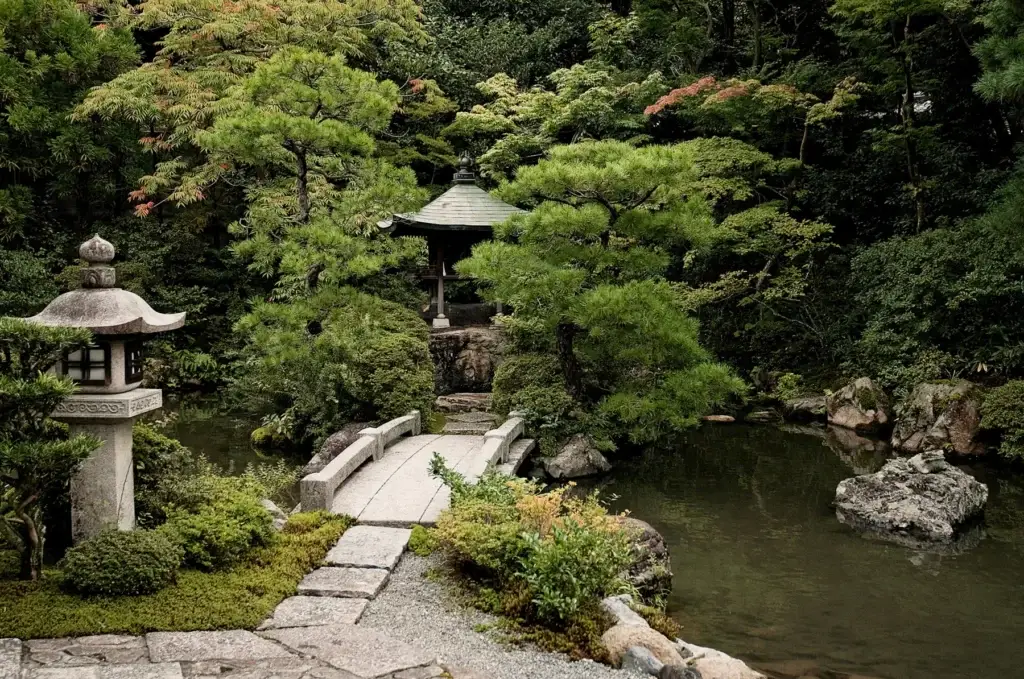
A quiet-hour Kyoto garden and craft sequence

Use early or later visiting windows, current congestion tools and a vetted specialist. Respect residential streets, photography rules and venue capacity; quiet is planned, not guaranteed.

Tokyo avenue and modern buildings in warm late-day light

Rail

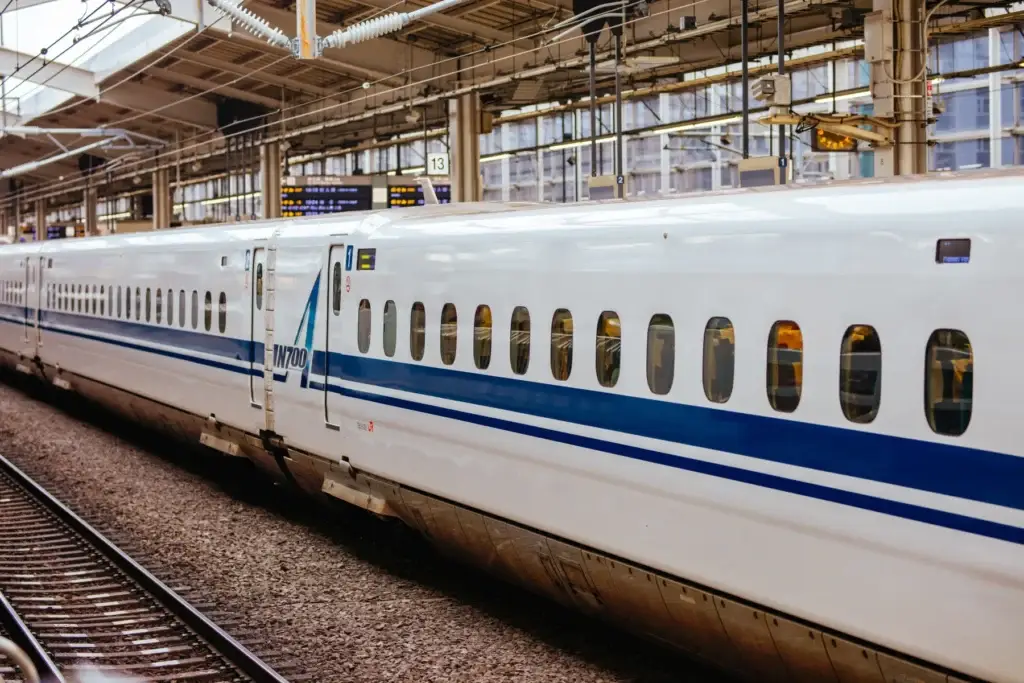
A deliberate Tokyo–Kyoto shinkansen day

Reserve the correct service and seat, plan luggage, check platform and operator rules and leave a resilient hotel-transfer buffer so rail feels like part of the journey.

Wellness

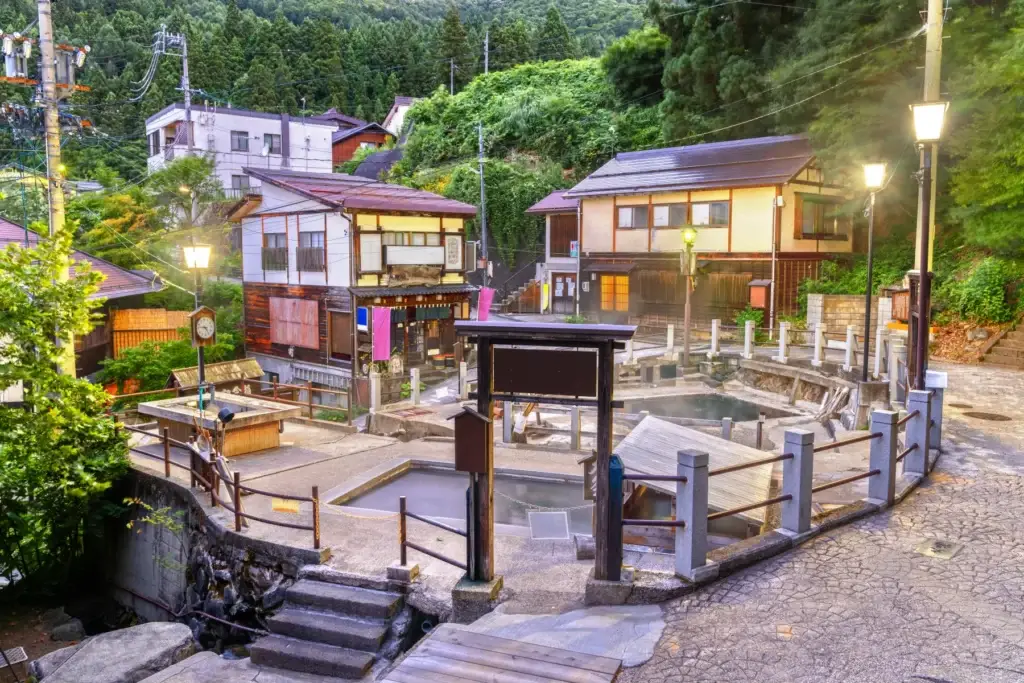
A private or etiquette-supported onsen experience

Match bathing format to privacy, tattoo, gender, mobility, age and heat considerations. Confirm the facility and water source, and make no medical claim about bathing.

Lone tree in a snow-covered field at Biei in Hokkaido

Hokkaido

A weather-led Hokkaido mountain day

Choose ski, snowshoe, hiking or green-season activity only after checking operation, ability, equipment and weather. Snow quality, wildlife and views remain unscripted.

Ise-Shima

A coast-and-stillness retreat chapter

Protect several nights for bathing, landscape, food and rest rather than turning the region into another day-trip checklist. Confirm local guide, transfer and venue operations.

Travel restored

What makes Japan a wellness destination?

Japan turns wellness into a way of living through onsen ritual, forest stillness, temple practice and seasonal food. Private access and expert context create space to slow down, reflect and carry one meaningful habit home.

Wellness role
A meaningful restorative layer
Best for
Travelers seeking cultural depth, restorative ritual and a lasting practice beyond the spa.
Format
Private onsen, guided forest immersion, temple practice, tea and seasonal dining.
Ideal commitment
One protected half-day in each city, plus two or three nights for a hot-spring, forest or temple-led regional chapter
Intensity
Varies

For companions

Mixed-interest travel works when a protected wellness interval sits beside dining, culture or nature. Private bathing and temple participation still require confirmed access and rules.

Seasonal lens

Winter deepens hot-spring bathing; spring and autumn favor forest and garden time; summer requires heat-aware pacing and lighter days.

Heat, stillness and etiquette

Onsen Ritual

Onsen is Japan’s hot spring bathing ritual, shaped by washing, quiet soaking and rest. A private bath within a ryokan gives the experience space, discretion and guidance on local etiquette.

Duration
One bathing interval or two ryokan nights
Intensity
Gentle
Best for
Privacy, ritual and slower pacing
Consider

Confirm temperature, access, tattoo rules and medical suitability. Mineral composition varies.

Forest stillness and deliberate pause

Shinrin-yoku

Shinrin-yoku means slow sensory immersion among trees, not hiking or water bathing. With a private guide, the forest becomes an experience of ma, Japan’s appreciation of pause. Small studies have measured lower cortisol and blood pressure.

Duration
Two to four hours
Intensity
Gentle
Best for
Low stimulation, nature and mental space
Consider

Evidence supports relaxation, not treatment. Confirm terrain, weather and guide credentials.

Practice, restraint and attention

Shukubo Temple Stay

Shukubo means lodging within an active Buddhist temple. A private cultural liaison can prepare you for morning practice and shojin ryori, the plant based cuisine of monastic life.

Duration
One or two temple nights
Intensity
Gentle
Best for
Culturally curious travelers comfortable with simple rhythms
Consider

Access, privacy and participation vary. Confirm arrangements and respect the temple as a religious community.

Seasonality, attention and meaning

Tea, Kaiseki and Ikigai

A private tea appointment and unhurried kaiseki meal turn seasonality into mindful practice. Ikigai adds a personal question: what gives daily life meaning and joy? Carry home one protected pause or ritual.

Duration
One tea encounter and one unhurried meal
Intensity
Gentle
Best for
Travelers who value meaning over spa volume
Consider

These are cultural practices, not psychological or longevity treatments. Confirm access and dietary needs.

Wellness content is cultural and travel guidance, not medical advice. Short-term measurements do not guarantee an individual result. Confirm onsen source, temperature and rules; forest access; temple participation; dietary needs; relevant health considerations; and practitioner qualifications.

Timing the journey

When to go

Spring and autumn are the broadest first-trip windows, with blossom and foliage timing varying by region and year. Winter is strong for cities, onsen and Hokkaido snow. Summer brings festivals alongside heat, humidity, early-summer rain and possible tropical disruption.

Mar · Apr · May

Best

Spring blossoms and high demand

Weather
Spring brings cherry blossoms and fresh greenery; because Japan spans north to south, exact conditions vary by region.
Crowds
Spring is one of the most popular sightseeing periods, and Golden Week from late April into early May is one of Japan's busiest domestic travel periods.
Best for
Best for travelers prioritizing cherry blossoms, fresh greenery and comfortable cultural touring.

Jun · Jul · Aug

Conditional

Festivals, heat and northern alternatives

Weather
Summer is hot and humid across much of Japan, while coastal and mountain areas offer different regional conditions.
Crowds
Summer vacation from mid-July through August, especially Obon around mid-August, increases domestic travel.
Best for
Works for heat-tolerant travelers prioritizing festivals, fireworks, beaches or mountain excursions.

Sep · Oct · Nov

Best

Autumn progression and cultural touring

Weather
October and November bring pleasant, cooling conditions across much of Honshu and Kyushu, while Hokkaido is colder; foliage timing still varies by place.
Crowds
Late-September holidays and popular foliage gardens can draw crowds, so exact regional dates matter.
Best for
Best for food, gardens, art, outdoor walks and a regionally sequenced foliage journey.

Dec · Jan · Feb

Good

Cities, onsen and Hokkaido snow

Weather
Winter conditions vary sharply by region; Hokkaido receives heavy snow while southern areas remain milder.
Crowds
New Year is a peak travel period, with busier transport and accommodation from late December into early January.
Best for
Best for snowy landscapes, onsen and winter sports, with region-specific clothing and transport planning.

Season and bloom guidance is not a forecast or guarantee. Recheck current JMA weather and warnings, annual blossom or foliage forecasts, holidays, snow and lift operation, transport disruption and property conditions for the exact regions and dates.

Value, clearly framed

Understanding trip value

Build a date-specific proposal from live air, exact room, regional composition, rail seats, luggage handling, transfers, guides, dining, spa and seasonal operations.

What shapes the guidance

No generic benefit or room-access promise is published. Peak blossoms, foliage, ski weeks, holidays, room category, dining, guide format and regional transfers require live pricing and availability.

Journey logistics

Arrive well

Choose the gateway around the regional sequence and final hotel. HND and NRT serve Tokyo, KIX supports Kansai, and CTS supports many Hokkaido routes. Rail, bus, taxi and private-transfer choices depend on terminal, arrival time, luggage and hotel. Confirm every live flight and operator before proposal.

Primary gateway Tokyo Haneda (HND), Tokyo Narita (NRT), Kansai (KIX), and New Chitose (CTS) for Hokkaido

Premium commercial air

Tokyo arrival through Haneda

Client-specific international or domestic originTokyo International Airport Haneda (HND)

Commercial air followed by rail, bus, taxi or pre-arranged hotel transfer

Confirm terminal, immigration, luggage, hotel district, traffic and the current airport operator. Do not use one central-Tokyo duration for every property.

Premium commercial air

Tokyo arrival through Narita

Client-specific international or domestic originNarita International Airport (NRT)

Commercial air followed by express rail, bus or pre-arranged road transfer

Narita is a separate airport-to-city journey. Confirm the live terminal, operating train or bus, hotel stop, luggage and disruption plan.

Premium commercial air

Kansai arrival for Kyoto and western Japan

Client-specific international or domestic originKansai International Airport (KIX)

Commercial air followed by rail, bus or pre-arranged road transfer

KIX can support a Kyoto-first or west-to-east route, but the exact train, luggage and hotel transfer must be confirmed. Do not assume every Kyoto property is near the station.

Rail

Tokyo to Kyoto by Tokaido Shinkansen

Tokyo or Shinagawa StationKyoto Station, then exact hotel

Reserved-seat Tokaido Shinkansen with deliberate luggage handling

Confirm the operating JR service, ticket, seat, platform, oversized-baggage rule, disruption plan and hotel transfers. Service types and pass coverage differ.

Premium commercial air

Hokkaido arrival through New Chitose

Tokyo or another live domestic or international originNew Chitose Airport (CTS), then exact Hokkaido property

Commercial air followed by rail or winter-capable pre-arranged transfer

Winter roads, snow, visibility, luggage and resort location materially affect transfers. Confirm operator, vehicle, tires, driver and contingency; no generic Niseko duration is promised.

Access and mobility

Japan can combine step-free modern transport with historic sites, gravel gardens, tatami, low seating, bathing steps, snow and properties reached by boat or long internal paths. Confirm the complete airport-to-room route, station transfers, luggage handling, bed type, bathroom, bathing access and daily walking for each traveler.

Before you go

Practical planning notes

Reservations

Treat forecasts as moving evidence

Blossom, foliage, snow and typhoon conditions change by region and year. Build a compelling trip even if nature arrives early or late.

Reservations

Check Golden Week, Obon and New Year

Domestic travel, transport reservations and closures can shift sharply. Use the exact year's calendar rather than a recycled warning.

Getting around

Engineer luggage before rail

Reserve any required oversized-baggage space or arrange a verified forwarding plan. Keep essentials with the traveler and confirm delivery timing.

Getting around

Choose Kyoto's setting deliberately

A central hotel, Arashiyama retreat and northwestern garden resort create different daily transfer patterns. Match the setting to the itinerary.

Wellness

Learn the exact bathing etiquette

Tattoo, age, gender, washing, swimwear, privacy and heat rules vary. Ask the property; do not infer one onsen policy for Japan.

Etiquette

Respect residential Kyoto

Use early or later windows, follow photography and access rules, and avoid treating working lanes and private homes as attractions.

The VH Luxe approach

How VH Luxe composes the journey

  1. Choose the seasonal priority

    Decide whether blossoms, foliage, snow, festivals or lower-demand weeks matter most before fixing the route.

  2. Select two anchors and one contrast

    Use Tokyo and Kyoto as anchors, then add Hokkaido, Ise-Shima or another region only when the trip can support several nights.

  3. Resolve air, rail and luggage together

    Choose gateways, seats, station transfers and luggage handling as one operating plan rather than separate bookings.

  4. Protect quiet inside the peak season

    Use early visits, a slower regional hotel and spa or bathing time so headline weeks do not become a continuous queue.

Paramjit Harika, VTA, CTA

Advisor-led planning

Your journey, personally considered

Paramjit Harika

Founder & Luxury Travel Advisor

I coordinate your hotel and room, premium air, transfers and key experiences as one considered journey, with one point of contact from planning through travel.

Good to know

Frequently asked questions

What is the best time to visit Japan?

Spring and autumn are the broadest first-trip windows, but the best choice depends on region and priority. Spring brings blossom uncertainty and demand; autumn timing varies; winter suits cities, onsen and Hokkaido; summer favors festivals and cooler regions.

When is cherry blossom season in Japan?

Timing moves through the country and changes every year. Warmer southern and central areas generally bloom before Tohoku and Hokkaido. Use the current official forecast as a planning aid, never as a guarantee.

Should you avoid Golden Week?

Not necessarily, but the cluster of holidays from late April into early May can fill transport and hotels. Check the exact annual calendar, reserve early and choose less pressured places or times where possible.

When is Japan less crowded?

There is no universal quiet month. Weekdays outside Golden Week, Obon, New Year and headline blossom, foliage or ski weeks can be calmer, but local events and regional seasons still matter.

How many days do you need for a first Japan trip?

Ten to fourteen nights is the preferred first luxury journey. Seven to nine should normally focus on Tokyo and Kyoto; fourteen to eighteen allows a meaningful Hokkaido, Ise-Shima or other regional chapter.

Is winter a good time to visit Japan?

Yes. Winter can pair Tokyo or Kyoto with onsen and Hokkaido snow. New Year operations, ski demand, roads, lifts and weather need exact review; winter is not one uniform low season.

Should you visit Tokyo or Kyoto first?

Start with Tokyo for an energetic urban arrival and often simpler international access; begin with Kyoto when the live flight and rail plan supports a softer cultural opening. Jet lag, room readiness and departure airport decide the final order.