The VH Luxe destination guide

Jackson Hole & Grand Teton, Wyoming

Use Jackson for polished service and flexibility, then move toward Grand Teton when first light, wildlife interpretation and park time become the purpose.

Recommended stay

4–

8 nights

Best time

Late spring through early autumn offers the broadest road and program range. Winter creates a quieter, snow-led destination with closed roads, reduced services, avalanche considerations and wildlife-protection closures.

Primary gateway

Jackson Hole Airport (JAC)

Journey context

Allow 4 to 5 nights for Jackson and a focused Grand Teton chapter, or 6 to 8 when adding northern park depth or a route-compatible ranch stay.

Curator’s verdict

Jackson Hole works best when its parts are given different jobs. Jackson provides service and cultural texture, Grand Teton sets the terms for protected-landscape days, and a ranch chapter earns its place only when time with horses and land matters more than collecting another stop.

Choose well

Which Jackson Hole and Grand Teton rhythm fits?

Choose the most time-sensitive purpose first, then place the base where it protects that experience.

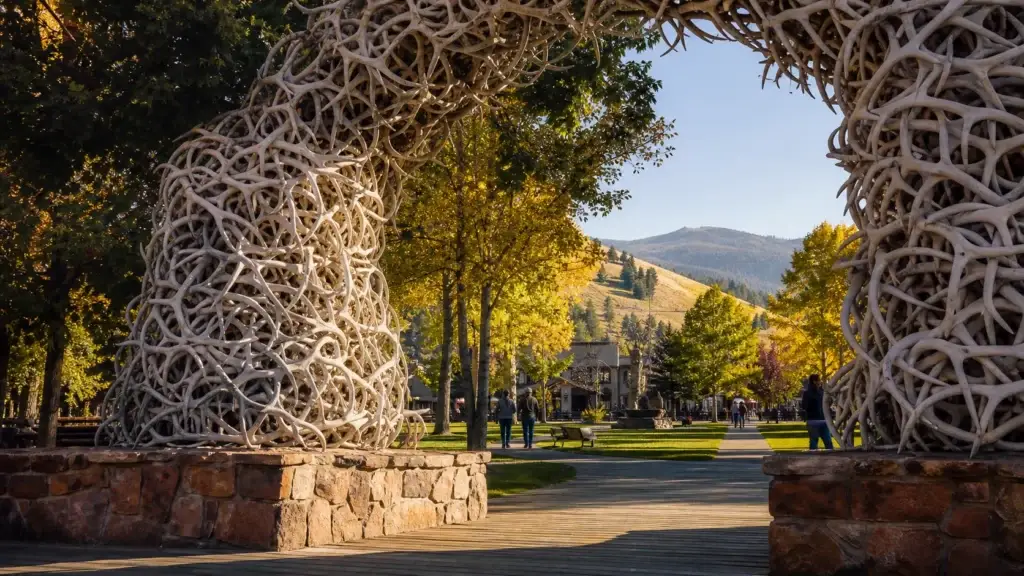
Town of Jackson Wyoming streetscape, town square or exact Jackson context

First visits, short stays and travelers who value restaurants, galleries and an easy arrival base

Use Jackson for service, dining and flexible days

Jackson keeps dining, cultural time and practical services close while allowing selected park days to begin with a confirmed vehicle and guide.

Worth knowing

Daily travel deep into the park can consume first light and recovery, especially when parking, wildlife or construction slows the road.
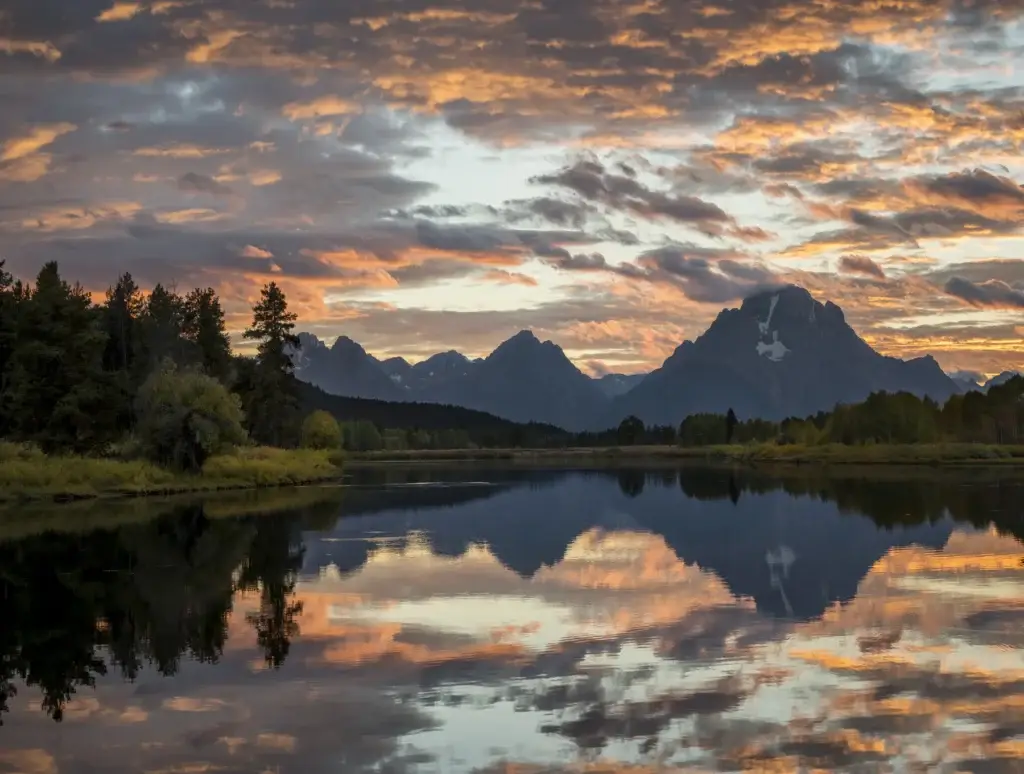
Grand Teton National Park at dawn, ideally Teton Range from Snake River, Oxbow Bend, Schwabacher Landing, Mormon Row or Jackson Lake context

Wildlife, landscape and photography travelers who want fewer repeated transfers

Move park-facing when first light is the priority

A route-matched park or northern-valley base can protect early naturalist time and reduce backtracking toward Jenny Lake, Jackson Lake or Colter Bay.

Worth knowing

Dining and evening choice narrow, and seasonal facilities, road work and parking still require exact-date planning.

Families, riders and repeat Western travelers who value horsemanship and slower land-based days

Give a ranch chapter its own purpose

Two or more ranch nights can replace road-heavy sightseeing with horse-led learning, shared meals and a calmer sense of place.

Worth knowing

A token one-night detour adds packing without creating a true ranch rhythm, and riding must be matched to ability and conditions.

Ski, snowshoe and quiet-landscape travelers comfortable with fewer roads and shorter daylight

Let winter become a different destination

Winter can shift the journey toward Jackson, Teton Village and carefully chosen snow access instead of reproducing a summer driving map.

Worth knowing

Roads and services close, wildlife areas need protection, and avalanche or weather conditions may replace the planned day.

A considered introduction

Jackson is a useful arrival and service base, but it should not turn every park day into a round trip. Travelers who care most about first light, wildlife interpretation or the northern park should move the center of gravity toward the exact corridor they intend to explore.

Four to five nights can support Jackson and a focused Grand Teton chapter. Six to eight nights allows a northern park or ranch chapter without treating roads, guides and early departures as an endurance test.

Advisor note

Advisor perspective: I would choose the base from the most time-sensitive part of the journey, then protect recovery around early wildlife and mountain days. VH Luxe Travels can coordinate preferred-partner value and tailored arrangements where applicable, with every guide, vehicle, ranch, river and access element confirmed before travel.

What stays with you

Signature experiences

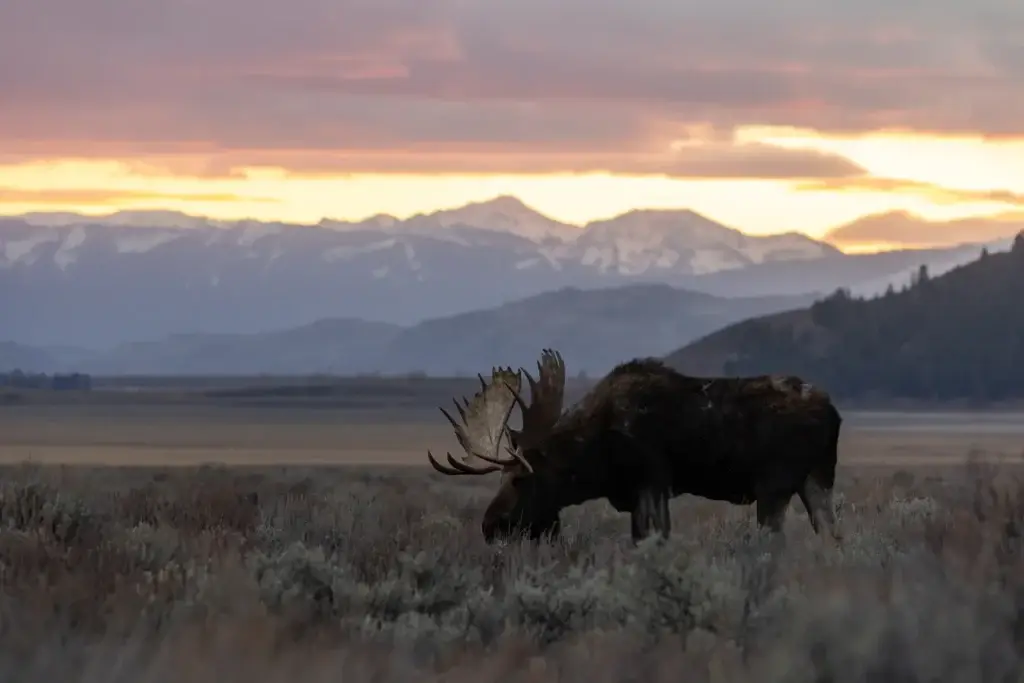
Grand Teton moose, elk, pronghorn, bear or other native wildlife shown in habitat from a safe telephoto perspective

Wildlife

Read the valley at first light with a naturalist

Let a qualified naturalist choose habitat and optics from current wildlife activity, closures and road conditions. Sightings are never guaranteed, and distance remains at least 100 yards from bears and wolves and 25 yards from every other animal.

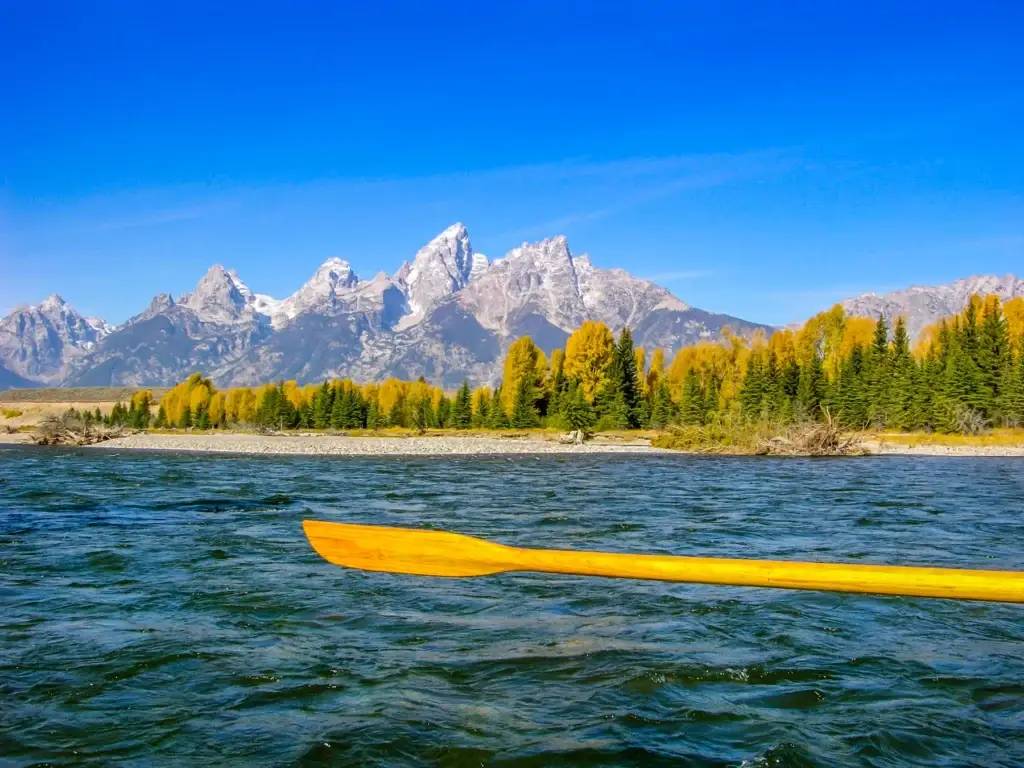
View Of The Teton Mountains From A Row Boat On The Snake River In Autumn

River

Follow the Snake River with a river professional

A currently authorized scenic-float operator can interpret the braided river, cottonwood corridor and Teton geology while managing changing obstructions and cold water. Required flotation equipment, current flows and the operator's safety decision govern the trip.

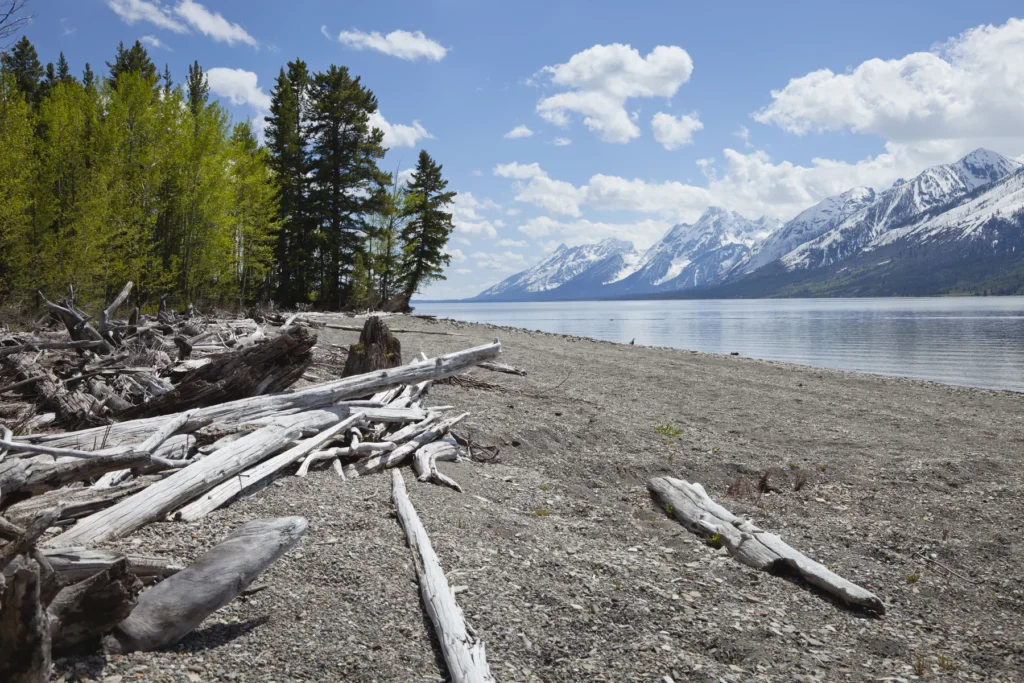
Grand Teton Mountains and Jackson Lake in Wyoming

Living culture

Meet living Indigenous arts at Colter Bay

When the annual program is operating, learn directly from participating artists connected to Grand Teton's 24 associated Tribes through traditional and contemporary painting, weaving, beadwork, pottery and other forms. Attend the public program as offered rather than packaging culture as a private performance.

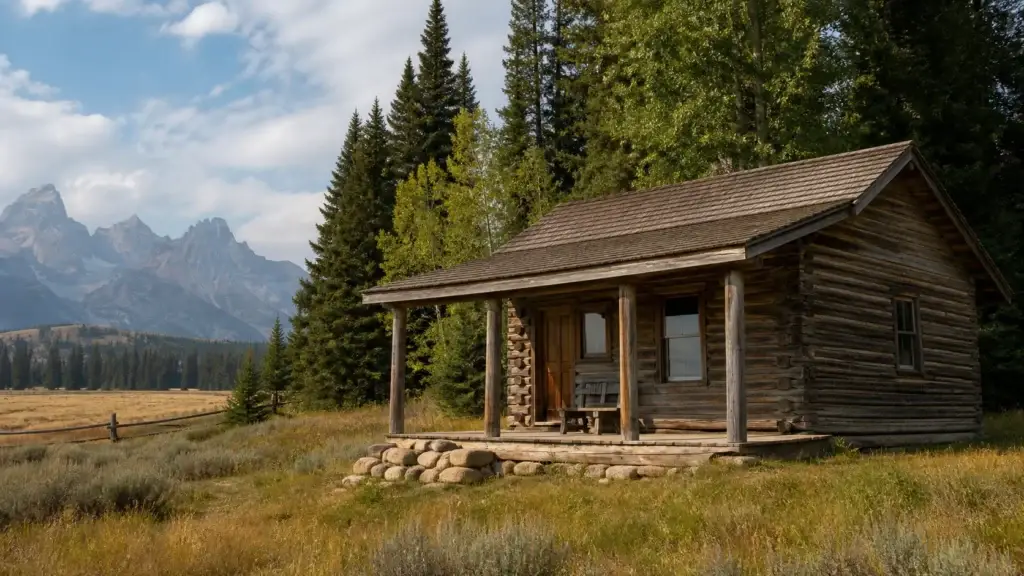
Murie Ranch cabins, porch, studio or exact Moose Wyoming historic landscape

Conservation

Trace the wilderness idea at Murie Ranch

Use current ranger or partner programming to connect Olaus and Mardy Murie's science, art and advocacy with the Wilderness Act and the valley outside the cabin. Access and schedules remain conditional, especially during road work.

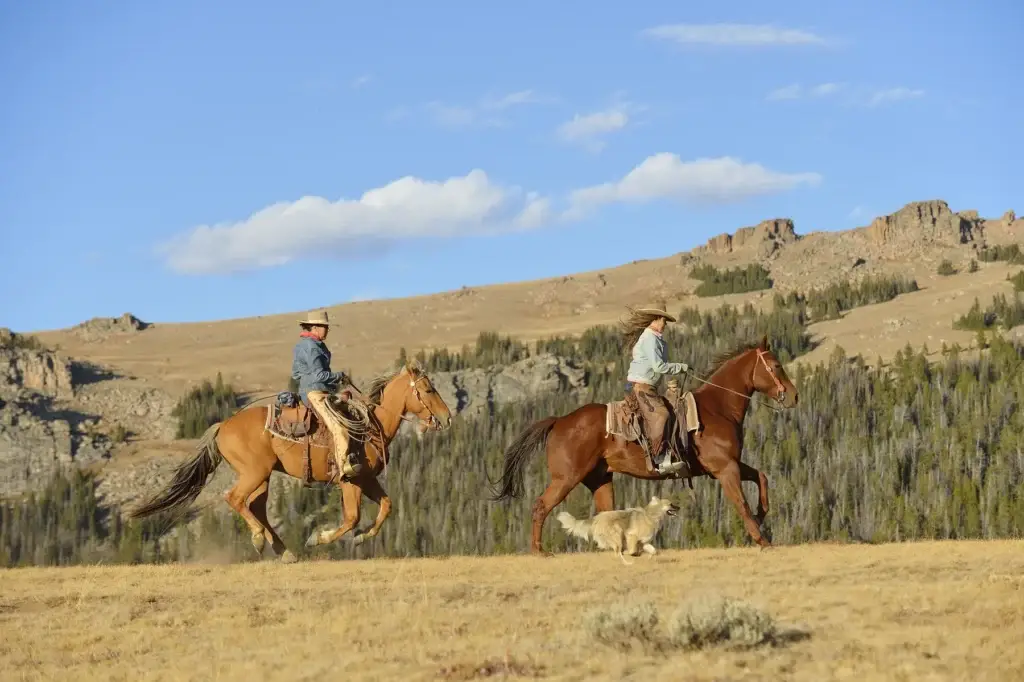
USA, Wyoming, two riding cowgirls and her running dog

Horsemanship

Learn the land at a horse's pace

Choose an authorized, route-compatible ranch or guide who can match horse, terrain and duration to the rider. The purpose is horsemanship and land awareness, not speed, staged cowboy imagery or an unsafe high-country promise.

Travel restored

What makes Jackson Hole & Grand Teton, Wyoming a wellness destination?

What makes Jackson Hole and Grand Teton a wellness destination?

The destination can reset attention by replacing constant choice with altitude-aware pacing, ethical distance, quiet observation and recovery after effort. Expert-led nature time may support short-term stress reduction, but this is not a treatment and no biomarker or longevity result is promised.

Wellness role
A primary reason to travel
Best for
Travelers seeking restorative mountain time, ethical wildlife observation, low-stimulation nature attention and a more sustainable relationship with ambition
Format
One-to-one or small expert-led interpretation, ability-matched movement, dark-sky attention and protected recovery
Ideal commitment
One demanding chapter at most each day, with arrival adaptation, sleep and unprogrammed recovery treated as part of the design
Intensity
Varies

For companions

Strong for couples, solo travelers and multigenerational parties when altitude, cold, terrain, transfer time and mobility are matched individually.

Seasonal lens

Summer offers the broadest route range; autumn sharpens light and temperature; winter supports snow-led quiet; spring requires flexible road, mud and wildlife planning.

Protect energy before adding exertion

Altitude-aware arrival

Begin with hydration, a gentle orientation and an early sleep window while the next day's movement is matched to the traveler rather than to a fixed list.

Duration
First afternoon and evening
Intensity
Gentle
Best for
Travelers arriving from lower elevation
Consider

Altitude response varies. Symptoms or medical concerns require professional medical advice, not itinerary optimization.

Replace pursuit with patient observation

Distance as respect

Use a naturalist and optics to notice tracks, habitat and behavior without chasing wildlife or measuring success by proximity.

Duration
One early or late light interval
Intensity
Gentle
Best for
Wildlife and contemplative travelers
Consider

Wildlife is unpredictable. Legal distances, closures and guide instructions always supersede the desired view.

Reduce stimulation without disturbing nocturnal life

Low-light attention

Use one quiet, appropriately located night-sky interval with warm low light and a specialist who treats darkness as habitat as well as scenery.

Duration
45 to 90 minutes
Intensity
Gentle
Best for
Couples, families and travelers recovering from screen-heavy routines
Consider

No artificial light may be used to view wildlife in the park. Weather, temperature and safe footing can cancel the plan.

Turn exertion into sustainable energy

Recovery after mountain effort

Follow a cold, river, riding or trail day with a protected meal, sleep window and unprogrammed morning rather than another early departure.

Duration
One evening and following morning
Intensity
Gentle
Best for
Active travelers and multigenerational groups
Consider

Recovery cannot compensate for unsafe exertion, severe weather, cold-water exposure or ignored medical symptoms.

Wellness descriptions do not promise diagnosis, treatment, biomarker change or longevity. Activities must be matched to altitude, weather, wildlife, water, terrain, mobility and individual medical needs.

Timing the journey

When to go

Late spring through early autumn offers the broadest road and program range. Winter creates a quieter, snow-led destination with closed roads, reduced services, avalanche considerations and wildlife-protection closures.

Mar · Apr · May

Conditional

Spring

Weather
Snow, mud, cold water and fast-changing mountain weather narrow trails and roads while wildlife becomes active.
Crowds
Quieter than summer, with concentrated demand around openings and holidays.
Best for
Low-elevation nature, conservation history and flexible wildlife interpretation after live checks.

Jun · Jul · Aug

Best

Summer

Weather
The broadest road and program access, with heat, thunderstorms, smoke, cold water and high-country snow still possible.
Crowds
Peak roads and parking reward early route decisions and fewer daily objectives.
Best for
Park-facing stays, river interpretation, Indigenous arts programming, riding and north park depth.

Sep · Oct · Nov

Good

Autumn

Weather
Early autumn can bring clear light and cold mornings before snow and closures rebuild the route.
Crowds
Demand eases unevenly while wildlife and scenic corridors can remain busy.
Best for
Wildlife interpretation, conservation context and a slower valley rhythm.

Dec · Jan · Feb

Conditional

Winter

Weather
Snow, cold and short daylight define the destination while key park roads and facilities close or reduce service.
Crowds
Ski demand peaks around holidays, but much of the park feels quieter than summer.
Best for
Ski or snowshoe rhythms, winter naturalist time and low-stimulation landscape days.

Weather, smoke, fire, construction, parking, roads, trails, water, wildlife activity, avalanche conditions, permits and services change. Live NPS and operator conditions supersede every proposed route.

Value, clearly framed

Understanding trip value

Custom quote based on exact route, accommodations, transfers, private vehicle, specialist access and seasonal availability. No public package price is stated.

What shapes the guidance

4 to 8 nights for two travelers; accommodations, transfers, private vehicle, guides and confirmed experiences priced at proposal stage.

Journey logistics

Arrive well

JAC is the most direct air gateway and sits within Grand Teton National Park. Confirm ground transportation for the exact flight, base and season. Peak periods can strain parking and transfers, while wildlife crossings, winter conditions and 2026 construction can materially change driving time.

Primary gateway Jackson Hole Airport (JAC)

Premium commercial air

Arrive through JAC

Confirmed origin cityJackson Hole Airport (JAC)

Scheduled air and confirmed private, taxi, shuttle or rental vehicle

Confirm flight seasonality, luggage, mobility support, child seats, winter equipment and final transfer for the exact stay.

Final transfer

Position the base for the park purpose

Jackson or confirmed prior stayMoose, Jenny Lake or north park corridor

Confirmed private or rental vehicle

Parking, wildlife, construction, weather and road closures can override planned timing. A polished vehicle does not create priority access or reserved parking.

Final transfer

Add a ranch chapter only when it changes the rhythm

Jackson or Grand Teton corridorConfirmed route-compatible ranch or stock operator

Confirmed private vehicle and authorized guided activity

Match horses, terrain, duration and operator to rider ability. Snow, mud, closures and animal welfare may alter or cancel the plan.

Access and mobility

Confirm airport assistance, vehicle type, step-free transfers, accessible parking, path surface, grade, restrooms, seating, hearing or visual support and seasonal conditions against the traveler's exact needs. NPS identifies accessible infrastructure at Craig Thomas, Jenny Lake and Colter Bay, while barriers and construction vary by location.

Before you go

Practical planning notes

Getting around

Check roads and parking

Construction, wildlife and peak demand can change access even when the park itself is open.

Etiquette

Keep wildlife distance

Use optics and remain at least 100 yards from bears and wolves and 25 yards from all other wildlife.

Reservations

Treat the river as dynamic

Use a currently authorized professional and accept that water, wind, cold or obstructions may replace the float.

Wellness

Protect dark and quiet

Use warm low light, avoid artificial wildlife viewing and keep sound and movement restrained.

The VH Luxe approach

How VH Luxe composes the journey

  1. Name the time-sensitive purpose

    Decide whether dining, first light, wildlife, river or ranch time leads.

  2. Place the base

    Use Jackson, a park-facing stay or a ranch chapter for a distinct role.

  3. Remove one objective

    Protect each demanding day from unnecessary road time and stacked activities.

  4. Carry home respectful distance

    Keep the habit of observing carefully without turning proximity into success.

Paramjit Harika, VTA, CTA

Advisor-led planning

Your journey, personally considered

Paramjit Harika

Founder & Luxury Travel Advisor

I coordinate your hotel and room, premium air, transfers and key experiences as one considered journey, with one point of contact from planning through travel.

Good to know

Frequently asked questions

How many nights do you need for Jackson Hole and Grand Teton?

Allow 4 to 5 nights for Jackson and a focused park chapter, or 6 to 8 when adding the north park or a ranch stay.

Should you stay in Jackson or inside Grand Teton?

Choose Jackson for dining and flexibility, and a park-facing base when first light or repeated access to a specific corridor is the priority.

Can Jackson Hole be a base for Yellowstone?

This guide does not use Jackson as a Yellowstone base. Yellowstone requires its own entrance, road and park-side planning.

Do you need reservations for Grand Teton?

Entrance, parking and activity rules vary. Backcountry camping, boating and some programs or commercial services require permits or reservations, so check the exact date and activity.

How close can you get to wildlife?

Remain at least 100 yards from bears and wolves and 25 yards from every other wild animal. Use optics and move away if an animal approaches.

What makes Jackson Hole and Grand Teton a wellness destination?

Its strongest wellness value comes from altitude-aware pacing, low-stimulation observation, ethical wildlife distance and protected recovery rather than treatments or promised biomarker results.