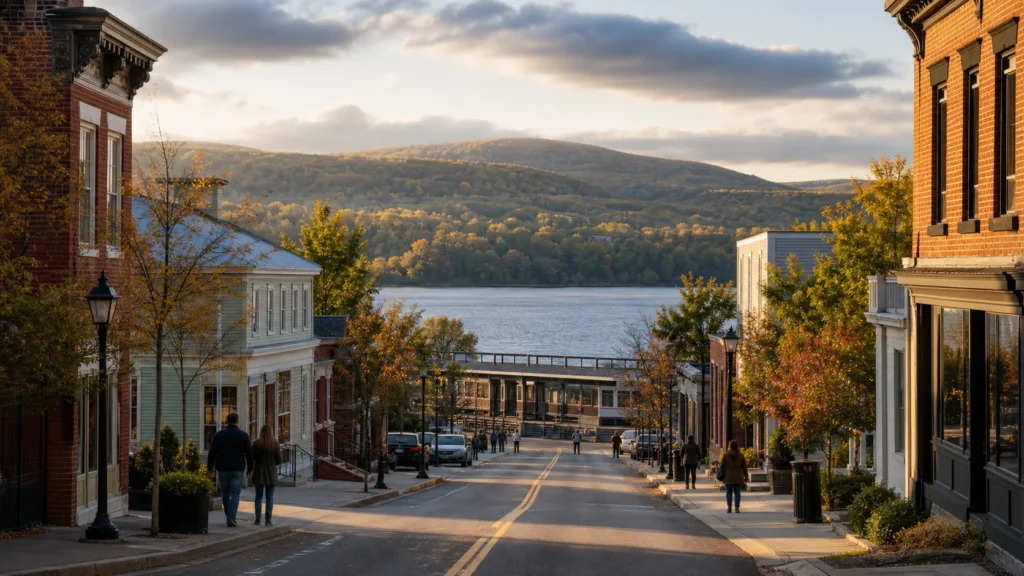
The VH Luxe destination guide

Hudson Valley & the Catskills, New York

Choose the river for art, estates and foodways or the mountains for nature and restoration, then combine them only when both deserve time.

Recommended stay

4–

8 nights

Best time

Late spring and early autumn offer the broadest balance for art, estates, farms and measured outdoor time. Summer brings heat, humidity, storms and stronger weekend demand. Winter can suit culture and lodge recovery, but snow, ice, daylight and trail conditions require a different plan.

Primary gateway

Hudson Line rail stations or a confirmed New York regional airport

Journey context

Allow 4 or 5 nights for one region and 6 to 8 for a balanced split stay with at least three nights in each base.

Curator’s verdict

The Hudson Valley and Catskills become more luxurious when they are not treated as one generic weekend escape. The river corridor rewards cultural depth; the mountains reward ecological attention and a slower lodge rhythm.

Choose well

Which Hudson Valley and Catskills rhythm fits?

Choose one regional identity first, then decide whether trip length and priorities justify a split stay.

Beacon, Cold Spring, Hyde Park, Rhinebeck, Hudson or another correctly identified Hudson River corridor setting

Art collectors, design travelers, culinary travelers and first regional visits

Choose the river corridor for art, estates and the table

Build the stay around one or two Hudson River anchors each day, with major art, an interpreted estate or designed landscape and food connected to regional land.

Worth knowing

The corridor still spans multiple towns, so a hotel name alone does not guarantee easy access to every institution.
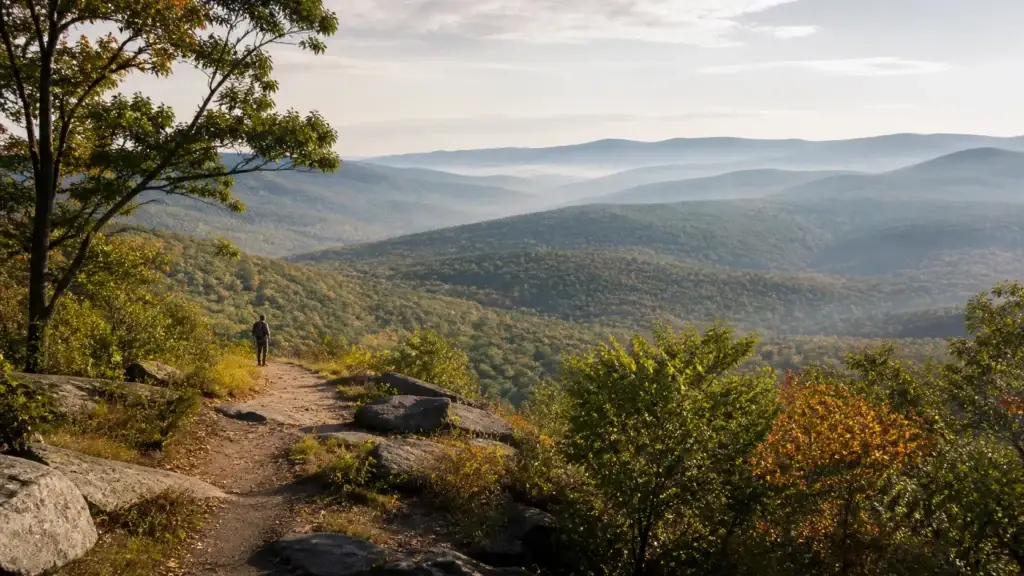
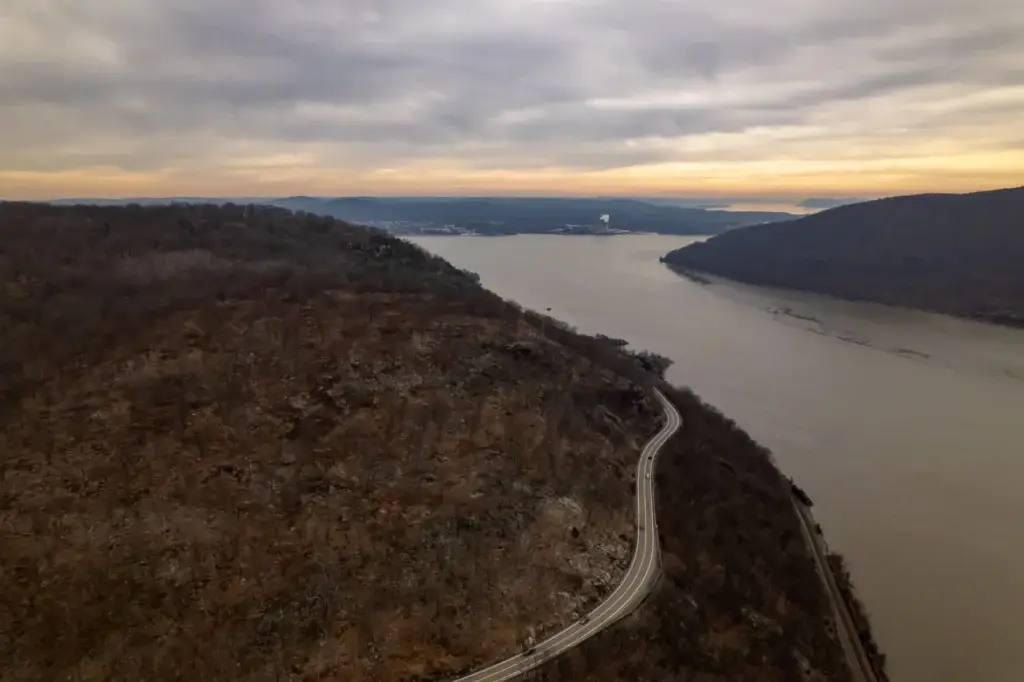
Catskill Park forest, escarpment or mountain view with exact metadata

Executives, couples and nature-led travelers seeking lower stimulation

Choose the Catskills for mountain quiet and lodge rhythm

Let one restorative lodge support unhurried meals, a condition-matched forest interval and enough unprogrammed time to feel the mountain setting.

Worth knowing

Art institutions and river estates become longer transfers, while trail access remains weather and condition dependent.

Six- to eight-night journeys with equally strong culture and nature priorities

Split the stay only when both regions earn three nights

Use the transfer as a bridge between regional identities, perhaps linking a farm, designed landscape or river history chapter with the move.

Worth knowing

A short split stay trades depth and recovery for packing, checkout and another set of local transfers.

Travelers with mobility needs, fixed cultural interests or weather sensitivity

Let season and access edit the route

Confirm exhibitions, historic-site programs, farm seasons, trail conditions and daylight before choosing the final bases and daily order.

Worth knowing

Protecting the journey may mean replacing a famous trail, changing a date or reducing the number of stops.

A considered introduction

The Hudson River corridor suits travelers who want major art, historic estates, designed landscapes and a food story connected to farms and stewardship. Beacon, Hyde Park, Rhinebeck, Hudson and nearby cultural sites can form a coherent route when one or two anchors lead each day.

The Catskills suit travelers who want protected forest, mountain quiet and lodge-based recovery. A split stay works best at six to eight nights, with at least three nights in each region and a transfer day that carries its own purpose.

Advisor note

Advisor perspective: I would choose one regional identity for a shorter stay and split the journey only when art and mountain restoration are equally important. VH Luxe Travels can coordinate tailored arrangements where applicable, with every specialist, institution and access element confirmed before travel.

What stays with you

Signature experiences

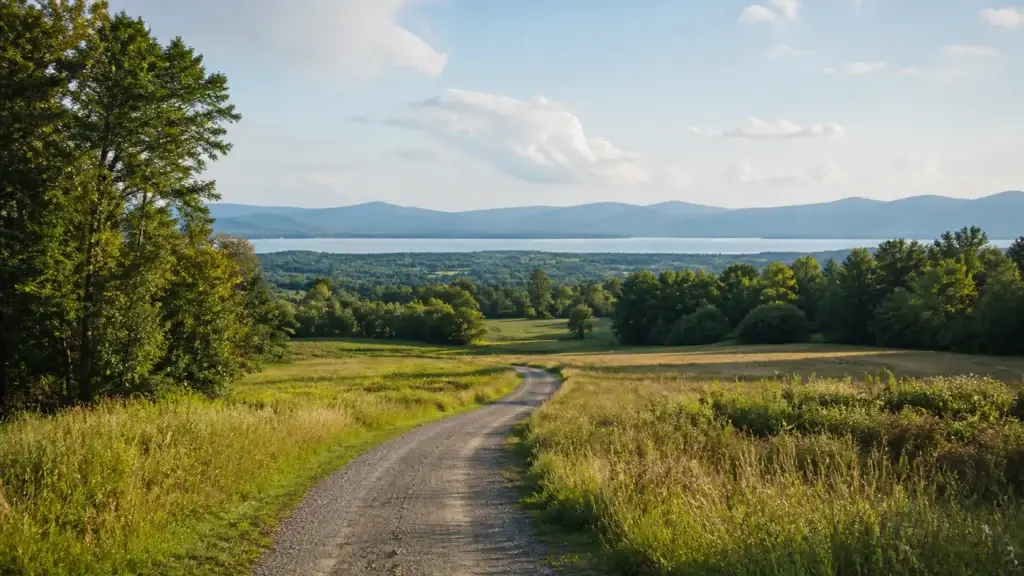
Hudson River or Mahicannituck landscape with exact metadata and no staged Indigenous culture

Layered history

Begin with the river's layered history

Start with the Hudson as a living cultural and ecological corridor, using the National Heritage Area and Stockbridge-Munsee Community sources to place estates, industry and conservation within a longer story. Living Indigenous culture is acknowledged on community terms, not packaged as access.

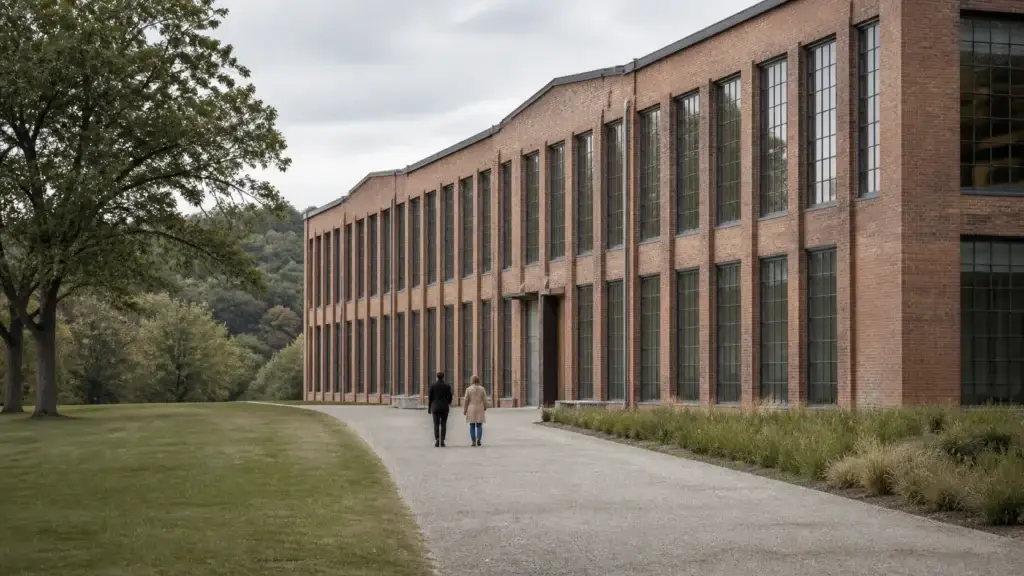
Dia Beacon or Storm King exterior, architecture or landscape with exact metadata

Contemporary art

Give one major art institution the day

Choose Dia Beacon or Storm King according to the traveler's relationship with architecture, scale, landscape and movement. Use public programming or a confirmed specialist format, and preserve enough time for sustained looking.

Olana State Historic Site landscape or exterior with exact metadata

Art and design

Read a landscape composed like a painting

At Olana or another authoritative public site, connect Hudson River School painting with architecture, agriculture, carriage roads and the deliberate framing of distant views. Select the program around mobility and current access.

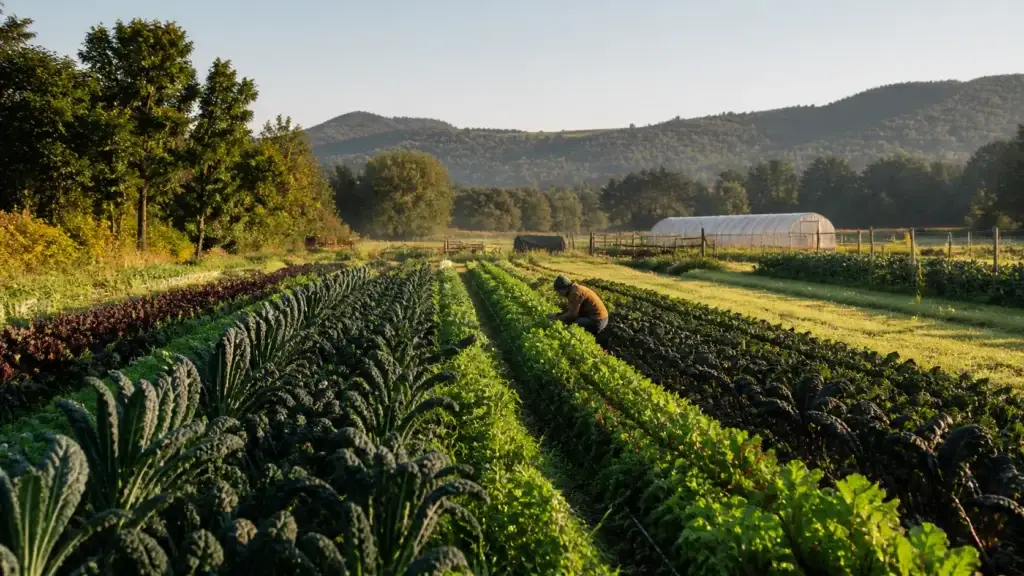
Hudson Valley farm landscape, market or seasonal produce with exact regional metadata

Foodways

Trace the table back to land stewardship

Use seasonal menus, public farm programs or confirmed producer context to understand how farmers, soil, research and regional distribution shape the table. Avoid turning the day into anonymous luxury dining or implying private farm access.

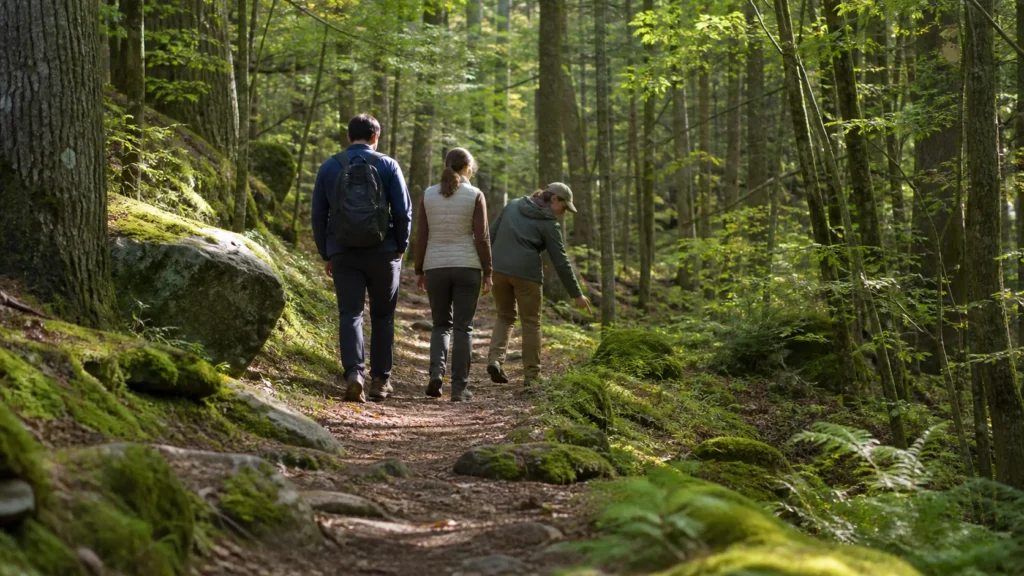
Catskill forest trail, escarpment or accessible nature route with exact metadata

Mountain ecology

Let a naturalist set the mountain pace

Choose a Catskill Forest Preserve route for habitat, observation and traveler fit rather than summit status. A qualified naturalist, live DEC conditions and a lower-impact alternative should shape the day.

Travel restored

What makes Hudson Valley & the Catskills, New York a wellness destination?

What makes the Hudson Valley and Catskills a wellness destination?

The region supports a shift from accumulation to attention through long river horizons, designed landscapes, close looking and condition-led forest time. Research supports cautious restorative and physical-activity pathways around blue and green space, but these experiences are supportive context, not medical treatment or a promised biomarker result.

Wellness role
A meaningful restorative layer
Best for
Executives, couples, culture-led travelers and repeat visitors who want meaning and recovery without a generic spa itinerary
Format
River-horizon pause, close looking, ecological literacy and seasonal food attention within a low-transfer daily rhythm
Ideal commitment
One regional arc per day, one unhurried attention practice and a lower-impact alternative for every outdoor plan
Intensity
Gentle

For companions

Strong for couples and multigenerational travelers when walking surfaces, vehicle time, seating, stairs and sensory load are individualized.

Seasonal lens

Late spring and early autumn offer the broadest fit. Summer heat and storms, autumn demand and winter snow, ice and daylight require live review.

Create visual space and a deliberate transition

River-horizon interval

Use a safe public river overlook or level waterside route for slow observation, gentle movement and an intentional stopping point.

Duration
45 to 90 minutes
Intensity
Gentle
Best for
Executives, art travelers and guests recovering from travel
Consider

Check weather, surface, water-edge safety and accessibility. This is not treatment for stress or another health condition.

Replace performance with ecological attention

Forest literacy walk

Let a qualified naturalist choose a Catskill route around habitat, conditions, ability and a conservative turnaround rather than peak collection.

Duration
60 minutes to half a day
Intensity
Moderate
Best for
Nature-led travelers and guests who prefer expert context
Consider

Confirm DEC conditions, weather, parking, permits, footwear, wildlife and the exact route. Keep a low-impact alternative.

Train sustained attention instead of collecting institutions

Close looking in art and design

Choose a small number of works, rooms or designed views and spend enough time to notice material, scale, light and personal response.

Duration
60 to 120 minutes
Intensity
Gentle
Best for
Art, architecture and design travelers
Consider

Confirm seating, stairs, gallery access, outdoor terrain, tours and current exhibitions.

Reconnect eating with land, labor and season

Seasonal table practice

Use one meal or public producer context to notice seasonality, sourcing and the regional system behind the plate, then carry that attention home.

Duration
One meal or half-day chapter
Intensity
Gentle
Best for
Culinary travelers and multigenerational groups
Consider

Confirm allergies, dietary needs, producer access, harvest timing and transportation. No nutritional or longevity result is promised.

The takeaway is to organize restoration around attention: one landscape, one cultural question and one seasonal choice at a time. Wellness experiences are not medical treatment. Discuss relevant risks with a qualified clinician and confirm current conditions, practitioner credentials and suitability.

Timing the journey

When to go

Late spring and early autumn offer the broadest balance for art, estates, farms and measured outdoor time. Summer brings heat, humidity, storms and stronger weekend demand. Winter can suit culture and lodge recovery, but snow, ice, daylight and trail conditions require a different plan.

May · Jun

Best

Late spring

Weather
Mild to warm periods alternate with rain, mud, storms and rapid temperature changes.
Crowds
Holiday weekends, weddings and cultural calendars can compress availability.
Best for
Art, estates, farms, river landscapes and condition-matched forest time.

Jul · Aug

Conditional

Summer

Weather
Heat, humidity, storms and wet trail conditions can change walking and transfers.
Crowds
Weekends, festivals and lodge demand reward early planning.
Best for
Early outdoor intervals, art, foodways and restorative lodge time.

Sep · Oct

Best

Early autumn

Weather
Comfortable periods can shift quickly toward rain, wind, colder evenings and slippery trails.
Crowds
Foliage weekends and events can create the year's strongest demand and road pressure.
Best for
Art, estates, harvest context, mountain landscapes and measured outdoor time.

Nov · Dec · Jan · Feb · Mar · Apr

Conditional

Cold and transitional season

Weather
Cold, snow, ice, mud, high water and limited daylight can alter travel and trail suitability.
Crowds
Festive dates and ski periods vary by property; some cultural sites reduce operations.
Best for
Selected culture, dining and lodge recovery with conservative outdoor plans.

Weather, trail conditions, road access, exhibitions, farm seasons and operating schedules change. Reconfirm all time-sensitive plans immediately before travel.

Value, clearly framed

Understanding trip value

Custom quote based on exact dates, accommodations, transport, specialist access, institutional programs, dining and outdoor support. No public package price is stated.

What shapes the guidance

4 to 8 nights for two travelers, with air or rail, accommodations, licensed transfers, private guidance and confirmed experiences priced separately at proposal stage.

Journey logistics

Arrive well

Metro-North's Hudson Line can support river-corridor arrivals at stations including Cold Spring, Beacon and Poughkeepsie. A confirmed vehicle is often the most coherent way to connect cultural sites, farms and Catskills lodging. The exact rail, airport and transfer plan should follow the final bases, baggage, mobility and live conditions.

Primary gateway Hudson Line rail stations or a confirmed New York regional airport

Rail

Hudson Line arrival

Confirmed station on the Metro-North networkCold Spring, Beacon or Poughkeepsie as itinerary requires

Scheduled rail followed by a confirmed licensed transfer

Confirm the dated schedule, station accessibility, luggage, final base and onward vehicle before choosing rail.

Premium commercial air

Regional airport arrival

Confirmed domestic or international originAirport selected after the final route is known

Scheduled air followed by a confirmed licensed transfer

Airport choice depends on live air service, the first base, traffic, weather, baggage and mobility. No single gateway is best for every itinerary.

Private aviation

Private aviation arrival

Confirmed originAirport selected by the licensed operator

Private aviation followed by a prearranged licensed ground transfer

Aircraft, airport suitability, slots, weather, crew, handling, baggage and onward transport require operator confirmation.

Access and mobility

Confirm station access, vehicle type, historic-house stairs, outdoor-museum surfaces, tram operation, restaurant access, trail grade, restrooms and weather exposure against the traveler's exact needs. Forest Preserve routes range from accessible features to rugged backcountry.

Before you go

Practical planning notes

Reservations

Choose one identity first

A shorter stay should favor either the river corridor or the mountains rather than imitate both.

Mobility

Give the transfer a purpose

A split stay works when the move connects a meaningful landscape, farm or history chapter.

Wellness

Check trails on the day

Weather, water, mud, ice, parking and closures can replace the planned route.

Etiquette

Keep living culture living

Use first-party Tribal sources and public community terms without staging identity as an experience.

The VH Luxe approach

How VH Luxe composes the journey

  1. Choose river or mountain

    Let the trip's deepest purpose determine the first base.

  2. Build one complete cultural chapter

    Connect history, art, design or foodways through authoritative context.

  3. Protect one landscape interval

    Use river or forest time with live conditions and enough margin.

  4. Carry home attention

    Keep the habit of choosing depth, season and place over accumulation.

Paramjit Harika, VTA, CTA

Advisor-led planning

Your journey, personally considered

Paramjit Harika

Founder & Luxury Travel Advisor

I coordinate your hotel and room, premium air, transfers and key experiences as one considered journey, with one point of contact from planning through travel.

Good to know

Frequently asked questions

How many nights do you need for the Hudson Valley and Catskills?

Allow 4 or 5 nights for one region. A balanced split stay usually needs 6 to 8 nights, with at least three nights in each base.

Should you stay in the Hudson Valley or the Catskills?

Choose the Hudson River corridor for art, estates, designed landscapes and foodways. Choose the Catskills for mountain nature, quieter lodge time and condition-led restoration.

When is a split stay worthwhile?

Split the stay when culture and mountain recovery are equally important, each region receives at least three nights and the transfer carries a meaningful stop rather than becoming lost time.

What is the best time to visit?

Late spring and early autumn offer the broadest balance. Summer and winter can work when heat, storms, demand, snow, ice, daylight and seasonal operations are built into the plan.

Do you need a car?

Rail can support parts of the Hudson corridor, but a confirmed vehicle is usually the most coherent way to connect institutions, farms, luggage and Catskills lodging. The exact plan depends on the final bases and mobility needs.

What makes the Hudson Valley and Catskills a wellness destination?

The region supports edited attention through river horizons, designed landscapes, close looking, ecological literacy and slower lodge rhythm. These are restorative practices, not medical treatment or promised health outcomes.