
The VH Luxe destination guide

Hokkaido & Niseko, Japan

Choose the season and mountain base first, then give recovery and weather flexibility equal status.

Recommended stay

4–

6 nights

Best time

December through March suits a winter mountain chapter, subject to live snow, lift, road and flight conditions. July through October suits a green-season Hokkaido chapter. Shoulder periods need exact operating-calendar confirmation.

Primary gateway

New Chitose Airport (CTS), followed by a confirmed road, shuttle or rail-and-road connection to the exact base

Journey context

Four nights for a focused Niseko stay; five or six for a weather-flexible mountain or green-season rhythm with recovery time.

Curator’s verdict

Hokkaido and Niseko work best as a dedicated four- to six-night chapter. Winter suits guests who want skiing and onsen recovery, while July through October offers hiking, cycling, rafting and quieter mountain days.

Choose well

Which Hokkaido rhythm fits you?

Choose winter skiing, green-season movement or a broader Hokkaido landscape before choosing the resort. A good base reduces daily friction.

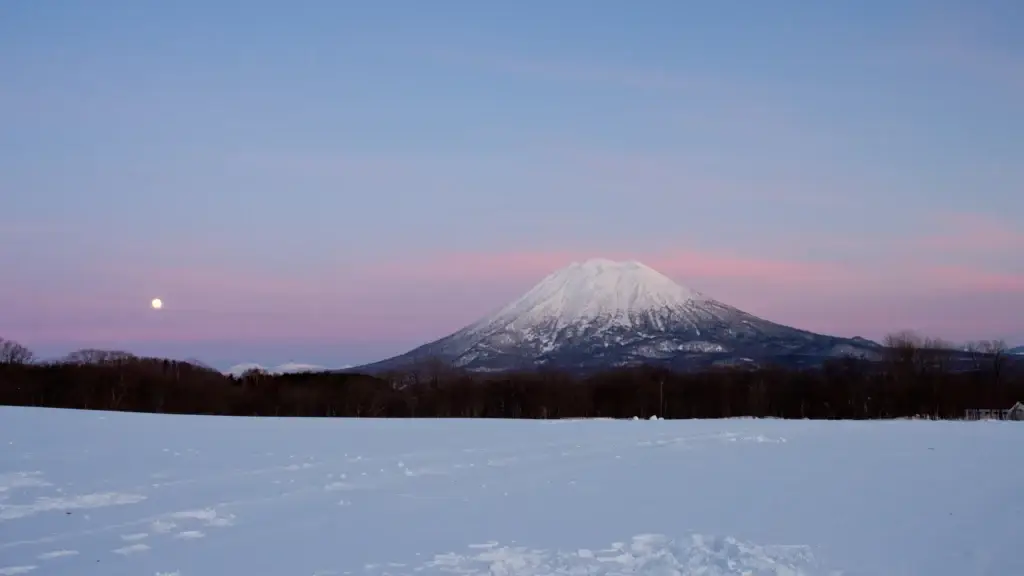
Snow-covered Mount Yotei in Hokkaido at dusk

Active skiers, friends and guests who value a busy village rhythm

Grand Hirafu for activity and dining density

Use Grand Hirafu when lift proximity, restaurants and a lively village feel matter more than full retreat quiet.

Worth knowing

Demand and activity can increase movement and noise. Confirm exact room position, road access and desired evening rhythm.
Couples and families seeking a polished resort base

Hanazono for a luxury-resort setting

Hanazono suits clients who want a newer resort environment, easy mountain focus and meaningful downtime in one place.

Worth knowing

Dining variety, walkability and lift access depend on the exact property and current season.

Couples, multigenerational groups and onsen-led stays

Niseko Village or Annupuri for a quieter pace

Use Niseko Village for integrated resort time or Annupuri for a calmer, more traditional mountain rhythm.

Worth knowing

The quieter bases can mean fewer nearby evening choices and a greater need for pre-arranged transport.

Repeat visitors and six-night-plus Hokkaido chapters

Expand beyond Niseko only with enough nights

Pair mountain time with a volcanic-lake, forest or onsen extension when it gives the trip a second genuine identity.

Worth knowing

Long internal transfers can dilute the stay. A second region should earn its travel day.

A considered introduction

Hokkaido is a seasonal region, not a quick extension of Tokyo. Niseko's four linked ski areas have distinct village character, lodging patterns and daily rhythm.

Four nights supports a focused mountain stay. Five or six nights gives winter weather or green-season activity enough room alongside real recovery. New Chitose is the principal gateway, but every road, shuttle and mountain plan must follow current conditions.

Advisor note

Advisor perspective: I would decide winter skiing versus green-season Hokkaido before choosing the hotel. Then I would match Grand Hirafu, Hanazono, Niseko Village or Annupuri to the party's appetite for activity, quiet, dining and internal movement.

What stays with you

Signature experiences

Winter mountain

Start with technique, not vertical

Arrange authorized, ability-matched instruction and give the first day room for arrival, equipment and conditions. Lift, terrain and instructor availability require current confirmation.

Green season

Choose one weather-aware mountain day

Use a qualified guide or operator to combine a confirmed hike, cycle, river or scenic experience with a slower afternoon. Trail, river and weather conditions decide the exact plan.

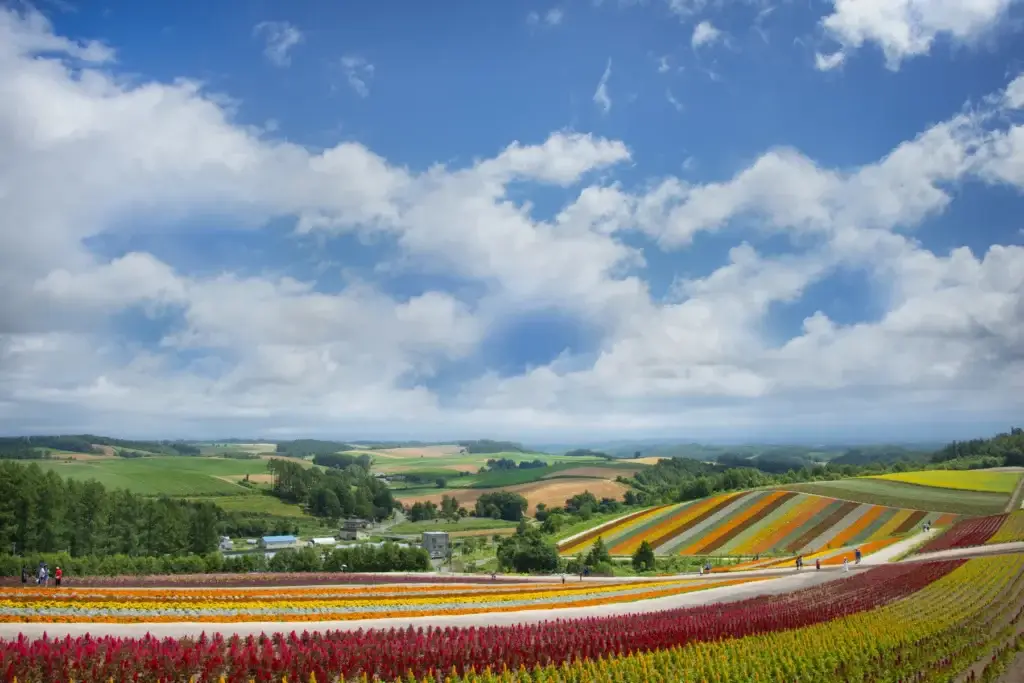
Summer flower fields and rolling hills in Biei, Hokkaido

Volcanic landscape

Read Hokkaido through lake, forest and volcano

A specialist can interpret the volcanic and forest landscapes of Shikotsu-Toya National Park on permitted, condition-appropriate routes.

Culture

Learn from a living Ainu context

Visit Upopoy or a community-connected institution, following its rules for guides, photography, workshops and performance. Do not treat Ainu culture as a decorative stop.

Food

Follow the Hokkaido season at the table

Let a chef or producer explain what is genuinely in season through one provenance-led meal. Particular catches, producers and private access remain subject to confirmation.

Travel restored

What makes Hokkaido & Niseko, Japan a wellness destination?

Hokkaido makes wellness practical: deliberate movement, mineral-water bathing, seasonal food and enough space to recover between active days. The point is not a treatment claim. It is a more useful rhythm of effort, weather and rest.

Wellness role
A meaningful restorative layer
Best for
Travelers who want mountain movement, quiet recovery, onsen etiquette and a spacious seasonal reset
Format
Authorized private instruction, qualified outdoor guide, property-confirmed private bath and chef- or maker-led local context
Ideal commitment
One coached or guided movement session, one properly paced bathing interval and one protected unscheduled evening
Intensity
Varies

For companions

Strong for mixed-interest parties because active mountain time, food, bathing and quiet can be calibrated separately.

Seasonal lens

Winter needs cold, snow and travel readiness. Green season needs weather, trail and water-condition flexibility. Onsen policies and private-bath availability require exact property confirmation year-round.

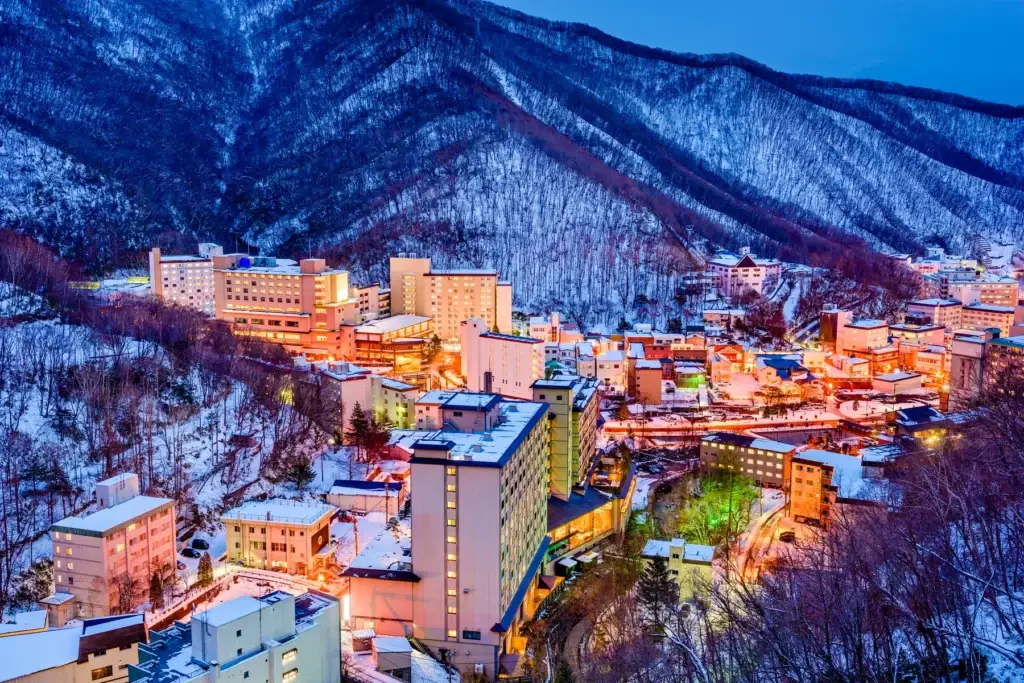
Noboribetsu Onsen town in winter, Hokkaido

Use bathing to create a clear transition from exertion to rest

Onsen as a considered ritual

Where a property genuinely offers private use, wash first, soak quietly, cool, hydrate and rest. The ritual and etiquette matter more than any generic mineral claim.

Duration
One unhurried bathing interval
Intensity
Gentle
Best for
Guests seeking quiet recovery after outdoor activity
Consider

Water source, temperature, tattoo policy, access and health cautions are property-specific. Bathing is not medical treatment.

Build confidence and conserve energy through technique and pacing

Snow-country readiness

An authorized instructor can select terrain and progression around ability, visibility and current conditions, keeping the day focused on quality rather than run count.

Duration
Half or full mountain day
Intensity
Varies
Best for
Skiers who value efficient movement and recovery
Consider

Snow, weather, lifts, terrain, off-piste access and instructor availability are never guaranteed.

Summer flower fields and rolling hills in Biei, Hokkaido

Lower stimulation through slow sensory attention outdoors

Forest time

Use a gentle, guided summer forest walk as an attentional practice rather than a fitness objective or clinical prescription.

Duration
Forty-five to 90 minutes
Intensity
Gentle
Best for
Guests who want a quieter counterpart to active days
Consider

Research supports cautious short-term framing only. Weather, trail, wildlife and personal suitability determine the route.

Reconnect nourishment with season and provenance

Shun at the table

A chef or producer can explain shun, the Japanese sense of eating ingredients in their best seasonal moment, through one unhurried meal.

Duration
One meal or tasting conversation
Intensity
Gentle
Best for
Culinary travelers and companions who prefer culture-led wellness
Consider

Confirm dietary needs, allergies, food safety, producer access and the current seasonal menu.

Wellness descriptions explain movement, bathing etiquette, rest and foodways. They do not promise diagnosis, treatment, biomarker change, detoxification, longevity or performance outcomes. Confirm personal suitability, practitioner credentials and current safety guidance.

Timing the journey

When to go

December through March suits a winter mountain chapter, subject to live snow, lift, road and flight conditions. July through October suits a green-season Hokkaido chapter. Shoulder periods need exact operating-calendar confirmation.

Dec · Jan · Feb

Best

Winter mountain season

Weather
Ski and onsen time are the focus, with snow, wind, visibility, road and flight disruption all possible.
Crowds
Holiday weeks and peak winter dates need early hotel, instruction, vehicle and restaurant planning.
Best for
Best for a dedicated ski and recovery chapter.

Mar · Apr

Conditional

Spring transition

Weather
Late winter and early spring conditions vary sharply by elevation and date.
Crowds
Demand can remain high around school holidays and live operating dates.
Best for
Works when ski or resort operations are confirmed for the selected base.

Jul · Aug · Sep · Oct

Best

Green season

Weather
Summer and early autumn support hiking, cycling, rafting and outdoor bathing when daily conditions cooperate.
Crowds
The resort is generally less winter-dense, but events and school holidays still shape availability.
Best for
Best for a lower-stimulation outdoors and food chapter.

May · Jun · Nov

Conditional

Shoulder-season precision

Weather
Weather and opening calendars determine what a stay can hold.
Crowds
A quieter feel does not offset closure or transport risk.
Best for
Use only with a property and activity plan confirmed for the exact dates.

Hokkaido weather and operations are local and changeable. Reconfirm current forecasts, roads, lifts, activity permissions, airport transfer and wildlife guidance for the exact dates.

Value, clearly framed

Understanding trip value

Custom quote based on season, international cabin, New Chitose access, vehicle, room category, ski or outdoor support, guides and private experiences. No public package price is stated.

What shapes the guidance

Four to six nights for two travelers; exact base, flights, transfers, equipment, guides and experiences priced at proposal stage.

Journey logistics

Arrive well

New Chitose is the practical air gateway for many Niseko journeys. Official transport guidance places Niseko roughly 92 kilometres from the airport, but snow, luggage, arrival time, vehicle type and exact base determine the real transfer. Avoid fragile same-day mountain scheduling.

Primary gateway New Chitose Airport (CTS), followed by a confirmed road, shuttle or rail-and-road connection to the exact base

Premium commercial air

New Chitose arrival for Niseko

A confirmed international or domestic originNew Chitose Airport (CTS), then the exact Niseko base

Commercial air followed by a booked road transfer or seasonal shuttle

Published airport shuttle schedules and road conditions are seasonal. Confirm flight arrival, luggage, vehicle, tires, driver, child equipment, weather contingency and final hotel access.

Final transfer

Niseko base-to-base or regional Hokkaido movement

Exact prior Hokkaido baseExact next hotel, onsen town or activity meeting point

Private road transfer or current public transport plan

Hokkaido distances, snow, traffic, daylight, rest stops and access conditions vary. Confirm each segment rather than applying a regional transfer estimate.

Access and mobility

Confirm every airport, vehicle, luggage, snow and hotel step before proposal. Winter surfaces, stairs, low lighting, internal slopes, ski equipment, bathing steps and vehicle height can materially affect access. Private baths, accessible rooms, step-free transfers and adaptive mountain support are property- and operator-specific.

Before you go

Practical planning notes

Getting around

Protect the airport transfer

Book the exact vehicle, luggage plan and winter contingency rather than treating New Chitose to Niseko as a fixed transfer.

Etiquette

Respect mountain conditions

Use current resort, guide and safety direction. Do not assume powder, lift access, routes or visibility.

Reservations

Confirm bathing access

Private use, tattoo policy, steps, heat and age rules vary by property and bath.

Etiquette

Learn with proper authorship

Choose Ainu-led or accountable institutions and follow their photography, performance and participation boundaries.

The VH Luxe approach

How VH Luxe composes the journey

  1. Choose the season

    Decide whether the trip is winter mountain, green-season outdoors or a more regional Hokkaido chapter.

  2. Choose the right base

    Match Grand Hirafu, Hanazono, Niseko Village or Annupuri to the party's preferred daily rhythm.

  3. Reserve one coached or guided day

    Let qualified support set the pace around live weather and ability.

  4. Carry home the rhythm

    Alternate focused effort with a genuine pause, then apply that same discipline after the journey.

Paramjit Harika, VTA, CTA

Advisor-led planning

Your journey, personally considered

Paramjit Harika

Founder & Luxury Travel Advisor

I coordinate your hotel and room, premium air, transfers and key experiences as one considered journey, with one point of contact from planning through travel.

Good to know

Frequently asked questions

What is the best time to visit Niseko?

December through March is the first choice for a ski chapter, subject to live conditions. July through October works well for a green-season Hokkaido journey. Shoulder dates need exact operating confirmation.

How many nights do you need in Niseko?

Four nights supports a focused mountain stay. Five or six gives enough flexibility for arrival, conditions, recovery and one non-ski or lower-output day.

Which Niseko base is right for me?

Grand Hirafu favors activity and dining density, Hanazono a polished resort setting, Niseko Village integrated resort time, and Annupuri a quieter mountain rhythm. The exact property determines final fit.

How do you reach Niseko?

Most journeys use New Chitose Airport and a booked road transfer or seasonal shuttle. Confirm exact flight timing, luggage, vehicle, weather and hotel access before committing to the plan.

What makes Hokkaido a wellness destination?

Hokkaido combines deliberate movement, bathing etiquette, seasonal food and a spacious outdoor rhythm. Its value is a more practical relationship with effort and rest, not a medical or longevity promise.