
The VH Luxe destination guide

Hiroshima and Miyajima, Japan

Hold memory, tide and sacred landscape in the same unhurried journey. Hiroshima and Miyajima reward respectful attention.

Recommended stay

3–

4 nights

Best time

Spring and late autumn offer strong general conditions for walking and island time, though demand rises around blossoms and foliage. Winter is quieter but cooler; summer needs heat, rain and typhoon-aware pacing.

Primary gateway

Hiroshima Airport or Hiroshima Station, then a confirmed city transfer and train-and-ferry plan for Miyajima

Journey context

Three nights supports a focused first visit. Four gives the Peace Memorial, Miyajima and tide-aware island time room to unfold without rushing.

Curator’s verdict

Spring and autumn are strong starting points, while summer requires heat and weather contingency. The best journey gives Hiroshima its own reflective time, then lets Miyajima's sea, mountain and ritual set a slower pace.

Choose well

What should Hiroshima and Miyajima make possible?

Choose dignity, depth and a manageable physical rhythm. The strongest itinerary gives reflection, tide and sacred landscape enough space instead of forcing them into a checklist.

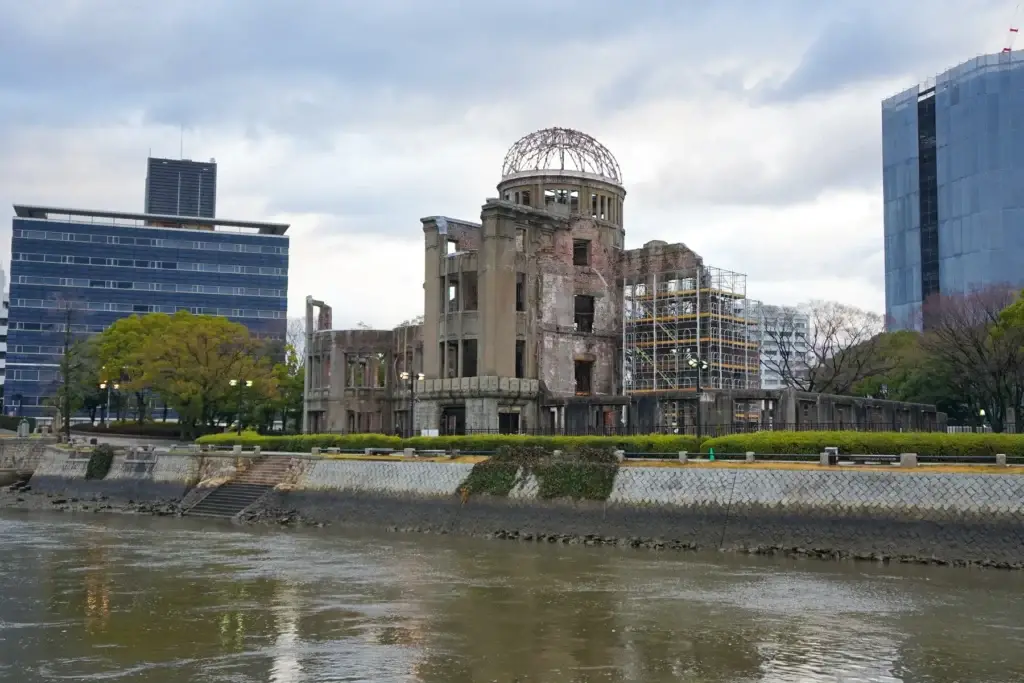
Hiroshima Peace Memorial Genbaku Dome beside the river

First visits, families and travelers who value historical context

Give Hiroshima its own emotional space

The Peace Memorial deserves a qualified guide or educator, a humane pace and time afterwards without another major appointment.

Worth knowing

A more reflective day leaves less time for city sightseeing, but respects the purpose of the visit.
Travelers deciding between city convenience and Miyajima stillness

Choose the island night deliberately

An island night changes the experience at dawn and after day visitors leave, while a city base simplifies dining, transport and some mobility needs.

Worth knowing

Miyajima adds ferry, luggage, walking and weather dependencies that must suit the client.

Photographers, culture-led travelers and repeat visitors

Design around tide and light

High and low tide reveal different relationships between shrine, Otorii, sea and shore. Use tide as an interpretive layer, not a promise of a particular image.

Worth knowing

Tide-aware timing may constrain meals, ferry movement or a mountain route, and weather remains unpredictable.

Travelers seeking depth in a short stay

Choose one specialist lens

Peace history, Shinto and Buddhist practice, ecology, food or woodwork can each create meaning when approached with a qualified specialist.

Worth knowing

Trying to combine every lens in two days produces movement without understanding.

A considered introduction

Hiroshima and Miyajima offer a rare kind of luxury: room to encounter civic memory, faith and landscape without turning any of them into spectacle. A considered city visit and an unhurried island interval create two distinct but connected experiences.

Three nights supports a focused first visit. Four allows a humane Peace Memorial day, a tide-aware island day and enough time for forest, temple or Seto Inland Sea food without rushing the ferry.

Advisor note

Advisor perspective: I would protect the Peace Memorial from over-programming, then choose an island night only when the traveler values stillness enough to accept ferry, luggage and walking logistics.

What stays with you

Signature experiences

Hiroshima Peace Memorial Genbaku Dome beside the river

History

Encounter the Peace Memorial with context

A qualified historian or educator can design a considered visit to Peace Memorial Park, the Atomic Bomb Dome and museum. Guidance, permissions and museum conditions must be reconfirmed.

City rhythm

Leave room after reflection

Use a quiet architectural, garden or riverside interval and a measured meal after the memorial visit. This is space to process, not a wellness treatment.

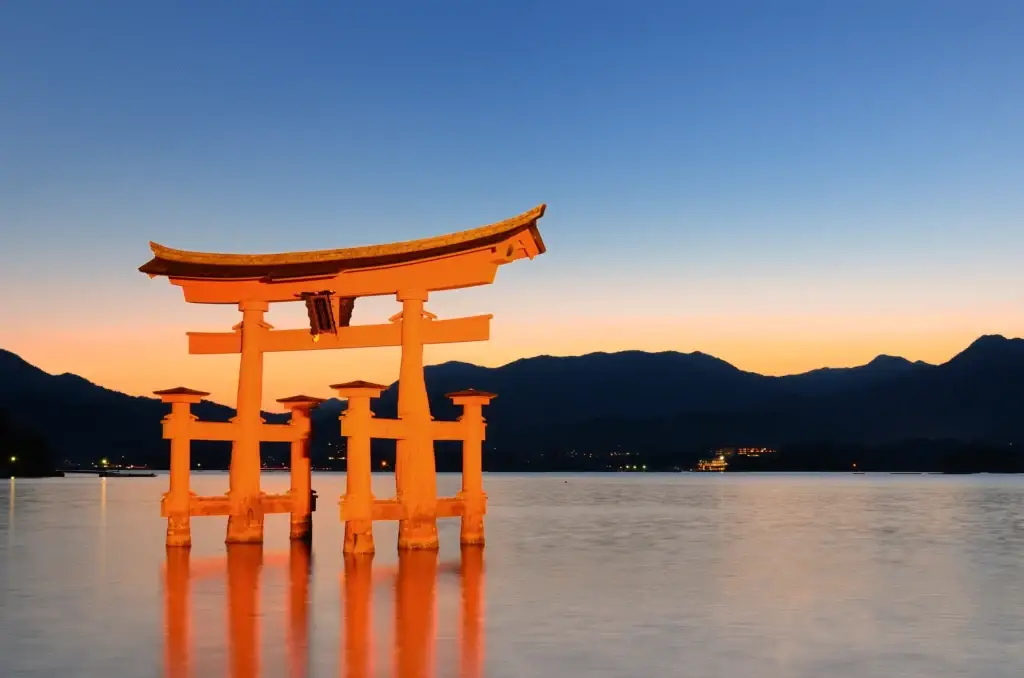
Itsukushima Shrine torii gate at Miyajima near Hiroshima

Sacred landscape

Read Miyajima by tide

A cultural or natural-history specialist can interpret shrine, Otorii, sea and mountain at a tide-aware pace. Shrine access and ceremonial activity are never implied.

Temple and mountain

Approach Daishoin and Mt. Misen slowly

Visit Daishoin and, for suitable clients, choose a guided Mt. Misen or ropeway-led landscape route based on weather, operations and physical ability.

Cuisine and craft

Follow one Seto Inland Sea story

Choose a provenance-led meal or verified Miyajima craft encounter, with dining privacy, maker access, seasonal ingredients and photography handled by direct confirmation.

Travel restored

What makes Hiroshima and Miyajima, Japan a wellness destination?

Hiroshima and Miyajima offer wellness through considered perspective: truthful history, tide, mountain, walking and meaningful pause. The transformation is not a treatment. It is learning to hold difficult knowledge and quiet attention together, then taking a more deliberate rhythm home.

Wellness role
A meaningful restorative layer
Best for
Reflective travelers who value cultural depth, meaningful landscape and a lower-stimulation island rhythm
Format
Qualified historical interpretation, tide-aware cultural guiding, gentle forest time and protected unscheduled intervals
Ideal commitment
One humane reflection day, one island interval shaped by tide and one device-free outdoor walk within a three or four-night stay
Intensity
Gentle

For companions

Strong for mixed interests when each person can choose depth, route length and time in the memorial or mountain landscape.

Seasonal lens

Spring and autumn support walking but bring demand. Winter favors quiet and food; summer requires heat, rain, ferry and typhoon contingency.

Create space for truthful historical understanding and personal reflection

Memory and intentional silence

The Peace Memorial Park is a place of remembrance and a continuing aspiration toward peace. A historian-led visit followed by unscheduled time respects its meaning without staging emotion.

Duration
Two to three hours
Intensity
Gentle
Best for
Reflective travelers and families prepared for a serious historical encounter
Consider

Confirm museum and guide conditions. This is not therapy, and clients should choose their own appropriate level of exposure.

Itsukushima Shrine torii gate at Miyajima near Hiroshima

Let the sea's natural cycle set the pace of cultural attention

Shinto, tide and sacred landscape

Itsukushima Shrine and Otorii are understood through their relationship to water. A specialist-led walk can make tide, architecture and sacred landscape legible without implying special access.

Duration
Ninety minutes
Intensity
Gentle
Best for
Culture-led travelers seeking a tide-aware, unhurried island experience
Consider

Tide, weather, crowds, shrine operations and ferry schedules change. Never promise an empty shrine or a specific photograph.

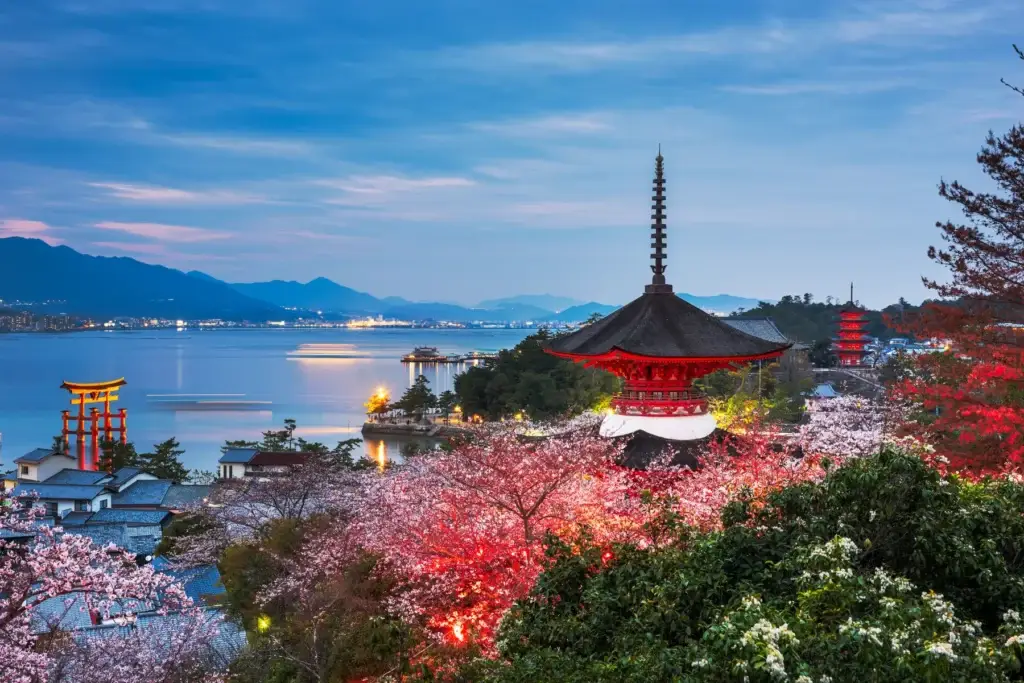
Miyajima island and pagoda framed by spring blossoms

Use sensory forest time to lower the pace and deepen landscape awareness

Shinrin-yoku on a living island

Shinrin-yoku is unhurried attention in a forest, not water bathing or a medical cure. Miyajima's wooded setting can support a gentle, private walk selected for safety and ability.

Duration
Sixty to ninety minutes
Intensity
Gentle
Best for
Travelers seeking device-free nature time with cultural context
Consider

Research is supportive but heterogeneous and does not prescribe treatment. Confirm terrain, weather and guide suitability; do not feed or approach wild deer.

Protect meaningful intervals between ferry, shrine, meal and return

Ma and island pace

Ma is the meaningful pause between actions. An island stay or deliberately limited day can make it felt, provided the itinerary does not fill every gap.

Duration
Half day or overnight
Intensity
Gentle
Best for
Travelers who value quiet, sea views and a slower logistical rhythm
Consider

An overnight depends on property, ferry, weather and mobility suitability. A pause is not a promise of silence or exclusive access.

Wellness descriptions explain reflection, tide, forest time and cultural practice. They do not promise diagnosis, treatment, emotional healing or medical outcomes. Confirm guide credentials, access, terrain, ferry operations and personal suitability.

Timing the journey

When to go

Spring and late autumn offer strong general conditions for walking and island time, though demand rises around blossoms and foliage. Winter is quieter but cooler; summer needs heat, rain and typhoon-aware pacing.

Mar · Apr · May

Best

Spring light and demand

Weather
Cool to mild conditions support city and island walking, with variable rain.
Crowds
Blossom periods and holidays increase demand in Hiroshima and on Miyajima. Exact bloom timing varies.
Best for
Strong for a first visit, outdoor interpretation and Seto Inland Sea views.

Jun · Jul · Aug · Sep

Conditional

Heat, rain and commemoration

Weather
Warm, humid and potentially rainy conditions require early starts, hydration and typhoon contingency.
Crowds
Summer holidays and events affect demand. August 6 has major commemorative significance and should be treated with care.
Best for
Works for travelers comfortable with weather-aware pacing and meaningful seasonal context.

Oct · Nov

Best

Autumn color and island walking

Weather
Generally comfortable conditions and changing foliage support temples, town walking and mountain views.
Crowds
Miyajima can be busy during autumn color. Do not promise quiet religious sites.
Best for
Excellent for tide-aware island time, food and a measured cultural stay.

Dec · Jan · Feb

Good

Cool and contemplative

Weather
Cooler conditions and shorter daylight favor concise walks, warm interiors and food-led planning.
Crowds
Many dates are quieter, while New Year observances create localized peaks.
Best for
Good for travelers who value atmosphere, history and food over outdoor duration.

Weather, tide, ferry and ropeway operation, seasonal color, ceremonies, museum conditions and transport change. Confirm every exact date and access condition before travel.

Value, clearly framed

Understanding trip value

Custom quote based on exact season, international cabin, rail or air gateway, guide, ferry, island stay, cultural access, dining and ground logistics. No public package price is stated.

What shapes the guidance

Three to four nights for two travelers; flights or rail, city and ferry transfers, private guiding, admissions and dining priced separately at proposal stage.

Journey logistics

Arrive well

Hiroshima is reached by domestic or international flights and by shinkansen. Miyajima is commonly reached by train to Miyajimaguchi and a short ferry. Confirm flight, transfer, ferry, luggage, tide, weather and property access for the exact dates.

Primary gateway Hiroshima Airport or Hiroshima Station, then a confirmed city transfer and train-and-ferry plan for Miyajima

Rail

Shinkansen arrival at Hiroshima

Tokyo, Osaka, Kyoto or another Japanese rail gatewayHiroshima Station

Tokaido-Sanyo Shinkansen followed by taxi, tram, rail or confirmed transfer

Confirm train, seats, luggage rules, platform assistance and final hotel access.

Premium commercial air

Arrival through Hiroshima Airport

Japanese domestic or selected international gatewayHiroshima Airport

Scheduled commercial air followed by current limousine bus or private ground transfer

Confirm operating flight, immigration, transfer, traffic and vehicle suitability for the actual arrival.

Boat, ferry or yacht

Hiroshima to Miyajima

Hiroshima StationMiyajima ferry terminal

JR Sanyo Line to Miyajimaguchi followed by scheduled ferry

Allow for station, terminal, ticket, luggage and weather conditions. Confirm ferry timing and final property approach.

Access and mobility

Confirm museum route, step-free station and ferry access, shrine decking, slopes, stone surfaces, mountain terrain, vehicle drop-offs, portable seating and restroom needs. Miyajima is not universally accessible; route and property review must be specific.

Before you go

Practical planning notes

Etiquette

Approach the memorial with dignity

Use a qualified guide where appropriate, allow time and avoid treating a memorial visit as content or a rushed attraction.

Arriving

Build around ferry reality

Allow buffer time for tickets, luggage, embarkation, weather and the final walk or vehicle approach to the chosen property.

Reservations

Use tide as context

Tide changes the shrine and Otorii experience, but weather and access matter as much as a tide chart.

Etiquette

Respect a living island

Follow shrine and temple rules, remain on appropriate paths and remember that Miyajima's deer are wild animals.

The VH Luxe approach

How VH Luxe composes the journey

  1. Arrive and keep the first evening quiet

    Settle into Hiroshima, orient gently and avoid placing the memorial on a fatigued arrival day.

  2. Give the Peace Memorial a full place

    Use one considered visit with a qualified guide or educator, then leave time to process in a way that suits the traveler.

  3. Cross to Miyajima with time in hand

    Let tide, ferry conditions, luggage and the island's walking rhythm determine the pace.

  4. Choose one island depth

    Temple, forest, mountain, food or craft can become meaningful when given space instead of being combined into a rapid circuit.

Paramjit Harika, VTA, CTA

Advisor-led planning

Your journey, personally considered

Paramjit Harika

Founder & Luxury Travel Advisor

I coordinate your hotel and room, premium air, transfers and key experiences as one considered journey, with one point of contact from planning through travel.

Good to know

Frequently asked questions

How many nights should you spend in Hiroshima and Miyajima?

Three nights supports a focused first visit. Four is better for a humane Peace Memorial day, a tide-aware island day and enough time for temple, forest or food without rushing.

Is Hiroshima appropriate for a luxury Japan itinerary?

Yes, when luxury is understood as context, dignity, time and thoughtful logistics. Hiroshima provides historical depth that complements Japan's better-known cultural cities.

Should you stay overnight on Miyajima?

An overnight can offer a calmer dawn and evening rhythm, but it adds ferry, luggage, walking and weather dependencies. Choose it when stillness matters more than city convenience.

How should you approach Hiroshima Peace Memorial Park respectfully?

Give the visit enough time, use a qualified historian or educator if useful, follow museum guidance and leave space afterwards. It should not be treated as a quick attraction or a backdrop for travel imagery.

Is high tide or low tide better for Itsukushima Shrine?

They offer different perspectives on the shrine, Otorii and shore. Use live tide information to inform timing, but do not let it override weather, ferry operations, mobility or the overall pace of the day.

What makes Hiroshima and Miyajima a wellness destination?

The destination offers wellness through considered perspective: truthful history, tide, mountain, forest time and meaningful pause. The lasting takeaway is a more deliberate rhythm, not a treatment outcome.