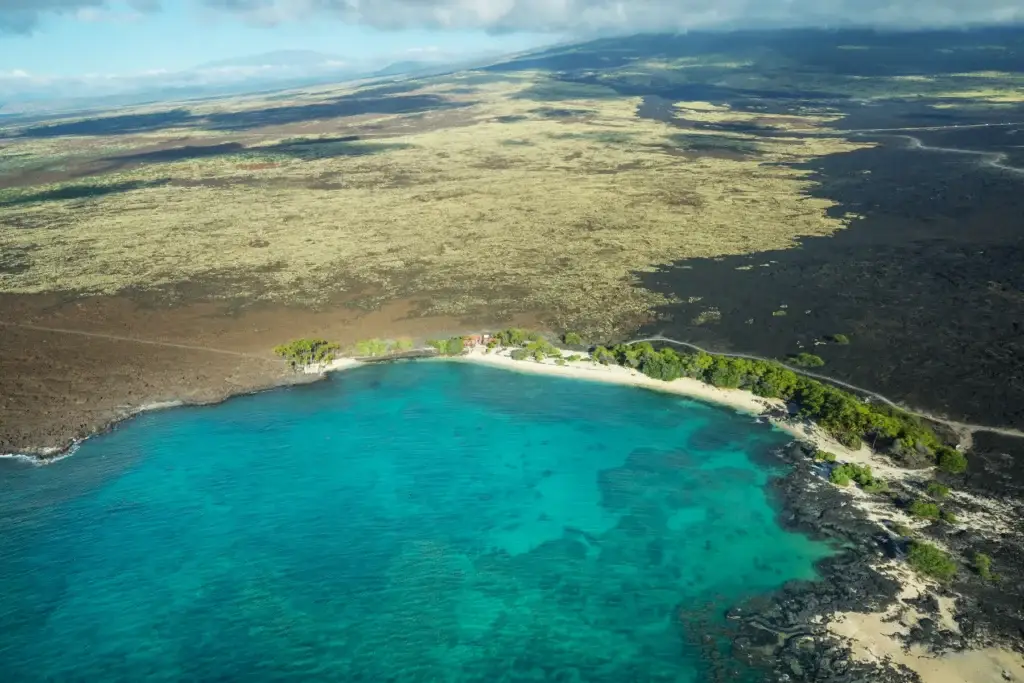
The VH Luxe destination guide

Hawaiʻi Island: Kohala, Kona & Volcanoes

Choose Kohala for resort recovery, Kona for cultural and ocean depth, or a split stay when Hawaiʻi Volcanoes National Park deserves its own chapter.

Recommended stay

4–

10 nights

Best time

Hawaiʻi Island is year-round, but the best timing depends on coast, elevation and purpose. Build for microclimates rather than a single island forecast, and keep volcano, vog, surf and marine plans flexible on every date.

Primary gateway

Kona International Airport (KOA), with Hilo International Airport (ITO) useful for selected park-side routes

Journey context

Allow 4 to 5 nights for one base, 6 to 8 for a coast-and-volcano split, and 8 to 10 only when Kohala, Kona and Volcano each have a clear purpose.

Curator’s verdict

Hawaiʻi Island rewards travelers who stop treating scale as empty space. The right base protects either recovery, cultural depth or volcano immersion, while a split stay lets each landscape change the pace without turning the journey into a daily road expedition.

Choose well

Which Hawaiʻi Island base and rhythm fit?

Choose the chapter that protects the traveler's real priority, then give the volcano district enough time to stand on its own.

Big island

Couples, multigenerational travelers, golfers and guests who value contained resort days

Let Kohala protect the recovery chapter

The Kohala Coast can reduce daily friction through beach, pools, golf, dining and recovery within a carefully chosen resort environment. It is the strongest opening or closing chapter when the journey needs genuine unprogrammed time.

Worth knowing

Kona heritage sites and Hawaiʻi Volcanoes National Park require substantial road time, so Kohala should not be treated as the perfect base for every island purpose.
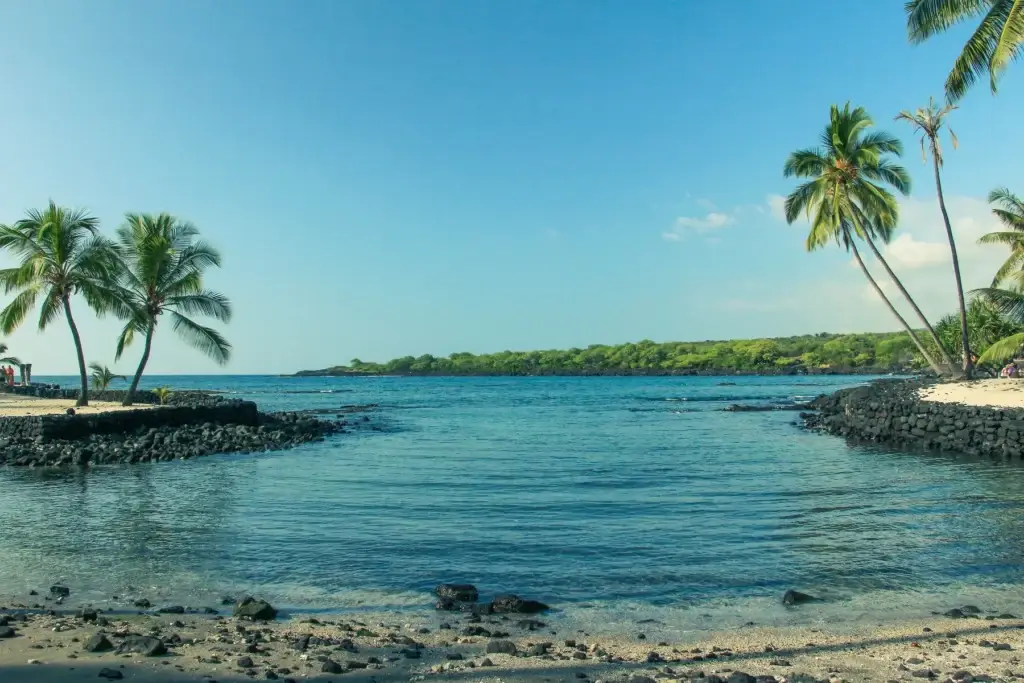
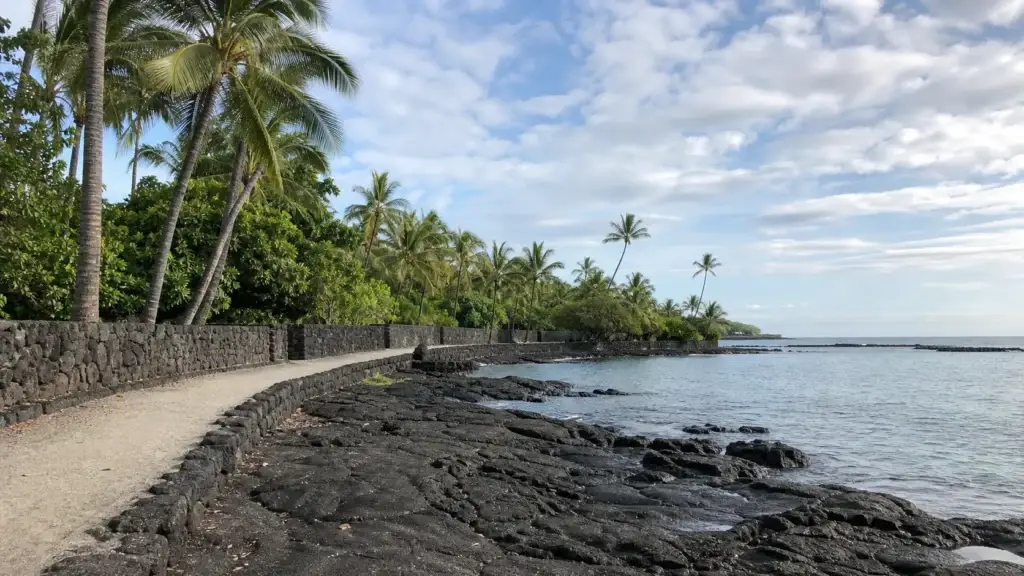
Beach in the Big Island, Hawaii

Travelers prioritizing foodways, coffee history, cultural landscapes and west-side marine time

Choose Kona for culture, coffee and sea

A Kona base places community history, working coffee country, Puʻuhonua o Hōnaunau and selected ocean experiences into a more coherent west-side chapter. It suits travelers who want the island to feel inhabited rather than entirely resort-contained.

Worth knowing

The right property and exact district matter, while marine operations, traffic and heat can unsettle a schedule that lacks recovery space.

Geology, landscape and culture travelers who value early or late park access

Stay near Volcano when Kīlauea is the purpose

Two park-side nights create room for changing volcano conditions, Hawaiian and scientific interpretation, cooler rainforest intervals and a second attempt when weather, air quality or closures reshape the first day.

Worth knowing

This is a quieter, cooler and wetter chapter with fewer full-service resort options, and visible lava is never guaranteed.

First visits and travelers wanting both coastal recovery and a serious volcano chapter

Split the stay instead of commuting across the island

A coast stay followed by two nights near Volcano converts driving time into early access, flexibility and deeper attention. It also lets the emotional tempo change from resort ease to a living volcanic landscape.

Worth knowing

A hotel change is worthwhile only when luggage, vehicle, meals and the transition day are composed as one seamless movement.

A considered introduction

Begin with purpose. Kohala supports a low-friction resort chapter. Kona brings coffee history, community foodways, protected cultural landscapes and west-side ocean access closer. A Volcano-area stay makes early and late park hours possible while reducing the cost of a long return drive.

Four or five nights can support one coast-led base. Six to eight nights creates the strongest coast-and-volcano journey, with at least two nights near Hawaiʻi Volcanoes National Park. Conditions, not prestige, should decide every park and ocean plan.

Advisor note

Advisor perspective: I would first decide whether this journey is primarily for recovery, cultural and ocean depth, or volcano immersion. When the answer includes both coast and park, I would split the stay rather than spend premium hours in a vehicle. VH Luxe Travels can coordinate tailored arrangements where applicable, with every guide, transfer, marine outing and access element confirmed before travel.

What stays with you

Signature experiences

Puʻuhonua o Hōnaunau National Historical Park landscape or verified exterior context

Living Hawaiian culture

Enter Puʻuhonua as a living sacred landscape

Use National Park Service and cultural-practitioner interpretation to understand the puʻuhonua, Royal Grounds and wider ahupuaʻa, then move quietly, remain on marked paths and let the site's sacredness set the behavior.

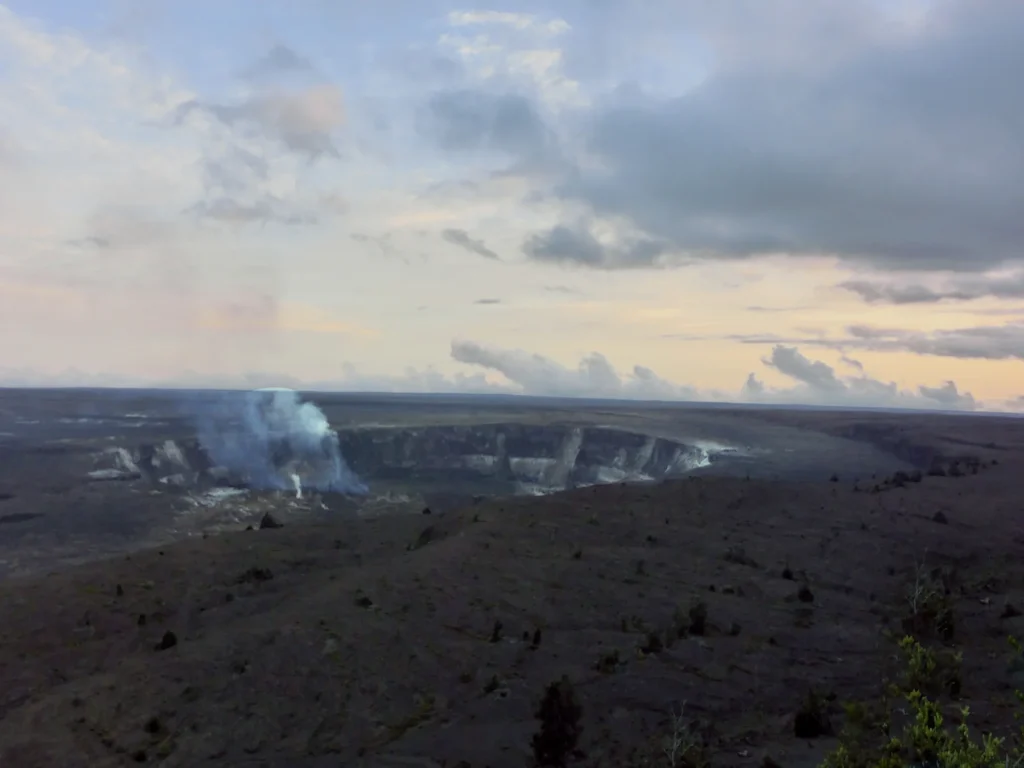
Kīlauea caldera, Halemaʻumaʻu or open overlook within Hawaiʻi Volcanoes National Park

Volcano and culture

Read Kīlauea through Hawaiian and scientific voices

Pair living Native Hawaiian relationships to Pelehonuamea and named places with current USGS geology and hazard interpretation, using only open overlooks and changing the plan when conditions require it.

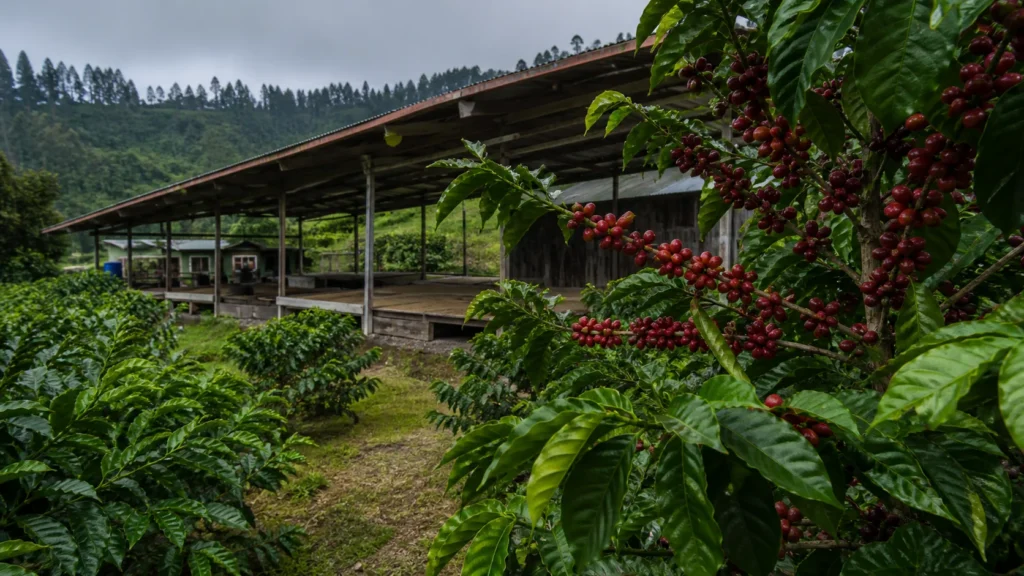
Kona coffee farm, historic hoshidana drying platform, kuriba mill or coffee harvest in Kona

Coffee and migration

Follow Kona coffee through immigrant family history

At the Kona Coffee Living History Farm, connect cultivation and processing with the Uchida family's Japanese immigrant story and the labor, domestic life and adaptation behind Kona's celebrated crop.

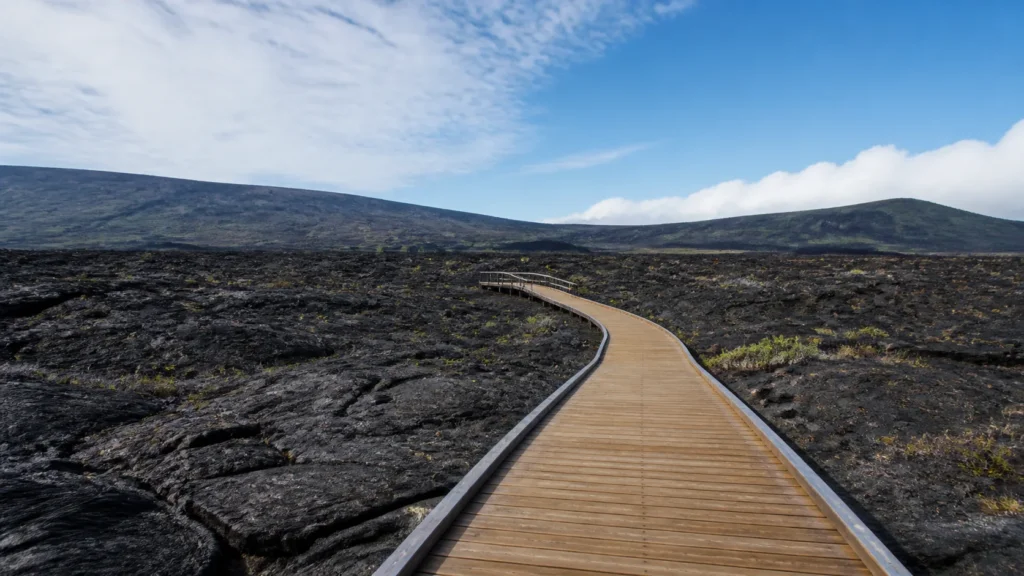
Puʻuloa Petroglyph Field boardwalk or verified kiʻi pōhaku detail photographed from the approved route

Genealogy and stewardship

Approach Puʻuloa as genealogy, not decoration

Walk the lava trail with the physical demands understood, then view the kiʻi pōhaku only from the boardwalk as records connected to family, travel, longevity and place, never as a backdrop to touch or imitate.

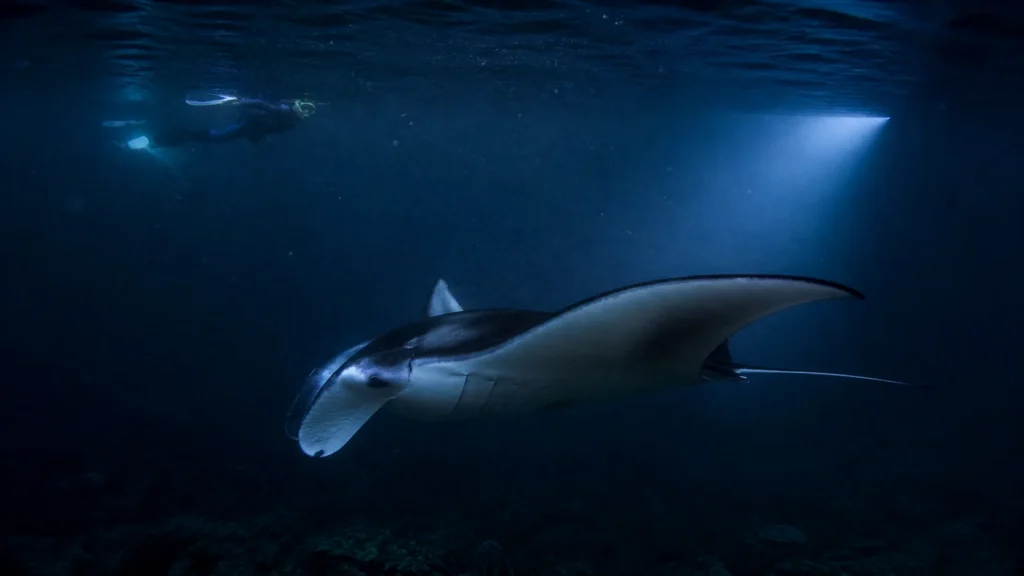
Reef manta ray or hāhālua in Kona Hawaiʻi Island waters with responsible observer distance

Marine naturalism

Meet hāhālua without changing their behavior

Choose a small, safety-led marine operator whose briefing centers the rays' natural feeding behavior and whose in-water conduct prohibits touching or chasing. Conditions and sightings remain entirely unpromised.

Travel restored

What makes Hawaiʻi Island: Kohala, Kona & Volcanoes a wellness destination?

What makes Hawaiʻi Island a wellness destination?

Hawaiʻi Island can replace fixed ambition with responsive capacity: travelers learn to read land, air, ocean and community before deciding what the day can hold. Its strongest wellness value comes from reciprocity and connected systems, supported by live sulfur dioxide and fine-particle measurements, not from generic spa claims or guaranteed transformation.

Wellness role
A primary reason to travel
Best for
Travelers seeking a lower-stimulation rhythm, purposeful nature, cultural meaning and measurable condition-aware planning
Format
Private or small expert-led interpretation, verified stewardship, gentle landscape attention and protected recovery
Ideal commitment
One purposeful landscape or cultural chapter each day, with air, ocean, transfer and recovery conditions allowed to change the plan
Intensity
Varies

For companions

Strong for couples, solo travelers and multigenerational parties when terrain, water entry, respiratory sensitivity and vehicle time are matched to the group.

Seasonal lens

Year-round with daily adjustment for microclimate, surf, volcanic activity, vog, heat, rain and elevation.

Shift from consuming place to caring for it

Mālama ʻāina as reciprocity

Join a verified, community-led stewardship activity when genuinely available, then let a knowledgeable guide explain why caring for land is a continuing responsibility rather than a visitor performance.

Duration
One confirmed stewardship interval with recovery afterward
Intensity
Varies
Best for
Travelers seeking purpose and reciprocal connection
Consider

Use only programs led by the responsible community or land steward. Do not stage volunteerism or claim cultural participation.

See wellbeing as connected from upland to sea

Ahupuaʻa systems thinking

Use first-voice interpretation at Kaloko-Honokōhau or Puʻuhonua o Hōnaunau to understand an ahupuaʻa as a traditional land division linking uplands, water, cultivation, settlement and coast.

Duration
60 to 90 minutes of interpretation and quiet observation
Intensity
Gentle
Best for
Travelers interested in ecology, culture and food systems
Consider

This is cultural and ecological learning, not a wellness treatment. Heat, uneven surfaces and site protocols still govern the visit.

Practice presence in a storied place

Wahi pana attention

At a place identified by its stewards as wahi pana, a storied or sacred place, put away the performance of travel and let interpretation, silence and respectful restraint lead.

Duration
One quiet cultural interval
Intensity
Gentle
Best for
Travelers seeking meaning and lower stimulation
Consider

Do not touch offerings, enter closed areas, interrupt ceremonies or use sacred landscapes as staged backdrops.

Let real data set the day's capacity

Measured condition literacy

Review USGS volcano status and Hawaiʻi air-quality measurements with a qualified guide before choosing exertion, then substitute a lower-exposure cultural or recovery plan when sulfur dioxide, PM2.5, heat or wind argues against the original schedule.

Duration
A daily five-minute check followed by a matched activity window
Intensity
Varies
Best for
Travelers who value measurable optimization and respiratory caution
Consider

Air-quality data supports risk decisions, not diagnosis. Travelers with medical concerns should follow their clinician's advice and current public-health guidance.

Wellness descriptions do not promise diagnosis, treatment, biomarker change or longevity. Volcanic gas, PM2.5, heat, ocean conditions, elevation, mobility and individual medical needs can change or cancel an activity.

Timing the journey

When to go

Hawaiʻi Island is year-round, but the best timing depends on coast, elevation and purpose. Build for microclimates rather than a single island forecast, and keep volcano, vog, surf and marine plans flexible on every date.

Mar · Apr · May

Good

Spring

Weather
Generally useful for coast-and-volcano combinations, with rain, heat, wind and elevation-driven shifts possible in one day.
Crowds
Holiday periods and clear park days can concentrate demand.
Best for
Balanced coast, coffee, cultural landscapes and flexible park time.

Jun · Jul · Aug

Good

Summer

Weather
Long-light coast days can pair with cooler park elevations, while heat, sun exposure and wind still require a measured schedule.
Crowds
Family travel and park demand can increase pressure on rooms, parking and marine operations.
Best for
Multigenerational resort time, early park starts and carefully selected ocean windows.

Sep · Oct · Nov

Good

Autumn

Weather
A flexible shoulder period whose exact value depends on surf, storm systems, volcanic activity and each coast's microclimate.
Crowds
Some dates feel calmer outside holidays, but low crowds are never guaranteed.
Best for
Couples, foodways, coffee history and a slower coast-and-volcano split.

Dec · Jan · Feb

Conditional

Winter

Weather
Warm coast conditions can coincide with rain, stronger surf, wind and cool or wet park weather.
Crowds
Holiday and peak-season demand makes early property and experience planning important.
Best for
Resort recovery, cultural interpretation and flexible park days with firm alternatives.

Island microclimates, volcanic activity, vog, construction, surf, marine operations, rain, wind and road conditions change. Confirm the exact travel week and preserve a credible alternative every day.

Value, clearly framed

Understanding trip value

Custom quote based on the exact coast-and-volcano route, accommodations, vehicle, guides, marine operations and seasonal availability. No public package price is stated.

What shapes the guidance

4 to 10 nights for two travelers; accommodations, transfers or suitable vehicle, specialist interpretation and confirmed experiences priced at proposal stage.

Journey logistics

Arrive well

KOA is the primary west-side gateway for Kohala and Kona. ITO can reduce the first or final road segment for a Volcano chapter. A confirmed private transfer can protect arrival recovery, but most multi-base routes still require a suitable vehicle because the park has no internal shuttle and rural rideshare is unreliable.

Primary gateway Kona International Airport (KOA), with Hilo International Airport (ITO) useful for selected park-side routes

Premium commercial air

Arrive through KOA for Kohala or Kona

Confirmed origin cityEllison Onizuka Kona International Airport at Keāhole (KOA)

Scheduled air and confirmed ground transfer

KOA ground options include car, taxi and shuttle, while public bus service is limited. Match luggage, mobility and arrival time to the exact transfer.

Premium commercial air

Use ITO when it simplifies the Volcano chapter

Confirmed origin or interisland gatewayHilo International Airport (ITO)

Scheduled air and confirmed road transfer

Air schedules, baggage handling and rental-car inventory must be checked before assuming an open-jaw routing is superior.

Final transfer

Move from the west coast to Volcano deliberately

Kohala Coast or Kona districtVolcano and Hawaiʻi Volcanoes National Park

Confirmed private vehicle or suitable rental car

NPS identifies the park as roughly 2 to 2.5 hours from Kailua-Kona and about 2 hours from Waikoloa before stops, traffic or conditions. Do not build a rigid same-day return around eruption timing.

Final transfer

Treat park mobility as vehicle-led

Volcano-area lodgingHawaiʻi Volcanoes National Park

Suitable vehicle and planned walking intervals

The park has no internal public transportation or shuttle. Parking, construction, closures, weather and air quality require a live plan and a real alternative.

Access and mobility

Confirm airport assistance, vehicle height and transfer needs, resort gradients, beach access, boat boarding, night-water conditions, lava terrain, rain, wind, heat and respiratory sensitivity for the exact traveler. Boardwalks and visitor facilities do not make all historic or volcanic terrain accessible. Current NPS accessibility and closure guidance must be checked before each park day.

Before you go

Practical planning notes

Reservations

Check two official dashboards

Use current NPS conditions and USGS volcano updates before every park visit.

Etiquette

Keep sacred places undisturbed

Stay on paths and boardwalks, never touch offerings or carvings, and do not build rock stacks.

Wellness

Protect the ocean encounter

Never touch or chase hāhālua, and treat every sighting and water entry as conditional.

Getting around

Split the stay when the park matters

Two Volcano-area nights protect flexibility better than repeated west-coast return drives.

The VH Luxe approach

How VH Luxe composes the journey

  1. Choose the coast chapter

    Let recovery point to Kohala or cultural and ocean depth point to Kona.

  2. Protect two Volcano nights

    Create room for changing conditions, early access and a second attempt.

  3. Use culture and science together

    Let first-voice Hawaiian context and current hazard data shape the park chapter.

  4. Carry home responsive capacity

    Keep the habit of allowing real conditions to change ambition without diminishing the day.

Paramjit Harika, VTA, CTA

Advisor-led planning

Your journey, personally considered

Paramjit Harika

Founder & Luxury Travel Advisor

I coordinate your hotel and room, premium air, transfers and key experiences as one considered journey, with one point of contact from planning through travel.

Good to know

Frequently asked questions

How many nights do you need on Hawaiʻi Island?

Allow 4 to 5 nights for one base and 6 to 8 for a coast-and-volcano split with at least two nights near the park.

Should you stay in Kohala or Kona?

Choose Kohala for contained resort recovery and Kona for closer access to coffee history, cultural landscapes and west-side ocean experiences.

Can you visit Hawaiʻi Volcanoes National Park from Kona in one day?

It is possible, but a return drive can consume much of the day. Two nights near Volcano are stronger when the park is a primary reason for traveling.

Will you see active lava at Kīlauea?

No lava viewing can be promised. Eruptions pause and resume, visibility changes, and all access must follow current NPS and USGS guidance.

Is a manta ray encounter guaranteed?

No. Hāhālua are wild animals, and the responsible outcome is an encounter that does not change their behavior, not a promised sighting.

What makes Hawaiʻi Island a wellness destination?

Its distinctive wellness value is learning responsive capacity through reciprocity, connected land-and-sea systems, storied place and real-time condition data.