The VH Luxe destination guide

Hakone, Japan

Choose the right onsen base and protect the quiet time that lets Hakone reset the journey.

Recommended stay

2–

3 nights

Best time

Spring and autumn offer the broadest landscape conditions but bring demand. Summer is lush and wet, while winter can bring clear views alongside cold, snow and road constraints.

Primary gateway

Odawara Station or Hakone-Yumoto Station, followed by a property-specific rail, road or private transfer

Journey context

Two nights allows arrival, bathing, dinner, one landscape or art encounter and a quiet final morning. Add a third for a second base.

Curator’s verdict

Hakone is strongest as a two-night onsen and landscape stay between Tokyo and Kyoto. The rarest luxury is not the sightseeing loop but a considered ryokan rhythm, confirmed privacy and time to absorb the setting.

Choose well

What should a Hakone stay make possible?

Choose the base, bathing arrangement and pace before choosing the loop. A small daily radius makes the destination feel restorative rather than logistical.

Travelers deciding between gateway ease, art, lake views and open landscape

Choose the right base

Hakone-Yumoto simplifies rail arrival, Gora supports art and mountain rail, Lake Ashi favors remoteness and Sengokuhara suits a quieter resort rhythm.

Worth knowing

The most secluded setting may add transfer time and reduce spontaneous movement.
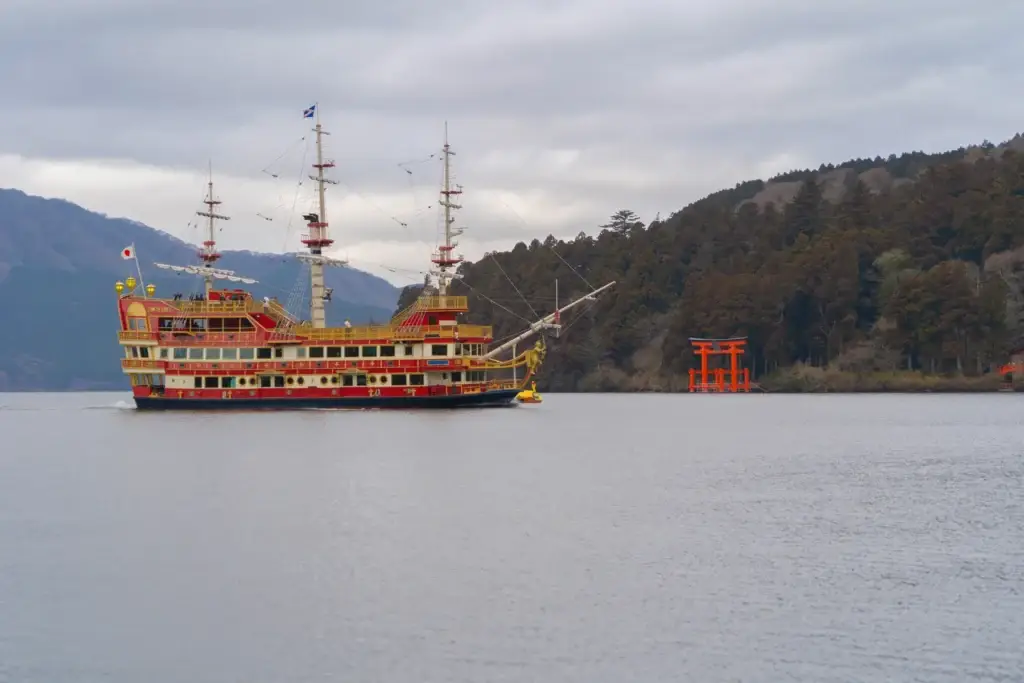
Lake Ashi sightseeing boat and lakeside torii in Hakone

Guests who value discretion, families and first-time onsen travelers

Choose your bathing privacy

An in-room bath offers the clearest privacy. A private-use bath may be reservable by time and requires exact confirmation.

Worth knowing

Private bathing is not automatically included, accessible or available on every date.

First visitors and travelers arriving between Tokyo and Kyoto

Choose depth over the sightseeing loop

Use one landscape or art anchor and leave a long bathing and rest interval around dinner.

Worth knowing

Trying to complete every mode of local transport can turn a restorative stay into a queue.

Travelers interested in Owakudani, Lake Ashi and mountain views

Treat volcanic access as live information

Weather, wind, volcanic conditions and operations determine the practical route on the day.

Worth knowing

Views and access cannot be guaranteed, even in peak travel periods.

A considered introduction

Hakone is a volcanic landscape of hot springs, mountain rail, gardens, art and Lake Ashi. It needs a clear base choice: Hakone-Yumoto for the rail gateway, Gora for art and mountain access, Lake Ashi for remoteness, or Sengokuhara for open landscape.

Two nights is the core recommendation. Build around bathing, an unhurried dinner and one carefully selected landscape or art encounter, rather than trying to complete every transport attraction.

Advisor note

Advisor perspective: I would decide the room-bath or private-bath arrangement before the sightseeing plan. Two nights allows the onsen ritual to be a genuine transition rather than a hurried activity.

What stays with you

Signature experiences

Onsen

Enter the onsen ritual with context

Ask the host to explain the source water, washing sequence, house etiquette and private-bath arrangement. Bathing is cultural practice, not medical treatment.

Landscape

Read the volcanic landscape slowly

Use a qualified local guide where available to connect Lake Ashi, steam, forest and mountain form, subject to weather and access conditions.

Art and gardens

Choose one considered cultural encounter

Pair the chosen base with a garden, museum or craft encounter rather than forcing a full regional circuit.

Cuisine

Let dinner complete the ryokan rhythm

A seasonal set meal can connect place, texture and tableware. Confirm dietary needs, service time and seating directly with the property.

Travel restored

What makes Hakone, Japan a wellness destination?

What makes Hakone a wellness destination? Hot-water ritual, volcanic landscape and a deliberately smaller daily radius create recovery through attention and rest, not through generic spa promises. The strongest plan is private, unhurried and matched to the guest's comfort with heat and onsen customs.

Wellness role
A primary reason to travel
Best for
Travelers seeking an onsen-led reset, cultural depth, lower stimulation and an elegant pause between cities
Format
Private or in-room bathing when confirmed, a carefully paced ryokan stay, seasonal cuisine and a qualified landscape or forest guide
Ideal commitment
Two nights with a protected arrival bath, a low-demand evening and one quiet morning before departure
Intensity
Gentle

For companions

Well suited to couples and mixed interests when bathing privacy, seating, mobility and the daily pace are adjusted individually.

Seasonal lens

Spring and autumn suit landscape time but demand early planning. Winter needs weather-aware transfers; summer benefits from flexible, rain-aware routing.

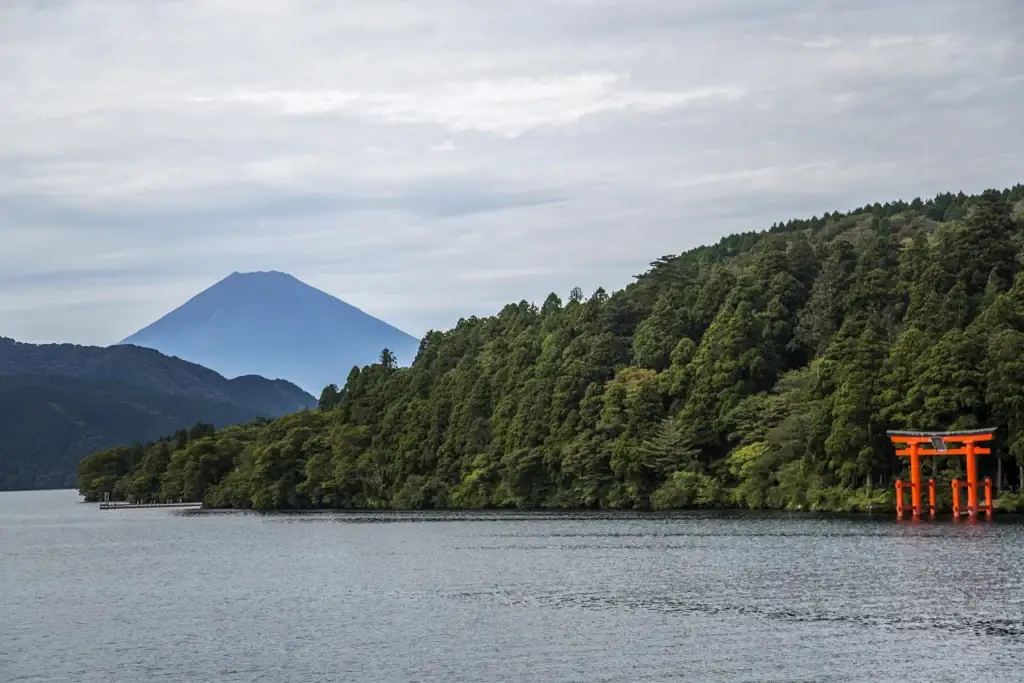
Mount Fuji and a red torii seen across Lake Ashi in Hakone

Use warm water, cooling and rest to mark the shift from travel into stillness

Onsen as a ritual of transition

An onsen is a Japanese hot spring and the bathing culture around it. Wash first, soak quietly, cool, hydrate and rest, using a confirmed in-room or private-use bath when discretion matters.

Duration
One quiet bathing interval or a two-night ryokan stay
Intensity
Gentle
Best for
Guests seeking privacy, cultural context and a lower-stimulation rhythm
Consider

Confirm source water, temperature, tattoos, access, family rules and personal suitability. Onsen is not treatment.

Give time and space room to shape the stay

Ma as designed pause

Ma is the interval that gives experience room. Protect an unbooked morning and avoid treating the bath as a prelude to another reservation.

Duration
A protected morning and evening
Intensity
Gentle
Best for
Executives, couples and travelers arriving from dense city itineraries
Consider

Ma is a cultural and editorial framing, not a clinical practice.

Lower stimulation through slow sensory time among trees

Forest attention

A slow, guide-led forest interval can draw on the Japanese idea of shinrin-yoku, forest bathing, which is sensory time among trees rather than exercise or water bathing.

Duration
Sixty to ninety minutes
Intensity
Gentle
Best for
Nature-oriented travelers who prefer observation to a strenuous hike
Consider

Forest evidence is short-term and not a treatment claim. Confirm terrain, weather and guide availability.

Reconnect appetite and attention with ingredients at their seasonal moment

Shun at the ryokan table

Shun is the Japanese attention to ingredients at their seasonal peak. A confirmed ryokan dinner can connect ingredient, vessel, order and pace without turning the meal into nutrition therapy.

Duration
One carefully paced dinner
Intensity
Gentle
Best for
Culinary travelers and guests who want restoration without a treatment schedule
Consider

Confirm allergies, dietary capability and service time. Seasonal cuisine is cultural learning, not a medical intervention.

Wellness descriptions explain onsen etiquette, local landscape and intentional pause. They do not promise diagnosis, treatment or a medical outcome. Confirm bathing policies, practitioner access, mobility, temperature and personal suitability.

Timing the journey

When to go

Spring and autumn offer the broadest landscape conditions but bring demand. Summer is lush and wet, while winter can bring clear views alongside cold, snow and road constraints.

Mar · Apr · May

Best

Fresh landscape and high demand

Weather
Spring conditions vary by elevation, with cooler mountain air and variable rain.
Crowds
Holidays and blossom periods concentrate demand.
Best for
Strong for gardens, walks and a city-to-onsen transition.

Jun · Jul · Aug

Conditional

Lush and rain-aware

Weather
Rain, humidity and cloud can shape views, roads and outdoor routing.
Crowds
Demand varies by holiday and school periods.
Best for
Works for bathing, gardens, art and flexible indoor-outdoor pacing.

Sep · Oct · Nov

Best

Foliage and seasonal demand

Weather
Cooler conditions favor bathing and landscape time.
Crowds
Foliage windows are highly popular and timing varies.
Best for
A strong season for a two- or three-night ryokan rhythm.

Dec · Jan · Feb

Good

Cold, clear and operationally variable

Weather
Cold weather can bring clear intervals, snow, ice and difficult road conditions.
Crowds
Holiday dates and winter weekends can remain busy.
Best for
Best for travelers who prioritize bathing and accept flexible transfers.

Weather, volcanic conditions, Fuji visibility, road access, ropeway operation and seasonal demand change. Confirm every route and property condition for the exact dates.

Value, clearly framed

Understanding trip value

Custom quote based on season, rail gateway, property, room-bath arrangement, private transfers, guides, dining and current availability. No public package price is stated.

What shapes the guidance

Two nights for two travelers; rail or airport arrival, property transfer, bathing arrangements, guides and dining are priced separately at proposal stage.

Journey logistics

Arrive well

Hakone is reached through Odawara or Hakone-Yumoto, then by mountain rail, cable car, ropeway, bus, road or private transfer depending on the base. Confirm live operation, luggage handling and the final approach for the selected property.

Primary gateway Odawara Station or Hakone-Yumoto Station, followed by a property-specific rail, road or private transfer

Rail

Tokyo via Odawara

Tokyo or Shinagawa StationOdawara Station

Rail followed by property-specific mountain transport or private transfer

Confirm current rail service, luggage handling, onward transport and the final property approach.

Rail

Hakone-Yumoto gateway

Odawara or TokyoHakone-Yumoto Station

Odakyu rail or local connection followed by train, bus or private transfer

Transport coverage and operating conditions change. Confirm the exact route and pass conditions for travel dates.

Access and mobility

Hakone accessibility is property- and route-specific. Confirm station assistance, transfer vehicle, steep approaches, stairs, tatami thresholds, bathroom layout, public-bath access, seating and weather-related mobility conditions before proposal.

Before you go

Practical planning notes

Arriving

Build around the final transfer

The last mountain segment can matter more than the Tokyo rail journey. Confirm luggage, vehicle, stairs and arrival time.

Reservations

Reserve privacy early

In-room and private-use baths, exact room categories and dinner times need direct confirmation.

Wellness

Keep the daily radius small

Choose one landscape or art anchor and leave time for bathing, food and rest.

The VH Luxe approach

How VH Luxe composes the journey

  1. Arrive before dinner

    Leave enough time for check-in, bathing and a settled meal rather than arriving at the final service time.

  2. Choose one landscape or art thread

    Use the selected base to determine the day's cultural or natural anchor.

  3. Protect the final morning

    Allow a last bath, breakfast and unhurried transfer before long-distance rail.

Paramjit Harika, VTA, CTA

Advisor-led planning

Your journey, personally considered

Paramjit Harika

Founder & Luxury Travel Advisor

I coordinate your hotel and room, premium air, transfers and key experiences as one considered journey, with one point of contact from planning through travel.

Good to know

Frequently asked questions

How many nights do you need in Hakone?

Two nights is the strongest recommendation. It creates room for arrival, bathing, dinner, one landscape or art encounter and a quiet final morning.

Which Hakone area is best for a luxury stay?

Hakone-Yumoto is easiest for rail, Gora suits art, Lake Ashi favors remoteness and Sengokuhara offers open landscape. Choose by daily rhythm rather than one universal best area.

Can you arrange a private onsen?

A room with its own bath is the clearest privacy option. Some properties offer time-reserved private baths, subject to exact availability, policies, access and suitability.

What makes Hakone a wellness destination?

Hakone uses hot-water ritual, volcanic landscape and a deliberately slower pace to restore attention. The lasting takeaway is a repeatable evening rhythm of bathing, cooling and rest.