The VH Luxe destination guide

Great Bear Rainforest, British Columbia

Last updated 12 August 2026

Choose a conservation-led Great Bear Rainforest journey around community authority, remote access and patient observation rather than a species checklist.

Recommended stay

5–

8 nights

Best time

Summer usually offers the broadest operating window. Late summer and autumn may align with salmon and bear objectives, while spring brings long light and variable conditions. Winter operations are highly conditional.

Primary gateway

A property-specific chain through Bella Bella, Klemtu or Bella Coola using confirmed scheduled air, charter.

Journey context

Use at least 5 nights for one remote lodge chapter. Allow 7 to 8 when transfer buffers, weather and patient wildlife observation matter more than a fixed.

Curator’s verdict

The Great Bear Rainforest is a governed living system, not one lodge or one bear-viewing site. Its most meaningful journeys begin with the Nation and community context, accept weather as an operating authority and measure success by understanding habitat rather than collecting sightings.

Choose well

Which Great Bear operating model fits?

Choose the community context and conservation model first, then align wildlife priorities, transport tolerance and weather flexibility.

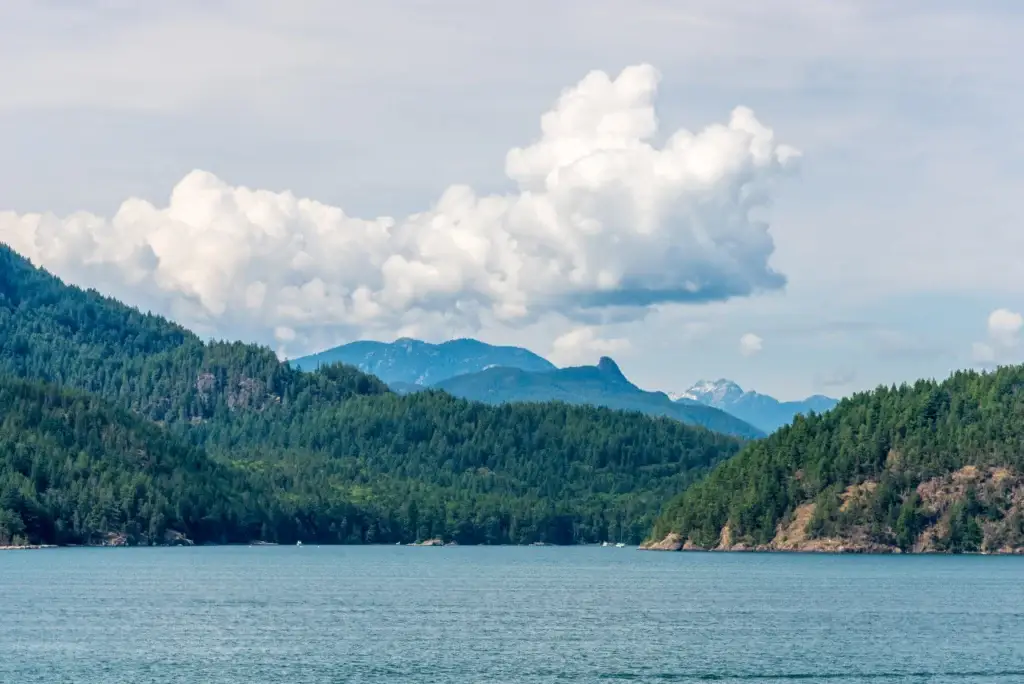
Great Bear Rainforest coastal temperate rainforest, inlet and mountain landscape

Travelers comparing Klemtu, Bella Bella and Bella Coola as distinct starting points

Choose the gateway by community and territory

Klemtu brings Kitasoo Xai'xais stewardship context, Bella Bella offers Heiltsuk visitor orientation, and Bella Coola requires Nuxalk protocols and a valley-to-coast operating plan.

Worth knowing

These are not interchangeable service towns. Each has different permissions, transport links, public programming and community expectations.
Photographers, naturalists, families and first-time wildlife travelers

Choose habitat learning before a species target

Let salmon, estuary, forest and marine conditions shape the field day so tracks, birds, habitat and stewardship remain meaningful when the hoped-for animal does not appear.

Worth knowing

A narrow species checklist increases disappointment and can pressure operators toward longer, less responsible pursuit.

Travelers deciding among scheduled air, charter, floatplane, ferry, boat and road

Match access to disruption tolerance

Use the lodge's exact operating chain and protect enough buffer for weather, baggage, visibility, sea state and missed connections.

Worth knowing

The fastest published route may not run on the travel day, and a late arrival can erase the first field session.

Travelers who value safety, wildlife welfare and conservation credibility

Let the field team cancel well

A strong operator changes the route, waits or stays ashore when weather, wildlife response, restricted access or group capability demands it.

Worth knowing

Responsible restraint can mean returning without the expected image, landing or species encounter.

A considered introduction

The Great Bear Rainforest spans British Columbia's remote Central and North Coast. Bella Bella, Klemtu and Bella Coola open different territorial, transport and ecological chapters, while individual lodges may sit far beyond the community gateway. Access can combine scheduled air, charter aircraft, floatplane, ferry, water taxi or boat.

A five-night stay is a practical minimum for one lodge chapter, while seven nights or more give weather and wildlife enough room to shape the stay. No itinerary should guarantee a bear, whale, color phase or behavior. The luxury is strong local stewardship, unhurried field time and an operating plan that can wait.

Advisor note

Advisor perspective: I would select the Nation-authorized or locally accountable operating model before comparing room style. Then I would add arrival buffer, strict baggage discipline and permission for the best field decision to be no departure at all.

What stays with you

Signature experiences

Indigenous-led stewardship

Begin with the Nation's public visitor frame

Use current Kitasoo Xai'xais, Heiltsuk or Nuxalk visitor material and a confirmed community-authorized host to understand territory, permissions and stewardship without turning community life into access.

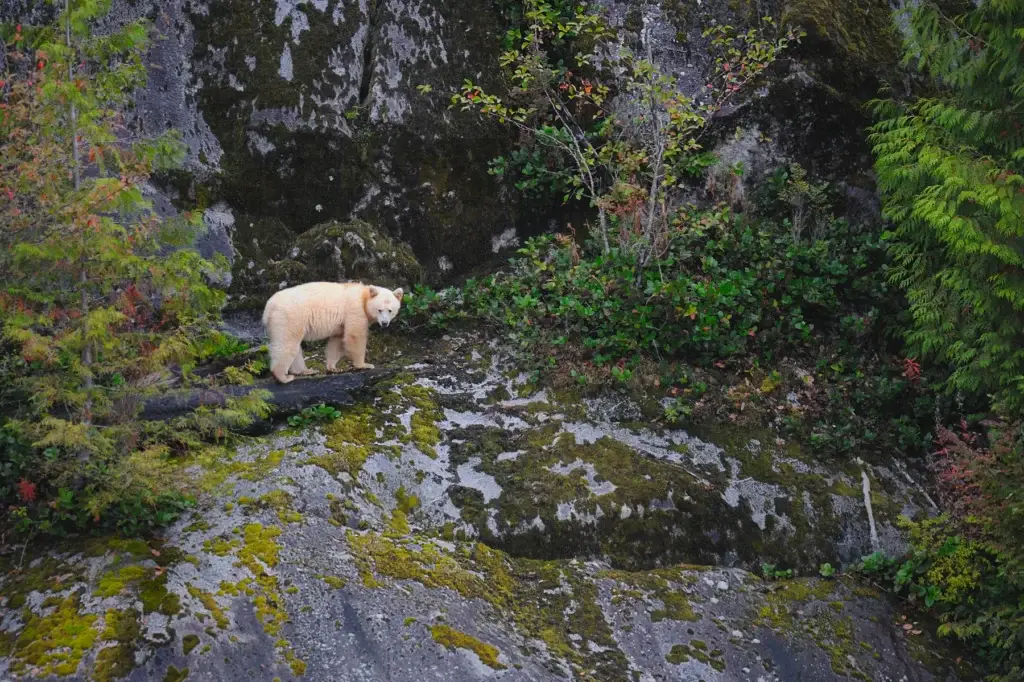
Bear in exact Great Bear Rainforest habitat photographed from responsible distance or an empty authorized viewing platform

Bear ecology

Wait at habitat without pursuing a bear

Join a qualified locally accountable guide at an authorized viewing area, following predictable routes and conservative distance while accepting that no bear, color phase, behavior or photograph is guaranteed.

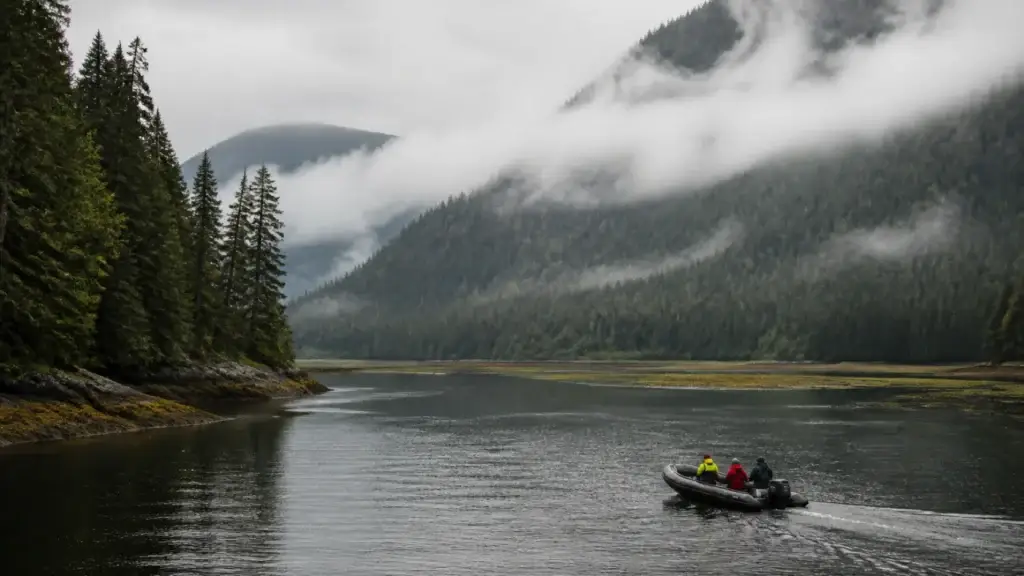
Great Bear Rainforest inlet with suitable small vessel, estuary or distant marine wildlife

Marine ecology

Read an inlet from lawful distance

Use a licensed naturalist and suitable vessel to interpret tide, estuary, seabirds and marine mammals while following DFO approach distances, limiting viewing time and never changing an animal's path.

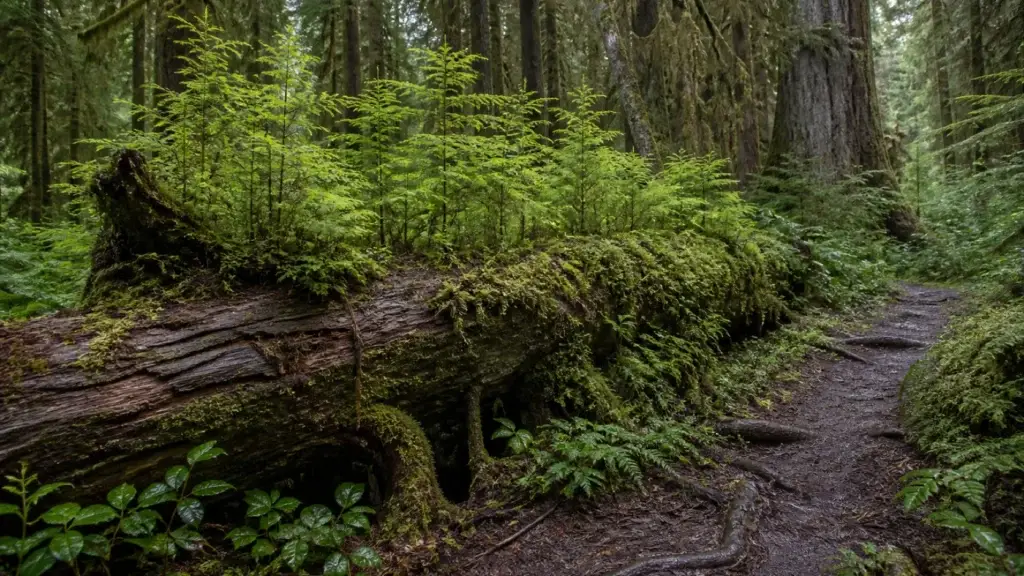
Exact Great Bear Rainforest old-growth or operator-approved rainforest route

Temperate rainforest

Read regeneration beneath the canopy

Move slowly on an operator-approved route with a qualified naturalist, tracing rain, decay, salmon nutrients and forest renewal without entering restricted or unsafe land.

Nuxalk visitor protocols

Let Bella Coola begin with permission

If the route uses Bella Coola, begin with Nuxalk visitor protocols and request an accredited Nuxalk guide only for a confirmed public experience, respecting photography and site-specific boundaries.

Travel restored

What makes Great Bear Rainforest, British Columbia a wellness destination?

What makes the Great Bear Rainforest a wellness destination?

The Great Bear Rainforest replaces the expectation of control with weather, tide, patient observation and community-defined boundaries. Its lasting practice is restraint: listen longer, take less space and allow the living system to remain indifferent to the visitor.

Wellness role
A primary reason to travel
Best for
Reflective couples, executives, naturalists, photographers and families comfortable with remote conditions and uncertain wildlife
Format
Weather-led recovery, tide-and-inlet attention, guided rainforest observation and ethical wildlife restraint
Ideal commitment
One unhurried field objective each day, one protected weather interval and a willingness to leave without the expected sighting
Intensity
Varies

For companions

Best for groups who can share meals and interpretation while field duration, vessel exposure, walking and recovery are individualized.

Seasonal lens

Summer usually offers the broadest field window. Spring and autumn can be rewarding but more conditional. Winter requires highly specific lodge, aviation and marine confirmation.

Replace schedule anxiety with a deliberate capacity to wait

Coastal waiting practice

Protect one unscheduled lodge interval so fog, rain or wind can change the day without triggering frantic replacement activity.

Duration
One open interval each day
Intensity
Gentle
Best for
Travelers arriving from demanding schedules or long transfer chains
Consider

Weather delay may affect flights, vessels and the full journey. Rest is an itinerary design, not a treatment promise.

Use current, shoreline and sound to widen attention

Tide-and-inlet attention

Ask a qualified naturalist to interpret one inlet from a safe vessel or shore position without pursuing marine wildlife.

Duration
90 minutes to 3 hours
Intensity
Gentle
Best for
Naturalists, photographers and reflective travelers
Consider

Wind, sea state, visibility, cold, flotation, lawful approach distance and motion tolerance require confirmation.

Trade distance and performance for ecological depth

Rainforest observation

Move slowly on an operator-approved path and attend to canopy, water, decay and regeneration with a qualified guide.

Duration
60 to 120 minutes
Intensity
Moderate
Best for
Travelers who restore through learning and sensory detail
Consider

Confirm terrain, bears, weather, roots, wet surfaces, restricted areas and mobility. Nature evidence is heterogeneous and not predictive.

Practice stillness without demanding a performance from wildlife

Ethical wildlife restraint

Use silence, distance and a fixed viewing limit, then let the guide end the session before the animal changes behavior.

Duration
Condition-led, never sighting-led
Intensity
Varies
Best for
Wildlife travelers and photographers willing to put welfare before the image
Consider

No species, proximity, behavior or photograph is guaranteed. Feeding, pursuit, disturbance and unsafe approach are unacceptable.

Wellness descriptions explain pacing, attention, ecological learning and ethical restraint. They do not promise diagnosis, prevention, treatment, stress reduction, biomarker change or longevity. Confirm medical suitability, remoteness, weather, vessels, trails, accessibility, guides and emergency plans.

Timing the journey

When to go

Summer usually offers the broadest operating window. Late summer and autumn may align with salmon and bear objectives, while spring brings long light and variable conditions. Winter operations are highly conditional.

Mar · Apr · May

Conditional

Longer light and variable spring access

Weather
Increasing daylight, rain, cold water, fog and rapidly changing coastal systems shape each field day.
Crowds
Demand can be lower, while lodge openings and transport schedules remain limited or date-specific.
Best for
Best for ecology, birds, marine movement and travelers comfortable with weather-led changes.

Jun · Jul · Aug

Best

Broadest remote operating window

Weather
Long light supports field time, but rain, wind, fog, marine conditions and flight disruption remain normal possibilities.
Crowds
Prime lodge, guide, aircraft and vessel capacity can fill early.
Best for
Best for a first remote lodge journey with varied marine, forest and conservation objectives.

Sep · Oct

Good

Salmon-season objectives with no wildlife promise

Weather
Cooler, wetter systems and shorter light make aviation, vessels and field sessions more conditional.
Crowds
Wildlife-focused demand may remain high while the usable field window narrows.
Best for
Best for habitat and salmon-cycle interpretation when travelers accept uncertain sightings and weather.

Nov · Dec · Jan · Feb

Conditional

Highly conditional coastal winter

Weather
Short daylight, storms, strong wind, rough water and aviation limits can dominate the operating plan.
Crowds
Leisure lodge, ferry, aviation and guiding availability may be limited or absent.
Best for
Suitable only for an explicitly operating property and a traveler prepared for substantial disruption.

Wildlife, salmon, rain, fog, wind, sea state, tides, daylight, road conditions, aviation, ferry service, lodge seasons, restricted areas and public programs change. Recheck the exact travel week and each field day.

Value, clearly framed

Understanding trip value

Custom quote based on season, air cabin, charter or scheduled access, lodge operating model, baggage, guides, vessels, transfers and confirmed field experiences. No public package price is stated.

What shapes the guidance

Five to eight nights for two travelers; scheduled or charter air, ferry or marine transfers, accommodation, guides, vessels and confirmed experiences priced at proposal stage. Local charges may be denominated in Canadian dollars.

Journey logistics

Arrive well

There is no universal Great Bear Rainforest arrival. The lodge, community, season and operator determine the chain, while weather, visibility, sea state, daylight, payload and baggage determine whether it runs. Build buffer time on both sides and never pressure an operator to fly or sail.

Primary gateway A property-specific chain through Bella Bella, Klemtu or Bella Coola using confirmed scheduled air, charter.

Premium commercial air

Use the confirmed coastal community airport

Vancouver or another confirmed originBella Bella, Klemtu, Bella Coola or another operator-confirmed coastal airport

Scheduled commercial air followed by a property-specific transfer

Schedule, aircraft, weather, visibility, baggage, accessibility and onward dock or vehicle connection require live confirmation.

Private aviation

Use an operator-selected charter or floatplane

Confirmed origin or coastal staging pointOperator-approved airport, water aerodrome or lodge transfer point

Licensed charter aircraft or floatplane

Aircraft, payload, baggage, weather, daylight, water conditions, crew, survival equipment and alternate plan require live operator confirmation. Listen to the complete safety briefing.

Final transfer

Use a scheduled Central Coast ferry when it serves the route

Confirmed BC Ferries terminalBella Bella, Klemtu, Bella Coola or the confirmed connection point

Scheduled ferry followed by a verified community or lodge transfer

Sailing date, reservation, vehicle space, terminal, weather, vessel, connection and overnight requirements must be confirmed directly with BC Ferries and the lodge.

Final transfer

Complete the remote marine transfer with the lodge operator

Confirmed community, dock or aviation staging pointThe confirmed remote lodge or field base

Licensed water taxi or lodge-operated vessel

Wind, sea state, tide, fog, darkness, vessel, flotation, dock conditions and mobility can move or cancel the transfer.

Access and mobility

Confirm aircraft and vessel dimensions, baggage weight, dock ramps, tidal steps, wet landings, flotation fit, lodge paths, room setup, washrooms, field platforms, transfer assists and emergency evacuation. Remote access may be unsuitable for some mobility, balance, medical or sensory needs even when the lodge can adapt selected activities.

Before you go

Practical planning notes

Etiquette

Begin with first voice

Use the current Nation's visitor protocols and never generalize one community's laws, stories or access across the region.

Packing

Pack for delay

Keep essential medication and one weather layer in hand baggage within the operator's weight limits.

Reservations

Respect the field decision

A guide may change or cancel a route for wildlife, weather, access, safety or community reasons.

Getting around

Build both buffers

Protect arrival and departure time around remote air, ferry and marine connections.

The VH Luxe approach

How VH Luxe composes the journey

  1. Choose the community gateway

    Let territory, conservation model and public visitor context determine Klemtu, Bella Bella or Bella Coola.

  2. Confirm the operating chain

    Confirm each aircraft, ferry, vehicle, vessel, baggage handoff and weather buffer.

  3. Set one ecological question

    Use habitat, salmon, rainforest or marine systems as the purpose instead of one promised species.

  4. Leave room to wait

    Protect enough unprogrammed time for weather, wildlife welfare and local judgment to lead.

Paramjit Harika, VTA, CTA

Advisor-led planning

Your journey, personally considered

Paramjit Harika

Founder & Luxury Travel Advisor

I coordinate your hotel and room, premium air, transfers and key experiences as one considered journey, with one point of contact from planning through travel.

Good to know

Frequently asked questions

How many nights do you need in the Great Bear Rainforest?

Use at least 5 nights for one remote lodge chapter. Allow 7 to 8 when arrival buffers, weather and patient wildlife observation matter more than a fixed checklist.

How do you get to the Great Bear Rainforest?

The exact lodge may require scheduled air, charter, floatplane, ferry, water taxi, boat or road through Bella Bella, Klemtu or Bella Coola. Confirm the complete chain with the operator.

Are bear sightings guaranteed?

No. Bears are free-ranging, and no species, color phase, number, behavior or photograph can be guaranteed. A responsible guide does not pursue an animal to satisfy a checklist.

Which Great Bear Rainforest gateway should you choose?

Choose the gateway around the Nation and community context, lodge operating model, transport chain and ecological purpose rather than treating Klemtu, Bella Bella and Bella Coola as interchangeable.

Is the Great Bear Rainforest suitable for travelers with limited mobility?

It depends on aircraft dimensions, docks, tides, vessels, wet landings, lodge paths and field platforms. A route-specific accessibility and emergency review is essential before booking.

What makes the Great Bear Rainforest a wellness destination?

Weather, tide and free-ranging wildlife replace the expectation that every hour can be controlled. The lasting practice is restraint: listen longer, take less space and accept an outcome the landscape did not stage for you.