The VH Luxe destination guide

Galápagos Islands, Ecuador

Last updated 13 August 2026

Choose the route before the vessel, then let habitat, mobility and recovery shape the expedition.

Recommended stay

7–

11 nights

Best time

The archipelago is year-round, with warmer water and generally calmer inter-island seas often associated with the first half of the year, and cooler nutrient-rich conditions with stronger public-speedboat motion often associated with the second. Species cycles, sea state and site access vary, so choose dates by priority rather than a single best month.

Primary gateway

Flights from mainland Ecuador to Baltra or San Cristóbal

Journey context

Allow 7 nights for one coherent vessel or land framework, or 9 to 11 for a combination in which each component adds a distinct habitat and rhythm.

Curator’s verdict

Galápagos luxury is route integrity, naturalist quality and protected-area discipline. A small vessel, a land base or a careful combination can each work, but only when authorized sites, sea conditions, mobility and medical resilience align.

Choose well

Is a small expedition vessel, a land-based island stay or a carefully sequenced combination the right way to experience the Galapagos?

Begin with the habitats and authorized sites that matter, then select the format that can reach them safely while protecting mobility, sleep and interpretive depth.

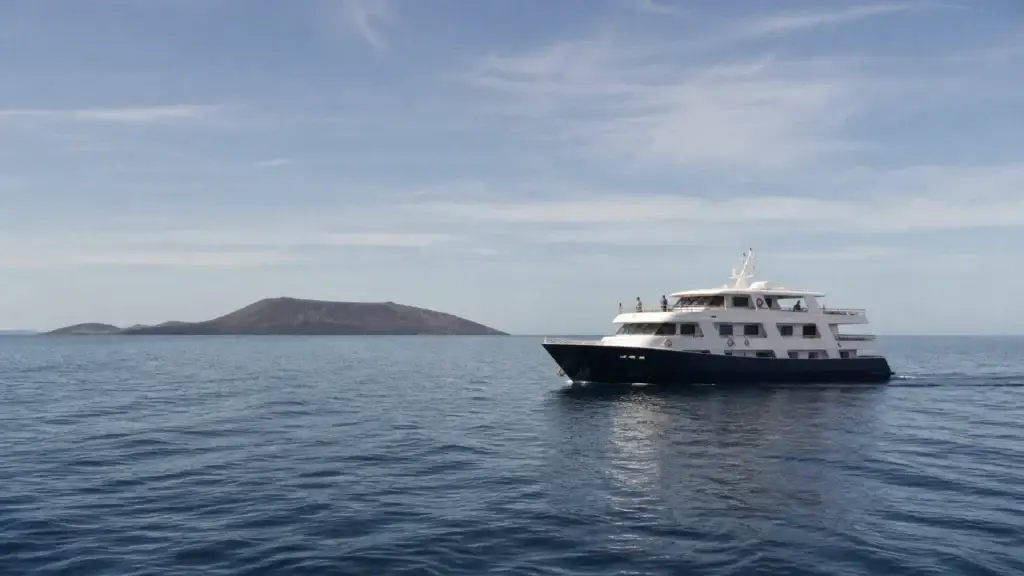
Licensed small expedition vessel in exact Galápagos waters or authorized anchorage

Remote authorized sites, fewer packing cycles, early landings and travelers comfortable with marine motion

Choose a small vessel for route continuity

A well-matched expedition vessel can link distinct islands through a park-authorized itinerary while keeping the naturalist team and room constant.

Worth knowing

Cabin space, stairs, tenders, motion, medical limitations and fixed routing require close review. No vessel controls wildlife or park access.
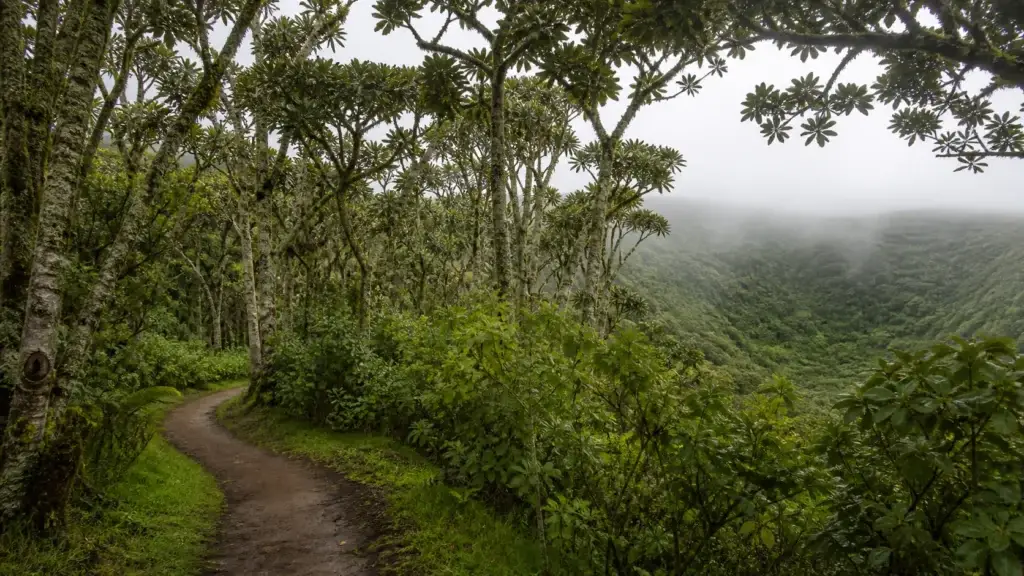
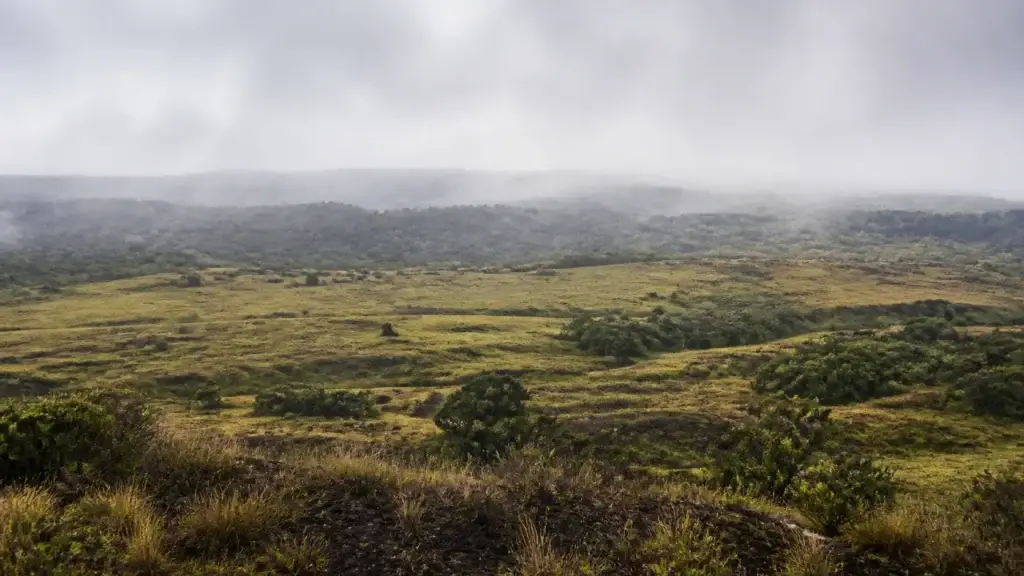
Documented Santa Cruz highland landscape or Puerto Ayora public setting

Room continuity, stronger town services, highland context and travelers who want to choose outings individually

Use Santa Cruz for service depth

A Santa Cruz base can combine Puerto Ayora services with exact highland and marine visitor sites while reducing continuous nights at sea.

Worth knowing

Day boats and cross-island transfers still involve marine motion, and the island cannot reproduce a remote navigable route.

A closer relationship to one island, slower mornings and travelers whose priority habitats align with its authorized sites

Choose San Cristóbal or Isabela for focus

A focused island stay can trade checklist breadth for continuity and a more settled relationship to a named place.

Worth knowing

Flights, public boats, baggage and weather can complicate the move, while site choice remains regulated.

Travelers with 9 to 11 nights whose vessel route and land base add different habitats or mobility benefits

Combine formats only for distinct value

A short land chapter can complement a vessel when it creates a verified highland, community or recovery dimension not already covered.

Worth knowing

Another transfer can consume the time it is meant to enrich and increases baggage, sea-state and handoff risk.

A considered introduction

A navigable expedition itinerary can connect remote authorized sites with fewer hotel changes. A land stay on Santa Cruz, San Cristóbal or Isabela can protect room continuity and allow a more settled island rhythm, although inter-island movement consumes real time and depends on sea conditions.

Seven nights support one coherent format. Nine to eleven can justify a combination when the second component adds distinct habitat rather than another transfer. Wildlife remains free-ranging, park rules govern every protected-area visit and biosecurity begins before the flight.

Advisor note

Advisor perspective: I would compare exact authorized itineraries, licensed operations, naturalist-to-guest access, boarding demands and evacuation protocols before discussing cabin or suite size. VH Luxe Travels can coordinate preferred-partner value and tailored arrangements where applicable, with every vessel, guide, route and private format confirmed before travel.

What stays with you

Signature experiences

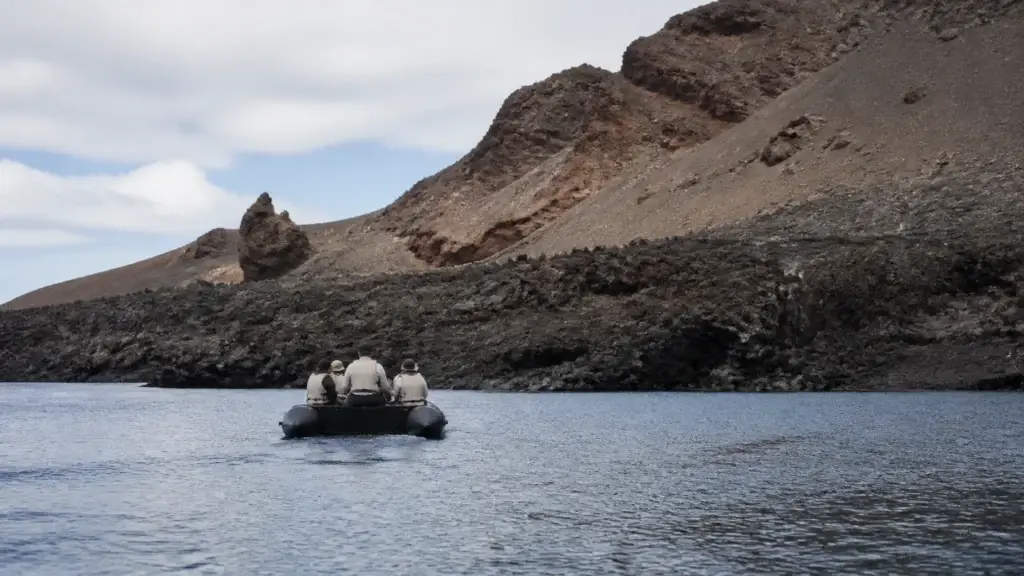
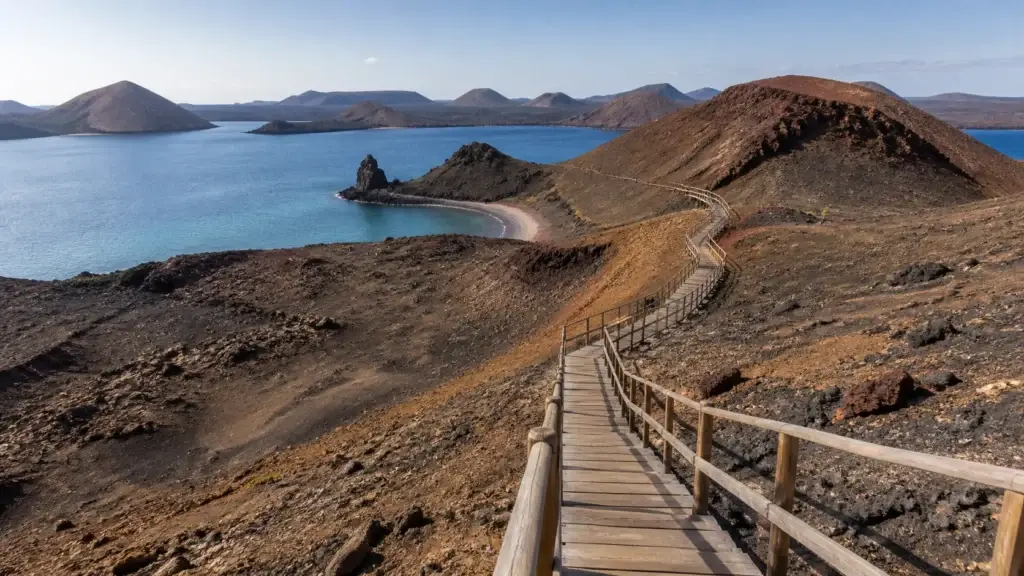
Named authorized Galápagos lava field or volcanic visitor site

Volcanic landscape

Read one island through volcanic succession

At an exact authorized site, let a licensed naturalist connect lava age, colonization and habitat without presenting the archipelago as one interchangeable landscape.

Free-ranging or managed giant tortoise in exact authorized highland or conservation habitat

Terrestrial ecology

Observe giant tortoise habitat without staging it

Visit an exact authorized highland or conservation setting on the named island, maintaining park distance and never touching, feeding or positioning an animal.

Exact authorized Galápagos snorkel, kayak or panga site with correctly depicted activity

Marine ecology

Enter a named marine site through its permitted activity

Use the activity authorized for that site, with a licensed operator, guide, safety briefing and wildlife distance. Conditions and encounters remain uncertain.

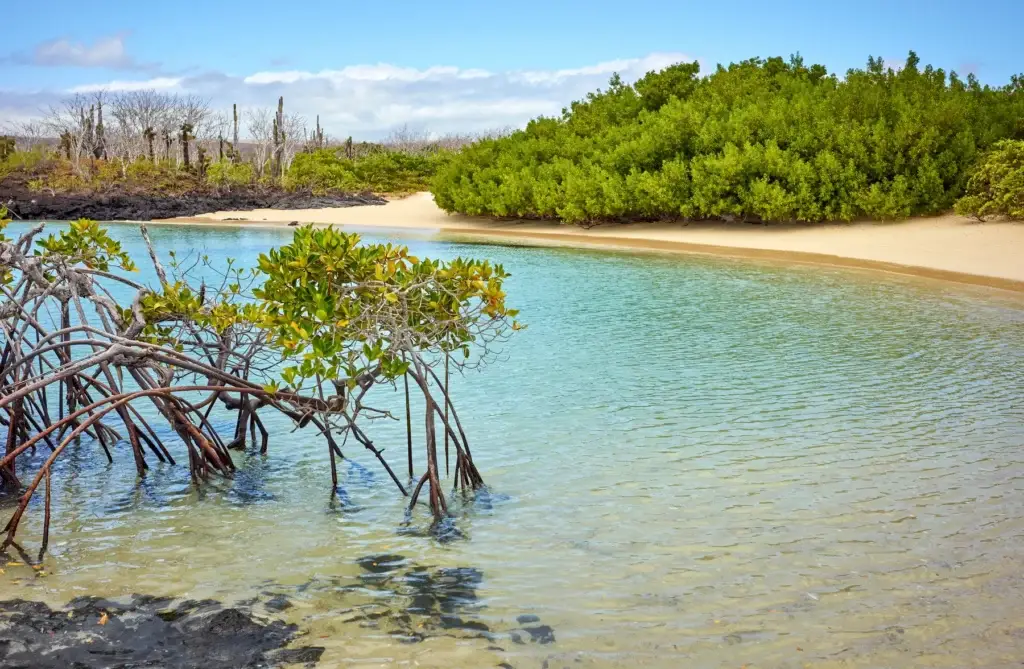
Landscape of the Galapagos Island with mangroves, Ecuador.

Coastal habitat

Read a mangrove edge as a nursery system

Use a permitted panga, kayak or walking route to understand protected shallows and coastal habitat without promising turtles, rays, sharks or any named species.

Official Galápagos biosecurity inspection, park restoration or conservation fieldwork

Conservation practice

Follow biosecurity from suitcase to island

Connect mainland inspection, inter-island controls and restoration work through accountable park, science or community voices rather than treating conservation as background branding.

Travel restored

What makes Galápagos Islands, Ecuador a wellness destination?

What makes the Galápagos a wellness destination?

The archipelago rewards expedition rhythm: move with the authorized outing, recover between landings and give sustained attention to one habitat at a time. The transformation is disciplined observation and lower digital noise, not a treatment or guaranteed biological effect.

Wellness role
A meaningful restorative layer
Best for
Couples, executives, families and multigenerational travelers who value naturalist-led attention, movement and protected recovery
Format
Naturalist-led sensory attention, mobility-matched outings, marine-motion recovery and protected sleep between landings
Ideal commitment
One principal outing at a time, honest motion and mobility screening, hydration, sun protection and a credible rest or evacuation plan
Intensity
Varies

For companions

Strong for mixed-ability groups when exact landing, trail and marine demands are reviewed and meaningful alternatives remain available.

Seasonal lens

Sea state, water temperature, heat and species cycles change through the year. Match the month and format to the traveler rather than calling one season universally restorative.

Protect energy across repeated landings

Expedition rhythm

Alternate active outings with food, shade, hydration and quiet instead of filling every permitted interval.

Duration
One expedition day
Intensity
Varies
Best for
Travelers balancing curiosity and stamina
Consider

Schedules remain subject to the authorized itinerary, weather and park direction.

Replace collection with close observation

Naturalist attention

Use one bounded interval to notice behavior, substrate and habitat while maintaining all wildlife distances.

Duration
30 to 60 minutes
Intensity
Gentle
Best for
Travelers seeking lower stimulation and deeper recall
Consider

Do not touch, feed, follow, crowd or alter wildlife behavior.

Reduce cumulative fatigue between crossings

Marine-motion recovery

Protect a stable seated or lying interval, hydration and a light meal after tender or inter-island movement.

Duration
45 to 120 minutes
Intensity
Gentle
Best for
Travelers sensitive to marine motion
Consider

Discuss medication and medical suitability with a clinician. Vessel conditions and response vary.

Practice attention without turning limited signal into a promise

Device-light horizon interval

Use a safe deck, room or public shore setting for a brief device-light interval after all communication duties are met.

Duration
20 to 45 minutes
Intensity
Gentle
Best for
Travelers seeking a repeatable lower-noise habit
Consider

Limited connectivity is a safety issue. Maintain itinerary check-ins and emergency communication.

The takeaway is to observe more carefully and recover before the next landing. No wildlife, sleep, stress, biomarker, performance or longevity result is promised.

Timing the journey

When to go

The archipelago is year-round, with warmer water and generally calmer inter-island seas often associated with the first half of the year, and cooler nutrient-rich conditions with stronger public-speedboat motion often associated with the second. Species cycles, sea state and site access vary, so choose dates by priority rather than a single best month.

Jan · Feb · Mar

Conditional

Warm-water season

Weather
Warmer, wetter and often more humid conditions can accompany generally calmer inter-island seas.
Crowds
Holiday and school-break demand can be strong.
Best for
Warm-water interests and marine outings matched to the exact route.

Apr · May · Jun

Best

Warm-to-cool transition

Weather
Water, rain and air conditions transition by island and current.
Crowds
Demand varies around holidays and vessel departures.
Best for
Balanced terrestrial and marine route planning without a species guarantee.

Jul · Aug · Sep

Conditional

Cooler nutrient-rich season

Weather
Cooler water, garúa and stronger public-speedboat motion can reshape comfort and activity fit.
Crowds
Summer holiday demand can remain high.
Best for
Naturalist-led marine and terrestrial observation with motion-ready routing.

Oct · Nov · Dec

Best

Cool-to-warm transition

Weather
Sea and air conditions transition toward the warmer season, varying by island and current.
Crowds
Demand rises toward year-end holidays.
Best for
Route-led expedition planning with exact seasonal natural-history interpretation.

Sea state, weather, currents, visibility, wildlife, permitted activities, routes and park instructions change. Refresh the exact itinerary and official rules before travel.

Value, clearly framed

Understanding trip value

Custom quote based on exact dates, air cabin, licensed vessel or land accommodation, authorized itinerary, transfers, guiding, protected-area fees and evacuation coverage. No public package price is stated.

What shapes the guidance

7 to 11 nights for two travelers, with mainland air, island flights, licensed operation, accommodation, authorized guidance, transfers and required entry fees priced separately.

Journey logistics

Arrive well

Travelers complete mainland departure controls, including the Transit Control Card and biosecurity inspection, before flying to Baltra or San Cristóbal. Baltra arrivals require additional transfers to Santa Cruz accommodations or vessel embarkation. Every handoff, baggage restriction and embarkation point should be confirmed.

Primary gateway Flights from mainland Ecuador to Baltra or San Cristóbal

Premium commercial air

Fly to Baltra

Quito or Guayaquil after required controlsSeymour Airport, Baltra

Scheduled air followed by confirmed vessel or Santa Cruz transfers

Complete TCT and biosecurity controls before airline check-in. Confirm bus, channel crossing, vehicle, luggage and embarkation sequence.

Premium commercial air

Fly to San Cristóbal

Quito or Guayaquil after required controlsSan Cristóbal Airport

Scheduled air followed by confirmed local transfer or embarkation

Confirm TCT, biosecurity, baggage, guide meeting point, vessel or hotel transfer and weather contingency.

Boat, ferry or yacht

Move between populated islands only when the route earns its cost

Authorized populated-island portConfirmed Santa Cruz, San Cristóbal, Isabela or Floreana port

Licensed passenger boat or authorized inter-island air service

Small-boat trips can be physically demanding and sea-state dependent. Confirm operator, baggage, boarding, motion plan and permitted schedule.

Access and mobility

Confirm tender or panga boarding, wet and dry landings, ladders, steps, trail surfaces, heat, shade, snorkel entry, flotation, cabin access and emergency transfer. Land-based does not automatically mean accessible, and a vessel's published category does not Confirm individual mobility fit.

Before you go

Practical planning notes

Reservations

Complete controls before check-in

Confirm TCT, biosecurity inspection, return travel and current protected-area entry procedures.

Getting around

Confirm the exact itinerary

Island names alone are insufficient. Review authorized sites, activities, landings and guide structure.

Wellness

Screen vessel safety

Confirm licensing, safety equipment, tenders, medical protocol and evacuation coverage.

Etiquette

Obey wildlife distance

Never touch, feed, chase, stage or crowd wildlife, and do not use flash when prohibited.

Etiquette

Leave the drone at home

Drone and commercial filming use require park authorization and are not a standard visitor privilege.

The VH Luxe approach

How VH Luxe composes the journey

  1. Choose priority habitats

    Define terrestrial, marine, geological and mobility priorities before selecting a vessel or island.

  2. Audit the exact route

    Match authorized sites, permitted activities and guide quality to those priorities.

  3. Protect recovery and evacuation

    Review motion, boarding, medical limits, insurance and mainland evacuation planning.

  4. Refresh every control

    Recheck TCT, biosecurity, fees, park rules, operator licenses, sea conditions and itinerary.

Paramjit Harika, VTA, CTA

Advisor-led planning

Your journey, personally considered

Paramjit Harika

Founder & Luxury Travel Advisor

I coordinate your hotel and room, premium air, transfers and key experiences as one considered journey, with one point of contact from planning through travel.

Good to know

Frequently asked questions

Is a Galápagos cruise or land tour better?

Choose a small expedition vessel for route continuity and more distant authorized sites. Choose land for room continuity and a focused relationship to Santa Cruz, San Cristóbal or Isabela.

How many nights do you need in the Galápagos?

Allow 7 nights for one coherent format, or 9 to 11 for a combination in which each component adds distinct habitat or mobility value.

What are the Galápagos entry requirements?

Current controls include the Transit Control Card, biosecurity inspection and protected-area entry procedures. Requirements and fees change, so use official sources immediately before travel.

Can Galápagos wildlife sightings be guaranteed?

No. Wildlife is free-ranging and exact encounters vary by route, season and conditions. Never touch, feed, stage or crowd an animal.

Are drones allowed in the Galápagos?

Drone and professional commercial filming in protected areas require park authorization and should never be presented as a normal visitor privilege.

What medical planning is needed?

Confirm vessel medical protocols and insurance that includes evacuation. Official Galápagos records show that some patients needing specialized care are transferred from island hospitals to mainland Ecuador.