The VH Luxe destination guide

Fogo Island & Change Islands

Last updated 12 August 2026

Let the ferry slow the journey before art, outport knowledge, coastal trails and the North Atlantic sharpen attention.

Recommended stay

4–

6 nights

Best time

Late May through early October offers the broadest fit, but the purpose should choose the dates. Late May and June support iceberg intent without a guarantee. July and August broaden trails, arts programming and whale season. September and early October can feel quieter while storms, shorter days and reduced operations require flexibility.

Primary gateway

Gander International Airport (YQX) and Farewell ferry terminal

Journey context

Allow 4 nights for a focused Fogo Island journey and 5 to 6 when adding Change Islands, a weather-held day and deeper public art, heritage or trail.

Curator’s verdict

Fogo Island and Change Islands become more luxurious when remoteness is treated as responsibility, not spectacle. Ferry margins, community first voice, contemporary architecture and weather-led days turn limited access into the journey's defining rhythm.

Choose well

Which island rhythm should lead?

Choose the trip's purpose first, then let ferry reality, public access and weather determine how much of the island pair belongs in one journey.

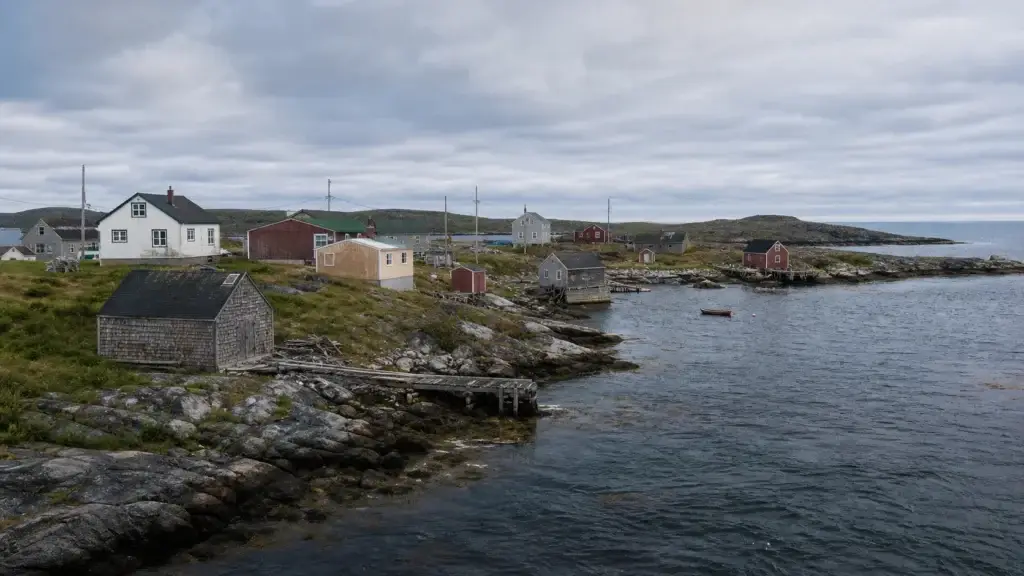
Exact Fogo Island community with vernacular buildings and, if available, a documented contemporary Fogo Island Arts structure in landscape context

First visits, art and architecture, outport history, community knowledge, boatbuilding and multiple trail choices

Give Fogo Island the longer chapter

Fogo Island has enough cultural and geographic depth to reward several slow days rather than a single circuit around its communities.

Worth knowing

Public programs, galleries, heritage sites and trail conditions vary, and the island should not be reduced to one famous building or private property.
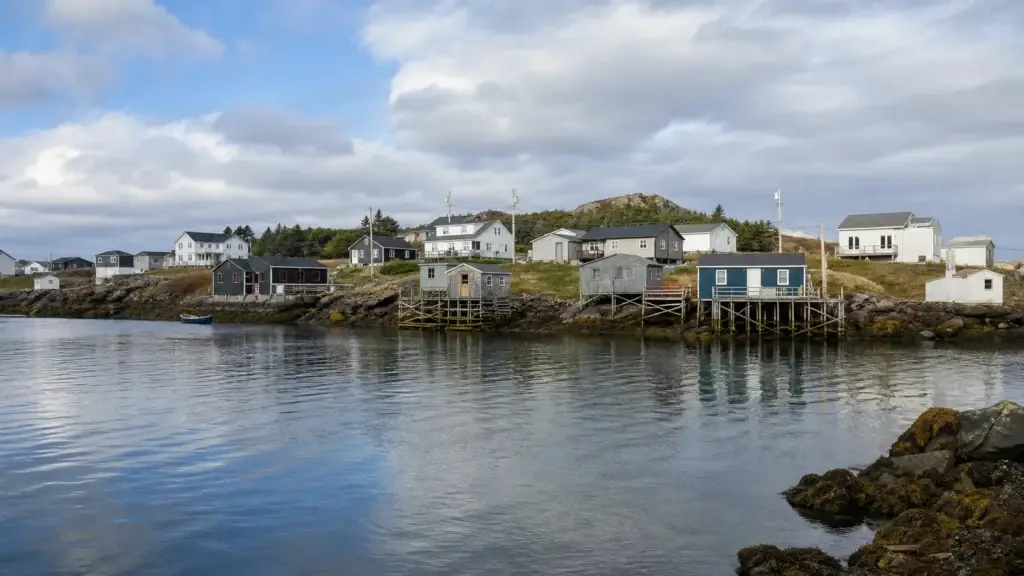
Change Islands harbour or settlement with recognizable fishing stages, homes and tickle geography

Repeat visitors, quiet walking, preserved fishing structures, Newfoundland Pony conservation and small-community scale

Add Change Islands for a smaller heritage rhythm

Change Islands works when its ferry sequence and directly confirmed community visits can be given enough time to feel distinct from Fogo Island.

Worth knowing

Limited schedules and variable openings make a hurried add-on fragile, and resident life or private structures are never automatic visitor access.

Travelers deciding among iceberg intent, whale season, arts programming, trails or quieter community time

Let iceberg, art or walking intent choose the season

Late spring favors iceberg possibility, midsummer broadens trails and public programming, and early autumn supports art and walking with a quieter feel.

Worth knowing

Icebergs, whales and weather vary by year and day, so no season can promise the natural spectacle pictured in marketing.

Every traveler, especially anyone with a fixed outbound flight, mobility needs or low tolerance for uncertainty

Let the transport plan own the itinerary

Build substantial margins around Gander, Farewell and the ferry so delays alter an activity rather than break the journey.

Worth knowing

A tightly timed arrival or departure can turn remoteness from a pleasure into operational stress.

A considered introduction

Fogo Island earns the longer chapter through its living outport communities, fishery, contemporary art, public architecture programs, boatbuilding heritage and coastal trails. Change Islands offers a smaller-scale counterpoint through preserved fishing structures, the Squid Jiggers Trail and Newfoundland Pony conservation.

Four nights can introduce Fogo Island. Five or six creates enough room for Change Islands, current public culture and at least one weather-held day. Icebergs, whales and seabirds may deepen the experience, but the journey must work even when none appear.

Advisor note

Advisor perspective: I would build the plan backward from the outbound ferry and flight, protect a substantial weather margin and choose fewer confirmed encounters with people who hold local knowledge. VH Luxe Travels can coordinate tailored arrangements where applicable, with every transfer, public program, trail and wildlife outing confirmed before travel.

What stays with you

Signature experiences

Art and architecture

Read art and architecture through place

Use a current public exhibition, qualified interpreter or confirmed program to connect Fogo Island Arts architecture with vernacular fishing stages, local materials and exposure to weather. Studio entry and artist access are never assumed.

Outport heritage

Follow the punt into outport history

At the publicly confirmed Punt Premises or another appropriate community-led setting, connect wooden boatbuilding, family fishery, stages and tools with the island's contemporary economy.

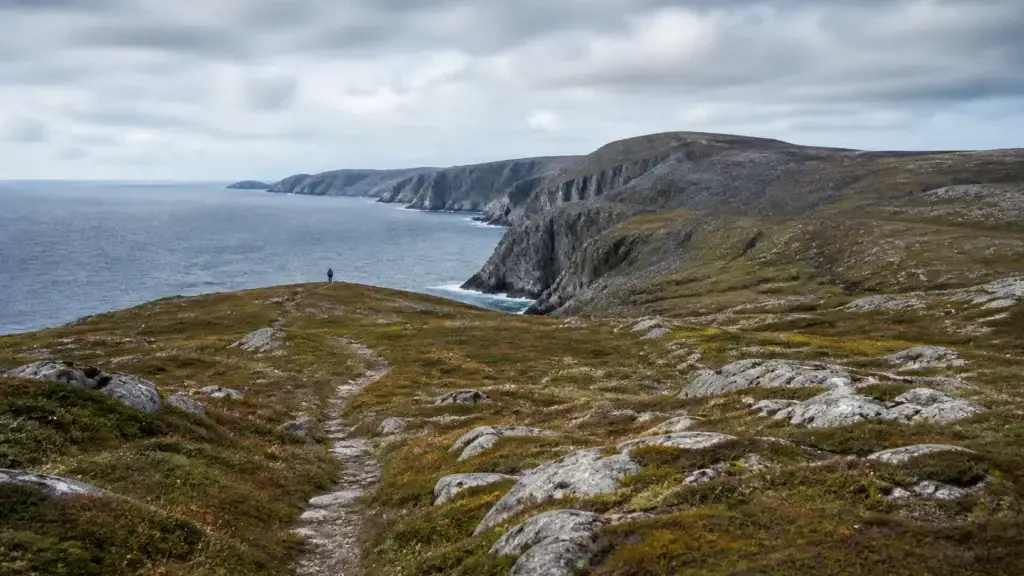
Brimstone Head or Lion's Den Trail with exact Fogo Island coastal geography

Coastal walking

Walk one headland with a turnaround

Choose Brimstone Head, Lion's Den or another suitable official route with a qualified local guide when appropriate, then let wind, fog, footing and the group's energy set a conservative turnaround.

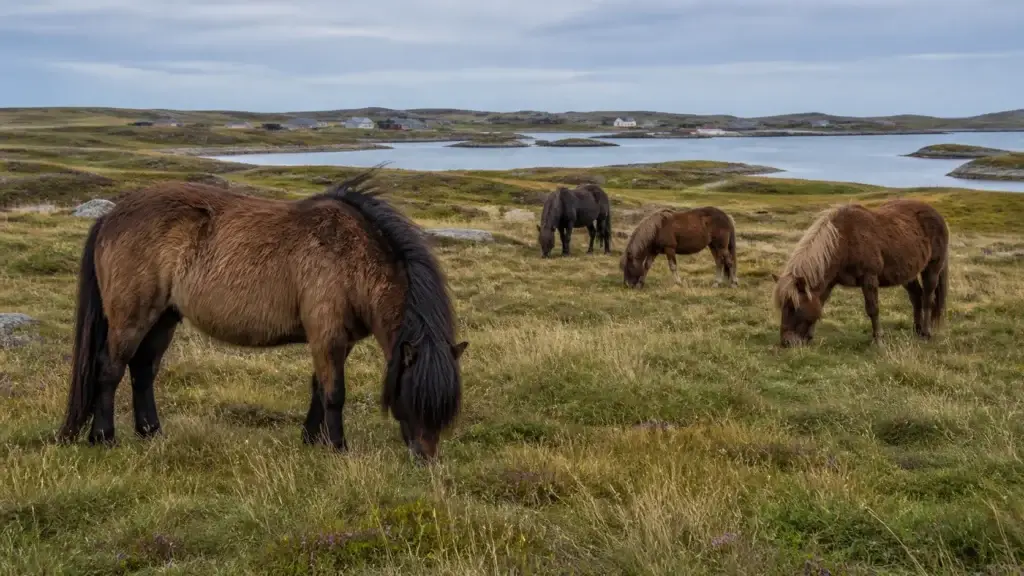
Newfoundland Ponies at the Change Islands Newfoundland Pony Sanctuary in documented sanctuary context

Living heritage

Meet Newfoundland Pony conservation on Change Islands

Arrange a visit directly with the sanctuary to understand the pony's role in outport work and current conservation. Access, handling and animal interaction remain entirely under sanctuary guidance.

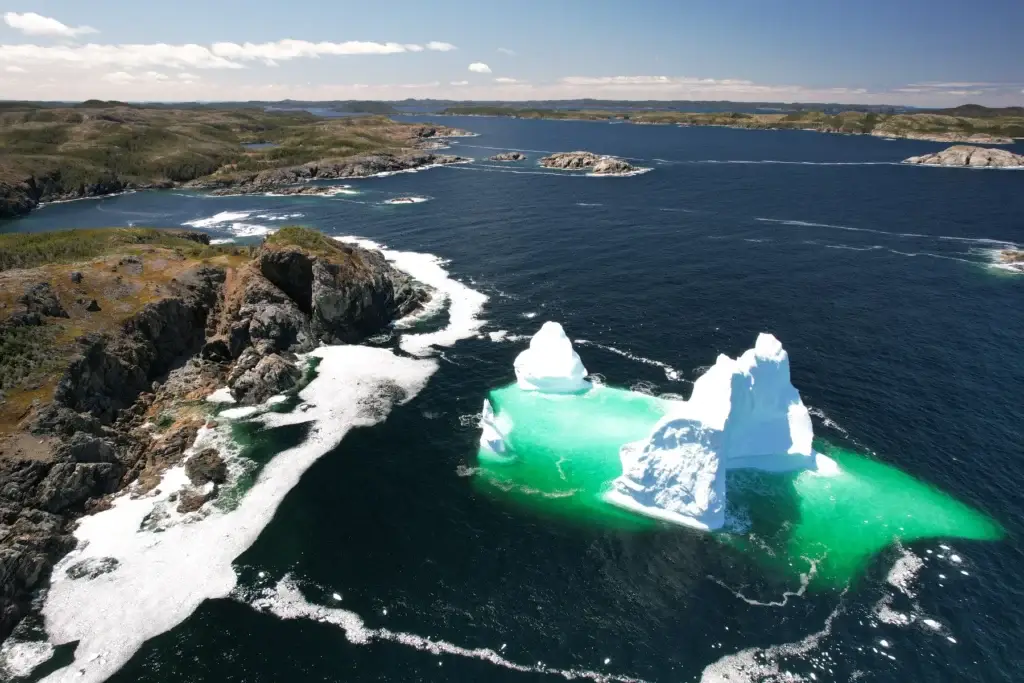
Documented iceberg or whale sighting from Fogo Island or Change Islands, preferably from a safe shore viewpoint

North Atlantic nature

Watch the North Atlantic without a wildlife promise

Use a safe shore viewpoint or qualified boat operator to look for icebergs, whales and seabirds while treating absence, fog and changing water as part of a living system rather than a failed excursion.

Travel restored

What makes Fogo Island & Change Islands a wellness destination?

What makes Fogo Island and Change Islands a wellness destination?

The islands replace optimization with attention through horizon, walking, making and a ferry-led acceptance of what cannot be rushed. WHO reviews identify possible mental-health pathways from green and blue spaces while emphasizing mixed evidence, so the journey supports perspective and restorative pacing rather than promising treatment or measurable results.

Wellness role
A meaningful restorative layer
Best for
Executives, artists, couples and reflective travelers willing to exchange schedule density for weather-led attention
Format
North Atlantic horizon, condition-led walking, close looking at making and deliberate schedule surrender
Ideal commitment
One primary question per day, one outdoor interval with a safe alternative and no itinerary that depends on a wildlife sighting
Intensity
Gentle

For companions

Strong for couples and solo travelers; multigenerational fit depends on ferry, vehicle, thresholds, stairs, trail terrain and exposure being individualized.

Seasonal lens

Late spring through early autumn gives the widest outdoor range. Winter is highly conditional and should be built around essential access, current public operations and a compact indoor alternative.

Create a spacious visual edge around the day

North Atlantic horizon

Use a safe public shoreline or harbour viewpoint to notice visibility, tide, birds and changing light without searching for a guaranteed spectacle.

Duration
45 to 75 minutes
Intensity
Gentle
Best for
Travelers arriving overstimulated
Consider

Wind, fog, cold, waves, footing and shoreline exposure require current review. No health or wildlife result is guaranteed.

Use careful movement to rebuild a sense of pace

Headland attention

Walk one official trail slowly enough to notice rock, lichen, settlement traces and weather, with the turnaround decided before fatigue.

Duration
60 to 120 minutes
Intensity
Moderate
Best for
Active travelers comfortable on exposed terrain
Consider

Trail condition, steep sections, stairs, wind, fog, footwear, emergency access and mobility require individual review.

Replace consumption with sustained attention to how things are made

Making close looking

Use a confirmed public exhibition, boatbuilding interpretation or community craft program to study one material, tool or design response to place.

Duration
60 to 90 minutes
Intensity
Gentle
Best for
Art, design and craft travelers
Consider

Public access, host availability, intellectual property, seating and building thresholds require confirmation.

Practice leaving real margin around what cannot be controlled

Ferry surrender

Treat the crossing and its buffer as part of the journey, keeping food, warm layers and an alternate activity ready rather than compressing the day.

Duration
Arrival and departure rhythm
Intensity
Gentle
Best for
Executives and itinerary-driven travelers
Consider

Schedule surrender does not replace operational planning. Recheck ferry notices and protect the outbound flight.

The takeaway is to leave room for weather, first voice and absence, carrying home a less extractive way of paying attention. Wellness experiences are not medical treatment and do not promise stress reduction, biomarker change or longevity. Confirm conditions and individual suitability.

Timing the journey

When to go

Late May through early October offers the broadest fit, but the purpose should choose the dates. Late May and June support iceberg intent without a guarantee. July and August broaden trails, arts programming and whale season. September and early October can feel quieter while storms, shorter days and reduced operations require flexibility.

May · Jun

Best

Iceberg-intent season

Weather
Cold, fog, wind, rain and possible sea ice can affect ferries, boats and trails.
Crowds
Demand grows as seasonal operations open, while schedules remain date-sensitive.
Best for
Iceberg possibility, photography, public culture and condition-ready coastal walking.

Jul · Aug

Best

Broadest island season

Weather
Milder periods still include fog, wind, rain and rapid North Atlantic changes.
Crowds
Ferries, accommodations, public programs and operators face their strongest demand.
Best for
Trails, public art, community heritage, whale season and longer light.

Sep · Oct

Conditional

Early autumn art and walking

Weather
Cooler temperatures, shorter days, wind, fog and Atlantic storms can reshape access.
Crowds
Some dates feel quieter while public programs and transport remain schedule-dependent.
Best for
Art, architecture, foodways, community context and measured trail time.

Nov · Dec · Jan · Feb · Mar · Apr

Conditional

Winter and spring transition

Weather
Cold, snow, ice, wind, fog and marine conditions can disrupt roads, ferries and walking.
Crowds
Visitor demand may be lower, but many public programs and services reduce or close.
Best for
A highly tailored island stay built around confirmed transport and currently operating public experiences.

Flights, ferries, vessel allocation, weather, trails, public programs, sanctuary visits, boat operations and wildlife presence change. Reconfirm every time-sensitive element immediately before travel.

Value, clearly framed

Understanding trip value

Custom quote based on exact dates, air cabin, accommodation, licensed transfers, ferries, qualified interpretation, public programs, trails and any condition-ready boat operation. No public package price is stated.

What shapes the guidance

4 to 6 nights for two travelers, with air, accommodation, licensed transfers, ferry costs, qualified guidance and confirmed experiences priced separately at proposal stage.

Journey logistics

Arrive well

Use scheduled air to Gander, a confirmed road transfer to Farewell and the provincial vehicle-passenger ferry to Fogo Island or Change Islands. Ferry schedules, vessel allocation, weather and vehicle sequencing require live checks, and the return should never sit too close to a critical flight.

Primary gateway Gander International Airport (YQX) and Farewell ferry terminal

Premium commercial air

Arrive through Gander

Confirmed domestic originGander International Airport (YQX)

Scheduled air followed by a pre-arranged licensed road transfer

Confirm current flight, airport assistance, baggage handling, vehicle accessibility, driver and the connection margin to Farewell.

Boat, ferry or yacht

Cross from Farewell

Farewell ferry terminalFogo Island or Change Islands

Provincial passenger and vehicle ferry

Schedules vary by season and vessel. Recheck live notices, vehicle procedures, loading order, weather and the exact direct or combined sailing before departure.

Access and mobility

Confirm airline assistance, airport curbside support, vehicle type, ferry terminal access, boarding method, passenger seating, washrooms, island roads, building thresholds, trail surfaces, stairs, wind exposure and rest points against the traveler's exact needs. A vehicle-capable ferry does not make every island venue or trail accessible.

Before you go

Practical planning notes

Getting around

Protect the outbound journey

Keep a substantial margin between the island ferry and any critical flight from Gander.

Etiquette

Use living first voice

Let qualified community interpreters explain outport culture instead of reading resident life as scenery.

Etiquette

Ask before entering

Homes, stages, studios and workspaces are not public unless current access is clearly confirmed.

Wellness

Never promise wildlife

Icebergs, whales, seabirds and caribou remain seasonal, mobile and uncertain.

The VH Luxe approach

How VH Luxe composes the journey

  1. Secure the transport spine

    Confirm Gander, Farewell, ferry sequence and the outbound buffer before adding activities.

  2. Let Fogo Island go deep

    Use one art, architecture or outport question to connect several slow days.

  3. Add Change Islands deliberately

    Include the second island only when ferry timing and confirmed community access protect its distinct scale.

  4. Carry home room for absence

    Let a day remain meaningful even when weather closes in or wildlife never appears.

Paramjit Harika, VTA, CTA

Advisor-led planning

Your journey, personally considered

Paramjit Harika

Founder & Luxury Travel Advisor

I coordinate your hotel and room, premium air, transfers and key experiences as one considered journey, with one point of contact from planning through travel.

Good to know

Frequently asked questions

How many nights do you need on Fogo Island and Change Islands?

Allow 4 nights for a focused Fogo Island journey and 5 to 6 when adding Change Islands, a weather-held day and deeper public art or heritage interpretation.

How do you reach Fogo Island and Change Islands?

Fly on a confirmed scheduled route to Gander, continue by pre-arranged road transfer to Farewell and take the provincial ferry. Recheck the exact seasonal schedule, live notices and vehicle procedures.

What is the best time to visit?

Late May through early October has the broadest fit. Choose late spring for iceberg intent, midsummer for trails and public programs, or early autumn for art and quieter pacing, always with weather flexibility.

Will you see icebergs or whales?

Possibly, but never certainly. Iceberg drift, whale movement, fog, sea state and the year all matter. The journey should remain complete without a sighting.

Can visitors enter the Fogo Island Arts studios?

Do not assume access. Use current Fogo Island Arts exhibitions, authorized public programs or a suitable public viewpoint, and confirm any studio visit directly before describing it.

What makes these islands a wellness destination?

North Atlantic horizon, condition-led walking, close looking and ferry margins can create a restorative rhythm. These practices support attention and perspective but are not medical treatment or a promised result.