The VH Luxe destination guide

The Dolomites, Italy

Choose one valley, move with skill and let the mountains reset scale, attention and pace.

Recommended stay

4–

7 nights

Best time

Late June through September is the broad hiking window. Winter is best planned around live lift, snow and road conditions. Shoulder periods can be quiet but may coincide with lift, refuge and hotel closures.

Primary gateway

Venice, Verona, Innsbruck or Bolzano, followed by a route-matched private transfer

Journey context

Four nights supports one valley. Six to seven nights can connect two compatible bases without making the journey transfer-led.

Curator’s verdict

Late June through September is the strongest general window for hiking, while the winter season is a separate snow-led journey. The decisive luxury choice is geographic: Cortina, Val Gardena, Alta Badia and the Brenta Dolomites are not interchangeable bases.

Choose well

Which Dolomites should define the journey?

Choose the valley, season and movement level before selecting a property. The celebrated mountain groups span several provinces and require different gateways.

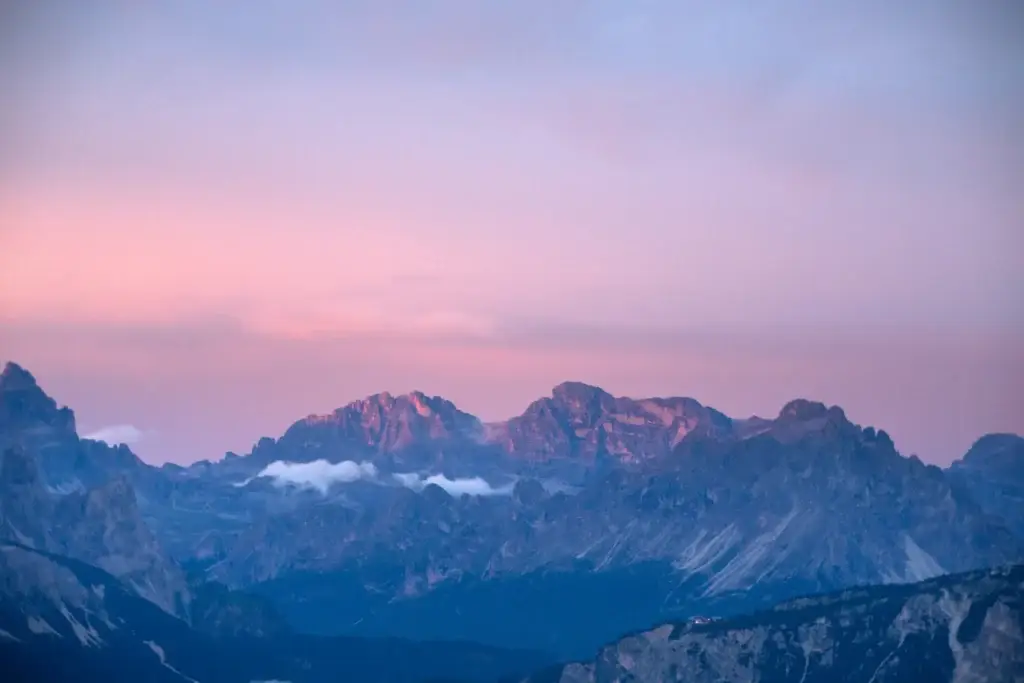
Wide mountain panorama from Seceda in the Italian Dolomites

Every traveler, especially a first Dolomites journey

Choose one mountain geography

Cortina, Val Gardena, Alta Badia and the Brenta Dolomites offer different landscapes, languages and logistics.

Worth knowing

A focused route leaves other famous peaks for a future journey.
Active couples, families and multigenerational groups

Choose hiking or snow as the primary purpose

Summer trails and winter snow require different bases, equipment, guides and operating calendars.

Worth knowing

A broad seasonal promise can obscure closures, snow variability and fitness requirements.

Wellness travelers and guests with cardiorespiratory concerns

Match elevation to the traveler

Use lower and higher days deliberately, with expert route selection and recovery time.

Worth knowing

The most photographed high point may not be the most suitable or rewarding objective.

Six or seven-night journeys

Add a second base only when it changes the story

A second valley should add a distinct landscape or cultural chapter rather than another hotel.

Worth knowing

Mountain transfers consume daylight and remain vulnerable to traffic and weather.

A considered introduction

The Dolomites are a mountain range of distinct valleys, languages and access routes, not one resort. Cortina pairs dramatic eastern landscapes with a polished town; Val Gardena and Alta Badia bring Ladin culture and linked mountain systems; the Brenta Dolomites form a separate western journey.

Four nights supports one focused base. Six or seven allows a carefully chosen second valley when the transfer creates a meaningful progression. A private mountain guide, weather-aware logistics and protected recovery time matter more than filling every day.

Advisor note

Advisor perspective: I would select the valley from the season, movement level and onward route before choosing a property. One exceptional base with a private guide often feels more luxurious than a fast circuit of famous viewpoints.

What stays with you

Signature experiences

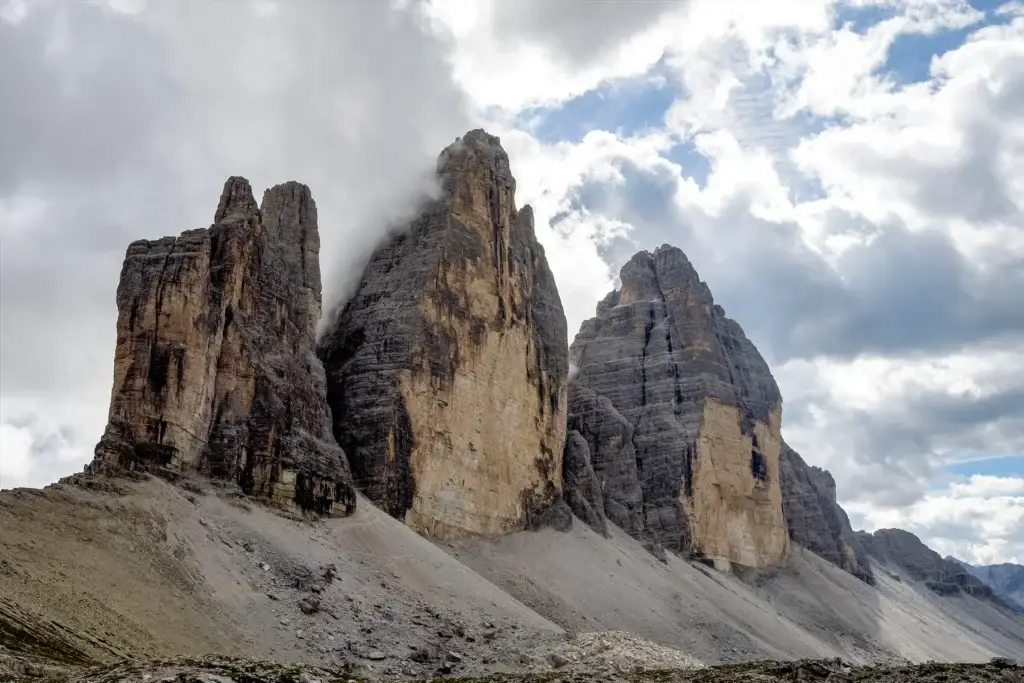
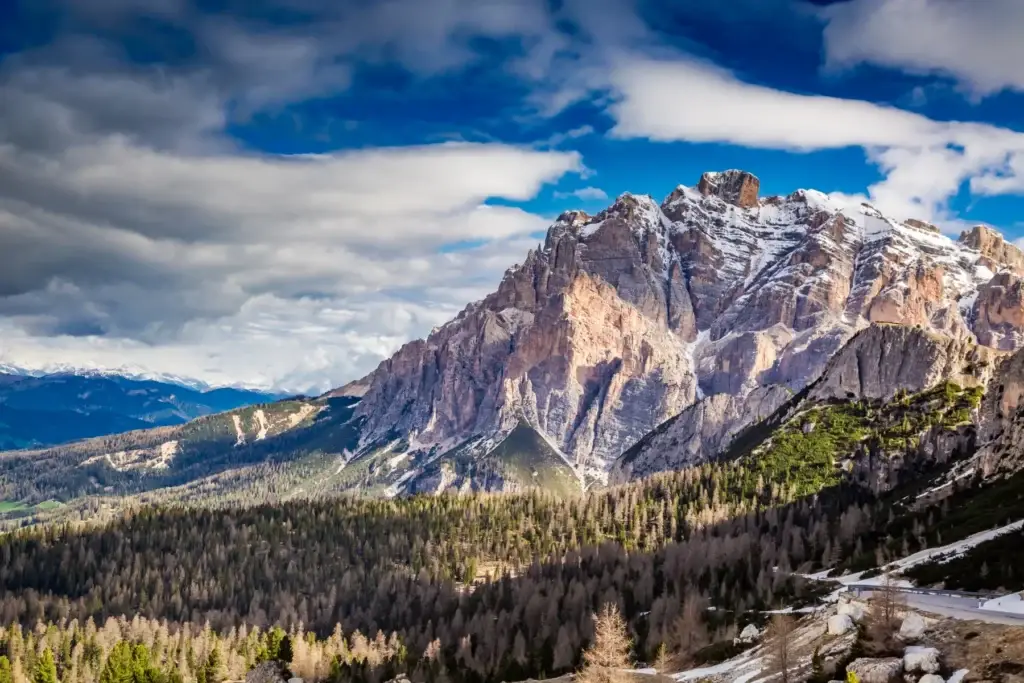
Tre Cime di Lavaredo rock towers in the Dolomites

Geology

Read the mountains with a private geologist

Use one carefully selected viewpoint or trail to understand the Dolomites' limestone forms and deep geological record. Access remains weather dependent.

Movement

Build a private mountain day around ability

A qualified guide can shape hiking, climbing or snow activity around fitness, conditions, exposure and a realistic return plan.

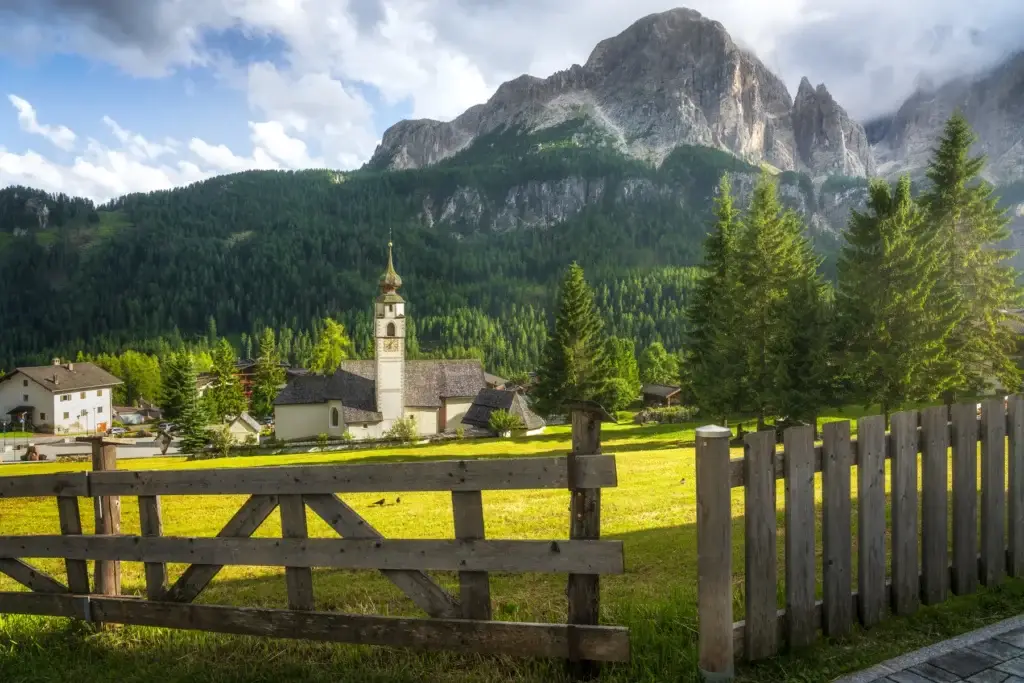
Church and village landscape at Colfosco in Alta Badia

Living culture

Enter Ladin culture through a local voice

Meet a compensated cultural specialist, maker or cook for language, food and valley history without treating Ladin identity as performance.

Mountain food

Use one refuge meal to understand place

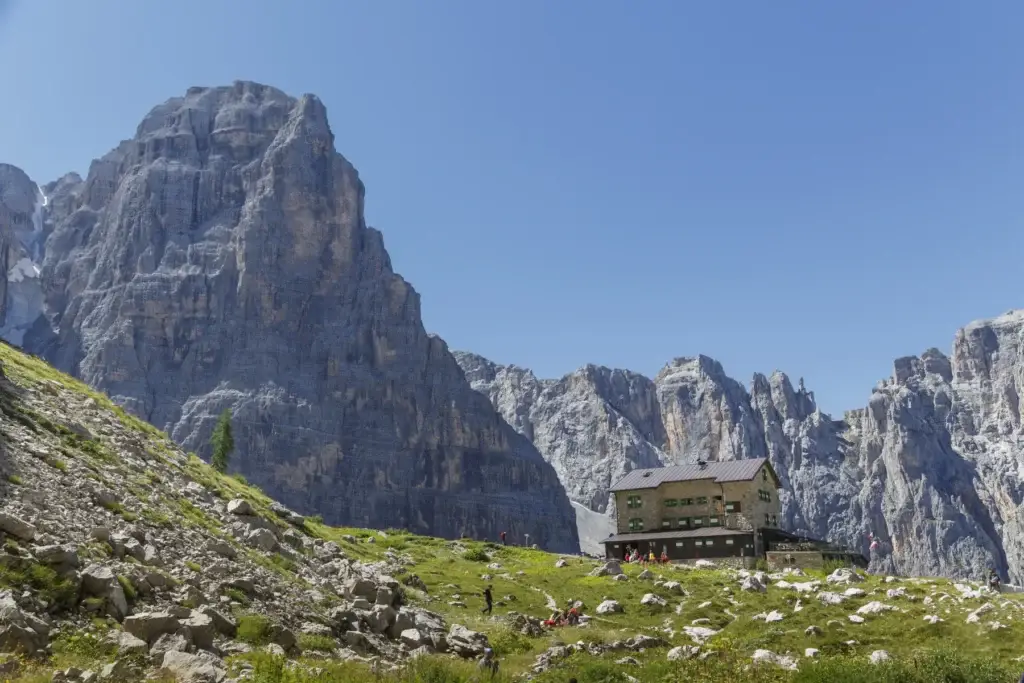
Choose a route-compatible refuge and discuss pasture, season and local ingredients with a guide. Opening and reservations require confirmation.

Landscape

Watch enrosadira without chasing it

A private naturalist can select a quiet, safe position for the changing light on pale rock. Color and visibility are natural conditions, never guarantees.

Travel restored

What makes The Dolomites, Italy a wellness destination?

The Dolomites make wellness tangible through purposeful mountain movement, Ladin respect for place, traditional hay bathing and deliberate recovery. The strongest journey pairs a private guide and personal practitioner with measured effort, not performance.

Wellness role
A primary reason to travel
Best for
Travelers seeking physical confidence, lower digital stimulation, restorative mountain rhythm and locally grounded bodywork
Format
Private mountain guide, verified hay-bath practitioner, Ladin cultural specialist and individualized recovery plan
Ideal commitment
One supported movement anchor, one regional bathing practice and protected daily recovery within a four to seven-night stay
Intensity
Varies

For companions

Strong for mixed interests because movement, culture, food and recovery can be calibrated independently while sharing one base.

Seasonal lens

Late June through September supports hiking; winter supports snow movement. Exact conditions, lift operation and personal suitability govern each day.

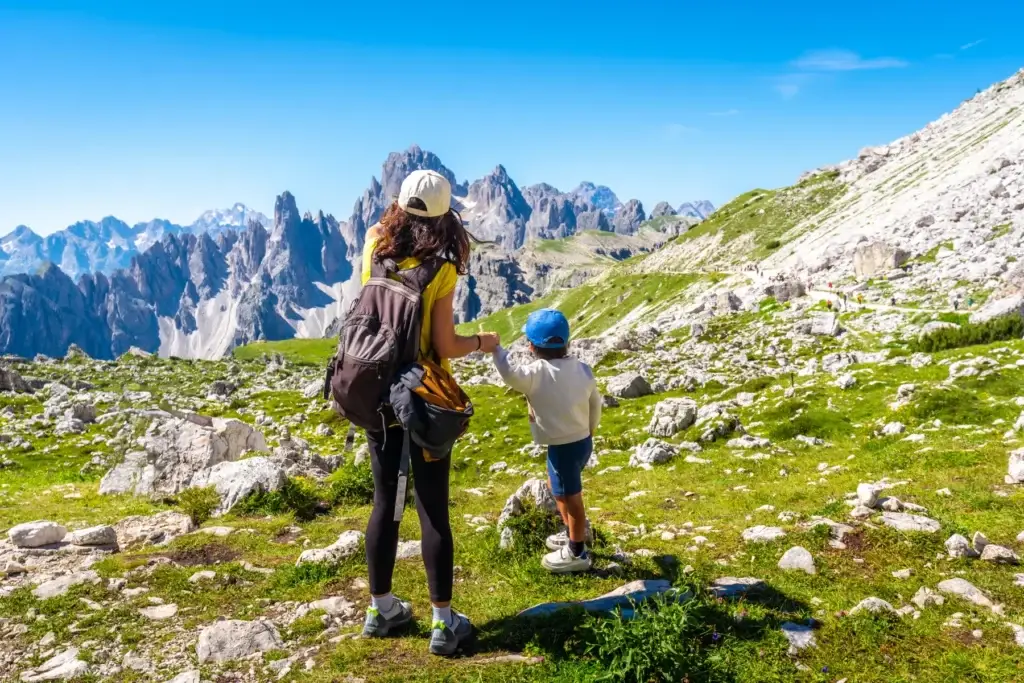
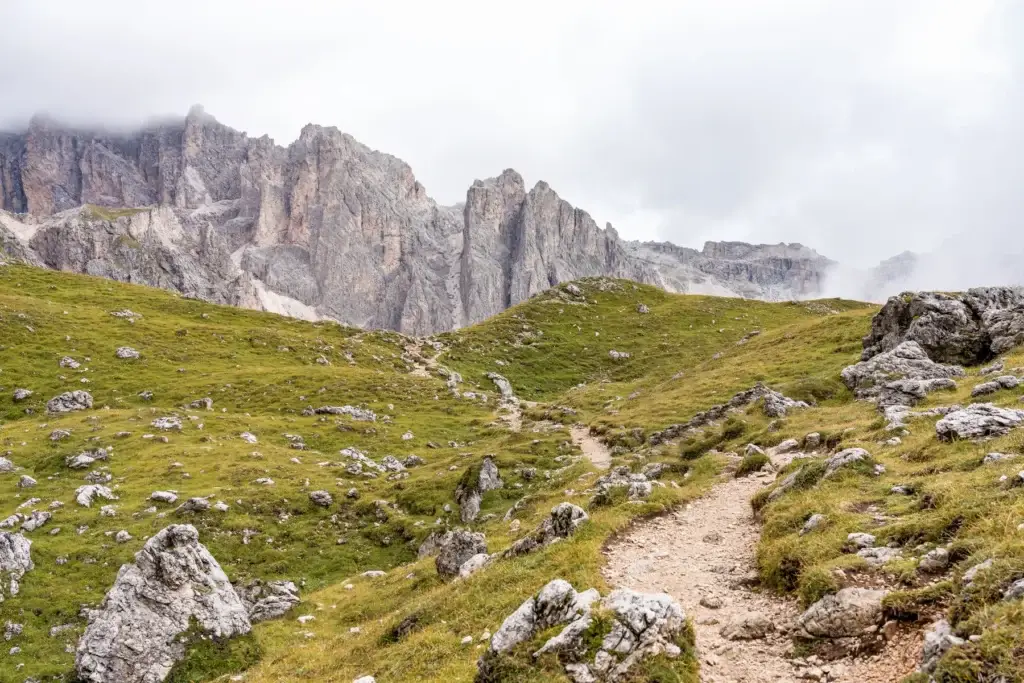
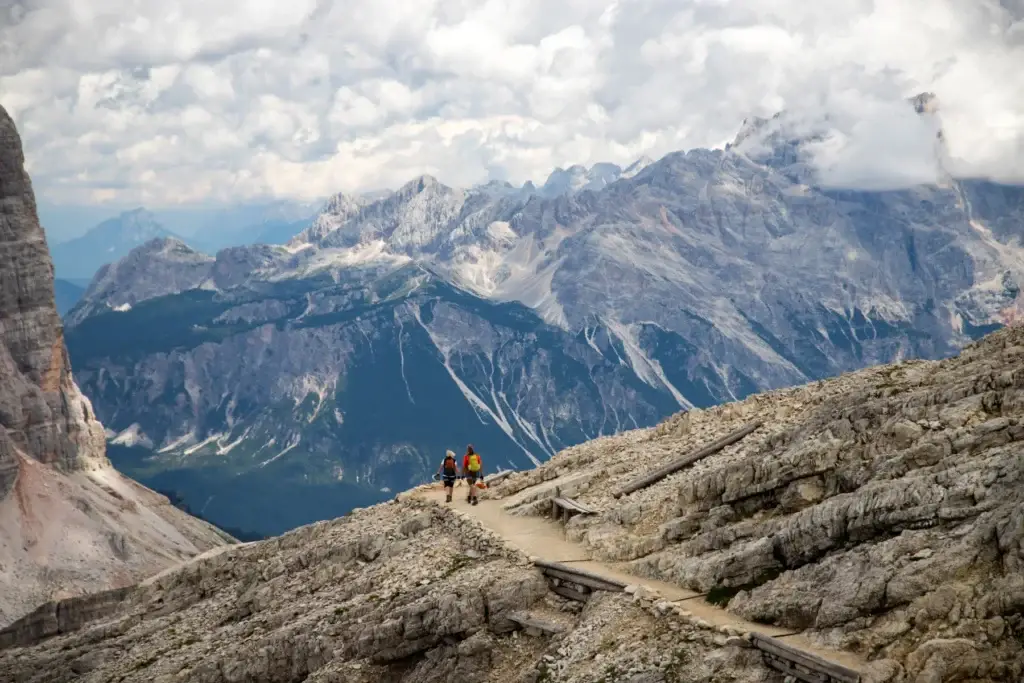
Rocky walking trail across a high Dolomites landscape

Rebuild confidence through measured effort and skilled recovery

Supported mountain movement

A private mountain guide selects terrain, elevation and pace so the day develops awareness and capability rather than chasing distance.

Duration
Two hours to one full day
Intensity
Varies
Best for
Active travelers and mixed-ability companions needing individual calibration
Consider

Altitude changes physiology, and evidence does not support guaranteed outcomes. Confirm health, weather, route and guide credentials.

Use warmth, scent and stillness as a transition into recovery

Alpenbadl hay bathing

This South Tyrolean tradition steams selected meadow hay before the guest rests within it. Arrange a private practitioner to explain provenance and sequence.

Duration
One supervised treatment and recovery interval
Intensity
Gentle
Best for
Travelers seeking a local ritual after mountain movement
Consider

Confirm allergies, heat tolerance, contraindications and practitioner standards. Do not frame the ritual as detoxification or treatment.

Replace speed with attention to land, language and season

Ladin mountain rhythm

A private Ladin cultural specialist can connect a valley walk, local vocabulary and a shared table to a living sense of place.

Duration
One half day
Intensity
Gentle
Best for
Culture-led travelers and executives seeking meaning beyond activity
Consider

Use compensated local voices and confirmed access. Culture is not a therapeutic claim or staged attraction.

Turn exertion into a repeatable cycle of effort, fuel, rest and sleep

Mountain recovery by design

A qualified trainer or physiotherapist can review mobility and recovery after a guided day, using simple measures only when professionally appropriate.

Duration
Daily 30 to 60-minute recovery interval
Intensity
Gentle
Best for
Performance-minded travelers who value measurable, bounded feedback
Consider

Biomarkers require qualified interpretation. Travel services do not diagnose, prescribe or promise improvement.

Wellness descriptions explain movement, regional bathing, recovery and cultural rhythm. They do not promise diagnosis, treatment, detoxification or medical outcomes. Confirm practitioners, altitude, conditions and personal suitability.

Timing the journey

When to go

Late June through September is the broad hiking window. Winter is best planned around live lift, snow and road conditions. Shoulder periods can be quiet but may coincide with lift, refuge and hotel closures.

Jun · Jul · Aug · Sep

Best

Mountain walking season

Weather
Late June through September generally supports higher paths, with heat, thunderstorms and early or late snow still possible.
Crowds
August is a high-demand period. Popular lifts, roads and viewpoints can feel busy.
Best for
Best overall for hiking, geology, refuge meals and landscape-led wellness.

Dec · Jan · Feb · Mar

Best

Winter mountain season

Weather
Snow, temperature and visibility vary by elevation and week. Conditions determine activity.
Crowds
Holiday weeks and major events bring stronger demand and road pressure.
Best for
Best for skiing, snow walking, fireside rhythm and structured recovery.

Apr · May · Oct · Nov

Conditional

Quiet transition periods

Weather
Snowmelt, rain, early snow and rapid changes can restrict mountain activity.
Crowds
Valleys can be peaceful, but many lifts, refuges and hotels reduce hours or close.
Best for
Works for flexible repeat visitors focused on low-valley walking, food and rest.

Weather, snow, lifts, roads, trails, refuges, hotels and guide availability change. Confirm the exact week and every mountain activity before travel.

Value, clearly framed

Understanding trip value

Custom quote based on valley, season, international cabin, gateway, vehicle, guide program and mountain access. No public package price is stated.

What shapes the guidance

Four to seven nights for two travelers; one or two bases, private transfers, qualified guides and specialist experiences priced separately at proposal stage.

Journey logistics

Arrive well

The right gateway depends on the chosen valley and live seasonal schedule. Venice commonly suits Cortina and the eastern Dolomites; Verona can suit western approaches; Innsbruck or Bolzano may suit South Tyrol. Confirm the final road, weather and vehicle plan rather than relying on map time.

Primary gateway Venice, Verona, Innsbruck or Bolzano, followed by a route-matched private transfer

Premium commercial air

Air arrival for the eastern Dolomites

International or European originVenice airports or another route-matched gateway

Scheduled commercial air followed by confirmed private transfer

Match the airport to the first valley. Flight schedules, traffic, weather and mountain-road conditions change the journey.

Rail

Rail approach through a regional gateway

Venice, Verona, Innsbruck or another Italian or Austrian rail hubThe nearest practical rail station for the confirmed valley

Rail followed by prearranged private vehicle

Most mountain bases require a final road transfer. Confirm the operating train, luggage handling and station pickup.

Final transfer

Private mountain transfer

The confirmed airport, rail station or prior Italian stopThe selected Dolomites base

Weather-ready private vehicle

Road works, snow, summer traffic and pass closures can materially change routing. Build margin into arrival day.

Access and mobility

Confirm airport or rail assistance, vehicle step height, lift and gondola access, path grade, surface, exposure, snow conditions, bathroom setup and evacuation options. A mountain guide should select the exact route around mobility, balance, weather and altitude tolerance.

Before you go

Practical planning notes

Packing

Treat weather as part of the design

Keep one flexible day and let the guide revise terrain when visibility, storms or snow change.

Reservations

Confirm guide credentials

Match hiking, climbing, skiing and off-piste objectives to the properly qualified professional.

Etiquette

Respect protected landscapes

Stay on permitted routes, follow local restrictions and avoid treating meadows or private land as open access.

Getting around

Build margin into transfers

Mountain roads and passes are vulnerable to traffic, works, snow and temporary closure.

The VH Luxe approach

How VH Luxe composes the journey

  1. Arrive and settle below the objective

    Use the first afternoon for a gentle valley walk, equipment review and weather briefing.

  2. Build one expert-led mountain day

    Let a private guide select the route after seeing conditions and the traveler.

  3. Alternate effort with culture or recovery

    Use Ladin culture, a refuge table or verified bathing tradition to give movement meaning.

  4. Carry home a recovery rhythm

    Keep one realistic sequence of movement, nourishment, quiet and sleep after travel.

Paramjit Harika, VTA, CTA

Advisor-led planning

Your journey, personally considered

Paramjit Harika

Founder & Luxury Travel Advisor

I coordinate your hotel and room, premium air, transfers and key experiences as one considered journey, with one point of contact from planning through travel.

Good to know

Frequently asked questions

What is the best time to visit the Dolomites?

Late June through September is the broad hiking window. Winter is a separate snow-led season. Confirm lifts, refuges, roads and conditions for the exact week.

How many nights do you need in the Dolomites?

Allow four nights for one valley. Six to seven nights can support two compatible bases when the transfer adds a distinct landscape or cultural chapter.

Should you stay in Cortina or Val Gardena?

Choose Cortina for the eastern Dolomites and its town-led rhythm. Choose Val Gardena for a South Tyrolean base with strong Ladin context. The right answer depends on season and onward route.

Do you need a private guide in the Dolomites?

A qualified private guide is strongly recommended for climbing, off-piste snow and demanding routes, and adds value to hiking through route choice, weather judgment and interpretation.

Is the Dolomites suitable for non-hikers?

Yes, when the valley and season are chosen carefully. Scenic lifts, gentle walks, food, culture and recovery can be composed around mobility, with each access point reviewed in advance.

What makes the Dolomites a wellness destination?

The Dolomites combine measured mountain movement, Ladin connection to place, South Tyrolean hay bathing and deliberate recovery. The lasting shift is learning to alternate effort with nourishment, quiet and sleep.