The VH Luxe destination guide

Denali & Talkeetna, Alaska

Use Talkeetna for a flexible Alaska Range window, then let Denali's one-road system, weather and 2026 Mile 43 closure shape a calm park chapter.

Recommended stay

5–

7 nights

Best time

Late May through early September aligns most closely with rail and park-bus operations. June and July bring very long daylight. August can feel quieter and cooler, while September color and early winter conditions require more flexibility.

Primary gateway

Ted Stevens Anchorage International Airport (ANC), Alaska Railroad and confirmed road transfer

Journey context

Allow 5 to 7 nights, including two Talkeetna flight windows and enough time at the Denali entrance for a bus day plus a restorative alternative.

Curator’s verdict

Denali rewards travelers who protect margin. Two Talkeetna nights can absorb a weather cancellation, the right park bus can replace status with substance, and a day remains successful even when the mountain or wildlife stays out of view.

Choose well

Which Denali and Talkeetna rhythm fits?

Choose the structure from weather tolerance, mobility and the desired depth of interpretation, then leave enough margin for Alaska to answer in its own time.

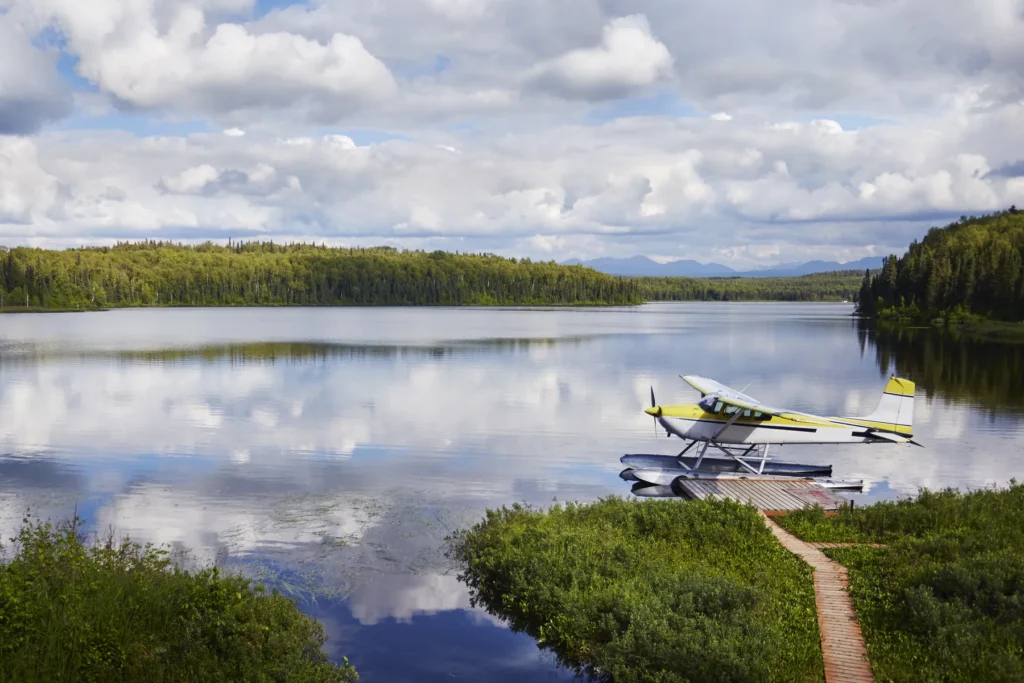
Talkeetna airfield, small aircraft with Alaska Range context, or documented Talkeetna town and mountain view

First visits and travelers for whom Alaska Range flightseeing is a defining priority

Give Talkeetna two chances at the sky

Two Talkeetna nights create more than one usable weather window and make a cancellation less likely to consume the journey's central purpose.

Worth knowing

Extra margin cannot guarantee visibility, a particular route or a glacier landing. It simply protects the possibility more intelligently.
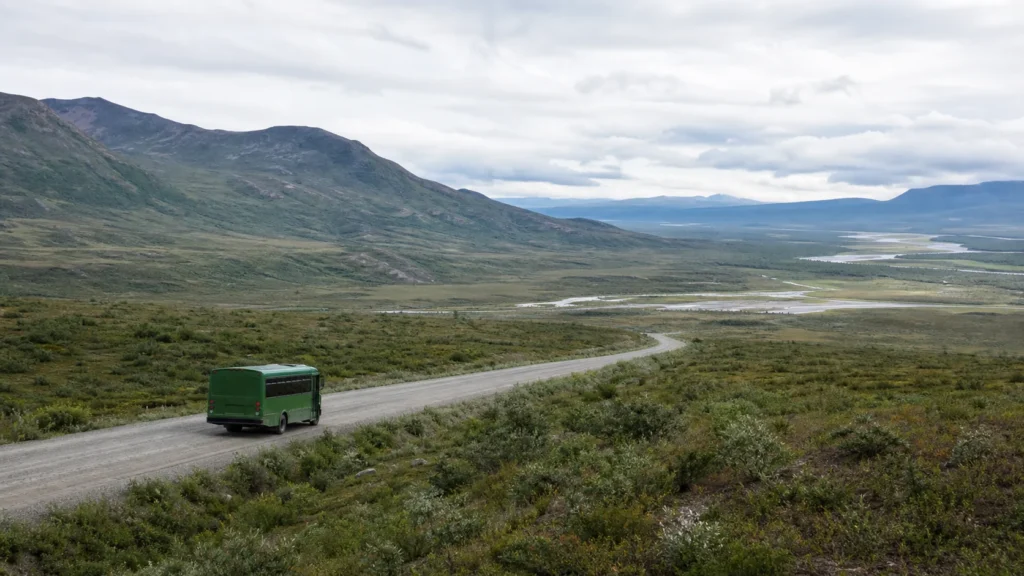
Documented Denali National Park bus on the Denali Park Road east of the current Mile 43 closure

Travelers balancing interpretation, stamina, mobility and independent movement

Choose the bus for the person, not the prestige

A narrated tour suits travelers who want a continuous naturalist-led story. A transit bus suits those who understand independent hiking and space-available reboarding.

Worth knowing

Both formats are long, seasonal and subject to current road operations. Neither travels beyond Mile 43 in summer 2026.

Mixed-ability groups, shorter visits and travelers who prefer depth over distance

Keep the entrance area as a complete day

Visitor-center interpretation, kennels, short trails and the Savage River corridor can form a thoughtful park chapter without chasing the farthest reachable mile.

Worth knowing

Travelers seeking a long backcountry day may find the pace intentionally restrained.

Travelers who value calm, safety and observation more than a photographic checklist

Let weather change the headline

Cloud can redirect the day toward tundra ecology, Alaska Native context, river landscapes or quiet movement without making the journey feel compromised.

Worth knowing

The most famous mountain view may never appear, and no itinerary design can make it appear.

A considered introduction

Talkeetna and Denali serve different purposes. Talkeetna offers a rail stop, river-town pause and the strongest staging logic for a weather-dependent Alaska Range flight. The national park entrance introduces a landscape governed by one road, seasonal buses and live conditions.

Allow five to seven nights. Keep at least two usable flight windows in Talkeetna when seeing the Alaska Range from the air is a priority, then give the park enough time for one road-based day and one quieter entrance-area chapter.

Advisor note

Advisor perspective: I would protect two chances for any priority flight, select the Denali bus format around stamina and curiosity, and reserve one lower-intensity alternative that still feels complete. VH Luxe Travels can coordinate tailored arrangements where applicable, with every aircraft, transfer, bus and guided element confirmed before travel.

What stays with you

Signature experiences

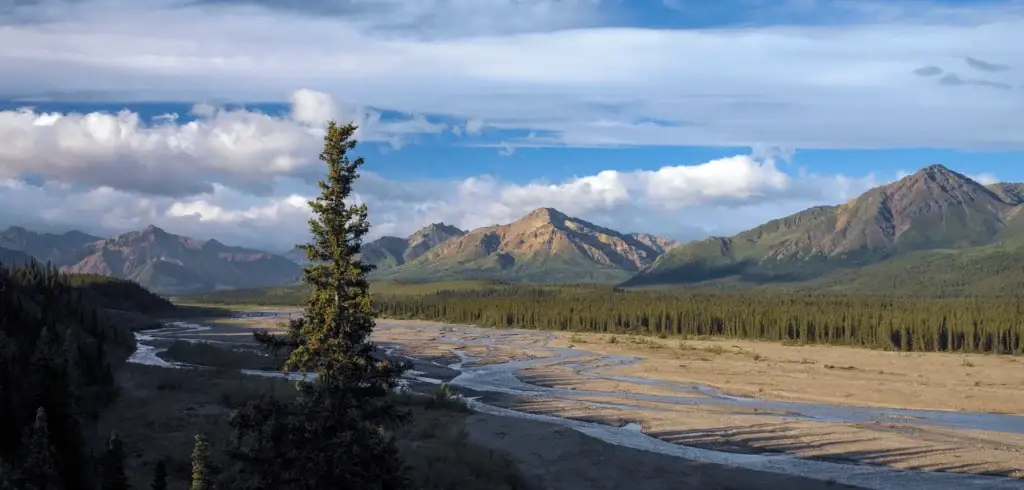
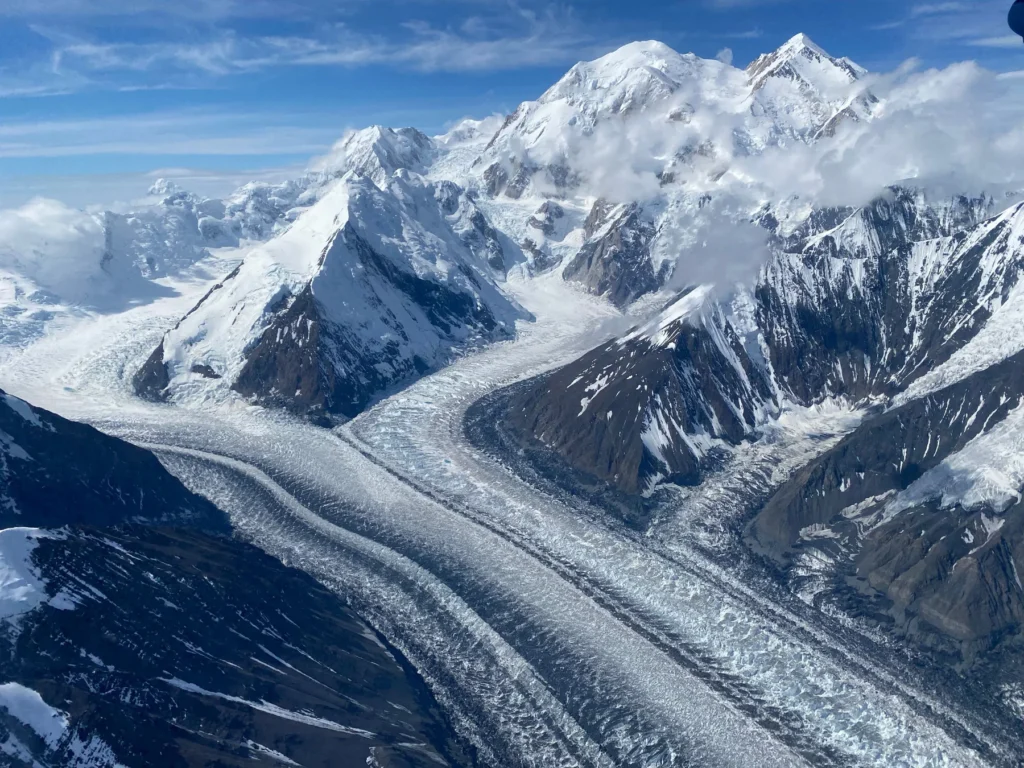
Documented aerial view of Denali, Ruth Glacier, Ruth Gorge or the central Alaska Range

Flight and geology

Read the Alaska Range from the air, only when the sky agrees

A qualified Talkeetna operator can translate glaciers, ridgelines and scale from a route adapted to live weather. Any glacier landing, exact circuit or mountain view remains conditional.

Denali National Park - Alaska

Natural history

Let a naturalist translate the road to East Fork

Choose a narrated 2026 bus when a coherent story of tundra, geology and wildlife matters more than independent stops, treating Mile 43 as the current operating reality rather than a diminished day.

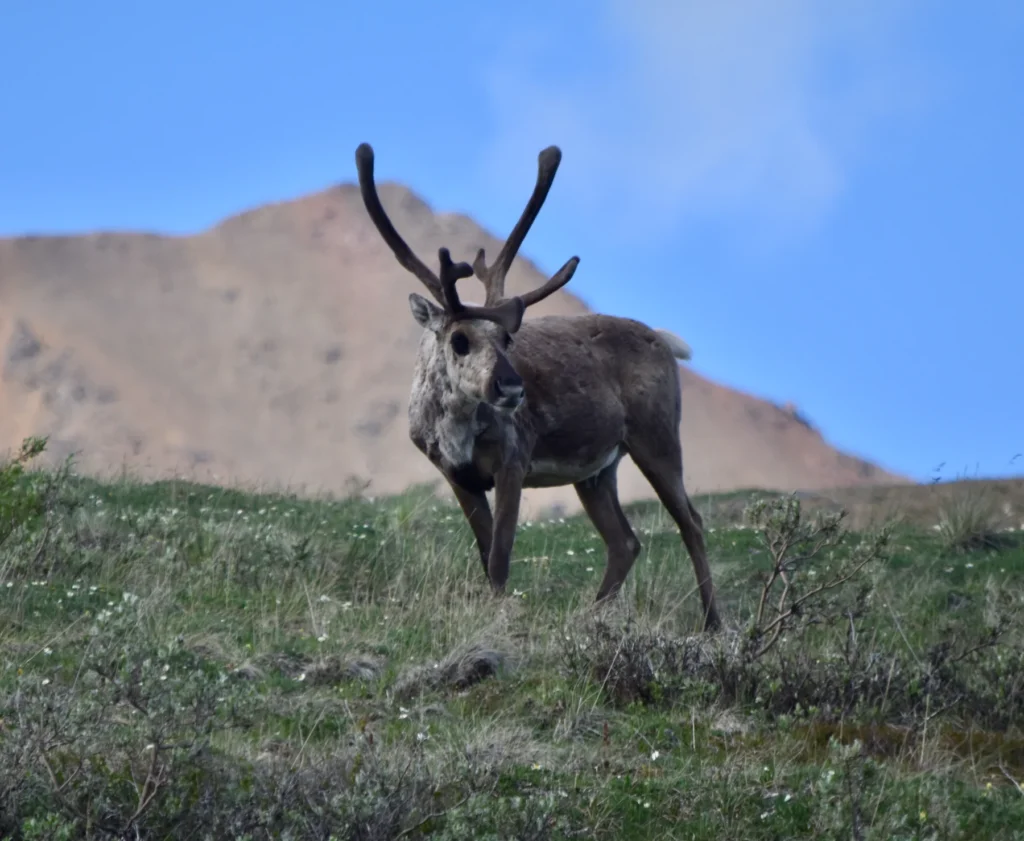
Wild Denali moose, caribou, Dall sheep, wolf or grizzly photographed at a safe documentary distance

Wildlife ethics

Watch wildlife without making it perform

Use optics, patience and NPS distance rules to observe habitat and behavior. The experience is the quality of attention, not a promised species list or close photograph.

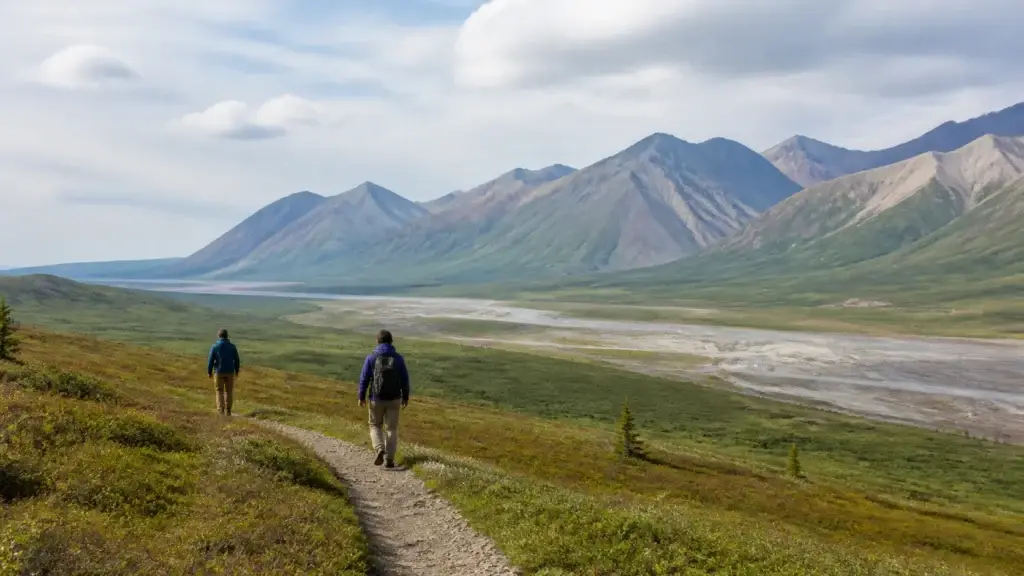
Documented Denali entrance-area, Mountain Vista or Savage River trail and tundra

Tundra movement

Walk one tundra edge with deliberate restraint

Shape a private or authorized guide-led interval around the entrance, Mountain Vista or Savage River, matching terrain, weather and wildlife conditions to the traveler's ability.

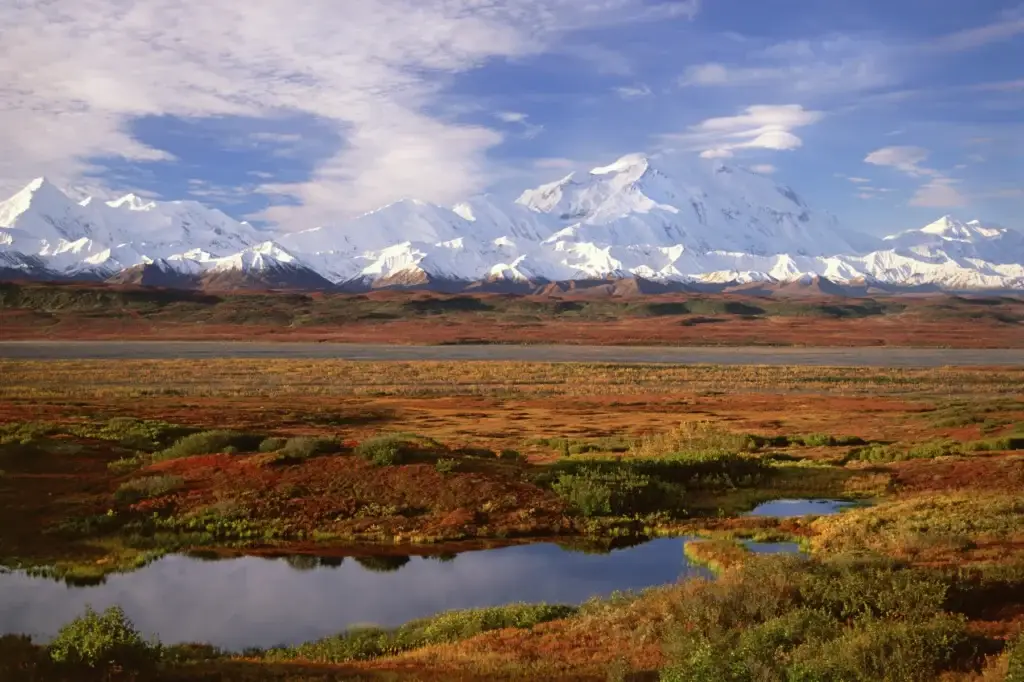
Tundra and kettle pond in Denali National Park, Alaska in the fall

Living histories

Hear the land through living Alaska Native context

When an authorized first-voice program is operating, listen to how land, language and subsistence remain connected. Do not package ceremony or presume that one Alaska Native story represents every community.

Travel restored

What makes Denali & Talkeetna, Alaska a wellness destination?

What makes Denali and Talkeetna a wellness destination?

This landscape can replace performance with patient attention through tundra stillness, long northern light, ethical wildlife observation and weather-led pacing. Research suggests nature exposure may influence perceived stress and some short-term physiologic measures, but effects vary and the journey is not treatment. The lasting shift is learning to leave space for what cannot be scheduled.

Wellness role
A primary reason to travel
Best for
Travelers seeking awe, quiet observation, deep sleep and a lasting practice of patience rather than high-output adventure
Format
Private or small expert-led natural history, ability-matched movement and protected recovery
Ideal commitment
One primary objective each day, one weather-ready alternative and sufficient recovery around long transport or flight windows
Intensity
Varies

For companions

Strong for couples and multigenerational travelers when bus duration, aircraft access, terrain, weather and recovery are matched individually.

Seasonal lens

Summer supports the broadest transport system; autumn, winter and spring require distinct purposes and more operational restraint.

Lower stimulation through wide horizons and quiet observation

Tundra attention

Use a naturalist-led, ability-matched interval to notice wind, lichen, braided water and seasonal change without turning the walk into a performance.

Duration
60 to 90 minutes
Intensity
Gentle
Best for
Travelers balancing long transport with restorative movement
Consider

Terrain, weather, wildlife and trail status require live review.

Protect sleep despite very long summer daylight

Northern-light rhythm

Use an intentional evening cutoff, dark room and unprogrammed morning so Alaska's long light does not erode recovery.

Duration
Nightly
Intensity
Gentle
Best for
Travelers sensitive to schedule changes or disrupted sleep
Consider

Individual sleep and medical needs should guide timing; this is a travel habit, not therapy.

Practice attention without pursuit

Wildlife restraint

Observe through optics from required distance and let an absent animal remain part of the landscape rather than a failed objective.

Duration
One bus or guided interval
Intensity
Gentle
Best for
Travelers seeking meaning and ethical nature connection
Consider

Never approach, feed, follow or alter wildlife behavior.

Replace forced outcomes with responsive planning

Weather-led pacing

Keep one substantial indoor or grounded alternative so a canceled flight or clouded mountain becomes a different good day, not a compressed scramble.

Duration
One flexible half day
Intensity
Varies
Best for
High-achieving travelers who benefit from releasing the checklist
Consider

Operator safety decisions, weather and visibility are final.

Wellness descriptions do not promise diagnosis, treatment, biomarker change or longevity. Activities must be matched to current weather, wildlife, aircraft, terrain, accessibility and individual medical needs.

Timing the journey

When to go

Late May through early September aligns most closely with rail and park-bus operations. June and July bring very long daylight. August can feel quieter and cooler, while September color and early winter conditions require more flexibility.

May · Jun

Good

Early summer

Weather
Long daylight arrives with cool temperatures, rain, lingering snow and highly variable mountain visibility.
Crowds
Bus and rail demand builds as the summer system opens.
Best for
Flightseeing margin, opening park operations and long-light landscape days.

Jul · Aug

Best

Peak summer

Weather
The broadest service range, with rain, wind, cool spells, insects, smoke and cloud still possible.
Crowds
Rail, lodging, buses and flight operators face peak demand.
Best for
Fullest Talkeetna and park-entrance operating rhythm, subject to Mile 43 and live conditions.

Sep

Conditional

Autumn transition

Weather
Tundra color, shorter days, frost and early snow can arrive as summer transport winds down.
Crowds
Quieter after peak dates, with rapidly narrowing services.
Best for
Color, wildlife-aware observation and a more contemplative pace.

Oct · Nov · Dec · Jan · Feb · Mar · Apr

Conditional

Winter and spring

Weather
Cold, snow, limited daylight and spring breakup redefine access and activity.
Crowds
Low visitation does not mean full service or easy movement.
Best for
A deliberately quiet, limited-access journey rather than a reduced summer itinerary.

Weather, smoke, daylight, roads, rail, aircraft, glacier surfaces, park buses, trails, wildlife and seasonal services change. Confirm the exact travel week and live operating status before each movement.

Value, clearly framed

Understanding trip value

Custom quote based on exact route, accommodations, private transfers, rail class, aircraft, park buses, authorized guides and seasonal availability. No public package price is stated.

What shapes the guidance

5 to 7 nights for two travelers; accommodations, transfers, rail, aircraft, park buses and confirmed guides priced at proposal stage.

Journey logistics

Arrive well

Anchorage is the main air gateway for this route. Continue by confirmed vehicle or the seasonal Denali Star, which links Anchorage, Talkeetna and Denali in sequence. Rail is scenic and deliberate, but fixed timing and onward transfers must suit the complete journey.

Primary gateway Ted Stevens Anchorage International Airport (ANC), Alaska Railroad and confirmed road transfer

Premium commercial air

Arrive through Anchorage

Confirmed origin cityTed Stevens Anchorage International Airport (ANC)

Scheduled air and confirmed onward transfer

Protect sufficient time for baggage, weather and the chosen rail or road connection. Same-day tight connections weaken resilience.

Rail

Use the Denali Star as part of the journey

AnchorageTalkeetna and Denali

Seasonal scheduled rail

The 2026 Denali Star is seasonal and fixed-schedule. Reconfirm dates, baggage, mobility support and every station transfer.

Final transfer

Connect Talkeetna and the park entrance by road

TalkeetnaDenali National Park entrance area

Confirmed driver or rental vehicle

Road works, weather, stops, wildlife and driver-hour planning affect timing. Do not treat a map estimate as a promised transfer duration.

Final transfer

Enter the controlled park road by the right bus

Denali Bus Depot or confirmed departure pointDenali Park Road to the current 2026 terminus

Narrated tour bus or non-narrated transit bus

The Pretty Rocks closure limits road and bus travel to Mile 43 in summer 2026. Exact schedules, seats, stops and reboarding require live confirmation.

Access and mobility

Confirm aircraft step height, cabin configuration, rail assistance, station transfers, bus lift availability, seat duration, restroom intervals, visitor-center routes, trail surfaces and weather protection against the traveler's exact needs. NPS states that many buses have wheelchair lifts, but the need should be noted during reservation and not every wilderness experience is accessible.

Before you go

Practical planning notes

Reservations

Check Mile 43 live

Use current NPS conditions because the 2026 Pretty Rocks closure supersedes older road and destination descriptions.

Getting around

Carry your bus-day needs

Bring appropriate food, water, layers and medication; services are limited once the bus leaves the depot.

Wellness

Respect wildlife distance

Stay at least 300 yards from bears and 25 yards from other wildlife, dens and nests.

Etiquette

Let first voice lead

Use Native and NPS sources for living cultural relationships and never package ceremony as access.

The VH Luxe approach

How VH Luxe composes the journey

  1. Protect the sky window

    Give Talkeetna enough time for weather to cancel one plan without canceling the journey.

  2. Select the right park bus

    Match narration, duration, mobility and independent hiking to the actual traveler.

  3. Keep one grounded alternative

    Use tundra, history, kennels or a quiet trail when aircraft or mountain visibility disappears.

  4. Carry home patient attention

    Keep the habit of noticing deeply without demanding that nature perform on schedule.

Paramjit Harika, VTA, CTA

Advisor-led planning

Your journey, personally considered

Paramjit Harika

Founder & Luxury Travel Advisor

I coordinate your hotel and room, premium air, transfers and key experiences as one considered journey, with one point of contact from planning through travel.

Good to know

Frequently asked questions

How many nights do you need for Denali and Talkeetna?

Allow 5 to 7 nights, ideally with two Talkeetna flight windows and enough time at the park entrance for one bus day plus a quieter alternative.

Can private vehicles drive the full Denali Park Road?

No. In summer, private vehicles generally travel only the first 15 miles, and the Pretty Rocks closure limits all road traffic to Mile 43 in summer 2026.

Which Denali bus should you choose?

Choose a narrated tour for a continuous driver-naturalist program or a non-narrated transit bus for independent hiking and space-available reboarding.

Is a Denali flightseeing tour guaranteed to operate?

No. Visibility, wind, aircraft, route and glacier conditions govern every departure and any landing. A second Talkeetna window improves resilience, not certainty.

Are wildlife sightings guaranteed in Denali?

No. Wild animals are unpredictable. Travelers must keep NPS distances and never approach, follow, feed or pressure an animal for a photograph.

What makes Denali and Talkeetna a wellness destination?

Its strongest wellness value is patient attention through tundra stillness, ethical wildlife observation, sleep-aware pacing and the willingness to let weather change the plan.