The VH Luxe destination guide

Cusco, the Sacred Valley and Machu Picchu, Peru

Last updated 13 August 2026

Begin in the Sacred Valley, build Machu Picchu around the confirmed route, and let Cusco deepen the ending.

Recommended stay

7–

9 nights

Best time

April through October is commonly the drier sanctuary season, with strong sun, cold mornings, dust and concentrated demand. November through March brings the wetter period, greener landscapes and greater rain, cloud, trail and transport disruption. Exact circuits and seasonal routes follow official calendars, not a generic best month.

Primary gateway

Cusco Airport (CUZ), followed by a prearranged transfer into the Sacred Valley where appropriate

Journey context

Allow 7 to 9 nights: 2 or 3 in the Sacred Valley, 1 or 2 near Machu Picchu and at least 2 in Cusco, with one flexible interval.

Curator’s verdict

This journey becomes more coherent when its order follows physiology and access rather than fame. The Sacred Valley provides a gentler beginning for many arrivals, Machu Picchu requires a dated route and synchronized rail plan, and Cusco deserves unhurried attention after the traveler understands the wider landscape.

Choose well

In what order should travelers combine the Sacred Valley, Machu Picchu and Cusco to protect acclimatization, access and cultural depth?

Secure the dated sanctuary route, then use altitude, rail and cultural depth to shape the bases. The most expensive choice is not necessarily the most suitable one.

Exact Urubamba Valley with a documented Pisac, Urubamba or Ollantaytambo context

Many first-time visitors arriving rapidly from low elevation

Begin lower in the Sacred Valley

Use two or three valley nights for gentle movement, specialist orientation and sleep before finishing in higher Cusco.

Worth knowing

A lower first base can support staging but does not prevent altitude illness or suit every medical profile.

Travelers comparing iconic views, interior interpretation and additional climbs

Choose the exact Machu Picchu route before the train

Match one current circuit and route to mobility, interests, season and entry time, then synchronize rail and bus logistics.

Worth knowing

No ticket provides unrestricted movement, and the classic photograph is not available from every route.

Travelers who want Pisac, Ollantaytambo, Moray or Maras without long vehicle days

Choose one valley axis, not every landmark

Follow one geographic thread through settlement, terraces and water, then leave enough time for a community-led textile or foodways interval.

Worth knowing

Collecting distant sites reduces interpretation and can add altitude, stairs, dust and traffic.

Travelers who value architecture, history and living culture after the sanctuary

Finish with layered Cusco

Use a specialist to distinguish Inca stonework, colonial interventions and contemporary Quechua life rather than blending them into one romantic story.

Worth knowing

Cusco's higher elevation and slopes still require measured movement even after several nights in the region.

A considered introduction

Use the Sacred Valley as the first base, selecting Pisac, Urubamba, Ollantaytambo and one community-led cultural interval without turning the valley into a checklist. Continue by confirmed rail and bus arrangements to the specific Machu Picchu route printed on the ticket. Finish in Cusco for Inca, colonial and living Quechua contexts that should be distinguished rather than collapsed.

Allow seven to nine nights. Protect two or three Sacred Valley nights, one or two nights around Machu Picchu and at least two in Cusco. Timed entry, circuit, rail, road, weather, strikes, landslides and altitude response remain conditional.

Advisor note

Advisor perspective: I would secure the dated Machu Picchu route before choosing a train category, then build the Sacred Valley and Cusco bases around that access. Private transfers and specialist guides improve pacing and interpretation, but cannot change ticket capacity, route rules, rail operations or closures. VH Luxe Travels can coordinate tailored arrangements where applicable, with every element reconfirmed for the exact dates.

What stays with you

Signature experiences

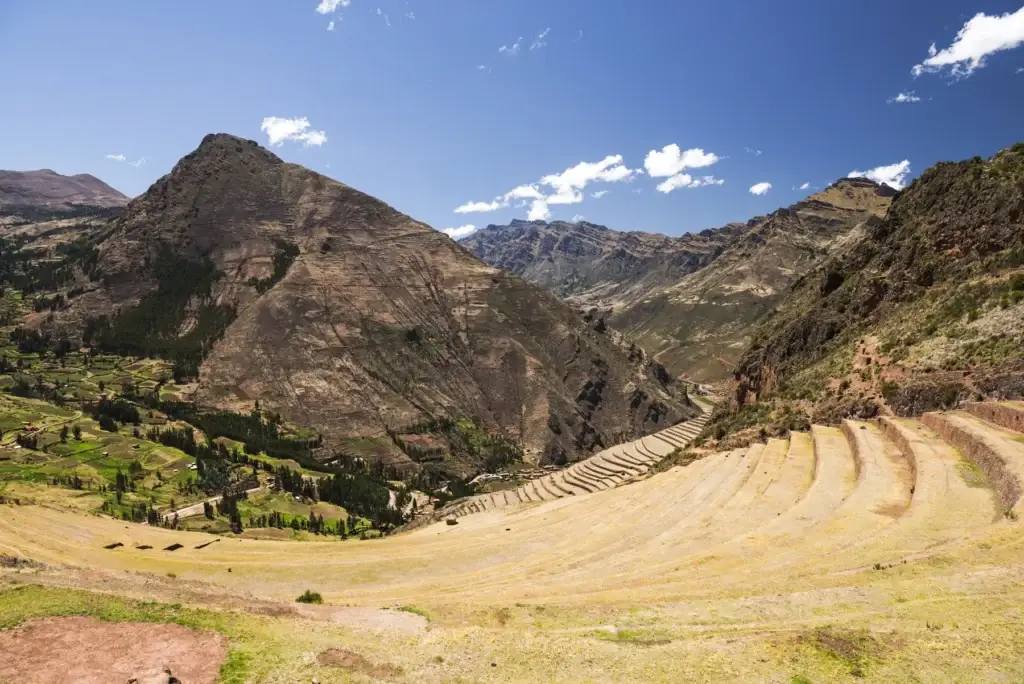
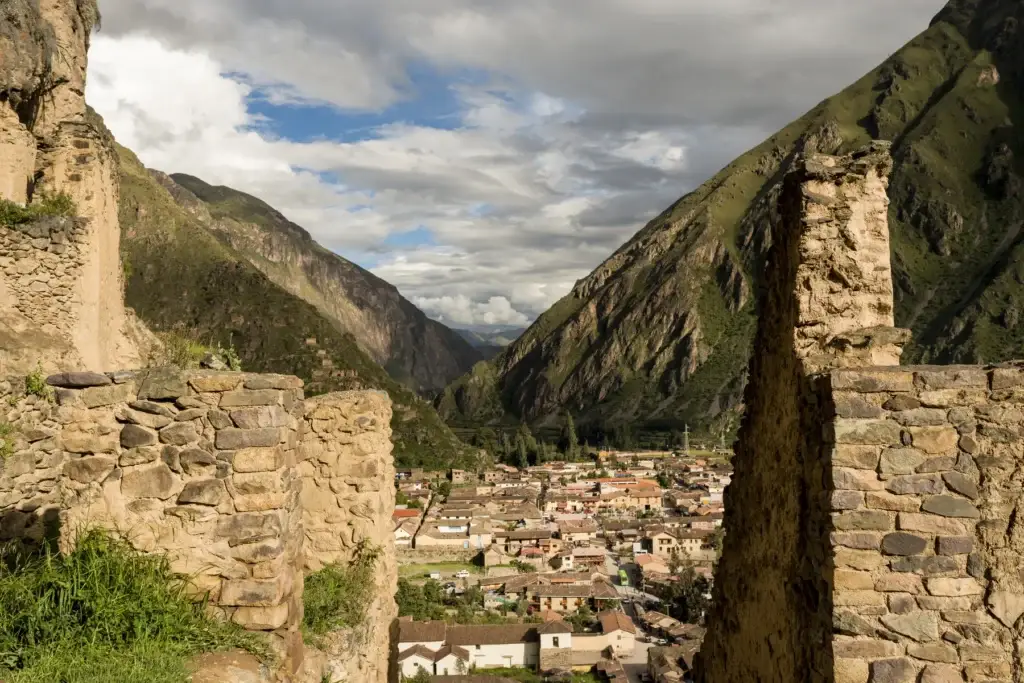
Exact Ollantaytambo streets, terraces or authorized archaeological viewpoint

Valley orientation

Read Ollantaytambo as a living town and archaeological landscape

Use a qualified specialist to separate present-day streets, agricultural design and protected Inca fabric, with stairs and site rules matched to the traveler.

Documented CTTC center or named partner association with authorized weaving process

Living textile knowledge

Learn through a weaver-led association

Arrange an authorized CTTC or community-association visit in which weavers decide what techniques, language and designs are shared, and compensate their expertise directly.

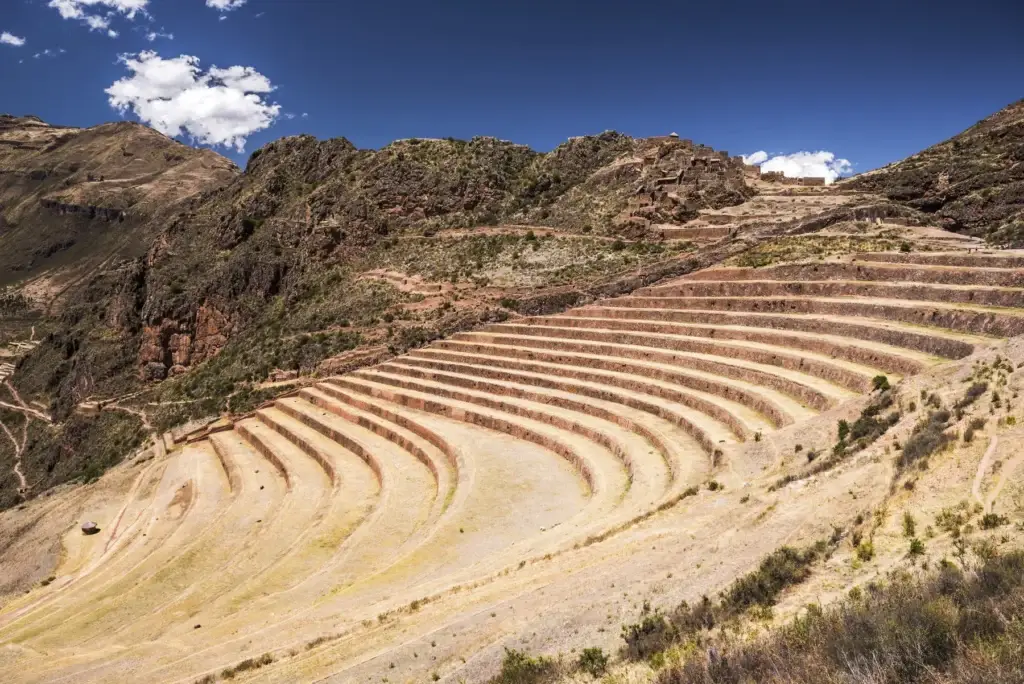
Exact Pisac terraces, Moray or another named current-access site

Agricultural intelligence

Choose one terrace and water story

Use Pisac, Moray or another currently open site to examine how terrain, cultivation and water shaped the valley, without inventing a single definitive purpose where evidence is debated.

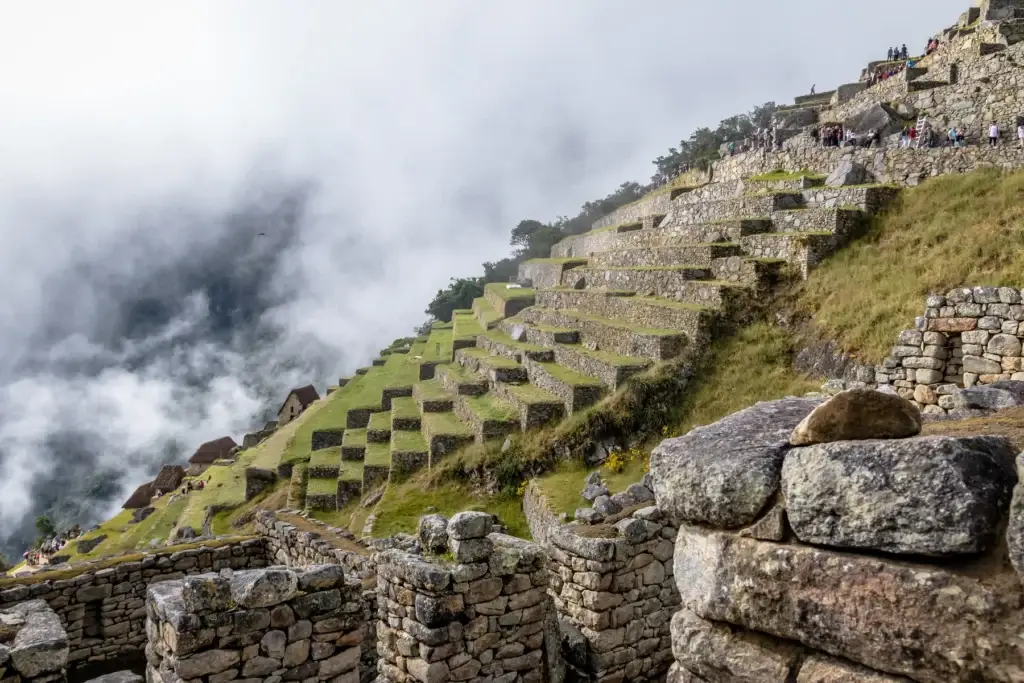
Terraces at Machu Picchu Inca Ruins - Sacred Valley, Peru

Protected heritage

Enter Machu Picchu through the route you actually hold

Let the official dated route, entry time and current map determine the interpretation, with photography, pace, stairs and any additional climb treated as route-specific.

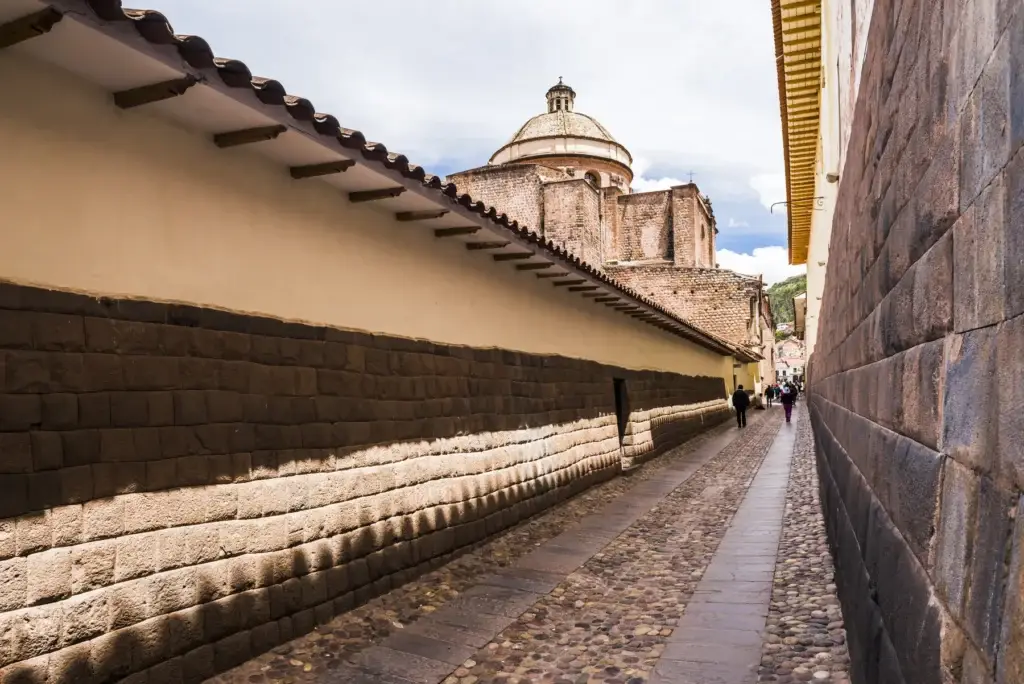
Exact Cusco streetscape where documented Inca masonry and later architecture can be interpreted

Urban history

Read Cusco in chronological layers

Use one quiet specialist interval to compare Inca stonework, colonial architecture and the living city without presenting conquest, faith or Quechua identity as décor.

Travel restored

What makes Cusco, the Sacred Valley and Machu Picchu, Peru a wellness destination?

What makes Cusco, the Sacred Valley and Machu Picchu a wellness destination?

The transformation is disciplined sequencing: sleep lower where appropriate, move mildly at first, let the confirmed route set the ambition and give living Quechua knowledge more time than a souvenir stop. Medical guidance supports gradual acclimatization and symptom-led restraint, not altitude hacks; the lasting shift is learning that depth comes from order.

Wellness role
A primary reason to travel
Best for
Travelers seeking meaningful cultural immersion, protected energy, expert interpretation and a slower relationship with iconic places
Format
Altitude-aware bases, weaver-led attention, terrace intelligence and route-matched movement
Ideal commitment
Two gentle Sacred Valley days, one weaver-led interval, one route-matched sanctuary visit and protected recovery before higher Cusco walking
Intensity
Varies

For companions

Strong for couples and multigenerational travelers when altitude history, sleep, rail, steps, path surface and rest needs are matched individually.

Seasonal lens

April through October supports the broadest access; wetter months require more rail, road and surface flexibility.

Protect the first nights from unnecessary elevation and exertion

Sacred Valley staging

When medically and logistically appropriate, begin in a lower valley base and use mild movement before higher Cusco days.

Duration
The first two or three nights
Intensity
Gentle
Best for
Many travelers arriving rapidly from low elevation
Consider

This can support acclimatization but does not prevent altitude illness or replace medical advice.

Practice patient observation through living expertise

Weaver-led pattern attention

Let a CTTC partner or authorized association explain materials and technique in its own voice, with time to listen before purchasing.

Duration
One private or small-group learning interval
Intensity
Gentle
Best for
Travelers who value craft, reciprocity and focused attention
Consider

This is not staged spirituality; photography, language and design meanings remain community-controlled.

Replace spectacle with attention to land and resource design

Terrace intelligence

Use one specialist-led terrace or water story to study how terrain shaped choices, without claiming certainty where archaeology remains debated.

Duration
One unhurried half day
Intensity
Gentle
Best for
Travelers seeking systems thinking and landscape meaning
Consider

Steps, sun, elevation and uneven ground must be matched to the traveler.

Let the lawful route define a complete experience

Circuit-matched ambition

Prepare for the exact ticketed circuit and treat its view, movement and interpretive access as sufficient rather than chasing a route not held.

Duration
One protected sanctuary interval
Intensity
Varies
Best for
Travelers who want depth without access anxiety
Consider

Rain, stairs, entry rules and route changes remain possible; no iconic viewpoint is promised.

Wellness descriptions do not promise prevention or treatment of altitude illness, biomarker change, spiritual healing, improved sleep or longevity. Travelers with relevant conditions need clinician advice; worsening altitude symptoms require descent.

Timing the journey

When to go

April through October is commonly the drier sanctuary season, with strong sun, cold mornings, dust and concentrated demand. November through March brings the wetter period, greener landscapes and greater rain, cloud, trail and transport disruption. Exact circuits and seasonal routes follow official calendars, not a generic best month.

Apr · May · Jun · Sep · Oct

Best

Broad planning window

Weather
Generally drier sanctuary conditions can coincide with cold mornings, strong sun and dusty paths.
Crowds
High demand compresses desired circuits, rail and specialist guides.
Best for
First visits with the broadest route and valley choices.

Jul · Aug

Conditional

Peak dry-season demand

Weather
Dryer patterns do not remove cold mornings, sun exposure or cloud at the sanctuary.
Crowds
Ticket, rail and room pressure is high; route choice may be constrained.
Best for
Travel tied to fixed school or holiday dates with very early booking.

Nov · Dec · Jan · Feb · Mar

Usually avoid

Rain-led journey

Weather
Rain, cloud and slippery surfaces can affect roads, rail, views and walking conditions.
Crowds
Some dates are quieter, while holidays remain highly requested.
Best for
Green landscapes and slower cultural depth with strong disruption tolerance.

Flights, roads, rail, buses, strikes, landslides, tickets, circuits, seasonal routes, entry times, archaeological access, weather, rain, altitude response, community visits, wildlife and emergency arrangements change. Confirm the exact travel week and each linked reservation.

Value, clearly framed

Understanding trip value

Custom quote based on season, flight, bases, rail category, ticket route, entry time, guide credentials, private transport, community program, mobility and cancellation terms. No public package price is stated.

What shapes the guidance

7 to 9 nights for two travelers; CUZ gateway, Sacred Valley and Cusco bases, rail and current bus access, dated Machu Picchu route, private road transfers and qualified interpretation priced at proposal stage.

Journey logistics

Arrive well

Arrive through Cusco and, when suitable, transfer directly to a Sacred Valley base rather than beginning with a full Cusco program. Confirm flight, vehicle, road, driver, mobility needs and the traveler's medical plan. The lower-first sequence may support acclimatization but does not prevent altitude illness.

Primary gateway Cusco Airport (CUZ), followed by a prearranged transfer into the Sacred Valley where appropriate

Premium commercial air

Arrive through Cusco airport

Confirmed Peruvian or regional gatewayAlejandro Velasco Astete International Airport (CUZ)

Scheduled air followed by a prearranged private road transfer

Confirm flight, baggage, mobility support, road and driver. Keep exertion mild after a rapid ascent from low elevation.

Final transfer

Begin in the Sacred Valley

Cusco airportConfirmed Pisac, Urubamba or Ollantaytambo base

Prearranged private vehicle

Sleeping lower can support staging for some travelers, but route, symptoms and medical history remain individual.

Rail

Synchronize rail with sanctuary entry

Confirmed Cusco-region station, often OllantaytamboMachu Picchu Pueblo and the official sanctuary access chain

Ticketed commercial rail, current bus or authorized transfer, and timed protected-site entry

Train, station, baggage, bus and ticket route must be confirmed together. Disruption or a missed connection does not guarantee re-entry.

Access and mobility

Confirm aircraft and vehicle assistance, station access, platform steps, train boarding, baggage, bus boarding, timed-entry tolerance, circuit map, stone stairs, narrow paths, uneven surfaces, rest points, toilets, rain, heat, altitude and evacuation separately. A route that avoids one climb does not establish step-free or independent access across the sanctuary.

Before you go

Practical planning notes

Reservations

Match the identity document

Confirm that ticket names, document numbers, route, date and entry time match current official requirements.

Getting around

Treat rail as one access chain

Station, baggage, train, bus and sanctuary entry need compatible timing and live confirmation.

Wellness

Move mildly at first

Fitness does not prevent altitude illness; symptoms should stop further ascent and worsening symptoms require descent.

Etiquette

Respect community authorship

Let weavers and local institutions define identity, technique, photography and what may be shared.

The VH Luxe approach

How VH Luxe composes the journey

  1. Descend into the Sacred Valley

    Settle gently, protect sleep and use a lower-complexity first day.

  2. Build cultural depth before the monument

    Choose one archaeological thread and one weaver-led living-culture interval.

  3. Travel on the confirmed Machu Picchu chain

    Synchronize station, train, baggage, bus and dated route without assuming schedule recovery.

  4. Finish in Cusco

    Use acclimatized days for layered urban interpretation and a slower conclusion.

Paramjit Harika, VTA, CTA

Advisor-led planning

Your journey, personally considered

Paramjit Harika

Founder & Luxury Travel Advisor

I coordinate your hotel and room, premium air, transfers and key experiences as one considered journey, with one point of contact from planning through travel.

Good to know

Frequently asked questions

Should you visit the Sacred Valley or Cusco first?

Many travelers arriving from low elevation benefit from beginning in the lower Sacred Valley, then finishing in Cusco. This is not a medical guarantee and should be matched to the traveler.

How many nights do you need for Cusco, the Sacred Valley and Machu Picchu?

Allow 7 to 9 nights, usually 2 or 3 in the Sacred Valley, 1 or 2 around Machu Picchu and at least 2 in Cusco.

Which Machu Picchu circuit is best?

The best route is the one that matches mobility, interests, season and availability. Current tickets are route-specific, and not every route includes the same viewpoint or interior areas.

Should you book the train or Machu Picchu ticket first?

Secure the dated sanctuary route first when possible, then synchronize the train, station, baggage, bus and entry time as one access chain.

Does staying in the Sacred Valley prevent altitude sickness?

No. Lower-first staging can support acclimatization for some travelers, but fitness and hydration do not prevent illness. Symptoms should stop further ascent.

Can a private guide arrange closed-site or after-hours access?

Only if the responsible authority explicitly offers and confirms it. Private payment does not override public ticket capacity, archaeological rules or community control.