The VH Luxe destination guide

Chiloé and the Chilean Lake District

Last updated 14 August 2026

Choose mainland volcano scale or archipelago depth, then let rain, ferry time and living heritage set the route.

Recommended stay

7–

9 nights

Best time

November through March usually supports the broadest daylight and outdoor range, although rain and wind remain part of the region. April and May can bring quieter color and shorter days. Winter and early spring require reduced road, ferry and park assumptions, with every operation checked live.

Primary gateway

El Tepual International Airport near Puerto Montt (PMC)

Journey context

Allow 7 nights for a short Puerto Varas chapter and a serious Chiloé stay, or 8 to 9 for slower island geography and weather resilience.

Curator’s verdict

The Chilean Lake District and Chiloé belong together only when each receives its own rhythm. Puerto Varas opens Lake Llanquihue and Vicente Pérez Rosales, while Chiloé asks for slower roads, working communities, wooden churches still used for worship and a food culture shaped by land and sea.

Choose well

Should Puerto Varas and Chiloé be split, or should the journey remain island-focused?

Choose mainland volcano-and-lake context or archipelago depth first. Then select one geographic church cluster, one living craft or food chapter and one nature day with current access.

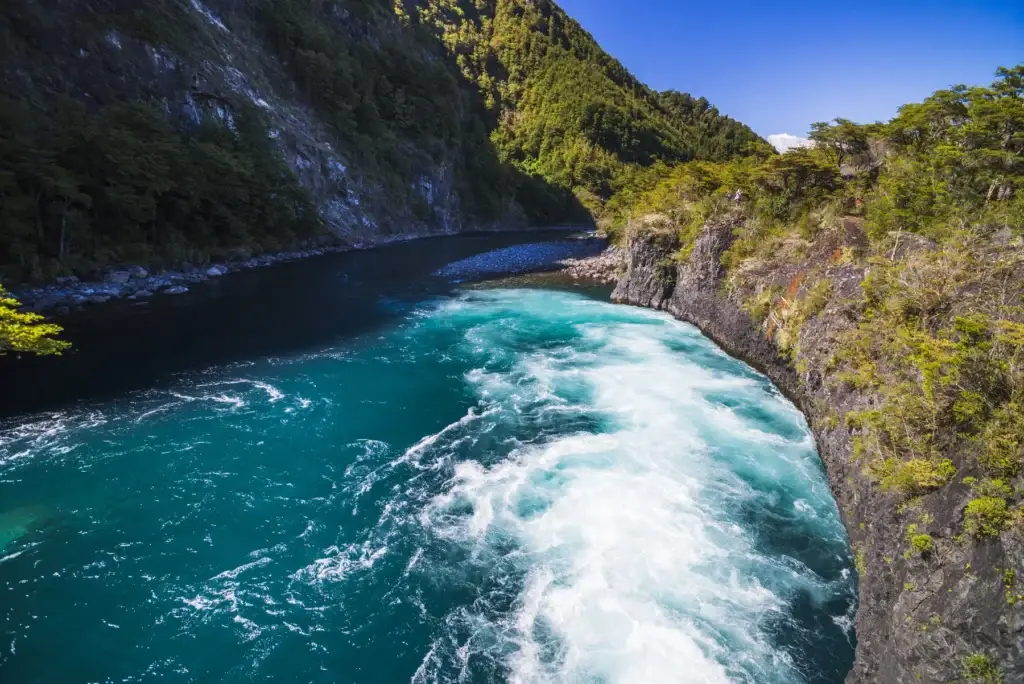
Documented Puerto Varas, Lake Llanquihue, Petrohué or Todos los Santos landscape

Travelers with 7 to 9 nights who want volcano scale and serious island culture

Split Puerto Varas and Chiloé for first-visit contrast

A short mainland stay establishes Lake Llanquihue and Vicente Pérez Rosales before a separate Chiloé base slows the rhythm.

Worth knowing

Two bases add a transfer, and a short Chiloé stay can still become superficial if too many churches and islands are listed.
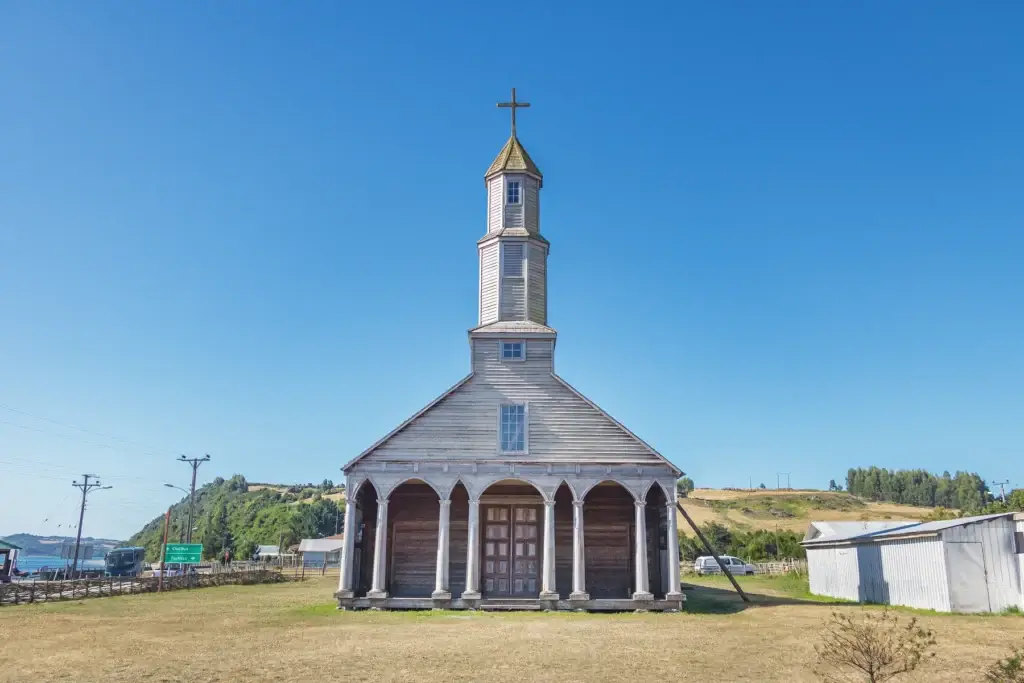
AI-generated editorial visualization of Stay island-focused for living culture and weather room.

Repeat Chile visitors, cultural travelers and anyone prioritizing Chiloé over volcano touring

Stay island-focused for living culture and weather room

A single island base or a measured two-part island route creates time for worship-aware heritage, working waterfronts, forest and foodways.

Worth knowing

The mainland volcano-and-lake chapter becomes an arrival frame rather than a full destination.

Architecture, conservation and faith travelers

Choose one church geography, not all sixteen

Select a coherent Castro, Dalcahue, Quinchao or southern cluster with a qualified heritage interpreter and live access confirmation.

Worth knowing

The UNESCO listing does not guarantee that every church is open, empty, restored or available for photography.

Nature travelers who want Chiloé National Park or a wilder coastal day

Use the west coast only when road and park conditions fit

A western park sector adds forest and Pacific exposure when CONAF access and road conditions support it.

Worth knowing

It competes with east-coast church and island time and may be inappropriate in heavy weather or for limited mobility.

A considered introduction

Puerto Varas is the easiest air-linked mainland base for Lake Llanquihue, Frutillar and currently open parts of Vicente Pérez Rosales. Chiloé is not a casual daily excursion from that base; it deserves a separate island stay organized around one geographic cluster.

Seven nights support two mainland nights and four or five on Chiloé. Eight or nine allow weather recovery, an island transfer and a more respectful church or community sequence. The sixteen UNESCO churches are serial living places of worship, not identical attractions with guaranteed interiors.

Advisor note

Advisor perspective: I would use two bases, choose one church cluster and one nature or food chapter on Chiloé, and keep a weather buffer around ferries and park roads. VH Luxe Travels can coordinate preferred-partner value and tailored arrangements where applicable, with guides, worship access, photography, vessels, transfers and private formats confirmed before travel.

What stays with you

Signature experiences

One named church from the official sixteen

Living architecture

Read one cluster of Chiloé's wooden churches

Use a conservation or heritage specialist to compare exact named churches while respecting worship, community use, opening times and photography rules.

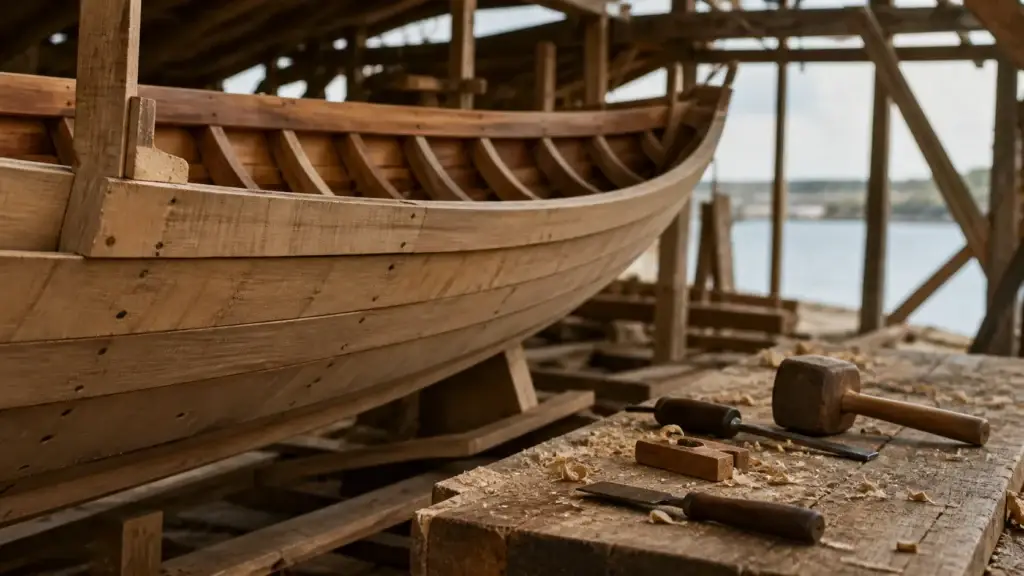
AI-generated editorial visualization of Meet Chiloé through a named carpenter or boatbuilding workshop.

Wood and skill

Meet Chiloé through a named carpenter or boatbuilding workshop

Arrange a consent-led visit with a real practitioner who defines the craft, authorship, vocabulary, photography and whether a private format is available.

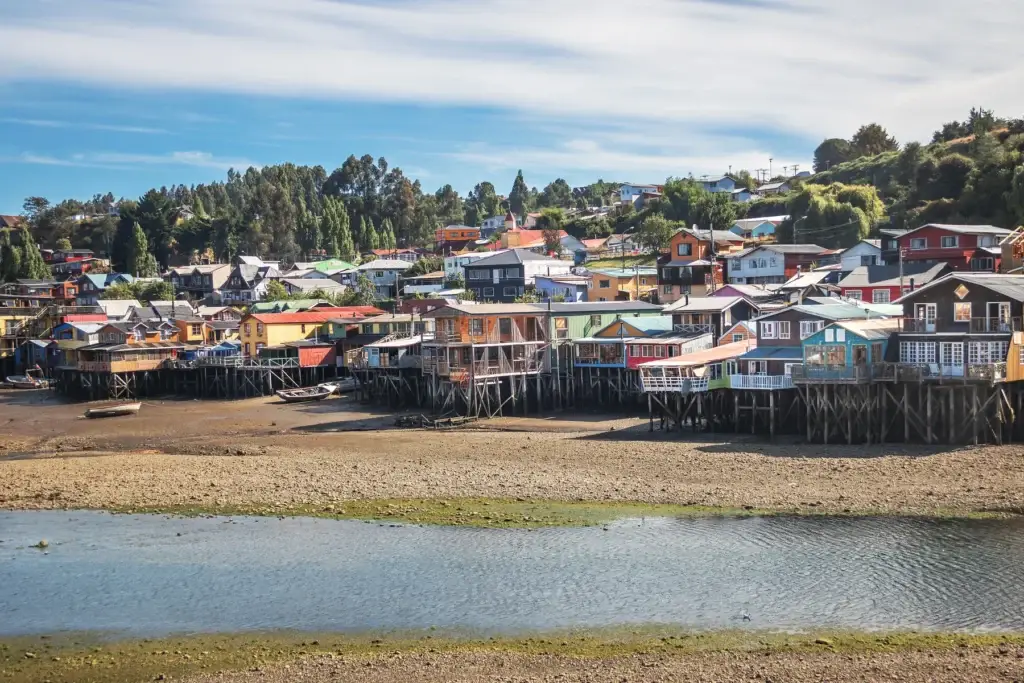
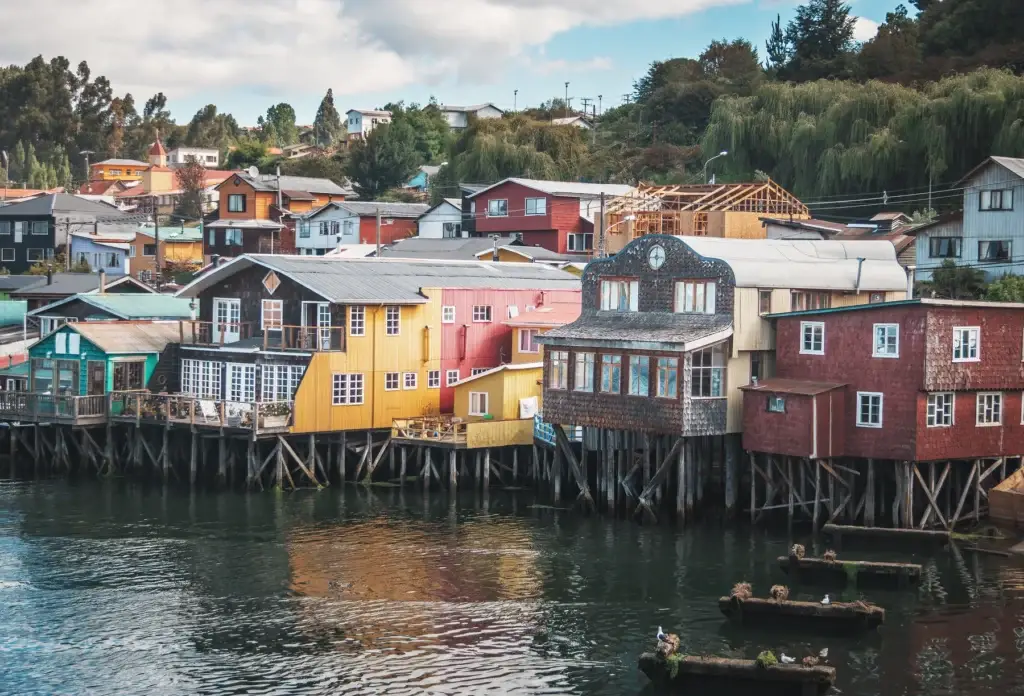
Documented Castro or other named Chiloé palafitos at visible tide

Tide and settlement

Read Castro or another palafito setting through the tide

Use a local historian or architect to connect working waterfront, stilt construction, urban change and tidal geography without treating homes as a stage.

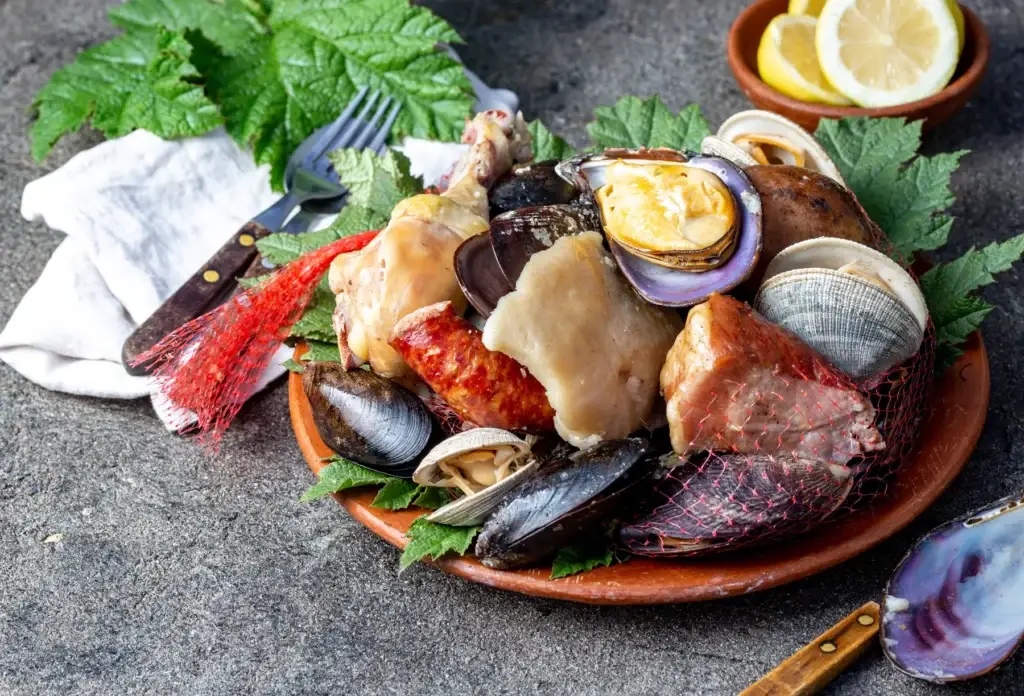
AI-generated editorial visualization of Understand curanto as process, place and hospitality.

Island foodways

Understand curanto as process, place and hospitality

Choose a confirmed host, cook or food specialist who explains ingredients, preparation and meaning, with no staged ceremony or health claim.

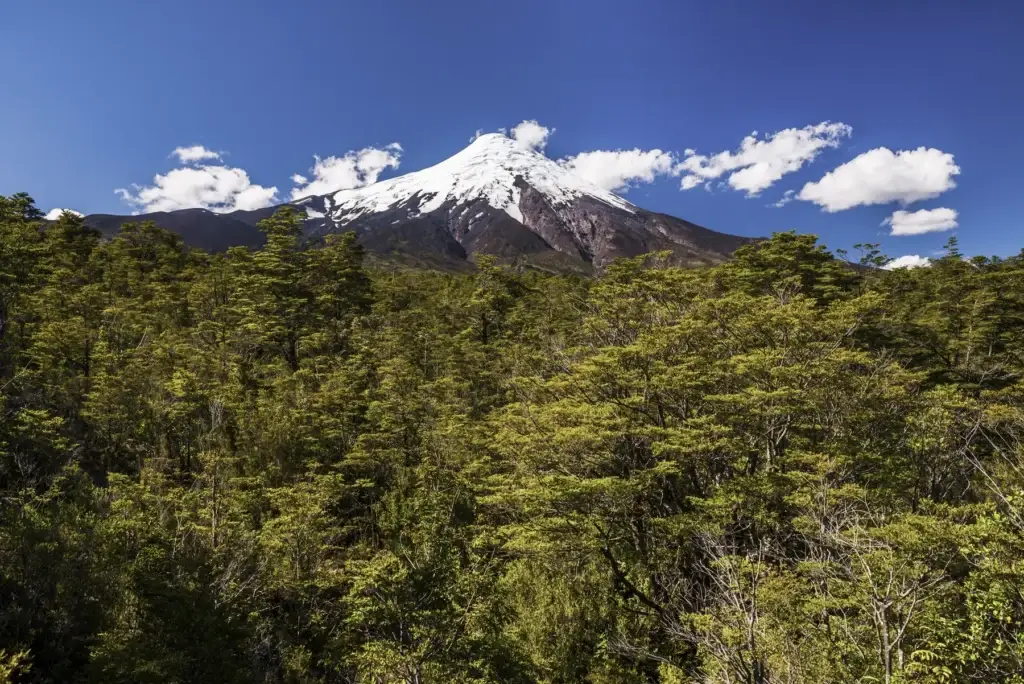
Petrohué, Lake Todos los Santos or named park trail

Lake and volcano ecology

Use one exact Vicente Pérez Rosales landscape chapter

When open, connect Petrohué, Lake Todos los Santos or a lawful trail with a naturalist, respecting CONAF rules, weather and current visitor zones.

Travel restored

What makes Chiloé and the Chilean Lake District a wellness destination?

What makes Chiloé and the Chilean Lake District a wellness destination?

This region supports transformation by teaching a weather-led rhythm: fewer crossings, more attention to tide, wood, forest and shared food. Its lasting gift is the permission to let rain change the plan without treating the day as lost.

Wellness role
A meaningful restorative layer
Best for
Couples, executives and cultural travelers who recover through island quiet, making, food and low-intensity nature
Format
Weather-led days, tidal observation, forest movement, craft attention and a measured island table
Ideal commitment
One geographic cluster per day, a dry-weather and wet-weather version and no repeated mainland-island commuting
Intensity
Gentle

For companions

Strong for mixed-interest groups because heritage, food, forest and waterfront observation can be adjusted without changing the base.

Seasonal lens

Late spring through early autumn offers broader daylight, but rain is normal. Winter and early spring favor shorter, more indoor and community-confirmed programs.

Replace schedule control with prepared alternatives

Weather-led island day

Set one outdoor, one heritage and one quiet indoor possibility, then choose after checking rain, wind, roads and host availability.

Duration
One flexible day
Intensity
Gentle
Best for
Travelers who want restoration without inactivity
Consider

Weather flexibility is a planning method, not a promise of calm or a clinical intervention.

Use native forest and coastal sound as a slower frame

Bosque and Pacific edge

When the park and roads are open, choose a short lawful Chiloé forest or coast route at the traveler's true level.

Duration
45 to 120 minutes
Intensity
Gentle
Best for
Nature travelers and mixed-mobility groups
Consider

Confirm CONAF status, trail, rain, mud, wind, footwear and emergency reach.

Learn through material, tool and time

Wooden craft attention

Meet a named carpenter, conservator or boatbuilder who chooses what can be demonstrated and photographed.

Duration
60 to 120 minutes
Intensity
Gentle
Best for
Design and culture travelers
Consider

A workshop and private format require consent. Do not infer Indigenous identity, sacred meaning or hereditary role.

Understand island foodways through a real host

Curanto and shared table

Follow ingredients and preparation with a named cook or community venue, then leave time for conversation rather than adding another attraction.

Duration
2 to 3 hours
Intensity
Gentle
Best for
Culinary travelers and families
Consider

Confirm food safety, dietary needs, host terms and photography. Curanto is cultural food practice, not treatment.

The takeaway is to plan for weather instead of resisting it and to give one place enough time. No forest, ocean, food, craft, sauna, spa or volcanic landscape is a medical or longevity intervention.

Timing the journey

When to go

November through March usually supports the broadest daylight and outdoor range, although rain and wind remain part of the region. April and May can bring quieter color and shorter days. Winter and early spring require reduced road, ferry and park assumptions, with every operation checked live.

Nov · Dec · Jan · Feb · Mar

Best

Broadest daylight and operating range

Weather
Mild periods alternate with rain, wind and rapid changes even in summer.
Crowds
Holiday demand compresses ferries, rooms, guides and popular park areas.
Best for
First visits, split stays, church clusters and broader outdoor choice.

Apr · May

Conditional

Autumn transition

Weather
Shorter light, color, rain and cooler conditions narrow long island days.
Crowds
Demand may ease, while some small operations reduce schedules.
Best for
Food, architecture, forest and quiet island pacing.

Jun · Jul · Aug · Sep · Oct

Conditional

Winter and spring transition

Weather
Cold rain, wind, short light and road or park conditions require a compact plan.
Crowds
Lower visitor volume can coincide with reduced services and maintenance.
Best for
A wet-weather cultural route with only confirmed outdoor chapters.

Rain, wind, ferry queues, roads, church worship, restoration, park tickets and trail access change. Confirm every island, church and protected-area component close to travel.

Value, clearly framed

Understanding trip value

Custom quote based on exact dates, air cabin, accommodation, professional transfers, qualified guidance, admissions, confirmed experiences, accessibility and cancellation terms. No public package price is stated.

What shapes the guidance

7 to 9 nights for two travelers; PMC gateway, Puerto Varas and Chiloé bases, reserved road or ferry transfers, qualified heritage guidance and confirmed host-led experiences priced at proposal stage.

Journey logistics

Arrive well

PMC connects most travelers to Puerto Varas by road. Chiloé requires a separate road-and-ferry or air decision based on the exact island base. Daily commuting between Puerto Varas and Castro is a poor luxury rhythm and vulnerable to traffic, weather and ferry changes.

Primary gateway El Tepual International Airport near Puerto Montt (PMC)

Premium commercial air

Arrive through Puerto Montt

Confirmed domestic or seasonal originEl Tepual International Airport (PMC)

Scheduled air followed by reserved transfer to Puerto Varas or the exact island route

Confirm live flight, luggage, meeting point, exact property and whether the first night is mainland or island.

Final transfer

Use Puerto Varas for the mainland lake chapter

Puerto Varas or FrutillarCurrently open public-use area of Vicente Pérez Rosales

Reserved road transfer with current park ticket and conditions

Confirm route, rain, volcanic or weather notices, road requirements, park hours and open visitor areas through CONAF and Pases Parques.

Boat, ferry or yacht

Move to Chiloé as a destination transfer

Puerto Varas, Puerto Montt or PMCExact Chiloé property

Reserved vehicle and public ferry or confirmed air connection

Ferry queues, weather, road works and the exact island address change timing. Protect the arrival day from fixed cultural appointments.

Access and mobility

Confirm ferry boarding, vehicle step height, island road surfaces, rain and mud, church thresholds and worship restrictions, palafito stairs, park trails, boat embarkation, restrooms and emergency reach. Historic wooden churches and rural island settings vary substantially.

Before you go

Practical planning notes

Reservations

Use two bases

Puerto Varas and Chiloé serve different daily geographies; repeated commuting weakens both.

Reservations

Treat churches as living places

Opening, worship, conservation and photography rules are specific to each church.

Reservations

Let hosts define culture

Craft, food and community identity require named practitioners and consent.

Reservations

Check CONAF and Pases Parques

Only official sources establish current park access and visitor conditions.

The VH Luxe approach

How VH Luxe composes the journey

  1. Begin beside Lake Llanquihue

    Recover near Puerto Varas and choose one exact mainland park or cultural chapter.

  2. Move to Chiloé without a fixed first-day appointment

    Protect the road or ferry transfer from weather and queue pressure.

  3. Use one living-heritage cluster

    Pair a small number of named churches with a real conservation, craft or food context.

  4. Hold one island nature or weather-recovery day

    Select western forest, protected coast or a slower east-coast alternative after current checks.

Paramjit Harika, VTA, CTA

Advisor-led planning

Your journey, personally considered

Paramjit Harika

Founder & Luxury Travel Advisor

I coordinate your hotel and room, premium air, transfers and key experiences as one considered journey, with one point of contact from planning through travel.

Good to know

Frequently asked questions

How many nights do you need for Puerto Varas and Chiloé?

Allow 7 nights for a short mainland chapter and a serious island stay, or 8 to 9 for slower island geography and weather room.

Can Chiloé be a day trip from Puerto Varas?

It is possible to reach the island, but a day trip spends substantial time in road and ferry logistics. An island stay is more coherent.

Are all sixteen UNESCO churches open to visitors?

No opening or interior access is guaranteed. These are living places of worship with specific services, conservation work and photography rules.

What is curanto?

Curanto is a Chiloé food preparation and shared-table tradition. Experience it through a confirmed host who explains their own ingredients, method and meaning.

When is the best time for the Chilean Lake District?

Late spring through early autumn generally offers broader daylight, but rain remains normal. Winter and shoulder seasons require a reduced, flexible plan.

Can private church, workshop or boat access be promised?

No. Each host, church, operator, vessel and photography format must be confirmed, and public or religious rules still apply.