The VH Luxe destination guide

Burgundy: Dijon & Beaune

Last updated 20 September 2026

Let Dijon lead for culture, or Beaune for the vineyard days you actually want.

Recommended stay

4–

6 nights

Best time

Choose dates by museum, restaurant and producer availability. In warm weather, shorten exposed walks. For an autumn visit, ask how each producer’s working calendar affects access; in winter, confirm every opening day.

Primary gateway

Dijon railway station; Beaune railway station with date-specific onward connections

Journey context

Four nights suit one base and a selective excursion. Five or six allow both towns without compressing the vineyard days.

Curator’s verdict

Burgundy rewards attention to small differences. Start with the choice between a city evening and a wine-town base, then give the vineyard landscape time to explain itself.

Choose well

Should Dijon culture or Beaune and the vineyards anchor your stay?

Set the main base by the days you want to repeat, then make room for one contrasting town visit.

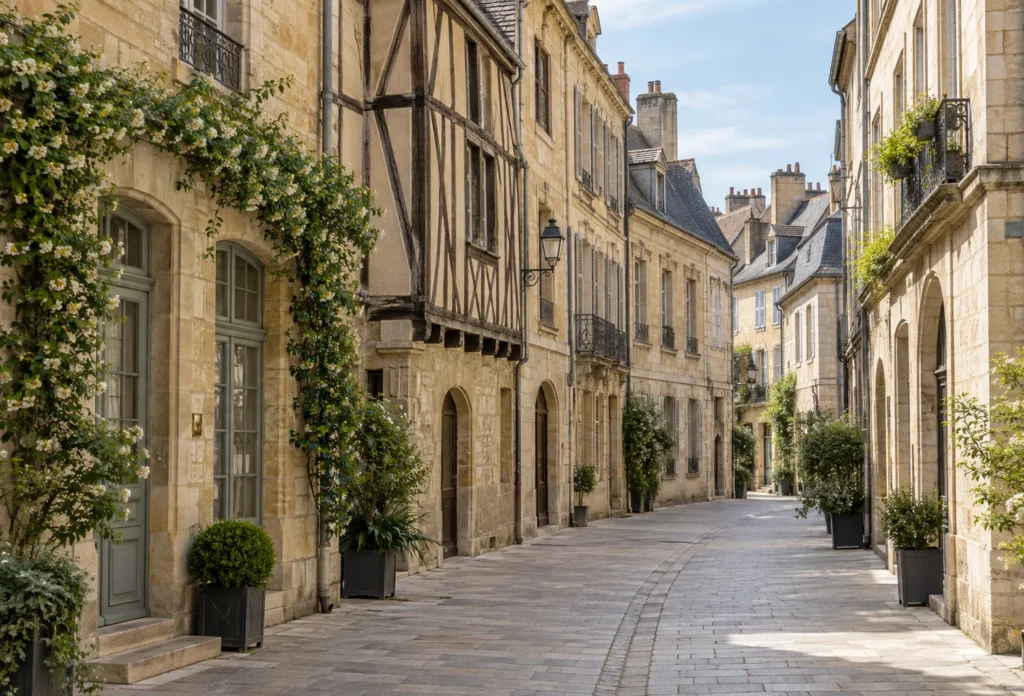
AI-generated editorial visualization of a scene inspired by historic Dijon streets; not a photograph of a specific street.

Travelers who want art, food and independent city time

Choose Dijon for a culture-led stay

Keep the palace and Fine Arts Museum as an anchor, then leave an afternoon for the market quarter and your own interests. Visit Beaune by a date-specific train when one heritage day is enough. Compare the hotel entrance with the walks and dinners you will repeat, rather than choosing a location only for its reputation. Image note: AI-generated editorial visualization of a scene inspired by historic Dijon streets; not a photograph of a specific street.

Worth knowing

A rail connection to Beaune does not solve a vineyard day. Rural appointments still need a separate transport plan.
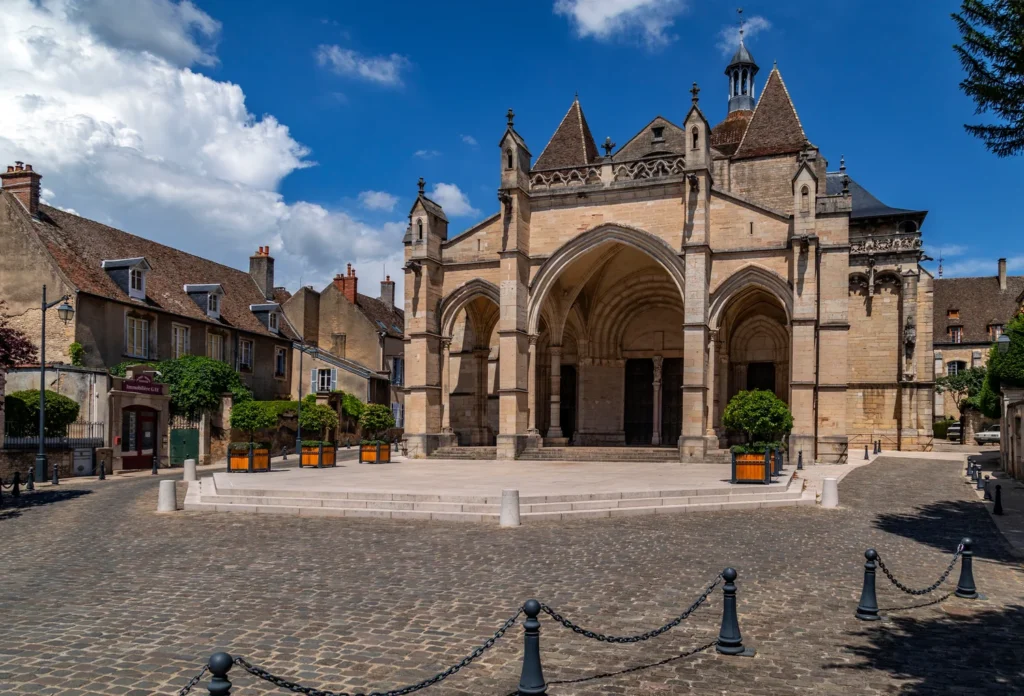
Beaune, Burgundy, providing context for a town base.

Travelers whose main questions lie along the Côte

Choose Beaune for vineyard-focused days

Use Beaune for the Hôtel-Dieu and a carefully routed series of vineyard or producer visits. A town address can make evenings simpler; compare it with a rural property’s actual dining arrangements and transport needs. Keep at least one unbooked afternoon so the trip includes the town rather than only departures from it.

Worth knowing

The most suitable producer appointment may still involve driving. Sleeping near vines does not confer access to them or to a particular cellar.

Curious wine travelers and companions new to Burgundy

Understand a climat before collecting appellations

A climat here is a precisely delimited vineyard parcel shaped by natural conditions and generations of cultivation. Ask a guide to relate a named parcel to the visible land and the wine it produces. Choose a small area and an allowed viewing route instead of trying to photograph every famous sign.

Worth knowing

This approach values explanation over a long list of names. Entry to the rows, harvest work and producer buildings remains subject to permission.

Travelers weighing four nights against a longer stay

Let the second base earn the hotel move

With four nights, one base and a selective visit to the other town can preserve time. With five or six, a split can make sense if you want distinct evenings and fuller cultural days in both places. Compare the value of those evenings with luggage handling, check-in and the next departure.

Worth knowing

Two hotels do not automatically mean less travel. Confirm the exact appointments and vehicle routes before committing to a split.

A considered introduction

Choose Dijon when the palace, art, food culture and independent city time deserve the best part of the stay. The railway makes a Beaune visit possible without changing hotels, but a station-to-station connection does not deliver you to a rural appointment. Keep a separate plan for the Côte villages and the return after any tasting.

Choose Beaune when the Hôtel-Dieu and several vineyard days anchor the trip. A central room supports time in town between visits; a rural address can suit a quiet evening but needs a deliberate dinner and transport plan. Do not choose a vineyard hotel solely for a view if the estate appointments you want are elsewhere.

Allow four to six nights as an editorial starting point. Four can work with one base and a selective day in the other town; five or six can justify two bases when the evenings in each matter. This guide covers Dijon, Beaune and the Côte wine villages. The focus is the named vineyard parcels, called climats, and their relationship to the towns, rather than a wider French wine itinerary.

Advisor note

I would protect a Dijon cultural day and a Beaune heritage day before adding producers. Ask for a vineyard visit that explains a specific question, then allow room for lunch and the journey. A second tasting earns its place when it offers a different perspective.

What stays with you

Signature experiences

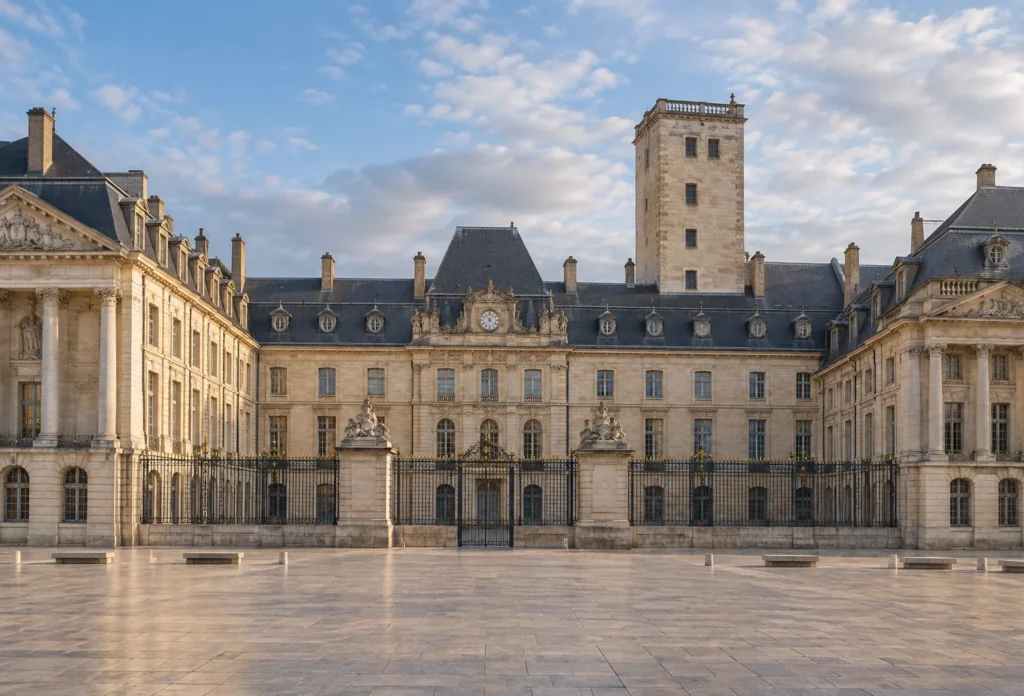
AI-generated editorial visualization of a scene inspired by Dijon’s ducal palace; architectural details are illustrative, not a photographic record.

Ducal power and art

Read the palace through the Fine Arts Museum

Use the Fine Arts Museum in Dijon’s ducal palace to connect works of art with the setting around them. Choose one period or theme and allow an unhurried museum morning, followed by a pause around Place de la Libération. Confirm the current opening day, available galleries and any guided format directly. The palace is a complex with several uses, so a museum visit does not imply access to every room or the tower. Image note: AI-generated editorial visualization of a scene inspired by Dijon’s ducal palace; architectural details are illustrative, not a photographic record.

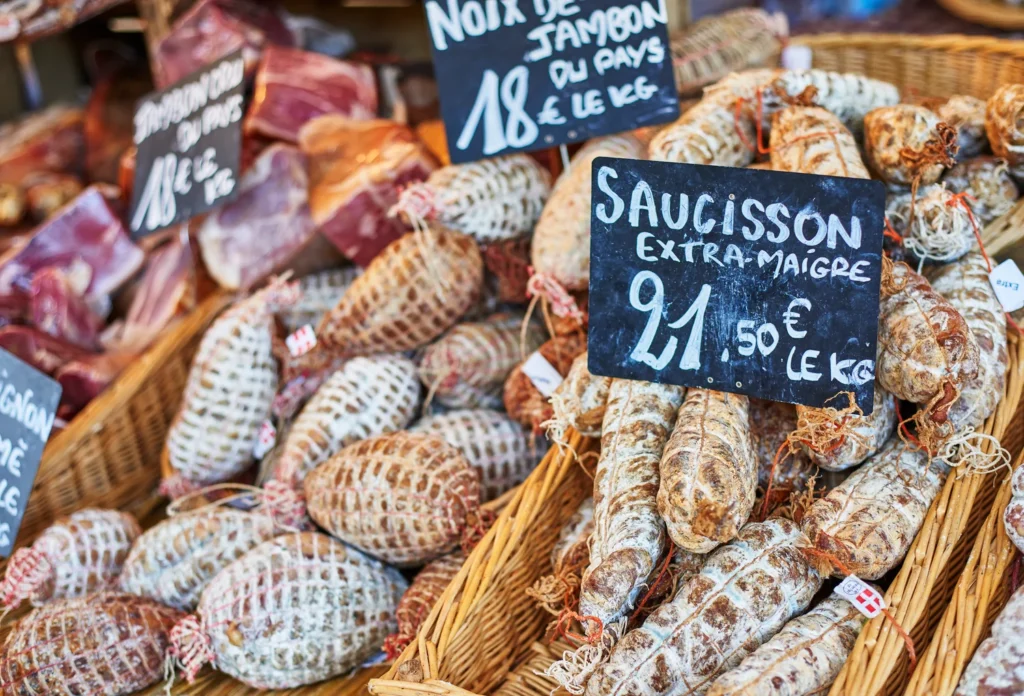
Cured sausages at a French market. Illustrative market context; Dijon’s Halles are not shown.

Food and everyday city life

Give the Halles quarter a market morning

Visit Dijon’s historic Halles when the current trading calendar suits your dates. Look at what is being sold, ask before photographing a stall and leave room for a simple meal nearby. Allow about an hour as a flexible starting point, with extra time if you arrange a food-focused visit. The building and surrounding quarter can still be appreciated when stalls are closed, but a market experience depends on the actual day.

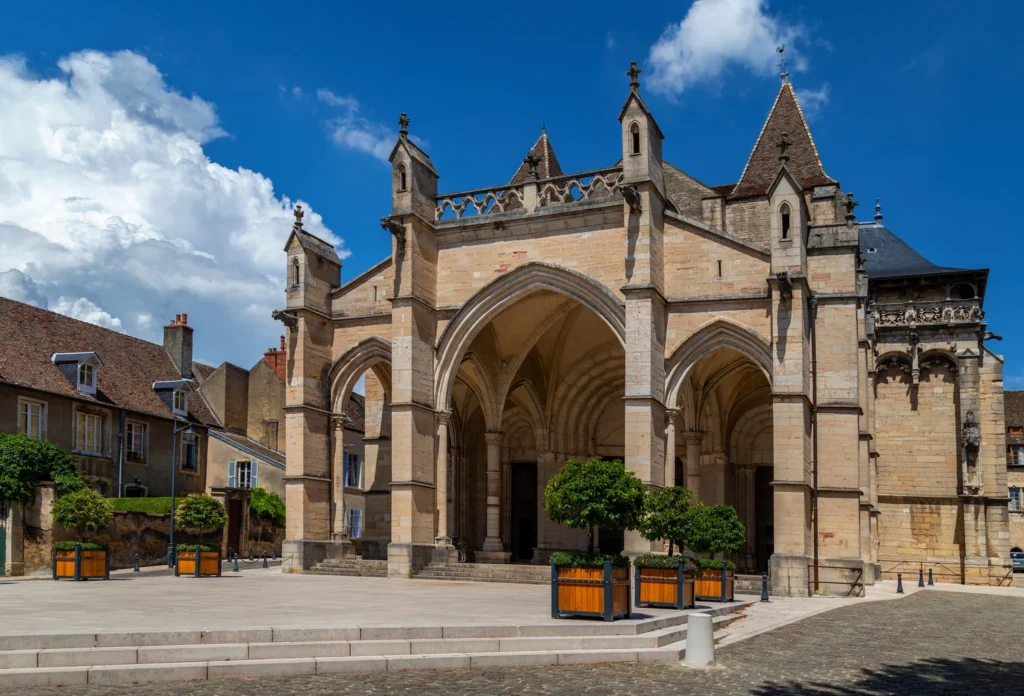
Beaune, Burgundy, providing town context for the Hôtel-Dieu visit. The museum is not verified as shown.

Charity, care and architecture

Look beyond the tiled roofs at the Hôtel-Dieu

Give Beaune’s Hôtel-Dieu a protected interval to consider its charitable hospital purpose as well as its architecture. Spend time with the interpretation of care and daily life, rather than treating the courtyard as a quick photograph. Allow around ninety minutes as an editorial starting point, and confirm the current route and ticket. A museum visit is separate from any wine tasting, auction programme or special event.

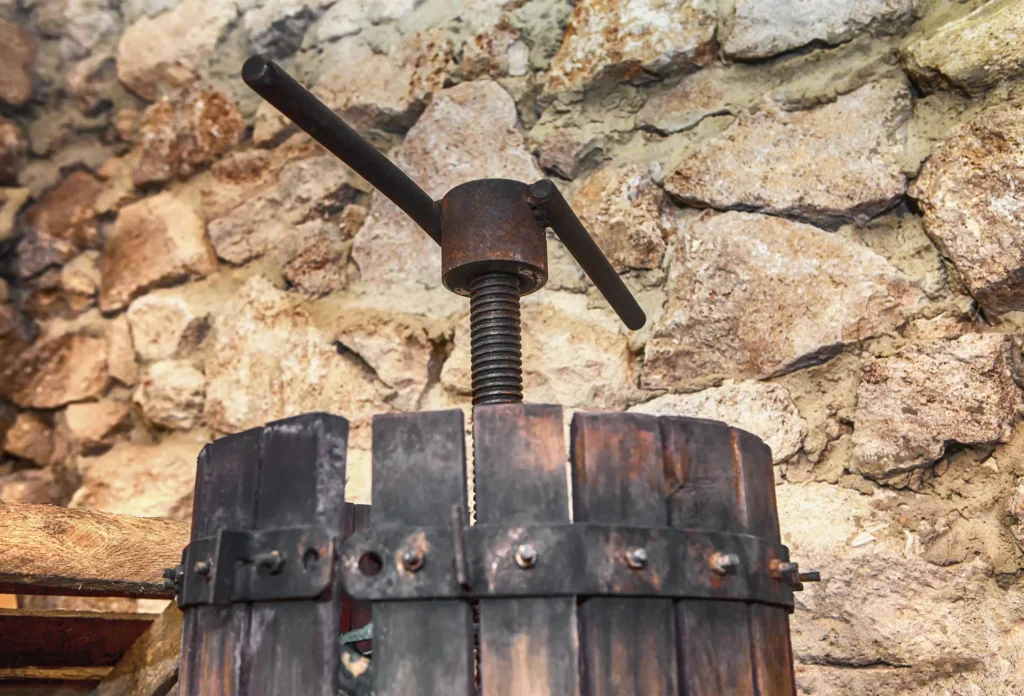
A manual wine press illustrating historic winemaking equipment. This is not verified as Clos de Vougeot.

Monastic work and wine heritage

Read historic production at Clos de Vougeot

Choose Château du Clos de Vougeot for the history of wine production and the architecture that supported it. The château no longer produces wine, so approach the former installations as heritage rather than expecting a working-winery tour. Confirm a self-guided or guided format, language and booking requirements. Allow a generous hour, with extra time for a confirmed programme; receptions or events can limit the visit.

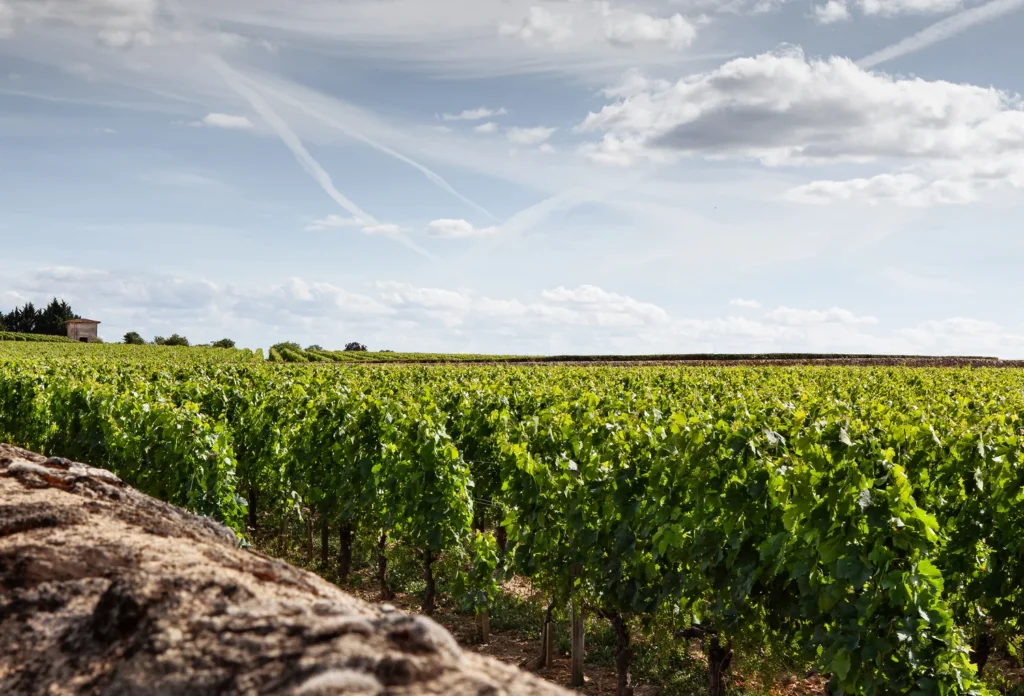
Rows of vines and a stone wall, illustrating vineyard patterns. No Burgundy parcel or named climat is represented.

Vineyard parcels and patient observation

Follow one question along the Côte

Choose a small section of the Côte de Nuits or Côte de Beaune and ask how named parcels relate to the slope, village and work of cultivation. Use public or expressly permitted routes, with a confirmed producer appointment only if it develops the same question. Keep the host’s stated duration and a meal break visible in the plan. Tasting wines, harvest participation and cellar access must be agreed separately, not inferred from the landscape.

Travel restored

What makes Burgundy: Dijon & Beaune a wellness destination?

Protect time after lunch and between visits. A short permitted village walk or a quiet return to the accommodation can leave more room for conversation than another appointment. A non-tasting afternoon is an equally valid part of a Burgundy stay.

Wellness role
A meaningful restorative layer
Best for
Companions balancing museums, food and differing interest in wine
Format
A short walk or a quiet pause between visits
Ideal commitment
Thirty to sixty minutes of unbooked time
Intensity
Gentle

For companions

Agree on a reunion point if one person prefers a museum or town afternoon while another attends a tasting.

Seasonal lens

Adjust the outdoor interval to the actual weather and available daylight.

Allow different interests to fit the same trip

Keep a quiet interval after lunch

Let companions choose a short town walk or a return to their accommodation. Keep the meeting point simple and avoid making every free interval another tasting. Outdoors, remain on permitted paths and shorten the route when the weather or personal stamina calls for it.

Duration
Thirty to sixty minutes
Intensity
Gentle
Best for
Travelers balancing food, culture and wine appointments
Consider

Personal comfort and access determine the choice. No health outcome is implied.

These are optional leisure choices, without medical or therapeutic promises.

Timing the journey

When to go

Choose dates by museum, restaurant and producer availability. In warm weather, shorten exposed walks. For an autumn visit, ask how each producer’s working calendar affects access; in winter, confirm every opening day.

Mar · Apr · May

Conditional

Spring with confirmed appointments

Weather
Check the forecast before a longer village walk.
Crowds
Book the museum and producer times that matter.
Best for
Pair indoor heritage with a manageable outdoor route.

Jun · Jul · Aug

Conditional

Summer with space around lunch

Weather
Move exposed walking when heat makes it uncomfortable.
Crowds
Check the dates of local events and restaurant operations.
Best for
Leave an indoor pause between reservations.

Sep · Oct · Nov

Conditional

Autumn without assuming harvest access

Weather
Keep a wet-weather option for a vineyard day.
Crowds
Ask how each producer’s work affects visits; event dates may change the town experience.
Best for
Confirm the actual visit format before fixing accommodation.

Dec · Jan · Feb

Conditional

Winter with a cultural anchor

Weather
Use daylight and the current weather to shape walks.
Crowds
Check all museum, restaurant and producer opening days.
Best for
Keep the day compact and the return straightforward.

Seasonal guidance is a conditional planning framework, not a forecast or guarantee of harvest access, open cellars or quiet streets.

Value, clearly framed

Understanding trip value

Request a tailored quotation

What shapes the guidance

Compare the exact room, rail conditions, transfers, museum admissions and producer visit inclusions. Meals, tastings and driver waiting time can be separate charges.

Journey logistics

Arrive well

Compare the complete rail itinerary to Dijon or Beaune with the route from the station to the hotel. Direct regional trains connect the two towns on the published timetable, but departures and stops vary. Arrange a separate transfer for rural visits, confirming pickup, waiting time and the final return before booking a late tasting.

Primary gateway Dijon railway station; Beaune railway station with date-specific onward connections

Rail

Connect Dijon and Beaune with the full day in view

Dijon railway stationBeaune railway station and confirmed onward route

Date-specific regional train and local transfer where needed

Confirm exact departures and both station approaches. A town-to-town train does not provide transport to a rural producer.

Access and mobility

Ask each museum about its current step-free route, lifts, seating and toilets. Historic streets, courtyards and cellar stairs can create different challenges within the same day. For a vineyard visit, confirm the actual terrain and whether the discussion can take place without entering a cellar or walking between rows.

Before you go

Practical planning notes

Reservations

Reserve a format, not only a name

Ask what the producer visit includes, who leads it and which language is spoken. A famous label does not establish access or the wines poured.

Reservations

Keep tastings separate from driving

Arrange the transport and return before accepting a rural appointment. Include waiting time and lunch in the driver plan.

Reservations

Respect the working landscape

A named parcel and a roadside sign are not an invitation to enter vines. Stay on public or expressly permitted routes and follow the host’s instructions.

Reservations

Check the event calendar

A reception can change Clos de Vougeot access. An auction or festival period can also change a town visit, so confirm operations for the exact dates.

The VH Luxe approach

How VH Luxe composes the journey

  1. Arrival: settle into the chosen base

    Keep the first evening close and confirm the opening days for the palace museum and Hôtel-Dieu.

  2. Dijon: art and food culture

    Give the palace museum an unhurried interval. Place the Halles visit on an actual market day, or enjoy the quarter without promising open stalls.

  3. Beaune: the Hôtel-Dieu and town time

    Protect the hospital museum visit and leave the afternoon flexible. Plan both station transfers when this is a day trip.

  4. The Côte: one focused landscape day

    Choose a small route, Clos de Vougeot if it fits the theme, and a separately confirmed producer visit if desired. Remove a stop rather than rushing lunch.

  5. Optional second base and departure

    On a longer stay, use a second base for a different evening and a full intervening day. Confirm the entire onward rail or vehicle connection.

Paramjit Harika, VTA, CTA

Advisor-led planning

Your journey, personally considered

Paramjit Harika

Founder & Luxury Travel Advisor

I coordinate your hotel and room, premium air, transfers and key experiences as one considered journey, with one point of contact from planning through travel.

Good to know

Frequently asked questions

Is Dijon or Beaune the better base?

Dijon suits a culture-led stay with art, food and independent city time. Beaune suits repeated vineyard days and its own heritage visits. Compare exact appointments and dinner routes before deciding.

What does climat mean in Burgundy?

It describes a precisely delimited vineyard parcel with an identity shaped by natural conditions and human cultivation. In this context it is not simply the word for weather.

Can I visit Beaune from Dijon by train?

The published SNCF timetable includes direct regional services. Confirm the actual date, station approaches and return. A rural visit still needs an onward transport plan.

Does Clos de Vougeot make wine today?

The château is a heritage visit to historic wine-production spaces and no longer produces wine. Do not assume that standard admission includes a tasting or entry to a working cellar.

How many nights work for this itinerary?

Four to six is a useful planning range. Four can support one base and a selective excursion; five or six can justify two bases if the extra evenings and cultural time matter.