The VH Luxe destination guide

Botswana Safari

Pair Delta water with dry-land contrast.

Recommended stay

6–

9 nights

Best time

May through October broadly supports a dry-season safari and the Delta flood story. June and July often express the flood pulse strongly, but exact timing, depth and activity access vary by area and year.

Primary gateway

Maun International Airport for the Okavango; Kasane when Chobe or Victoria Falls shapes the route

Journey context

Six to nine nights across two or three contrasting areas, with additional time for Chobe, Victoria Falls or another distinct chapter.

Curator’s verdict

Botswana's defining luxury is not a camp list. It is the considered pairing of flooded channels and dry land, linked by light aircraft and paced slowly enough for mokoro, boat, walking and vehicle perspectives.

Choose well

Which Botswana composition fits you?

Choose by water access, dry-land contrast, activity mix and tolerance for remote logistics. The exact camp follows those decisions.

First visits, couples and travelers who want Botswana's full ecological contrast

A water-and-land pairing

Combine a confirmed Delta water setting with Moremi, Khwai, Savuti, Chobe, Linyanti or another route-matched dry habitat.

Worth knowing

Every added area creates another aircraft or road sector. Activity mix and water access still depend on current conditions.
Repeat safari travelers, birders and guests who value channels, boats and mokoro pace

A Delta-first water safari

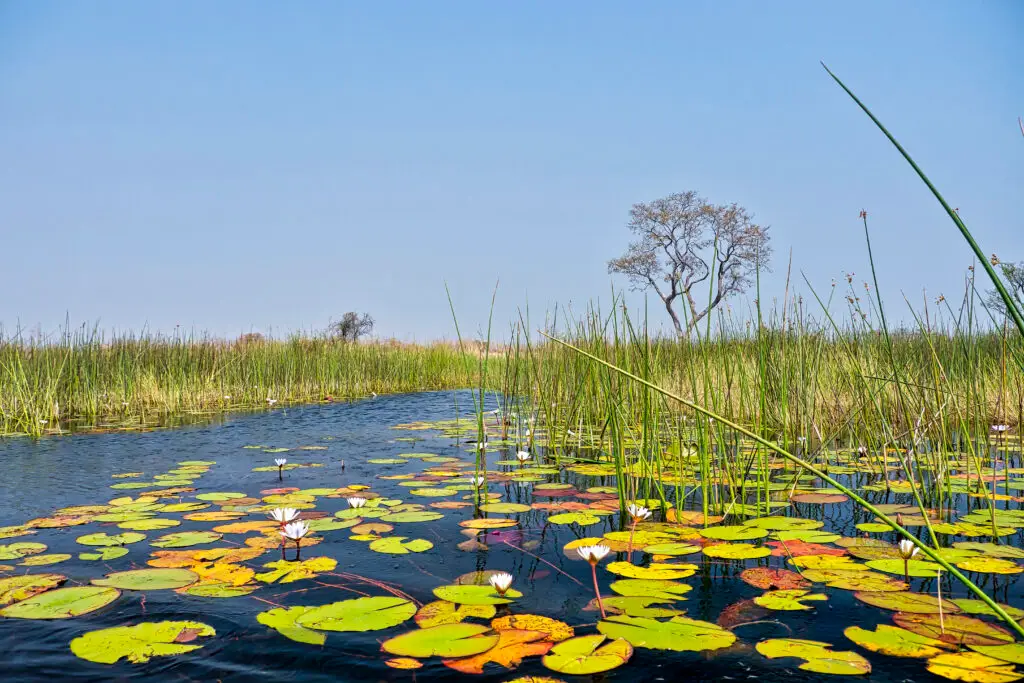
Protect enough nights in an active water area for mokoro, boat and floodplain interpretation without rushing between sectors.

Worth knowing

Mokoro and boating are not universal or guaranteed. High or low water can change routes and access.

Baobab trees beside a winding dirt path in Botswana

Travelers prioritizing vehicle-based wildlife, predators and broad habitat variety

A dry-land wildlife emphasis

Use a dry-land area as the anchor, then add one water chapter only when it improves rather than fragments the trip.

Worth knowing

This may feel less distinct from another vehicle safari, and wildlife or predator action remains unscripted.

Longer first journeys and travelers comfortable with a border and another transfer

Botswana plus Victoria Falls

Use Kasane or a live regional flight to add a separate falls chapter after the core safari.

Worth knowing

Border rules, water level, flight schedules and transfer time vary. Do not shorten the safari simply to collect another destination.

A considered introduction

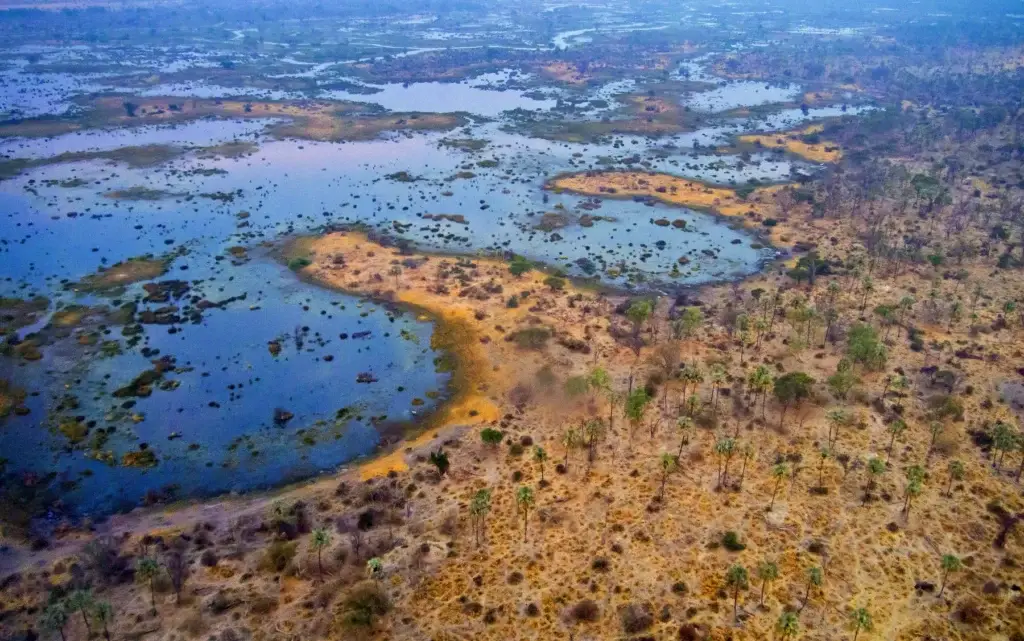
The Okavango is an inland Delta whose annual flood arrives during Botswana's dry season. Water depth and activity access vary by sector and year, so the strongest plan begins with the traveler, the month and live operating conditions.

Pair an appropriate water setting with Moremi, Khwai, Savuti, Chobe, Linyanti or another contrasting habitat. Protect two or three nights per area and treat remoteness as both the privilege and the planning constraint.

Advisor note

Advisor perspective: a first Botswana journey should usually pair water and dry land across six to nine nights. I would confirm the actual activity mix and flood conditions before choosing a camp or publishing any water promise.

What stays with you

Signature experiences

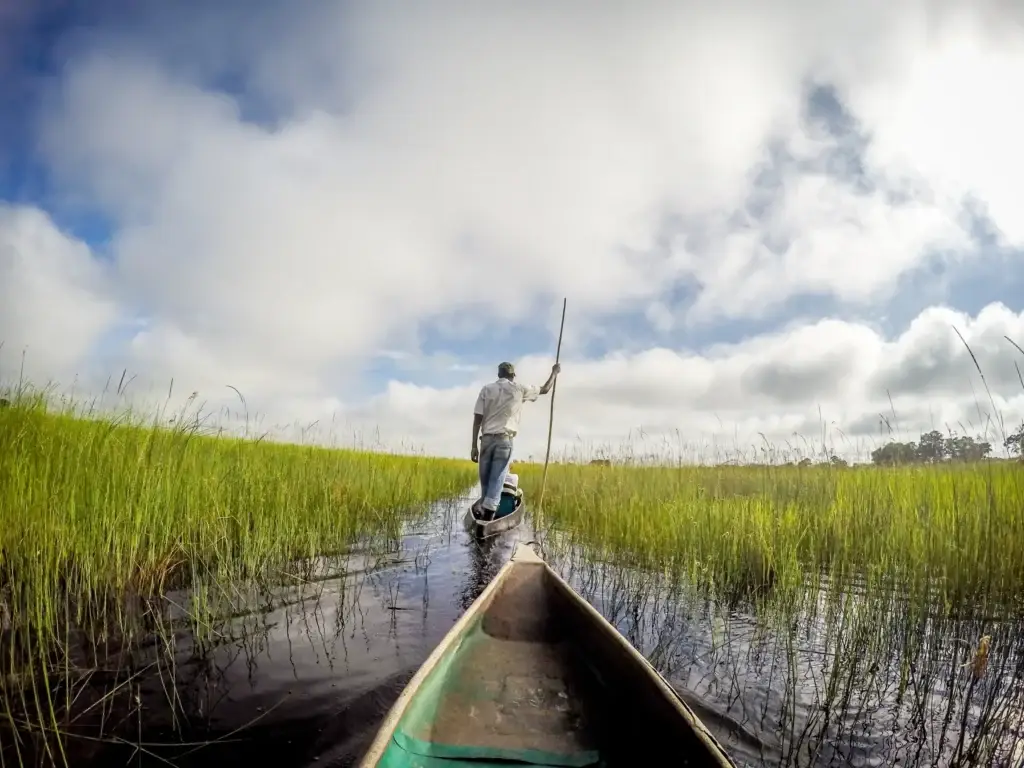
Mokoro canoe moving through a reed-lined channel in the Okavango Delta

Water safari

A private mokoro journey through Delta channels

Move quietly with an experienced local poler and naturalist, subject to water depth, wildlife, age, wind and the operator's safety decision.

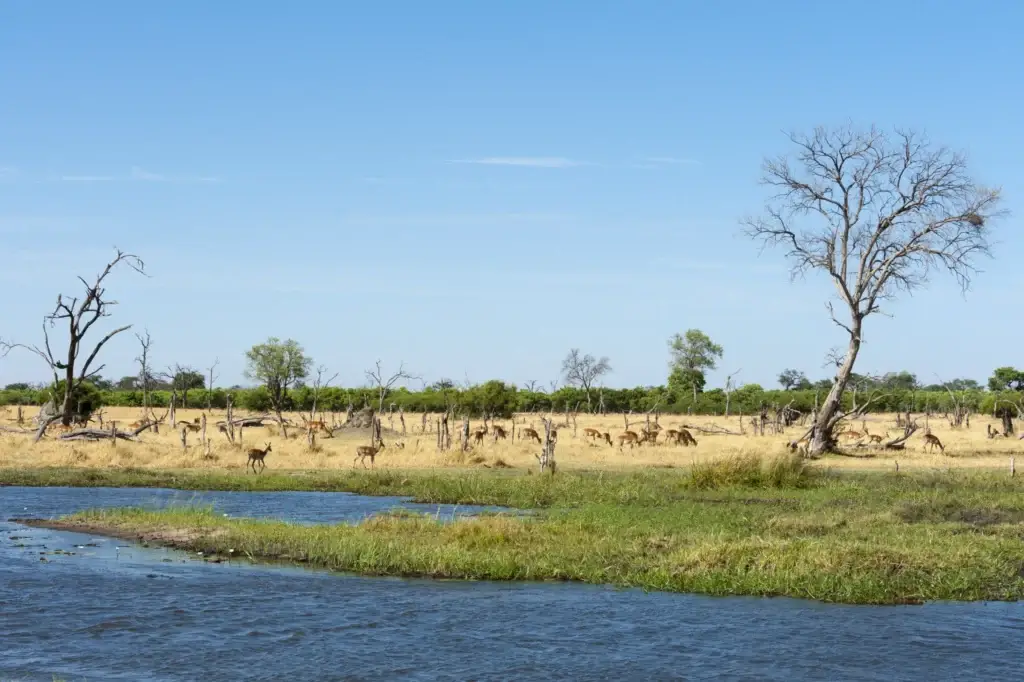
Khwai floodplain with a river and distant wildlife in Botswana

Ecology

Floodplain ecology by boat

Read channels, islands, plants and aquatic life with a specialist guide. Boat operation and route remain conditional on water and weather.

Wildlife

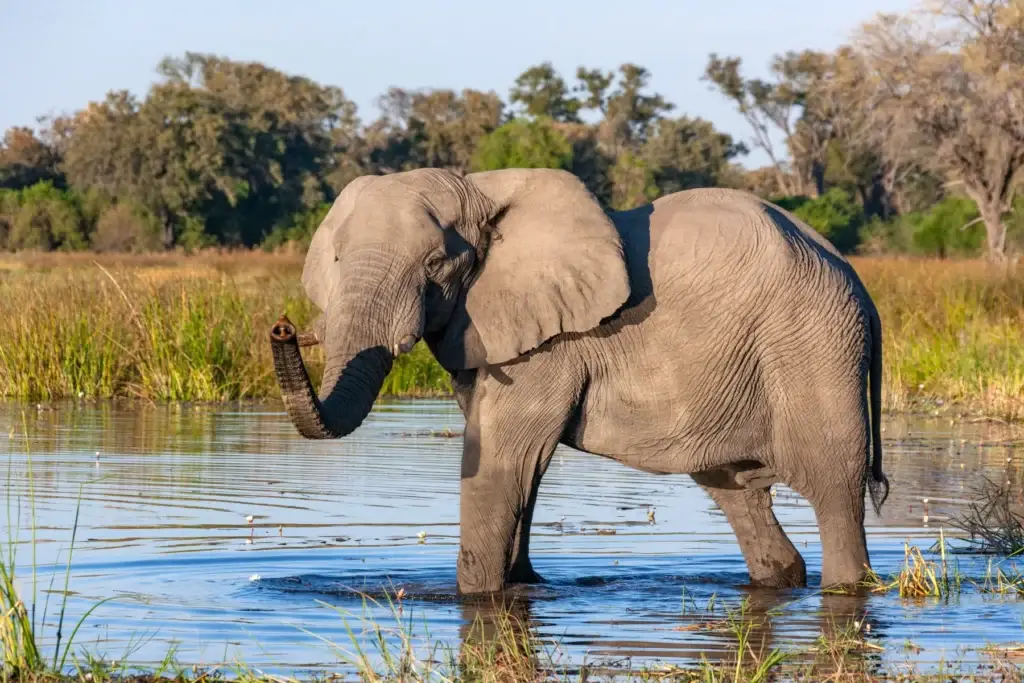
A privately paced concession game drive

Use flexible timing where operating rules allow, with no claim of guaranteed vehicle limits, off-road access or wildlife sightings.

Walking

An expert-led walking safari

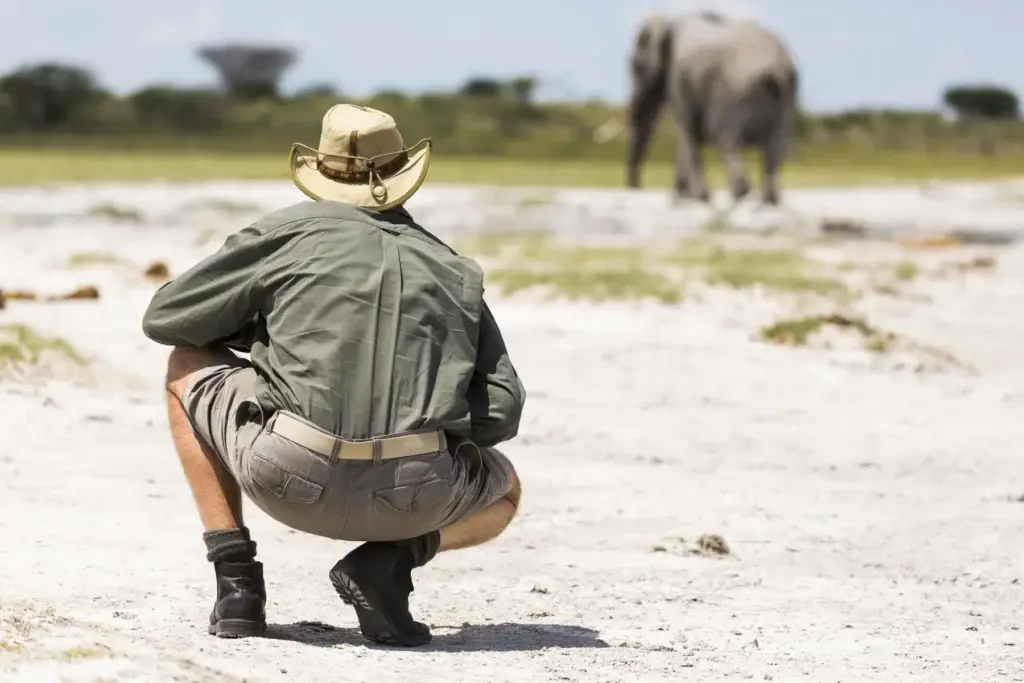
Focus on tracks, wind, spoor and smaller ecology with qualified guides. Age, fitness, wildlife and safety rules determine participation.

Journey design

The water-and-dry-land pairing

Use two or three contrasting areas so each transfer changes the ecological perspective rather than repeating the same safari day.

Living knowledge

Community-authored tracking and water knowledge

Arrange a private session through a consenting community partner with accurate authorship and direct benefit, never as staged entertainment.

Travel restored

What makes Botswana Safari a wellness destination?

Botswana replaces constant stimulation with water rhythm, tracking, natural light and unusually spacious wilderness. Its strongest wellness value comes from learning to notice slowly with local experts, not from turning Indigenous knowledge into a spa treatment.

Wellness role
A meaningful restorative layer
Best for
Travelers seeking deep attention, spacious days, nature-led perspective and a lasting practice of noticing before acting
Format
Private mokoro pace, community-authored tracking, flood-pulse interpretation and a natural-light daily rhythm
Ideal commitment
One quiet water interval, one specialist tracking or ecology session and unstructured time within a six- to nine-night safari
Intensity
Varies

For companions

Mixed-interest travel works when mokoro, boat, drives, walking and rest are selected by ability and preference rather than presented as one compulsory program.

Seasonal lens

The approach works across seasons, but flood depth, heat, rain, insects, airstrip conditions and wildlife determine the safest daily format.

Slow attention to water, reeds, insects, birds and subtle movement

Mokoro pace and channel attention

The mokoro belongs to lived Delta navigation rather than a generic meditation trend. Arrange a private outing with an experienced local poler and naturalist, subject to water and safety.

Duration
One to three quiet hours
Intensity
Gentle
Best for
Travelers comfortable with low seating, water and a slower sensory pace
Consider

Confirm boarding, mobility, wildlife, weather, water depth and flotation equipment. Never promise silence, privacy or operation.

Learn sharper observation and respect for ecological interdependence

San tracking, fire and water knowledge

UNESCO documents San knowledge of tracking, fishing, fire and water in the Okavango landscape. Participate only through community-approved knowledge bearers with informed consent and direct compensation.

Duration
One focused field session
Intensity
Moderate
Best for
Culturally curious travelers who value living knowledge and reciprocity
Consider

Do not use the term Bushman casually, borrow a sacred identity or sell Indigenous knowledge as a healing ritual.

Use systems thinking to understand how distant water reshapes local life

Living by the flood pulse

The Delta's annual flood arrives during Botswana's dry season, and plants and animals synchronize with it. A private hydrology or conservation briefing turns scenery into a lesson in interdependence.

Duration
One specialist briefing plus daily observation
Intensity
Gentle
Best for
Executives, families with older children and systems-minded travelers
Consider

Flood timing and reach vary. Confirm the guide and current conditions, and do not turn one year's water level into a promise.

Build the day around dawn, midday rest, sunset and lower evening light

Solar-time decompression

Use early activity, a protected midday interval and dimmer evenings with less device light. Controlled camping research found earlier circadian and sleep timing after natural light-dark exposure, which supports routine design rather than treatment.

Duration
Daily rhythm across the safari
Intensity
Gentle
Best for
Long-haul travelers and guests seeking less digital stimulation
Consider

This is not sleep therapy. Protect medication schedules and consult a clinician for any medical concern.

Wellness content is cultural and travel guidance, not medical advice. Research context does not guarantee an individual result. Confirm water safety, heat, hydration, insects, mobility, evacuation and clinician guidance where relevant.

Timing the journey

When to go

May through October broadly supports a dry-season safari and the Delta flood story. June and July often express the flood pulse strongly, but exact timing, depth and activity access vary by area and year.

May · Jun · Jul · Aug · Sep · Oct

Best

Dry-season safari and Delta flood context

Weather
Botswana is broadly drier and cooler, while the Delta receives its annual flood pulse during the dry season.
Crowds
This is the core high-demand safari period. Exact camp occupancy, aircraft and concession activity require live review.
Best for
Best general fit for a first water-and-land pairing, subject to actual flood conditions.

Jun · Jul

Good

Defining dry-season flood pulse

Weather
UNESCO identifies June and July as a defining period when annual floodwater revitalizes the Delta during the dry season.
Crowds
Demand is strong and the most requested small camps can be constrained.
Best for
Strong for travelers prioritizing water-level landscape and mixed safari perspectives.

Nov · Dec · Jan · Feb · Mar · Apr

Conditional

Green season and changing distribution

Weather
The warmer rainy season changes vegetation, water, birds and wildlife distribution across the country.
Crowds
Some dates can feel less compressed outside holidays, but camp operation and access vary.
Best for
Useful for flexible repeat travelers, birdlife and green landscapes rather than a guaranteed water-safari format.

The Okavango flood is spatially and annually variable. Recheck water depth, roads, airstrips, weather, camp operation and every mokoro, boat or walking activity for the actual dates.

Value, clearly framed

Understanding trip value

Build pricing from current premium air, exact camps, concession fees, bush flights, private activities and transfers. Use a date-specific proposal rather than an evergreen safari range.

What shapes the guidance

No numeric price is published. Season, camp, aircraft, baggage, private guiding, park and concession fees, taxes, gratuities, supplements and cancellation terms require live verification.

Journey logistics

Arrive well

Reach Maun or Kasane through a current regional connection, then use the confirmed light-aircraft or road plan. Airline schedules, aircraft, baggage, airstrip conditions, flood access and weather contingencies require live confirmation.

Primary gateway Maun International Airport for the Okavango; Kasane when Chobe or Victoria Falls shapes the route

Premium commercial air

Regional arrival through Maun

A current regional gatewayMaun International Airport

Scheduled commercial air, usually after an international connection

Do not hard-code an airline or connection city. Reconfirm schedule, terminal, baggage, visa and the onward bush-flight plan for the actual dates.

Charter aviation

Maun to the confirmed camp airstrip

Maun International AirportThe current airstrip serving the selected camp and concession

Scheduled bush flight or private charter when appropriate

Confirm aircraft, passenger weight, soft-bag allowance, airstrip condition, flood access, weather, multi-stop routing and ground transfer with the operator.

Premium commercial air

Kasane gateway for a Chobe-led route

A current regional gatewayKasane International Airport

Scheduled commercial air followed by the confirmed Chobe or cross-border transfer

Use Kasane only when it improves the actual Chobe, Victoria Falls or northern route. Reconfirm flight and border operations for the travel dates.

Access and mobility

Small aircraft, uneven airstrips, sand, boat and mokoro boarding, raised decks and long vehicle intervals can create barriers. Confirm aircraft boarding, transfer assistance, room path, bathroom, emergency evacuation and every activity's physical requirements.

Before you go

Practical planning notes

Wellness

Plan for remoteness

Carry appropriate medication and confirm insurance, medical support, evacuation and a disruption plan before entering remote safari areas.

Wellness

See a travel-health clinician

CDC guidance includes malaria considerations for Okavango, Ngamiland and Chobe. Obtain itinerary-specific advice before departure.

Packing

Pack for light aircraft

Confirm soft-bag dimensions, passenger weight procedures, medication, batteries and mobility equipment with every operator.

Getting around

Treat water access as live information

Mokoro, boating, roads and airstrips can change with flood depth and safety decisions. Reconfirm shortly before travel.

Etiquette

Choose community-authored encounters

Require informed consent, accurate authorship and direct benefit for every Indigenous knowledge experience and photograph.

The VH Luxe approach

How VH Luxe composes the journey

  1. Choose the first ecological priority

    Start with water, dry-land wildlife, walking or birding rather than a famous camp name.

  2. Pair one meaningful contrast

    Add a second area only when it changes habitat and activity perspective enough to justify the flight.

  3. Protect two or three nights per area

    Allow weather, flood conditions and wildlife to shape each day without repeated packing.

  4. Add Victoria Falls only with time

    Use Kasane or a current regional link when the border and transfer produce a full separate chapter.

Paramjit Harika, VTA, CTA

Advisor-led planning

Your journey, personally considered

Paramjit Harika

Founder & Luxury Travel Advisor

I coordinate your hotel and room, premium air, transfers and key experiences as one considered journey, with one point of contact from planning through travel.

Good to know

Frequently asked questions

What is a water safari in Botswana?

It is wetland and wildlife exploration by mokoro or boat, often combined with walking and vehicle drives. The available format depends on water, area and safety.

When is the Okavango Delta fullest?

The annual flood often reaches a defining dry-season expression around June and July, but depth and timing vary by sector and year.

Why does a luxury Botswana safari cost more?

Remoteness, light-aircraft logistics, small camps, concession costs and conservation management contribute. Do not assume every rate directly funds a specific community outcome.

How many nights do I need in Botswana?

Six to nine nights across two or three contrasting areas is a strong first journey. Shorter stays can give too much weight to bush flights and packing.

Should I choose Botswana or East Africa?

Choose Botswana for water, remoteness and habitat pairing. Choose Tanzania or Kenya when migration dynamics and the Serengeti or Mara ecosystem are the central goal.

Can I combine Botswana with Victoria Falls?

Yes, often through Kasane or a regional flight. Border, water level, flight and transfer details must be checked for the actual travel dates.