The VH Luxe destination guide

Big Sky & Yellowstone, Montana

Use Big Sky for mountain comfort and recovery, then add a park-side Yellowstone chapter when wildlife, geysers and park geography become the main purpose.

Recommended stay

3–

8 nights

Best time

Summer and early autumn offer the broadest road access. Winter supports skiing and limited guided oversnow Yellowstone travel, while spring and late autumn require especially careful road, weather and operating-date checks.

Primary gateway

Bozeman Yellowstone International Airport (BZN)

Journey context

Allow 3 to 4 nights for Big Sky alone, 4 to 5 with one focused West Entrance day, and 6 to 8 when adding at least two park-side Yellowstone nights.

Curator’s verdict

Big Sky and Yellowstone work together only when each is given a distinct role. The strongest journey lets a mountain base protect recovery, then lets Yellowstone's entrances, roads and living systems determine the park chapter.

Choose well

Which Big Sky and Yellowstone rhythm fits?

Choose the journey's primary purpose before choosing the entrance or the number of park days.

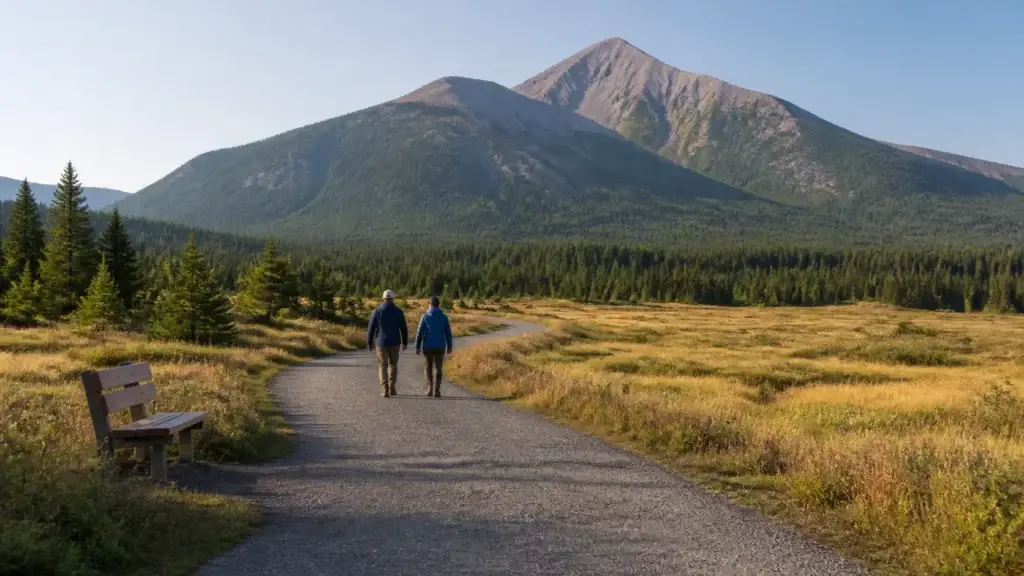
Big Sky mountain village, trail or quiet resort landscape without hotel branding

Ski travelers, couples and families who want a polished base with measured outdoor time

Use Big Sky for mountain comfort and recovery

Big Sky supports a coherent rhythm of skiing or trail time, Gallatin landscape and unprogrammed recovery without requiring a park road every day.

Worth knowing

It is close to the West Entrance but not to every Yellowstone district, and repeated long park days weaken the restorative purpose.
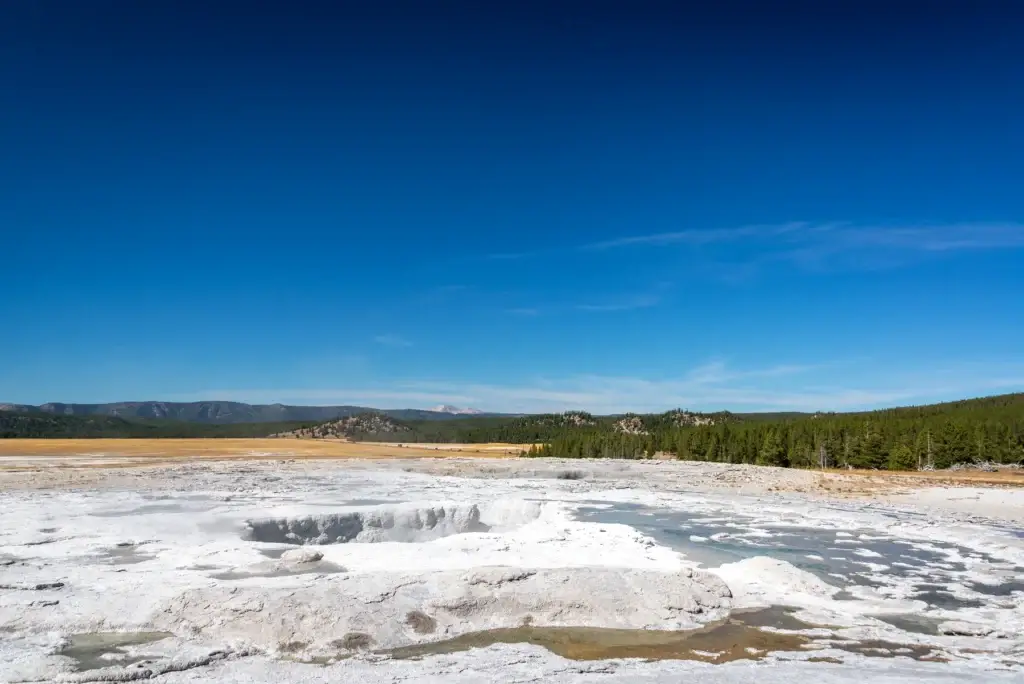
Yellowstone geyser basin, canyon or park road landscape tied to a named park district

Wildlife, geology and first-time park travelers who want more than one major district

Add a park-side chapter when Yellowstone leads

At least two well-positioned nights protect early starts, reduce backtracking and let a naturalist build the day from conditions rather than from a fixed attraction list.

Worth knowing

A split stay adds packing and transfer time, but it usually removes more road fatigue than it creates.

Travelers combining geysers, northern-range wildlife or a Grand Teton approach

Choose the entrance from the day's objective

West, North and South Entrance routes solve different geographic problems. Match the gateway to the intended district, operating roads and wider itinerary.

Worth knowing

A familiar entrance can be the wrong one for the day's purpose, and several hours may separate park gateways.

Winter, shoulder-season and repeat travelers comfortable with flexible plans

Let the season rebuild the route

Summer roads, autumn weather, spring openings and winter oversnow access create different destinations. Build only from the operating map that applies to the travel week.

Worth knowing

A cherished road, trail or basin may be closed, delayed or unsuitable despite advance planning.

A considered introduction

Big Sky is the right base when skiing, ability-matched trails, Gallatin Canyon and restorative mountain time lead. It can support a focused West Entrance day when roads and daylight cooperate, but it is not an efficient base for every Yellowstone district.

When geyser basins, wildlife or several park regions are the main purpose, add at least two park-side nights. Six to eight nights allows the resort and park chapters to breathe without turning the journey into a daily road expedition.

Advisor note

Advisor perspective: I would use Big Sky for comfort, mountain activity and recovery, then position Yellowstone nights from the exact park objective rather than from a generic park label. VH Luxe Travels can coordinate tailored arrangements where applicable, with every road, guide, vehicle and access element confirmed before travel.

What stays with you

Signature experiences

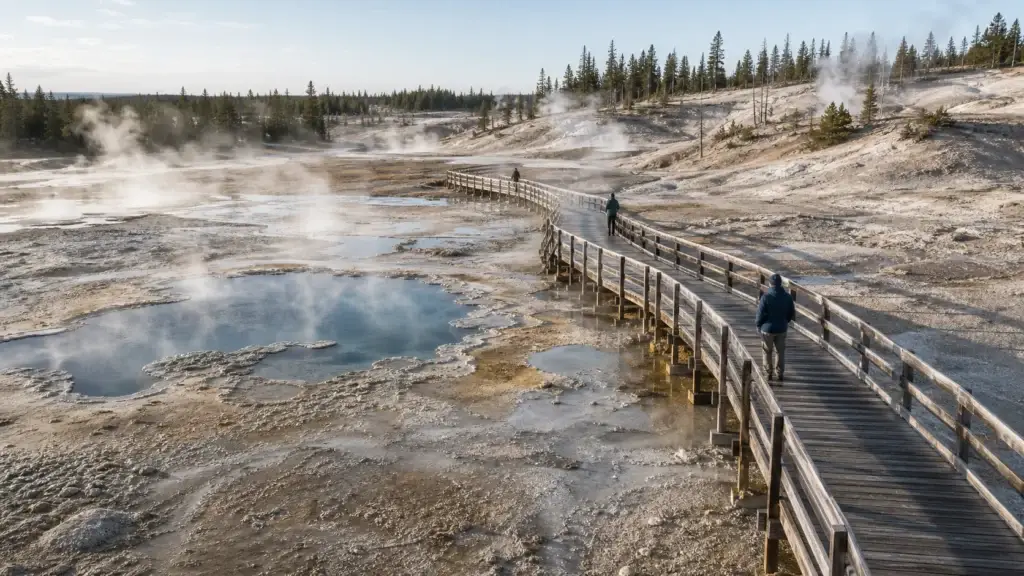
Named Yellowstone geyser basin with visible designated boardwalk

Geology

Read a geyser basin through heat, water and time

Use a qualified naturalist or geologist to connect hydrothermal features, volcanic systems and changing conditions from designated boardwalks. Never touch thermal water or runoff, and leave immediately if gases cause illness.

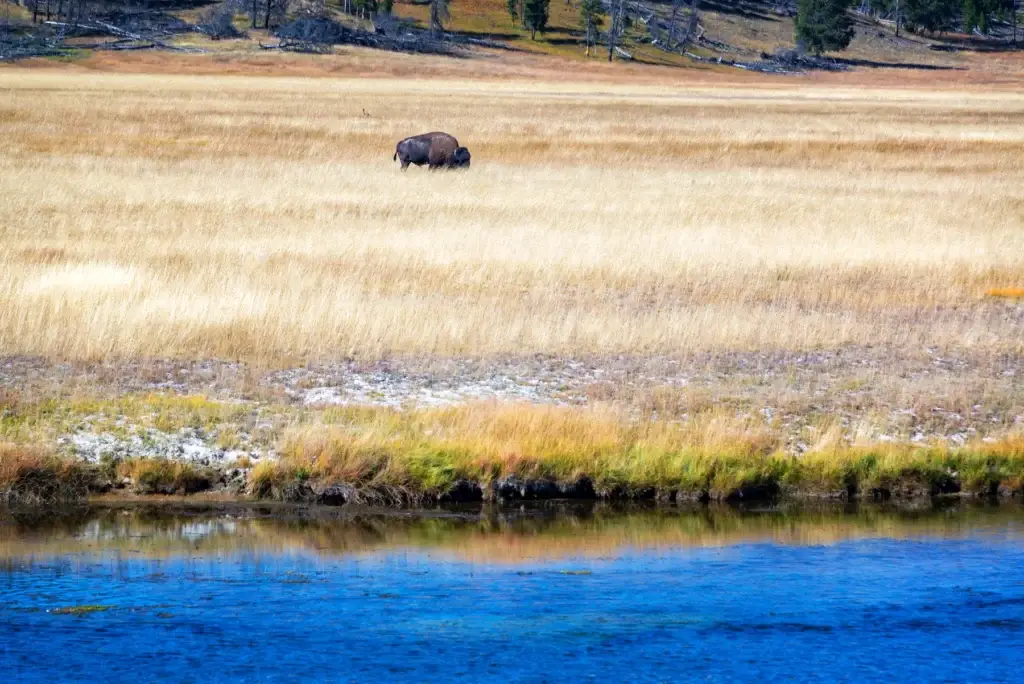
Yellowstone bison, elk, bear or wolf photographed from a safe telephoto perspective

Wildlife

Watch wildlife from the distance it requires

Let a naturalist choose a safe viewing area from current activity and road conditions, using optics rather than proximity. Sightings are never guaranteed, and legal distances remain 100 yards from bears, wolves and cougars and 25 yards from other wildlife.

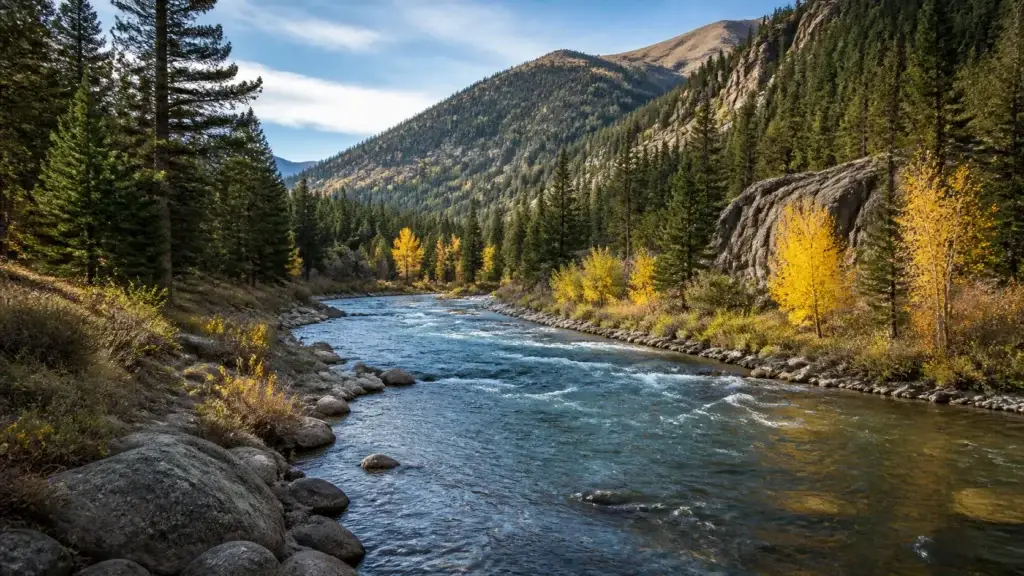
Gallatin River or Gallatin Canyon near Big Sky, Montana

Watershed

Follow the Gallatin watershed outside the park

A local naturalist can connect river, canyon, forest and wildlife through a route matched to ability and season, giving Big Sky its own ecological identity rather than treating it as a Yellowstone waiting room.

Yellowstone Tribal Heritage Center exterior or a verified Yellowstone landscape used only as geographic context

Indigenous history

Place Yellowstone within living Indigenous homelands

Use the Yellowstone Tribal Heritage Center, current Indigenous-led programming and consulted NPS interpretation to hear direct voices from associated Tribes. Do not turn living cultures into a private performance or generic frontier story.

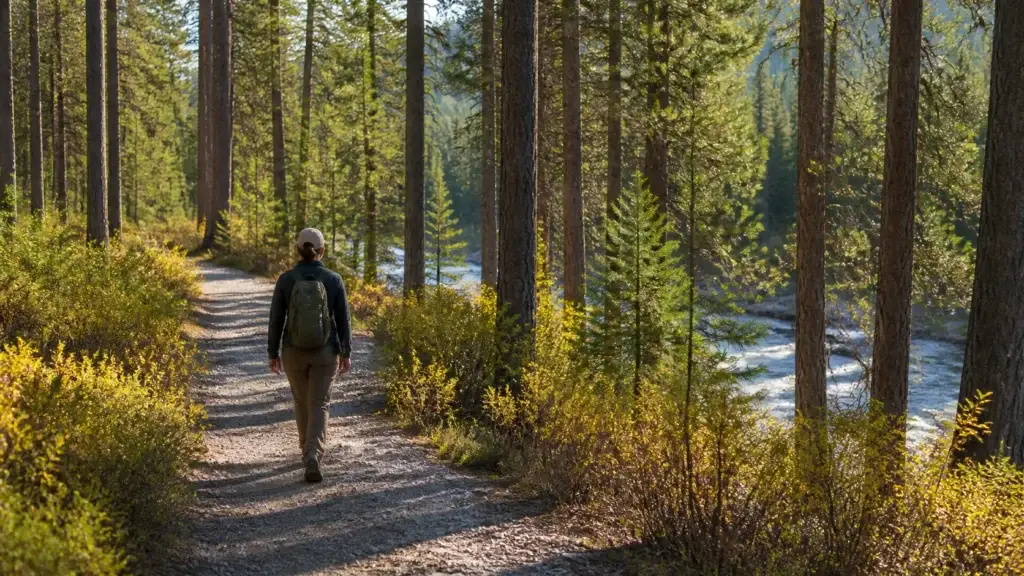
Gentle Big Sky forest, river or mountain trail appropriate to a low-demand day

Recovery

Protect one Big Sky recovery day

After a ski, trail or long park day, choose one gentle forest or river interval and leave the rest unprogrammed. The luxury is restored attention, not another list of amenities.

Travel restored

What makes Big Sky & Yellowstone, Montana a wellness destination?

What makes Big Sky and Yellowstone a wellness destination?

The destination teaches a disciplined relationship with altitude, weather, wildlife, heat and personal capacity. Big Sky provides the recovery base, while Yellowstone builds awe and restraint through living systems that cannot be controlled. Research suggests nature exposure may support short-term stress recovery, but these landscapes are not treatments and no biomarker result is promised.

Wellness role
A primary reason to travel
Best for
Travelers seeking restorative mountain time, naturalist-led meaning, altitude-aware pacing and a lasting respect for personal and environmental limits
Format
Private or small expert-led interpretation, ability-matched movement, quiet landscape intervals and protected recovery
Ideal commitment
One demanding chapter at most each day, with arrival adaptation and unprogrammed recovery treated as essential
Intensity
Varies

For companions

Strong for couples, solo travelers and multigenerational parties when altitude, terrain, transfer time and mobility are matched individually.

Seasonal lens

Summer offers the broadest road and trail range; winter supports ski and oversnow rhythms; shoulder seasons require flexible, exact-date planning.

Protect energy before adding exertion

Altitude-aware arrival

Begin with hydration, a gentle walk and an early evening while a private guide or trainer adapts the next day's effort to the traveler.

Duration
First afternoon and evening
Intensity
Gentle
Best for
Travelers arriving from lower elevation
Consider

Altitude response varies. Symptoms or medical concerns require professional medical advice, not itinerary optimization.

Lower stimulation through river and forest detail

Gallatin attention

Use a one-to-one naturalist for a quiet Gallatin river or forest interval focused on water, tracks, bird calls and changing light.

Duration
60 to 90 minutes
Intensity
Gentle
Best for
Travelers balancing activity and recovery
Consider

Wildlife, weather, trail surfaces and bear-country preparation require a current local check.

Practice attention without possession

Thermal awe with restraint

Let a private naturalist interpret a geyser basin from designated access, using silence and scale to replace the urge to rush or touch.

Duration
One carefully timed basin interval
Intensity
Gentle
Best for
Geology and contemplative travelers
Consider

Thermal features are dangerous, not bathing experiences. Stay on boardwalks, touch nothing and leave if gases cause illness.

Convert exertion into sustainable energy

Recovery after effort

Follow a ski, trail or long park day with a protected meal, sleep window and unprogrammed morning instead of stacking another early departure.

Duration
One evening and following morning
Intensity
Gentle
Best for
Active travelers and multigenerational groups
Consider

Recovery cannot compensate for unsafe exertion, severe weather or ignoring medical symptoms.

Wellness descriptions do not promise diagnosis, treatment, biomarker change or longevity. Activities must be matched to altitude, current conditions, mobility and individual medical needs.

Timing the journey

When to go

Summer and early autumn offer the broadest road access. Winter supports skiing and limited guided oversnow Yellowstone travel, while spring and late autumn require especially careful road, weather and operating-date checks.

Mar · Apr · May

Conditional

Spring

Weather
Mountain winter can continue while Yellowstone roads open in stages and weather changes quickly.
Crowds
Quieter than peak summer, with concentrated demand around openings and holidays.
Best for
Late skiing, wildlife interpretation and flexible park access only after live checks.

Jun · Jul · Aug

Best

Summer

Weather
The broadest road and trail access, with high-elevation weather, smoke, heat and storms still possible.
Crowds
Peak demand and traffic require early route decisions and patience.
Best for
Split-stay Yellowstone, naturalist-led wildlife and Gallatin outdoor time.

Sep · Oct · Nov

Good

Autumn

Weather
Early autumn can be excellent before snow, road closures and shorter daylight narrow the route.
Crowds
Demand eases unevenly while wildlife viewing areas can remain busy.
Best for
Wildlife, autumn light and a quieter Big Sky recovery chapter.

Dec · Jan · Feb

Conditional

Winter

Weather
Cold, snow and short daylight define the journey; most park roads close to regular vehicles.
Crowds
Ski demand peaks around holidays while Yellowstone services remain limited.
Best for
Big Sky skiing with a separately confirmed guided oversnow Yellowstone chapter.

Weather, smoke, altitude, roads, trails, thermal areas, wildlife activity, permits and services change. Live NPS conditions supersede every planned route.

Value, clearly framed

Understanding trip value

Custom quote based on exact route, accommodations, transfers, private vehicle, specialist access and seasonal availability. No public package price is stated.

What shapes the guidance

3 to 8 nights for two travelers; accommodations, transfers, private vehicle, guides and confirmed experiences priced at proposal stage.

Journey logistics

Arrive well

BZN is the principal gateway for Big Sky. Big Sky is about 45 miles south of Bozeman and 45 miles north of West Yellowstone, but road time changes with weather and traffic. Yellowstone has five entrances, and driving between them can take several hours, so the park-side base must follow the intended district and live road map.

Primary gateway Bozeman Yellowstone International Airport (BZN)

Premium commercial air

Arrive through BZN

Confirmed origin cityBozeman Yellowstone International Airport (BZN)

Scheduled air and confirmed private or rental vehicle

Confirm luggage, mobility support, winter equipment and final transfer for the exact flight and road conditions.

Final transfer

Use Big Sky for a focused West Entrance chapter

Big Sky, MontanaWest Yellowstone and Yellowstone West Entrance

Confirmed private or rental vehicle

This suits a limited west-side objective only. Check live roads, daylight, weather, traffic and traveler tolerance before departure.

Final transfer

Reposition for the Yellowstone objective

Big Sky or confirmed prior stopWest, North or South Entrance as route-matched

Confirmed private or rental vehicle and park-side stay

Yellowstone has five entrances and several hours may separate them. The live NPS road map supersedes planned access.

Access and mobility

Confirm airport assistance, vehicle type, transfer length, altitude tolerance, accessible parking, boardwalk grade, surface, seating, restrooms and seasonal conditions against the traveler's exact needs. NPS notes that accessibility varies by developed area and that some historic or remote facilities are not fully accessible.

Before you go

Practical planning notes

Getting around

Check the live road map

Projected opening dates do not guarantee access, and temporary closures may change the day.

Wellness

Keep thermal distance

Stay on designated boardwalks, touch no thermal feature or runoff and never frame hot springs as bathing.

Etiquette

Keep wildlife wild

Use optics, follow NPS distances and accept that sightings are never guaranteed.

Reservations

Confirm permits and access

Backcountry, boating, stock, accessibility and seasonal operations require exact-date confirmation.

The VH Luxe approach

How VH Luxe composes the journey

  1. Name the primary purpose

    Decide whether resort recovery or Yellowstone interpretation leads.

  2. Choose the entrance

    Match the gateway and park-side nights to the exact district and live roads.

  3. Protect recovery

    Leave space after altitude, ski, trail and long park days.

  4. Carry home adaptive ambition

    Keep the habit of letting conditions and capacity improve the plan.

Paramjit Harika, VTA, CTA

Advisor-led planning

Your journey, personally considered

Paramjit Harika

Founder & Luxury Travel Advisor

I coordinate your hotel and room, premium air, transfers and key experiences as one considered journey, with one point of contact from planning through travel.

Good to know

Frequently asked questions

How many nights do you need for Big Sky and Yellowstone?

Allow 3 to 4 nights for Big Sky alone and 6 to 8 when adding at least two park-side Yellowstone nights.

Can Big Sky be the only base for Yellowstone?

It can support a focused West Entrance day when live conditions cooperate, but it is not an efficient base for several Yellowstone districts.

Which Yellowstone entrance is best from Big Sky?

The West Entrance is the closest common approach, but the best entrance depends on the day's district, season, road status and wider route.

Are Yellowstone roads open year-round?

No. The North Entrance to Northeast Entrance road is generally the only road open year-round to regular vehicles, weather permitting. Most other roads are seasonal or limited to guided oversnow travel in winter.

Can you soak in Yellowstone's hot springs?

Do not treat Yellowstone thermal areas as bathing experiences. Stay on designated boardwalks and trails, and never touch thermal features or runoff.

What makes Big Sky and Yellowstone a wellness destination?

Its strongest wellness value comes from altitude-aware pacing, mountain recovery, expert-led natural interpretation and learning to respect limits, not from promised treatments or biomarker results.