The VH Luxe destination guide

Banff & Lake Louise, Alberta

Last updated 12 August 2026

Let protected access, mountain conditions and recovery shape a Banff journey that feels expansive instead of overfilled.

Recommended stay

5–

7 nights

Best time

June through September supports the broadest lake-transit and hiking rhythm. Late September can bring larch color with high demand and fast-changing conditions. Winter is a distinct snow, ski and quiet-movement journey, not a reduced summer itinerary.

Primary gateway

Calgary International Airport (YYC) and confirmed road transfer

Journey context

Allow 5 to 7 nights, with a split stay when both Banff townsite and early Lake Louise access matter.

Curator’s verdict

Banff and Lake Louise reward travelers who make fewer, better-timed choices. A split stay can protect lake access, confirmed transit removes avoidable friction, and one condition-led mountain objective leaves enough capacity to notice where you are.

Choose well

Which Banff and Lake Louise rhythm fits?

Choose the base pattern, lake access and movement level first. Then let current mountain conditions decide how much detail the day can hold.

Lake Louise community or lakeshore in documented Banff National Park context

First visits, photographers and travelers who want both Banff life and an unhurried Lake Louise chapter

Use two bases when lake access matters

A Banff stay followed by Lake Louise can reduce repeated transfers and protect earlier access to the lakes and nearby trail choices.

Worth knowing

Changing hotels adds packing and coordination. If lake access is not central, one well-positioned base may feel calmer.
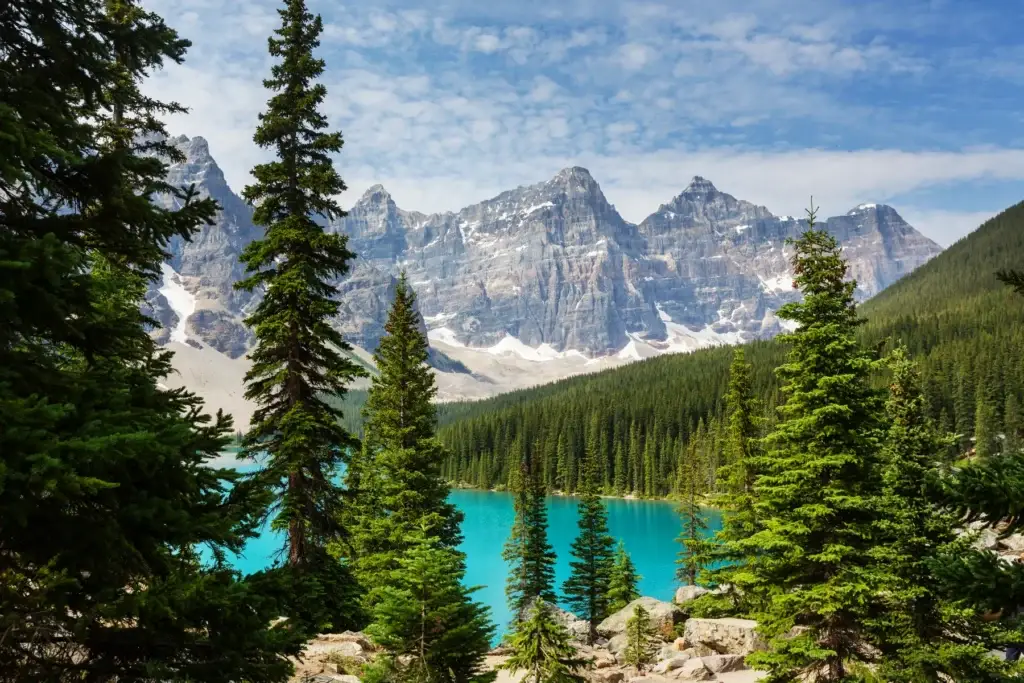
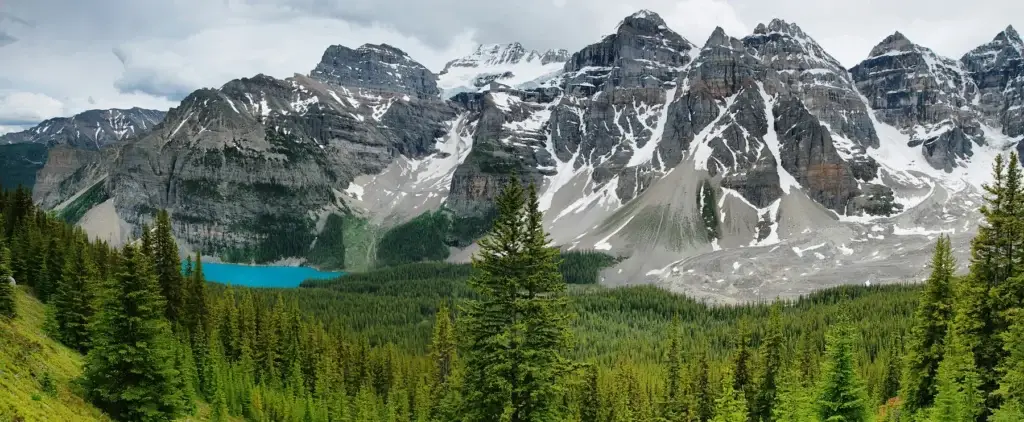
Documented Moraine Lake and Valley of the Ten Peaks or a Parks Canada shuttle in exact Moraine Lake context

Travelers who consider Moraine Lake essential and prefer certainty over improvised transport

Reserve Moraine Lake before designing the day

Secure an authorized transport plan first, then build the day's pace around the confirmed boarding point, lake order and return window.

Worth knowing

No premium vehicle or hotel status overrides the personal-vehicle restriction. Weather and operations can still change the visit.

Mixed-ability groups and travelers balancing adventure with recovery

Match the trail to the person

A specialist can match terrain, elevation, weather and duration to the actual traveler rather than to the most famous trail name.

Worth knowing

The right choice may be a shoreline interval or cultural visit when a longer route is unsafe or poorly matched.

Travelers who value calm decisions, safety and depth more than completing a checklist

Let conditions replace the headline

Cloud, smoke, wildlife activity or a closure can redirect the day toward natural history, Cave and Basin or a quieter Banff chapter.

Worth knowing

A signature lake or trail may not be available, and no itinerary can make mountain conditions negotiable.

A considered introduction

Banff townsite and Lake Louise serve different purposes. Banff supports dining, cultural interpretation, thermal-water history and a wider range of lower-intensity alternatives. Lake Louise places the traveler closer to the lakes, trails and reserved transport that often define the mountain chapter.

Allow five to seven nights. Use the first decision to choose one base or two, reserve Moraine Lake transport before building that day, and keep every trail ambition subordinate to current weather, wildlife, fire, avalanche and closure information.

Advisor note

Advisor perspective: I would choose the base pattern from the traveler's priority, secure controlled lake transport before adding detail, and protect one lower-intensity alternative for every mountain day. VH Luxe Travels can coordinate tailored arrangements where applicable, with transport, guides and access confirmed for the exact travel dates.

What stays with you

Signature experiences

Moraine Lake with the Valley of the Ten Peaks from a documented public viewpoint

Protected access

Meet Moraine Lake through the access system

Use confirmed transit and a low-friction start to give the lake unhurried attention. The achievement is not bypassing a public system, but designing elegantly within it.

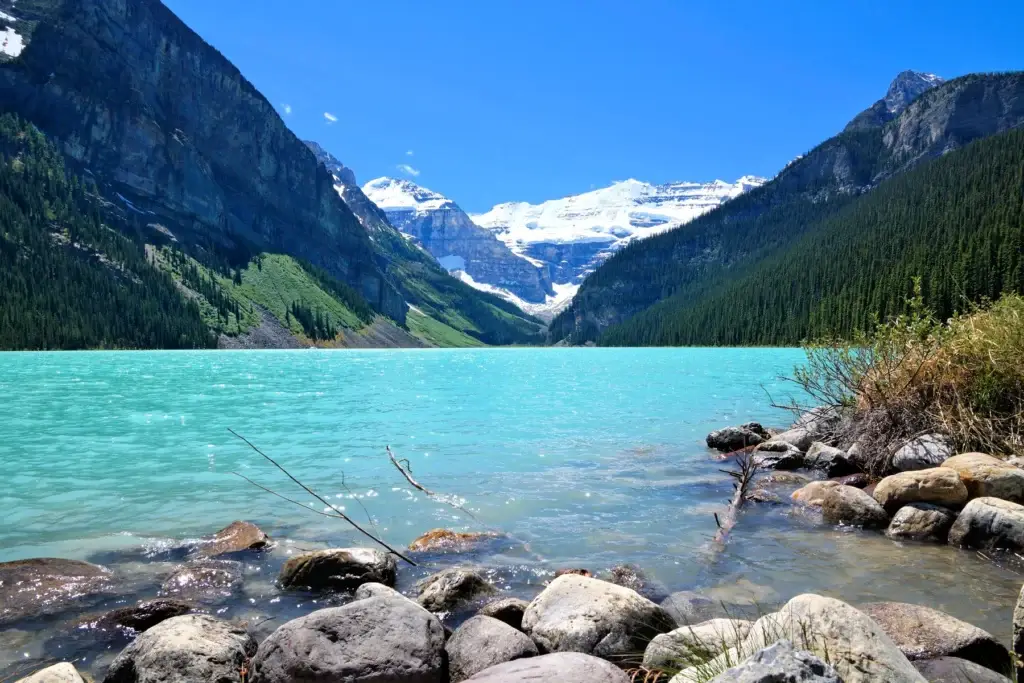
Lake Louise shoreline, Victoria Glacier or a documented Lake Louise trail in safe conditions

Glacial landscape

Read Lake Louise beyond the shoreline

A naturalist or mountain specialist can connect glacier, water, forest and visitor pressure through an ability-matched lakeshore or trail interval, subject to current conditions.

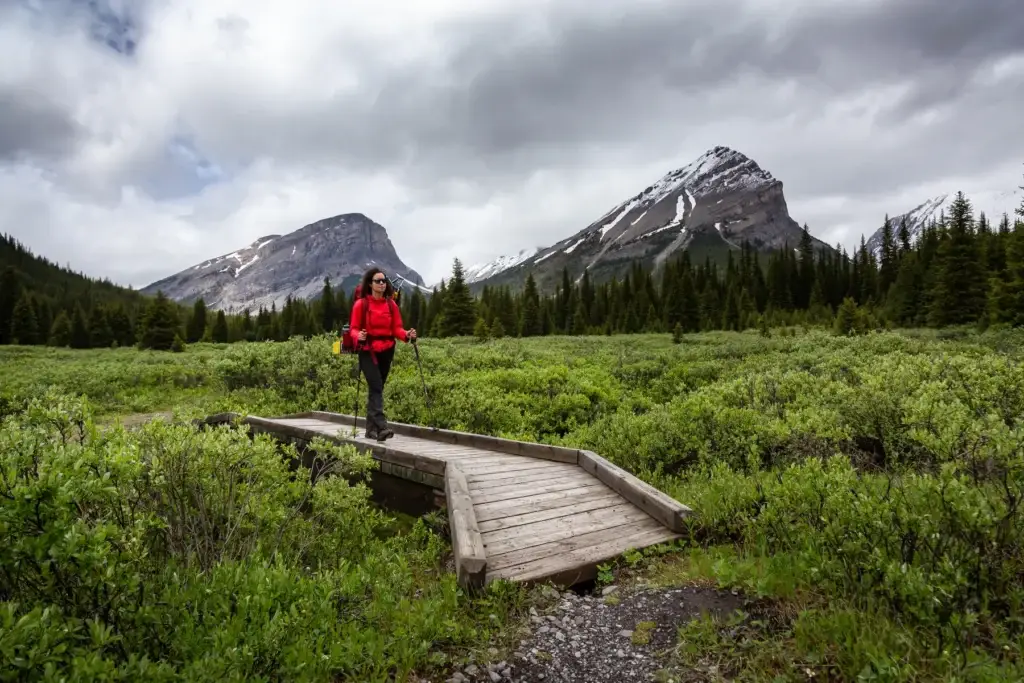
Documented Banff National Park trail with safe mountain-guide or small hiking context

Mountain movement

Let a mountain professional choose the right trail

Select one route from live weather, terrain, avalanche, wildlife and mobility information, then keep enough margin to return with energy rather than simply finish.

Exact authorized Indigenous-led interpretation at Lake Louise, a documented public cultural setting, or Lake Louise landscape used only as place context

Living cultures

Listen when Indigenous-led interpretation is scheduled

Attend confirmed first-voice programming by an Indigenous Advisory Circle member Nation when available. Listen without treating ceremony, identity or cultural presence as private inventory.

Thermal-water history

Trace the thermal-water story at Cave and Basin

Use Parks Canada interpretation to connect Indigenous significance, national-park history and conservation of the Banff Springs Snail before considering a separate public soak.

Travel restored

What makes Banff & Lake Louise, Alberta a wellness destination?

What makes Banff and Lake Louise a wellness destination?

Banff supports a shift from scheduled intensity to protected attention through ability-matched mountain movement, glacial-lake stillness and a historically honest thermal-water pause. Research associates nature exposure with some short-term stress-related measures, but results vary and this journey is not treatment; the lasting practice is leaving enough margin for the body, weather and landscape to set a wiser pace.

Wellness role
A primary reason to travel
Best for
Travelers seeking awe, lower stimulation, purposeful movement and a more durable habit of leaving margin
Format
Specialist-led natural history, ability-matched movement, protected lake access and public thermal-water history
Ideal commitment
One primary mountain objective, one credible lower-intensity alternative and protected meals, hydration and sleep around transfers
Intensity
Varies

For companions

Strong for couples and multigenerational travelers when altitude, shuttle access, terrain, pool use, weather and recovery are matched individually.

Seasonal lens

Summer supports the broadest lake and trail system. Autumn, winter and spring require distinct purposes and more operational restraint.

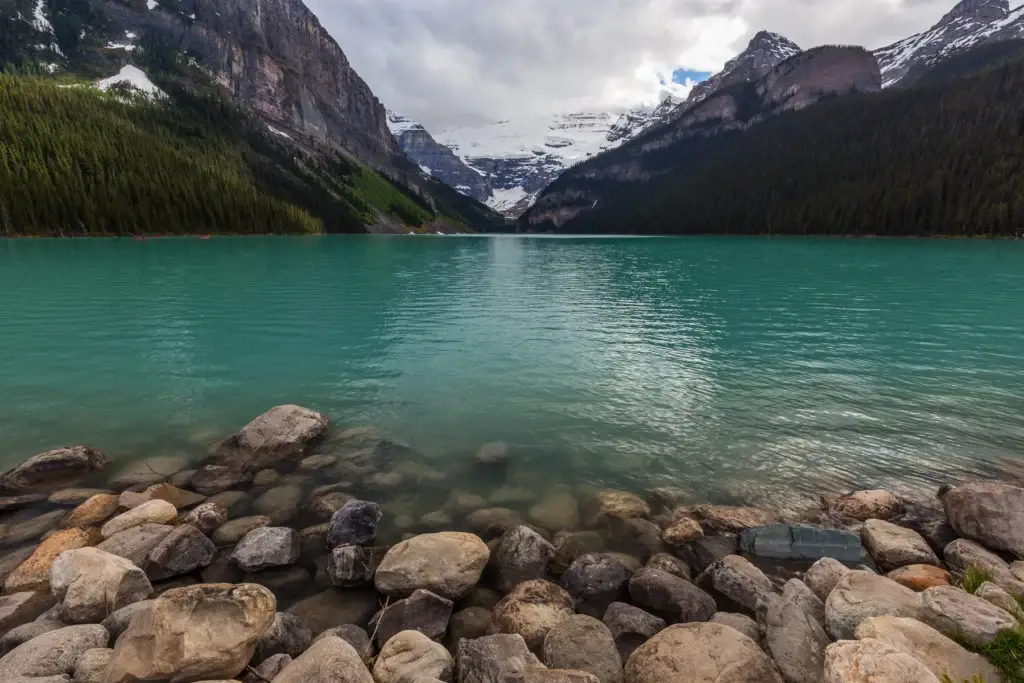
Lower stimulation through one sustained encounter with water, ice and mountain scale

Glacial-lake attention

Use a naturalist-led shoreline interval at Lake Louise or Moraine Lake, then leave time without another attraction immediately afterward.

Duration
60 to 90 minutes
Intensity
Gentle
Best for
Travelers who restore through close observation and context
Consider

Transit, crowds, weather, trail status and mobility determine the appropriate setting.

Use movement to build vitality without making elevation a test

Mountain capacity

Let a qualified mountain professional match route, pace and turnaround point to the traveler and the live conditions.

Duration
90 minutes to a half day
Intensity
Varies
Best for
Travelers who want meaningful movement with conservative recovery
Consider

Altitude, weather, avalanche exposure, wildlife, medical history and rescue limits require individualized planning.

Turn a public soak into a historically informed pause rather than a treatment claim

Thermal-water truth

Visit Cave and Basin for context, then use Banff Upper Hot Springs only if the public facility, capacity and personal health needs align.

Duration
One historic-site visit and an optional short soak
Intensity
Gentle
Best for
Travelers interested in place, history and warm-water recovery
Consider

The pool is 37 to 40 degrees Celsius, can cause overheating and may contain supplemented municipal water. Hydrate, cool frequently and seek medical advice when appropriate.

Remove access friction before it consumes the day

Transit as recovery

Confirm the lake transport system in advance, carry only what the day needs and use the return journey as an unprogrammed transition.

Duration
Built into each controlled-access day
Intensity
Gentle
Best for
Travelers whose energy is easily depleted by parking and last-minute logistics
Consider

Reservations improve structure but cannot guarantee weather, trail access, accessibility capacity or an uncrowded lake.

Wellness descriptions do not promise diagnosis, treatment, detoxification, biomarker change or longevity. Movement and hot-water use must be matched to current conditions, accessibility and individual medical needs.

Timing the journey

When to go

June through September supports the broadest lake-transit and hiking rhythm. Late September can bring larch color with high demand and fast-changing conditions. Winter is a distinct snow, ski and quiet-movement journey, not a reduced summer itinerary.

Jun · Jul · Aug

Best

Main summer season

Weather
Long daylight and the broadest trail and lake-transit rhythm, with rain, cold snaps, smoke, storms and snow at elevation still possible.
Crowds
Lake transport, parking, accommodations and popular trails face the strongest demand.
Best for
First visits, lake access, naturalist interpretation and ability-matched hiking.

Sep · Oct

Good

Autumn transition

Weather
Cooler days, possible larch color, early snow and rapidly changing trail conditions require flexible objectives.
Crowds
Larch season and holiday weekends can be highly sought after even as services begin to narrow.
Best for
Color, quieter observation and a shoulder-season journey built around current transport dates.

Nov · Dec · Jan · Feb · Mar · Apr

Good

Winter mountain chapter

Weather
Cold, snow, ice, short daylight and avalanche terrain redefine access and movement.
Crowds
Holiday and ski periods can be busy, while other dates feel quieter but not fully serviced.
Best for
Skiing, condition-approved winter walking, thermal-water history and protected recovery.

May

Conditional

Spring transition

Weather
Valley spring can coexist with snow, ice and avalanche exposure at higher elevations.
Crowds
Demand rises as summer systems reopen, but not every lake, trail or service follows the same date.
Best for
Banff-led cultural and lower-elevation days with conservative, live-condition mountain choices.

Weather, smoke, fire danger, snow, avalanche conditions, trails, roads, lake transit, parking, wildlife, spring flow and public-site operations change. Confirm the exact travel week and live status before each movement.

Value, clearly framed

Understanding trip value

Custom quote based on exact season, accommodations, transfers, transport reservations, authorized specialists and confirmed activities. No public package price is stated.

What shapes the guidance

5 to 7 nights for two travelers; accommodations, transfers, reserved lake transport, authorized guides and public admissions priced at proposal stage.

Journey logistics

Arrive well

Calgary is the closest major air gateway. Continue by confirmed scheduled transfer, licensed driver, public transit or rental vehicle. Road weather, traffic, stops and the chosen Banff or Lake Louise base determine the useful arrival plan, so avoid a tight first-day mountain objective.

Primary gateway Calgary International Airport (YYC) and confirmed road transfer

Premium commercial air

Arrive through Calgary

Confirmed origin cityCalgary International Airport (YYC)

Scheduled air and confirmed onward transfer

Protect time for baggage, weather and road conditions. A premium-cabin arrival does not remove the need for transfer margin.

Final transfer

Choose the road transfer around the first base

Calgary International Airport or CalgaryBanff townsite or Lake Louise community

Confirmed scheduled transfer, licensed driver, public transit or rental vehicle

Weather, construction, wildlife, traffic and rest stops change timing. Confirm winter equipment and the exact drop-off before travel.

Final transfer

Connect Banff and Lake Louise deliberately

Banff townsiteLake Louise community or lakeshore transit connection

Confirmed road transfer or public transit

A split stay may reduce repeated road time. Timetables, luggage handling, accessible service and hotel stops require current confirmation.

Final transfer

Enter Moraine Lake through controlled transport

Lake Louise Park and Ride or another currently authorized boarding pointMoraine Lake

Parks Canada shuttle, Roam Transit or licensed commercial operator

Personal vehicles are not permitted on Moraine Lake Road. Reservations, boarding points, operating dates, accessible dispatch and return times must be confirmed for the exact day.

Access and mobility

Confirm shuttle lift needs, companion capacity, parking placards, vehicle step height, trail surface, snow or ice, restroom access, pool entry and walking distance against the traveler's exact needs. Parks Canada lists accessible shuttles to Lake Louise and Moraine Lake within the regular system, but Moraine Lake has no accessible parking and service remains subject to ticketing and operational conditions.

Before you go

Practical planning notes

Reservations

Reserve the lake system

Confirm the current reservation release, first destination, check-in point, connector and final return before planning the day.

Getting around

Check conditions again

Review trail, weather, fire, avalanche, wildlife and closure information on the morning of every mountain objective.

Etiquette

Keep wildlife wild

Stay at least 100 metres from bears and 30 metres from elk, use optics and never crowd a roadside animal.

Wellness

Treat recovery as part of access

Altitude, long daylight, cold, heat and transfer time can change capacity. Protect hydration, meals, sleep and a lower-intensity option.

The VH Luxe approach

How VH Luxe composes the journey

  1. Choose the base pattern

    Decide whether one base or a Banff and Lake Louise split best protects the journey's central purpose.

  2. Secure controlled access

    Confirm Moraine Lake and lakeshore transport before adding trail, dining or spa detail.

  3. Move once with purpose

    Select one condition-led mountain objective and one credible lower-intensity alternative each day.

  4. Carry home protected margin

    Keep the habit of leaving enough space for weather, recovery and attention to improve the experience.

Paramjit Harika, VTA, CTA

Advisor-led planning

Your journey, personally considered

Paramjit Harika

Founder & Luxury Travel Advisor

I coordinate your hotel and room, premium air, transfers and key experiences as one considered journey, with one point of contact from planning through travel.

Good to know

Frequently asked questions

How many nights do you need for Banff and Lake Louise?

Allow 5 to 7 nights. A split stay can work well when Lake Louise access and Banff's dining and cultural alternatives are equally important.

Can a private vehicle drive to Moraine Lake?

No. Parks Canada states that personal vehicles are not permitted on Moraine Lake Road. Use a current Parks Canada shuttle, Roam Transit or a licensed commercial operator.

Do Lake Louise and Moraine Lake require reservations?

Parks Canada shuttle access requires a reservation and specific check-in process. Lake Louise parking is separate, paid and limited. Reconfirm the current season's rules before travel.

Is Banff suitable without demanding hikes?

Yes. Lake transit, lakeshore routes, natural-history interpretation, Indigenous-led programs when scheduled, Cave and Basin and scenic transfers can form a meaningful lower-intensity journey.

When is the best time to visit Banff and Lake Louise?

June through September offers the broadest summer system. Winter suits skiing and snow-centered travel, while spring and autumn require more flexibility around snow, transport and trail status.

What makes Banff and Lake Louise a wellness destination?

Its strongest wellness value comes from protected access, ability-matched movement, glacial-lake attention and a historically honest thermal-water pause, not from medical promises.